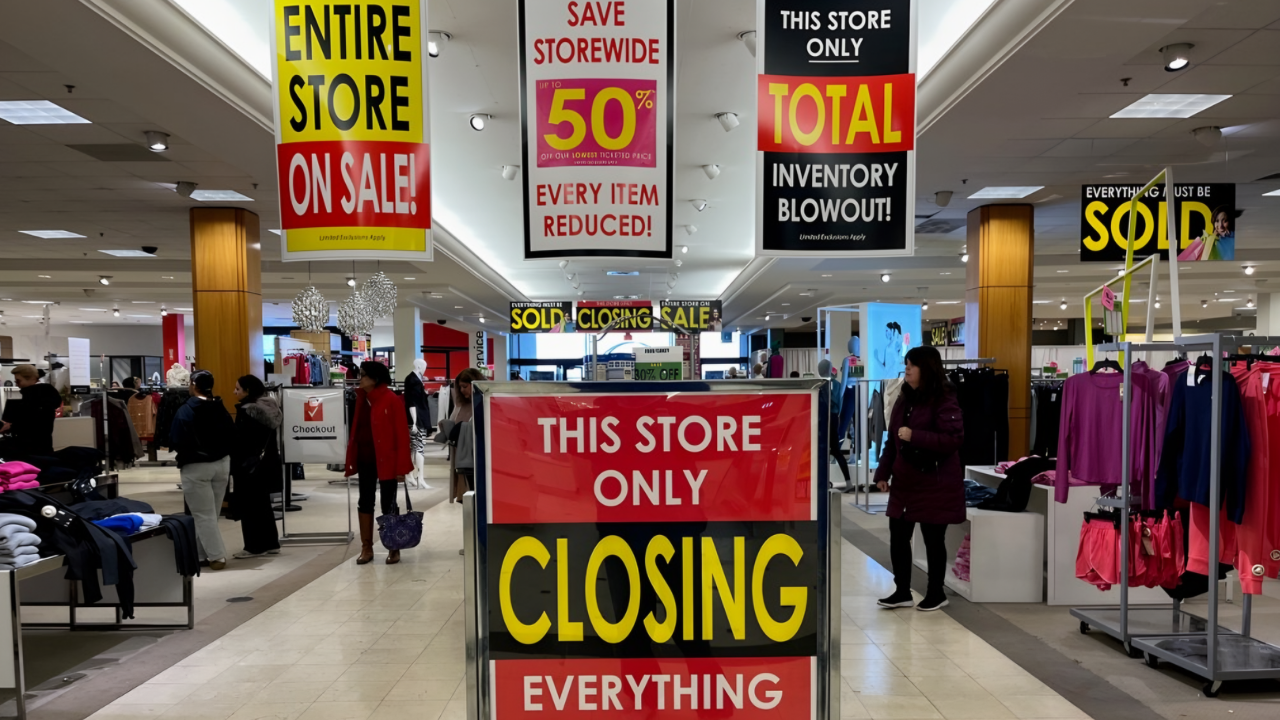
The phone call came just days before the New Year. As the South Windsor distribution center remained active during the holiday season, 106 Macy’s employees learned that their jobs would be eliminated between late December 2025 and January 10, 2026. The closure of Backstage operations at this Connecticut facility, announced abruptly, left workers searching for answers in the midst of the busiest shopping period.
Restructuring in a Shifting Retail Landscape
Macy’s decision to end its South Windsor Backstage operations is part of the company’s recently announced “Bold New Chapter” strategy. Facing industry-wide pressures from declining sales and evolving consumer habits, Macy’s is concentrating resources on its most profitable locations and consolidating off-price operations in Columbus, Ohio. This move is intended to streamline supply chains, cut costs, and respond competitively to e-commerce and changing shopper preferences. The company is investing in automation and advanced distribution centers, such as its new facility in China Grove, North Carolina, reflecting a broader digital transformation initiative.
A Macy’s spokesperson confirmed that the company is offering severance packages and limited transfer opportunities to impacted employees. The lack of union protections at South Windsor gives workers fewer options for recourse.
Local Fallout: Families and Community Feel the Strain
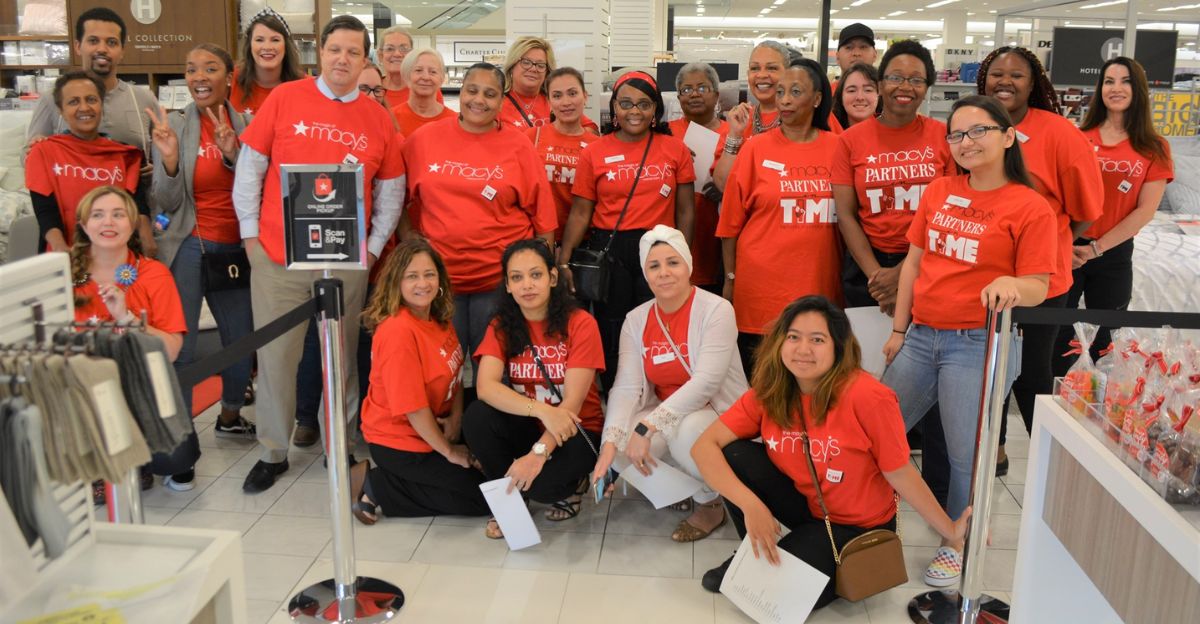
The 106 affected employees—including warehouse associates, managers, and equipment operators—face job loss during an economically sensitive season. Without union representation or bumping rights, many are dealing with immediate financial hardship, with ripple effects anticipated into the new year.
The closure’s impact will also affect local businesses, restaurants, and service providers tied to Macy’s operations. South Windsor officials have noted that the loss of over 100 jobs will likely reduce local spending and tax revenue, adding to regional economic challenges.
Industry Trends: Competitors and Global Comparisons
Macy’s is not alone in its retrenchment. Department store rivals like Kohl’s and JCPenney have also closed stores and consolidated operations recently to focus on digital investments and profitable sites. At the same time, off-price retailers such as TJX Companies (which owns TJ Maxx and Marshalls) and Ross Stores are expected to benefit, likely attracting shoppers who previously relied on Macy’s. Industry analysts note a global trend: many big department stores are reducing their physical footprints and investing heavily in e-commerce and automation.
Meanwhile, Macy’s changes could affect its reliance on international logistics, including imports from China. Ongoing U.S. tariffs and global supply chain disruptions continue to affect prices for apparel and toys, complicating the retail environment during the holiday season.
Worker Protections and Policy Questions

Macy’s filed the required Worker Adjustment and Retraining Notification (WARN) Act paperwork with Connecticut’s Department of Labor regarding the layoffs. The absence of union protections for South Windsor employees has raised broader questions about how current labor laws protect workers during major corporate overhauls.
Looking Ahead: The Future of Retail and Local Communities
As Macy’s consolidates operations and continues to invest in digital transformation, the outcomes will significantly affect both workers and the South Windsor community. The closure of this center highlights the challenges facing traditional retailers in a shifting marketplace. For affected employees, uncertainty persists as they face a contracting job market.
For local businesses, surviving after the loss of a major tenant will require adaptation and innovation. The ever-changing retail landscape means both disruption and the possibility of renewal—South Windsor’s story is only one example of this pivotal moment in American commerce.