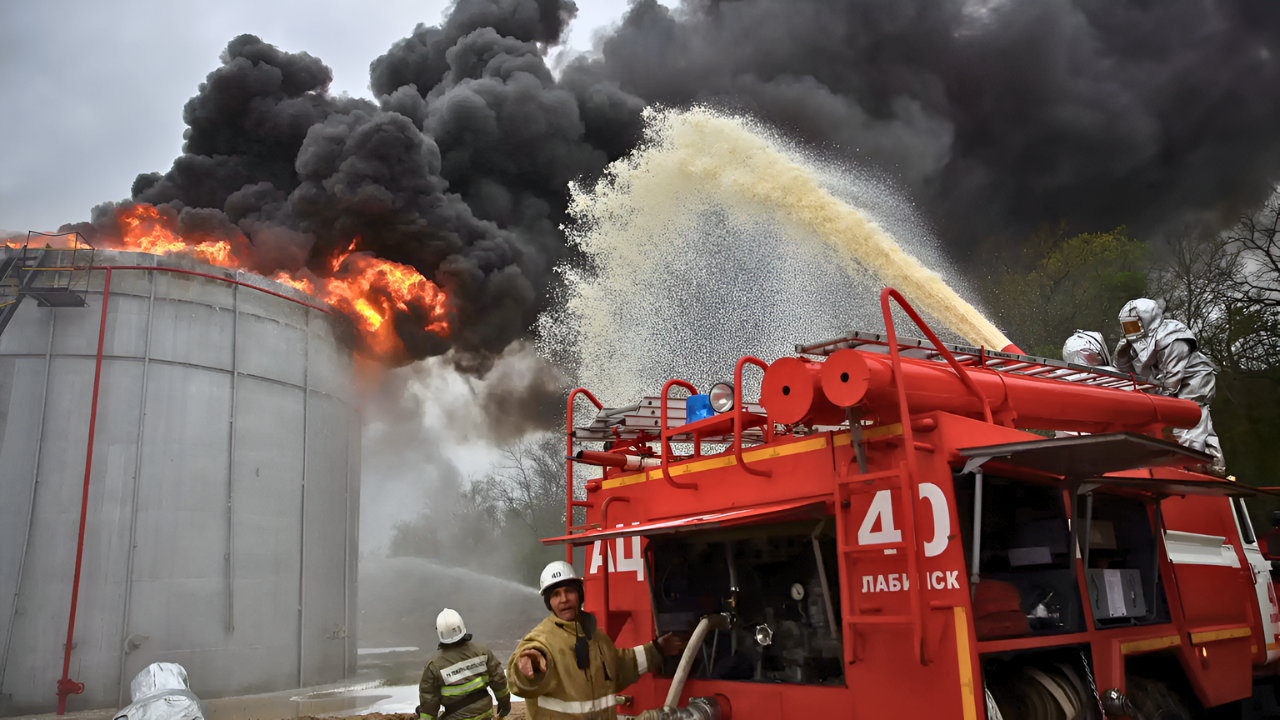
In one of the boldest operations of the war, Ukraine launched a sweeping 139-drone assault on October 23, 2025, striking Russian oil facilities across 10 regions. According to the Kyiv Independent, explosions rocked the Ryazan Oil Refinery and an ammunition depot near Valuyki in Belgorod.
The coordinated overnight barrage reached nearly 1,000 kilometers into Russian territory, marking Ukraine’s largest single-night drone attack to date.
Strategic Campaign to Cut War Funding
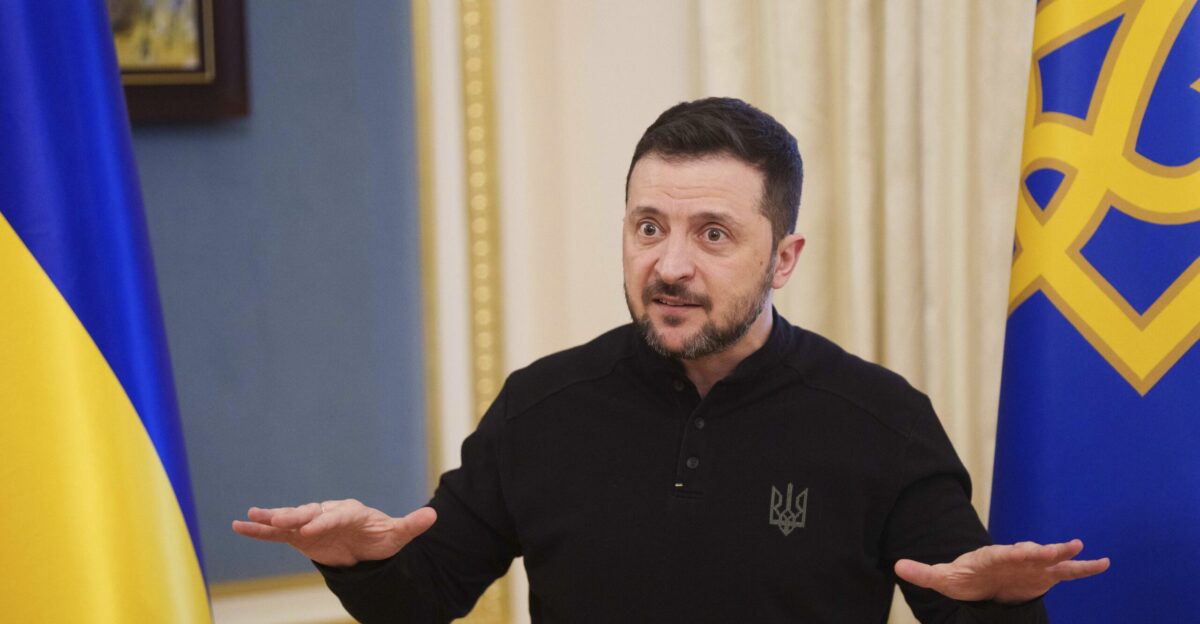
Kyiv made no secret of its intent. Ukrainian officials confirmed the strikes were designed to cripple Russia’s war economy by targeting the refineries that fund it. President Volodymyr Zelenskyy told United24 Media that “their money for the war comes from refining.”
The campaign, as ABC News reported, aims to sap Moscow’s resources by cutting refining output up to 27% through relentless, calculated attacks on energy infrastructure.
Ryazan Refinery: Critical Infrastructure Hit
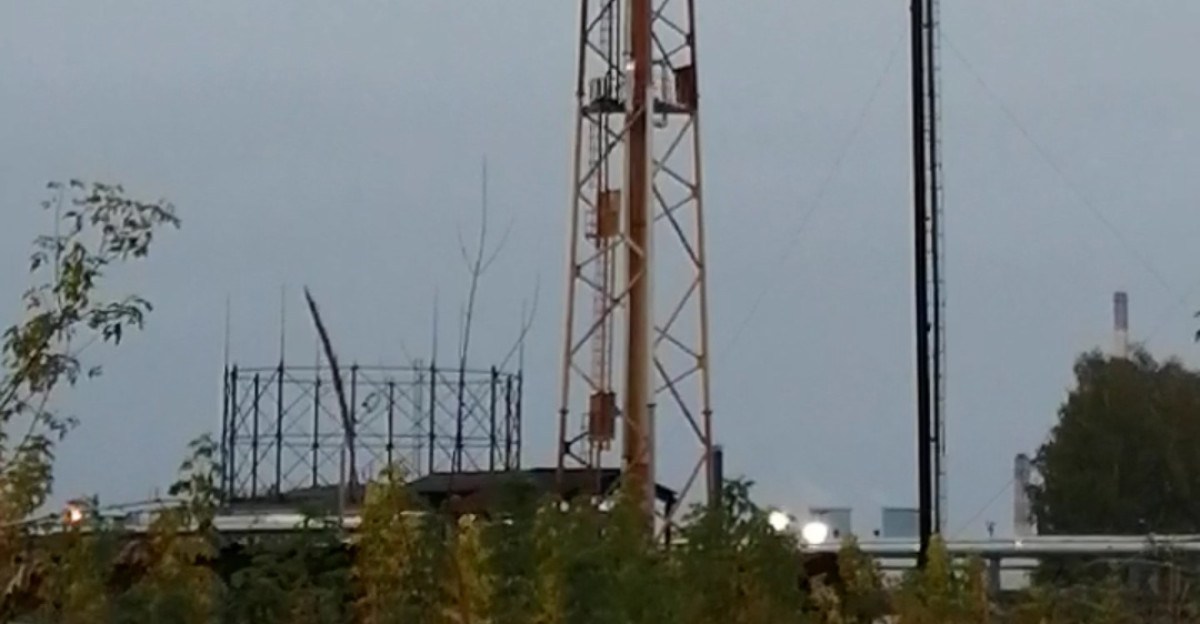
Among the targets, the Ryazan Oil Refinery stands out. Reuters reported the site processes about 17 million tons of crude oil annually—roughly 5% of Russia’s total refining power.
The Kyiv Independent confirmed that after the October 23 attack, its CDU-4 processing unit was shut down completely, disrupting the production of gasoline, diesel, fuel oil, and jet fuel, and striking a significant blow to Russia’s domestic fuel network.
Second Wave Targets Three More Facilities
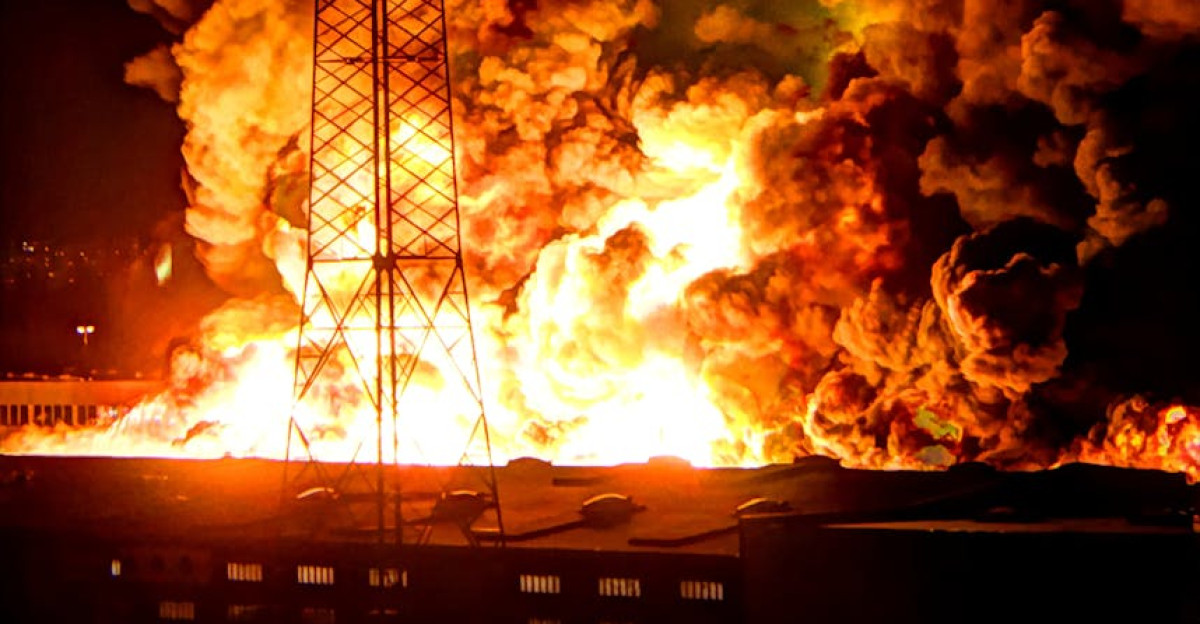
Ukraine didn’t stop there. Between October 28 and 29, three more key energy sites came under attack—the Mariysk and Novospassky refineries and the Budyonnovsk Gas Processing Plant. According to LIGA.net, explosions and fires erupted across multiple regions.
Ukrainian Special Operations Forces summarized the night’s events simply: “One night—three major targets.” The strikes showcased Ukraine’s sustained operational momentum and precision.
Cumulative Impact on Refining Capacity
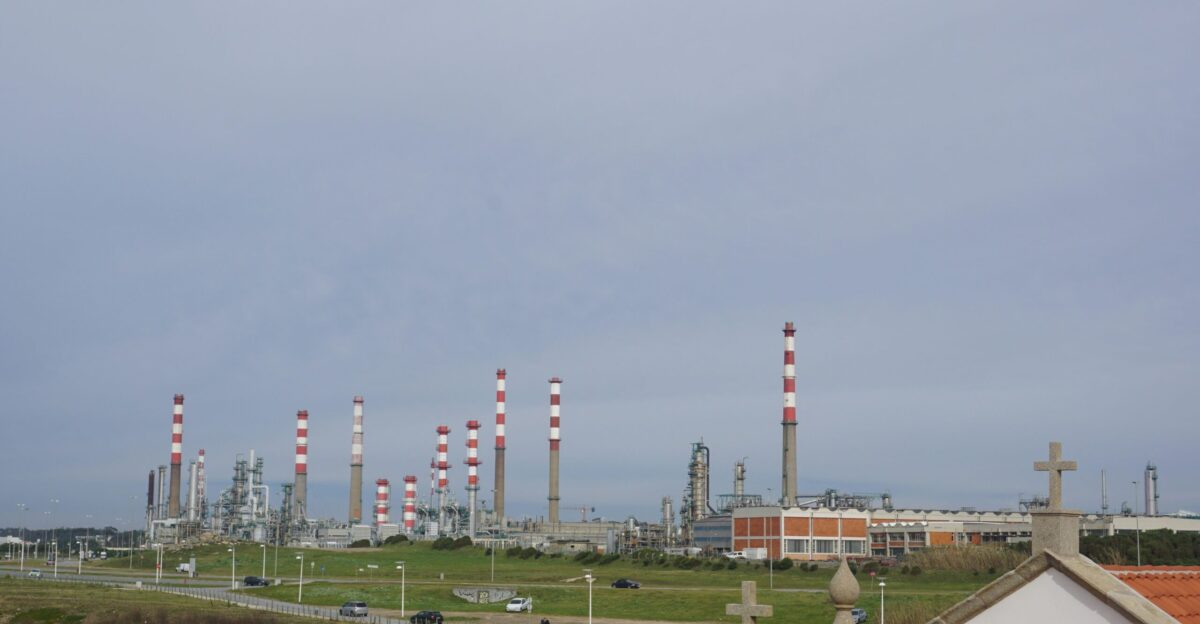
Weeks of strikes have left a deep scar on Russia’s refining network. President Zelenskyy told United24 Media that coordinated Ukrainian offensives have removed up to 27% of Russia’s refined-fuel production capacity.
Analysts from The Ins.ru noted that by late September, nearly 38% of the country’s refining units were offline, with at least 16 of Russia’s 38 major refineries damaged between August and October.
Fuel Price Crisis Hits Russian Consumers
For ordinary Russians, the effects are being felt at the pump. According to Izvestia, gasoline prices surged 2.58% in September—the sharpest monthly rise since 2018—while Kyiv Post reported annual fuel inflation climbing to 12.7%, a 14-year high.
Surveys found that 74% of drivers reported seeing higher prices, and nearly one in five encountered empty pumps, with regions such as Crimea and the Volga being the hardest hit.
Export Volumes Plummet Dramatically
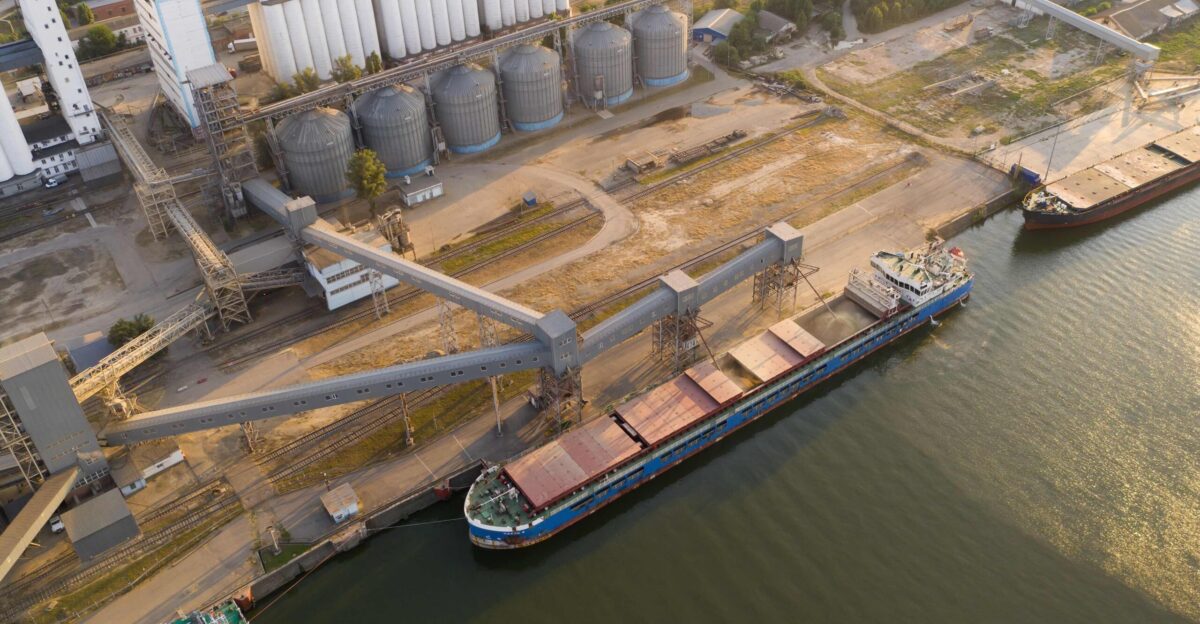
Russia’s export revenues are also shrinking fast. Reuters reported that seaborne fuel exports dropped 17% in September compared to August, while oil product shipments fell by 13%.
Independent data from the Centre for Research on Energy and Clean Air showed that fossil fuel revenues had plunged to EUR 546 million per day—the lowest since the invasion began—highlighting how deeply the strikes have cut into Moscow’s finances.
Government Response and Rationing Measures

As shortages spread, Russian authorities scrambled to act. According to Izvestia, officials proposed nationwide price caps and strict purchase limits—often between 20 and 30 liters per customer.
Finance Minister Anton Siluanov told Reuters that while shortages were real, he was confident the government could “stabilize the market soon.” Still, rationing persisted across southern and central regions well into autumn.
Russia Forced to Import Fuel
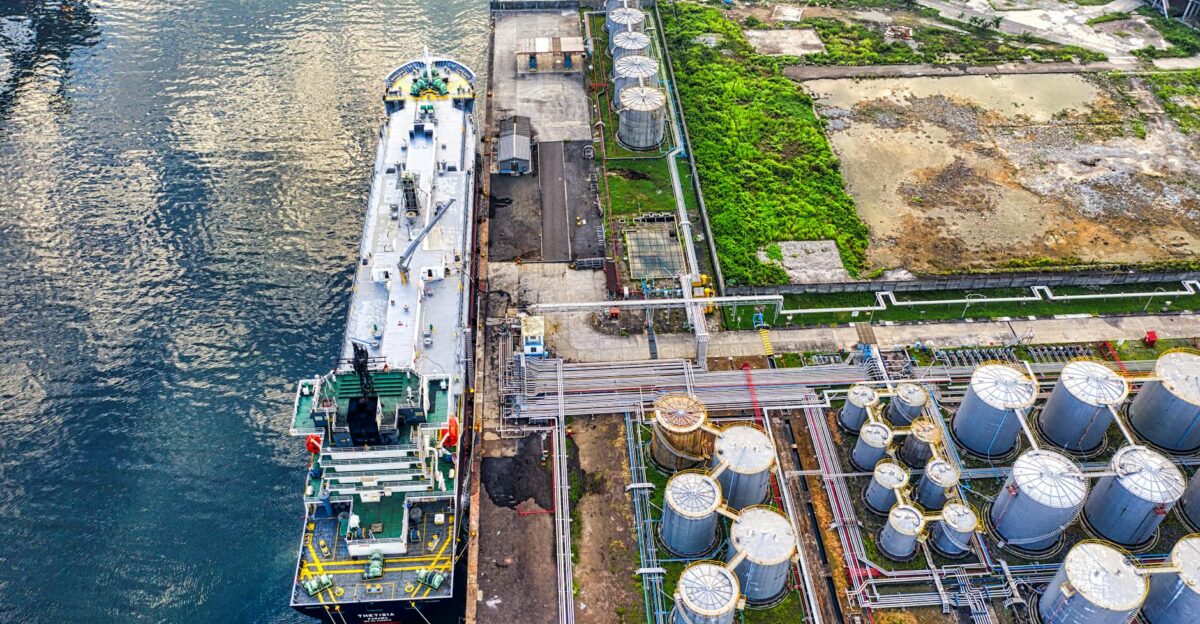
In a striking reversal, energy-rich Russia is now importing fuel. As Engelsberg Ideas noted, emergency shipments from Belarus and China were brought in to offset domestic shortfalls. Refineries in Moscow and Nizhny Novgorod ramped up output, but they couldn’t fully compensate for the losses.
For a nation long synonymous with energy independence, it’s a remarkable sign of strain.
Ukrainian-Made Drones Dominate Operations
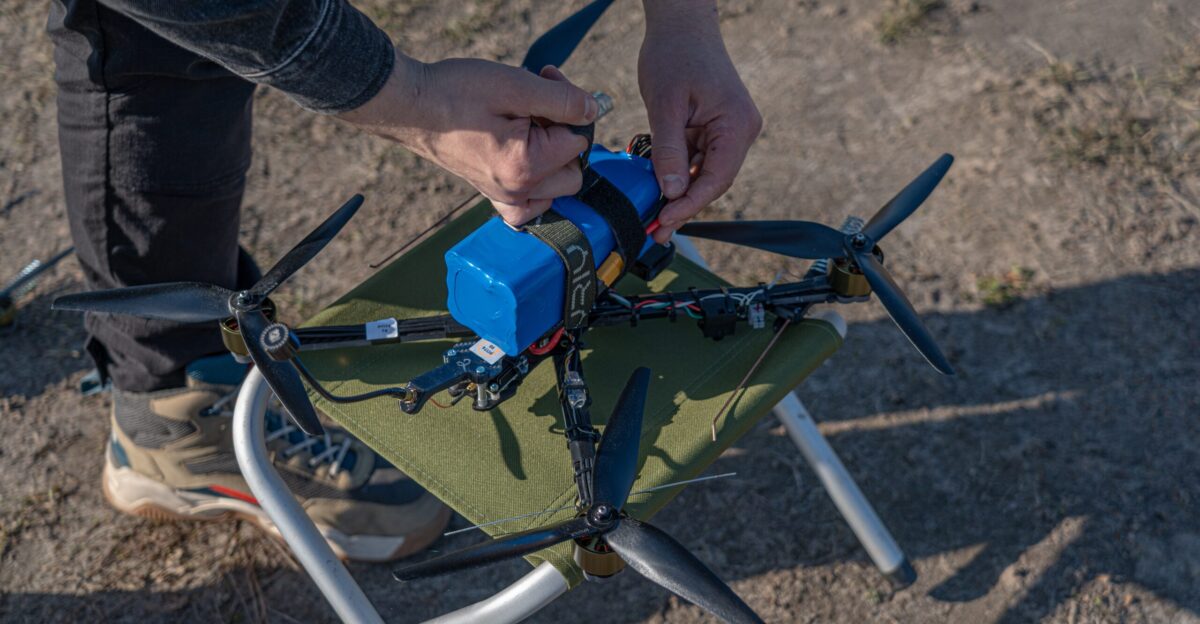
Zelenskyy told ABC News that up to 95% of Ukraine’s long-range strikes now rely on homegrown drones, not Western weapons. These domestically produced aircraft can fly nearly 1,000 kilometers and cost as little as $500 each.
This shift enables Ukraine to strike deep within Russia without external approval, granting Kyiv newfound operational independence and flexibility.
Asymmetric Warfare Economics Revolutionized

The economics of war have been turned on their head. Analysts at CSIS pointed out that drones costing under $1,000 are crippling refineries and aircraft worth billions.
Ukraine’s “Operation Spider’s Web” utilized inexpensive FPV drones, built with commercial parts, to target strategic bombers, demonstrating how creativity and low-cost technology can rival traditional firepower.
Long-Term Economic Implications Worsen
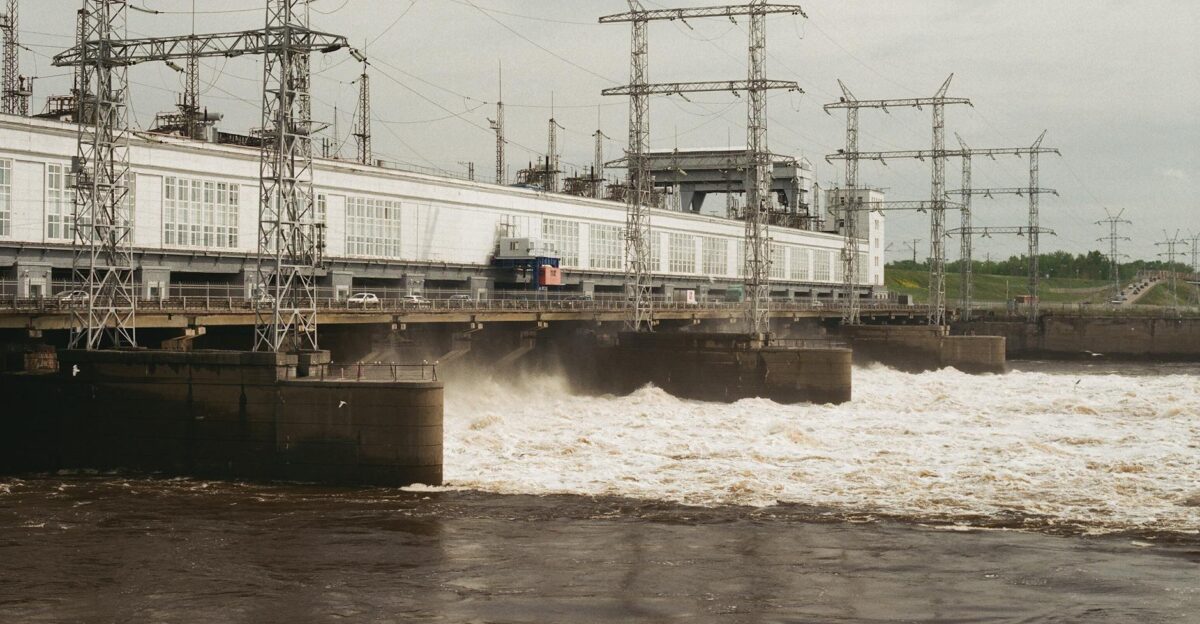
Experts warn the damage could reshape Russia’s energy sector for years. According to The Ins.ru, up to 25% of total refining capacity could remain offline for 6–12 months.
The Carnegie Endowment reported that damaged distillation units are nearly impossible to replace quickly, which is likely to lead to chronic fuel shortages, rationing, and long-term degradation in product quality nationwide.
International Market Disruptions Spread
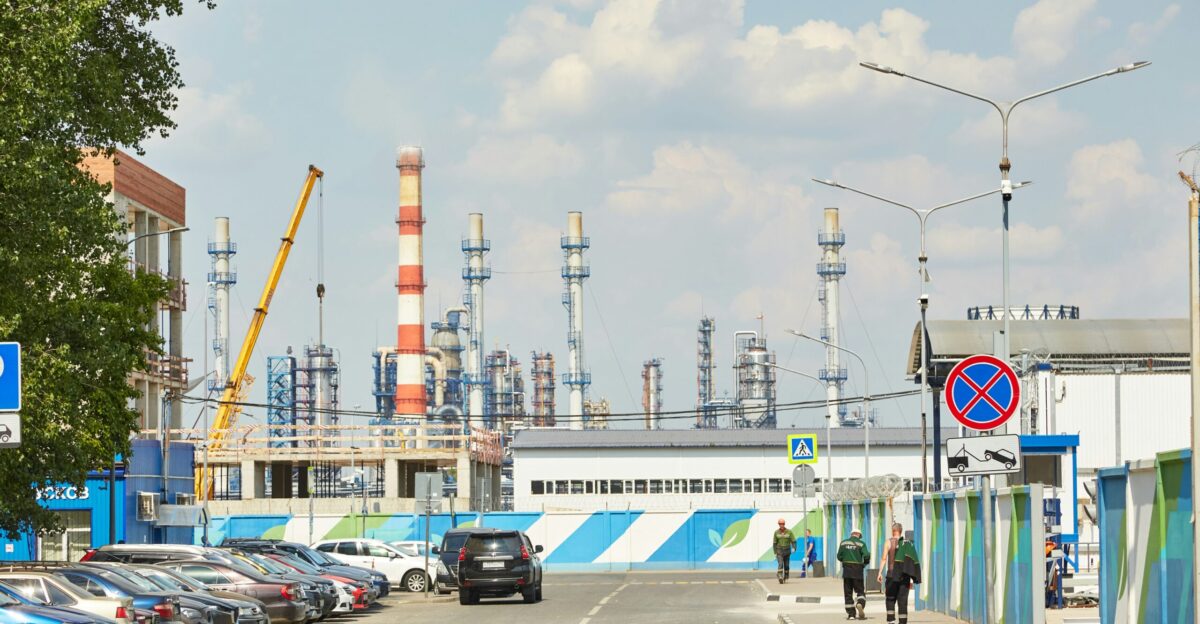
The shockwaves extend well beyond Russia’s borders. The Centre for Research on Energy and Clean Air noted that global buyers scrambled for alternatives as refined product exports fell sharply.
United24 Media reported that European countries accelerated their efforts in renewable energy and diversification, while Turkey’s imports of Russian oil products plunged 27% in September—the lowest since late 2022.
Air Defense Failures Exposed Dramatically
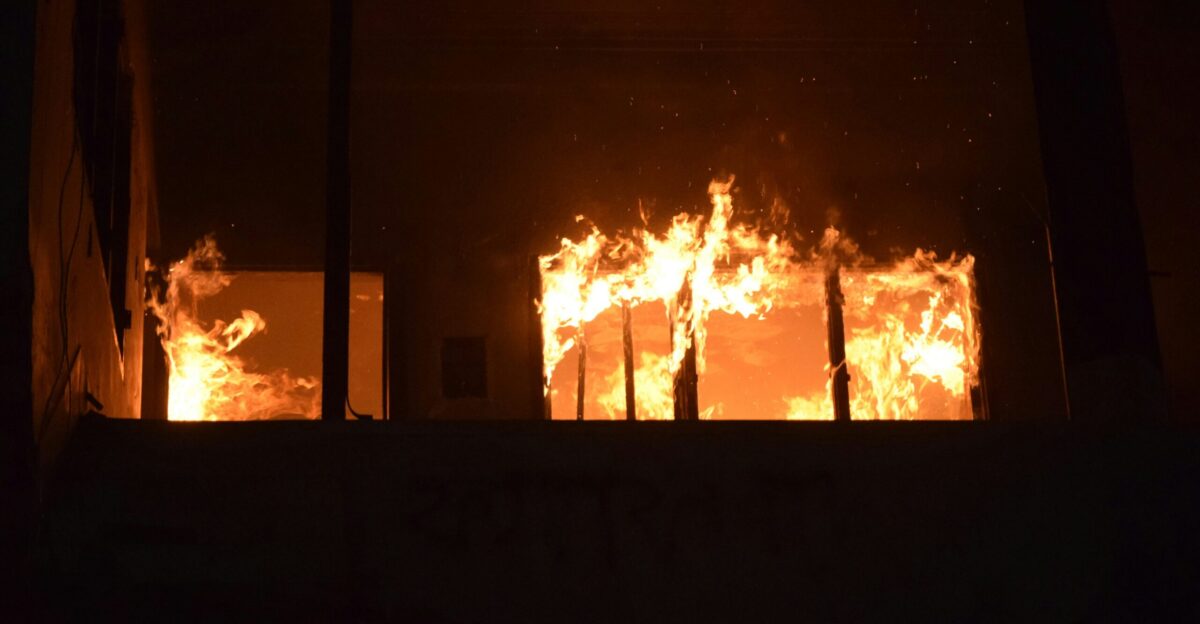
Moscow claimed it intercepted all 139 drones that night, but reports from the Kyiv Independent and Voennoedelo told a different story. Verified footage showed refineries and ammunition depots in flames.
The attack penetrated roughly 1,000 kilometers of defended airspace, revealing costly vulnerabilities in Russia’s much-vaunted air defense systems and raising questions about its true effectiveness.
Warfare Economics Fundamentally Transformed
As ABC News and United24 Media both observed, Ukraine’s October offensive highlights a new era in military strategy. Low-cost drones have degraded more than 20% of Russia’s refining capacity, forced fuel imports, and destabilized its economy.
The campaign highlights a defining truth of modern warfare: agility, innovation, and affordability now outweigh sheer size and spending.