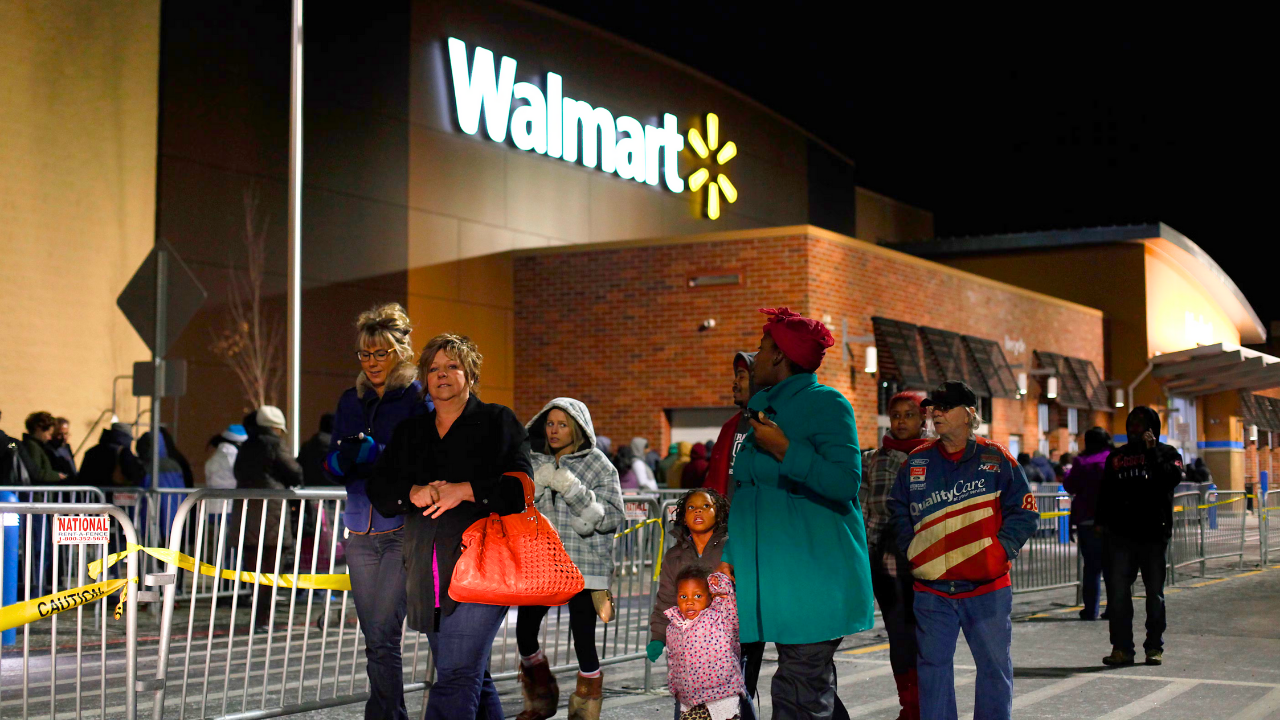
On a brisk morning in spring 2024, shoppers at Dollar General and Walmart found a familiar sight returning: the human cashier. After years of pushing self-checkout as the future of retail, America’s largest discount chains began dismantling unmanned registers in thousands of stores. The abrupt reversal—impacting more than 14,000 locations nationwide—signals a dramatic shift in how retailers balance convenience, security, and the bottom line.
Dollar General’s decision to convert more than 9,000 locations to associate-assisted checkout, while eliminating self-service entirely from thousands more stores, marked one of the largest retail technology reversals in modern history.
The Shrink Factor

The driving force behind this retreat is “shrink,” the retail industry’s term for losses from theft and error. Dollar General CEO Todd Vasos described shrink as the company’s “most significant headwind,” while Walmart’s Doug McMillon warned that unchecked theft could force price hikes or even store closures. U.S. retailers collectively lose billions annually to theft, with some estimates reaching $100 billion when all shrink is considered. For Walmart, the numbers are staggering: losses from theft reached $6.5 billion in 2023, with self-checkout terminals experiencing theft rates up to 16 times higher than staffed registers.
Research shows that self-checkout terminals are particularly vulnerable. About 15 percent of shoppers admit to stealing at these kiosks, and theft rates can be up to 16 times higher than at traditional, staffed registers. “The temptation is just too great for some people,” said Dr. Adrian Beck, a criminology professor at the University of Leicester who studies retail crime. “Automation without oversight creates opportunities for both intentional and accidental loss.”
A Local Perspective
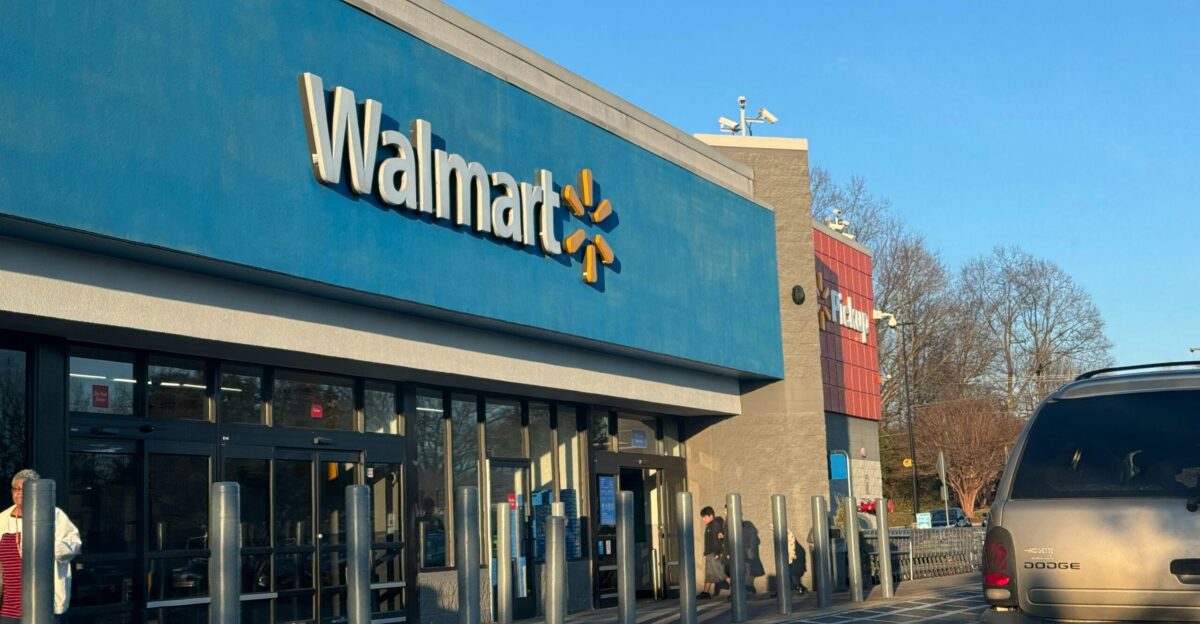
In Shrewsbury, Missouri, the local Walmart became a test case for the rollback. Within two weeks, self-checkout lanes were replaced with staffed registers. “It’s a little slower, but I feel like there’s less chaos now,” said cashier Maria Lopez, who has worked at the store for eight years. “People are less frustrated, and we’re catching mistakes before they become problems.” Police in Shrewsbury reported theft-related calls dropped 64% after the change—from 509 to 183 incidents in a five-month period.
Not all customers are pleased. Some miss the speed and privacy of scanning their own items. Others, like retiree John Miller, welcome the return of personal service: “I’d rather wait a few extra minutes and know someone’s there to help if I need it.”
Industry-Wide Repercussions

Dollar General’s decision to convert or remove self-checkout in over 12,000 of its 14,000 stores set off a chain reaction. Target soon limited self-checkout to customers with 10 items or fewer. Walmart, meanwhile, restricted self-checkout access in some locations to Walmart+ subscribers and delivery drivers, while removing the technology entirely from high-theft stores in Missouri, Ohio, New Mexico, and Los Angeles.
The impact extends beyond retail giants. Technology vendors supplying self-checkout hardware and software are feeling the pinch. Global shipments of self-checkout terminals rose 12 percent in 2023, but U.S. orders have since declined sharply. A major system failure at Walmart in May 2024, which caused widespread mispricing at kiosks, further eroded consumer trust and highlighted the operational risks of automation.
Global Trends and Comparisons
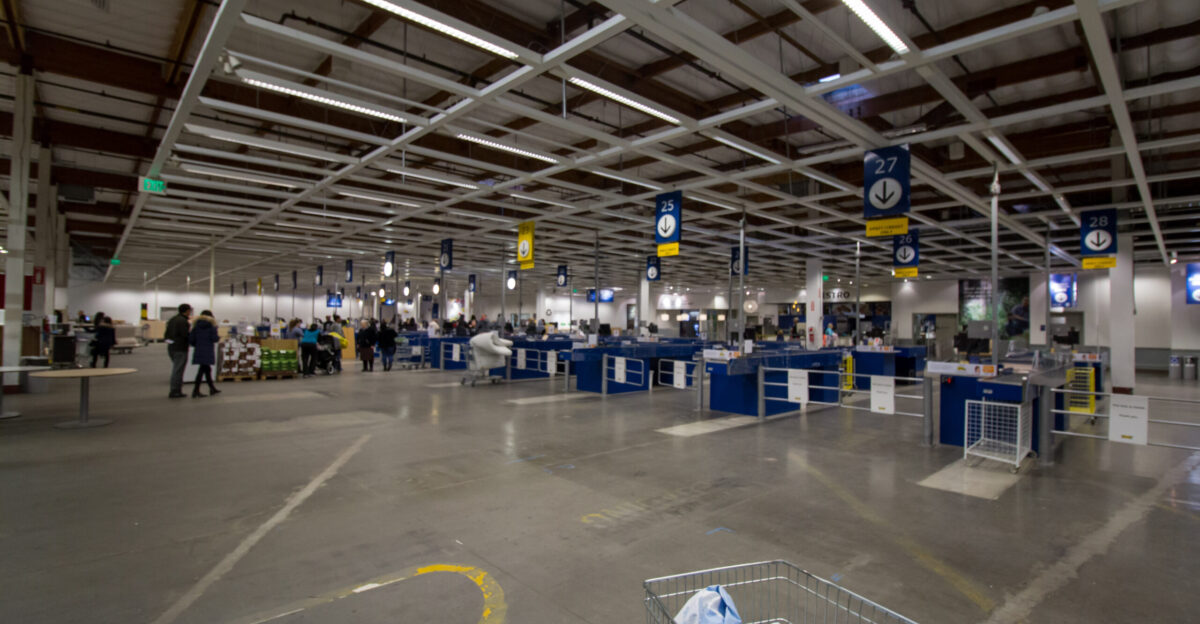
The self-checkout retreat is not confined to the U.S. In late 2023, British supermarket chain Booths removed self-checkout from 26 of its 28 stores, citing customer preference for human interaction. Germany’s EDEKA is piloting AI-powered kiosks that detect theft in real time, while other international retailers are experimenting with new safeguards. The North American self-checkout market, once growing at 14.5 percent annually, now faces a reckoning as global chains weigh the costs of automation against rising losses and customer dissatisfaction.
The British Retail Consortium reported that theft losses in the U.K. rose from £1.8 billion in 2023 to £2.2 billion in 2024—a 22 percent jump. Retailers warn that unchecked shrink forces price hikes, impacting every customer’s wallet.
A Return to Human Connection
For many employees, the shift back to manned registers is a relief. “It’s good to be talking to people again, not just watching screens,” said Lopez in Missouri. Retailers emphasize that the change is about “service and security,” not layoffs, allowing staff to focus on personal interaction and vigilance.
Lawmakers are taking notice, proposing tougher penalties for shoplifting and considering new regulations for self-service technology. Meanwhile, retailers are not abandoning innovation entirely. Walmart and others are piloting hybrid systems that blend staffed lanes with AI cameras and mobile checkout options for loyalty members.
Looking Ahead
The rapid rollback of self-checkout marks a pivotal moment for retail. As stores worldwide reconsider the balance between automation and accountability, the future of checkout is being reimagined in real time. Analysts still predict nearly two million self-checkout terminals globally by 2029, but the next generation will likely merge digital efficiency with human oversight.
For now, the message is clear: technology alone cannot replace trust. The retail industry’s challenge is to find a sustainable middle ground—one that protects profits, serves customers, and restores the human touch at the heart of shopping.