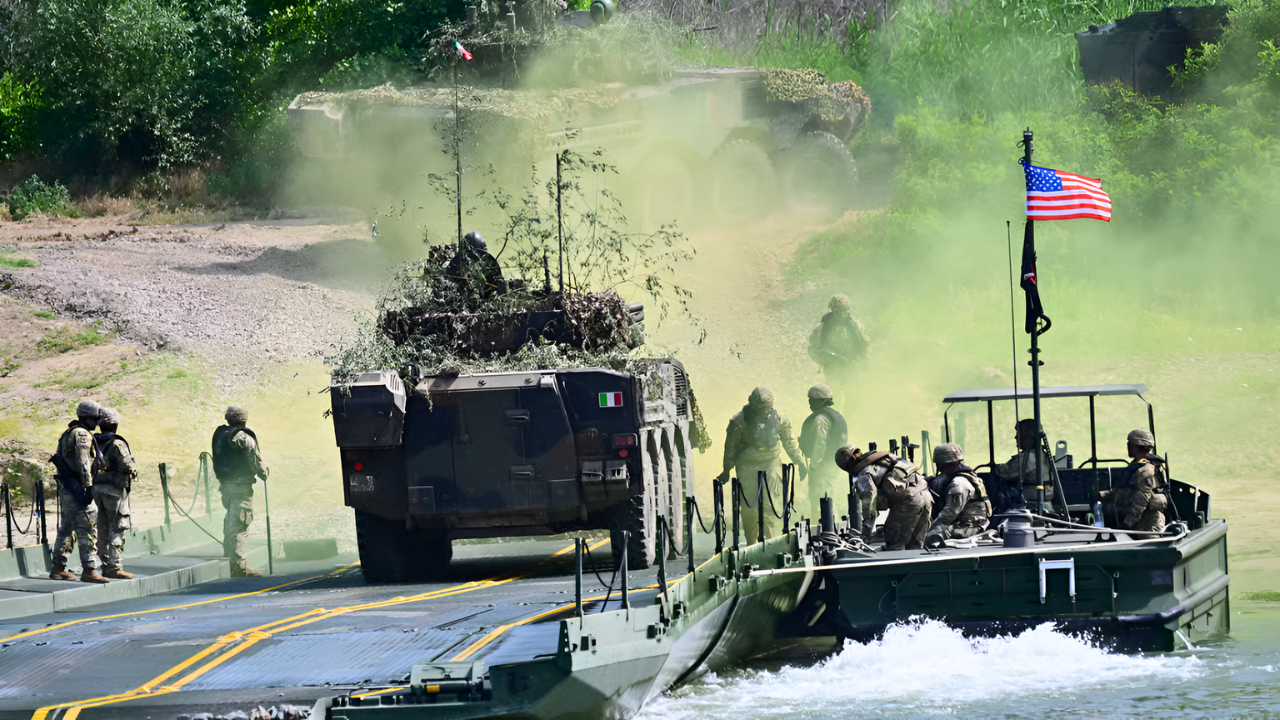
The United States has started pulling hundreds of soldiers out of Romania, a key NATO ally that borders Ukraine. This move, ordered by the Trump administration, reduces the number of American troops in Romania from about 1,700 to 1,000. Many European nations are uneasy about the change, as it comes during a tense time in the region due to Russia’s ongoing war against Ukraine. Some are questioning whether NATO’s defenses along its eastern border are still strong enough.
Romania has played an important role in NATO’s military plans since Russia invaded Ukraine in 2022. American troops based there have worked with local forces in training exercises and border protection. But now, as U.S. forces leave, Romanian leaders must calm public fears while managing a 40 percent drop in troop numbers. One Romanian mayor near a U.S. base said people are proud of their military cooperation but still anxious about what the reduction could mean for their safety.
Europe Responds to a Smaller American Role
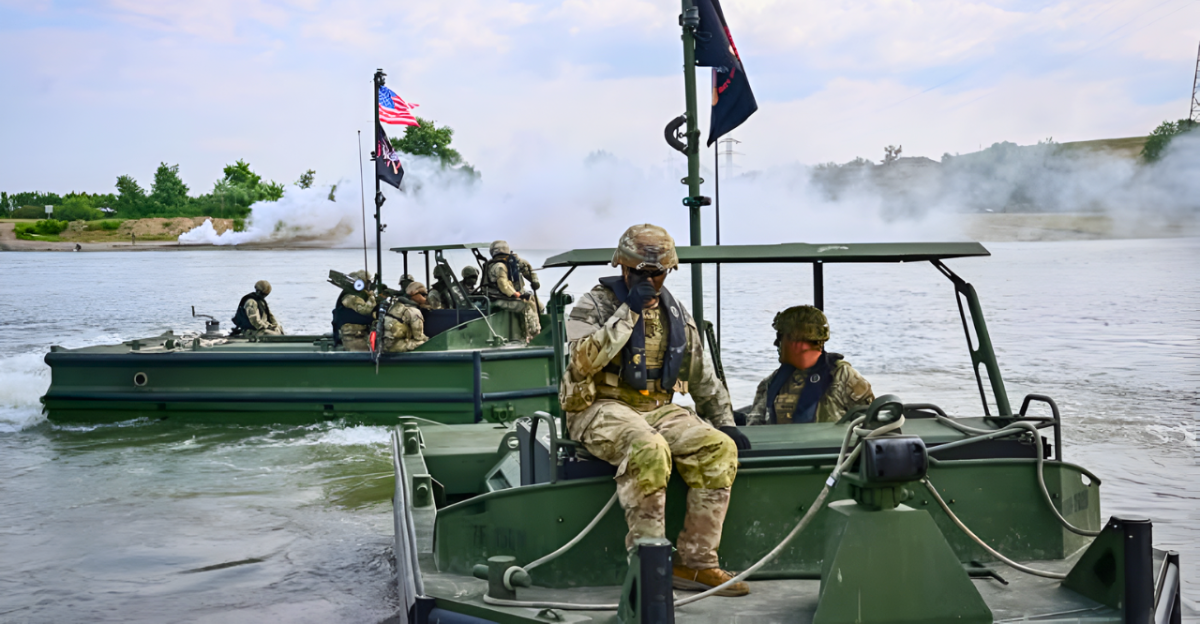
With fewer U.S. soldiers on the ground, European countries are starting to take on more of the security burden. Germany has deployed an armored brigade to Lithuania, its first permanent base abroad since World War II. France, Poland, and the Baltic states have also raised their defense budgets and added new combat units. These actions are meant to fill the gap left by the U.S. drawdown and to protect Europe’s eastern border.
NATO allies are trying to build a more connected defense network across the region. This plan, sometimes called the New Iron Curtain, involves sharing intelligence and logistics, using joint command centers, and coordinating missile defenses. Some countries are even creating shared drone fleets to monitor borders and deter any possible Russian aggression. One NATO analyst explained that by combining resources, European nations can cover more ground without depending as heavily on U.S. troops.
Political Tension and Strategic Debate
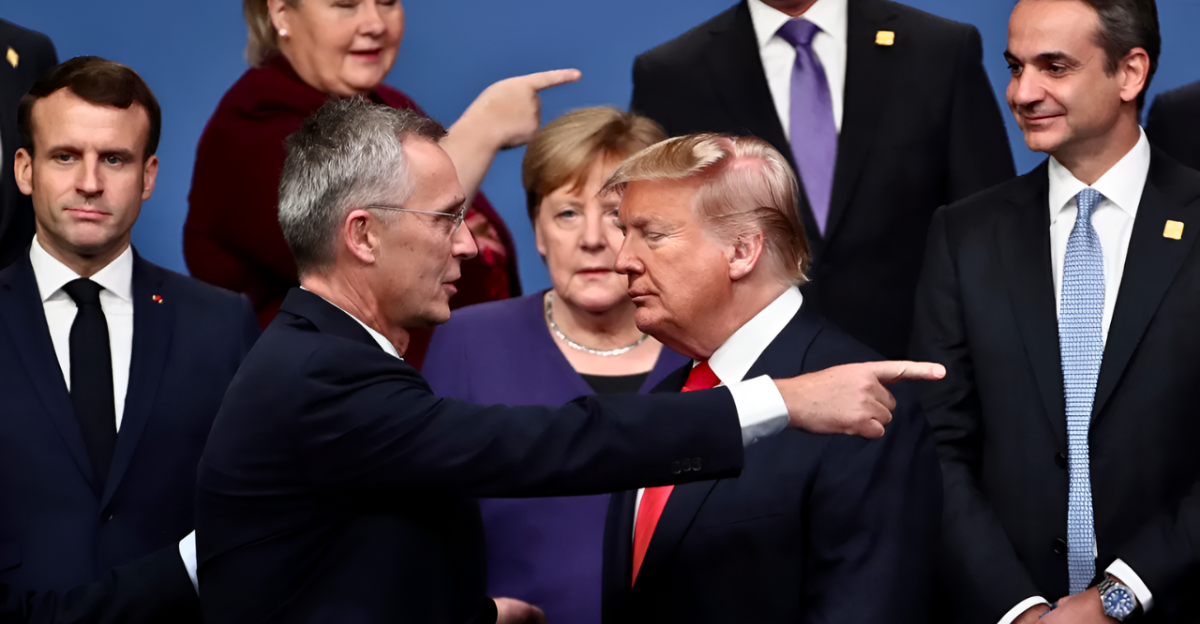
The reduction in American forces is not just a military issue, it is also creating political debate both in Europe and in the United States. Several Republican lawmakers, such as Senator Roger Wicker, have argued that reducing troops could make Russia feel bolder and weaken NATO’s overall strength. Inside the Pentagon, opinions are split. Some top officials wanted to keep a strong force in Romania to show commitment to Europe, while others believe U.S. priorities should shift to Asia, where China’s rise demands more attention.
Among NATO members, this move has reopened the old discussion about who should carry the defense load. Some European politicians say it’s time for Europe to become more self-reliant, but others fear losing access to vital American support systems like logistics and intelligence. Officials from the Baltic states, especially Lithuania and Latvia, say they were not fully informed about the reduction and now worry similar cuts might happen in their countries too.
Can Europe Manage Without the U.S.?
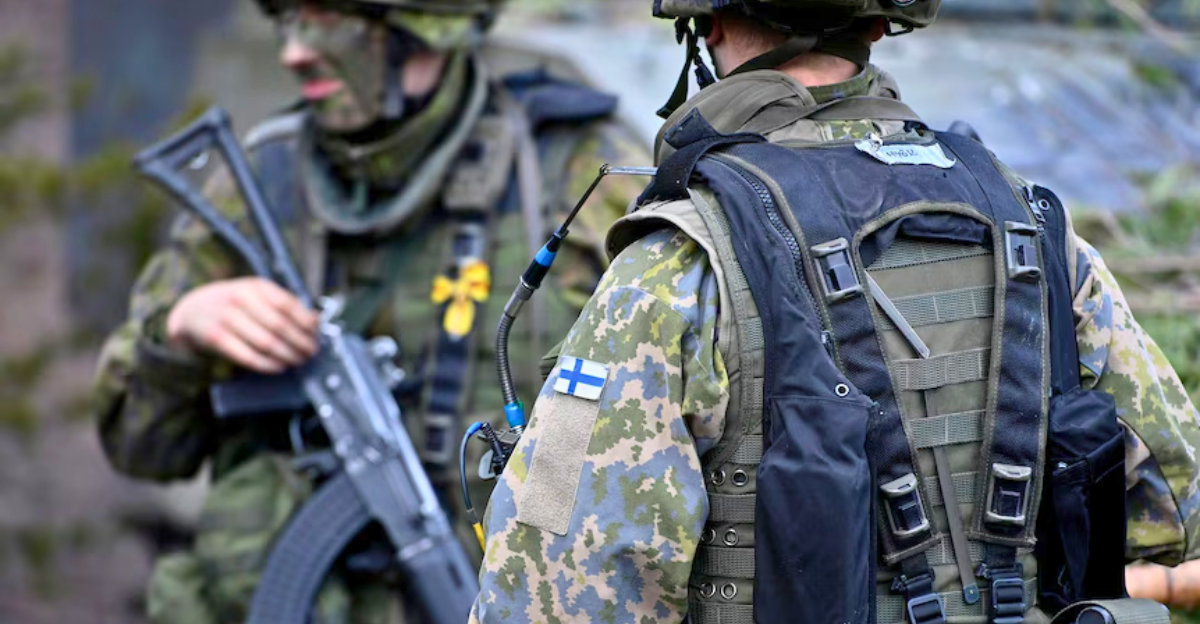
The big question now is whether Europe can truly take on more responsibility for its own defense. In recent years, European nations have improved their military cooperation, holding more joint exercises and using more standardized equipment. The European Defense Fund has invested heavily in new defense technologies, including tools to block drones and systems that use artificial intelligence for surveillance. A Romanian military planner said that frequent joint training is helping build both trust and skill among allied forces.
NATO leaders have tried to frame the U.S. withdrawal as a sign of faith in Europe’s growing strength. New security projects, like the Baltic Defense Line and Poland’s East Shield, are designed to link air, land, and missile defenses across nearby countries. However, some analysts say Europe still lacks certain U.S. advantages, such as fast global deployment and large-scale supply systems. Even with better coordination, these experts warn, replacing America’s military capabilities will take more time and investment.
The drawdown in Romania is a clear test for NATO’s unity and flexibility. As the U.S. reduces its footprint, the alliance must prove it can work together effectively even without constant American leadership. For Romania, Poland, and other nations along NATO’s eastern border, the coming years will show whether stronger European cooperation can provide the same level of safety once guaranteed by a larger U.S. force. One Romanian official put it simply: “We are entering a new era—one where we must depend on each other more than ever before.”