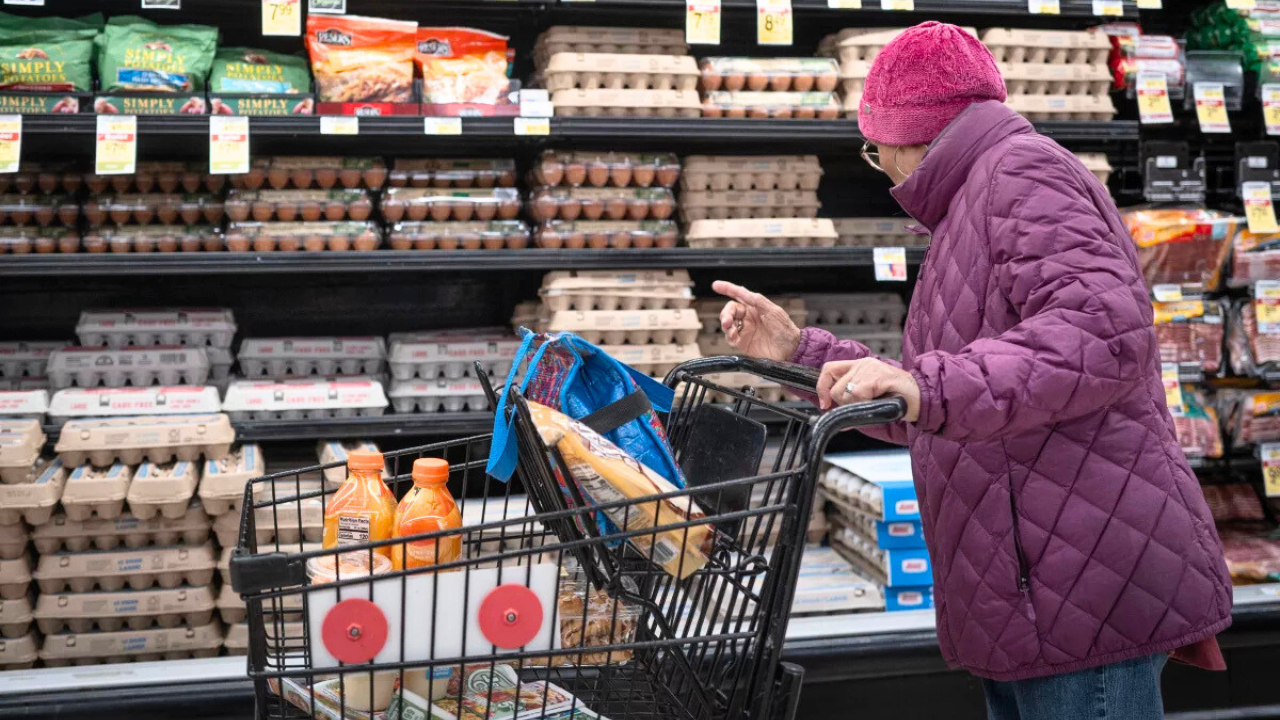
In late October, the U.S. Department of Agriculture (USDA) sent a stark reminder to grocery stores: offering special discounts to Supplemental Nutrition Assistance Program (SNAP) recipients is prohibited under federal regulations. This directive, rooted in the “Equal Treatment Rule,” arrived just as several retailers and food delivery services announced plans to help families weather the government shutdown by offering targeted discounts. The move has ignited debate over how the government is managing hunger relief and whether current policies are leaving vulnerable Americans at risk.
Regional Strain and Local Voices
The impact of the SNAP freeze is being felt acutely in states like Illinois, where nearly 2 million residents depend on $350 million in monthly SNAP benefits. State agencies have urged families to brace for disruptions, while local food pantries report surging demand. Food bank workers describe seeing families who have never needed help before arriving for assistance. Residents report concerns about how they’ll feed their children if benefits don’t resume.
Other states, including California and New York, are also scrambling to manage the fallout. With millions at risk of losing assistance, local governments and charities are struggling to fill the widening gap. The crisis is especially severe for children, who make up approximately 39% of SNAP recipients nationwide. Families across Illinois and other affected states report already stretching every dollar and facing uncertainty without SNAP assistance.
Retailers Caught in the Middle
Grocery chains and food delivery apps initially tried to cushion the blow by offering discounts to SNAP users. However, after the USDA’s warning, many quickly withdrew these offers to avoid jeopardizing their eligibility to accept SNAP payments. This has left both retailers and families frustrated. Retailers report wanting to help customers but being constrained by federal regulations.
The tension between federal policy and local relief efforts is mounting. Legal experts argue that the USDA’s strict interpretation of the Equal Treatment Rule may be inadvertently harming the very communities SNAP is meant to support. Policy analysts note that while the intent of the law is fairness, crisis situations may require flexibility.
Food Insecurity Reaches Crisis Levels
As federal benefits stall, food banks and community organizations are stepping up, but the scale of need is overwhelming. Nationwide, 42 million Americans rely on SNAP, and local aid cannot match the magnitude of federal support. States have tried to provide extra resources, but the demand far outpaces supply.
The USDA holds $5–6 billion in contingency funds, but initially refused to release them, citing an $8 billion requirement for November’s benefits. Courts have since ordered the agency to use these funds, highlighting bureaucratic hurdles and growing frustration with federal leadership. Food bank officials report doing everything possible but acknowledge the system’s limitations in meeting current demand.
Legal Battles and Political Fallout
The SNAP freeze has triggered a wave of lawsuits and political clashes. Democratic attorneys general from 25 states and the District of Columbia have sued the federal government, arguing that it is legally obligated to continue SNAP payments. Meanwhile, the U.S. Conference of Mayors and numerous senators have called on USDA Secretary Brooke Rollins to release contingency funds and restore benefits.
Retailers, too, are feeling the strain. Small grocery stores in low-income neighborhoods, where SNAP purchases can account for over half of revenue, face possible closure. Store owners in these communities express concerns that losing SNAP eligibility could force business closures, leaving neighborhoods without grocery access. Major chains like Walmart, which handles approximately 26% of all SNAP grocery spending, are bracing for significant sales declines.
Global Context and Long-Term Risks
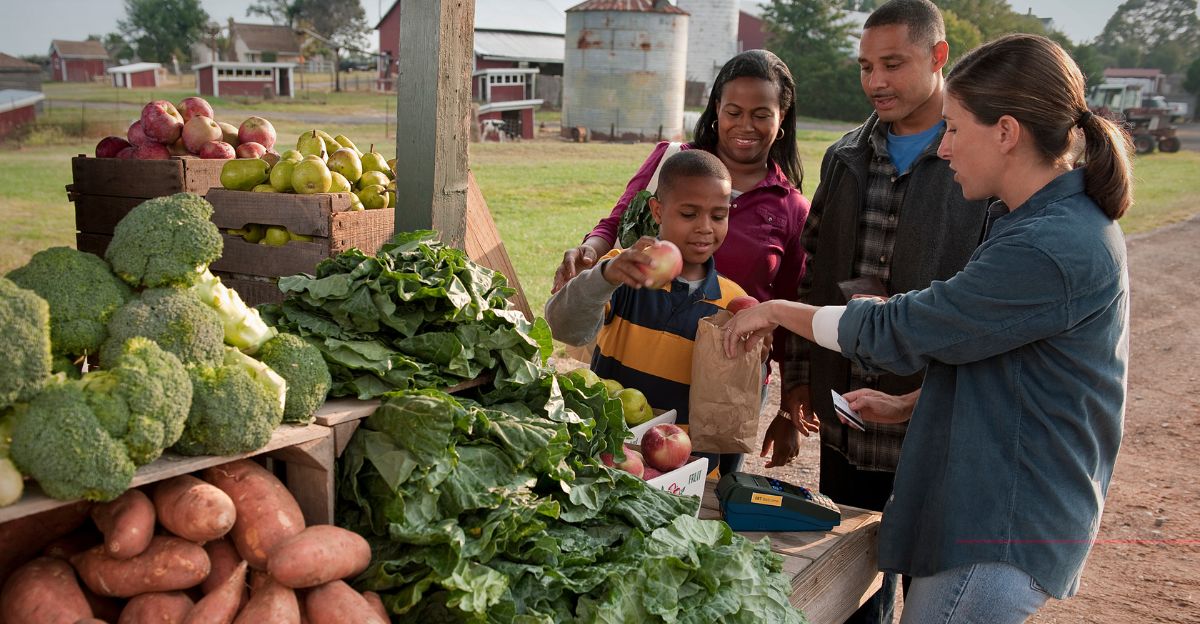
The United States is not alone in grappling with food insecurity during government disruptions. In the United Kingdom, for example, food banks saw increased demand during recent austerity measures. Experts warn that prolonged SNAP disruptions could deepen food deserts and worsen health outcomes for millions of Americans.
Food policy experts caution that if grocery stores in low-income areas close, entire communities could lose access to fresh food. The economic ripple effects are also significant: every SNAP dollar generates between $1.50 and $1.80 in economic activity, supporting jobs throughout the food supply chain.
Looking Ahead: Stakes and Solutions
As the shutdown drags on, the future of SNAP remains uncertain. Some states are using their own funds to temporarily reload benefit cards, but these measures are stopgaps at best. Food banks are stretched to their limits, and the loss of federal support threatens to leave millions without any safety net.
The crisis has reignited debates about the government’s responsibility to protect its most vulnerable citizens. As lawmakers, advocates, and communities search for solutions, the outcome will shape America’s approach to hunger and food security for years to come.