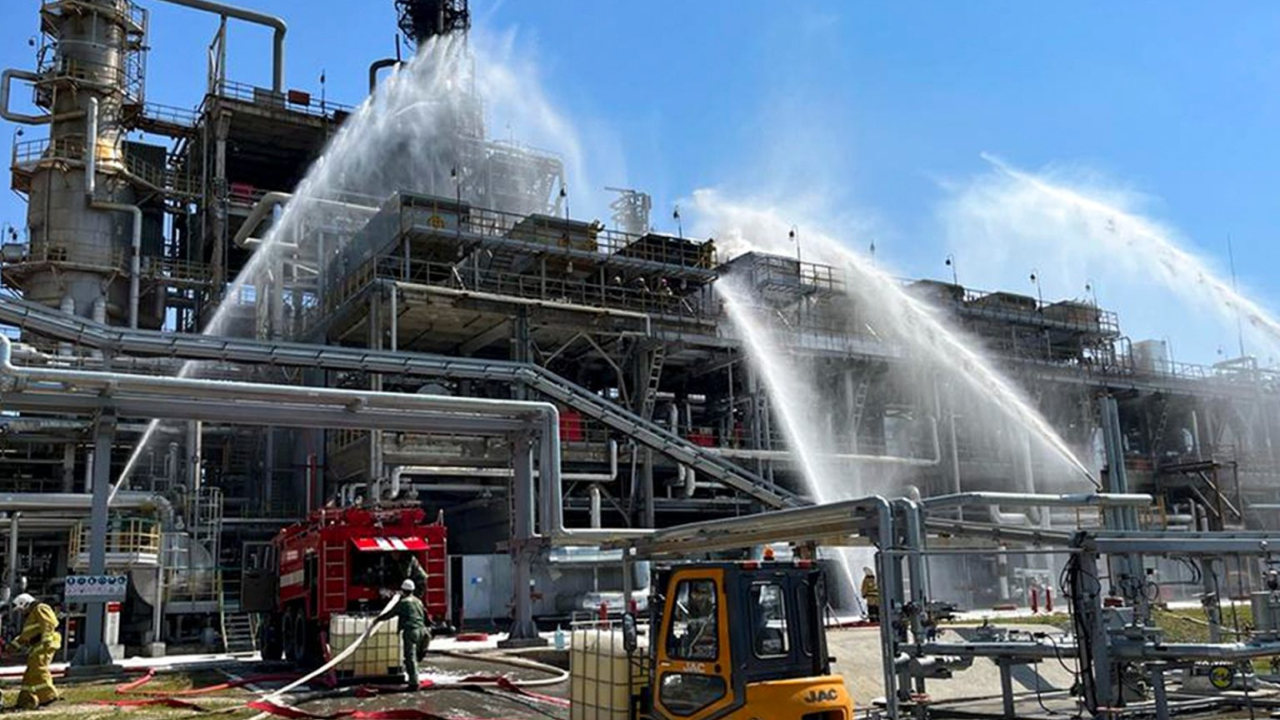
When the city of Zhukovsky, just outside Moscow, plunged into darkness, most residents assumed it was a routine power outage. But as hours passed and officials scrambled for answers, a deeper crisis emerged: the blackout coincided with a Ukrainian strike on one of Russia’s most critical military fuel pipelines.
Pipeline Strike Shakes Moscow’s Defenses
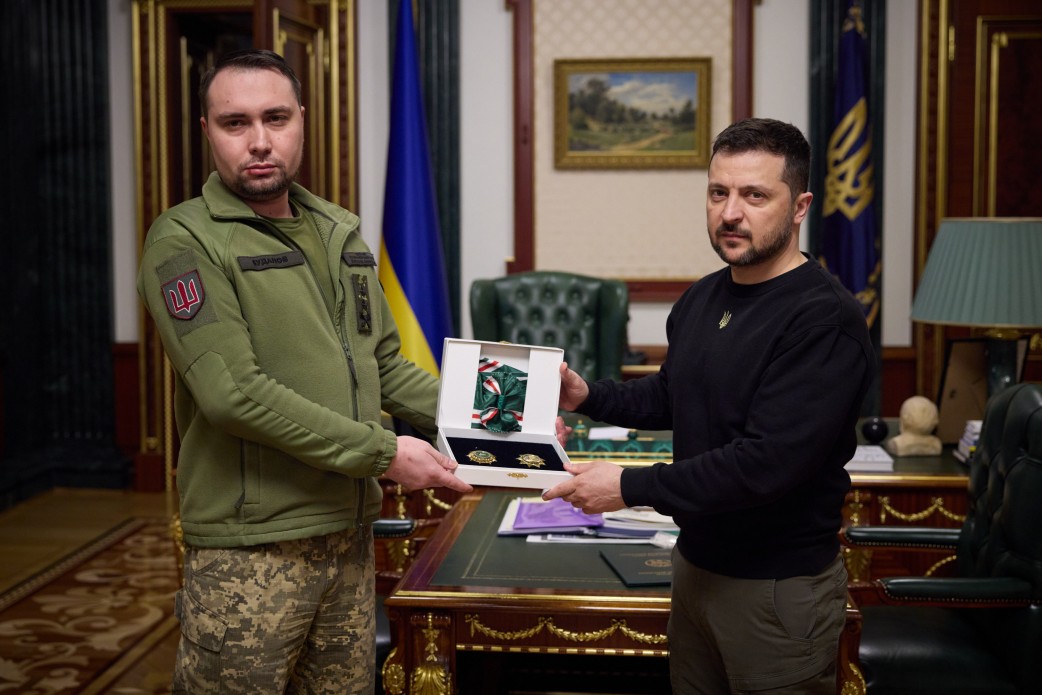
Ukrainian intelligence confirmed the attack targeted the Koltsevoy pipeline, a 400-kilometer underground network encircling Moscow. This pipeline quietly supplied gasoline, diesel, and jet fuel from refineries in Ryazan, Nizhny Novgorod, and Moscow directly to Russian military units. Explosions in the Ramensky district late Friday knocked all three fuel lines offline simultaneously, disrupting a supply chain that had been considered untouchable.
Military analysts estimate the Koltsevoy pipeline delivered about 7.4 million tonnes of fuel annually, valued at nearly $5.5 billion. Of that, three million tonnes were jet fuel—enough to support roughly 600 Russian air sorties each day. The sudden loss of this infrastructure struck at the heart of Russia’s wartime logistics, forcing the military to seek slower, riskier alternatives.
Ukraine’s New Strategy: Infrastructure as Battlefield
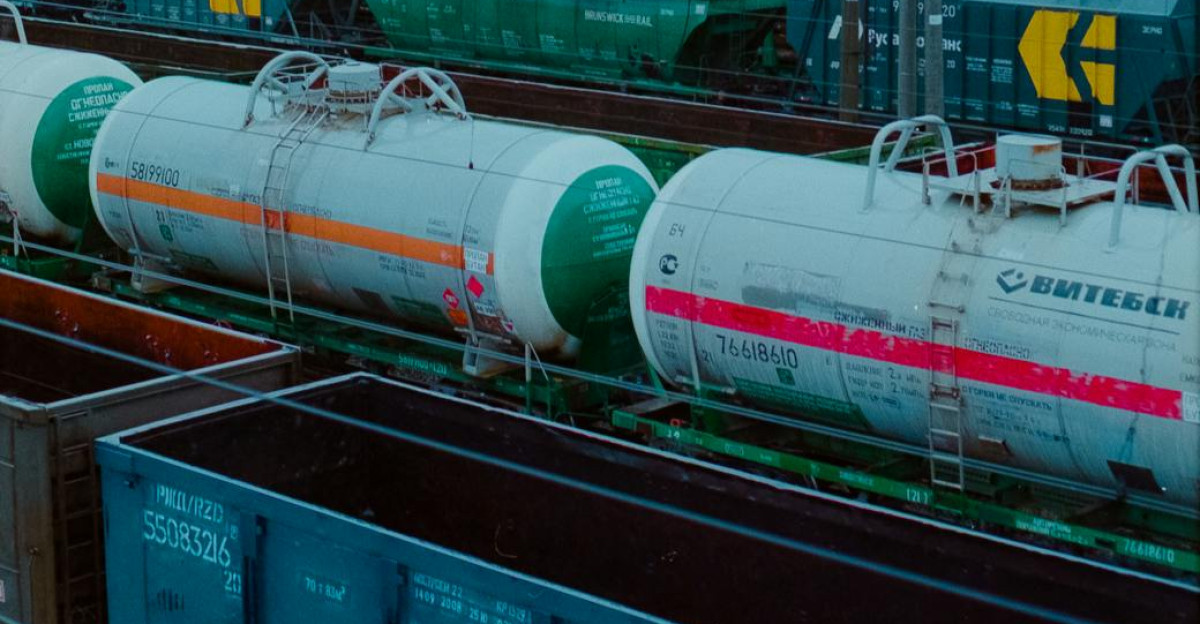
Ukraine’s intelligence chief, Kyrylo Budanov, described the operation as a turning point in the conflict. “Our strikes have had more impact than sanctions,” Budanov said, highlighting a shift from defending cities to targeting the machinery that powers Russia’s military. The timing was strategic: the attack occurred as Russia launched one of its largest drone barrages in weeks, sending 223 drones overnight. Ukrainian air defenses intercepted 206, a 92 percent success rate, while Ukrainian forces struck deep inside Russian territory.
The destruction of the Koltsevoy pipeline instantly removed an estimated 20,000 tonnes of daily fuel flow. Russia now faces the logistical challenge of moving fuel by rail or truck—a slower, more expensive, and vulnerable process. Logistics experts estimate that rerouting fuel could cost Moscow an additional $167 million each month, with shipments traveling longer distances under heightened security and increased risk of sabotage.
Ripple Effects: Fuel Shortages and Policy Shifts
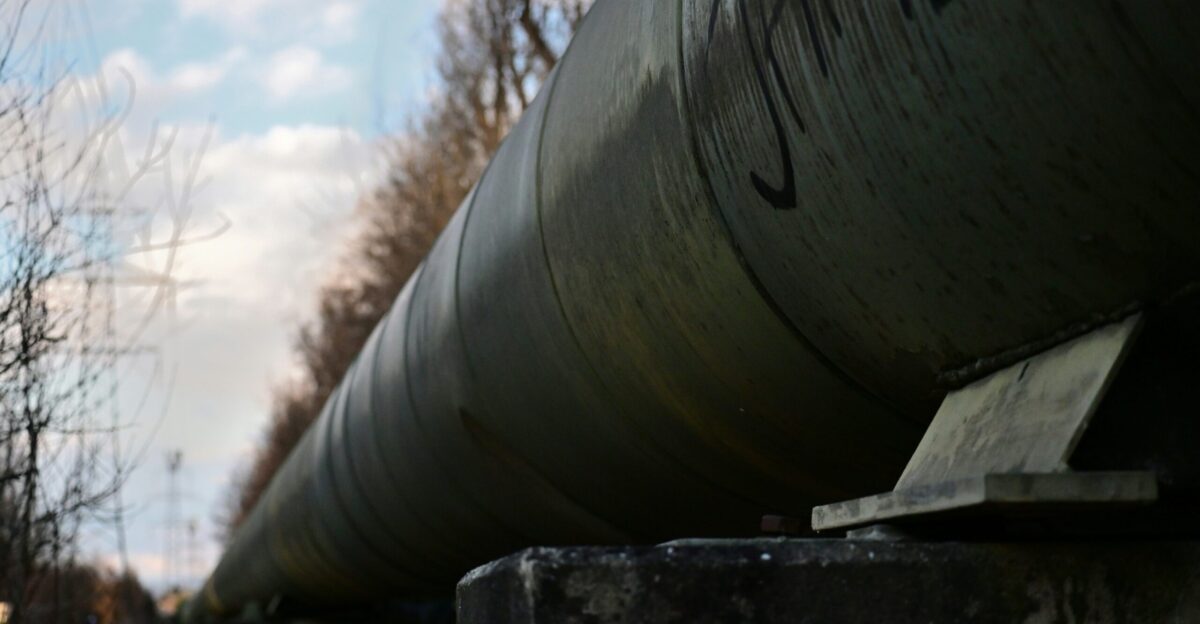
Even before the pipeline strike, Russia was grappling with a mounting fuel crisis. Ukrainian Security Service chief Vasyl Maliuk reported that about 37 percent of Russia’s refining capacity was already offline due to previous Ukrainian attacks. Domestic shortages have reached approximately 20 percent, forcing the Kremlin to import more fuel from Belarus to sustain both its military and civilian needs.
In response, Moscow extended its export ban on refined oil products through the end of 2025. Officials are now prioritizing domestic and military consumption over export profits, signaling a significant shift in policy for a country whose economy is deeply tied to energy exports. “We’re seeing a rare admission that fuel scarcity is shaping Russian policy,” said an energy analyst at the European Council on Foreign Relations.
Retaliation and Escalation
Hours after the Koltsevoy attack, Russia retaliated with a ballistic Iskander missile strike in Ukraine’s Mykolaiv region, killing one civilian and injuring nineteen others, including a nine-year-old girl. Ukrainian officials condemned the strike as part of Moscow’s “energy terror” campaign, targeting civilians while its own military supply lines falter.
On the front lines, Russia continues to mass troops in the Donetsk region, with Ukrainian reports estimating 170,000 Russian soldiers pressing toward Pokrovsk. Moscow claims to have surrounded Ukrainian forces, but Kyiv insists its troops are maintaining a “comprehensive defensive operation.” Meanwhile, drone warfare intensifies, with Russia claiming to have downed 98 Ukrainian drones overnight, even as its own aerial offensive failed to breach most Ukrainian defenses.
Global Context: Infrastructure Warfare on the Rise
Ukraine’s campaign against Russian oil infrastructure is not isolated. In 2025 alone, Ukrainian intelligence confirmed over 160 strikes on Russian oil facilities, targeting pipelines, refineries, and storage depots. This approach mirrors tactics seen in other conflicts, such as attacks on energy infrastructure in Syria and Yemen, where disrupting supply lines has proven more effective than direct military engagement.
“The targeting of energy infrastructure is increasingly shaping modern warfare,” said Professor Michael Clarke, a global security expert at King’s College London. “It’s a strategy that can cripple an adversary’s operational capacity without the need for large-scale ground offensives.”
A War Redefined by Energy
The strike on the Koltsevoy pipeline marks the first confirmed destruction of a major fuel artery in the Moscow region since the full-scale invasion began, penetrating deep into Russian territory and shattering the illusion of security around the capital’s military infrastructure. For local residents, the blackout was a stark reminder that the war’s front lines are no longer distant.
As winter approaches, both sides intensify efforts to weaponize energy. Russia continues to target Ukraine’s power grid, while Ukraine dismantles the fuel lines that keep Russian tanks moving. The outcome of this conflict may ultimately hinge not on territorial gains, but on which side can keep its war machine fueled and its cities lit.