
Artificial intelligence is reshaping the U.S. job market at an unprecedented pace. In 2025, nearly 946,000 layoffs have been announced, with a significant share attributed to automation and AI-driven efficiency. This shift is particularly pronounced in white-collar sectors, where companies strive to cut costs and enhance operational effectiveness.
As American firms increasingly adopt AI tools, the full impact on employment is only beginning to unfold. According to Challenger, Gray & Christmas, the job landscape is changing rapidly, raising questions about the future of employment in an AI-dominated economy.
The Layoff Wave

The scale of job losses in 2025 has reached historic levels, with over 37,000 positions eliminated directly due to AI and automation. Major corporations, including Amazon, have cited AI investments as a key reason for workforce reductions. These layoffs are not isolated incidents; they reflect a broader national trend affecting various industries and regions.
As reported by Fortune, companies are not just downsizing; they are fundamentally transforming their workforce strategies, prioritizing technology over traditional employment methods. The implications of this wave are profound and far-reaching, affecting job seekers across the nation.
The Automation Backdrop

Automation has consistently influenced the U.S. job market since 2000, resulting in the loss of 1.7 million manufacturing jobs. While previous automation trends have shaped production lines, the current wave, driven by generative AI, is reshaping office and administrative roles.
As noted by the National University, this technological advancement extends beyond factories and deeply penetrates corporate offices and service sectors. The acceleration of this transition underscores a significant shift, raising concerns about job security and the skill sets required for future employment, thereby pressing companies and employees to adapt rapidly.
Mounting Pressures

Employers face increasing pressure to adopt AI to remain competitive within rapidly changing markets. With nearly 50 million U.S. jobs at risk in the coming years, entry-level positions appear particularly vulnerable. Simultaneously, many companies are expanding operations overseas, where skilled labor is available at a lower cost.
The World Economic Forum emphasizes that this shift intensifies competition for white-collar jobs, leading to significant anxiety among job seekers as they grapple with the uncertainty of a landscape where AI reshapes not just roles but entire career paths.
The AI Job Wipeout

Federal Reserve Chair Jerome Powell confirmed on October 29, 2025, that AI-driven layoffs and hiring freezes have caused nearly zero job creation in the U.S. this year. At least 37,000 jobs are explicitly attributed to AI and automation, with significant contributions from major companies like Amazon. The impact of these layoffs is profound.
Powell’s acknowledgment of the situation highlights the urgent need for strategies to mitigate the impact of AI on employment, ensuring that displaced workers receive support as the job market navigates these unprecedented challenges.
Regional Fallout

The consequences of AI-driven layoffs resonate nationwide, with particularly severe job losses reported in states such as California, New York, and Texas. Tech hubs and corporate offices are experiencing the sharpest declines, but the ramifications extend to smaller cities and rural areas as companies widely adopt AI solutions across their operations.
As Fortune highlights, regions once bustling with employment opportunities are grappling with the fallout of transitioning workforces. This widespread impact raises significant concerns about regional economic stability and the effective support systems needed for affected workers.
Human Impact

Recent college graduates are among the most severely affected by the upheaval in the job market, with unemployment rates for this demographic exceeding 5% in October 2025. Many young professionals express concern over the disappearance of entry-level roles that once served as stepping stones to career advancement.
“It feels like the opportunities we expected just aren’t there anymore,” says Jennifer, a recent graduate struggling to find work. This sentiment reflects a growing frustration as those remaining slots often demand AI proficiency, further complicating the journey for new entrants into the workforce.
Competitor Moves

The trend of workforce reduction is not limited to Amazon. Other major corporations across the tech and finance sectors are also reporting headcount decreases attributed to AI. Executives have observed substantial efficiency gains from generative AI, which enables slower hiring, particularly in operational and back-office capacities.
Citing a report by Goldman Sachs, industry leaders recognize the reshaping of competitive dynamics as companies prioritize automation. This shift challenges established norms, prompting firms to reassess their workforce strategies and fostering a wave of innovation, while also risking job security for many.
Macro Trends

The ongoing evolution signifies a broader shift in workforce dynamics, with technology projected to be the most disruptive force in the labor market. While the World Economic Forum anticipates that AI will create 11 million new jobs, it also warns that 9 million positions may be displaced.
The net effect presents a period characterized by significant transition and uncertainty. As technologies evolve, the challenge remains in balancing job creation with displacement, necessitating proactive measures to ensure that the workforce is prepared for the roles of the future.
The Management Delayering

A noteworthy shift is occurring within management-level positions. Fortune 500 companies are estimated to face potential exposure of about 1.2 million management roles due to AI-driven “delayering.” This approach involves eliminating middle management to streamline operations and reduce costs, significantly altering corporate structures.
As organizations strive for greater efficiency, this trend raises important questions about leadership models and the future of managerial roles in an era where technology increasingly drives decision-making processes and operational efficiency.
Stakeholder Frustration

As changes unfold, workers and job seekers are expressing escalating frustration over the rapid shifts in the job market. Many feel that their skills are becoming obsolete and worry about the diminishing value of their college education in securing employment. “I spent years studying and now it seems like it’s for nothing,” shares Mark, a recent graduate.
Employers are also confronting ethical and practical challenges associated with AI adoption, highlighting the importance of discussing the implications of technology on both organizational structures and individuals’ livelihoods.
Leadership Shifts

Corporate leadership is evolving in response to the pressing need for AI integration. Notable actions, such as Amazon’s decision to lay off 14,000 middle managers, showcase how strategies are adapting to the new technological landscape. As companies reevaluate their workforce needs, the focus on AI integration becomes critical.
This substantial shift is evident across various sectors, prompting leaders to prioritize digital transformation while grappling with the implications for their existing employees, further emphasizing the importance of navigating these changes thoughtfully and carefully.
Comeback Attempts

In light of these disruptions, some companies are beginning to invest in retraining programs designed to help displaced workers transition into new roles. However, the scale of these initiatives is often limited, leaving many individuals without adequate support.
“I hope to find a program that can help me reskill,” states Sarah, a recently laid-off office worker. While retraining is essential, the effectiveness and reach of these programs remain uncertain. As the job market evolves, addressing the skills gap becomes increasingly vital for fostering a resilient workforce.
Expert Skepticism

Despite the significant challenges posed by AI, many economists and analysts remain cautiously optimistic, arguing that we may not witness large-scale, permanent unemployment. According to Goldman Sachs Research, while AI may displace 6-7% of the U.S. workforce, there is potential for new job opportunities to arise.
“We must focus on adaptation,” emphasizes economist Dr. Richard Smith. This perspective advocates for a proactive approach that emphasizes skilling, upskilling, and reskilling workers to meet the demands of the transforming workforce, shaping a future that is better prepared to integrate AI technologies.
The Future of Work
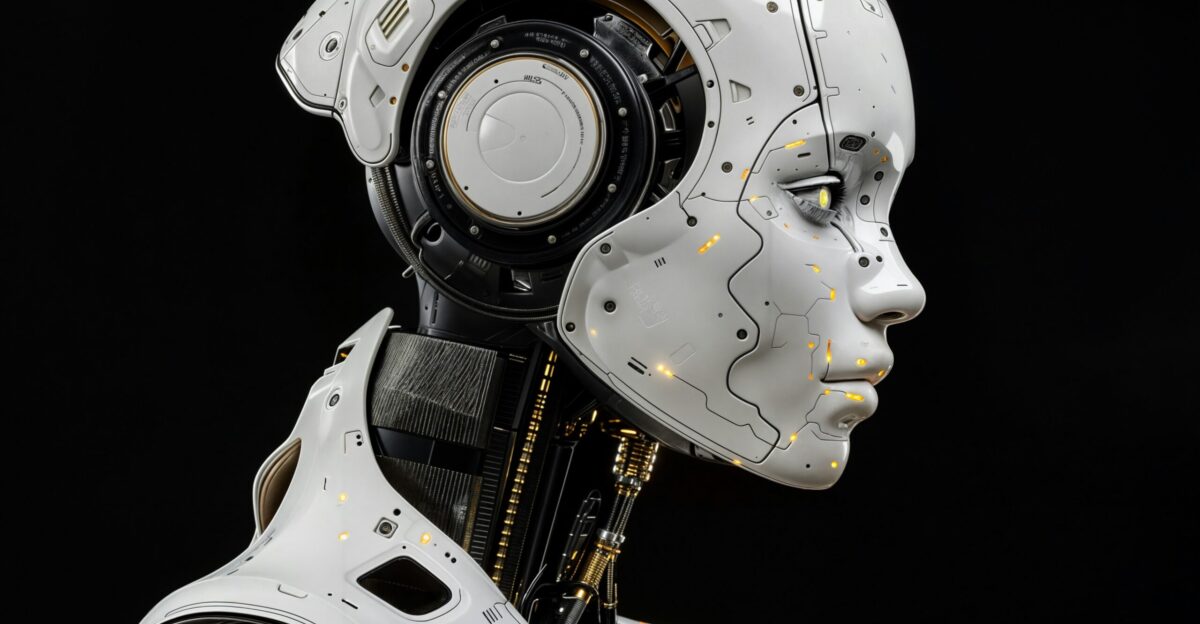
As we look towards the future, it becomes imperative to understand the critical shifts in job roles and the skills required for emerging positions. The integration of AI into the workplace paves the way for new occupations that don’t yet exist. Workers across various industries will need to adapt quickly to new demands as job descriptions evolve in tandem with technological advancements.
Investing in ongoing education and retraining will be crucial for maintaining employability in this rapidly evolving landscape. The urgency of these changes highlights the importance of fostering a culture of continuous learning and adaptability.
Preparing for Change

What can be done to prepare for the seismic shifts in the job market? Educational institutions, businesses, and policymakers must work together to develop responsive training programs that meet the needs of tomorrow’s economy.
By harnessing the potential of AI, organizations can transform workforce training, ensuring it equips individuals with the skills necessary to navigate this evolving landscape. This effort must be combined with government initiatives aimed at supporting displaced workers in finding new opportunities and ensuring economic resilience in the face of rapid technological disruptions.
The Role of Policy Makers

Policymakers play a pivotal role in shaping a workforce that thrives in an AI-dominated world. Protective measures should include creating safety nets for displaced workers, supporting education in technology and digital literacy, and nurturing partnerships between businesses and educational institutions.
A report from the World Economic Forum highlights the government’s role in developing policies that not only mitigate the impact of job losses but also foster innovation and economic growth. Collaborative approaches can help communities prosper despite the prevalent challenges in the labor market.
The Importance of Resilience
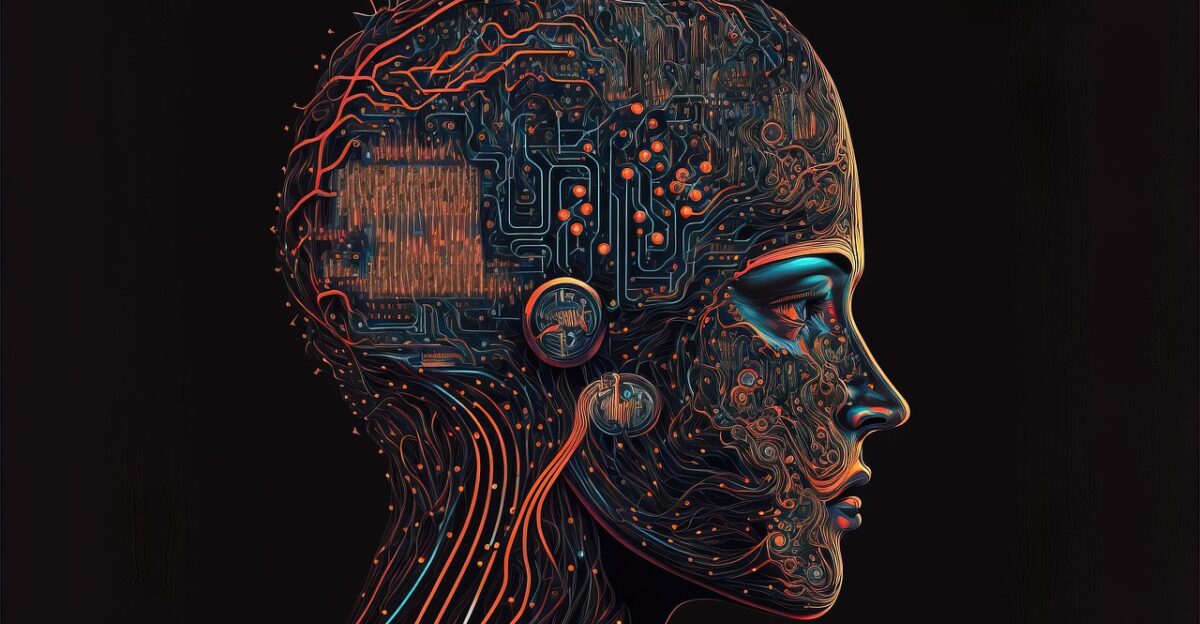
Resilience is key as individuals face potential job disruptions due to the advent of AI. Developing a growth mindset and a commitment to lifelong learning can empower workers to adapt to new opportunities and challenges. Emphasizing skills such as critical thinking, creativity, and emotional intelligence will be crucial in distinguishing human roles from automated processes.
Social support networks become essential during this transition, as people need encouragement and resources to navigate their career paths. By fostering resilience, individuals can become better equipped to handle the uncertainties brought on by modernization in the workforce.
Embracing Change

Companies can position themselves strategically for success by embracing change and recognizing the inherent advantages of AI. By fostering an environment of innovation, organizations can harness technology to streamline operations and enhance productivity.
Forward-thinking companies that actively seek employee input and invest in training will retain talent while adapting to the changing landscape. This attitude not only benefits organizations but also helps workers feel valued and engaged in their roles, promoting a mutually beneficial relationship in this evolving employment environment.
Profound and Multifaceted

In conclusion, the impact of AI on the job market is profound and multifaceted, resulting in significant changes to employment landscapes across the United States. While 37,000 jobs have been lost in 2025, and many workers are feeling the effects of these shifts, there remains a glimmer of hope through new opportunities and advancements.
By prioritizing education, adapting to evolving technologies, and fostering resilience, both employers and employees can navigate the changing terrain and shape a prosperous future in the AI-driven workplace. The journey ahead is challenging, but collaboration and proactive engagement can lead to positive outcomes.