
Ukrainian forces executed a daring strike deep inside Russia, destroying one of three Oreshnik intermediate-range ballistic missiles. The operation, carried out July 8-9, 2024 at Kapustin Yar, removed 33% of Russia’s hypersonic arsenal. President Zelenskyy authorized the mission, keeping details secret for 16 months. Here’s what’s unfolding.
Who Led the Secret Operation

Three Ukrainian intelligence agencies coordinated the strike: SBU under Vasyl Maliuk, HUR led by Major General Kyrylo Budanov, and SZRU headed by Oleh Ivashchenko. President Zelenskyy alone and a few foreign leaders knew operational details. The classified mission relied on elite intelligence networks developed over a decade.
Transformation of Ukrainian Intelligence

Since 2014, Ukraine evolved from a Cold War-era intelligence posture to a key CIA partner. HUR’s networks inside Russia provided actionable information, aided by former chief Valeriy Kondratyuk delivering classified Russian military documents to Washington in 2015. Strict operational security kept details hidden until the October 31, 2025 announcement.
Targeting Russia’s Oreshnik Missile
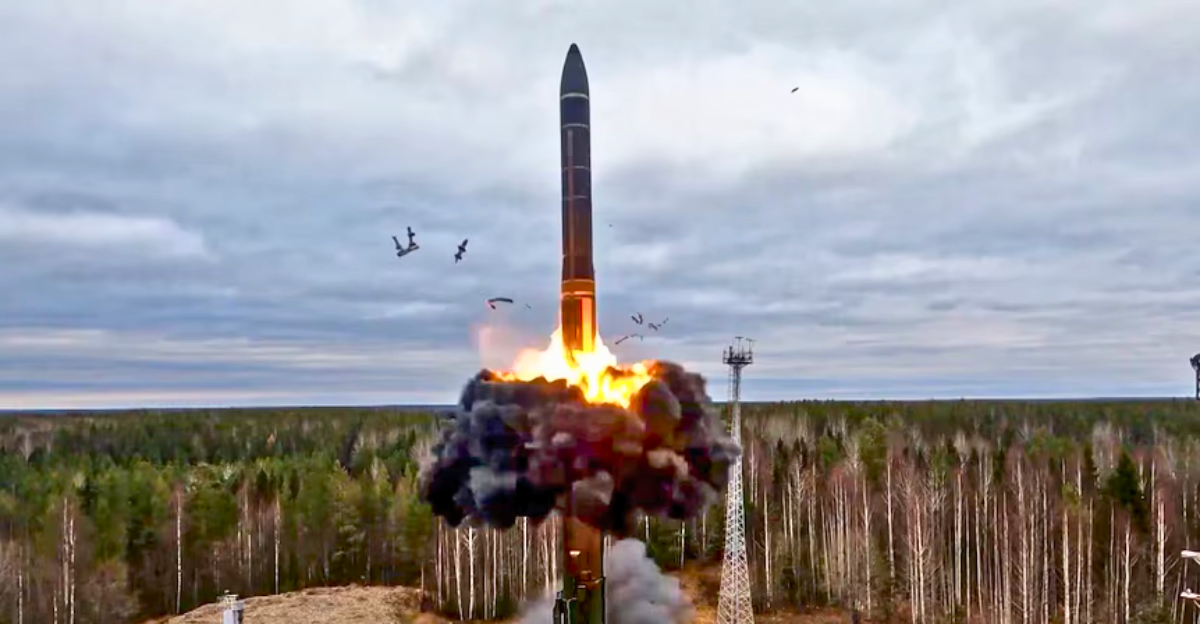
The Oreshnik intermediate-range ballistic missile, produced at Votkinsk Plant in Udmurtia, was the operation’s target. Initially involving 25 defense companies, later 39, it threatens NATO nations within 5,500 kilometers. Belarus was the intended deployment site, placing Europe within striking distance. Understanding the missile’s reach highlights the high stakes of pre-emptive action.
Russia’s Reliance on Western Tech
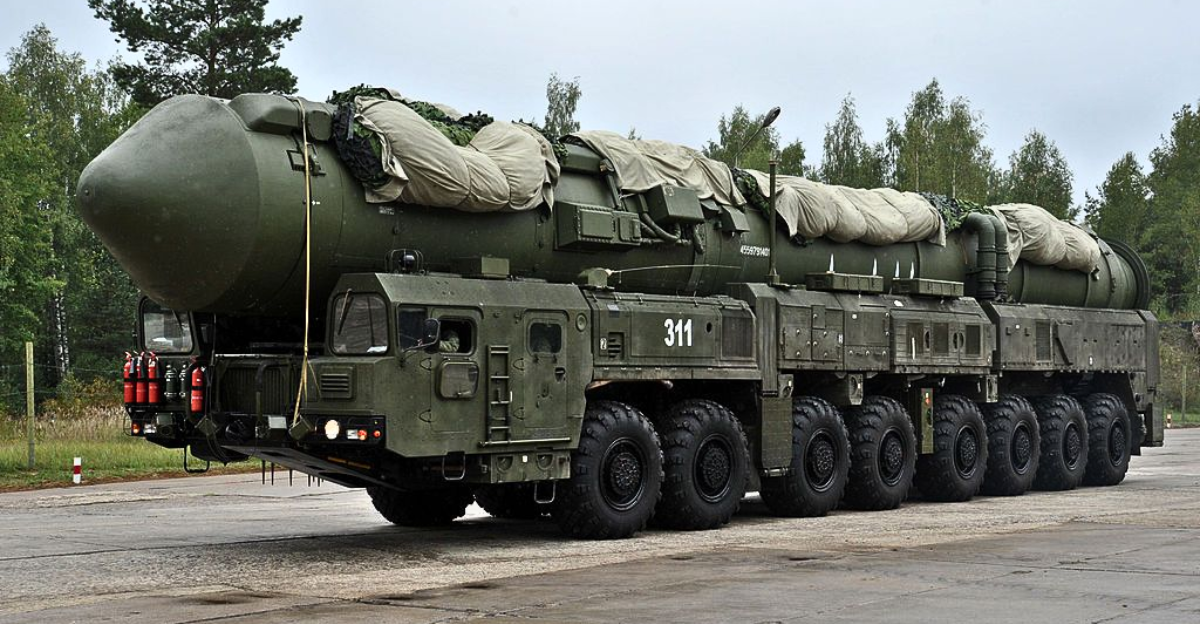
Despite sanctions, Oreshnik production depends on German Siemens, Heidenhain, and Japanese Fanuc systems, routed through China. In 2024 alone, $3 million in Heidenhain components reached Russia. The Votkinsk Plant expanded its workforce by 2,500 and imported $11 million in CNC tools. Could these supply chains be a hidden vulnerability?
The Strike Event
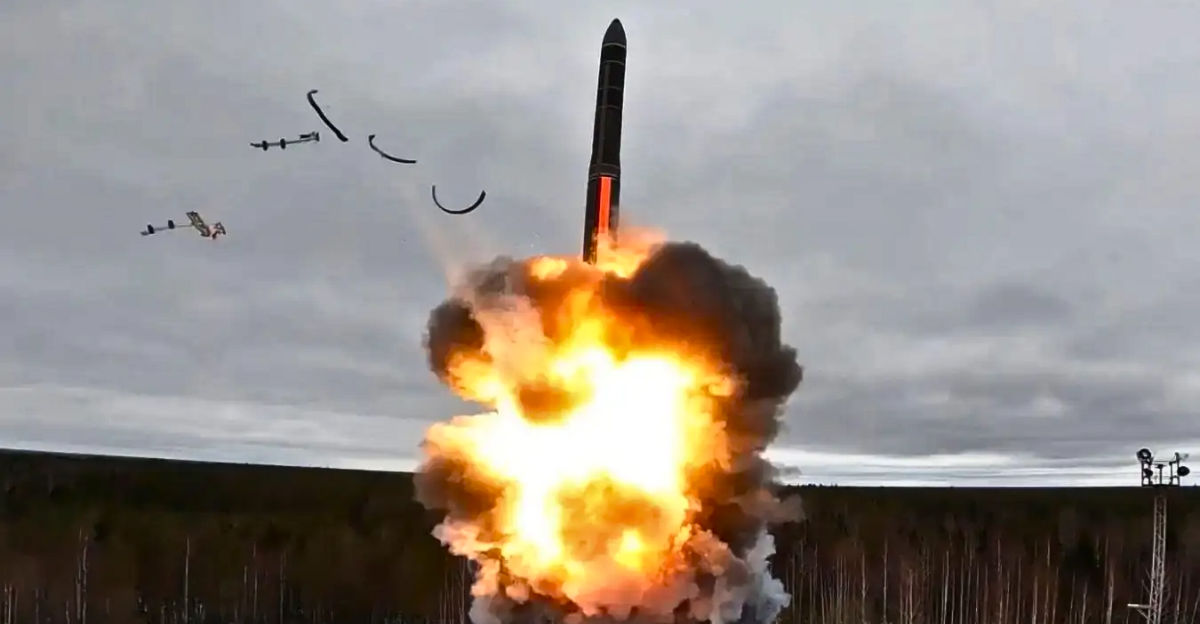
Ukrainian forces destroyed one of three Oreshnik missiles at the Kapustin Yar fabrication site. This eliminated 33% of Russia’s hypersonic arsenal. Using drones at night, the strike avoided mid-flight interception, hitting the missile at its most vulnerable point. The impact reshaped strategic calculations, raising questions about Russia’s perceived invincibility.
Oreshnik Missile Capabilities
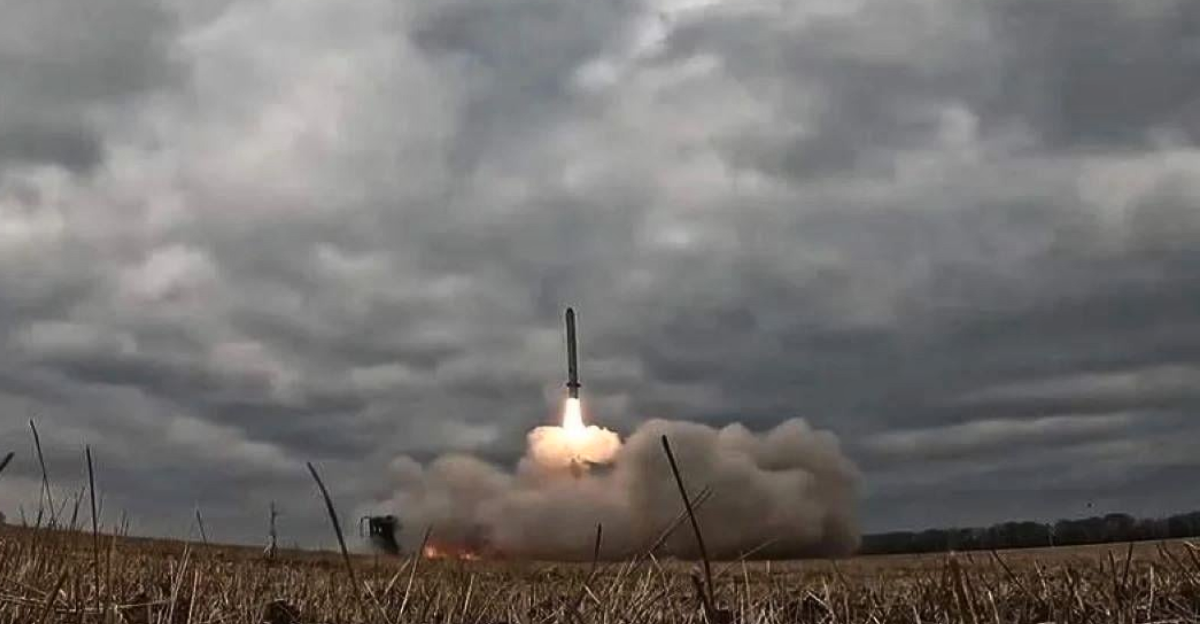
The Oreshnik travels Mach 10-11, with a 5,500-kilometer range. Each missile carries six MIRVs, deploying 36 warheads. Though nuclear-capable, Russia used one non-nuclear in a November 21, 2024 strike on Dnipro. Its range and payload underscore why Ukraine targeted the fabrication site rather than risking in-flight engagement.
Production Constraints and Costs
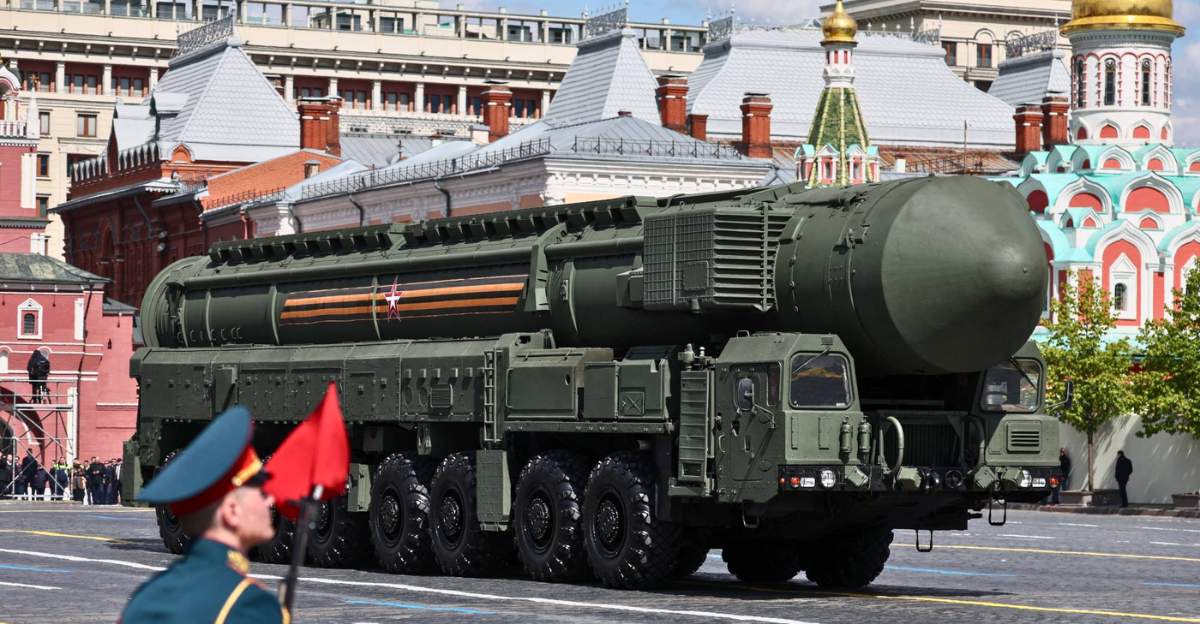
Russia can produce six Oreshnik missiles annually, or up to 25 if ICBM output halts. Each costs $30-40 million, not $500 million-$1 billion as often reported. Limited production means losing one missile has outsized impact. However, halting ICBMs remains unlikely, highlighting how Ukraine’s strike disrupted Moscow’s strategic planning.
Drones Behind the Strike

Ukraine used Bober (UJ-26 Beaver) drones with 20-kg KZ-6 warheads. Capable of 600–1,000 kilometers and seven-hour flights, upgrades include FPV control, thermal imaging, and Starlink communications. Painted black for stealth, the drones demonstrated operational precision. Yet was this deep penetration into Russia the first of its kind?
Historical Significance
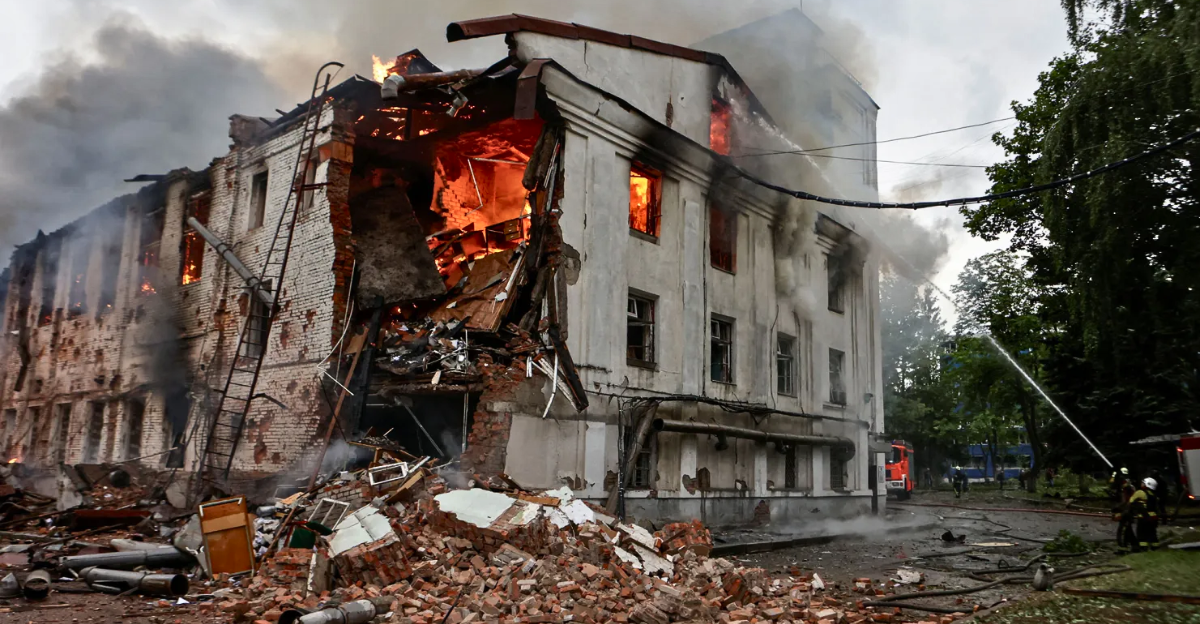
This strike marked several firsts: the deepest Ukrainian strike inside Russia, pre-emptive destruction of a hypersonic missile, and the first defeat of a weapon Putin called “impossible”. It was a psychological and operational victory, showing that intelligence-led precision strikes could neutralize the most advanced systems.
Timing of the Operation
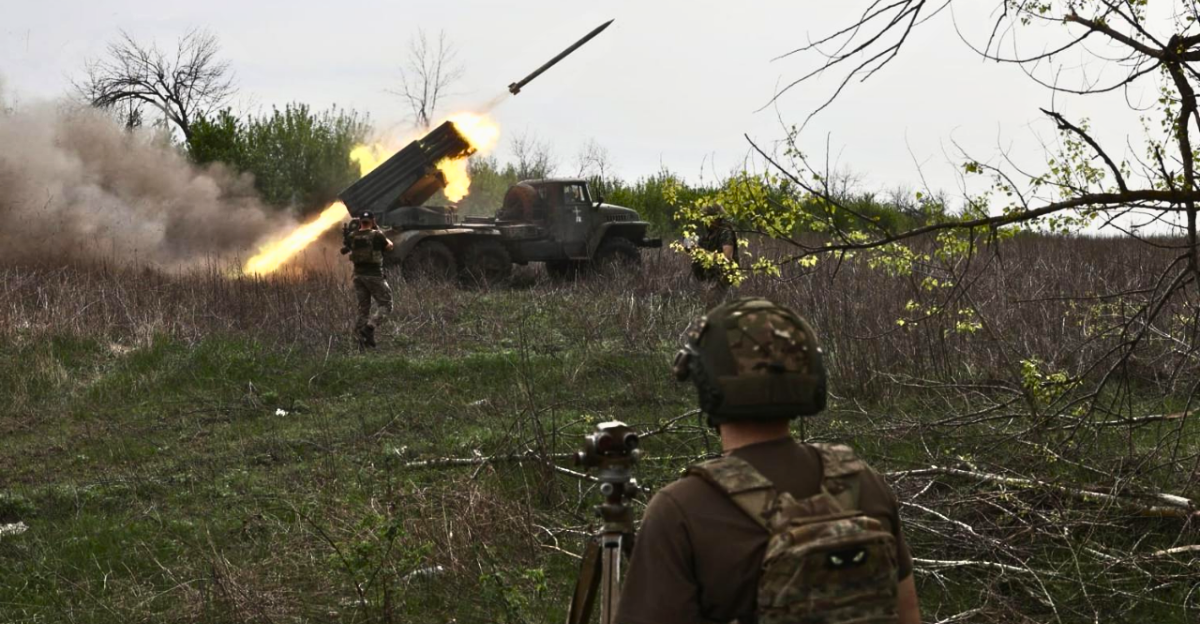
Executed July 8-9, 2024 at Kapustin Yar, the operation remained classified for 16 months. Conflicting reports exist, with some citing summer 2023. Public confirmation came October 31, 2025. Timing mattered—just four months later, Russia launched its first combat Oreshnik strike on Dnipro, highlighting the missile’s immediate strategic threat.
Strike Location and Reach

Kapustin Yar in Astrakhan Oblast, 100 km east of Volgograd, was the site. Drones penetrated 1,100+ kilometers. The missile’s launch position could reach Berlin in 11 minutes and London in 16. Belarusian deployment would extend the threat across Europe, northern Africa, and the Arabian Peninsula. Could NATO defenses react in time?
EU Border States React with Panic
European security analysts warned the strike exposed vulnerabilities in Russia’s most advanced deterrent. While Putin claimed the Oreshnik was ‘impossible to intercept,’ RUSI analysts noted Ukraine’s destruction of the missile at its fabrication site revealed a critical weakness: sophisticated weapons are most vulnerable before deployment.
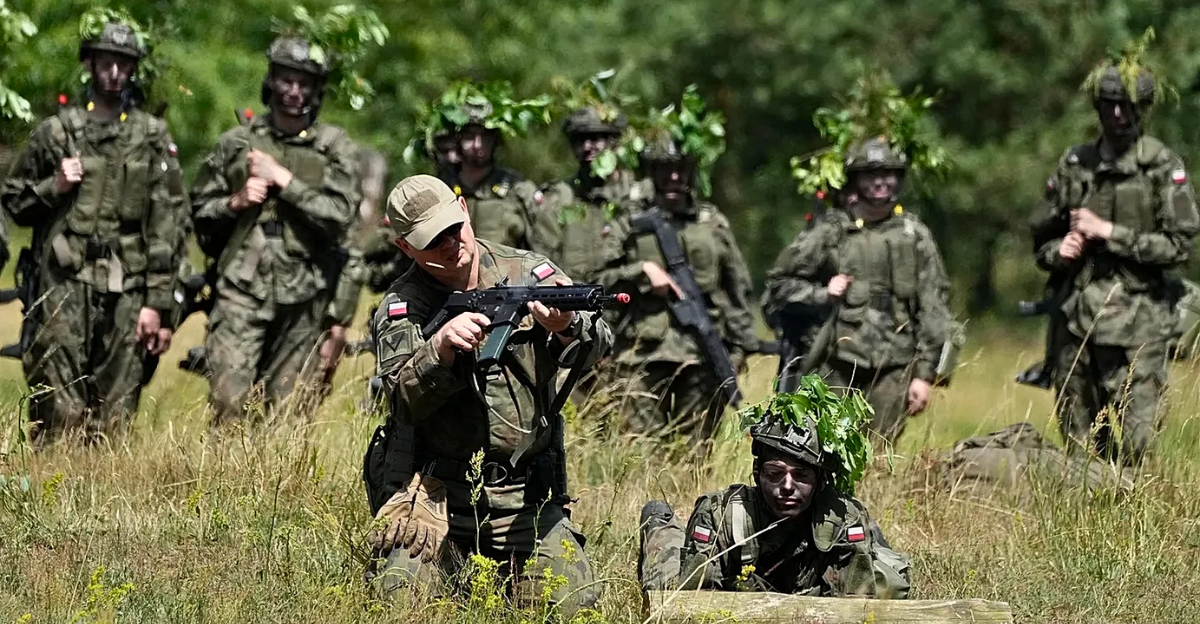
Poland, Estonia, Latvia, and Lithuania—EU member states on the front line—had withdrawn from the landmine ban treaty months earlier, citing ‘fundamentally deteriorated’ security as Russia expanded its intermediate-range missile program. Poland began training all adult men for war as Baltic leaders warned Russia’s threat ‘should not be overestimated.
Strategic Imperative for Ukraine
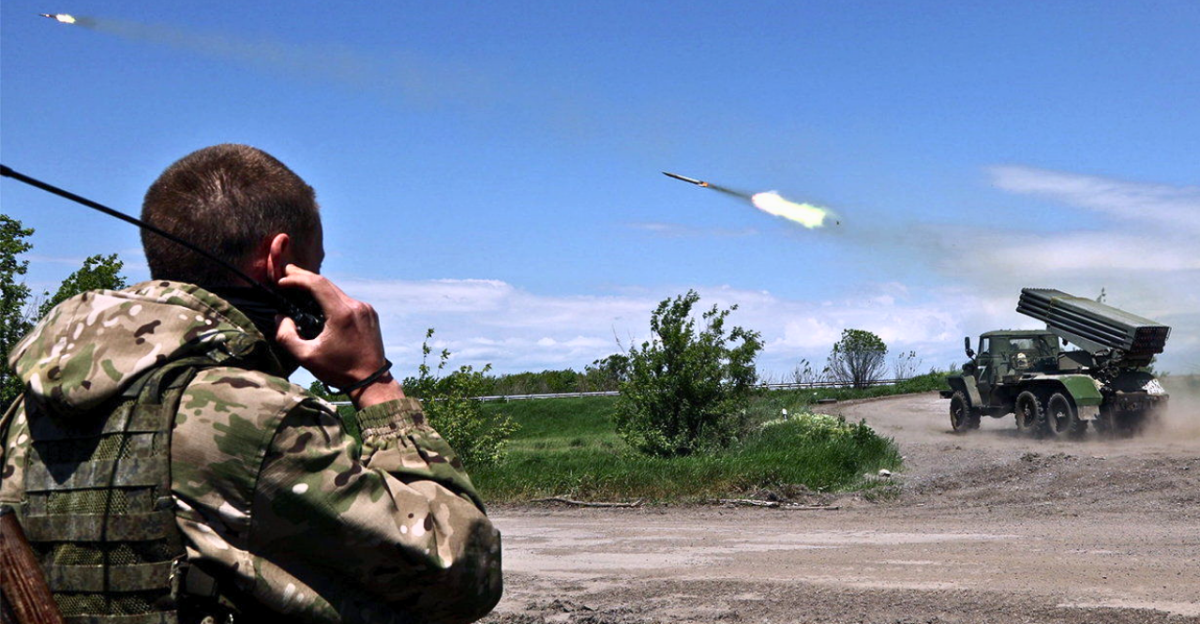
Intelligence indicated Russia planned Oreshnik deployment to Belarus for strikes on Ukraine. Pre-emptive destruction at fabrication eliminated nuclear-capable risk. Targeting production rather than in-flight interception was calculated: Ukraine struck where Russia was most vulnerable, reshaping deterrence and undermining Putin’s “unstoppable” claim.
Psychological and Operational Impact
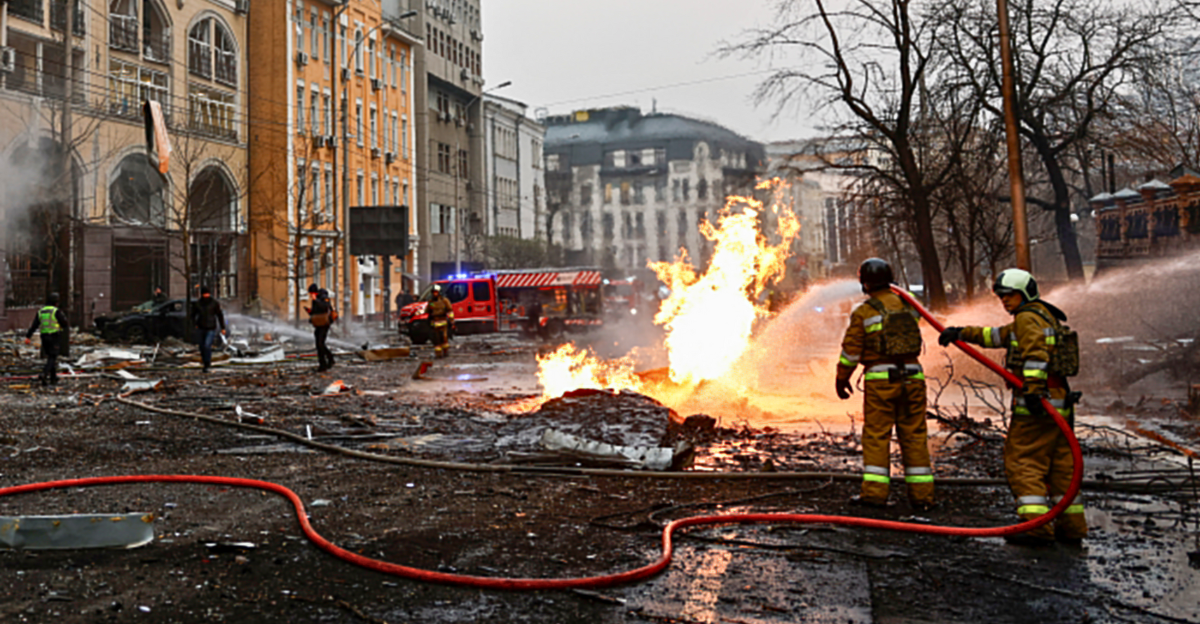
Destroying one of three missiles cut Russia’s hypersonic deterrent by 33%. Only one prototype remained as of October 2025. Putin’s claims of invulnerability were undermined, demonstrating pre-emptive intelligence strikes can neutralize strategic weapons, influencing both Russian planning and European perceptions of risk.
Supply Chain and Sanctions Pressure

Zelenskyy urged Western partners to sanction 25 companies, later 39, with 21 unsanctioned by June 2025. Reliance on Western CNC equipment created vulnerabilities. Effective sanctions could delay production by 12–24 months, further reducing Russia’s missile output. Could economic leverage now shape military outcomes as much as strikes themselves?
Verification and Evidence
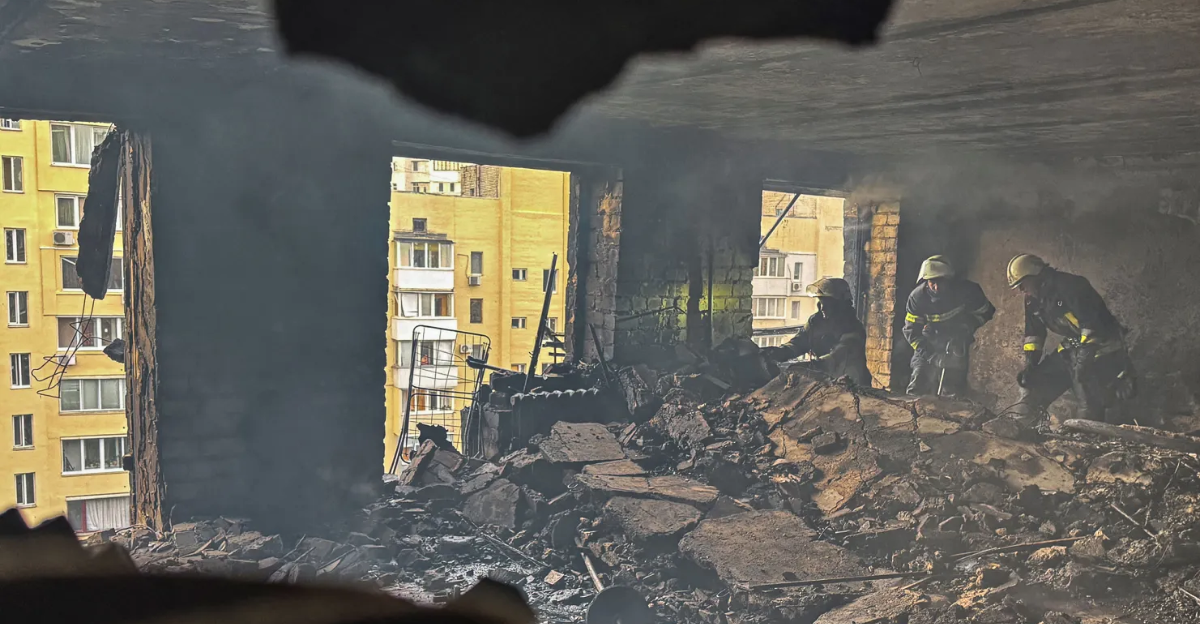
Ukraine confirmed the strike via Zelenskyy and SBU statements, HUR briefings, drone footage, and satellite imagery. Independent verification is limited; Reuters and Moscow Times could not confirm the missile’s destruction. Despite this, multiple sources corroborate the strike’s impact, showing both operational success and the challenges of verifying deep covert operations.
Shifting Strategic Calculations

Ukraine’s July 2024 strike demonstrated precision, intelligence, and psychological warfare in action. By degrading Russia’s limited hypersonic arsenal, exposing supply chain vulnerabilities, and pre-empting nuclear-capable threats, Ukraine reshaped European security calculations. With Belarus hosting Oreshnik soon, the conflict’s stakes remain high, leaving NATO and EU leaders pondering next steps.