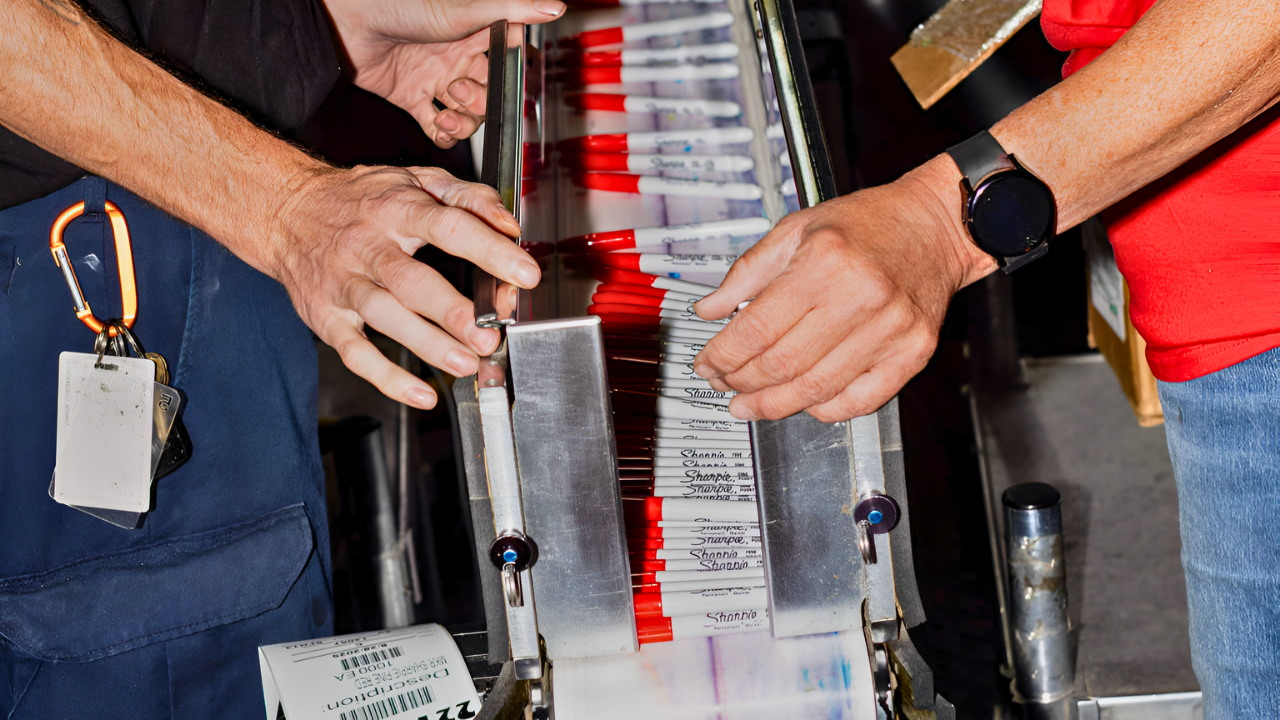
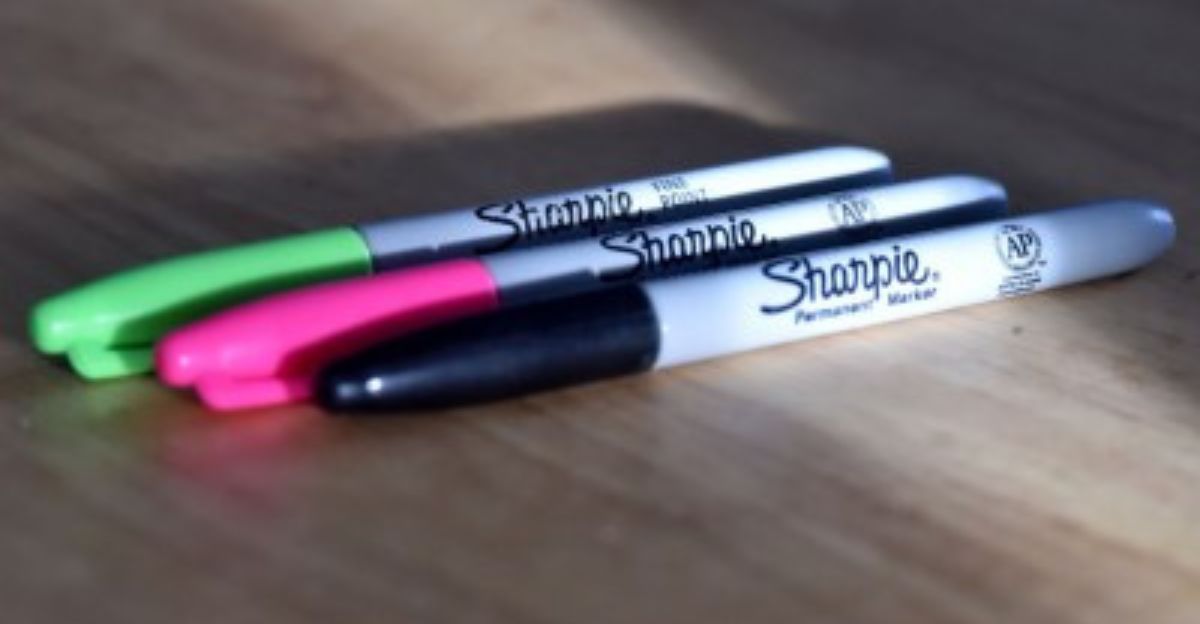
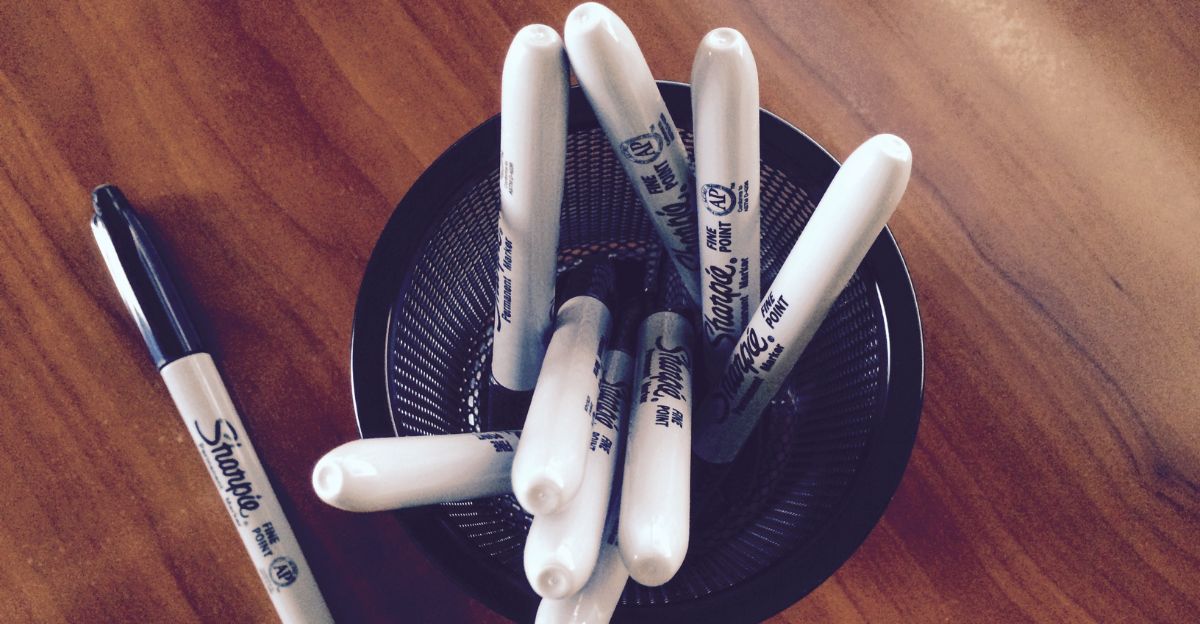
Sharpie pens are still sold for about $1, even though prices for most things have gone up lately. This is unusual, most everyday items cost more now than they did a few years ago. Sharpie’s ability to keep costs steady has caught the eye of business experts all over the country. People wonder how the company manages to keep its pens affordable, especially since they’re made in the U.S., where production can be costly.
Many believe Sharpie’s story shows what creative thinking and careful planning can do for a business. It’s helped them stand out in the crowded world of office supplies while helping everyday people stick to their budgets.
Big Changes, Big Bets
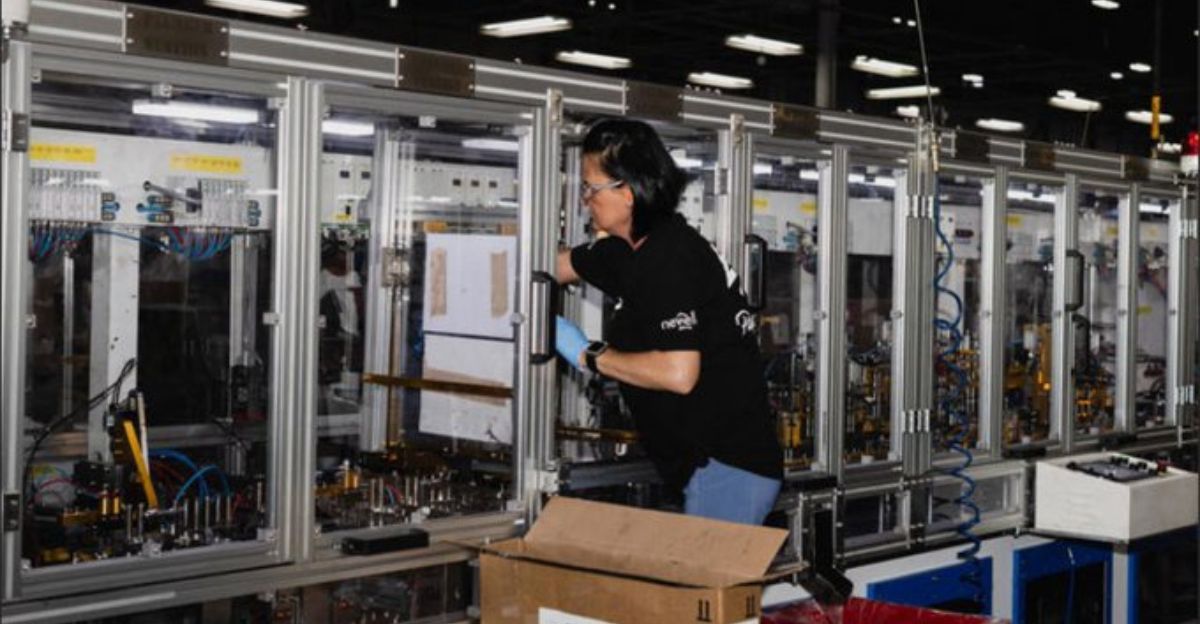
Sharpie’s parent company, Newell Brands, spent almost $2 billion to move Sharpie’s production to Tennessee. They didn’t just build a basic factory, they invested in smart machines and high-tech tools. This change matters for other companies too, since it challenges the old idea that businesses always have to make goods overseas to keep prices low.
Now, competitors must rethink their own plans, and it could mean more good jobs for American workers. Experts believe the move is likely to inspire more companies to return manufacturing to the U.S..
Coming Home
Years ago, Sharpie started making its pens in other countries because it was cheaper. However, by 2018, leaders at Sharpie realized that something had changed, they needed more control to stay creative and catch up with their rivals. Shipping pens overseas took time and sometimes led to mistakes.
Bringing production back to the U.S. meant that they could address problems more quickly, try new approaches, and take pride in their products. Sharpie’s return to American manufacturing is now seen as a smart move, not just for business, but also for workers and customers.
Feeling the Heat
As the price of labor in Asia went up, Sharpie found it harder to keep costs low. They also had trouble getting their pens delivered on time and making sure every pen met their standards. The company realized it was risky to rely so much on factories far away. Supply chain hiccups, like delays or mistakes, made customers unhappy.
Newell Brands had to solve these problems or risk losing buyers. So, they began thinking about bringing jobs and production back to the U.S., hoping for a fresh start.
The Maryville Miracle
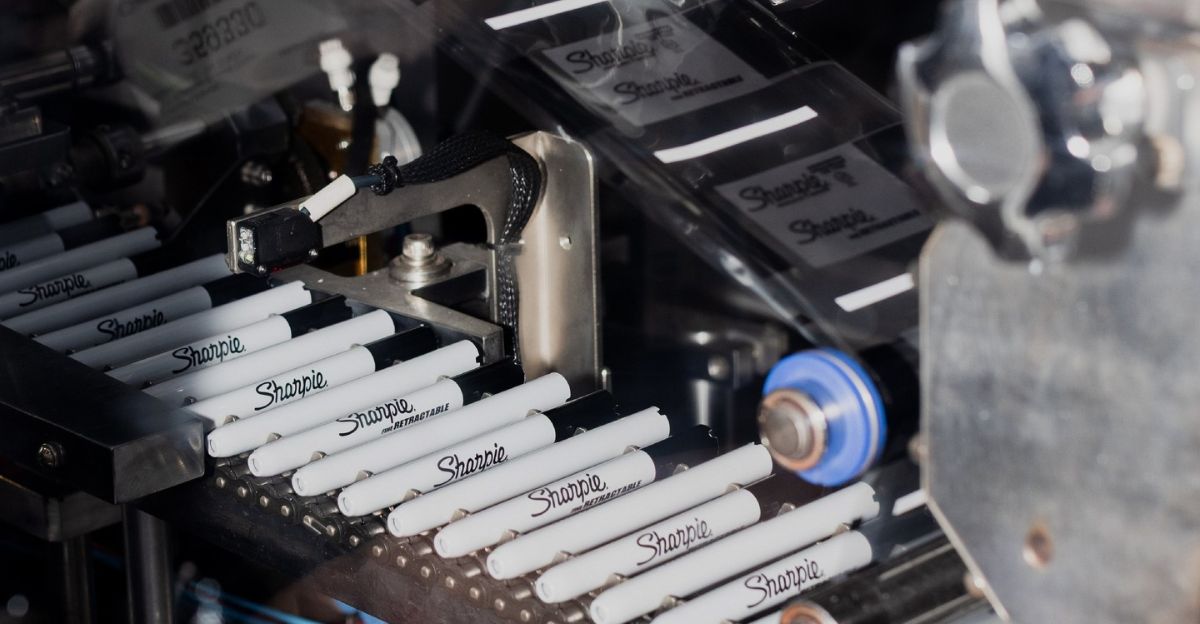
In 2018, Newell’s finance boss, Chris Peterson, pushed to move Sharpie’s manufacturing to Maryville, Tennessee. Today, that factory makes over 500 million Sharpie pens a year! The only part not made in the U.S. is the felt tip, which comes from Japan.
Tennessee’s plant shows how American workers and smart machines work together to make popular products fast and well. Outsourcing just one piece helps them keep the quality high.
Tennessee’s New Glow
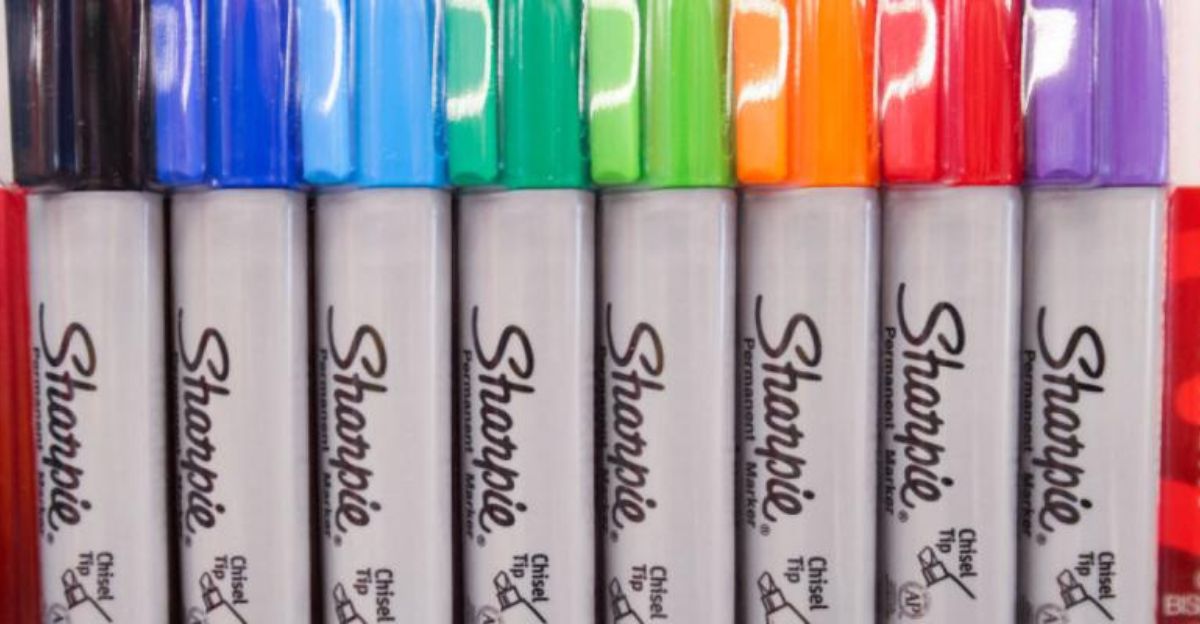
Sharpie’s Maryville factory employs 550 people and operates 24/7, running all day, every day. In the last five years, workers’ pay has gone up by 50%, which means more money for families and more business for local shops.
The factory’s success is now a great example for other companies that want to modernize and take better care of their team. This one factory has a big role in turning Tennessee into a center for new ways to make everyday products.
Workers at the Heart
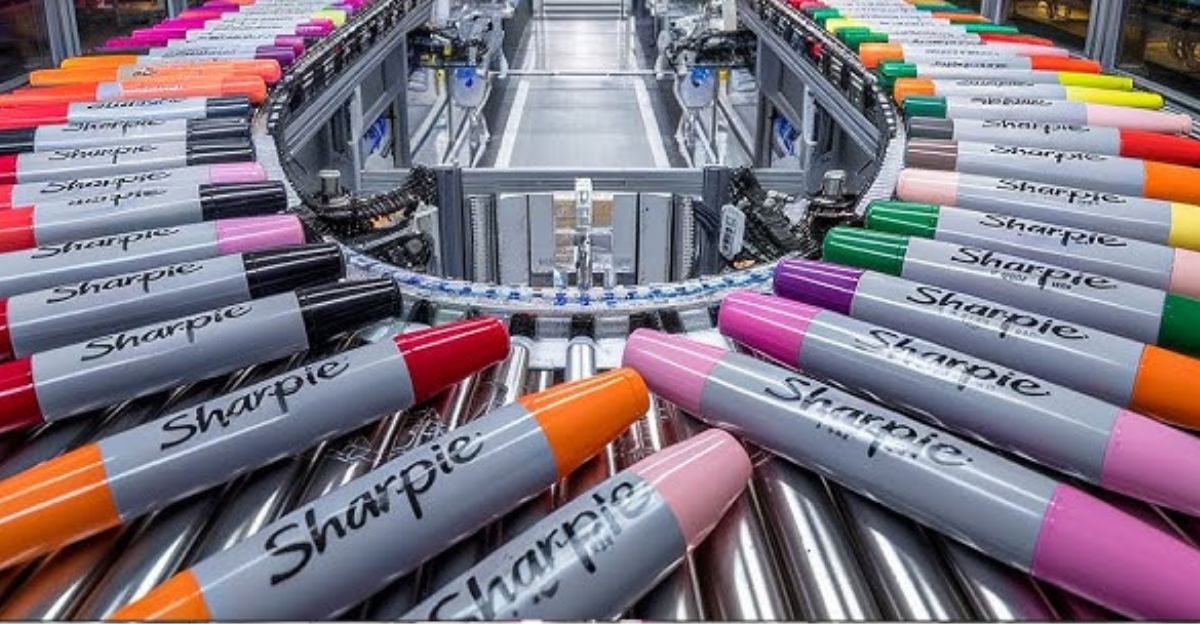
Many workers at Sharpie’s Maryville plant have been there for years, some since the old days. When the company introduced machines and robots, it didn’t fire people. Instead, Newell trained staff for technical jobs, letting them learn new skills.
Employees have a chance to move up, and they’re now experts at handling advanced equipment. Stories like these show why many workers feel proud to stay.
Rivals Follow Suit
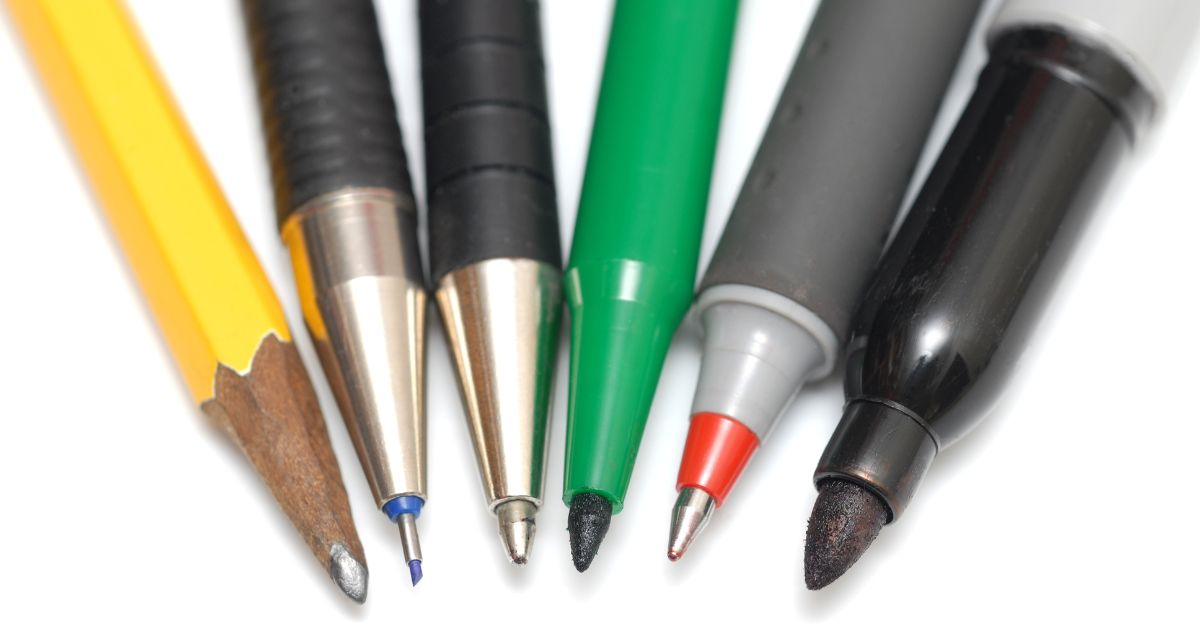
Sharpie isn’t the only brand moving operations back to America. National Pen, a competitor, is setting up new jobs, adding 60 positions, in Shelbyville, Tennessee. Companies want to deliver products faster and make sure everything they sell is top-notch.
This movement signals a real change as businesses believe making things closer to customers is better for quality and speed. Other brands are noticing this trend and exploring ways to build more in the U.S.
The Automation Wave
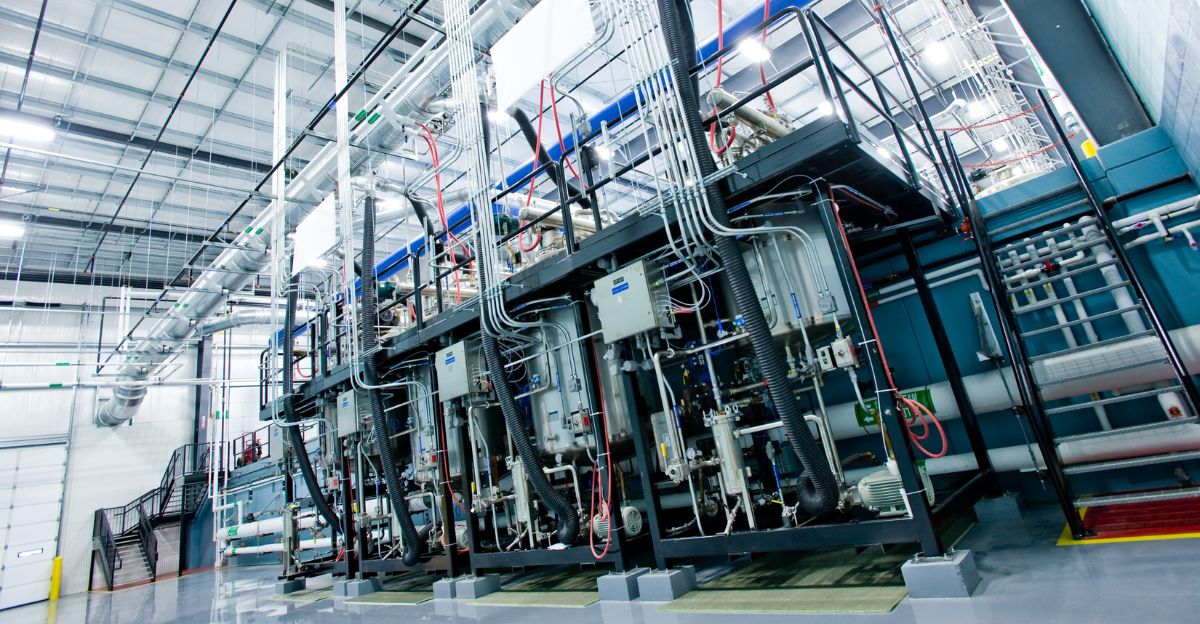
Sharpie’s choice to reshore production fits into a larger story about American manufacturing. New machines, robots, and smarter supply chains help American factories compete with those overseas.
These high-tech factories can now make products as cheaply and quickly as in foreign countries, but with better quality. This technology-driven revival is making U.S. manufacturing strong again, letting more workers and companies thrive right at home.
Highlighters Come Home
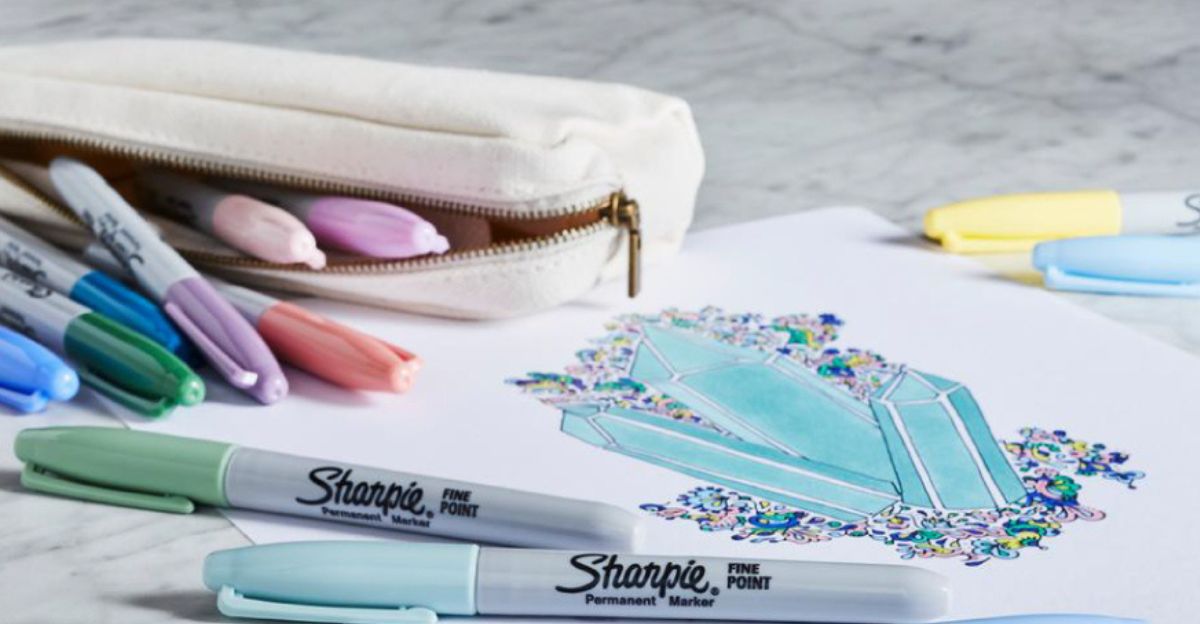
Sharpie’s Clearview highlighters are next, production for these is moving from China back to Tennessee soon. By making even more products in Maryville, Sharpie is less dependent on other countries and can ship new supplies quickly.
If this proves successful, other items may be domestically produced too, boosting the plant’s importance to the community and raising hopes for continued growth.
Facing the Change
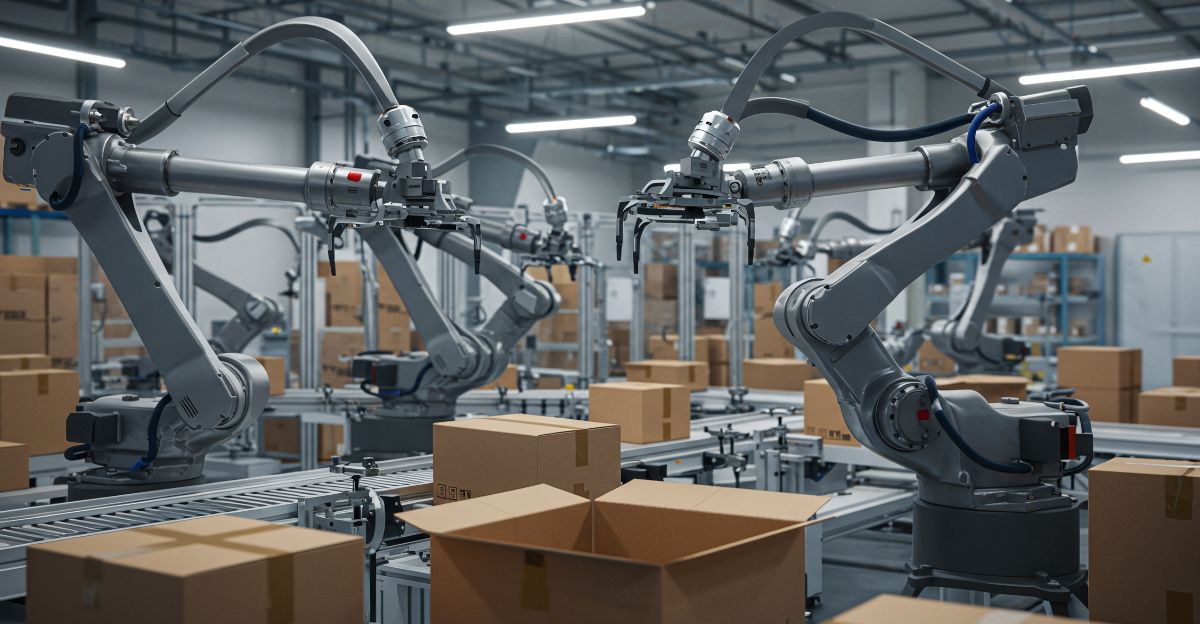
Switching to machines and robots wasn’t easy for staff at the Maryville plant. Workers had to spend thousands of hours learning how to use new systems. At first, many people worried about losing their jobs.
In the end, though, most didn’t have to leave, thanks to retraining and new technical roles. The company’s investment in its people helped everyone adapt and succeed together.
Leading the Way

Chris Peterson’s role as Sharpie’s leader was crucial during all these changes. He made sure the company focused on technology, teamwork, and training. Peterson unified different supply chains so everyone worked toward the same goals.
Because of his vision, Sharpie’s reshoring has become a model for other companies looking to modernize and strengthen their operations in America.
A Plan for Success
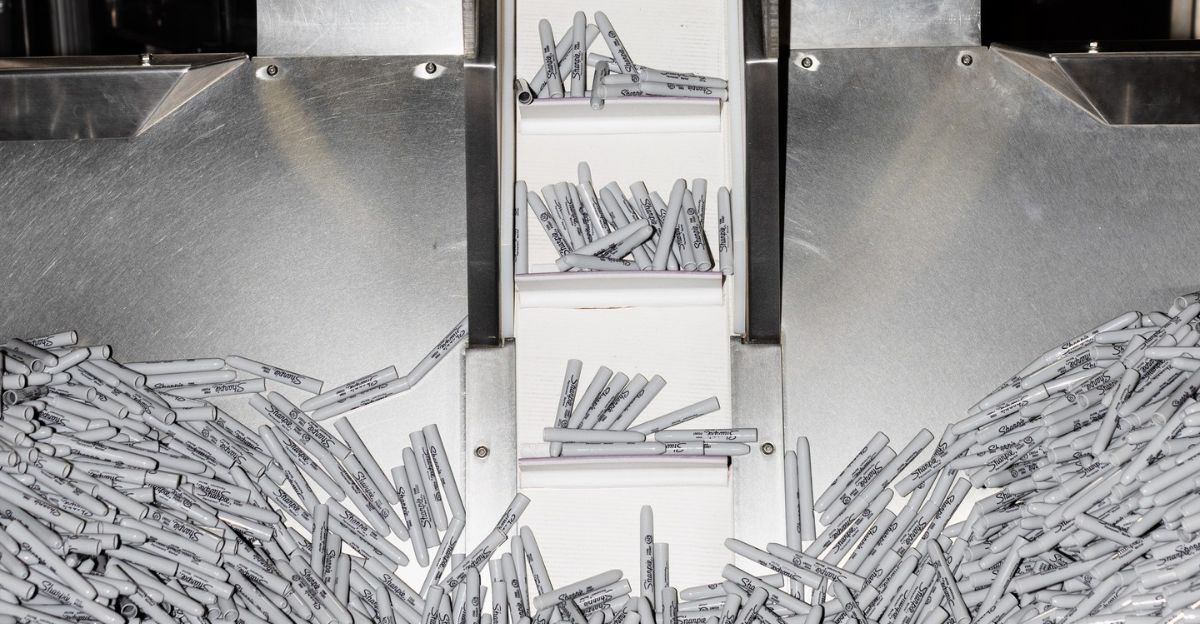
To make the comeback work, Newell had to merge 23 different supply chains and install cutting-edge robots. This was a huge task, but it made Sharpie more efficient and flexible. Industry leaders see Newell’s plan as a blueprint for making factories more resilient.
By investing in both people and new technology, Newell set itself up for big wins and inspired others to try similar changes.
Experts Weigh In
Experts say very few companies have the cash and courage to do what Newell Brands did for Sharpie. Spending $2 billion raised the bar, but it’s paid off, Sharpie’s productivity and product quality have improved.
These gains show how bold investments can change an entire market. Some hope this will encourage other companies to invest in America’s future.
The Future Question
Will other brands follow Sharpie’s example? Success in Maryville has gotten lots of attention from business leaders, making them curious about what could happen next.
If more companies reshore jobs, America’s manufacturing sector could see big growth and new opportunities. The choices companies make now will shape the job market and the way products are made for years to come.
Policy Push

Sharpie’s choice fits with government plans to boost manufacturing in the U.S Federal and state programs are encouraging companies to make more goods here. These policies might accelerate reshoring, affect trade deals, and influence how American factories compete globally.
As incentives grow, more companies may feel confident in making big changes like Sharpie did.
Shifts Around the World

Moving production out of China, but still importing felt tips from Japan, shows how complicated global supply chains have become. Sharpie’s strategy might make other countries adjust how they make and supply goods.
As America becomes more competitive, international suppliers and rivals will pay attention to these shifts in strategy.
Greener Factories
Making Sharpie pens in Tennessee helps shrink the company’s shipping carbon footprint. Since products don’t travel as far by boat or plane, pollution drops. Automation also lets the company use fewer resources and cut down on waste.
The Maryville plant is proving that factories can be cleaner and smarter when they bring high-tech solutions and local decision-making together.
Pride in U.S. Products
Sharpie’s story is bigger than just a business move, it’s part of a rising pride among Americans for homegrown goods. More and more shoppers want products made in the U.S., believing they’re higher quality.
This revival is helping build a sense of community and connection between people, brands, and the things they buy.
A New Chapter
What does Sharpie’s journey mean for America? It marks a new era for products made at home. By focusing on smart innovation, big investments, and helping workers grow, Sharpie is changing what people expect from mass-market goods.