Roughly 90% of the world’s atmospheric water vapor is transported from tropical to mid-latitude regions via atmospheric rivers, or ARs. Since 1979, scientists have verified that these moisture channels significantly migrate poleward by roughly 6 to 10 degrees latitude, particularly during boreal winters.
Moisture is being diverted from subtropical areas like California to higher latitudes close to 50°N by this shift, which is closely related to declining sea surface temperatures in the eastern tropical Pacific and connected to ENSO/PDO cycles. Since up to 50% of California’s yearly precipitation comes from ARs, this migration could worsen the state’s drought, endangering urban water supplies, agriculture, and reservoirs.
Atmospheric Rivers’ Historical Development and Definition
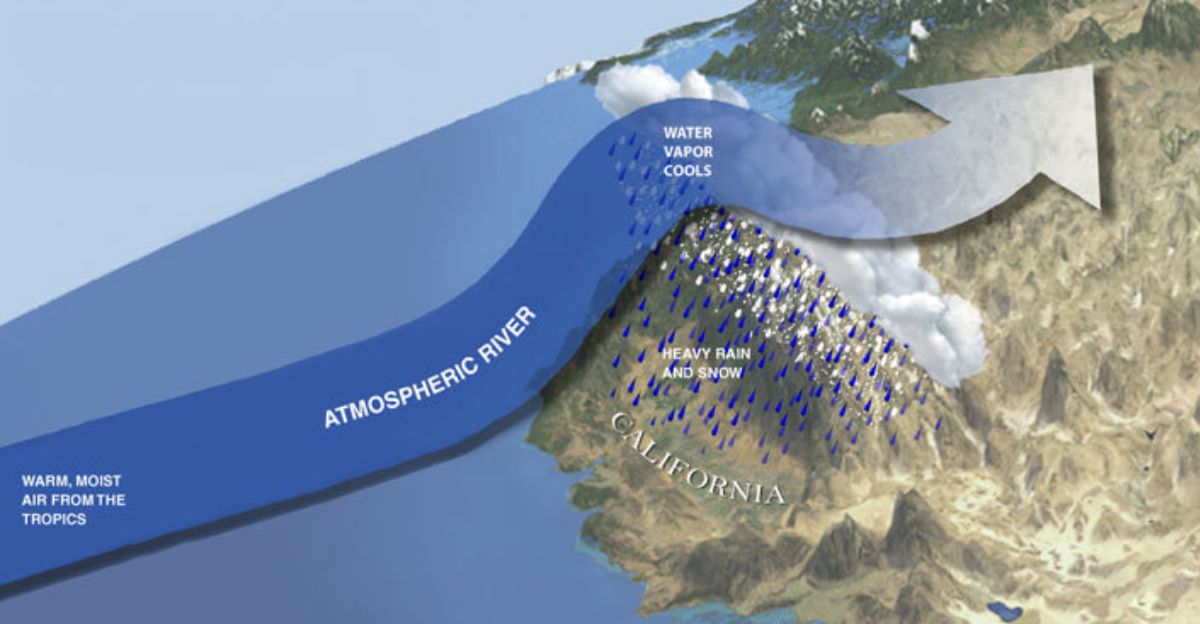
Although atmospheric rivers have influenced weather for millennia, their precise definition was only established in the 1990s. Their discovery, which identified enormous airborne rivers carrying volumes similar to the Amazon River but through the sky, revolutionized meteorology. Their vital role in delivering California’s rain and snowpack was noted in early 21st-century observations.
Without accurately simulating tropical Pacific sea surface cooling, a crucial driver, historical climate models were unable to forecast observed shifts. Li and Ding’s 40 climate model simulations published in Science Advances revealed a significant blind spot in climate science and exposed the shortcomings of earlier models by providing the first thorough evidence connecting tropical Pacific cooling to poleward AR migration.
Mechanisms Driving AR Migration: The Impact of PDO and ENSO
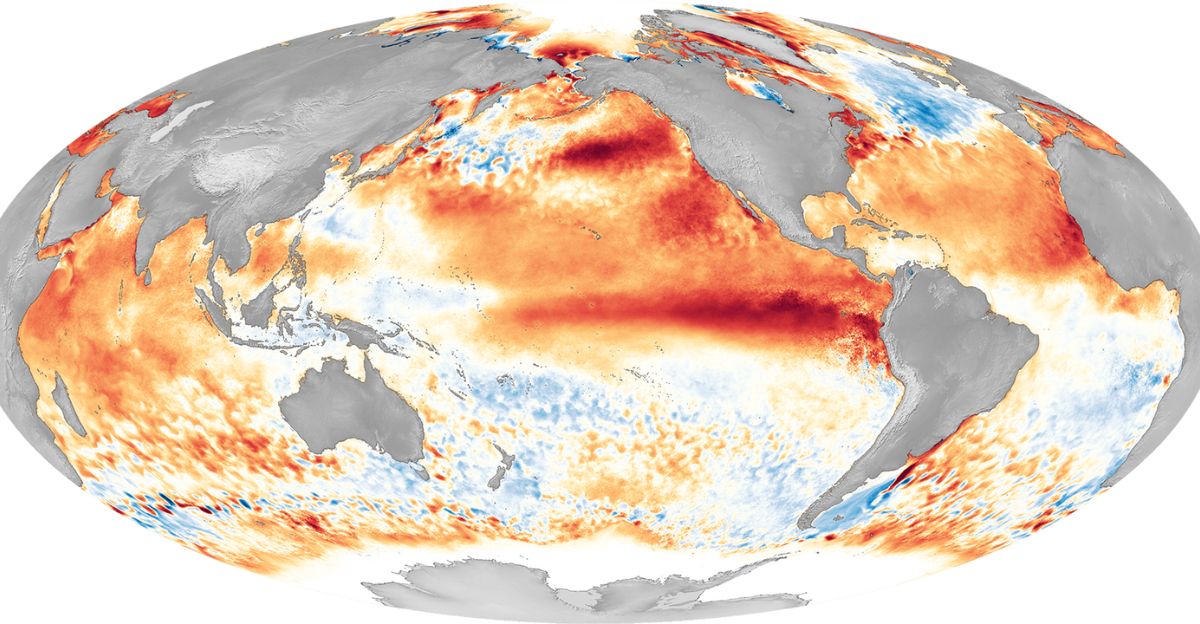
Ocean-atmosphere phenomena that recur are closely linked to the poleward drift of atmospheric rivers. Large-scale moisture corridors are steered northward by the cooling of the eastern tropical Pacific caused by the La Niña phase of ENSO (El Niño Southern Oscillation) and the Pacific Decadal Oscillation (PDO). Higher latitude precipitation is preferred as cooler Pacific waters predominate, weakening the subtropical jet stream patterns governing AR paths toward California.
Drought risks are increased as a result of this migration, which lowers California’s atmospheric river water supply. The natural variability of the coupled ocean-atmosphere system makes it more difficult to attribute anthropogenic climate change, but given the observable consequences, it must be acknowledged immediately. The trend’s continuation throughout boreal winters since 1979 emphasizes a natural cycle on top of warming caused by humans, highlighting intricate climate dynamics that go beyond straightforward warming narratives.
The Reliance of California on Atmospheric Rivers
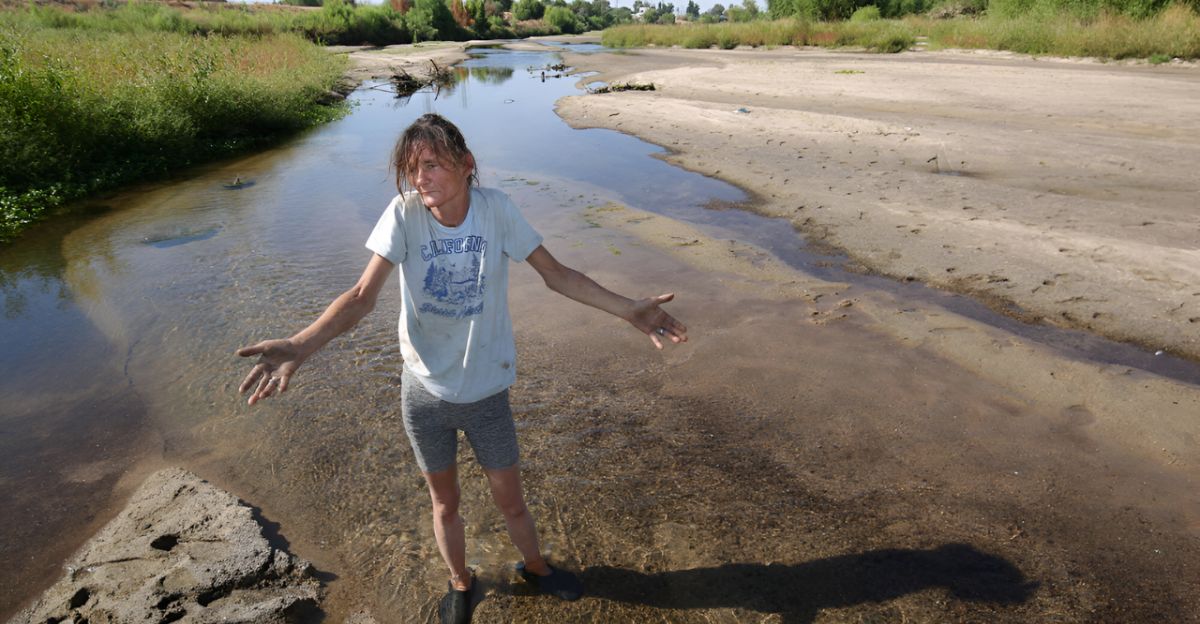
California is largely dependent on atmospheric rivers for its water supply; these sporadic but intense rainfall and snowfall events account for half of the state’s yearly precipitation. ARs replenish the Sierra Nevada snowpack, a “natural reservoir,” feed hydropower production, and replenish reservoirs essential for agricultural and urban use. The state is facing an impending water crisis as ARs move northward.
Water availability could be immediately reduced if AR frequency or intensity declines; in the worst case scenario, losing 10% of AR events could endanger 5% of California’s water supply. Traditional water management frameworks, which are based on historical, predictable precipitation patterns, are put to the test by this vulnerability. Experts warn that without quick adaptation, California’s urban water security, wildfire resilience, and agricultural productivity will suffer greatly.
Precise Measurement of AR Changes and Impacts
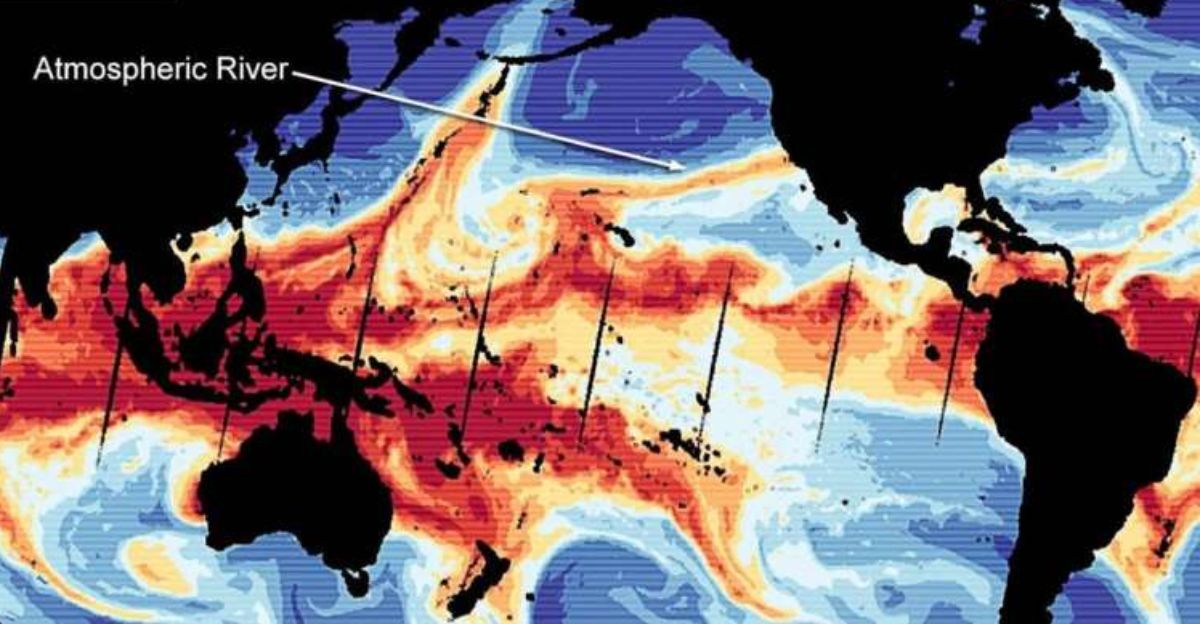
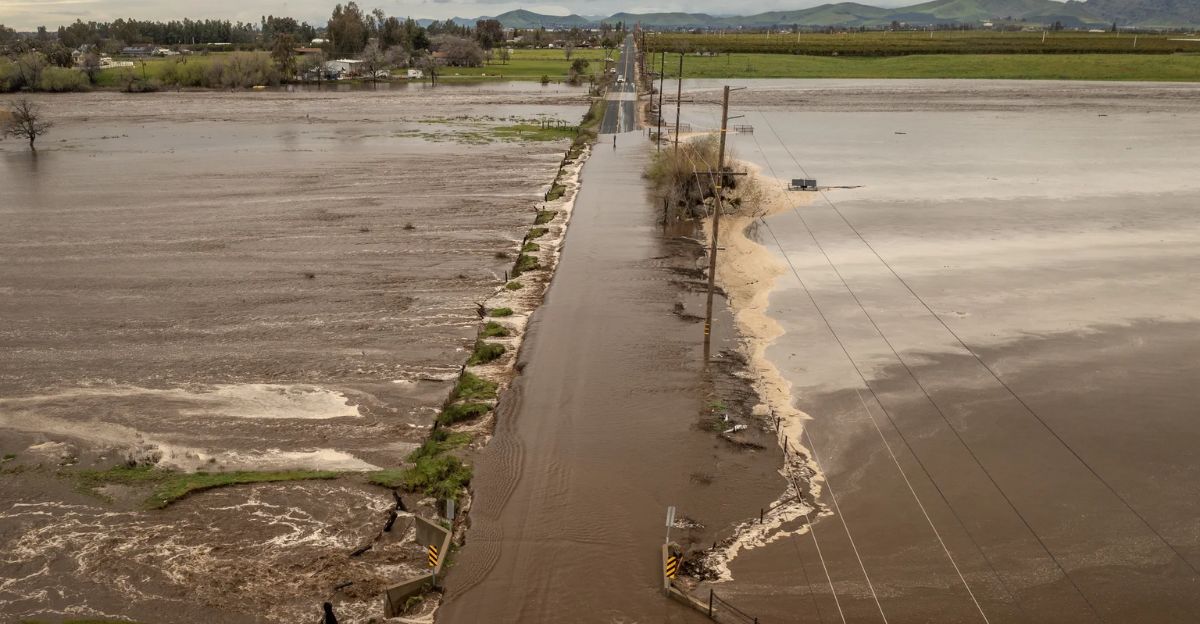
The movement of atmospheric rivers can be measured; thorough reanalyses have verified a 6–10 degree latitude poleward shift since 1979. Due to this change, areas close to 50°N/S, such as Alaska, Scandinavia, and British Columbia, experience more frequent and powerful storms caused by AR, while subtropical zones experience less moisture. Rising high-latitude flood risks are exemplified by BC’s 2021 floods, which were caused by an unprecedented AR and resulted in over $9 billion in damages and thousands of displaced people.
The data show a phenomenon of water redistribution with significant effects on infrastructure and the economy. Additionally, this phenomenon alters rainfall extremes, making once-in-a-century storms from the 20th century more frequent, overwhelming flood defenses built for historical climate baselines and modern city planning.
The Devastating Floods in British Columbia
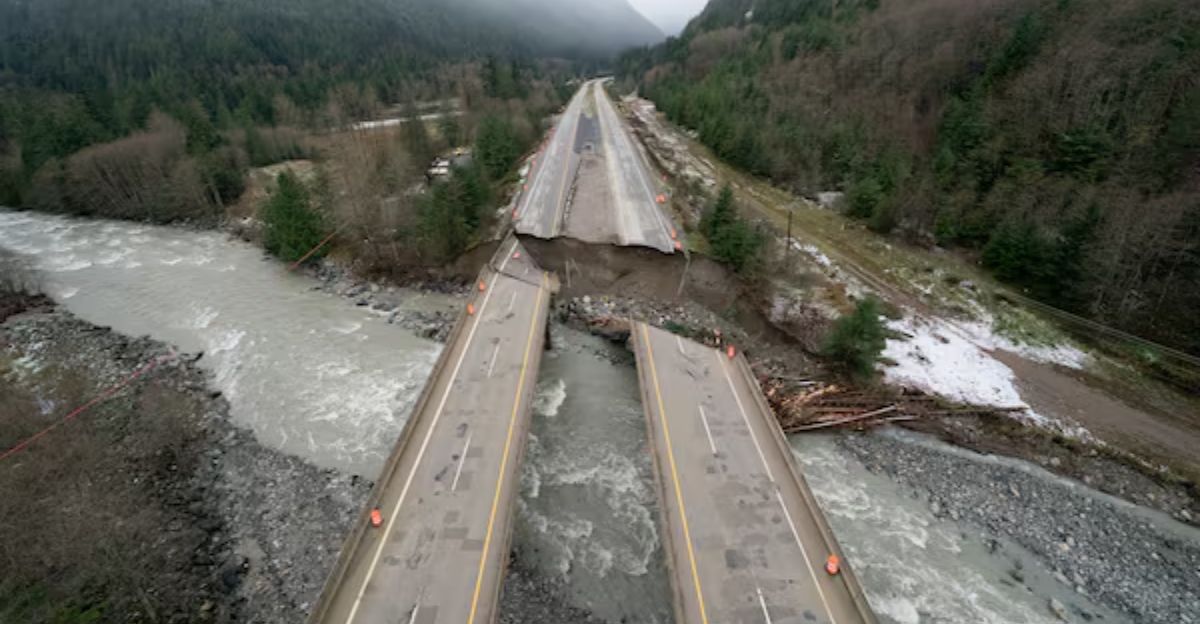
An extreme example of the risks associated with AR migration and intensification in higher latitudes is the “atmospheric river event” that occurred in British Columbia in 2021. At a damage cost of more than $9 billion, a single AR event dumped rainfall volumes that overwhelmed flood controls, destroyed highways, and forced thousands of people to relocate.
This disaster demonstrated that modern AR intensities, which can now produce two to three times the historical rain volumes, are too much for infrastructure built for late 20th-century conditions. As ARs increasingly import tropical moisture northward, this event portends new risks for other mid- to high-latitude communities. This could lead to a permanent reorganization of regional water cycles and risk profiles with expensive repercussions.
Second-Order Impacts on Food Security and Agriculture
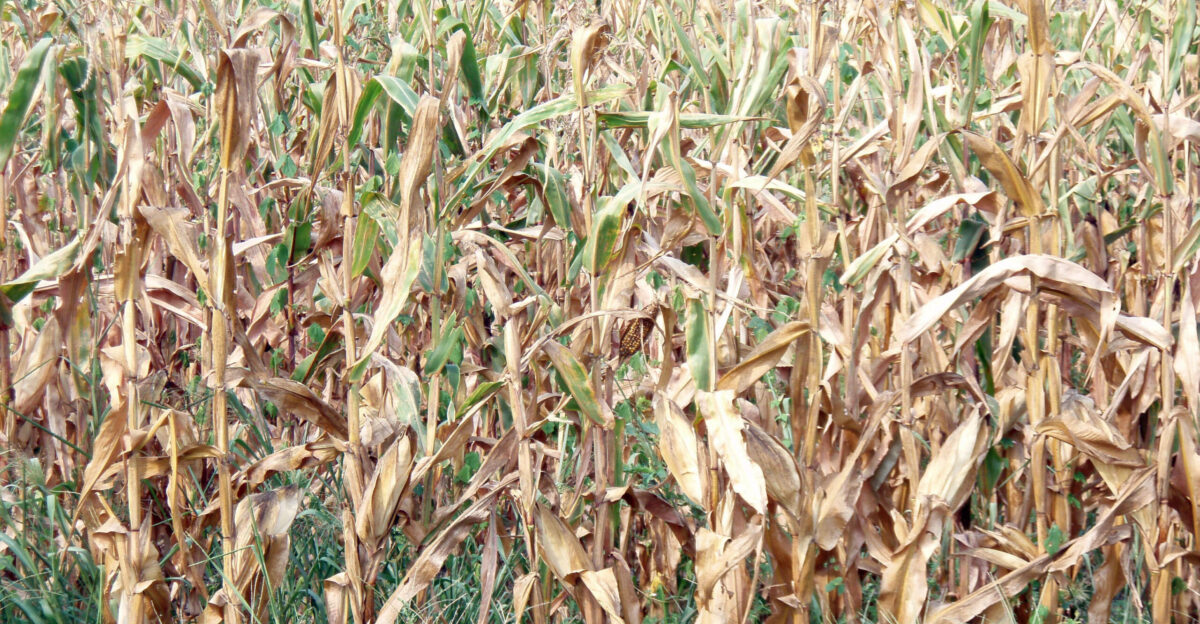
Agriculture is facing increasing water scarcity as ARs leave traditional subtropical regions like the Mediterranean and California. Producing fruits, vegetables, nuts, and wine grapes, these areas are important global breadbaskets. Reduced AR precipitation will increase groundwater overdraft, reduce irrigation supplies, and increase crop failures. On the other hand, areas with higher latitudes and heavier rainfall experience flooding, soil erosion, and disturbed planting cycles.
By moving agricultural viability zones poleward, upsetting supply chains, and putting pressure on migration and adaptation plans, this redistribution jeopardizes food security. Furthermore, in arid regions, water stress increases the risk of wildfires, resulting in a vicious cycle that further reduces land productivity and causes social and economic unrest.
Challenges of Infrastructure Adaptation and Resilience
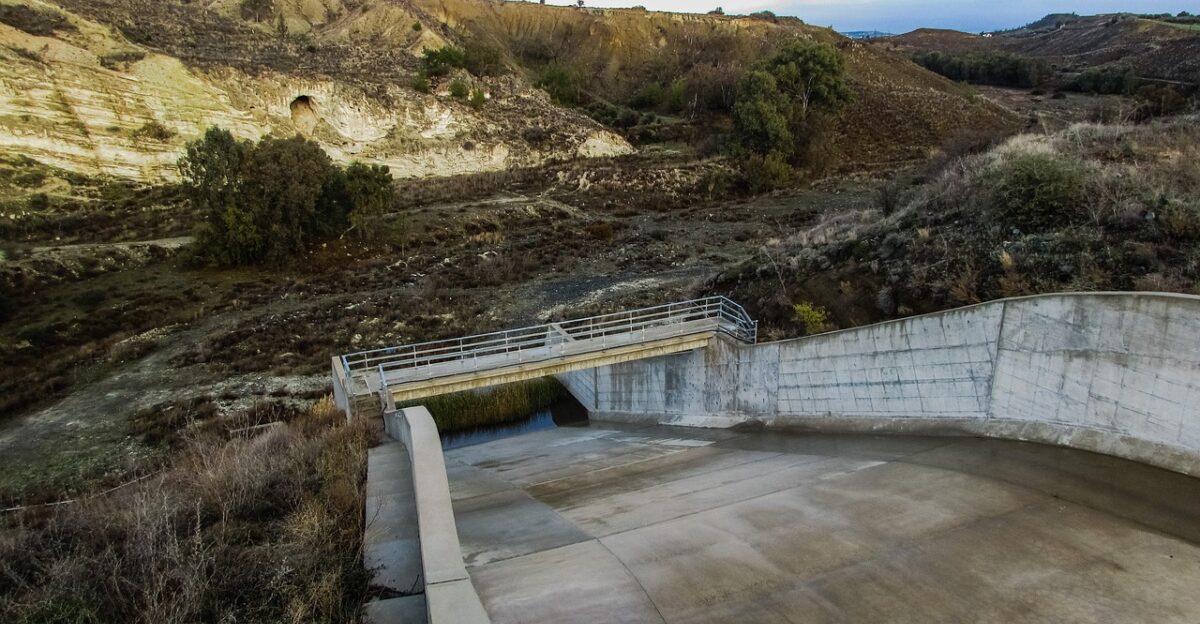
Climate assumptions from the 20th century guided the construction of modern infrastructure. In California and the Mediterranean, decreasing AR precipitation puts roads, dams, sewage, and urban flood protections at risk of water shortages and system failures. On the other hand, infrastructure in northern areas like Alaska and Scandinavia is overloaded by two to three times the amount of rainfall that has historically occurred. Due to this divergence, two different adaptation strategies are required: flood defenses and stormwater management in poleward regions, and water conservation and drought resistance in subtropical regions.
These essential changes are slowed down by funding shortages and policy inertia, increasing human and financial vulnerability as “once-in-a-century” floods become commonplace. This mismatch in infrastructure is a cross-continental ticking time bomb.
Consequences of Changing Water Patterns
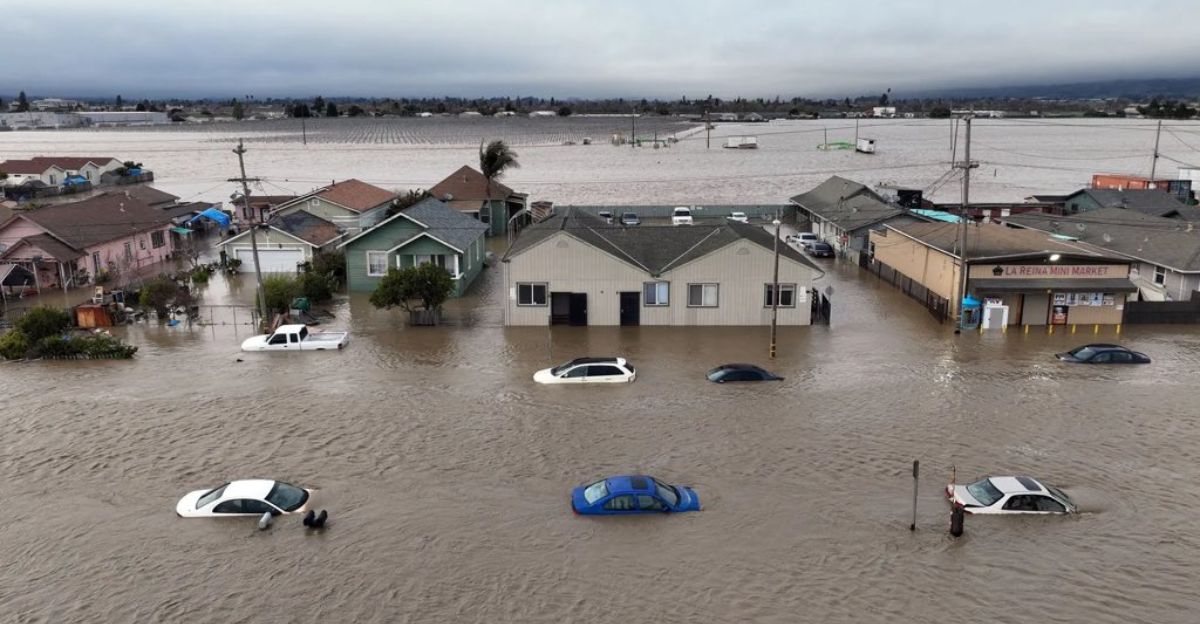
Flooding and water scarcity cause severe psychological stress and social unrest. Drought uncertainty causes anxiety in Californian communities, which affects productivity and mental health. In northern latitudes, flood-related property losses and displacement exacerbate trauma, undermine social cohesiveness, and complicate governance. Climate resilience depends on an understanding of these effects; failing to do so puts adaptation strategies at risk.
Emotional and social support networks need to be reinforced in addition to physical infrastructure. Fatalism is countered by transparency about AR shifts, but it also makes public participation in water conservation and disaster preparedness more urgent. Climate communication is complicated by the paradox of increasing floods in drought zones, necessitating complex psychological frameworks to match public perception with scientific reality.
Scientists’ Confirmation of AR Poleward Shift

Numerous independent studies that combine satellite data, ground observations, and climate modeling have thoroughly documented the poleward migration of ARs. The ENSO/PDO relationship was validated by Li and Ding’s 2025 study, which used 40 CESM2 climate model simulations to successfully replicate observed shifts only when eastern tropical Pacific sea surface cooling effects were taken into account. Since 1979, reanalyses have consistently revealed a poleward shift of about 6 to 10 degrees.
Rising AR frequency and flood events in higher latitudes, seen in North America, Europe, and Asia, support this evidence. This consensus, which represents a scientific turning point that necessitates integration into climate adaptation planning at all scales, makes it difficult to deny the migration trend.
Discussion of Natural Variability
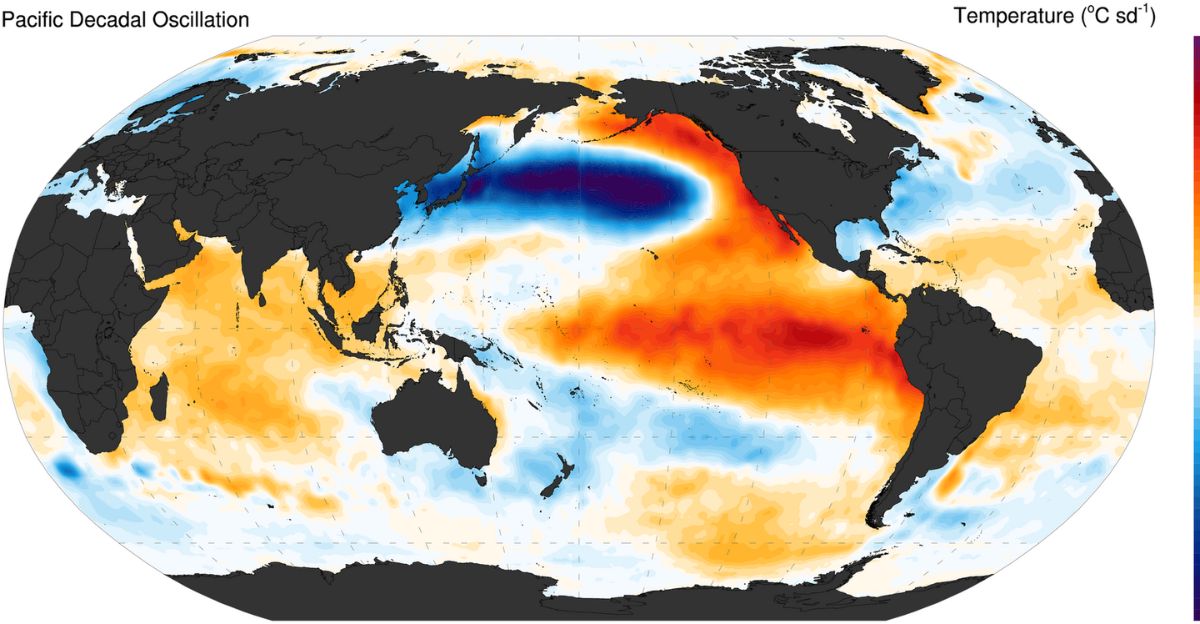
Instead of focusing on human-caused climate change, some climatologists highlight natural variability—cyclic ENSO and PDO influences, as the reasons behind AR shifts. This viewpoint contradicts narratives that only attribute the migration to global warming. Poleward moisture transport is strengthened by natural cooling in the eastern tropical Pacific during La Niña, a phenomenon that has been happening for centuries but may now be amplified.
This opposing viewpoint promotes sophisticated adaptation techniques that take into consideration both natural cycles and human impact, cautioning against an excessive dependence on anthropogenic explanations. Although contentious, it highlights the complexity of climate dynamics and serves as a reminder to policymakers that resilience initiatives need to be adaptable enough to deal with erratic natural fluctuations on top of progressive climate trends.
Potential Effects on Worldwide Carbon Sinks
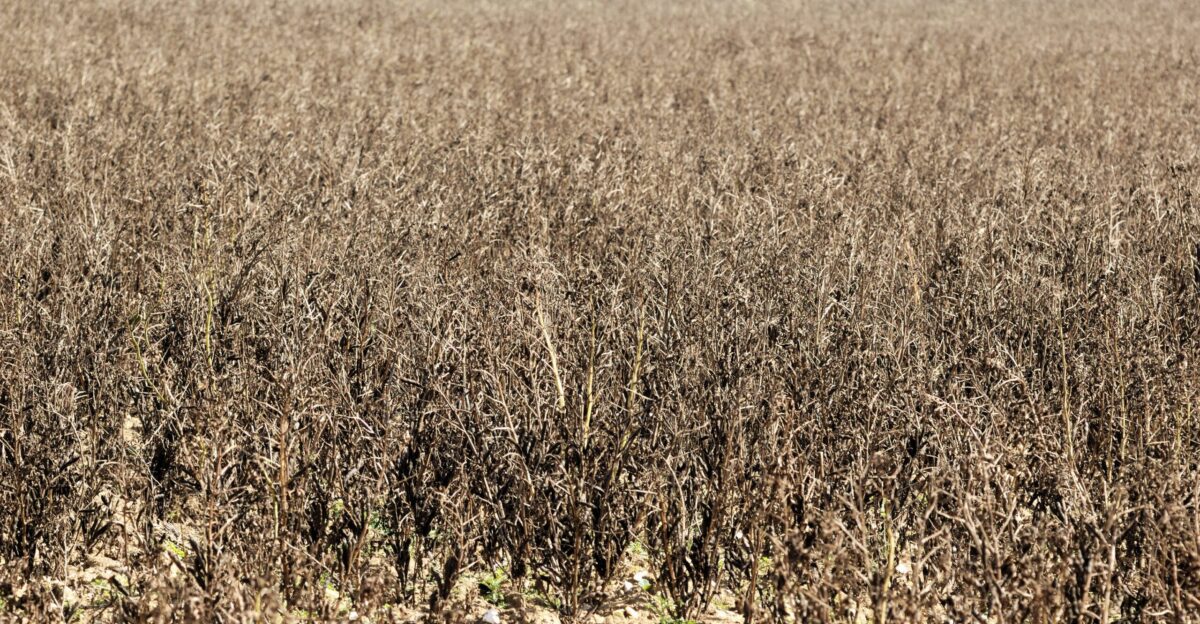
By altering vegetation, soil moisture, and ocean upwelling patterns, atmospheric moisture redistribution modifies terrestrial and oceanic carbon sinks. While increased precipitation and flooding at higher latitudes disturb forest ecosystems and carbon retention processes, decreased rainfall in subtropics can impair plant growth and soil carbon storage. In crucial carbon-absorbing regions like the North Pacific, variations in marine moisture may have an effect on phytoplankton productivity.
As a result, changed AR patterns could worsen feedback loops that accelerate climate change and compromise natural CO2 capture. Even though these interactions are still theoretical, they point to hazardous long-term risks associated with hydrological changes that affect everything from the planet’s carbon balance to water supply.
Superlatives for Extreme Weather Coming Out of AR Migration
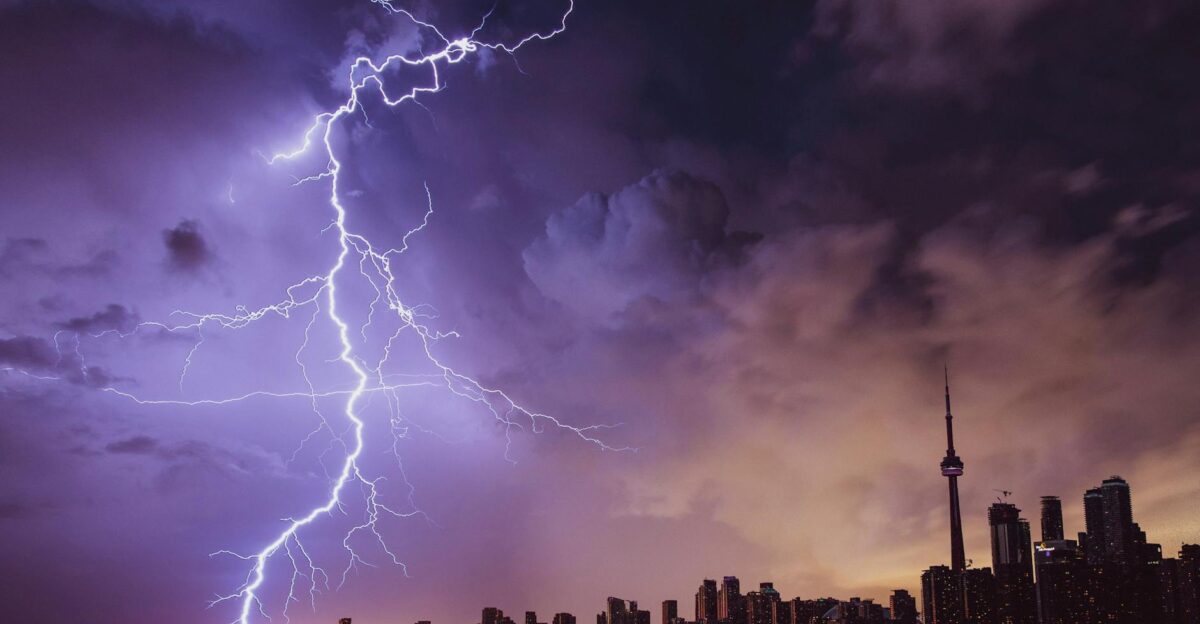
“Once-in-a-century” storms are now frequently occurring due to atmospheric rivers. Since the late 20th century, extreme rainfall and flooding severity have significantly increased in parts of Alaska, the Pacific Northwest, and Northern Europe. The devastating potential of this trend is demonstrated by the floods in British Columbia in 2021 and the extreme precipitation events in Oregon in 2023.
These extremes increase financial losses and social injustices by taxing emergency services, the insurance sector, and the public’s patience. The magnitude and regularity of these occurrences point to a previously unheard-of global realignment of rainfall patterns, with some areas experiencing ongoing drought and others experiencing unrelenting flooding. This dichotomy calls into question conventional frameworks for assessing climate risk and disaster preparedness.
The Desertification of California and the Need for Immediate Action
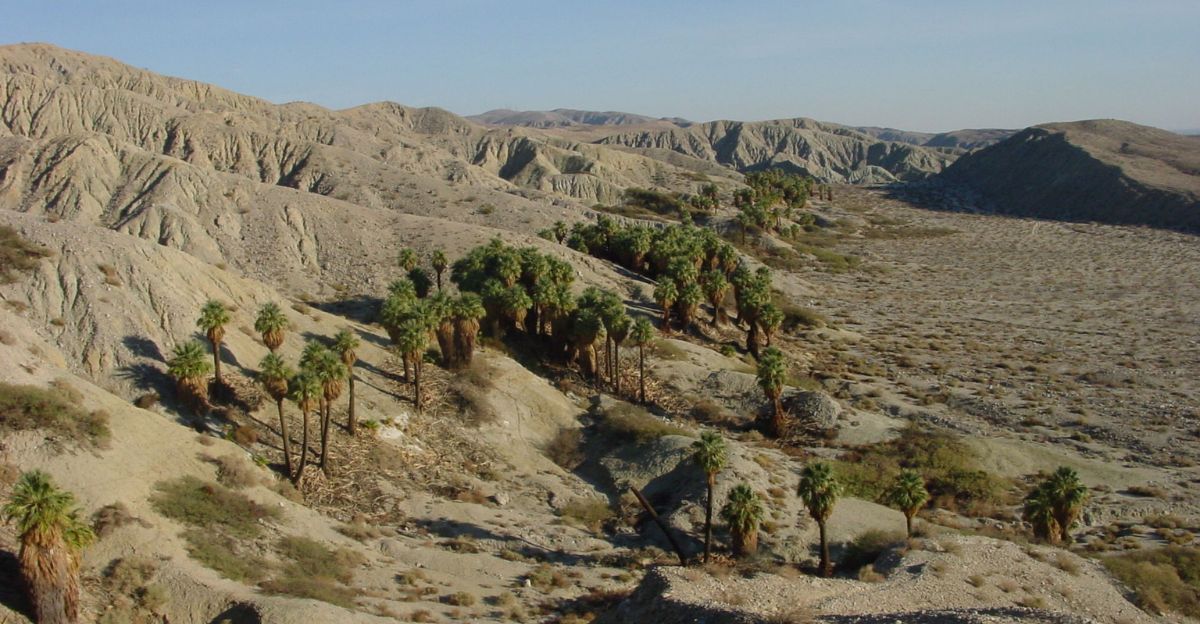
A significant hydrological change endangering California’s water future is confirmed by the continent-scale poleward migration of atmospheric rivers. The state is at risk of worsening droughts, economic disruption, and ecological collapse as up to half of its yearly precipitation disappears northward. Higher latitudes prepare for new, violent flood dynamics at the same time. The need for urgent, adaptable water management strategies based on state-of-the-art climate science, including the ENSO/PDO-driven mechanisms causing AR shifts, is indicated by these dual crises.
Ignoring this phenomenon puts social well-being, infrastructure integrity, and food security at risk. Communities, scientists, and policymakers must come together to find creative solutions that take into account both human impacts and natural variability. California’s fate in this crucial decade will determine whether the world is resilient to climate change or not.