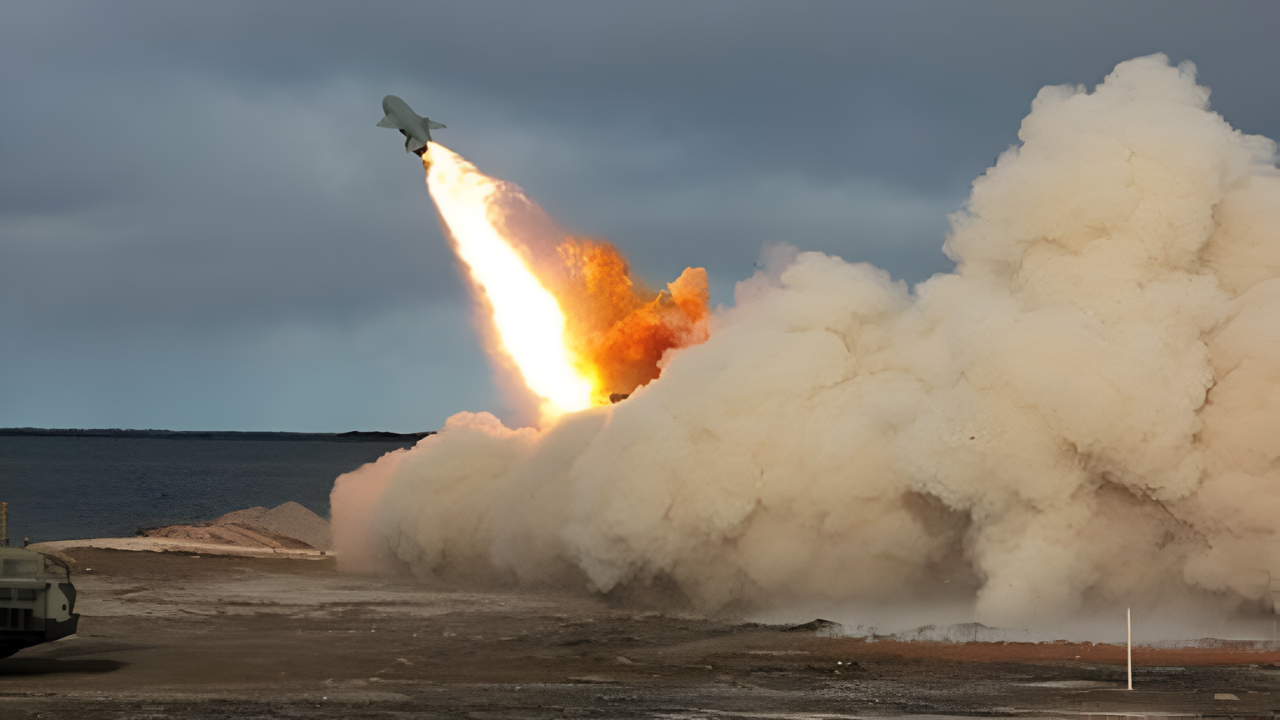
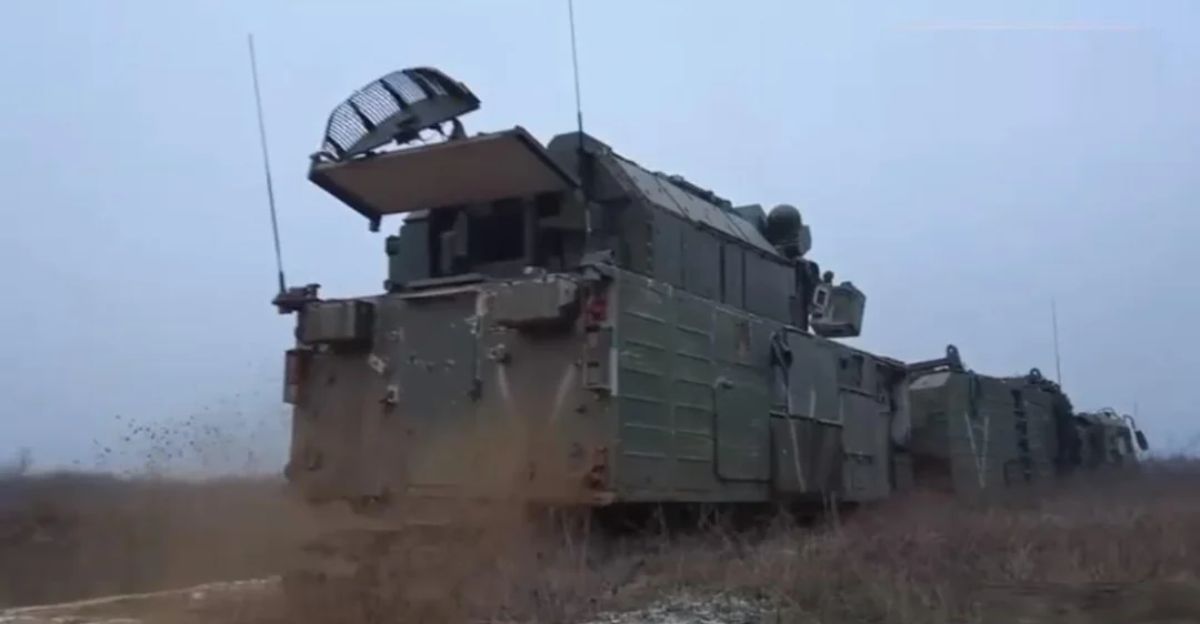
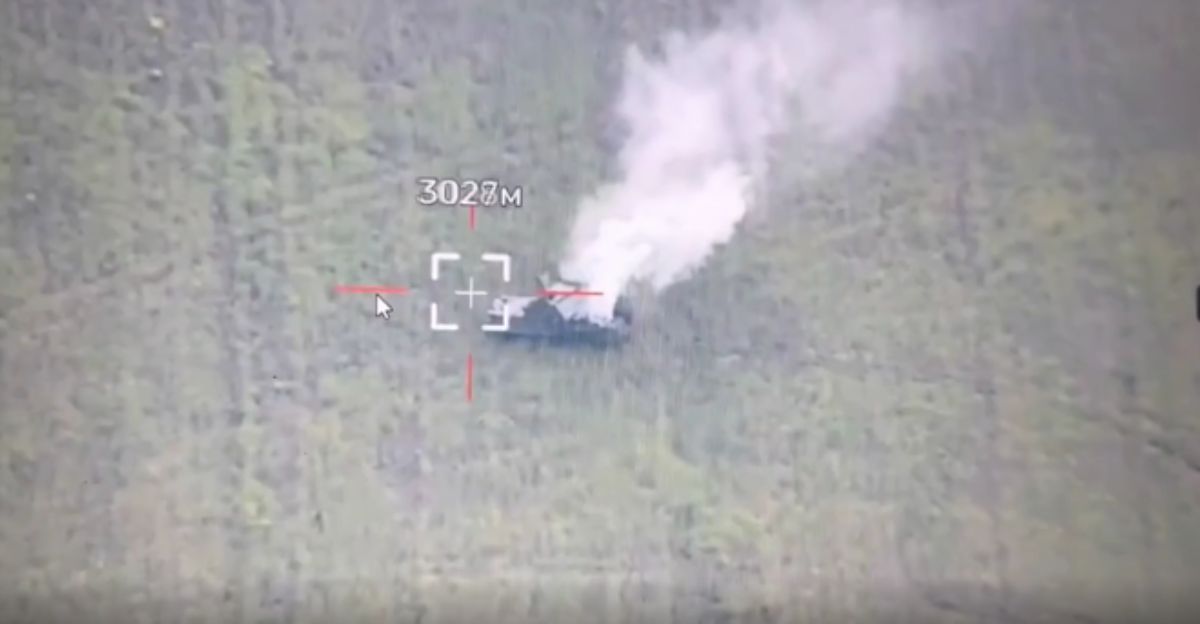
Flames engulfed a rare Russian air defense system in Ukraine’s Kherson region as Ukrainian artillery scored a direct hit. Smoke and fire consumed the $25 million Tor-M2DT, a vehicle engineered for the Arctic, while Russian troops scrambled in vain to save it. The destruction was captured in released footage, showing frantic attempts at rescue ultimately failing.
This marks the first confirmed destruction of Russia’s Tor-M2DT surface-to-air missile system in the platform’s operational history—the first time precision-guided munitions have successfully eliminated this rare Arctic-adapted air defense variant since its introduction in 2017. The dramatic scene exposes vulnerabilities in what was once considered untouchable military technology. Observers could see the vehicle burning uncontrollably, signaling a significant moment in the ongoing Ukraine conflict.
Precision Strike Escalates
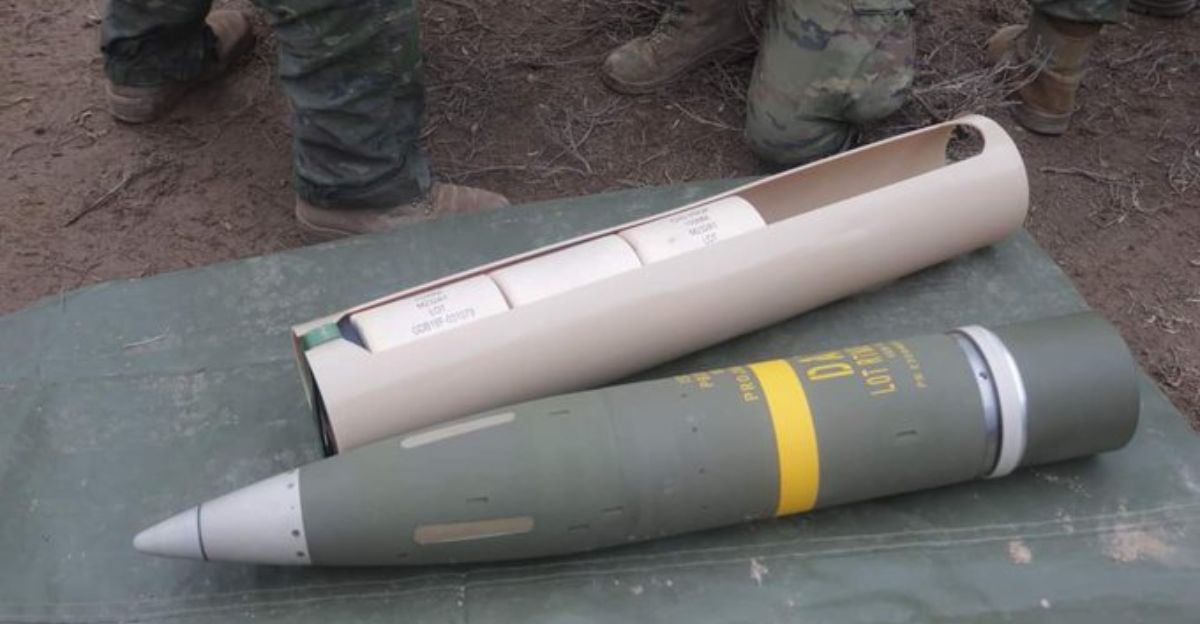
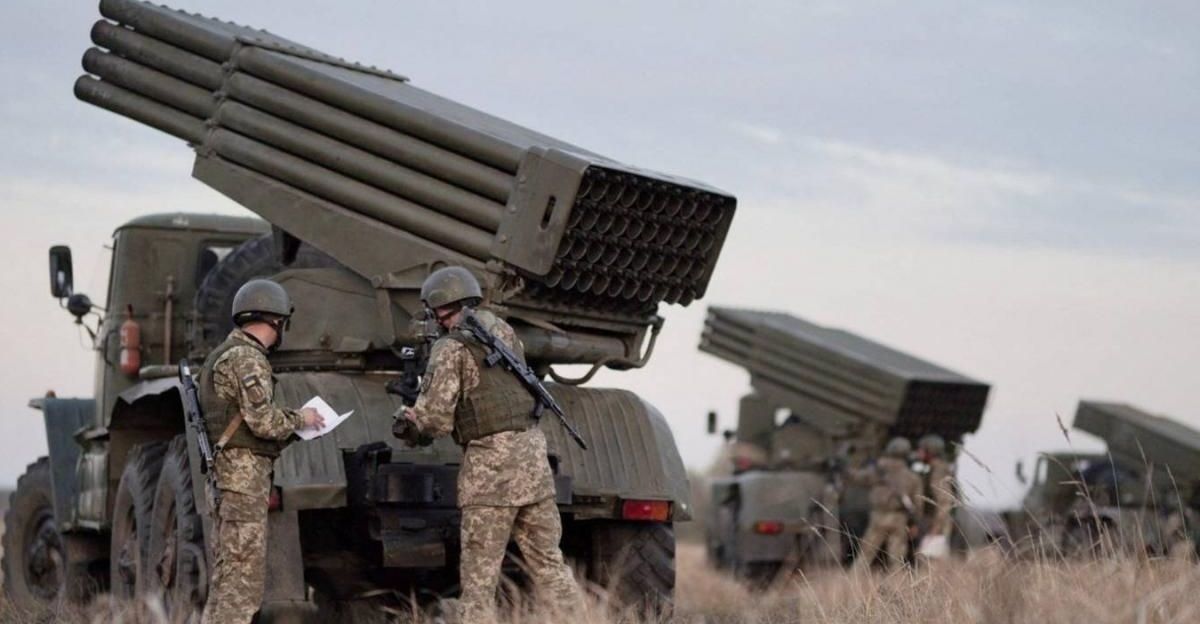
Ukrainian forces relied on the US-supplied M982 Excalibur shell, a GPS-guided munition capable of surgical precision at long ranges. The shell struck the Tor-M2DT directly, demonstrating that even specialized Arctic weapons are not immune to modern Western artillery. Its success marks a notable shift in battlefield dynamics.
The strike showcases the growing role of precision technology in high-stakes warfare. Targets previously thought secure can now be neutralized with minimal collateral impact. This moment sets a precedent, emphasizing the increasing effectiveness of guided munitions over traditional massed artillery tactics.
Arctic Shield Origins
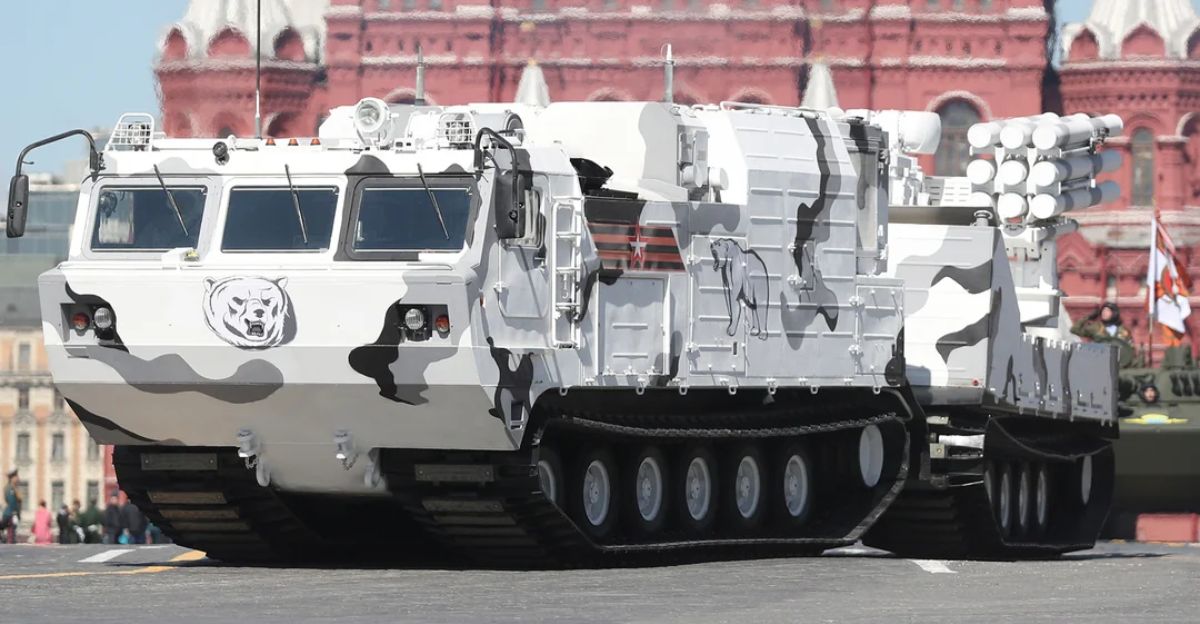
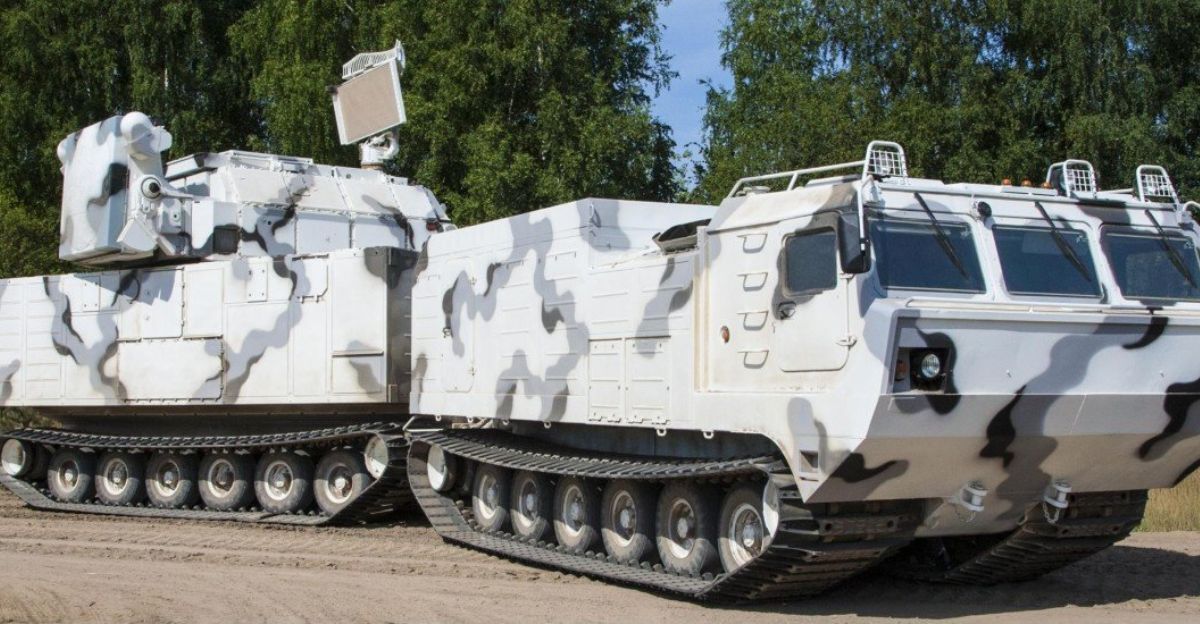
The Tor-M2DT is a specialized variant of Russia’s Tor air defense family, introduced in 2017. Mounted on the DT-30PM “Vityaz” chassis, it was built to navigate deep snow, frozen rivers, and extreme Arctic conditions while protecting critical installations from aerial threats.
Its design combines advanced missile systems with off-road mobility, ensuring operational effectiveness in harsh polar regions. Rare and highly specialized, the Tor-M2DT is intended to secure remote bases and strategic supply routes, making it a crucial asset for Russia’s Arctic defense network.
Since entering service in 2017, the Tor-M2DT had maintained an unblemished operational record in terms of survivability. Designed to dominate the Arctic domain, the system had never been destroyed by modern Western precision-guided munitions—until February 2023.
Rising Pressure on Russian Defenses
As the Ukraine conflict continues, Russia increasingly deployed Arctic-adapted systems like the Tor-M2DT to defend key positions. Yet precision-guided artillery and drone surveillance from Ukraine have revealed vulnerabilities in these advanced platforms, exposing gaps in Russia’s defensive planning.
The reliance on specialized systems outside their intended environment has amplified operational risks. What was designed to dominate the Arctic now struggles in southern battlefields, illustrating how technology built for one theater can become a liability in another.
First Confirmed Kill
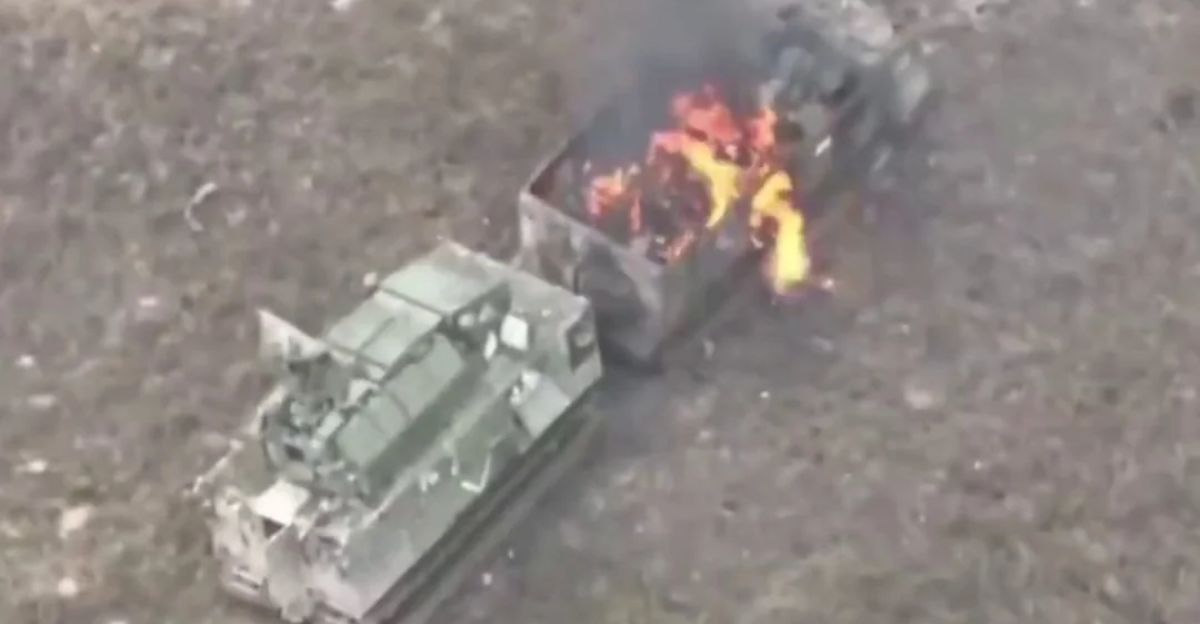
In February 2023, Ukrainian forces destroyed a Tor-M2DT near Chelburda in Kherson using a single Excalibur shell. Video evidence confirmed the vehicle’s destruction, marking the first-ever verified battlefield loss of a Tor-M2DT system—representing the first precision-guided artillery strike to successfully neutralize this Arctic-adapted platform in its operational history.
This milestone achieved what no military had accomplished before: the destruction of a Tor-M2DT using GPS-guided “smart” munitions. The single M982 Excalibur shell represented the first such strike to successfully eliminate this Arctic system in its six-year operational lifetime, shattering the platform’s previously unblemished survivability record. The strike signals a shift in the balance of power, proving that rare and expensive platforms are not invulnerable.
Kherson’s Strategic Fallout

The loss of the Tor-M2DT weakened Russia’s layered air defenses in a key operational area. Kherson, central to recent offensives, depends on such rare systems to protect supply lines and troop concentrations from Ukrainian attacks.
With the system gone, Russian forces face a reduced ability to defend against drones and precision artillery. The event underscores the tactical consequences of deploying highly specialized equipment in environments for which it was not designed.
Human Lens: On the Ground
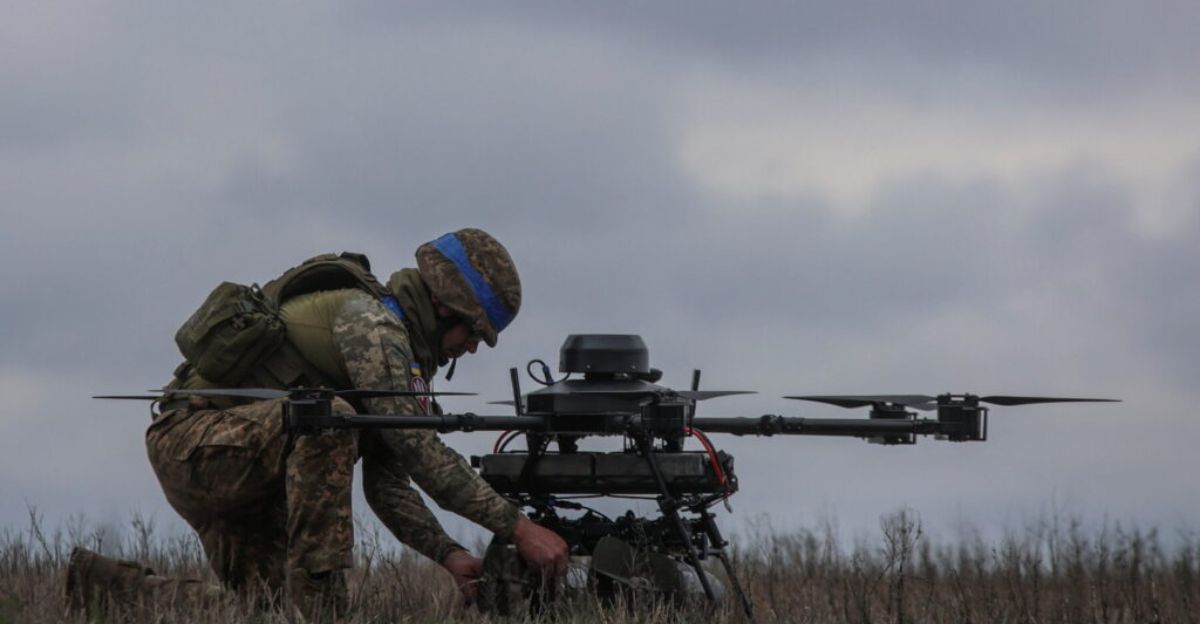
Ukrainian drones tracked the Tor-M2DT, providing real-time targeting data for artillery units. Released footage shows Russian troops rushing to extinguish the fire, only to retreat as the vehicle burned completely.
The failed rescue attempts reveal the psychological toll of losing high-value equipment in view of both sides. The scene highlights the human stakes in modern warfare, where technology and morale are deeply intertwined.
Ripple Effect: Russian Air Defense
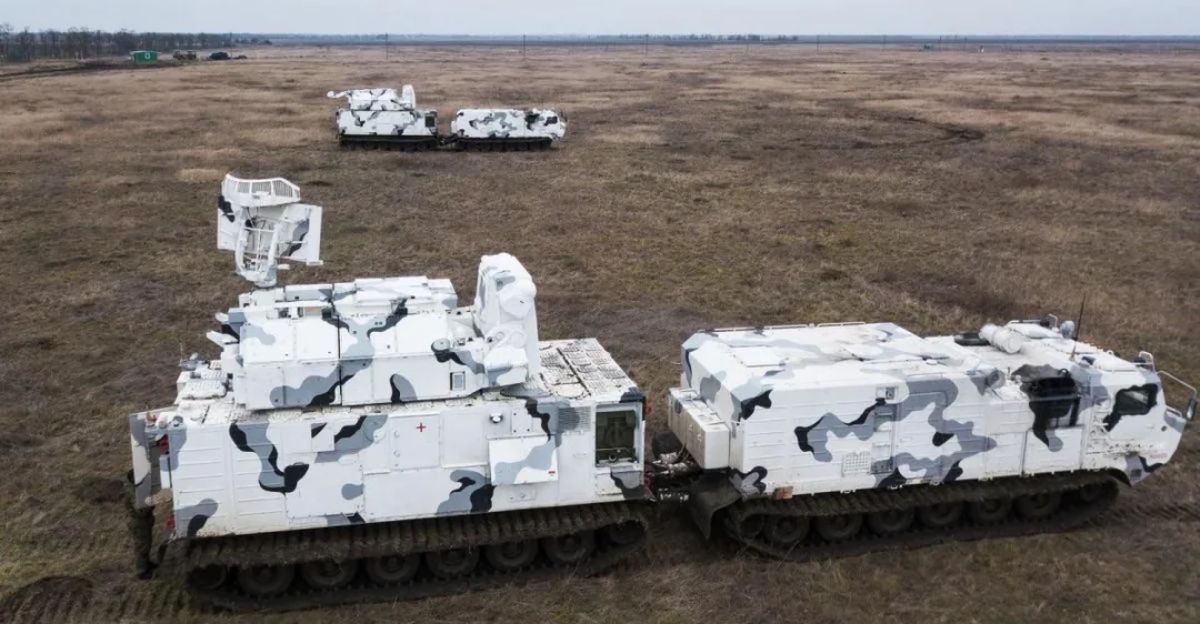
The Tor-M2DT is part of a limited fleet of Arctic-adapted air defense systems. Its loss represents a significant fraction—roughly 7–10%—of Russia’s total units, highlighting the rarity of this technology.
This destruction may prompt Moscow to reconsider how and where these specialized systems are deployed. The incident underscores the operational risk of using limited, high-value assets outside of environments they were designed to dominate.
Macro Trend: Cost-Exchange Shift
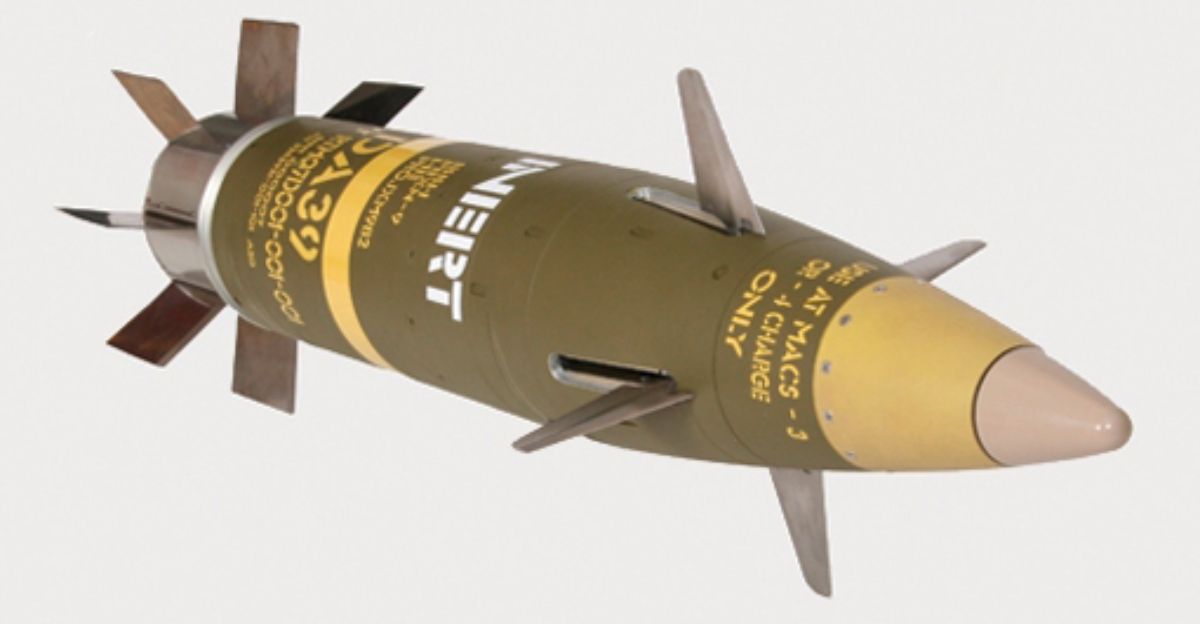
The strike produced an extreme cost-exchange ratio. A single Excalibur shell, costing less than $100,000, destroyed a $25 million vehicle, demonstrating the economic efficiency of precision-guided munitions.
This event underscores a broader trend in modern warfare: affordable, accurate weapons can neutralize expensive, highly specialized systems. Such dynamics are changing how militaries evaluate risk, investment, and battlefield strategy.
Collateral Insight: Fleet Vulnerability
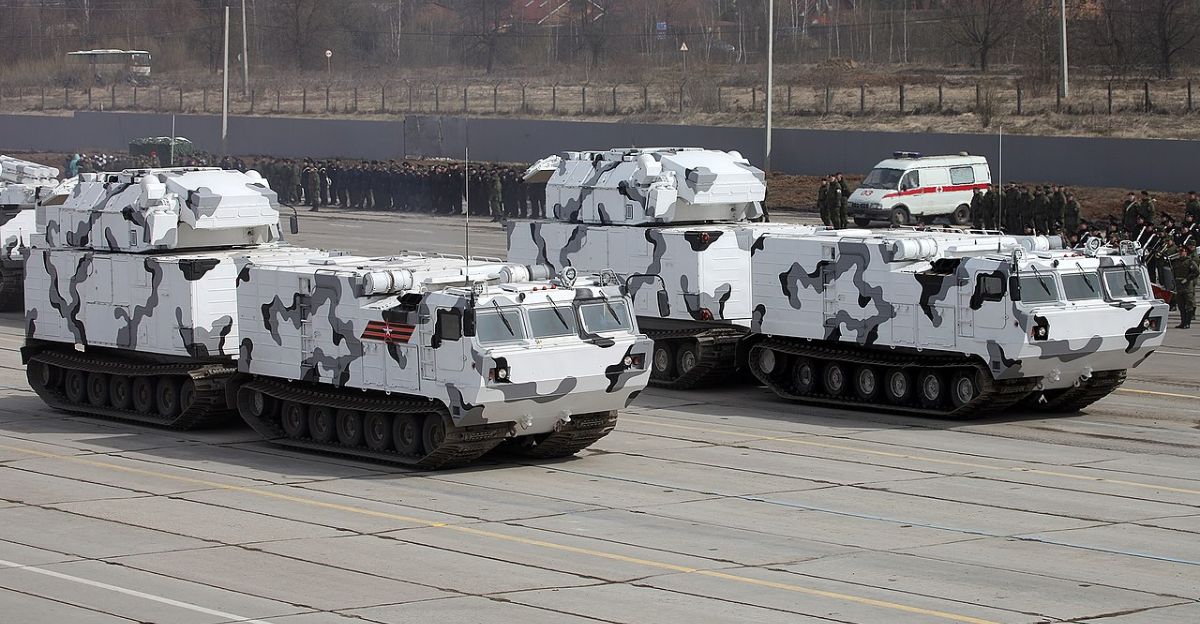
The loss exposes weaknesses in Russia’s Arctic air defense fleet when deployed outside polar regions. With only a handful of Tor-M2DT systems in existence, each strike has an outsized operational impact.
The incident suggests a broader pattern: rare, high-value Russian assets may be increasingly susceptible to precision strikes. The destruction serves as a warning that Arctic-hardened systems are not universally invulnerable.
Internal Frustration Surfaces
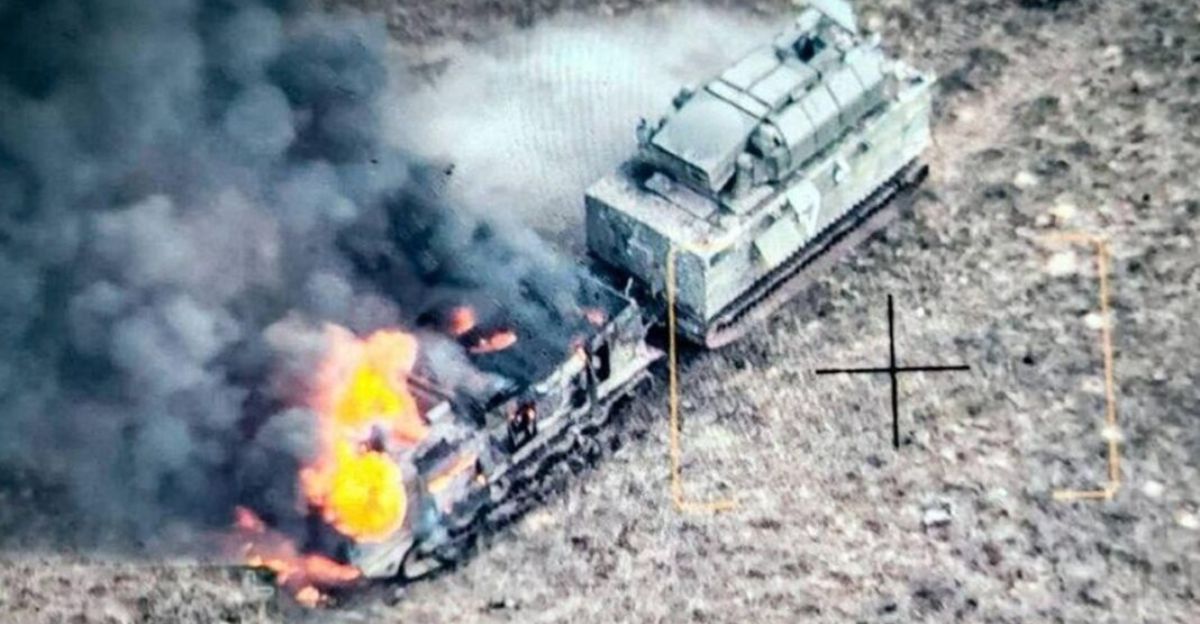
Video footage shows Russian troops attempting and failing to save the burning Tor-M2DT, reflecting growing frustration on the battlefield. Morale and confidence are tested when even rare, expensive assets cannot be defended effectively.
The scene may fuel internal criticism and highlight gaps in current air defense tactics. The inability to protect high-value equipment underlines the challenges Russia faces in a theater dominated by precise, Western-guided strikes.
Leadership Under Scrutiny

Deploying Arctic-specialized systems in southern Ukraine raises questions about Russian command decisions. Analysts point to potential misjudgments in asset allocation and operational planning.
High-profile losses like this one could trigger internal reviews or changes in leadership. The incident underscores how battlefield outcomes can shape strategic decision-making far beyond the immediate tactical context.
Adaptation and Response
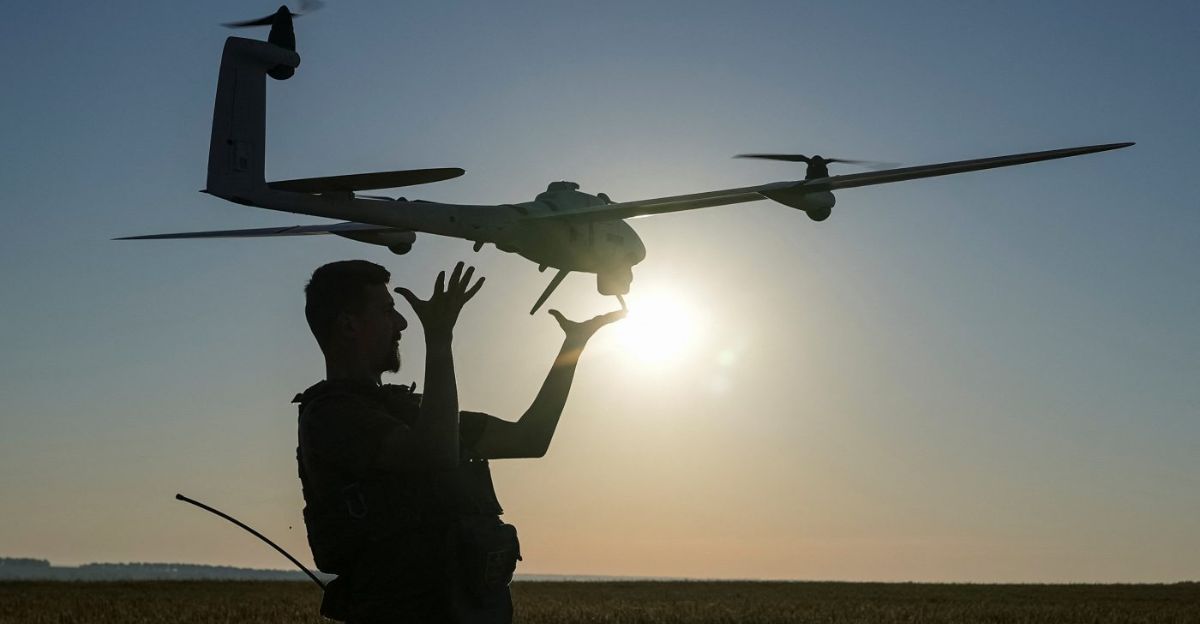
Following this success, Russian forces may prioritize hardening air defenses or developing countermeasures against precision munitions. Meanwhile, Ukraine is likely to expand its drone-guided targeting and use of Western artillery to replicate these outcomes.
The incident signals a rapid learning curve on both sides. Precision strikes are becoming a decisive factor, compelling shifts in operational strategies and prompting accelerated innovation in both offense and defense.
Expert Skepticism Grows

Defense analysts question whether Arctic-adapted vehicles can withstand the drone-saturated, high-intensity battlefields of Ukraine. The loss of the Tor-M2DT may foreshadow further setbacks for Russia’s specialized platforms.
The debate underscores broader concerns about the effectiveness of niche military technology in dynamic combat zones. Arctic engineering alone may no longer guarantee survivability against precision-guided systems.
What Comes Next?

Russia faces a strategic dilemma: redeploy Arctic systems cautiously or invest in technological upgrades to improve survivability. Both sides must anticipate the evolving threat environment shaped by precision munitions.
The destruction of this rare vehicle exemplifies how modern warfare rewards agility, intelligence, and cost-effective technology. Future engagements will likely redefine the role of high-value assets on the battlefield.
Operational Lessons Learned
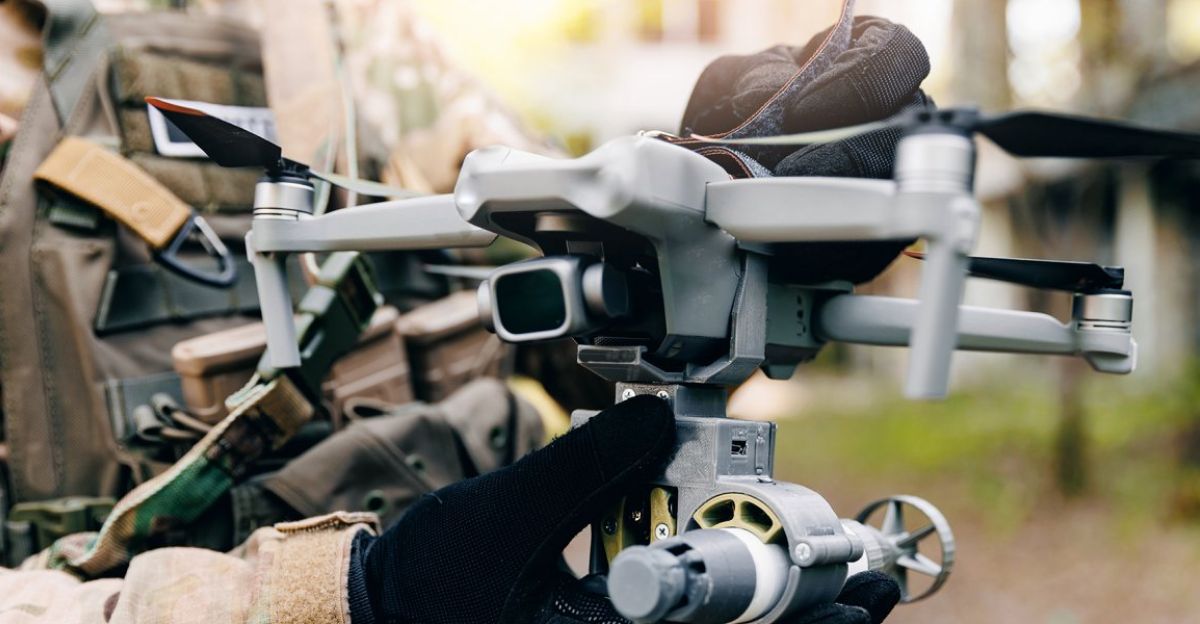
The incident reinforces the importance of reconnaissance, targeting, and timing in modern artillery warfare. Ukraine’s coordinated use of drones and GPS-guided shells ensured an unprecedented success.
Military planners on both sides must analyze these lessons. The ability to exploit vulnerabilities with precision tools has become a decisive factor in contemporary conflicts.
High-Value Targets at Risk
The Tor-M2DT’s destruction signals that no system, regardless of cost or specialization, is completely secure. Modern precision strikes have redefined the calculus of risk for advanced military platforms.
Commanders must reconsider how and where to deploy expensive assets. The battlefield now favors mobility, intelligence integration, and guided munitions over sheer technological sophistication.
Psychological and Tactical Impact

Seeing such a rare system destroyed has profound psychological effects. Both sides recognize that even elite, expensive platforms can be neutralized by a single well-placed strike.
This underscores the interplay of morale and operational capability. Battlefield perceptions are shaped as much by visible losses as by the physical destruction of assets, influencing future engagement strategies.
Strategic Implications for Future Conflicts
The incident may influence military procurement and doctrine for years to come. It highlights vulnerabilities in high-cost, specialized systems and emphasizes precision-guided munitions’ growing importance.
Future conflicts are likely to see increased reliance on drones, smart artillery, and cost-efficient strikes. Planners must balance investment in high-tech platforms with strategies to counter evolving precision threats.
Closing Reflection: Warfare Redefined
The destruction of the Tor-M2DT exemplifies a new era of conflict where intelligence, precision, and coordination outweigh sheer technological might. Rare and specialized systems are no longer automatically safe.
The battlefield is evolving into a space where a single, well-aimed strike can reshape operational realities. This event may stand as a turning point in modern artillery and air defense strategy, redefining the rules of engagement for years to come.