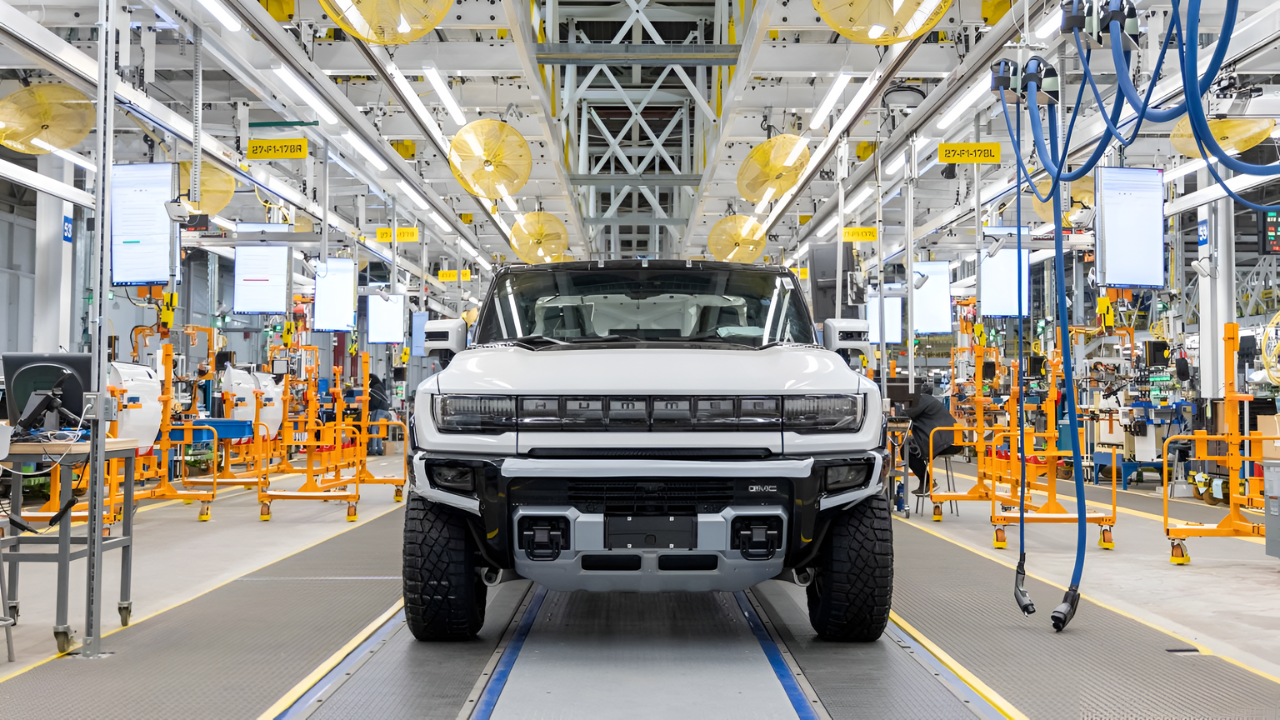
General Motors’ announcement on October 29, 2025, that it will cut 5,500 auto jobs across Michigan, Ohio, and Tennessee marks a pivotal moment for the American electric vehicle (EV) sector. The largest impact falls on Detroit’s Factory ZERO, where 1,200 workers face indefinite layoffs, and the Ultium Cells battery plant in Lordstown, Ohio, which will lose 550 permanent positions. Another 3,750 employees across multiple sites will be furloughed, with some not expected to return until mid-2026. This sweeping reduction follows the expiration of the $7,500 federal EV tax credit, a move embedded in President Trump’s “One Big Beautiful Bill,” which has forced GM to reassess its EV strategy and triggered a $1.6 billion write-down in the third quarter.
Federal Policy Shifts and Industry Response
The sudden withdrawal of federal support for EVs has sent shockwaves through the auto industry. Without the tax credit, the effective price of new electric vehicles has jumped by $7,500, and used models by $4,000, making them less accessible to consumers. Ford CEO Jim Farley warned that EVs could soon represent just 5% of U.S. auto sales, down from 10-12% earlier in the year. “Consumers are not inclined to purchase $75,000 electric vehicles,” Farley stated, highlighting the growing disconnect between automaker ambitions and market realities.
Other manufacturers have quickly followed GM’s lead. Rivian announced 600 layoffs, Volkswagen paused production of its ID.4 electric SUV in Tennessee, and Honda scrapped plans for a large electric SUV, all citing diminished U.S. demand. The ripple effect has forced companies to reconsider investments in electrification, with billions now at risk.
Local Impact
For communities like Lordstown, Ohio, the layoffs are a painful echo of past promises. In 2017, President Trump told workers in nearby Youngstown, “Don’t move. Don’t sell your house.” Yet, the GM assembly plant closed two years later. After President Biden helped reopen the site as an EV battery facility, the latest policy reversal has led to another round of cuts—550 permanent layoffs and 850 temporary furloughs. Local business owners report fewer customers since the layoffs started, reflecting broader economic anxiety in the region.
Factory ZERO workers in Detroit face indefinite layoffs, with only 2,200 of the 3,400 furloughed employees expected to return when production resumes on a single shift in January 2026. The remaining 1,200 will lose their jobs permanently. United Auto Workers President Shawn Fain criticized GM’s actions, noting, “Last week, GM raised its expected annual profits to $13 billion dollars. This week, they announce layoffs. GM is a profitable company, our members remain ready to work, and the UAW will continue to fight for more investment in both ICE and EV production at GM and beyond.”
Hybrid Vehicles Gain Ground as EVs Stall

As EV production slows, hybrid vehicles are experiencing a surge. Hybrid sales jumped 36% in the second quarter of 2025, capturing 22% of new light-duty vehicle sales, up from 18% the previous year. Toyota, Hyundai, and Honda have ramped up hybrid output to meet demand for fuel-efficient vehicles that do not require charging infrastructure. The average price for a new hybrid has dropped to $33,255, making them increasingly competitive with traditional gasoline cars.
Suppliers of conventional auto parts—engines, transmissions, and fuel systems—are seeing renewed demand as automakers delay their all-electric timelines. Goldman Sachs Research recently raised its hybrid sales forecast to 12% of the global market by 2030, up from a previous estimate of 10%.
Global Comparison
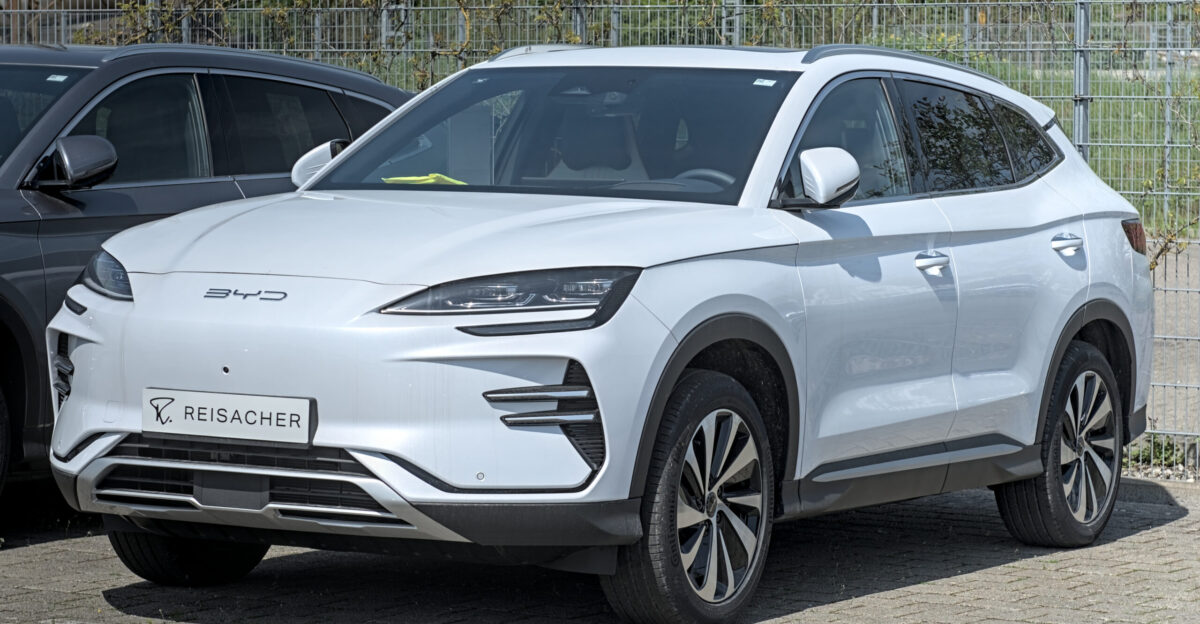
While U.S. automakers scale back, China’s EV market is booming. In September 2025, China sold a record 1.6 million new energy vehicles, with EVs accounting for nearly half of all new car sales. Chinese EV exports to Africa soared 184% year-over-year, and total export revenue reached $48 billion in the first three quarters of 2025. Notably, 99% of Chinese battery electric vehicle owners said they would consider buying another EV, reflecting a level of consumer confidence not seen in the U.S. or Europe.
Industry analysts suggest that between 2026 and 2028, about 4% of new vehicles sold will be EVs, about half the current share. This global divergence underscores the challenges facing American manufacturers as they navigate shifting policies and market uncertainties.
Uncertain Paths and Industry Volatility
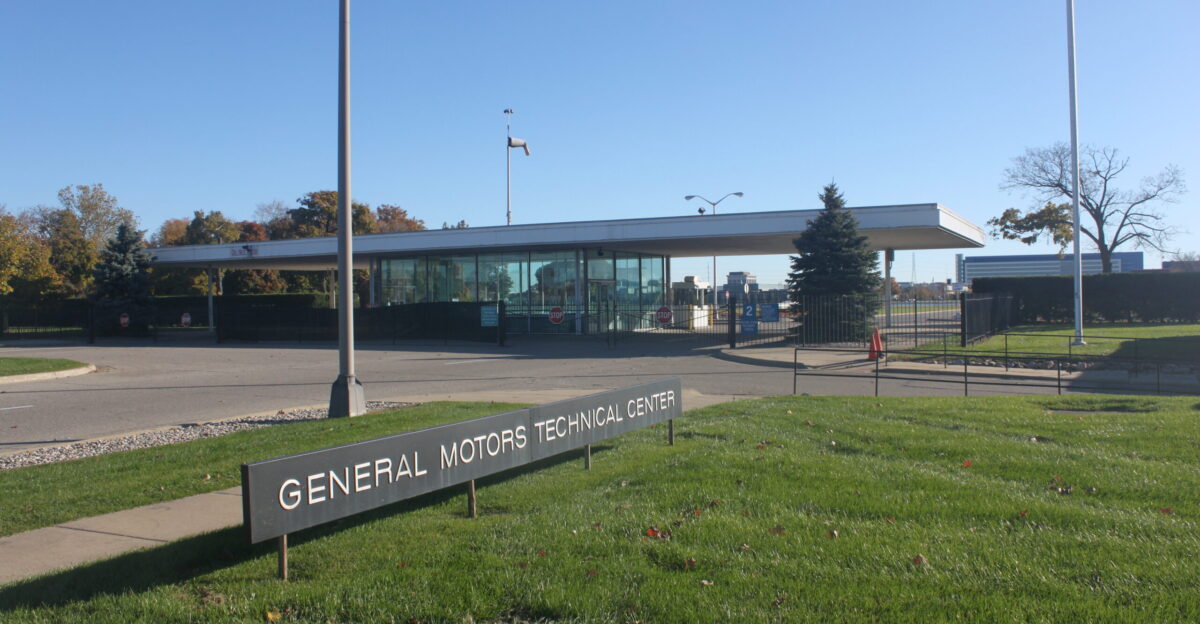
The layoffs have exposed vulnerabilities in American manufacturing, from reliance on political subsidies to the fragility of global supply chains. Retraining programs and union support offer some hope, but many workers remain uncertain about their future prospects. Displaced workers report pursuing alternative career training in renewable energy sectors while hoping to return to automotive manufacturing roles.
Environmental advocates warn that the pause in EV production could delay the U.S. transition away from fossil fuels by years, while Wall Street has rewarded GM’s cost-cutting with a 15% stock surge. Industry experts note that “multiple forces at play” are reshaping Michigan’s supplier industry, from trade policy uncertainty to EV investment pullbacks. The stakes for workers, communities, and the future of American manufacturing remain high as the industry faces continued volatility and global competition.