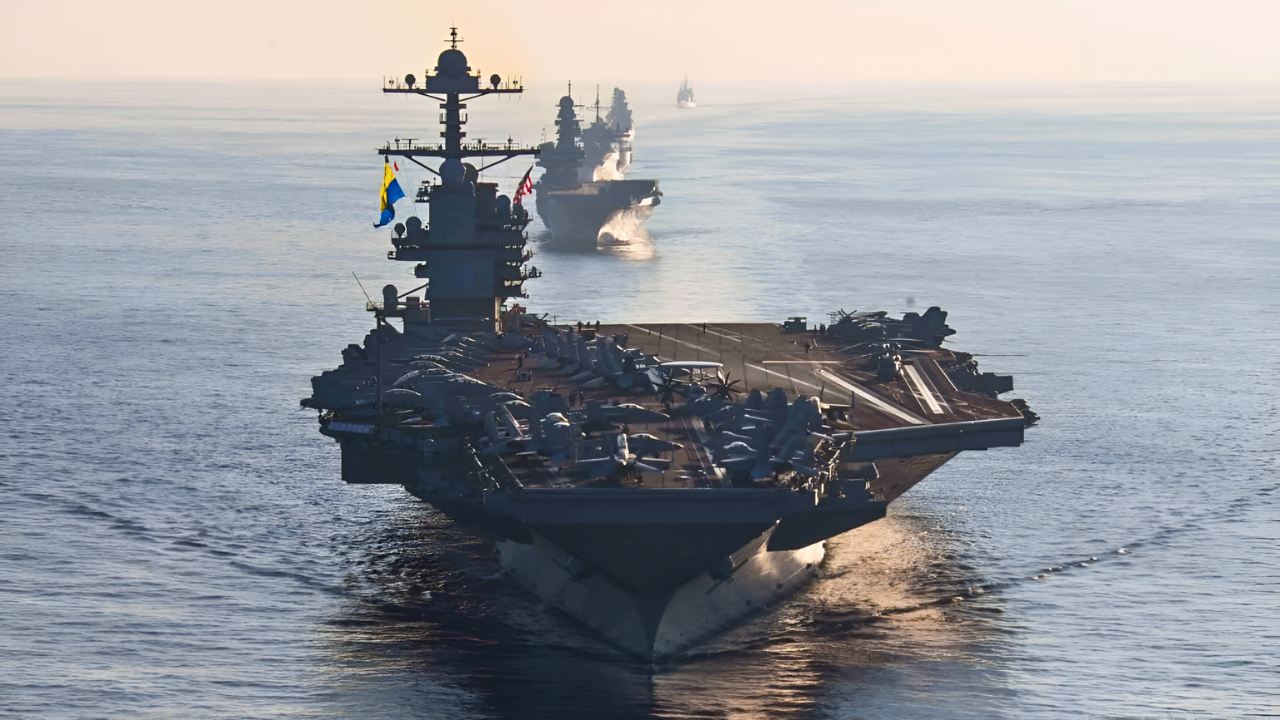
The arrival of the USS Gerald R. Ford in Latin America signals a significant escalation in U.S. counternarcotics operations. With roughly 16,000 American military personnel now deployed—including over 10,000 troops and 6,000 sailors—the move has sparked urgent debate over legality, strategy, and regional relations.
The deployment follows a series of deadly strikes on suspected drug-smuggling vessels, leaving at least 61 dead. Mark Cancian, senior advisor at CSIS, called it “highly significant,” noting that the presence of one of only 11 U.S. aircraft carriers “puts more pressure on the Maduro regime and brings a lot of combat power into the Caribbean.”
Here’s what’s happening as the Ford prepares to join U.S. forces already in the region.
A New Era of Military Engagement
On October 10, 2025, Secretary of Defense Pete Hegseth announced the establishment of a new Joint Task Force under the II Marine Expeditionary Force to lead counternarcotics operations across the Western Hemisphere. Two weeks later, on October 24, the USS Gerald R. Ford, the world’s most advanced aircraft carrier, was ordered to deploy to the Caribbean.
The nuclear-powered supercarrier carries more than 75 combat aircraft and approximately 4,660 crew members. Departing from the Adriatic Sea near Italy, it is expected to arrive in early November to join over 10,000 U.S. troops already stationed in the region.
This surge follows at least 14 U.S. strikes on suspected drug boats since late August, resulting in 61 deaths. The Iwo Jima Amphibious Ready Group—comprising the USS Iwo Jima, USS San Antonio, and USS Fort Lauderdale—deployed from Norfolk, Virginia, on August 14 with more than 4,500 Marines and sailors from the 22nd Marine Expeditionary Unit.
Unlike previous missions led mainly by Coast Guard cutters, the Ford’s deployment signals a shift toward overt military operations against criminal groups.
Legal and Humanitarian Questions
The rapid escalation has raised serious legal and ethical concerns. Some of those killed in recent strikes have been civilians, including Colombian fishermen. Alejandro Carranza, a fisherman, was killed during one operation, prompting his wife, Katerine Hernandez, to ask in media interviews, “Why did they just take his life like that?”
Colombian President Gustavo Petro condemned the strikes as murder and demanded accountability. “We demand accountability and respect for our sovereignty,” he said, comparing the attacks to other conflicts.
Legal experts have questioned whether targeting suspected criminals outside declared war zones violates international law. The Trump administration has justified the strikes using the post-9/11 Authorization for Use of Military Force, classifying drug cartels as unlawful combatants and bypassing traditional legal safeguards. Critics warn that this approach could set a precedent for executive authority beyond constitutional and international norms.
Regional and Global Repercussions
The Ford’s deployment has unsettled governments across Latin America. Venezuelan President Nicolás Maduro accused the U.S. of preparing for military action near his coast, while officials in Brazil, Colombia, and Trinidad voiced concerns about sovereignty and civilian casualties.
Trinidad and Tobago, facing its own drug-related violence, expressed support for U.S. efforts, and U.S. Virgin Islands Governor Albert Bryan Jr. said the attention “is not unwelcome” and strengthens regional security.
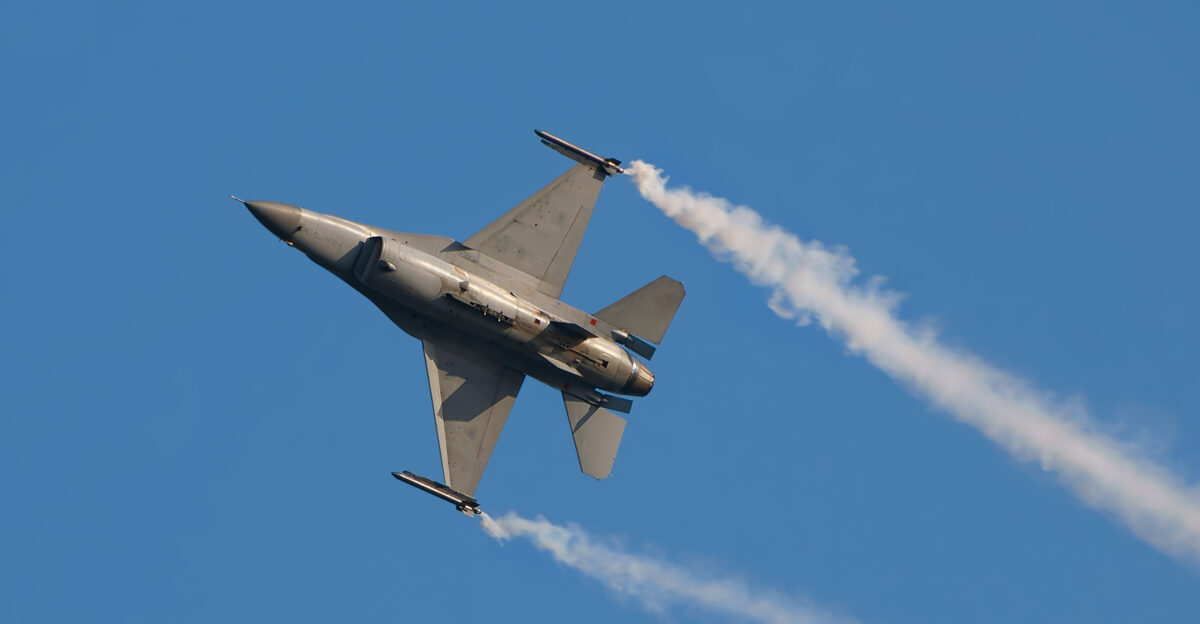
The shift also marks a reprioritization of U.S. global military focus. Carrier presence in Europe and the Middle East has been reduced to support the Caribbean, where the Ford Strike Group—backed by eight warships, destroyers, a nuclear-powered attack submarine, 10 F-35s deployed to Puerto Rico in September, and P-8 Poseidon surveillance planes—now represents one of the most potent forces in the region. Analysts say the arrival may create a “clock ticking,” pushing for a decisive strategy within weeks.
Strategic Debate and Internal Dissent
Within the U.S., officials are debating the campaign’s effectiveness and proportionality. Many question whether destroying drug boats justifies overwhelming military force, especially since most fentanyl enters the U.S. through Mexico rather than via boats from Venezuela or Colombia.
Still, President Trump continues directing operations personally, asserting on social media, “there are no more drug smuggling boats.” Meanwhile, coca production in Colombia and Venezuela persists, highlighting the limits of the approach.
Experts warn that targeting vessels does little to address the root causes of the U.S. drug crisis. Cartels quickly replace lost boats, and demand for narcotics remains unchanged. Critics argue the strategy focuses on visibility rather than impact, leaving broader drug supply chains untouched. Internal dissent reflects growing concerns about whether the campaign strikes a balance between immediate security gains and long-term effectiveness.
Looking Forward: Precedent and Uncertainty
As Ford’s strike group expands operations, the stakes for U.S.-Latin American relations and presidential authority rise. Lawmakers have demanded oversight and legal justification, warning that targeting suspected criminals abroad without trial could erode constitutional checks and international norms. A classified congressional briefing on legal rationale was reportedly rescheduled, intensifying scrutiny.
Human rights organizations and environmental groups are raising alarms about civilian casualties and potential marine damage. The long-term impact on diplomacy, legal standards, and the environment remains uncertain. The USS Gerald R. Ford’s deployment marks a turning point in U.S. counternarcotics strategy.
As the campaign unfolds, the world is watching to see whether this unprecedented show of force will bring stability—or deepen divisions—across the Americas.