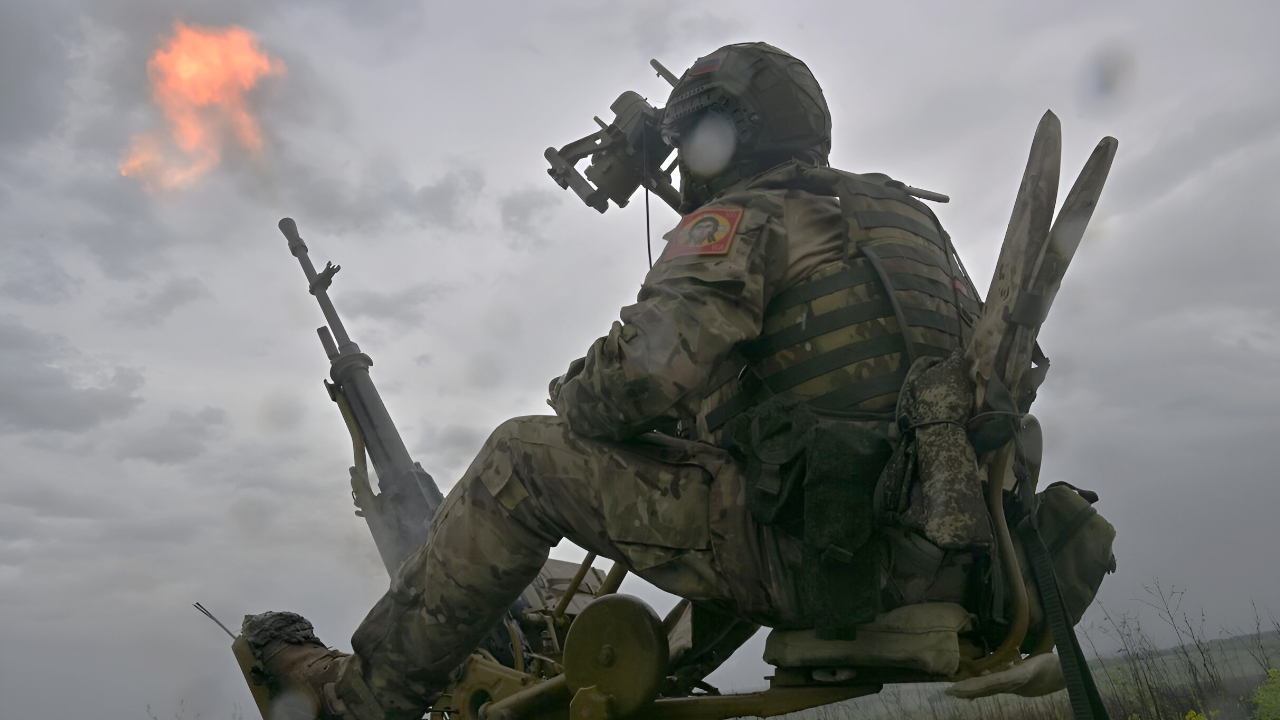
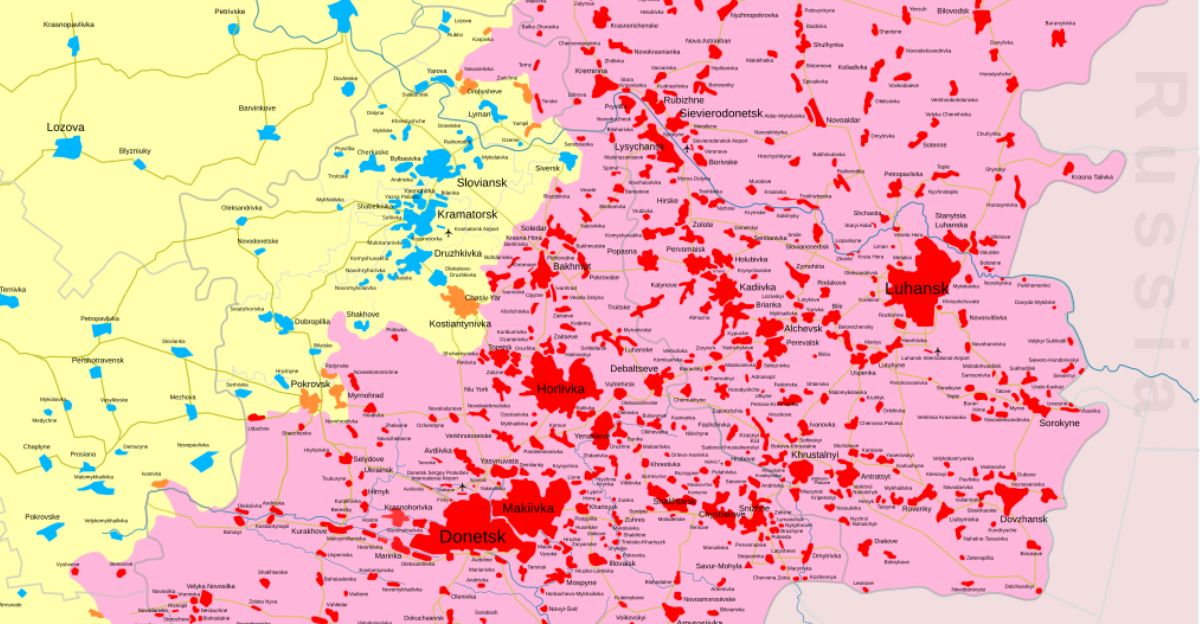
Flashes of light split the night sky over occupied Donbas in late October as Ukraine’s elite Prymary intelligence unit struck deep behind Russian lines. Within minutes, two Podlet low-altitude radars and a powerful S-300V launcher—key elements of Russia’s air defense—were destroyed. This was not an isolated attack, but part of a calculated Ukrainian campaign to dismantle Moscow’s once-formidable aerial shield.
A Week of Devastating Precision
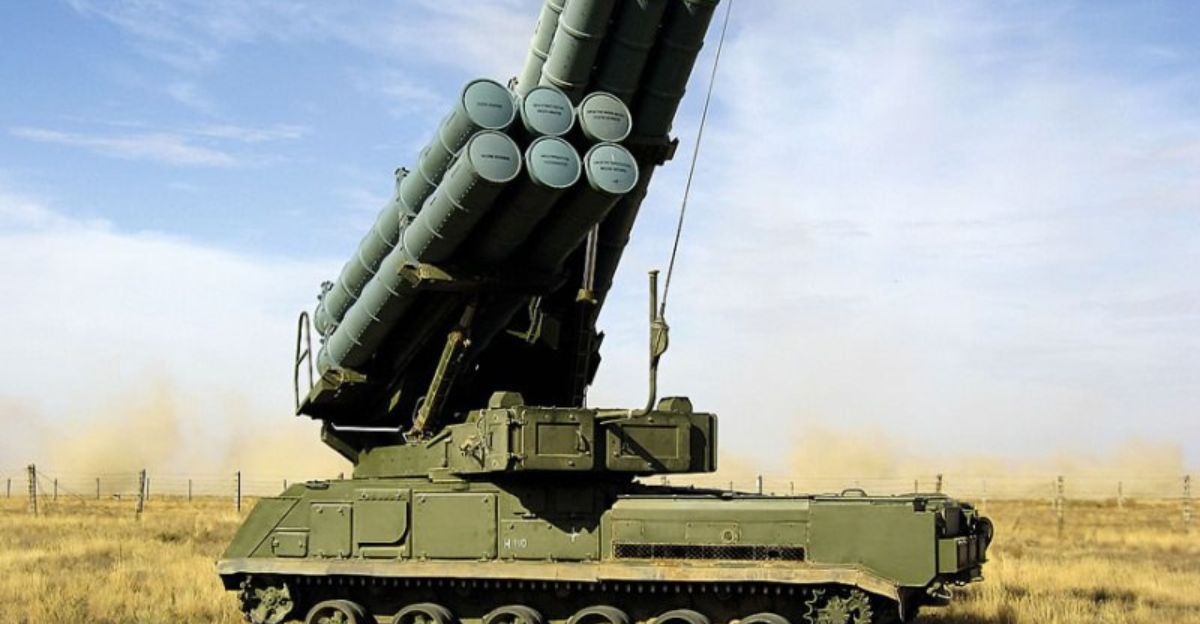
Between October 23 and 28, Ukrainian forces launched a series of targeted strikes that reverberated through Russia’s defensive network. In rapid succession, two Nebo radars valued at $100 million each, a Buk-M3 system, and additional Podlet radars and S-300V launchers were obliterated. The cost to Russia: more than $235 million in advanced air-defense assets lost in less than a week. These attacks marked a turning point, shattering the perception of Russia’s air defenses as impenetrable.
October’s relentless offensive extended beyond Donbas. Ukrainian drone and intelligence units struck across Crimea and the eastern front, destroying Nebo-M radars, Buk-M3 launchers, and prized Pantsir systems. The scale and precision of these operations underscored Ukraine’s growing capability to strike at the heart of Russia’s air-defense grid, inflicting record losses in a single month.
Inside Prymary: Ukraine’s Shadow Warriors
Operating far beyond the front lines, the Prymary unit—nicknamed “Ghosts”—has become legendary for its stealth and effectiveness. These operatives move unseen, their presence revealed only by the aftermath of their attacks. The October 28 Donbas mission was emblematic of their approach: silent, surgical, and devastating.
A local resident, who asked to remain anonymous for security reasons, described the aftermath: “We heard the explosions and saw the sky light up. By morning, everyone knew something big had happened. The Russian troops were on edge—they knew their defenses had been hit hard.”
Prymary’s actions are part of a broader Ukrainian strategy: systematically targeting and dismantling Russia’s layered air-defense network. By eliminating high-altitude Nebo systems, mobile Buk units, and low-range Podlet radars, Ukrainian forces have created gaps in what was once some of the most heavily fortified airspace in Europe.
The Nebo Factor and the Changing Face of Air Warfare
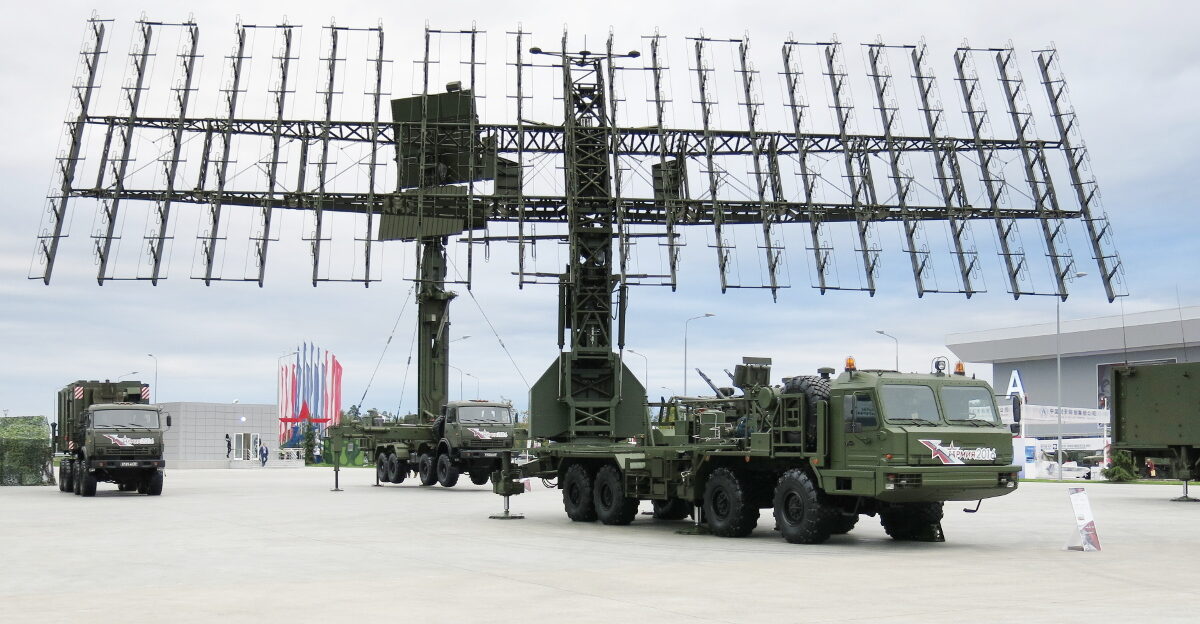
The Nebo radar system, capable of scanning hundreds of kilometers and coordinating long-range missile defenses, has been a cornerstone of Russia’s aerial security. The loss of several Nebo units in a single month left Russian commanders scrambling to cover vast blind spots. “When you lose your eyes in the sky, you lose control,” said Dr. Anna Petrov, a military technology analyst at the European Security Institute. “Ukraine’s strikes have forced Russia to rethink its entire air-defense posture.”
This conflict has also highlighted the growing role of drones in modern warfare. Ukrainian forces have used small, agile drones—often built at a fraction of the cost of the systems they destroy—to outmaneuver and outsmart Russia’s billion-dollar arsenals. The success of these tactics has drawn global attention. In a recent analysis, the UK’s Royal United Services Institute noted, “Ukraine’s drone campaign is rewriting the rules of air defense, showing how innovation and intelligence can offset numerical and technological disadvantages.”
Russia’s Mounting Losses and the Economic Toll
For Russia, the destruction of over $400 million in radar and missile systems in October alone represents a severe blow—not just tactically, but economically. Western sanctions have made it increasingly difficult for Moscow to replace advanced electronics and radar components. Each Ukrainian strike now carries both immediate battlefield consequences and long-term industrial costs.
A Ukrainian defense official, speaking on condition of anonymity, explained, “Every system we take out is one they can’t easily replace. The sanctions are biting, and their supply lines are stretched thin.”
Donbas: Endurance Amid Escalation
While Ukraine’s strikes have weakened Russia’s surveillance and missile coverage, the ground war in Donbas remains brutal. Approximately 170,000 Russian troops continue to press forward, despite mounting casualties and logistical challenges. For Ukrainian soldiers and civilians alike, each destroyed radar brings hope, but the daily reality is one of relentless fighting and hardship.
Ukraine’s Drone Industry and International Support
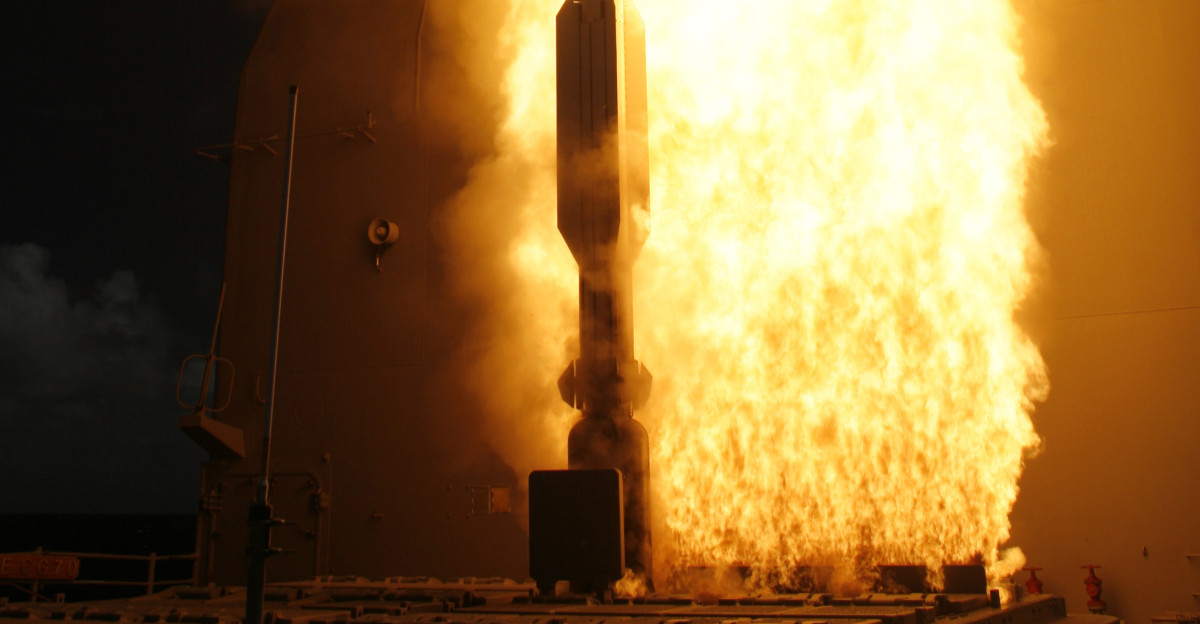
Behind these battlefield successes lies a rapid transformation of Ukraine’s defense industry. Domestic startups, bolstered by foreign investment and government support, are now producing hundreds of strike and reconnaissance drones daily. New models, equipped with AI-assisted targeting, are rolling out at unprecedented speed.
As Russia’s air defenses faltered, Moscow responded with a barrage of missile attacks. In October, Russia launched 270 missiles at Ukraine—nearly 50% more than the previous month. Ukrainian air defenses intercepted thousands of threats, but the surge strained resources and left the country’s energy infrastructure vulnerable. On October 30, more than 700 aerial weapons targeted 20 energy sites, causing widespread blackouts and underscoring the war’s toll on civilian life.
In response, Ukraine’s allies stepped up support. Sweden pledged up to 150 Gripen fighter jets, the U.S. finalized Patriot missile deals, and Germany and Nordic partners promised additional air-defense systems. This surge in aid signals a deepening commitment to Ukraine’s defense as the conflict evolves.
Looking Ahead: The Battle for the Skies
Ukraine’s systematic dismantling of Russia’s air defenses marks a pivotal shift in the war. As winter approaches, both sides are adapting to a new era of intelligence-driven, drone-dominated conflict. The stakes remain high: control of the skies may well determine the future of the battlefield—and the fate of millions on the ground.