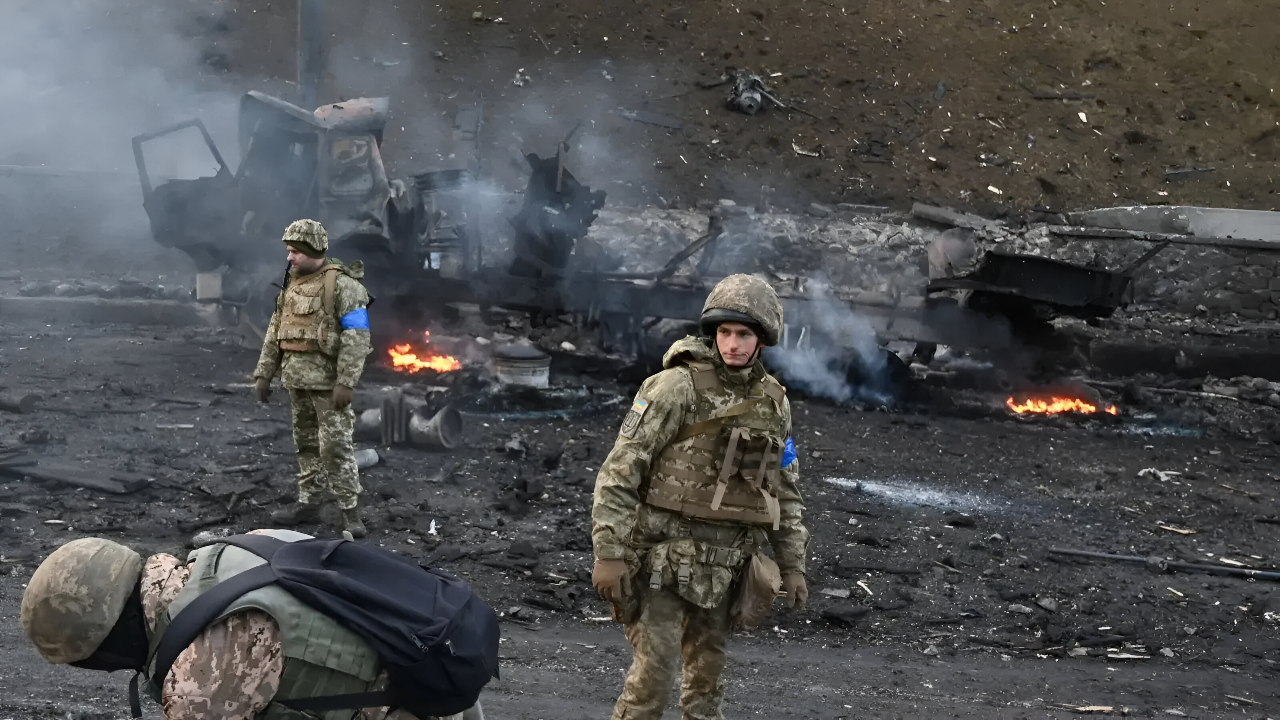
Flashes tore through the night sky over occupied Donbas as Ukraine’s elite Prymary intelligence unit struck deep behind enemy lines. Within minutes, two Podlet low-altitude radars and a powerful S-300V launcher were reduced to twisted metal—critical pieces of Russia’s air defense network gone in a heartbeat.
The mid-October blitz wasn’t just another raid; it was part of Ukraine’s quiet, methodical campaign to dismantle Moscow’s once-impenetrable shield.
The Week That Shattered Russia’s Radar Wall
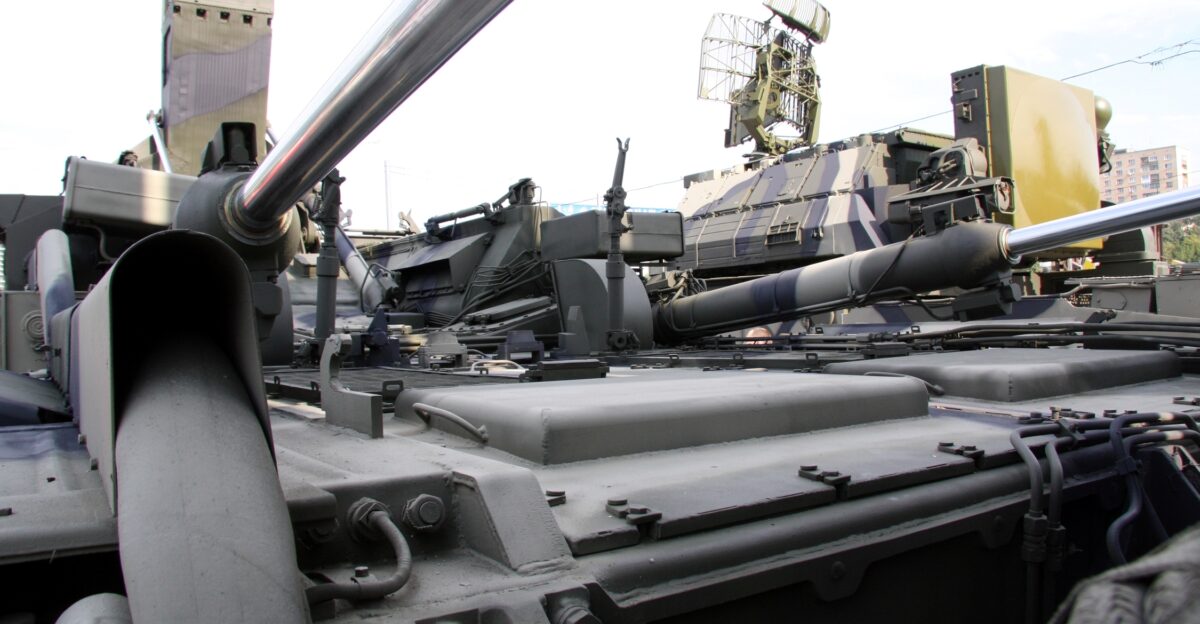
Between October 23 and 28, Ukrainian forces unleashed a series of precision strikes that sent shockwaves through Russia’s defenses. Two $100 million Nebo radars, a Buk-M3 system, and Prymary’s daring Donbas mission eliminated more Podlet radars and an S-300V launcher.
In less than a week, more than $235 million worth of Russian air-defense assets went up in flames—a staggering blow to a system once seen as untouchable.
A Month of Record Losses for Russia’s Defenses
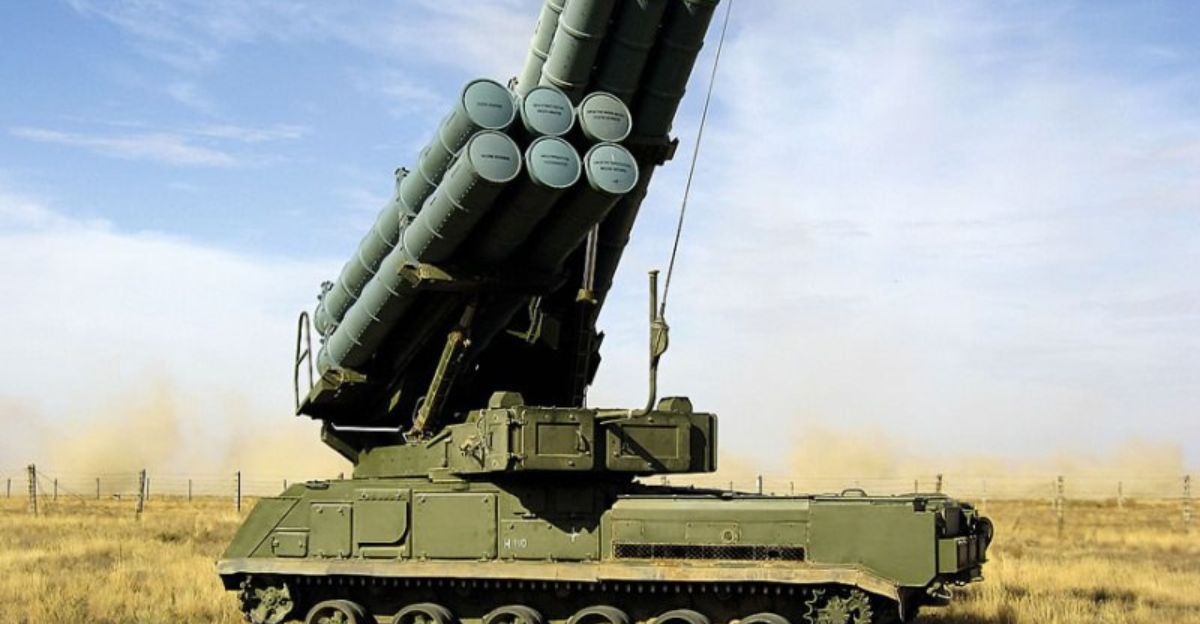
October 2025 will be remembered as one of Russia’s most punishing months of the war. From Crimea’s coastal batteries to Donbas’s front lines, Ukraine’s drone and intelligence units hit target after target—Nebo-M radars, Buk-M3 launchers, even prized Pantsir systems.
The sheer scale of destruction highlighted Ukraine’s growing precision and its ability to strike at the very heart of Russia’s air-defense grid.
Inside Prymary: Ukraine’s “Ghosts” Behind Enemy Lines
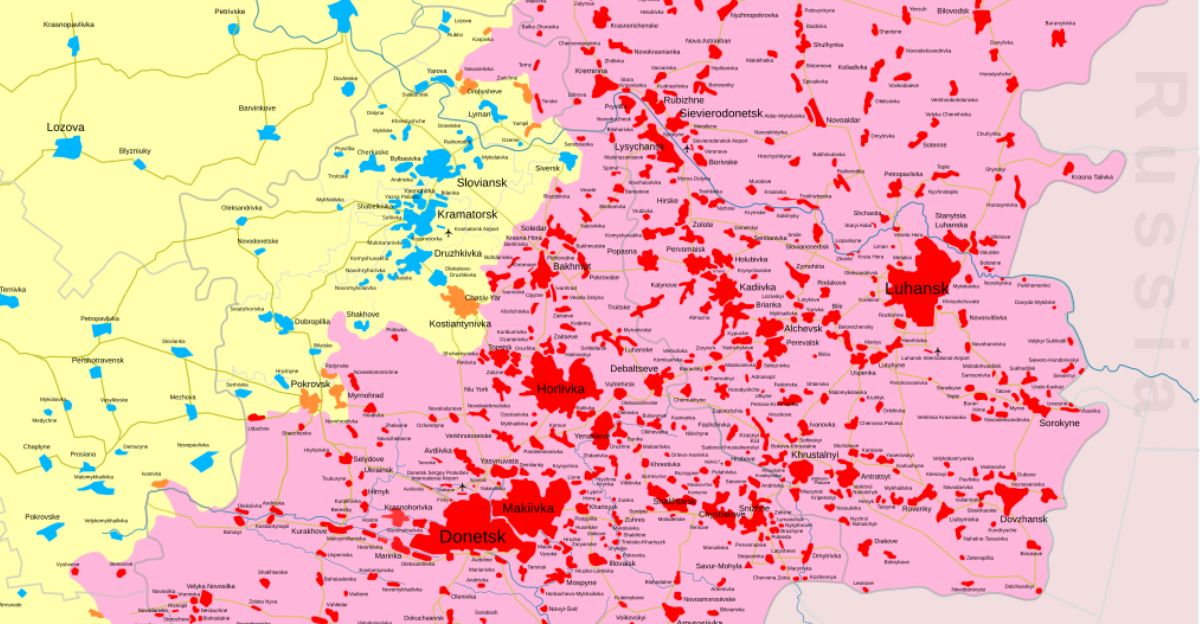
Operating far beyond the front, Prymary has earned its legend. Known as “Ghosts,” these elite operatives move unseen, appearing only in the aftermath of explosions that rewrite the map.
Their October 28 mission in Donbas wasn’t a lone success, but part of a calculated pattern of silent, surgical strikes that reshaped the battlefield itself.
Breaking Down the October Strikes
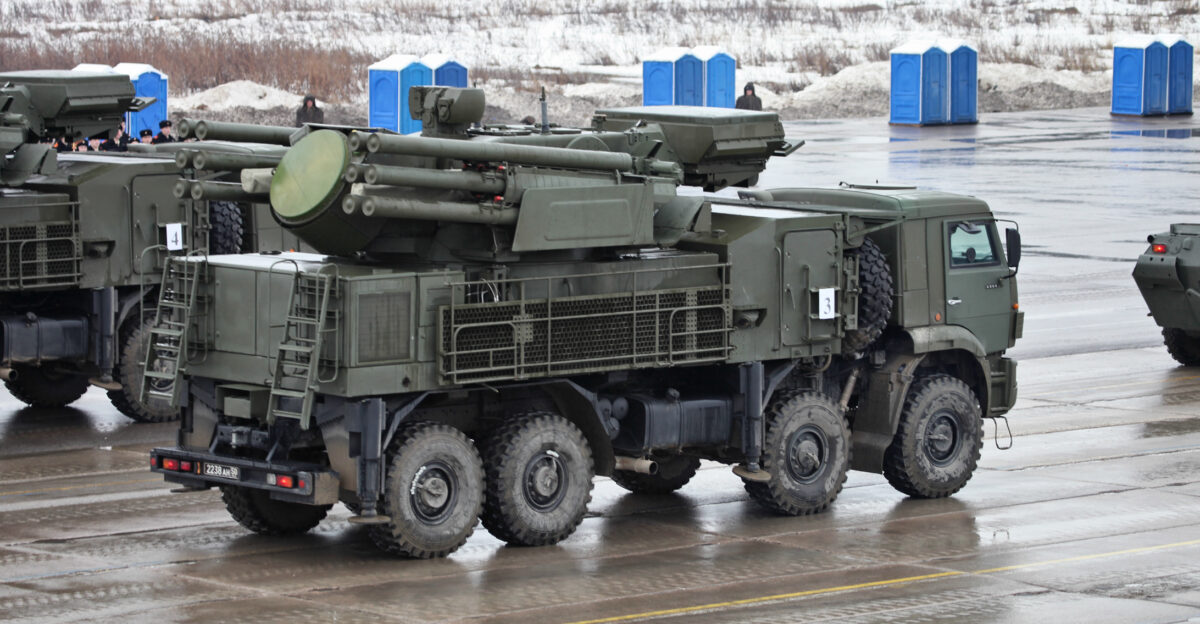
The month’s record offensive reads like a dismantling manual of Russia’s top-tier defenses: three Nebo-M radars in Crimea, two more later in October, multiple Buk-M3 systems, a Pantsir launcher, and Prymary’s devastating Donbas strike.
Altogether, over $400 million in Russian technology was wiped out in just four weeks—an extraordinary loss even by wartime standards.
Systematic Strategy: Unraveling Russia’s Shield
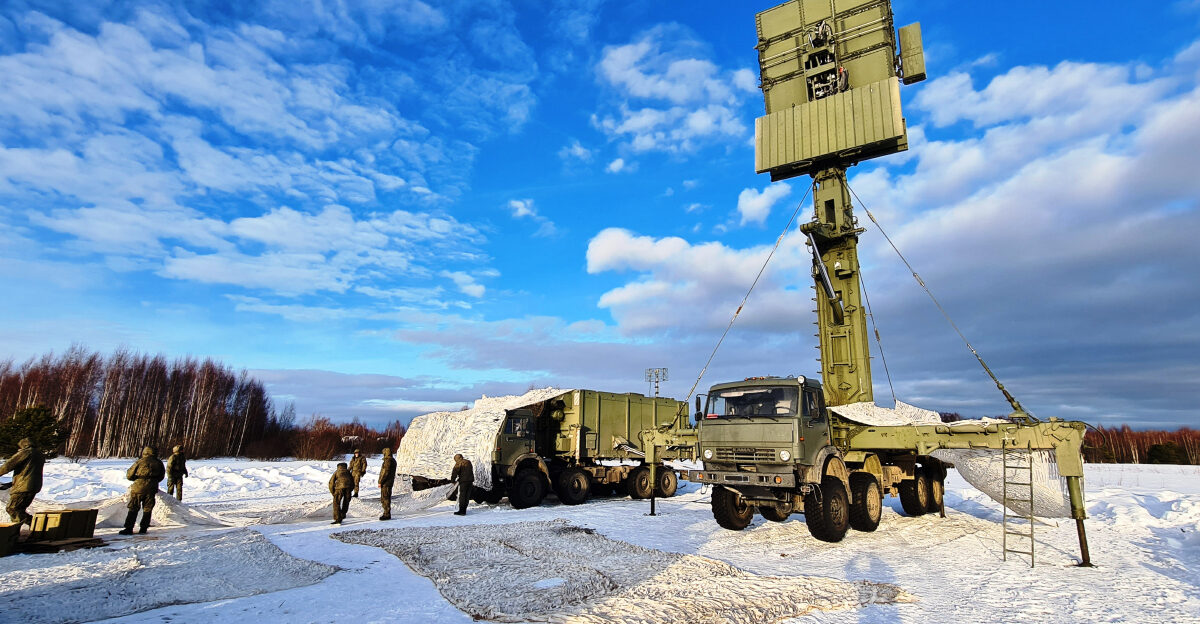
Ukraine’s October operations followed a deliberate logic. By targeting high-altitude Nebo systems, mobile Buk units, and low-range Podlet radars, Ukrainian forces punched through each layer of Russia’s once-dense aerial coverage.
The resulting gaps now allow Ukrainian drones and missiles to move through what used to be some of the most heavily fortified skies in Europe.
The Nebo Factor: Losing Russia’s Eyes in the Sky
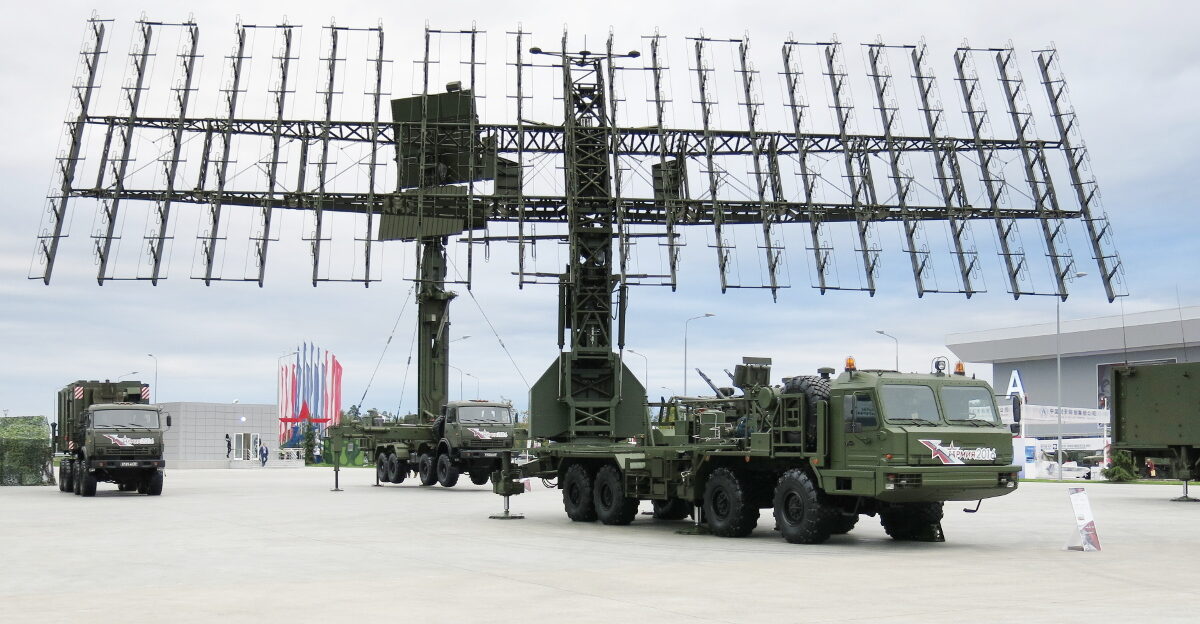
Each Nebo radar system scans hundreds of kilometers and coordinates long-range S-300 and S-400 missiles. Losing several in a single month left Russian commanders scrambling to patch vast blind zones.
Those missing radars aren’t just numbers—they’re empty swaths of sky where Ukraine can now strike unseen.
David vs. Goliath: Drones vs. Million-Dollar Systems
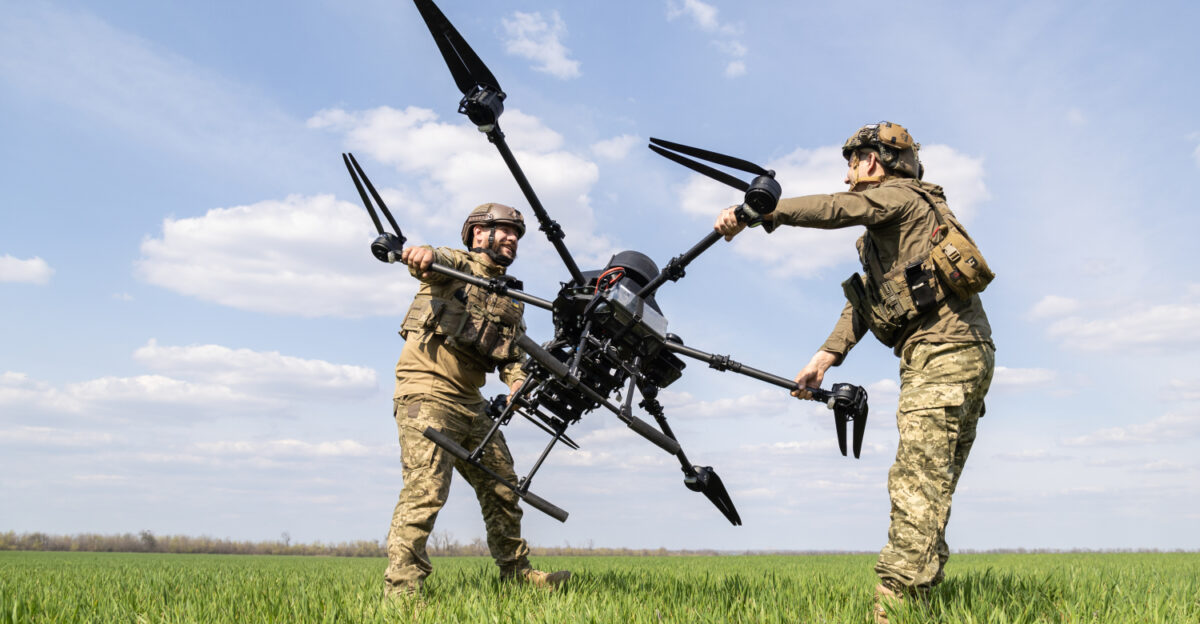
In this war, David doesn’t carry a sling—he pilots a drone. Ukraine’s small, agile aircraft, often built for a fraction of the cost of what they destroy, have rewritten the math of modern combat.
Prymary’s precision strikes prove that intelligence, adaptability, and innovation can outmatch the brute force and billion-dollar arsenals of a larger foe.
Russia’s Dilemma: Losing What It Can’t Replace

For the Kremlin, the math is grim. October’s $400 million in destroyed radar and missile systems won’t be easily replaced under crushing Western sanctions.
Cut off from advanced electronics and radar components, Russia’s defense industry faces a slow bleed it can’t easily stop. Each Ukrainian hit now carries both tactical and economic weight.
Donbas: Tactical Triumph Amid Relentless Fighting
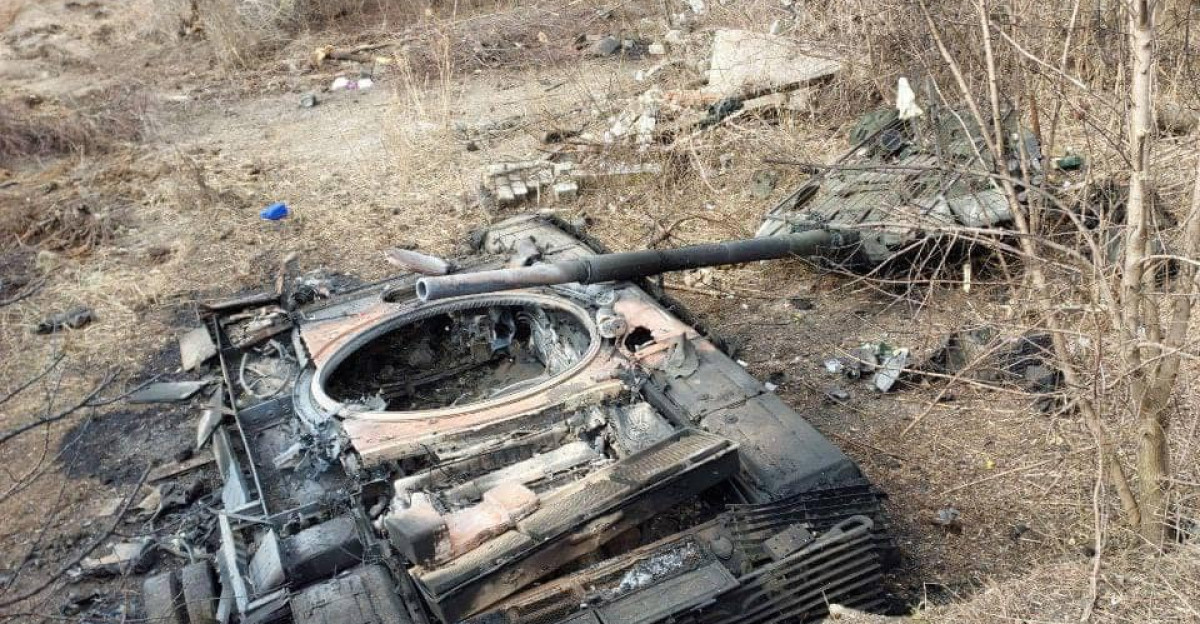
Even as Prymary’s strike lit up the night, the ground war in Donbas raged on. Roughly 170,000 Russian troops continue to press forward through devastating losses.
For Ukraine, every radar destroyed weakens Russia’s eyes and ears, but each day remains a grueling test of endurance in one of the war’s most unforgiving theaters.
Ukraine’s Drone Industry Comes of Age
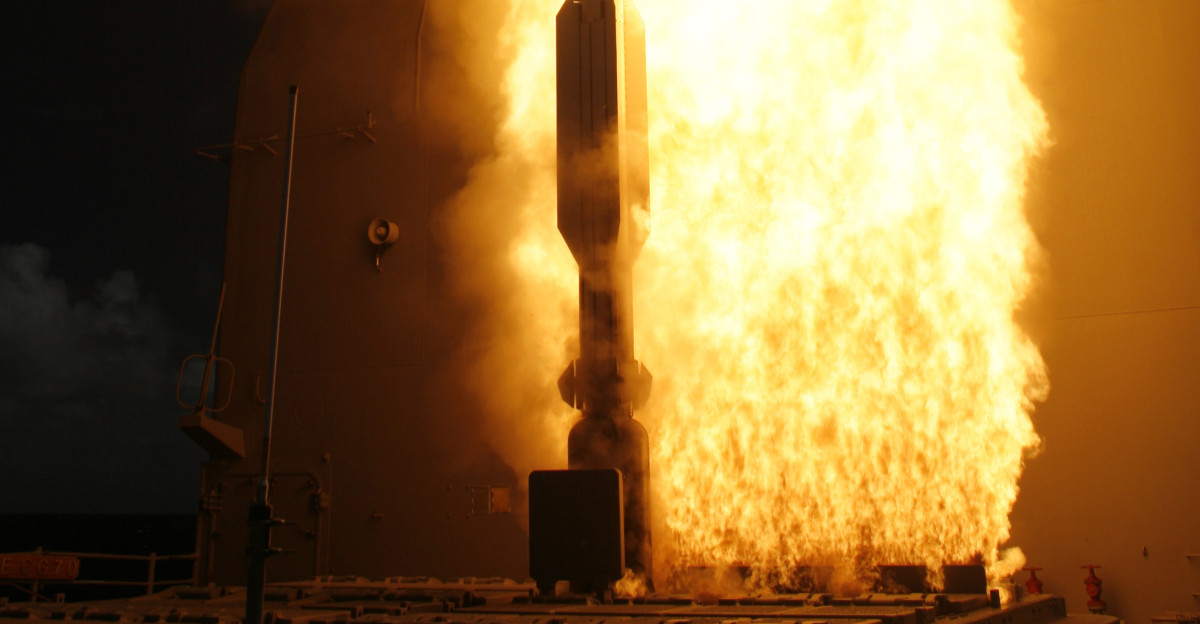
Behind these battlefield successes lies a national transformation. Ukraine’s defense startups, bolstered by foreign investment and government backing, are now producing hundreds of strike and reconnaissance drones every day.
Long-range, AI-assisted designs are rolling out faster than ever. October’s precise hits reflect not only courage but a maturing industrial force driving Ukraine’s resistance.
Russia’s Escalation: Missiles Rain Down in Response

As its defenses buckled, Russia turned to retaliation. In October alone, it launched 270 missiles at Ukraine, nearly half again as many as in September.
Ukrainian interceptors downed more than 11,000 airborne threats, from hypersonic Kinzhals to Shahed drones. The surge revealed a cornered adversary lashing out even as its shield crumbled.
Ukraine’s Energy Network Under Fire
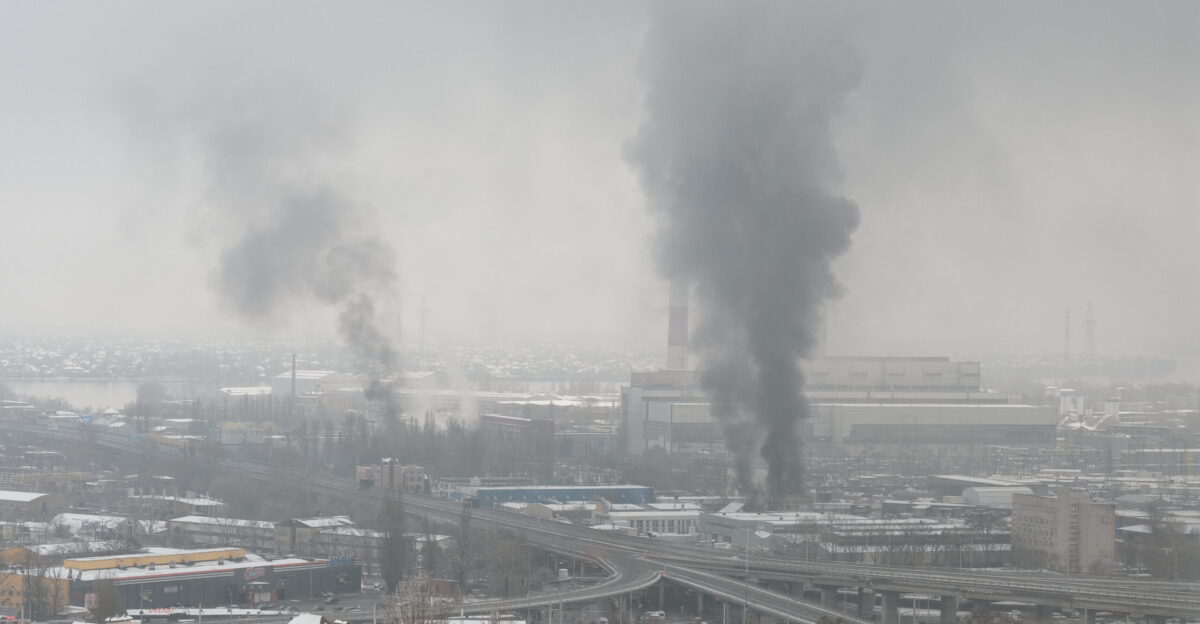
The fury soon reached Ukraine’s power grid. On October 30, over 700 aerial weapons pummeled 20 energy sites nationwide. Thermal plants and substations suffered significant damage, resulting in widespread blackouts.
For civilians, it was another brutal reminder that this war isn’t just fought over territory—it’s fought over light, warmth, and survival itself.
Allies Step Up with Massive Defense Pledges
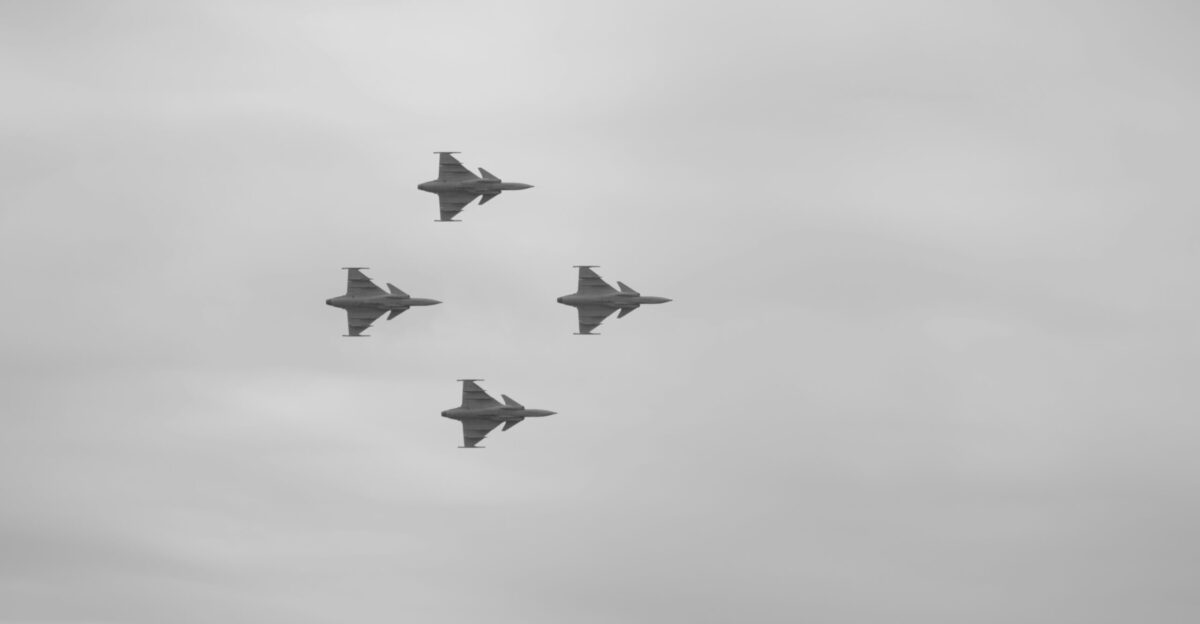
Amid the barrage, Ukraine’s allies stepped forward with renewed urgency. Sweden offered up to 150 Gripen fighter jets; the U.S. finalized Patriot missile deals; the U.K. ramped up munitions output.
Germany and Nordic partners pledged more Patriots—an unmistakable signal that support for Kyiv is deepening as its forces continue to outthink and outfight the odds.
The New War for the Skies
Prymary’s October triumphs are more than a string of victories—they mark a turning point. Ukraine’s systematic dismantling of Russia’s air defenses shows a war evolving into something new: intelligence-driven, drone-dominated, and relentlessly adaptive.
As winter closes in, one truth remains—the battle for control of the skies is only just beginning.