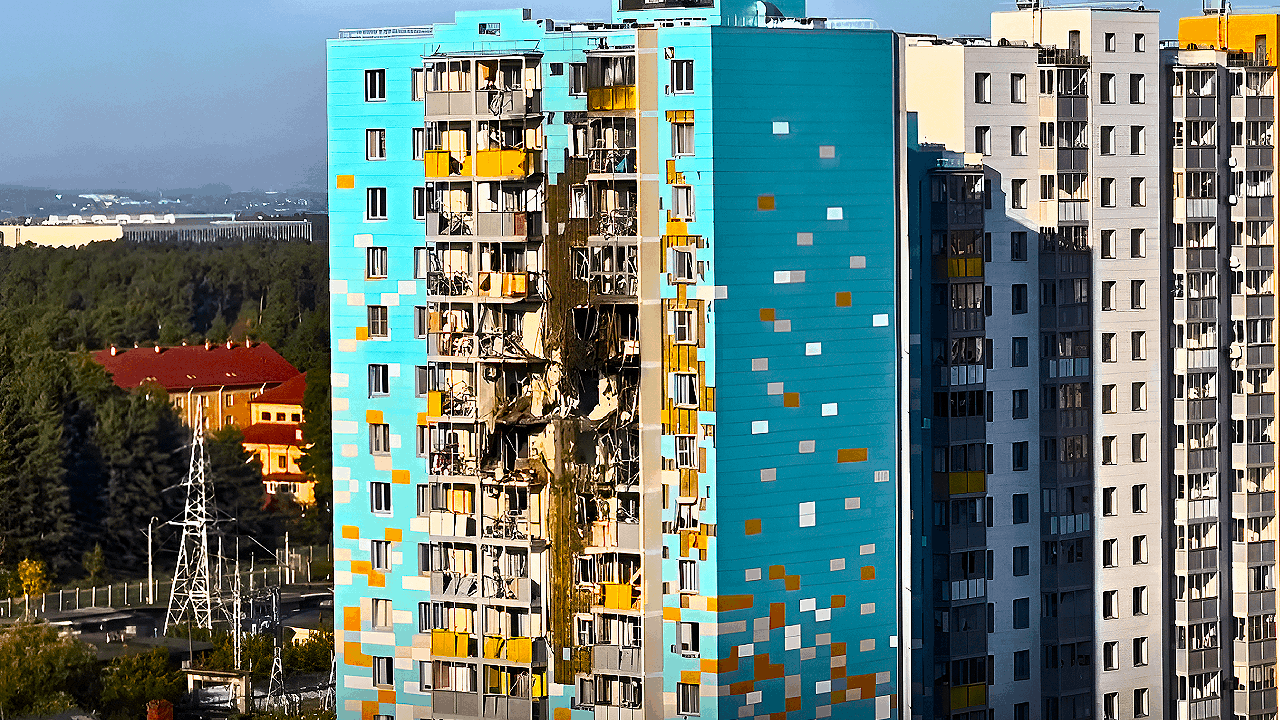
In late October 2025, Moscow was shaken by something most residents never expected—three nights of drone attacks that struck the city and its nearby areas. More than 240 drones targeted the Russian capital, breaking the long-held belief that Moscow was safe from direct warfare. For many people, it felt like the conflict had finally reached their doorsteps. Air raid sirens rang out across the city, and fear quickly spread among citizens who had never experienced such a direct threat.
The attacks forced the government to activate air defense systems and disrupted everyday life. Overnight, the city’s calm gave way to the sounds of alarms, explosions, and emergency vehicles racing through the streets. For residents, daily routines now came with an uneasy awareness of vulnerability.
Ukraine’s Expanding Drone Strategy
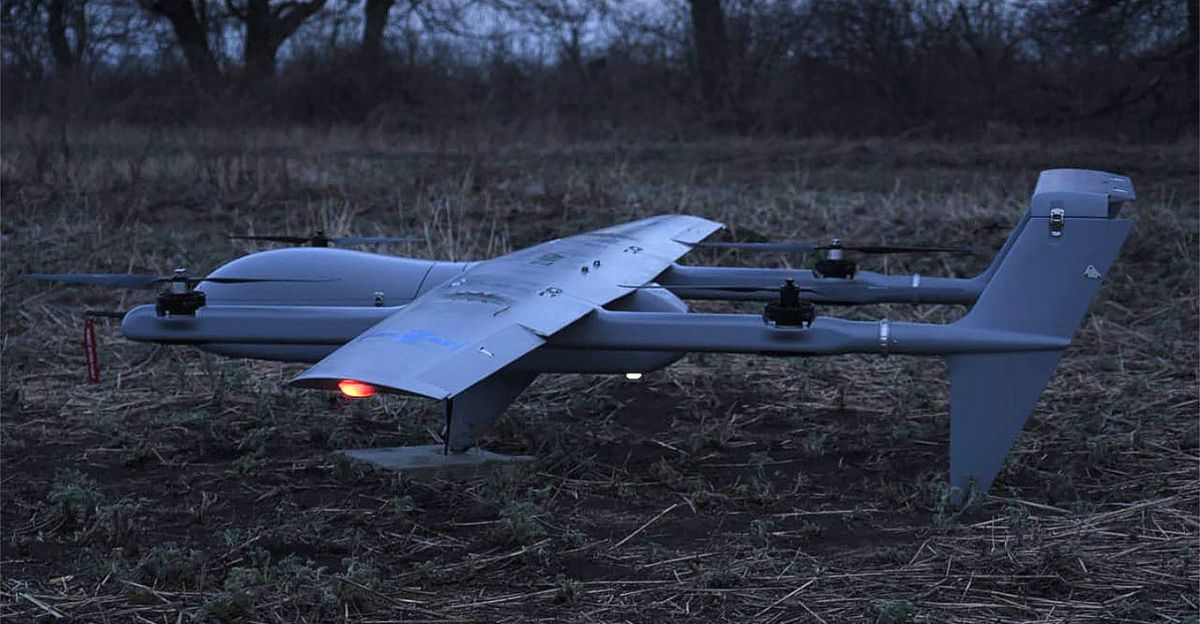
These drone assaults represented a major step forward in Ukraine’s military strategy. On the night of October 26 alone, Russian officials claimed their air defenses intercepted 193 drones. In the following nights, more waves of drones arrived, showing that Ukraine could now target deep inside Russian territory with precision. Unlike earlier, smaller strikes, this operation displayed advanced coordination and technology.
Military experts believe that Ukraine’s drones have become much smarter and more capable. Colonel Viktor Sokolov, a Russian defense analyst, explained that the new unmanned vehicles are more resilient and capable of carrying longer-range missions than before. Their ability to fly great distances and strike multiple targets reveals how much the technology has evolved since the start of the conflict. The attacks also caused major disruptions as airports were temporarily closed, flights delayed, and roads blocked while emergency teams responded to reports across the region. For many in Moscow, the realization set in that no place was completely out of reach.
Civilian Losses and Moscow’s Emergency Response
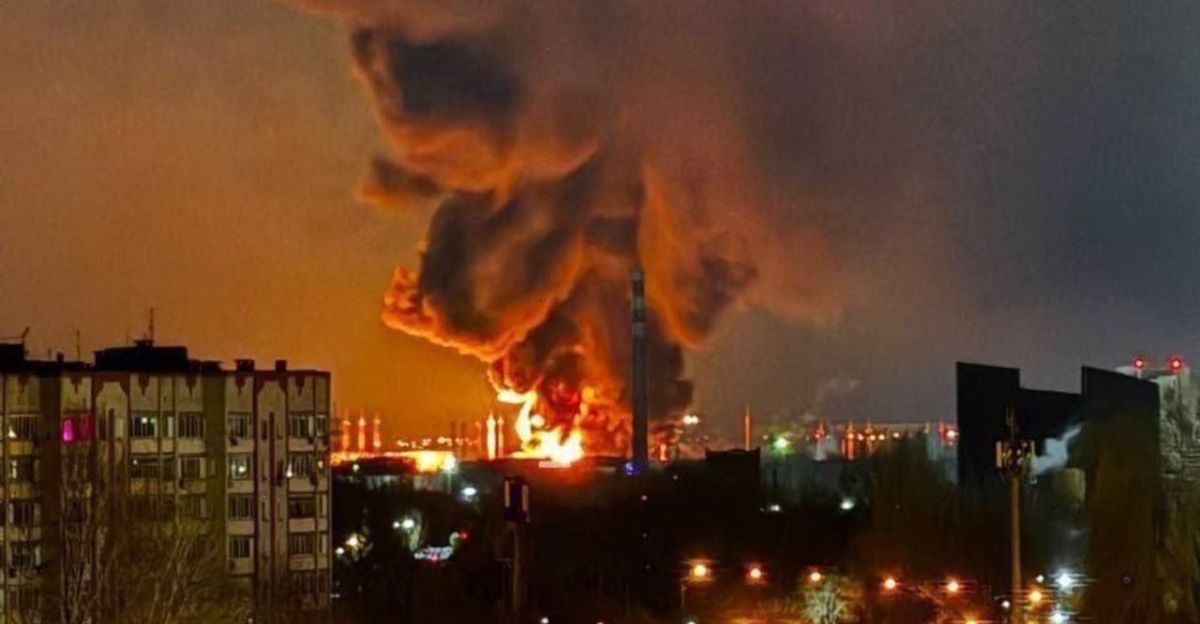
While Russia’s defense systems intercepted most of the drones, a few managed to reach their targets. Fires broke out in several parts of the city, and civilian infrastructure suffered damage. The most tragic incident occurred in the Bryansk region, where debris from a destroyed drone hit a passing minibus, killing the driver and injuring five passengers.
Moscow’s mayor, Sergei Sobyanin, announced that emergency workers had been responding nonstop, putting out fires and helping victims. But for residents, the sense of safety has been replaced with anxiety and unpredictability. Some people have started sleeping away from windows or basements, fearing another night of attacks. What was once a distant war, seen only on the news, has now become an unavoidable part of daily life for millions of Russians.
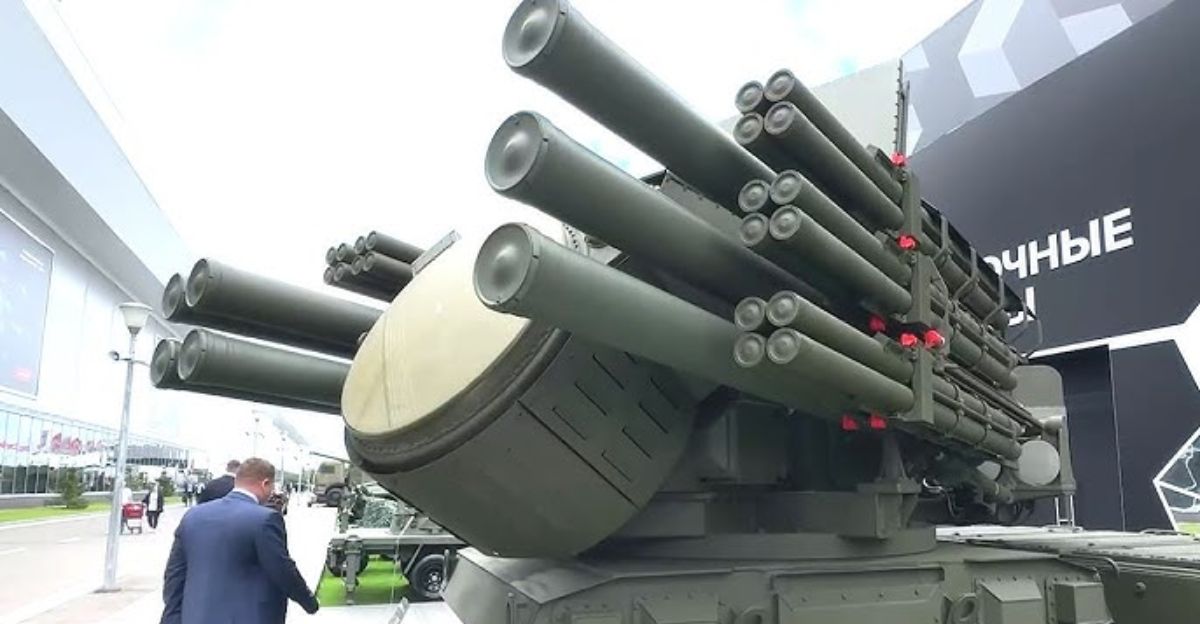
For the government, the attacks revealed how challenging modern warfare can be, especially when faced with low-cost, hard-to-detect drones that can overwhelm even sophisticated defense systems. Despite official claims of success, analysts suggest that Russia’s air defenses still have gaps, especially when hundreds of targets arrive at once.
The Global Impact and the Future of Warfare
Around the world, military observers have been following Moscow’s drone crisis closely. The attacks showcased new realities of 21st-century warfare, where advanced technology allows smaller countries to strike powerful adversaries at surprising range. Defense analysts from the United States and NATO have noted that Ukraine’s approach could change how future wars are fought. Traditional borders and large troop movements seem less relevant when small, unmanned aircraft can bring a nation’s capital under pressure.
Dr. Michael Anders, a researcher at the Stockholm International Peace Research Institute, described this shift as the future of warfare. Drones make it possible for nations with fewer resources to compete with stronger militaries. Yet, these new tactics also raise serious ethical and legal questions. International law forbids attacks on civilian areas, but distinguishing between military and non-military infrastructure is increasingly difficult when drones are used near cities.
As Moscow continues adjusting to this threat, public pressure on Russian authorities is rising. Citizens want to know how well their city is protected and whether the government can truly keep them safe. Politically, the attacks have fueled debates about improving air defenses and investing in new technology. For Ukraine, they signal growing confidence and technical skill, which could influence future global support for its war effort.
The events in Moscow mark a turning point in modern combat. Drones have blurred the line between front-line battlefields and civilian spaces. The conflict’s outcome remains uncertain, but one conclusion is undeniable: drone warfare has permanently changed how wars are fought, how nations defend themselves, and how ordinary people experience security.