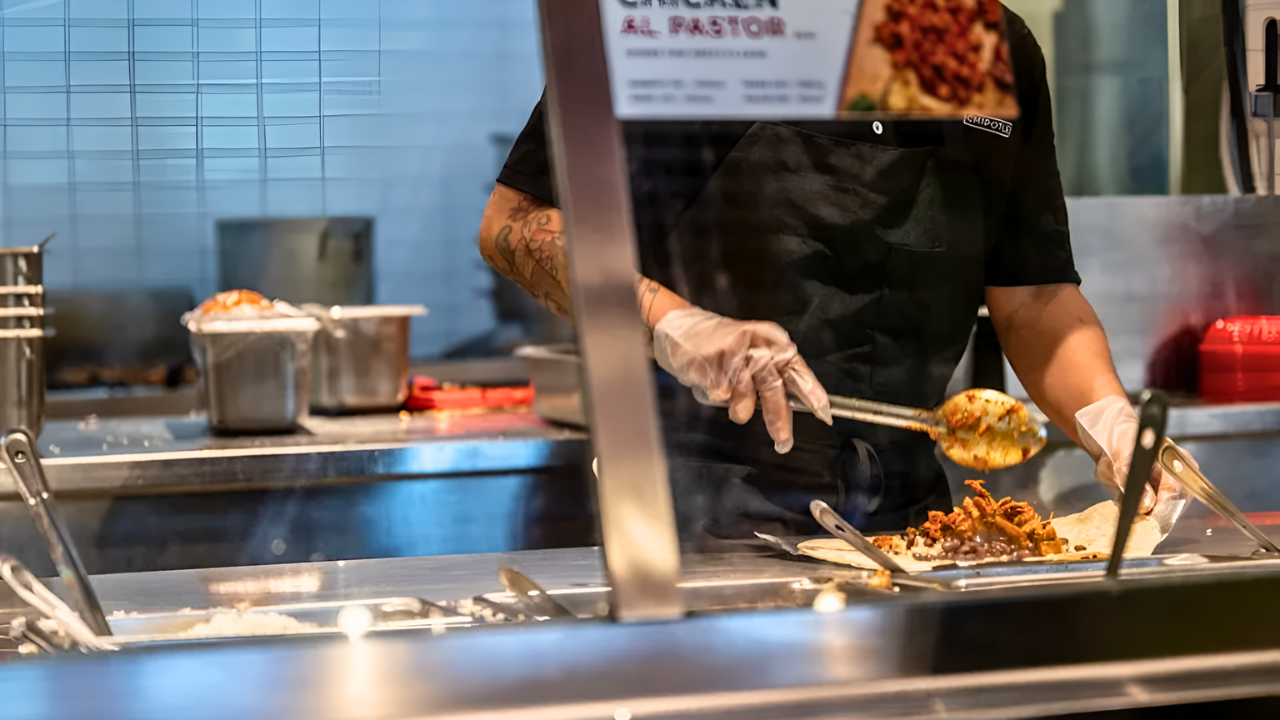
On any given day, millions of Americans dine at their favorite restaurant chains, trusting that the food is safe and the kitchens are clean. Yet, a growing number of high-profile health code violations, lawsuits, and outbreaks have cast doubt on the hygiene standards of some of the country’s most recognizable brands. From fast-food giants to family restaurants, a closer look reveals a troubling pattern of lapses that have led to illness, legal action, and shaken consumer confidence.
Fast Food Giants Face Scrutiny
McDonald’s, the world’s largest fast-food chain, has repeatedly come under fire for health code violations. In Boston, inspectors uncovered 125 violations at seven locations in just one year, including mold, rat droppings, and live cockroaches. The chain faced even greater scrutiny in 2024 when an E. coli outbreak linked to sliced onions on Quarter Pounder burgers sickened 104 people and resulted in one death.
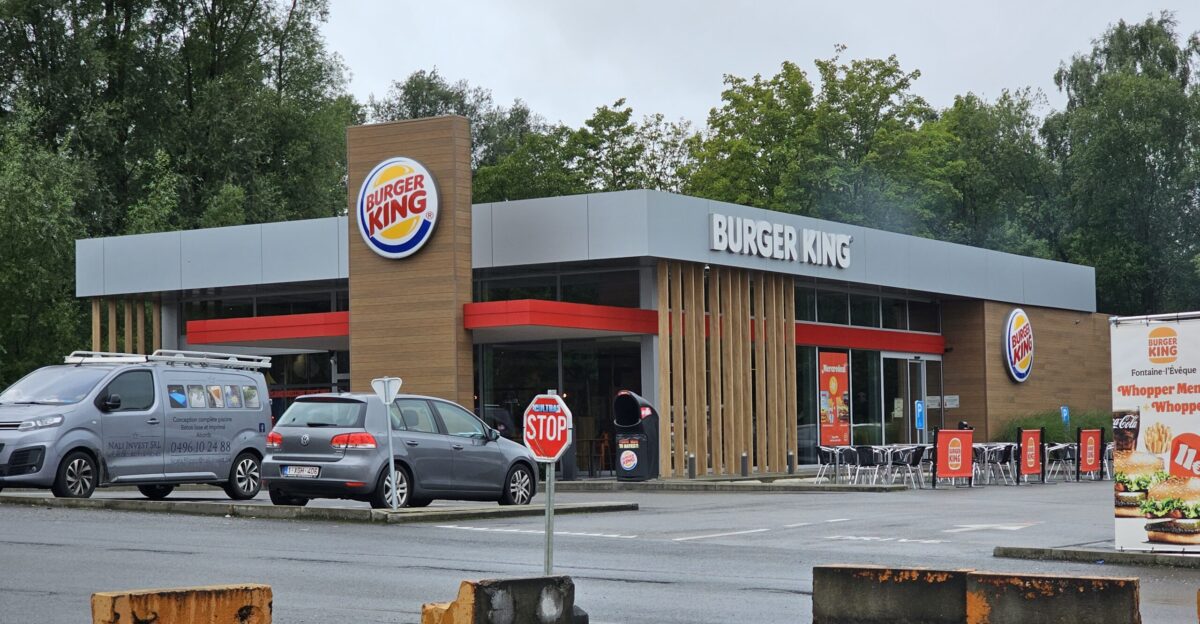
Burger King has also struggled with its reputation after a Massachusetts location was cited for nine core health code violations, including dirty ice machines and improperly stored produce. KFC, another fast-food staple, was found to have an average of 102 critical violations in a 2005 NBC investigation, with recurring issues like cross-contamination and expired food being sold.
Casual Chains and Recurring Risks
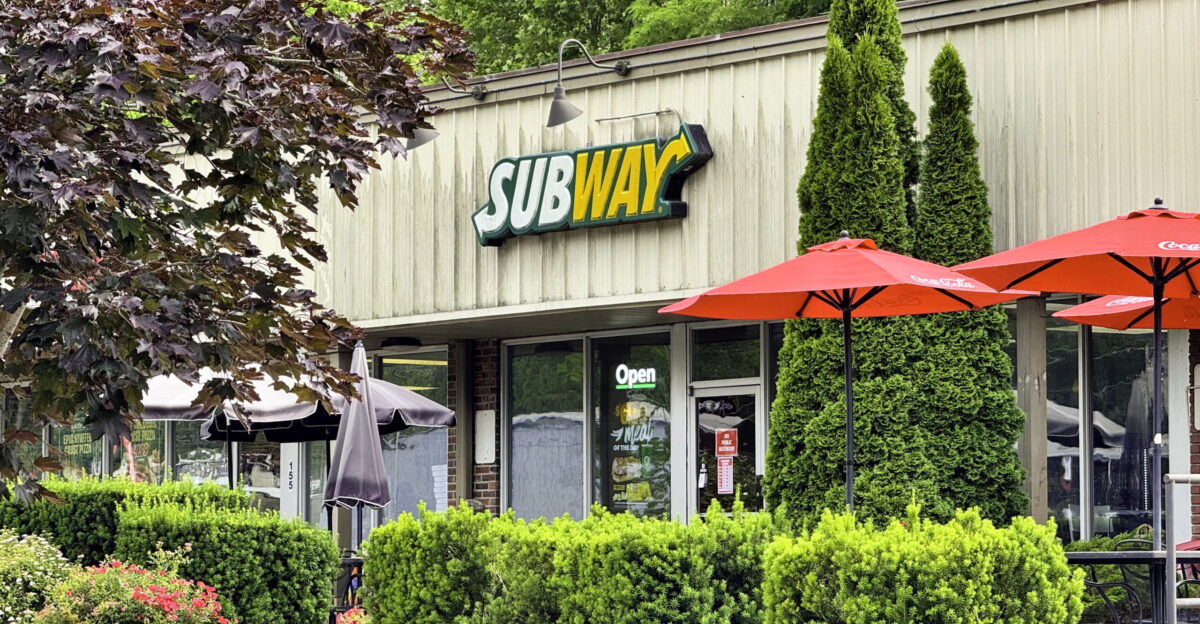
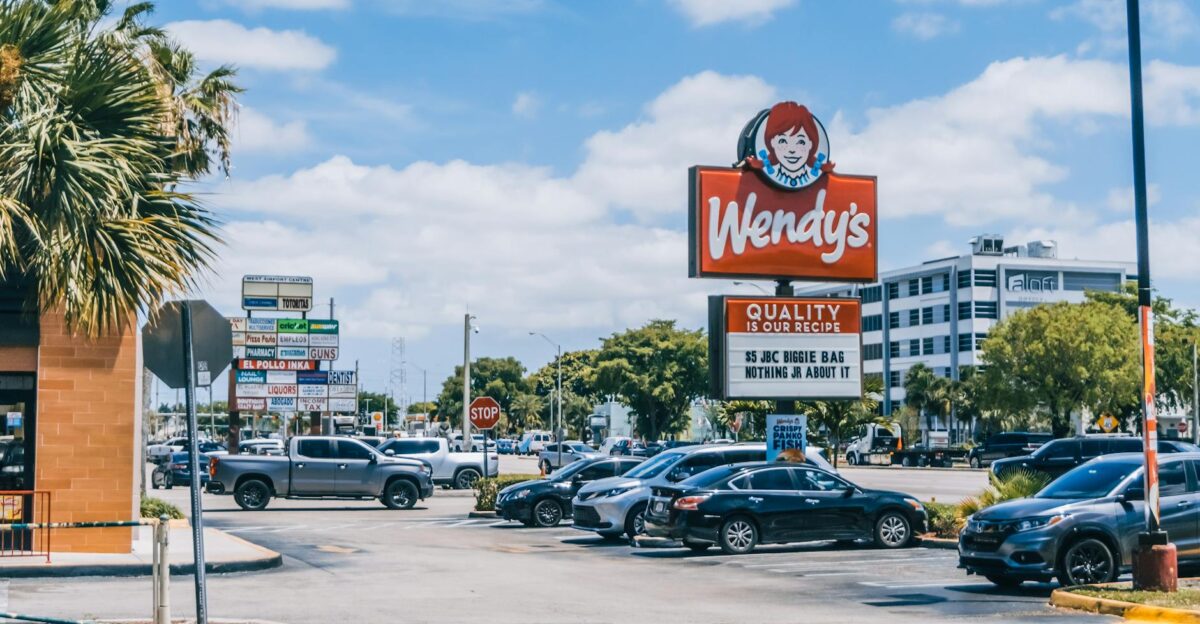
The problems extend beyond fast food. Taco Bell was linked to a 2006 E. coli outbreak traced to contaminated lettuce, which hospitalized dozens across several states. Subway, known for its “fresh” branding, has faced repeated complaints about dirty surfaces and spoiled produce. Wendy’s was the subject of a lawsuit after a Michigan family alleged their child suffered permanent brain damage from E. coli-contaminated food, highlighting the severe consequences of lapses in food safety.
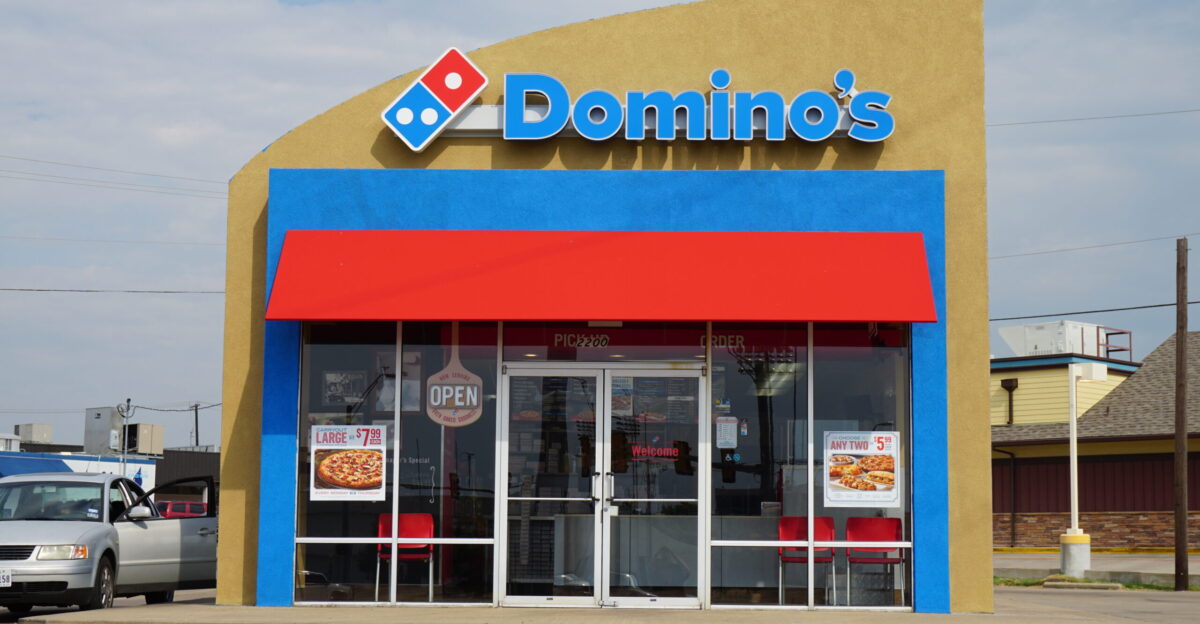
Pizza chains are not immune. Pizza Hut and Domino’s have both been cited for unsanitary kitchens and improper food handling. Health inspectors have found repeated violations, from dirty equipment to insufficient lighting, raising concerns about the safety of even the most familiar slices.
Buffet-style and family restaurants have also faced significant challenges. Golden Corral has dealt with multiple reports of cockroach infestations and improper food temperatures, with one Florida location failing inspection five times in a single year. Viral videos have shown raw meat stored next to desserts, further eroding public trust.
Waffle House, a Southern staple, received a health inspection score of just 60 at one Buckhead location, with violations ranging from employees not washing hands to raw ham stored above other perishables. Denny’s, once a breakfast favorite, now ranks lowest in customer satisfaction, with complaints about unclean restaurants and long wait times becoming common.
Legal Battles and Corporate Responses
Some cases have escalated to the courts. In 2017, a Texas woman sued Popeyes, alleging that she was served red beans and rice contaminated with flesh-eating screwworms. Popeyes denied responsibility.
Chipotle Mexican Grill agreed to pay $25 million in 2020 to settle criminal charges after foodborne illness outbreaks sickened over 1,100 people between 2015 and 2018. The Department of Justice called it the largest food safety case in history. Dunkin’ has also faced repeated citations for unsanitary conditions.
A Global Perspective on Food Safety
While the U.S. has robust food safety regulations, these incidents highlight gaps in enforcement and oversight. Globally, countries like Japan and Sweden have implemented stricter inspection regimes and harsher penalties for violations, resulting in fewer large-scale outbreaks and higher consumer trust.
Looking Ahead: The Stakes for Diners and Industry
As Americans continue to rely on restaurant chains for convenience and comfort, the stakes for food safety remain high. For industry leaders, the challenge is to restore trust through transparency, rigorous training, and a renewed commitment to public health. With consumer awareness on the rise and legal pressures mounting, the future of America’s favorite chains may depend on their ability to clean up their act—literally and figuratively.