Manuel Dominguez jogged along Fort Lauderdale’s shoreline, spotting the red flags lifeguards had hoisted—warnings that the water was already dangerous. Ignoring them, he waded in for a quick dip, only to be slammed by wave after wave.
“It’s just banging and banging,” he told CBS News Miami, as a lifeguard rushed to his side. Even 500 miles away, Hurricane Melissa was already making her power felt on Florida’s coast.
Caribbean Fury Reaches Florida
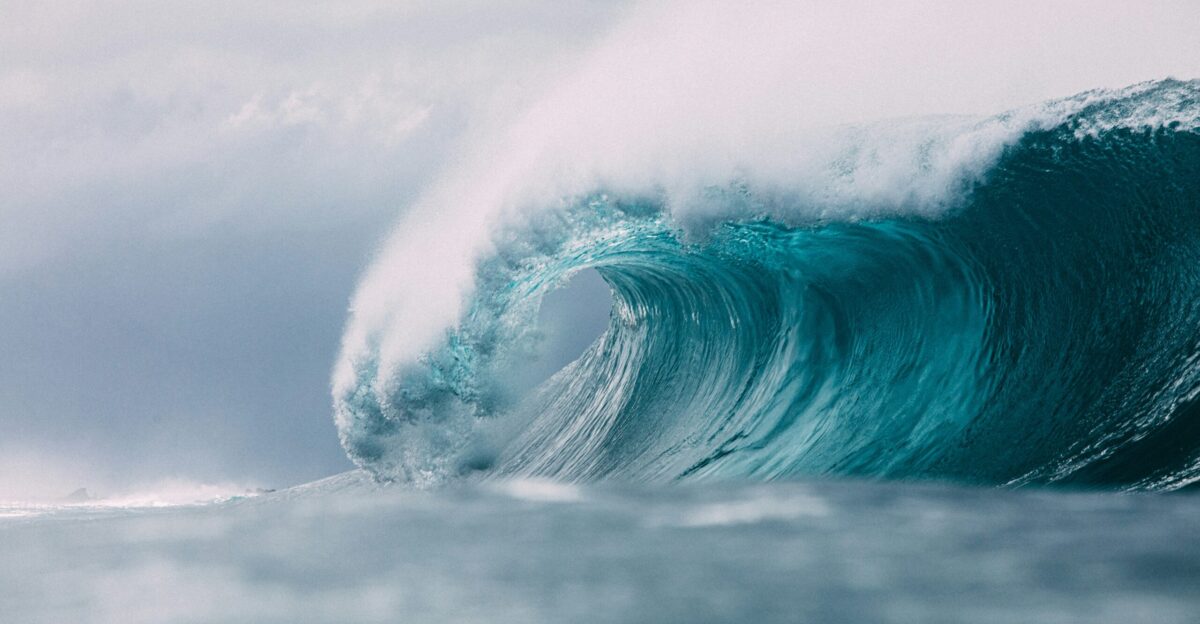
Though Hurricane Melissa never made landfall in Florida, its energy traveled north through massive Atlantic swells. By October 24, the National Weather Service issued high rip current warnings for South Florida beaches, predicting waves of six to eight feet and northeast winds gusting up to 35 mph, according to WPLG Local 10 News.
Coastal residents and lifeguards braced for a weekend of potentially life-threatening water conditions.
Ocean Rescue Teams on High Alert
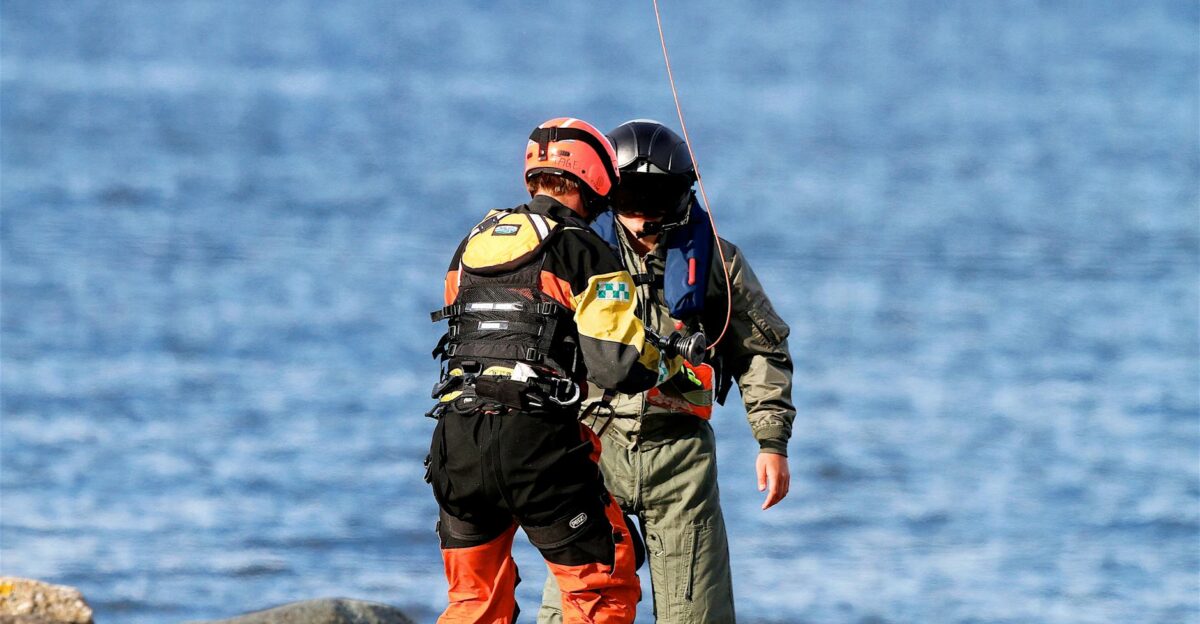
Fort Lauderdale’s ocean rescue teams prepared for nonstop rescues as Melissa’s energy surged north. Warm Caribbean waters amplified the storm’s effects, Lt. David Ochoa explained. “Being here so close to the Caribbean water, especially with warm water, we’re definitely seeing some effect from it,” he said.
The warning signs were clear: even distant storms can make Florida beaches dangerously unpredictable, requiring constant vigilance from lifeguards and emergency crews.
Tourism Disrupted Before the Storm
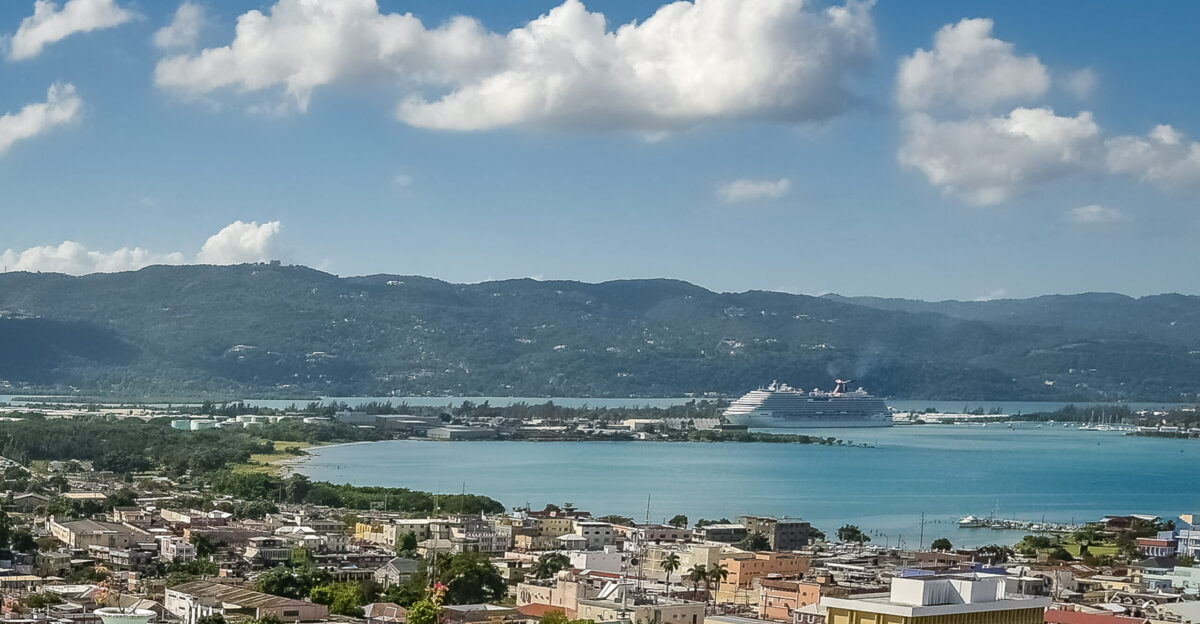
As Melissa rapidly intensified into a Category 5 hurricane, Florida’s tourism industry felt immediate consequences. Central Florida travel agent Zim Thompson canceled her trip to Montego Bay, a destination she had visited faithfully for nearly thirty years.
“I only have one life, can’t live if I’m stuck in an airport for days,” she told Yahoo News. Melissa’s track quickly transformed tropical vacations into logistical nightmares.
Supply Chains Shaken by Caribbean Destruction
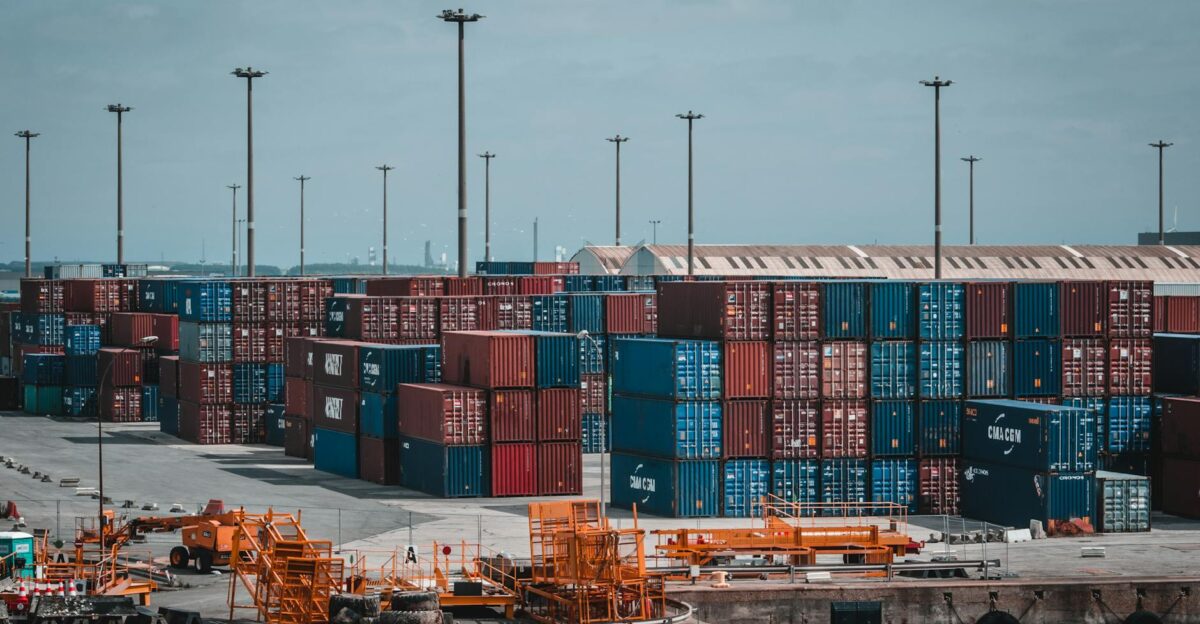
Hurricane Category 5 Melissa’s landfall in Jamaica on October 28 caused catastrophic damage, disrupting American supply chains reliant on Caribbean imports. Cuban ports also suffered severe damage when the storm made its second landfall there as a Category 3 hurricane on October 29, according to CNN.
U.S. retailers waiting on agricultural and manufactured goods faced indefinite delays as shipments were rerouted or postponed, demonstrating that devastation thousands of miles away can have a direct impact on Florida’s economy.
Cruises Rerouted, Flights Canceled
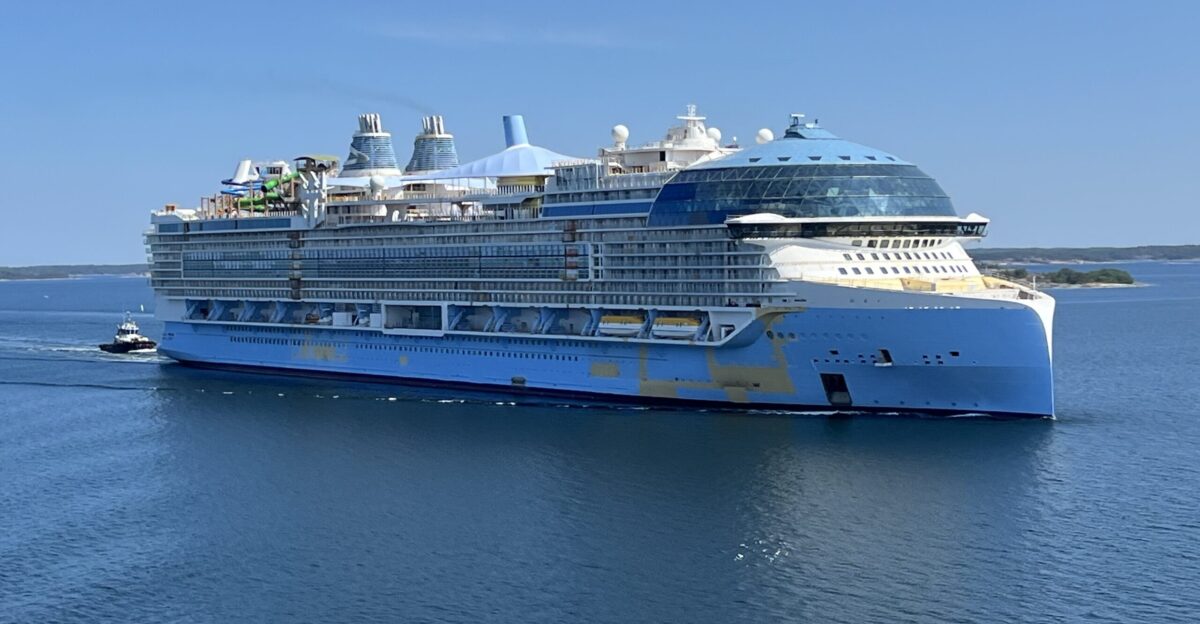
Royal Caribbean’s Icon of the Seas switched its Caribbean itinerary to Mexican destinations, according to USA Today. Airlines, including Delta, American, and United, waived change fees, but nearly 200 flights were canceled on October 28 alone. Many travelers were forced to refund trips or reroute to alternative islands.
Melissa’s power over the Caribbean had transformed leisure travel into uncertainty and frustration for Americans watching the storm from afar.
Jamaica’s Tragic Toll
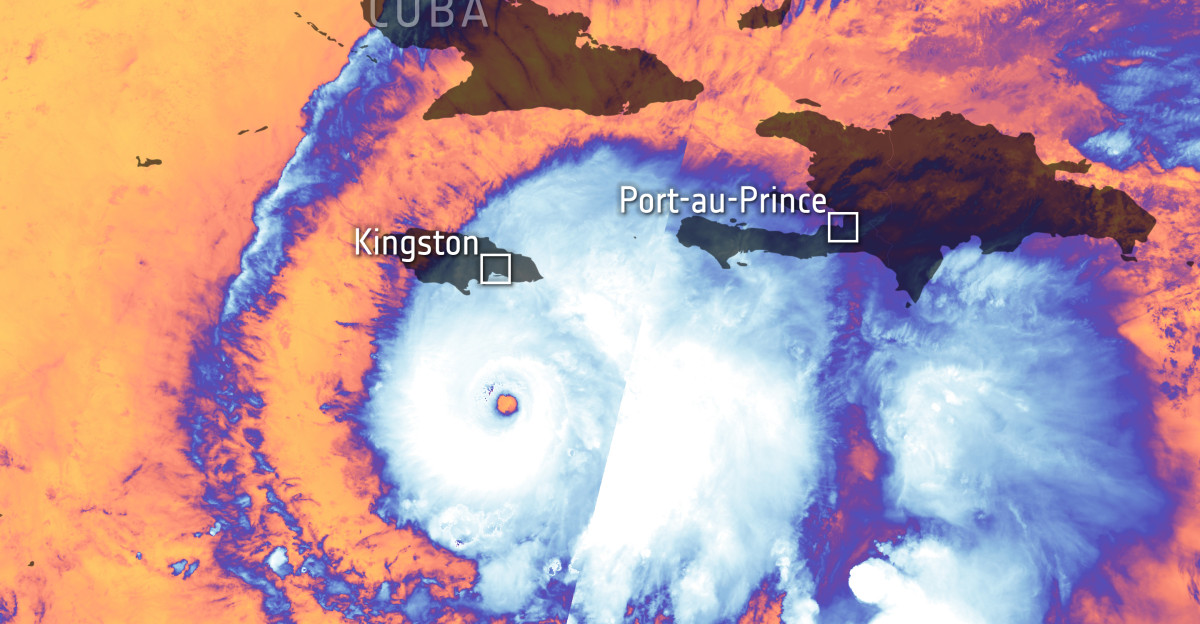
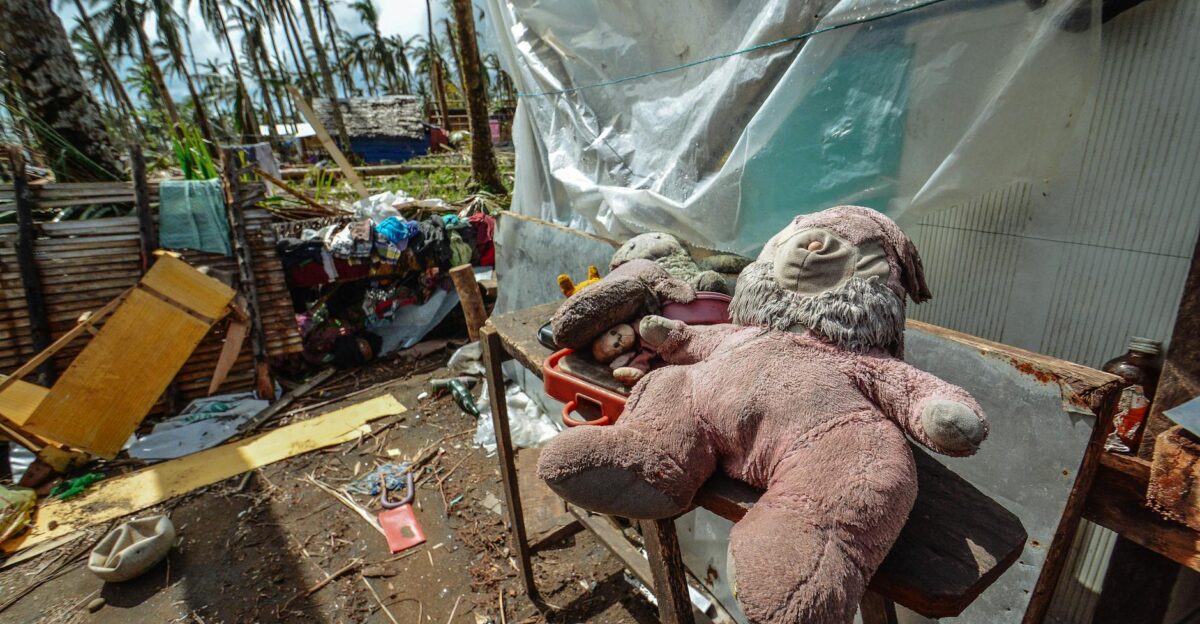
Jamaica’s Information Minister Dana Morris Dixon confirmed 19 deaths on the island by October 31, and nearly 462,000 customers—about 60 to 72 percent—remained without electricity. The Caribbean Catastrophe Risk Insurance Facility issued a $70.8 million payout to Jamaica, one of its largest payouts.
Tourism, a $4.3 billion industry that provides over 300,000 jobs, came to a halt as resorts sat empty and families waited for power, communication, and recovery.
Personal Stories of Fear and Loss

Miami-based influencer Natalie Odell, whose family is from Jamaica, watched the storm with mounting terror. “I was immediately terrified,” she told People magazine on October 31. Her 13-year-old sister huddled at home while her father, caught on the opposite side of Jamaica before landfall, never returned.
Thousands of Florida families with Caribbean roots were left anxiously awaiting news, a reminder that the human cost of hurricanes stretches far beyond the storm’s eye.
Historic Hurricane Records Shattered
Hurricane Melissa tied the legendary 1935 Labor Day Hurricane when it struck Jamaica with 185 mph winds and a central pressure of 892 millibars, according to the National Hurricane Center. The World Meteorological Organization warned it would be “the storm of the century,” and meteorologists confirmed the grim prediction.
For Floridians observing from across the water, Melissa was a stark reminder that Caribbean storms can grow fast, become historically powerful, and send dangerous ripples north.
Florida Avoids Direct Impact
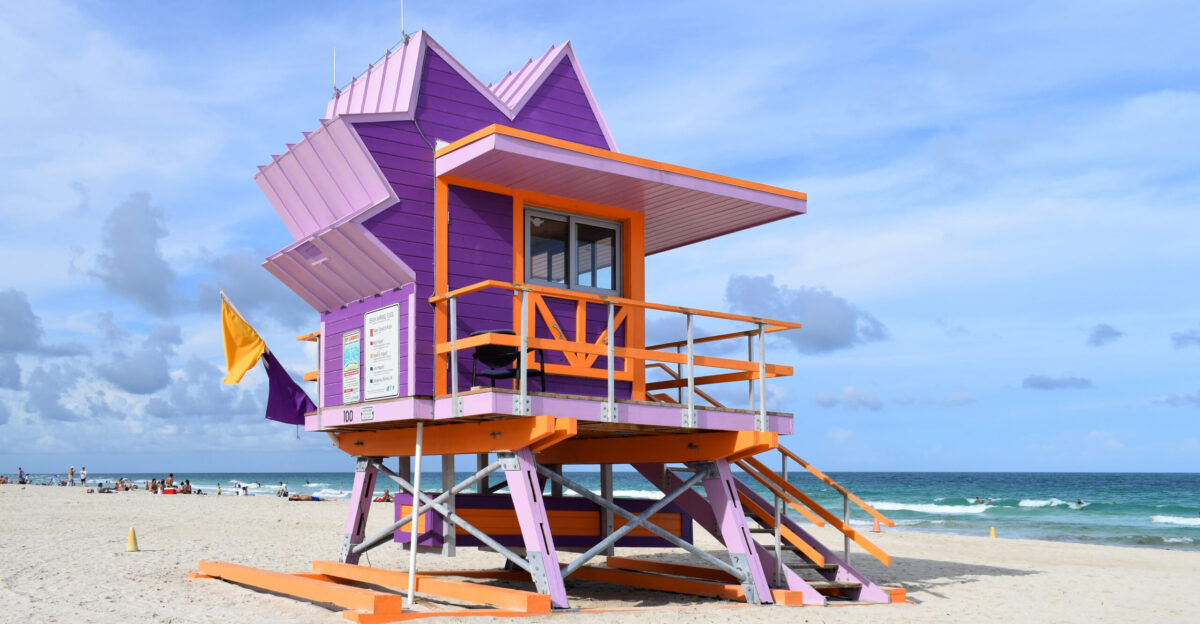
On October 27, meteorologist David Roth from the National Weather Service explained why Florida dodged a direct strike, according to USA Today. Upper-level weather patterns pushed Melissa northeast into the Atlantic instead of toward the mainland. “Sometimes specific upper-level weather patterns concentrate impacts differently,” he said.
Florida’s beaches endured only rough swells and dangerous rip currents, which were far less destructive than the catastrophic winds and flooding experienced in Jamaica.
Black River and Coastal Devastation
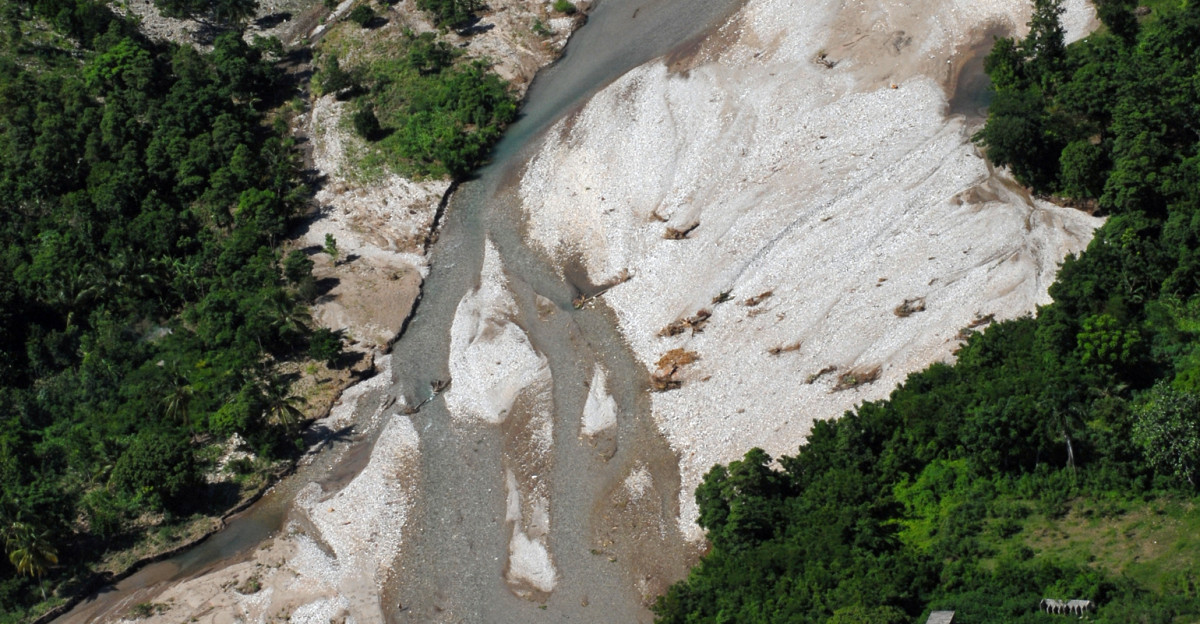
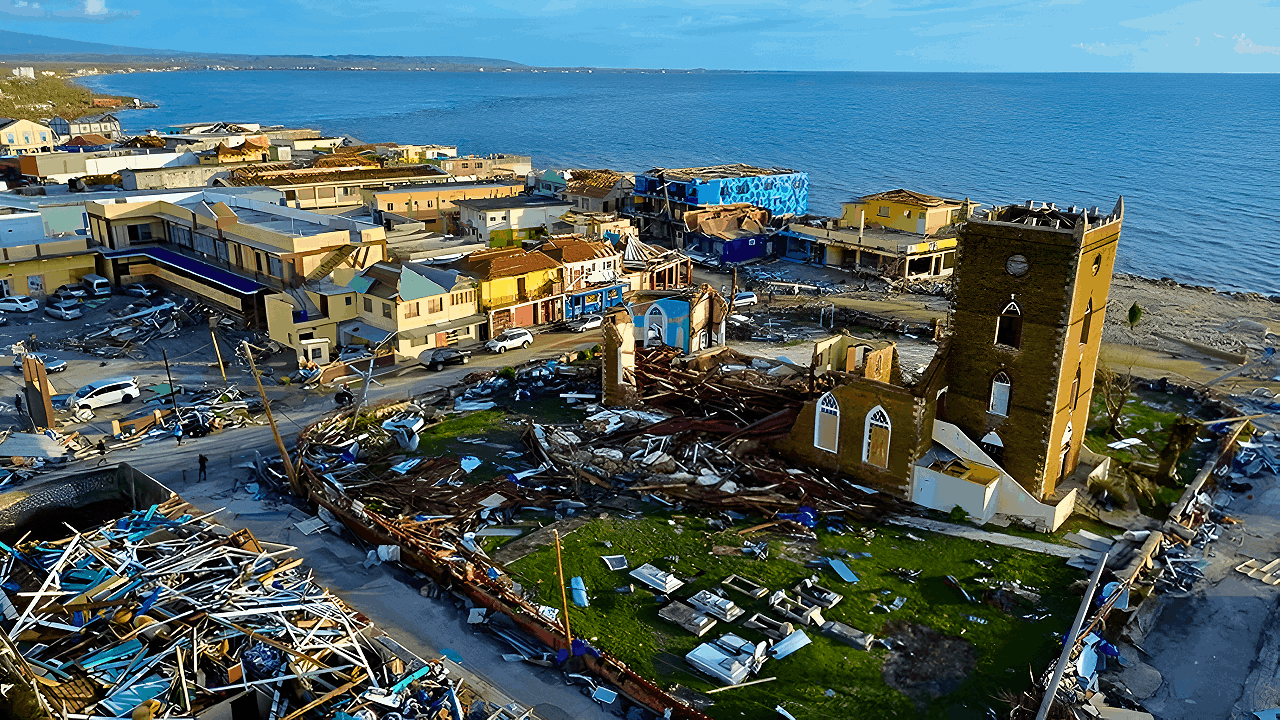
Prime Minister Andrew Holness toured Black River on October 29 and called it “literally been totally destroyed,” according to BBC. In St. Elizabeth Parish, communities were isolated by knee-deep mud and washed-out bridges. At least 50 people died across the Caribbean—22 in Jamaica, 30 in Haiti—many from flooding and landslides.
Rescue teams faced challenges reaching remote areas, reminding Americans that major hurricanes can leave entire communities cut off and devastated.
Economic Shockwaves Reach America

Insurance broker BMS warned that Melissa’s total economic impact on the Caribbean could reach 30 to 250 percent of Jamaica’s $20 billion GDP. Jamaica’s $150 million catastrophe bond was expected to trigger a record payout to aid recovery.
American investors, insurers, and businesses with Caribbean exposure suddenly faced financial risk, proving that a Category 5 storm in Jamaica could ripple across global supply chains, tourism revenues, and corporate portfolios without ever making landfall in Florida.
Rip Currents Keep Florida Vigilant
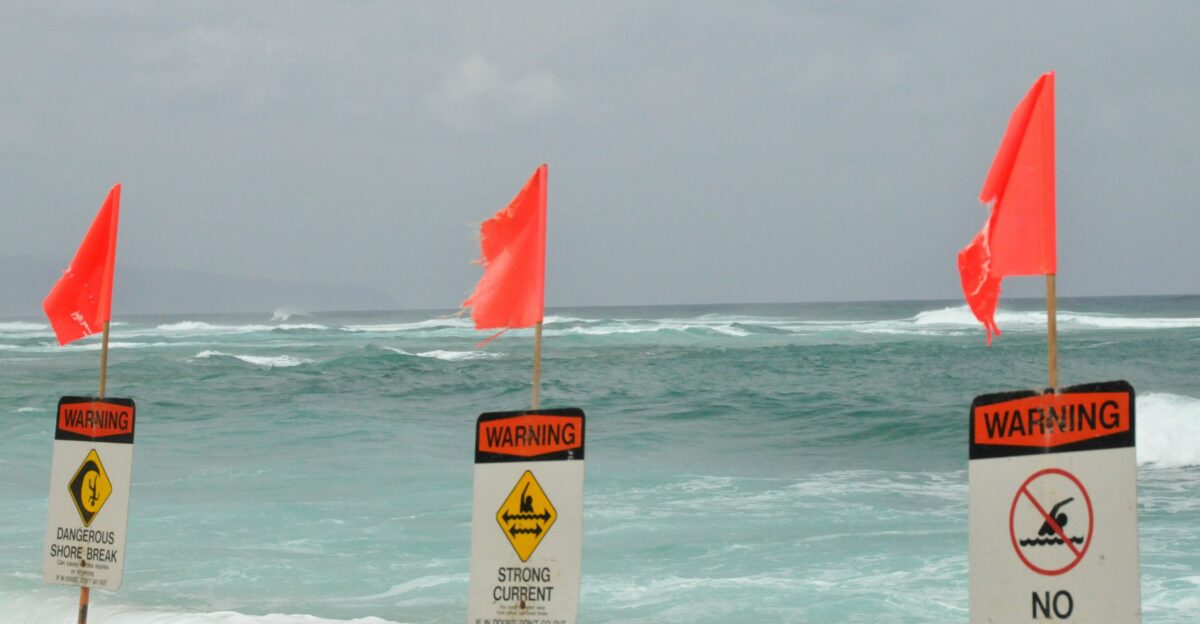
Even as Melissa accelerated northeast toward Bermuda and became post-tropical on October 31, swells continued affecting the U.S. East Coast. Fort Lauderdale and Miami beaches remained under high rip current warnings, and lifeguards kept red flags flying.
Swimmers stayed out of the water, a visible reminder that Florida’s coastlines are never fully insulated from distant hurricanes, and that caution is essential even when the storm’s eye is hundreds of miles away.
Lessons in Preparedness and Resilience
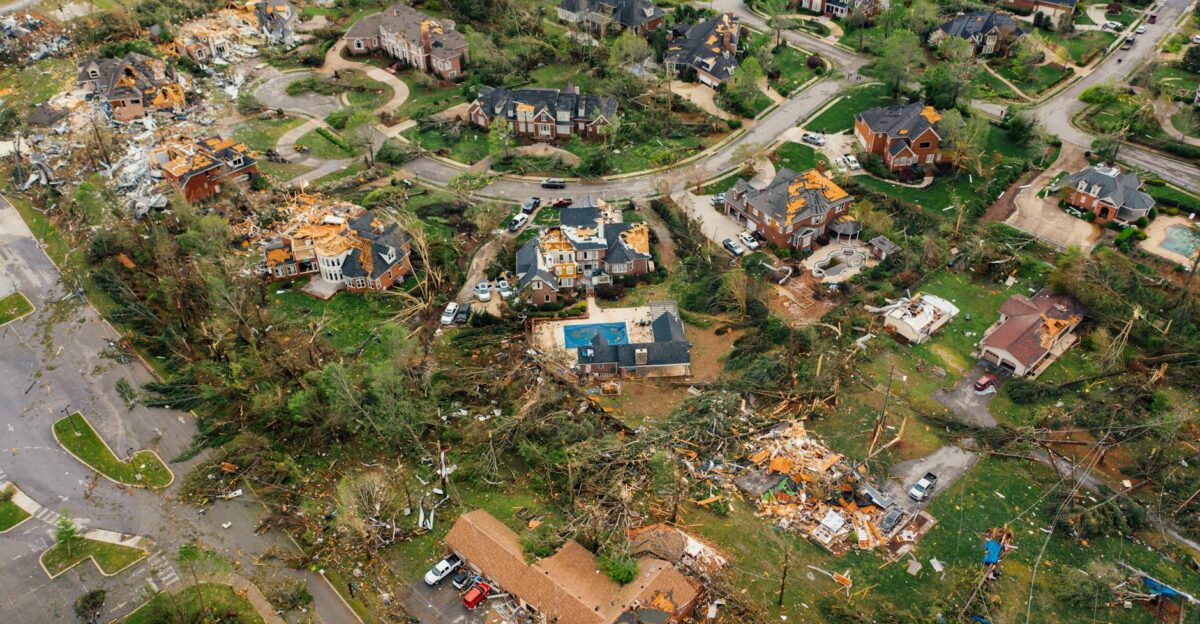
Floridians reflected on what could have been. The state had avoided a direct hit that might have rivaled 2024’s hurricane devastation. Jamaica, meanwhile, faces years of rebuilding. Hurricane Melissa serves as a powerful lesson: Atlantic storms don’t respect distance.
When the Caribbean suffers, America feels the ripple through dangerous swells, disrupted tourism, delayed shipments, and the stark reminder that preparation and vigilance remain essential.
The Human and Financial Cost
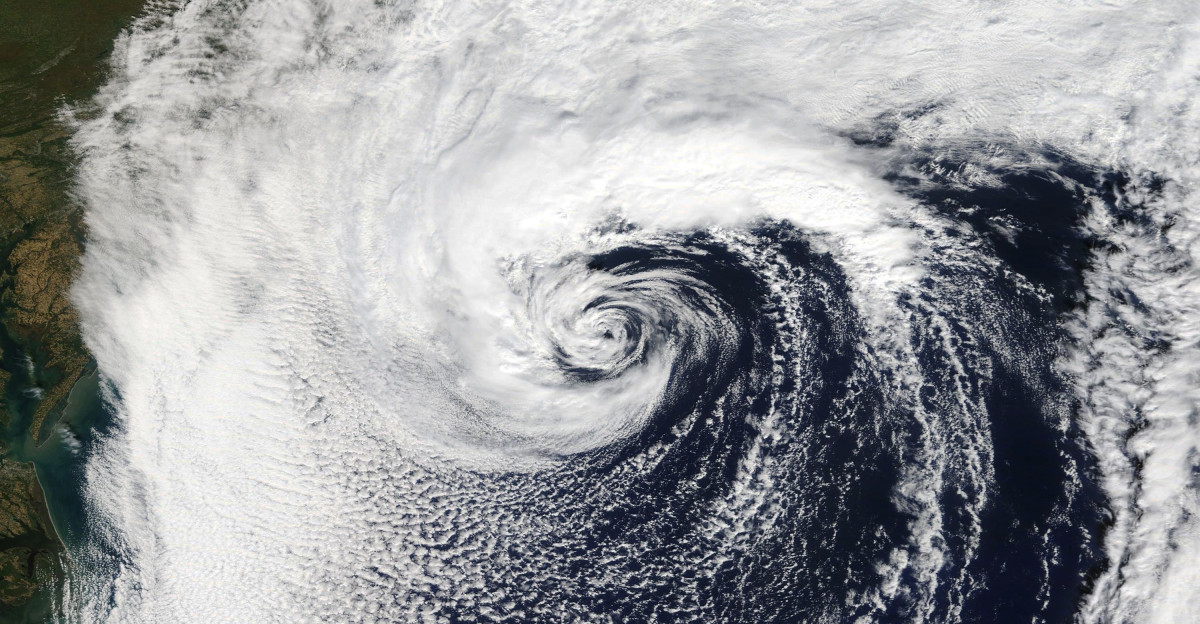
Melissa’s legacy is both human and economic. Lives were lost, communities destroyed, and supply chains shaken. Financial mechanisms, such as catastrophe bonds and insurance payouts, cushioned the blow, but the storm’s reach stretched from Jamaica to Florida, affecting ordinary families, tourists, businesses, and investors alike.
For Americans watching from afar, it was clear: hurricanes are no longer just a local threat; they are a regional and even global challenge, demanding awareness, preparedness, and action.