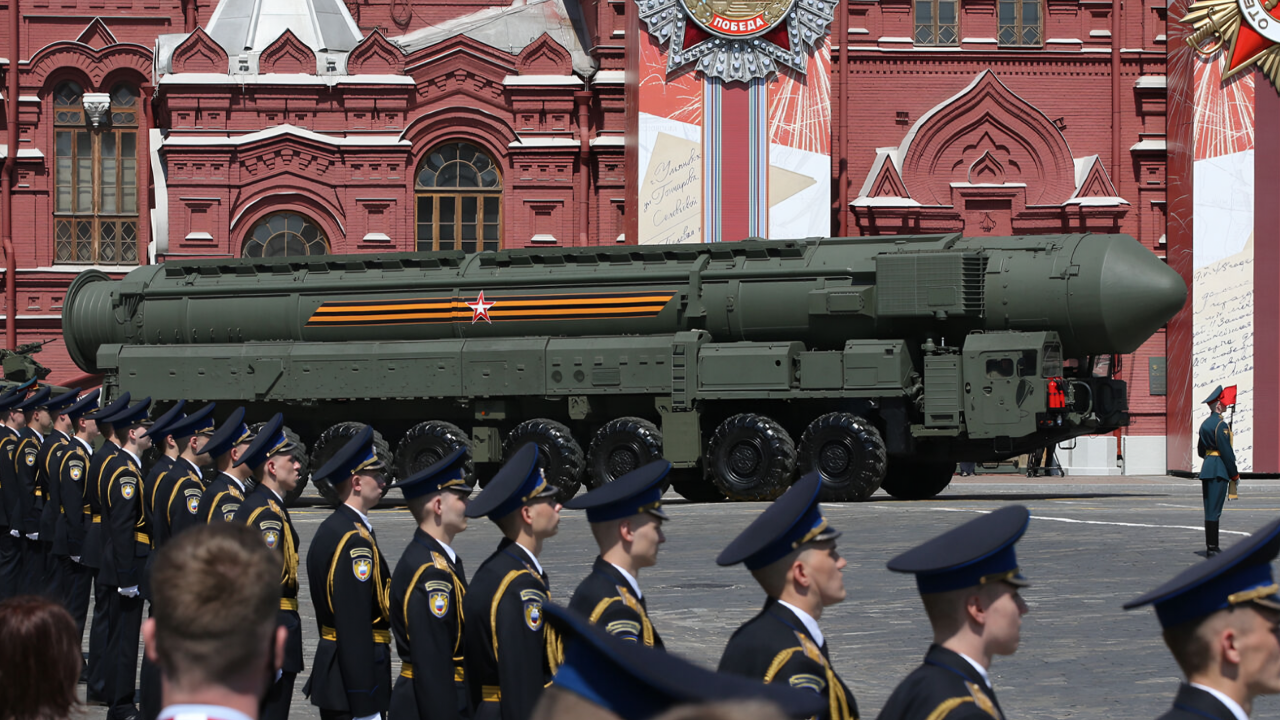
A missile-shaped streak arced across the Russian sky, marking the latest test of a weapon that has captured global attention and concern. Russia’s new nuclear-powered cruise missile, known as the Burevestnik or “Flying Chernobyl,” is being hailed by Moscow as a technological breakthrough capable of evading any U.S. defense. Yet, as Russian officials celebrate, independent experts and international observers are scrutinizing both the missile’s reliability and the risks it poses.
Unprecedented Range, Unanswered Questions
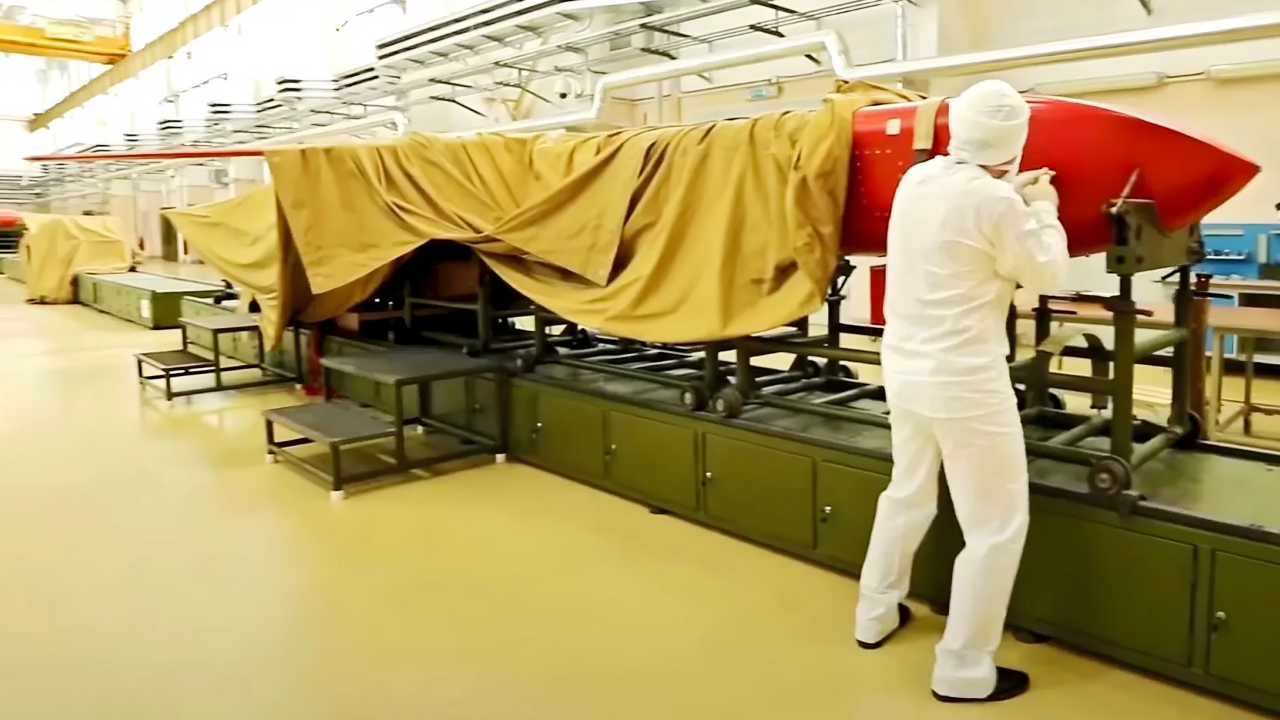
The Burevestnik’s most striking feature is its reported range. According to Russia’s military chief, the missile’s recent test flight lasted over 15 hours and covered 8,700 miles—far surpassing the reach of conventional cruise missiles. General Valery Gerasimov, Russia’s Chief of the General Staff, stated that “that’s not the limit,” suggesting even greater capabilities in the future.
Despite these bold assertions, skepticism abounds. The independent Russian outlet The Bell described the Burevestnik as “an extremely expensive weapon with doubtful practical value.” Pavel Podvig, a Russian arms control analyst, echoed these doubts, telling The Moscow Times that “The main reason nobody has built this system is that it’s not a very effective weapon, so there is simply no real justification for building something like that.” While Russian officials argue that the Burevestnik can bypass traditional defense perimeters, NATO and U.S. analysts point out that new tracking technologies could still detect and intercept such threats.
A Legacy of Cold War Ambition
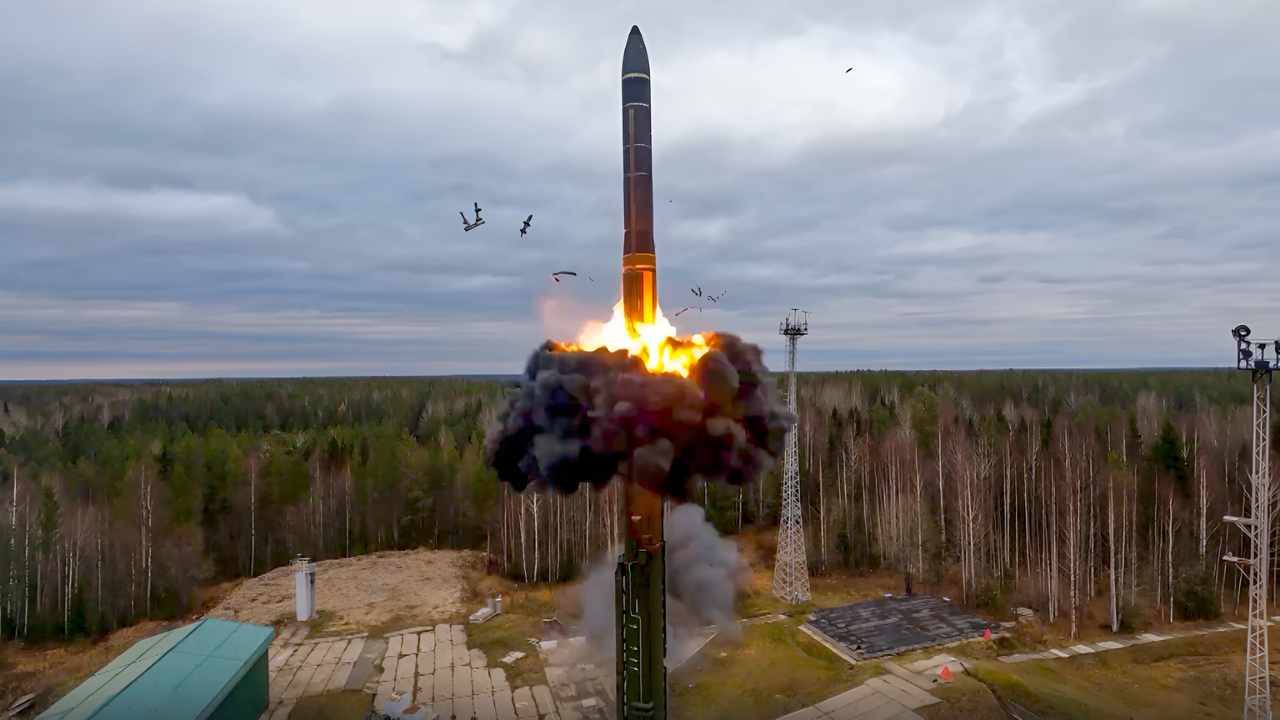
The idea of a nuclear-powered cruise missile is not new. During the Cold War, the United States pursued a similar project, known as “Project Pluto,” before abandoning it in the 1960s over safety concerns. Russia revived the concept in the early 2000s, building on decades of Soviet-era research and ambition. The Burevestnik is the culmination of this long-standing pursuit, reflecting both historical aspirations and a modern drive to achieve strategic parity with the United States.
General Valery Gerasimov has overseen the missile’s development and recently confirmed its successful long-endurance test. According to Russian state media, during the flight, the missile “completed all prescribed vertical and horizontal maneuvers, showcasing a high capability to evade missile-defense and air-defense systems.” The missile’s miniature nuclear reactor allows it to remain airborne for extended periods, a capability that, if fully realized, would mark a significant shift in strategic deterrence.
President Vladimir Putin has also weighed in on the project’s development. Speaking about the Burevestnik’s progress, Putin stated: “I remember vividly when we announced that we were developing such a weapon, even highly qualified specialists told me that, yes, it was a good and worthy goal, but unrealizable in the near future. This was the opinion of specialists, I repeat, highly qualified. And now the decisive tests have been completed.”
Human and Environmental Costs
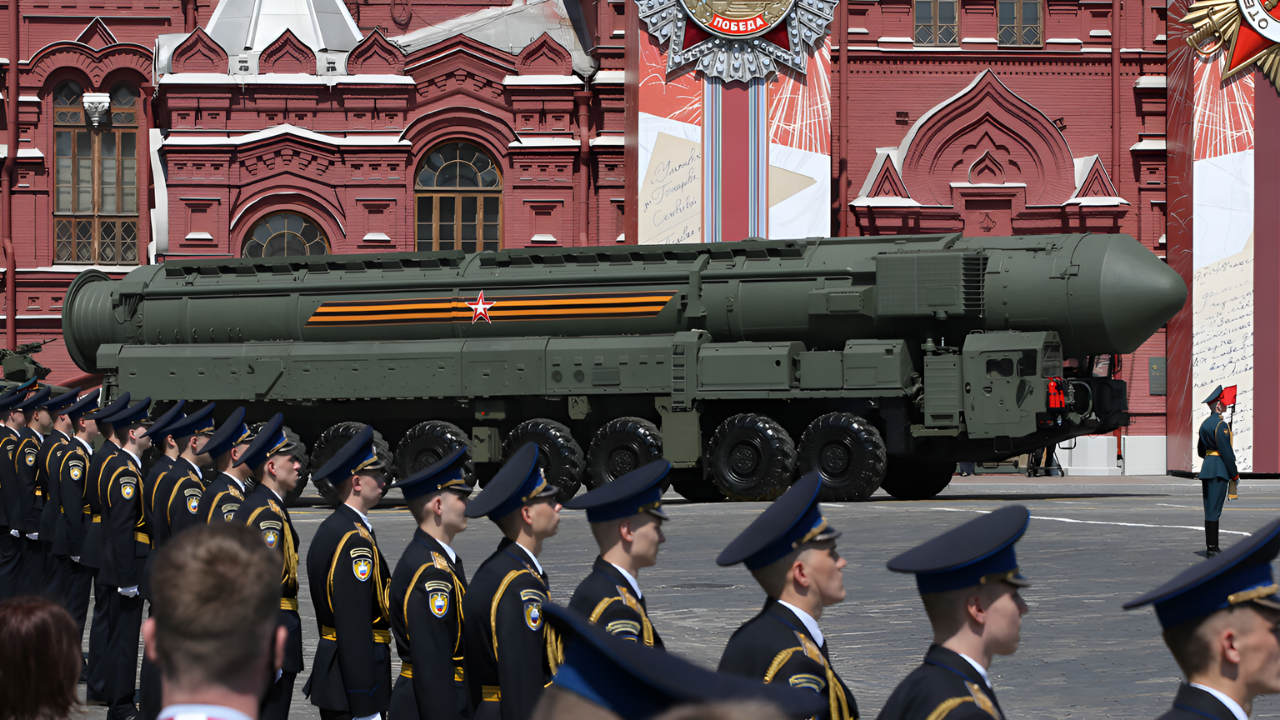
The pursuit of nuclear-powered flight has come at a steep price. In 2019, a failed Burevestnik test in the Arkhangelsk region resulted in an explosion that killed five Rosatom scientists and caused a spike in local radiation levels, as confirmed by Russia’s meteorological agency. President Putin presented the widows of the deceased scientists with the Order of Courage, Russia’s top state award, emphasizing the project’s strategic importance.
Local residents remain wary about potential contamination from the 2019 incident. Environmental groups warn that a missile powered by a flying nuclear reactor could cause catastrophic contamination if it crashes. The missile’s “Flying Chernobyl” nickname reflects these fears, though experts note that the full scope of potential fallout remains uncertain.
Defense Dilemmas and Global Comparisons
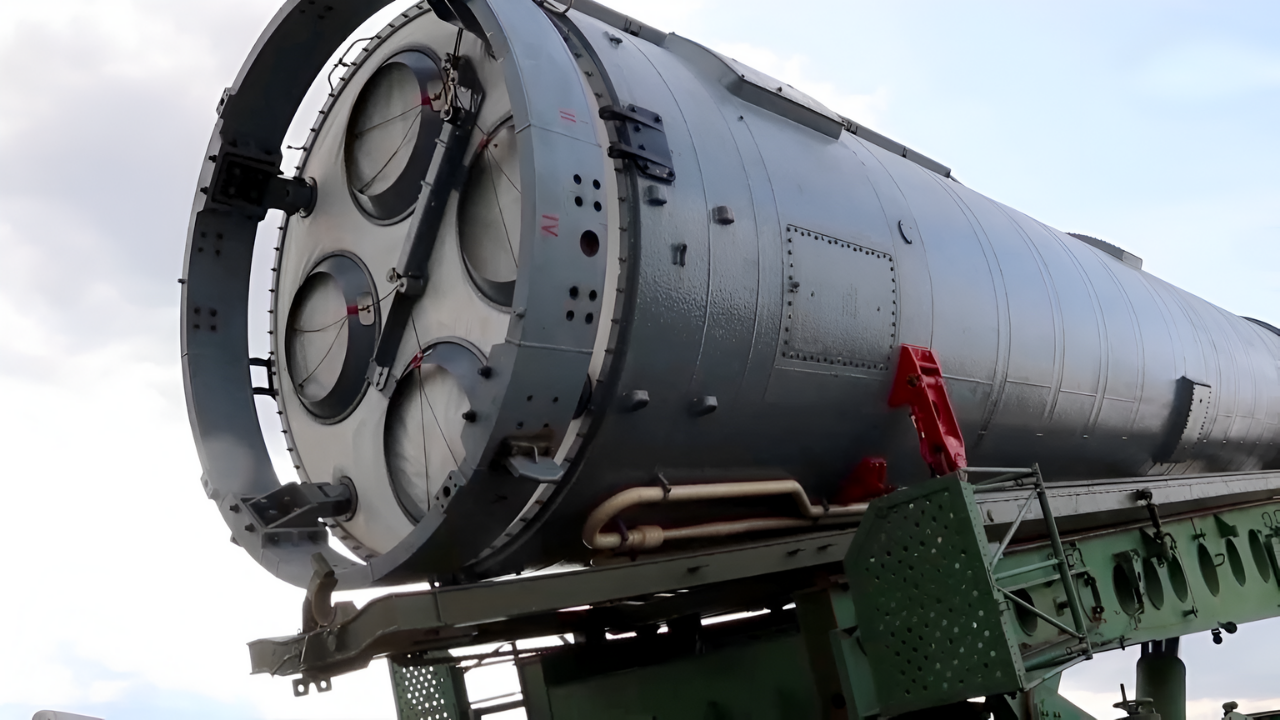
The Burevestnik’s design is intended to evade radar by flying at low altitudes and unpredictable courses. According to a 2022 report from the Center for Strategic and International Studies, the United States currently has a “near-complete lack of homeland cruise missile defense” against such threats. The report notes that existing systems are “old, immobile, and have well-known locations,” and that the North Warning System cannot adequately detect terrain-hugging cruise missiles.
This vulnerability is not unique to the U.S. Other countries, including China and NATO members, are closely monitoring Russia’s advances. Former NORAD Commander Gen. Terrence O’Shaughnessy warned in 2019 Senate testimony that Russian cruise missile developments now have “greater standoff ranges and accuracy than their predecessors, allowing them to strike North America from well outside NORAD radar coverage.” In response, the U.S. is investing in space-based tracking and advanced interceptors, but these systems are years from full deployment.
Expert Doubts and an Uncertain Future
Despite official optimism, many Western and Russian experts question whether the Burevestnik will ever become a practical weapon. Defense analysts have noted the significant technical and operational challenges the system faces, with its true operational status and capabilities remaining classified and debated.
As the New START Treaty nears expiration in February 2026, the world faces a new era of nuclear uncertainty. Russia continues to refine the Burevestnik, promising further tests and improvements before any deployment. The missile’s combination of unlimited range, unpredictable flight paths, and nuclear propulsion presents both a technological marvel and a profound risk.
The coming months will determine whether the “Flying Chernobyl” becomes a strategic asset or a global hazard. For now, its shadow looms over a world already grappling with the challenges of a renewed arms race and the fragile balance of nuclear deterrence.