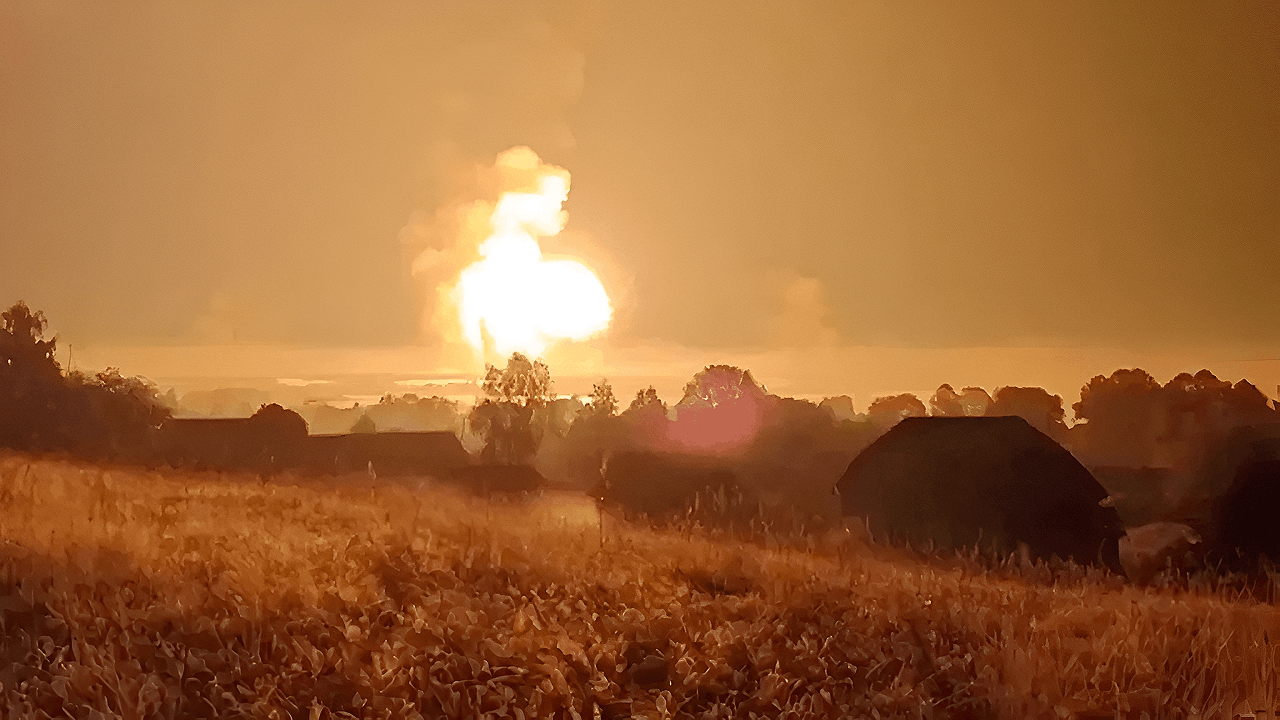
On the night of October 23, 2025, Ukraine launched a sweeping drone offensive deep into Russian territory, deploying 139 unmanned aerial vehicles (UAVs) that struck ten regions in a single coordinated attack. Among the most significant targets were the Rosneft-owned Ryazan Oil Refinery—Russia’s fourth-largest—and a major ammunition depot near Valuyki, Belgorod. The operation marked a dramatic escalation in Ukraine’s campaign against Russian infrastructure, shaking Moscow’s confidence in the security of its rear areas and raising urgent questions about the vulnerability of critical supply lines.
Ryazan Refinery: A Strategic Target
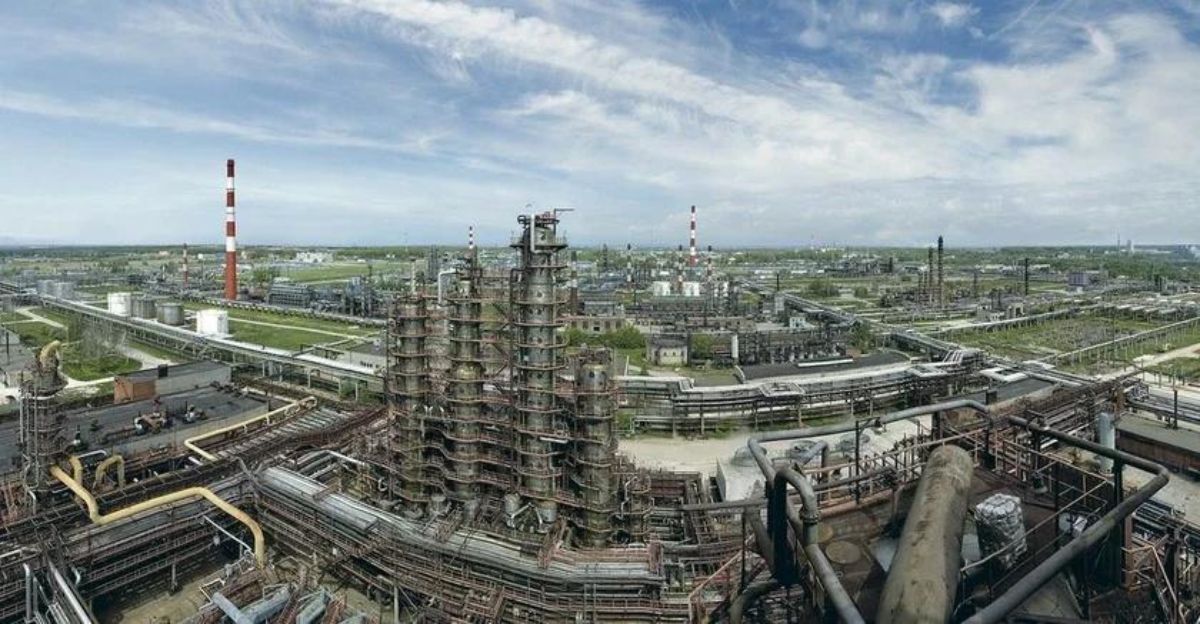
The Ryazan Oil Refinery, situated roughly 200 kilometers southeast of Moscow, processes about 13.1 million tons of crude annually, accounting for approximately 5% of Russia’s total refining capacity. Its output is essential for both civilian and military needs, supplying fuel to Moscow Oblast and central Russian military units. In 2024, Ryazan produced 2.2 million tons of gasoline and 3.4 million tons of diesel, powering regional transport and supporting Russian convoy operations. The sudden shutdown of this facility following the drone strike immediately disrupted fuel flows to the capital and front-line units, intensifying logistical pressures on Russia’s war effort.
A local resident described the scene: “We heard explosions and saw black smoke rising over the refinery. The flames lit up the night sky—everyone knew something serious had happened.” Videos circulating online showed fires engulfing fuel tanks and a towering blaze atop a cracking unit, underscoring the scale of the damage.
Ukraine’s Expanding Campaign
The Ryazan attack was part of a broader Ukrainian strategy targeting Russia’s fuel infrastructure. Since August 2025, Ukrainian drones have struck at least 16 of Russia’s 38 refineries, according to sources cited by the Financial Times. These sustained strikes have driven Russian diesel exports to their lowest levels since 2020, triggering a nationwide fuel crunch and economic strain. The October 23 operation also destroyed the Valuyki ammunition depot, a key logistics hub for Russian forces in Belgorod. The depot’s destruction sent shockwaves through nearby towns, with secondary explosions and fires reported for hours.
Ukraine’s General Staff celebrated the operation, stating, “The implementation of measures continues… To be continued… Glory to Ukraine!” The dual strike on fuel and ammunition magnified the blow to Russia’s rear-area supply lines, leaving frontline units facing acute shortages in both fuel and munitions.
Operational Fallout and Official Response
The Ryazan refinery sustained severe damage: a primary distillation train with an 80,000 barrel-per-day capacity was halted by fire, and adjoining units such as the reformer and hydrotreater went offline. Local officials warned that these outages threatened fuel deliveries to Moscow and central Russia, noting that similar attacks had already caused regional shortages and bottlenecks in transport and industry.
Rosneft, the refinery’s owner, declined to comment on the incident. Analysts pointed out that another Rosneft facility, Novokuibyshevsk in Samara, had also been forced to halt operations after a recent Ukrainian drone strike. Industry experts cautioned that Russia’s top oil company now faces mounting threats to its critical infrastructure, with repeated attacks exposing systemic vulnerabilities.
Ryazan Governor Pavel Malkov attributed the fire to “the fall of UAV debris at one of the enterprises,” without naming the refinery directly. He claimed local air defenses shot down all drones, a statement met with skepticism by residents and experts. Many suspect officials are downplaying the severity of the strike, eroding public trust in official communications.
Global and Expert Perspectives

The impact of the refinery strikes has rippled beyond Russia’s borders. With about 5% of national refining capacity offline, international energy markets are watching closely. Traders warn that any prolonged outage at major Russian refineries could tighten global fuel supplies and drive up oil prices. Reports suggest Russia may need to import gasoline from Asia to cover domestic deficits.
Energy analysts note that the strikes on refineries in regions close to Ukraine force Russia to source fuel from more distant facilities, increasing transport costs and strategic vulnerability across Russia’s economy.
For comparison, similar attacks on oil infrastructure in Saudi Arabia in 2019 led to global price spikes and forced rapid adjustments in supply chains, highlighting the far-reaching consequences of strikes on energy nodes.
Recovery Efforts and Future Risks
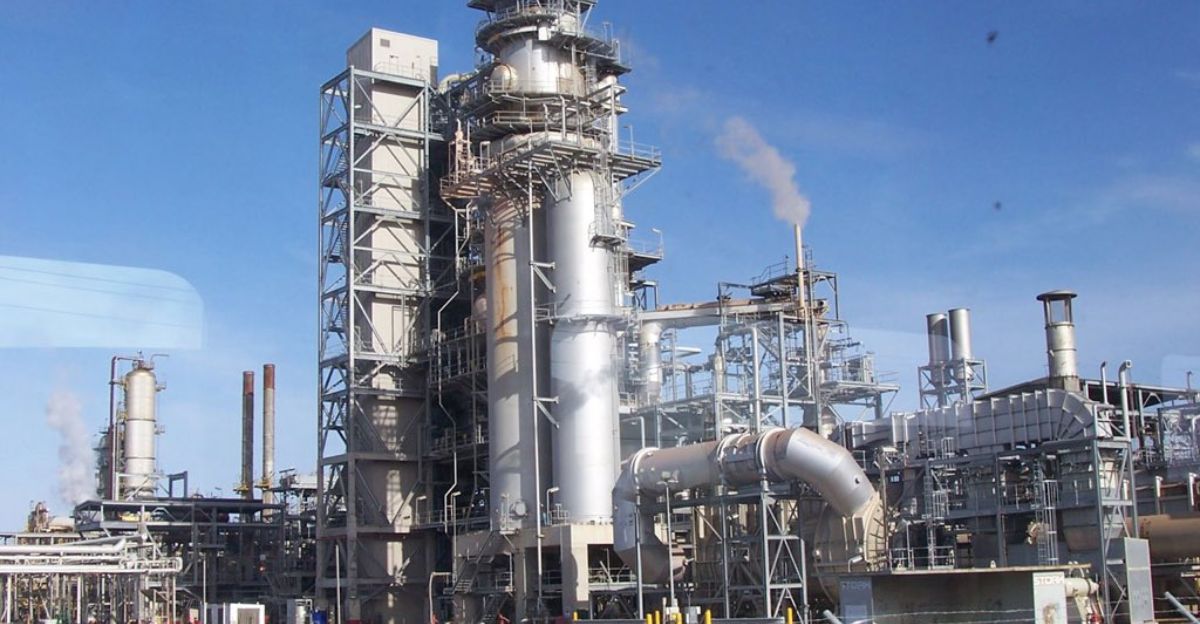
Repair crews at Ryazan have managed to stabilize some damaged units, and the plant is reportedly processing oil at reduced volumes after firefighters contained the blaze. However, officials caution that full recovery may take weeks, especially if Ukraine’s drone campaign continues. The government has banned most diesel exports until year-end to cope with shortages, but further refinery losses could make gasoline and diesel even scarcer and more expensive for Russian consumers.
Environmental concerns are also mounting, as refinery fires release toxic soot and chemicals, polluting air and water around Ryazan. Russian law requires agencies to investigate such incidents, and experts say repeated strikes are pressuring regulators to strengthen safety protocols and emergency response measures.
Security and Political Stakes
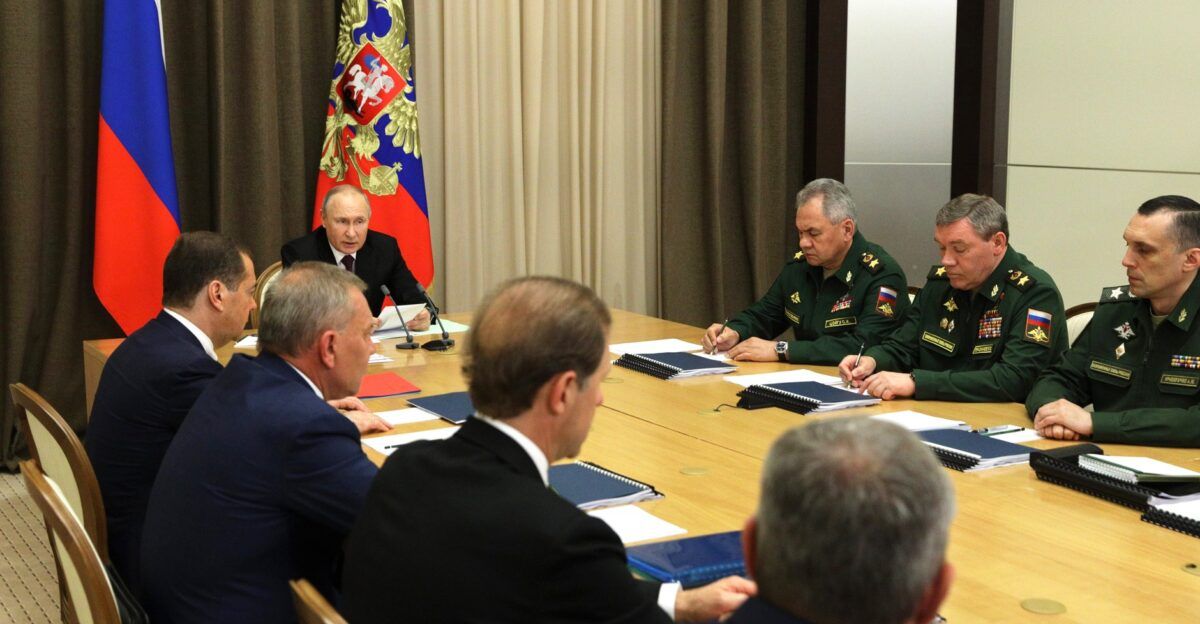
Ukraine’s ability to strike deep into Russian territory marks a turning point in the conflict, demonstrating that critical infrastructure—not just front lines—has become a battlefield. The attacks have undermined the Kremlin’s narrative of invulnerability and sparked debate within Russia about civil defense and government transparency. Social media is awash with frustration over empty fuel stations and supply chaos, with calls rising for stronger protection and openness.
As both sides adapt to the new reality of infrastructure warfare, the stakes extend beyond immediate military logistics. The resilience of supply chains, the stability of energy markets, and the credibility of official responses will shape the trajectory of the conflict—and its impact on civilians—well into the future.