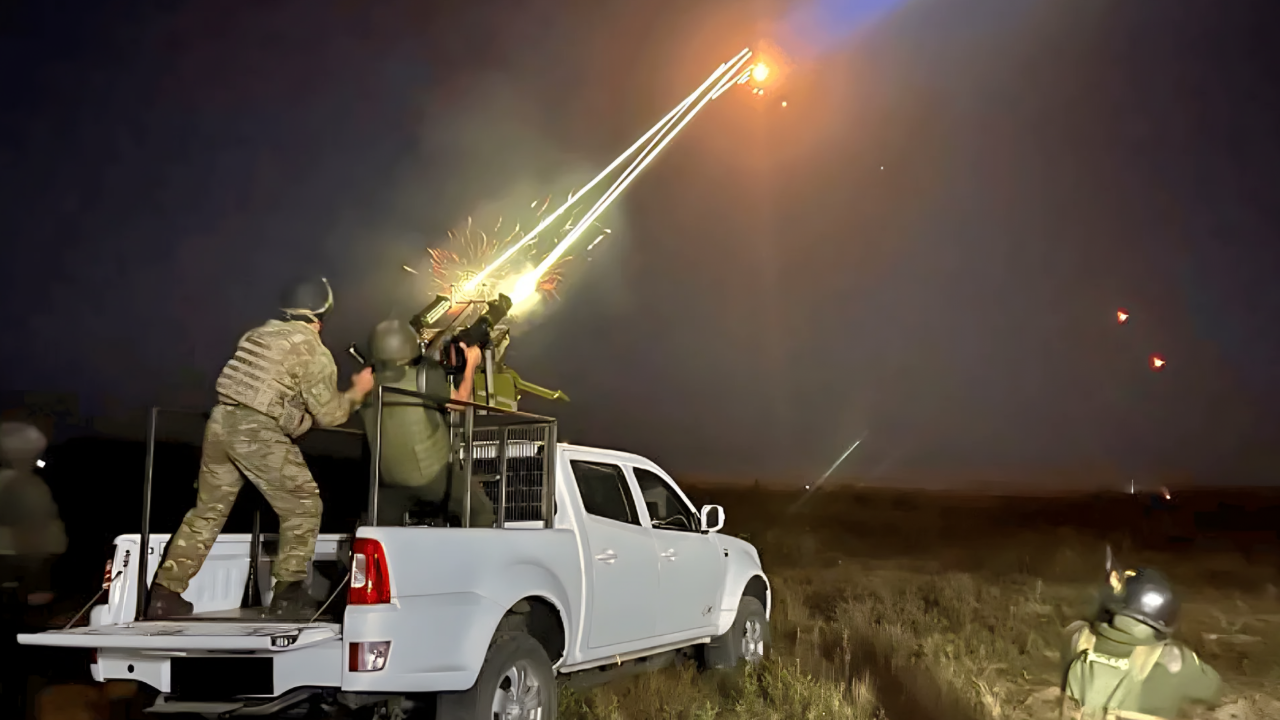
In mid-October 2025, a Russian drone was shot down near a U.S. Army base in Estonia, thrusting the small Baltic nation into the center of Europe’s escalating standoff with Moscow. The incident, kept under wraps for nearly two weeks, has heightened anxieties across NATO and forced a fresh reckoning with the risks of confrontation along the alliance’s eastern frontier.
Historic Shadows and Modern Threats
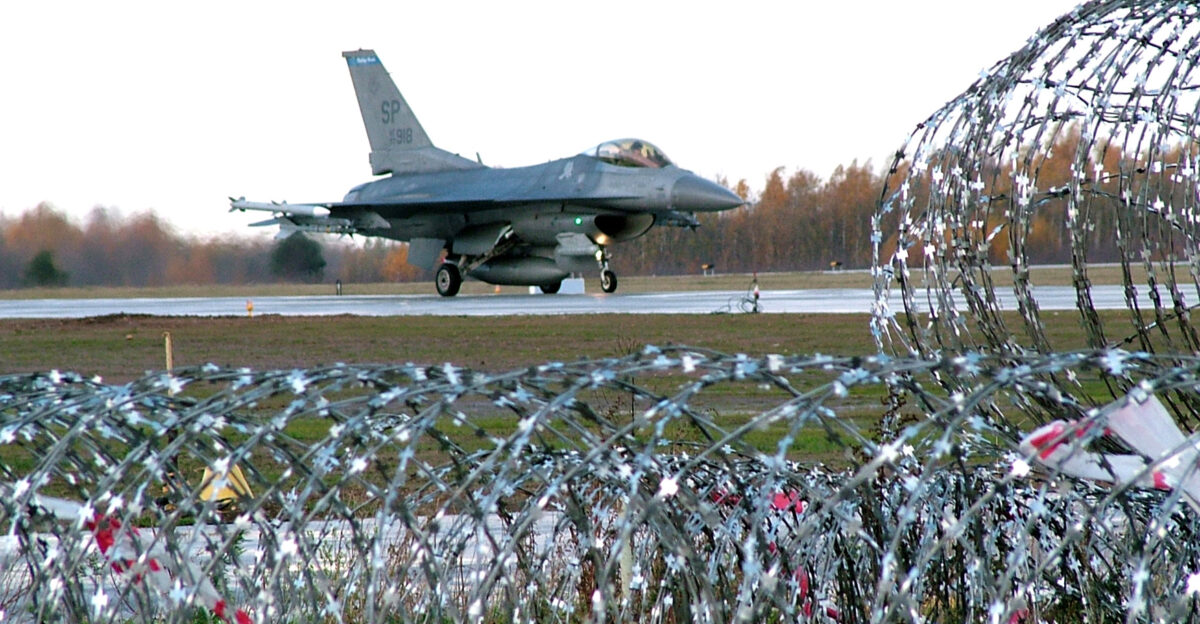
Estonia’s history is marked by repeated Russian occupations and a legacy of resistance. Since regaining independence in 1991, the country has faced a steady barrage of “gray-zone” tactics from its eastern neighbor—ranging from cyberattacks to airspace violations. The Baltic Air Policing mission, launched in 2004, remains a cornerstone of Estonia’s defense, with rotating NATO fighter jets and advanced air defense systems stationed to deter Russian incursions.
For Estonians, the threat is personal and persistent. This collective memory fuels a culture of resilience, with compulsory military service and regular civil defense drills now part of daily life.
A New Escalation: The Drone Incident
On October 17, allied forces intercepted and disabled a Russian drone just 30 miles from the Russian border, near Camp Reedo, where the U.S. Army’s 5th Squadron, 7th Cavalry Regiment is based. The base has become a focal point for NATO’s presence in the region. Soldiers used an anti-drone rifle to neutralize the aircraft after detecting two drones in the area. NATO officials responded with stern warnings, declaring that future airspace violations would be met with force.
This marked shift from deterrence to active defense signals a hardening of NATO’s posture. “We’re here to show with our physical presence that we are an alliance,” said Italian Defense Minister Guido Crosetto, whose country recently extended its deployment of troops and F-35 fighters in Estonia through spring 2026.
Military Buildup and Regional Response
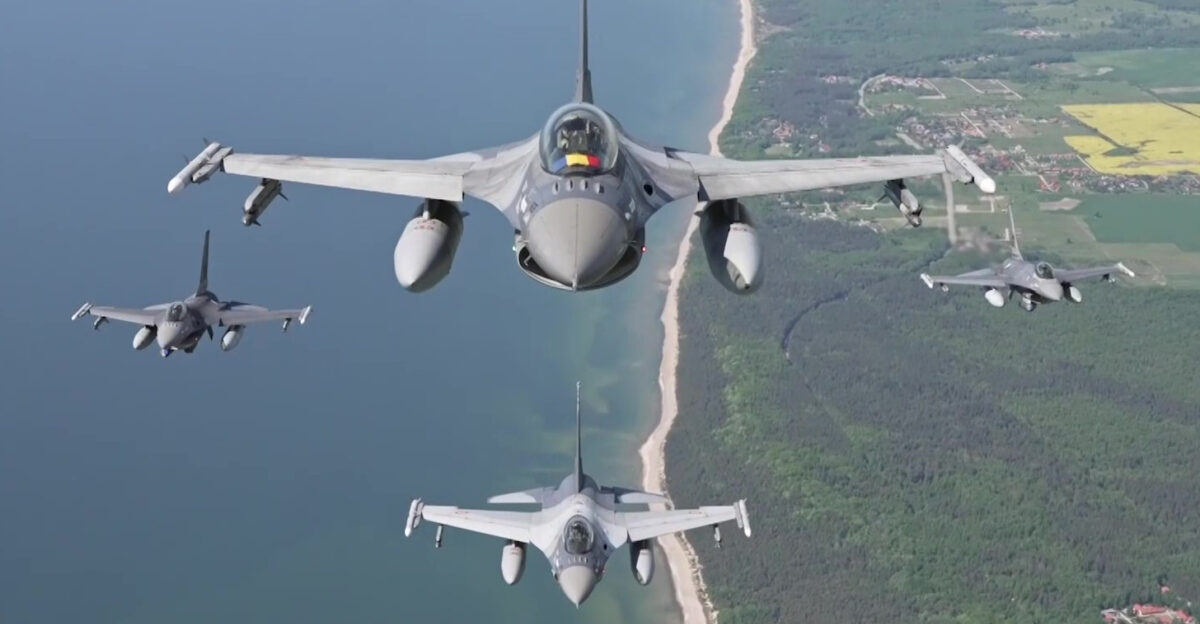
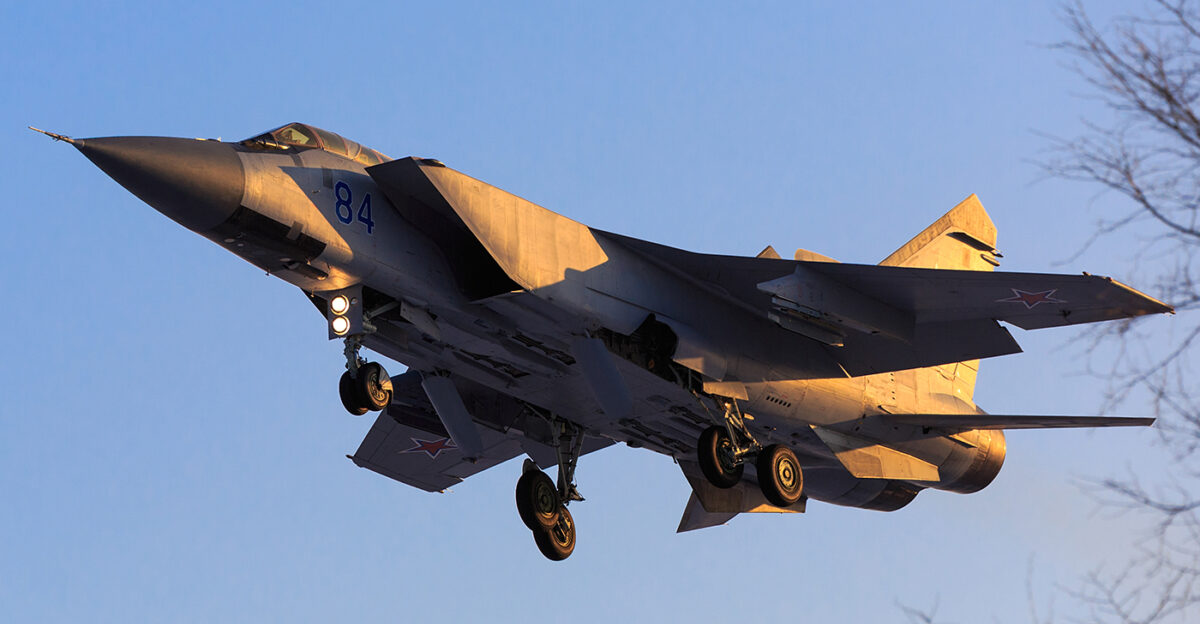
The drone incident comes amid a broader pattern of Russian provocations. Just weeks earlier, three Russian MiG-31 fighters violated Estonian airspace, prompting a rapid NATO response. In the wake of these events, Estonia has sharply increased its defense budget, planning to purchase $4.7 billion in U.S. weaponry and advanced missile systems. Defense spending is projected to reach 5.4% of GDP by 2026, far above the NATO average.
Neighboring Latvia and Lithuania have joined Estonia in ramping up joint air defense exercises and patrols, reinforcing the region’s collective security. The United States has reaffirmed its commitment to maintaining troops in Estonia, even as it reduces its presence elsewhere in Europe. “We are working to further strengthen the U.S. military presence in our region,” said Estonian Defense Minister Hanno Pevkur, underscoring the alliance’s resolve.
Global Ripples and Comparisons
Russian drone and aircraft incursions are not limited to Estonia. In early September, 19 Russian drones entered Polish airspace, with NATO forces shooting down three to four of them—marking the first time in alliance history that NATO engaged Russian assets in bloc airspace. Additional incidents have been reported in Romania, Norway, and Germany. Analysts warn that the conflict in Ukraine is spilling over into NATO territory, testing the alliance’s resources and resolve on multiple fronts.
Compared to other NATO members, Estonia’s response has been particularly robust. While countries like Germany and France are debating enhancements to Europe’s nuclear deterrence, Estonia and its Baltic neighbors are focused on immediate, conventional defense measures. This divergence reflects both the proximity of the threat and the historical memory of occupation.
Living Under the Shadow of a “Silent War”
Estonia now finds itself in what officials describe as a “silent war”—a campaign of hostile actions that stop short of open conflict but aim to destabilize and intimidate. Drone incursions, cyberattacks, and airspace violations have become routine, straining both military and civilian resources. Some officials worry about burnout and resource depletion, but others argue that resilience and readiness are essential for survival.
Public opinion is a mix of pride and apprehension. The nation’s resolve is evident, but so is its yearning for lasting peace.
Looking Ahead: Stakes and Uncertainties
As NATO fortifies its eastern flank and Russia continues its provocations, the risk of miscalculation looms large. Analysts caution that while military preparedness is vital, open lines of communication are equally important to prevent unintended escalation.
Estonia’s experience serves as a stark reminder of the fragile balance in Europe—and the high stakes for both regional security and the broader international order.