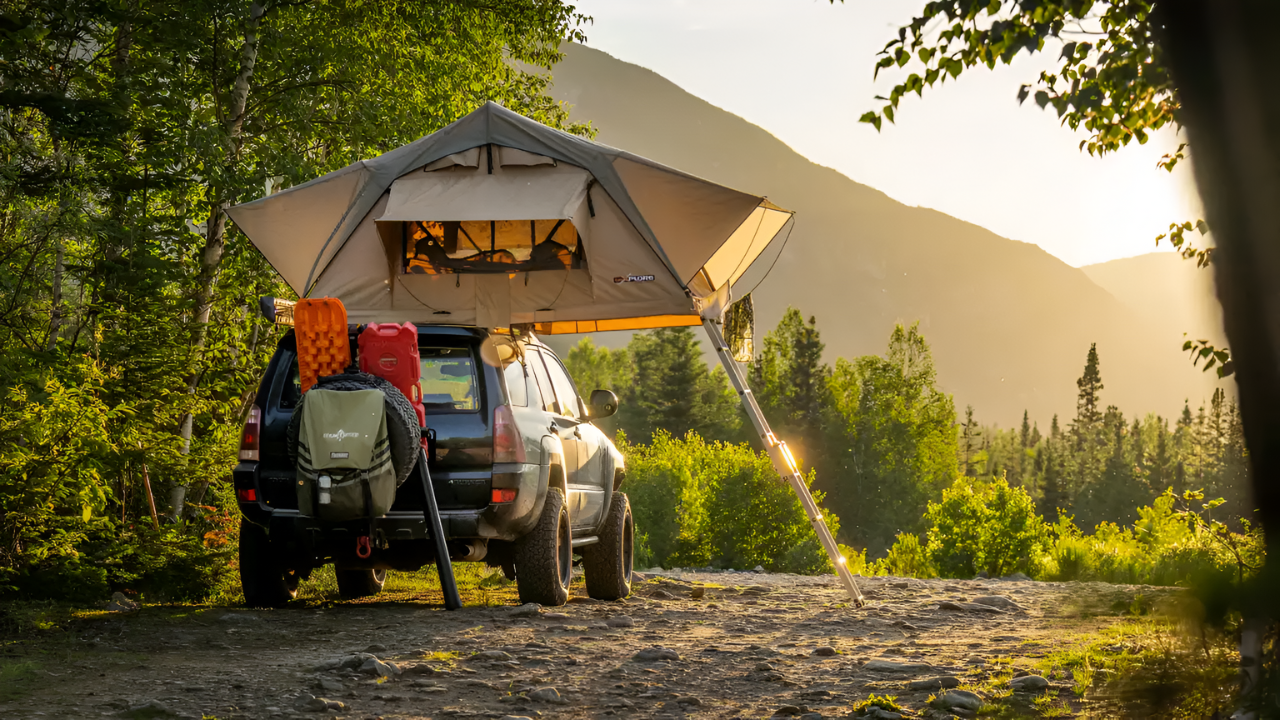
On a brisk October morning in 2025, the outdoor recreation community across Colorado and beyond was jolted by the sudden closure of 4×4 Colorado, a rooftop tent retailer based in Lakewood. The company’s abrupt shutdown left hundreds of customers in limbo, with orders frozen and refunds uncertain, sending ripples through an industry already dealing with volatile trade policies and supply chain disruptions.
Tariffs and Trade Challenges
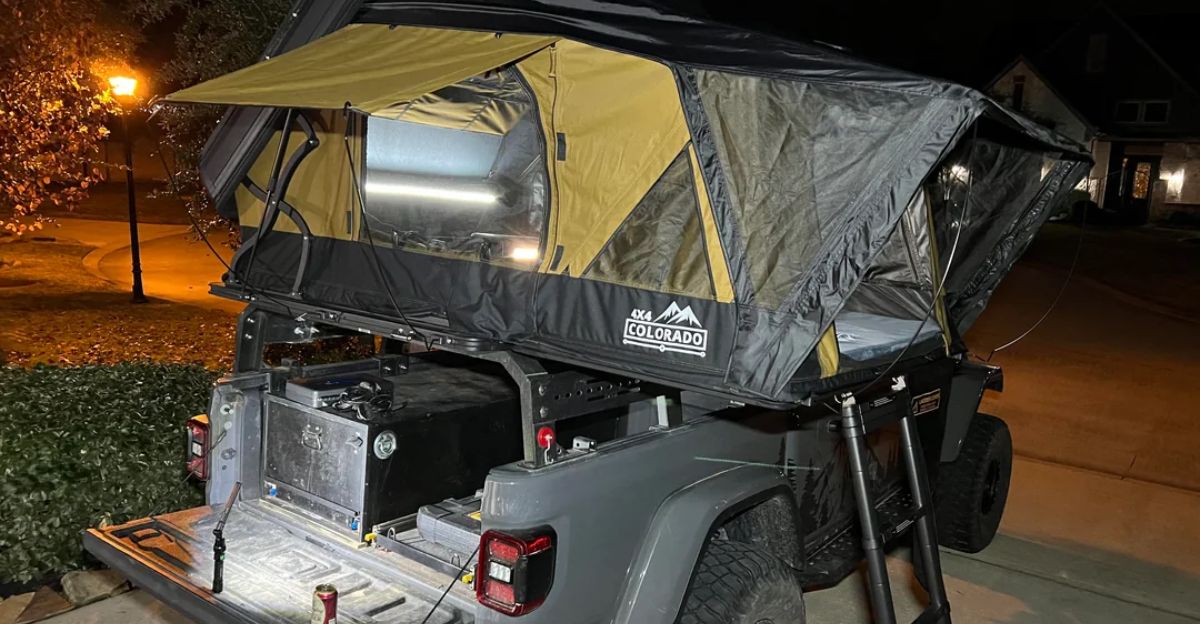
The closure of 4×4 Colorado followed increases in tariffs on imported goods, including those manufactured in China. According to the company’s Instagram statement, increased tariffs and supply chain issues were cited as primary factors in their insolvency, claiming the business could no longer absorb the additional expenses or fulfill existing orders. In October 2025, the U.S. announced 130% tariffs on China, though this came after the company had already been experiencing significant operational problems.
Industry observers note that trade policy volatility creates challenges for small and mid-sized retailers who lack the financial cushion of larger competitors. The outdoor gear sector relies heavily on Asian supply chains, and regulatory shifts can strain businesses operating on thin margins. The situation at 4×4 Colorado highlights the vulnerability of niche market players to external economic pressures, though customer complaints about unfulfilled orders dated back to 2023 and 2024, well before recent tariff announcements.
Customers and Community in Crisis
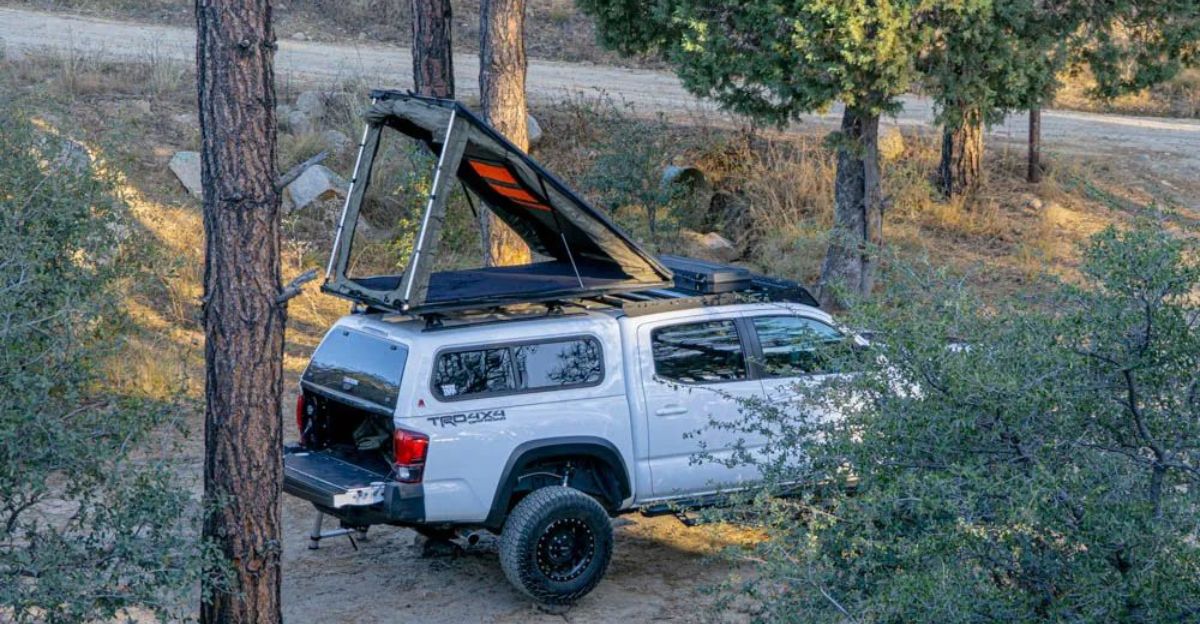
The fallout from the closure was immediate and widespread. 4×4 Colorado’s showroom, located near Lakewood’s Casa Bonita, had become a hub for overlanding and camping enthusiasts in the region. Now, its doors are locked and the website is offline, leaving customers searching for answers. Multiple customers have reported losses of several thousand dollars each for products they ordered but never received. Jason Padilla, a Fresno resident who paid $3,100 for a rooftop tent in May, voiced his frustration: “I expected my rooftop tent by now, but there’s only silence.” Other customers from Washington reported paying over $3,000 without any clarity on refunds.
The company claimed in its Instagram statement to have refunded over $500,000 to customers, though complaints continue to surface from across the western United States. The Better Business Bureau downgraded 4×4 Colorado’s rating to an F, and social media is filled with stories of lost deposits and unanswered calls. For many, the collapse became more than a financial blow—it was a breach of trust within the community.
Shifting Market Dynamics
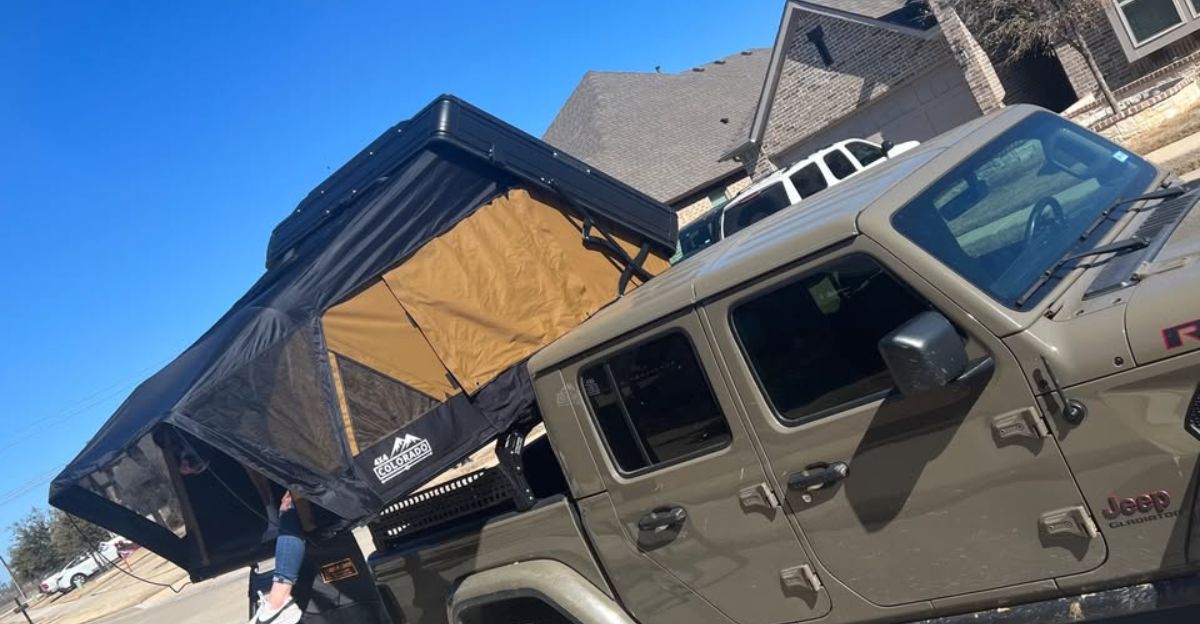
With 4×4 Colorado’s departure from the market, the competitive landscape for rooftop tents in Colorado changed. As displaced customers searched for alternatives, remaining suppliers faced increased demand. Online forums described challenges in the rooftop tent market as multiple smaller companies struggled with similar pressures. Industry consolidation has been occurring as tariffs and supply chain disruptions reshape the outdoor gear sector, often favoring larger players with more resources.
The Human Toll
Beyond the numbers, the closure of 4×4 Colorado had a significant impact on its employees and their families. Staff in Lakewood found themselves suddenly out of work, with little warning. “It’s not just about losing a job,” said one former employee. “We were a family here. Now we’re all scrambling to figure out what’s next.”
Looking Ahead: Policy and Consumer Trust
The closure of 4×4 Colorado has prompted discussion among industry advocates about the future of trade policy and small business protections. Some have called for more flexible policies to help local businesses manage regulatory changes.
For consumers, the episode raised questions about trust and reliability within the outdoor gear market. Many are now more cautious, seeking out brands offering clear communication and strong customer service. As the industry adapts, businesses that prioritize transparency and resilience may be best positioned to rebuild confidence in the market.
The situation of 4×4 Colorado stands as a cautionary example of how shifts in the global economy can affect local businesses and the communities they serve.