In 1958, Del and Helen Johnson established the first steakhouse chain in America, Sizzler, in Culver City, California. Sizzler had over 700 locations nationwide at its height, but as of June 27, 2025, there were only 74 locations in the United States due to an astounding 89.4% reduction and the closure of over 625 restaurants.
This significant decline demonstrates the erratic development of the casual dining industry as well as the chain’s difficulty adjusting to changing customer tastes, financial constraints, and competitive dynamics. Sizzler has demonstrated resilience despite declaring bankruptcy twice, in 1996 and 2000. Continued remodeling efforts have increased sales by up to 100%, indicating that even though it is significantly reduced, a turnaround is still feasible.
Origins and Historical Significance
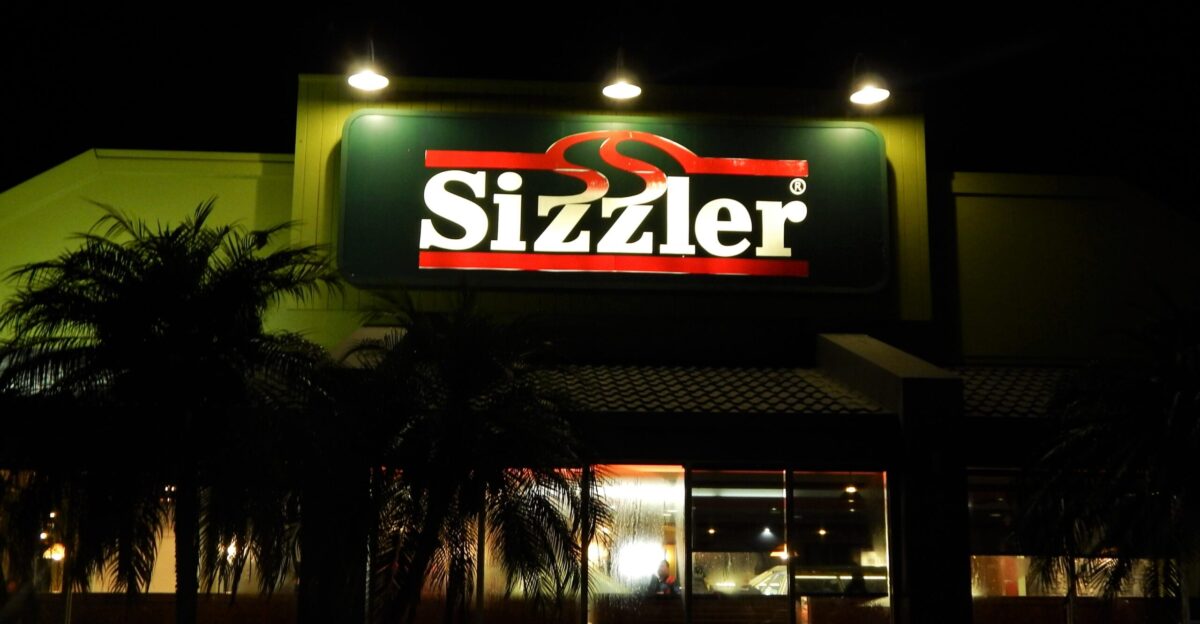
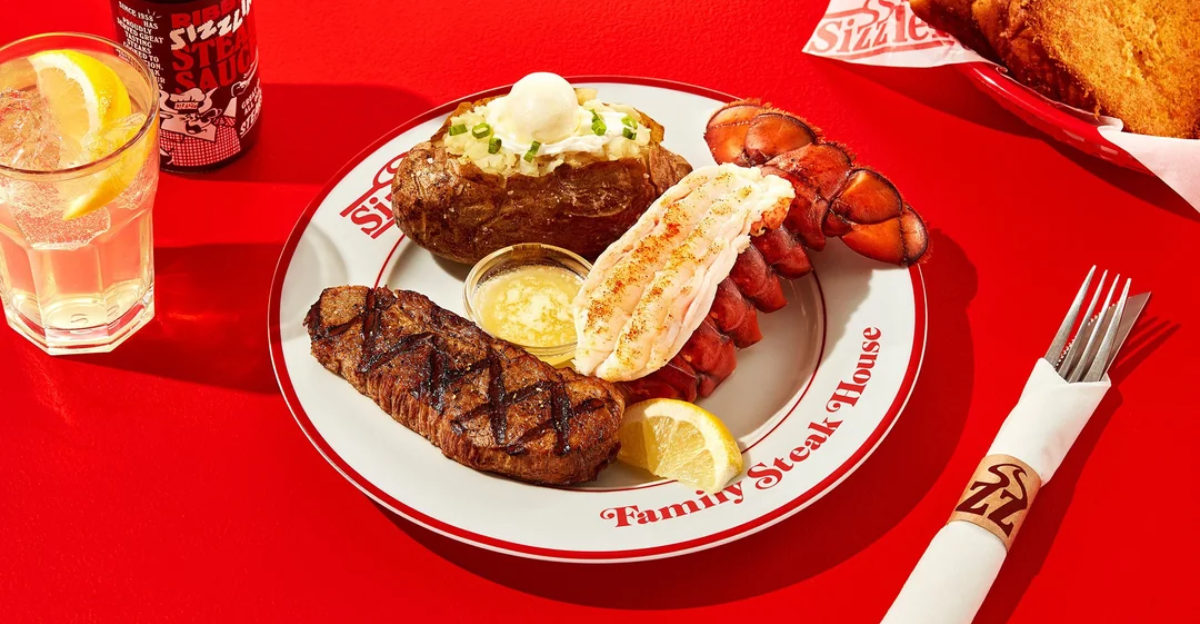
In 1958, Sizzler started its 67-year survival journey by inventing the all-you-can-eat steakhouse concept with its famous salad bar and reasonably priced steak dinners. The post-war economic boom and the growth of the American middle class were profitable for the founders.
At its height, Sizzler was a cultural icon that attracted families from all over the country for a laid-back dining experience that combined seafood, steak, and a unique buffet. The brand’s early inventions, such as the now-famous thick New England clam chowder, influenced the American steakhouse scene even though it faced intense competition in later decades.
Growing Rivalry and Changes in the Market
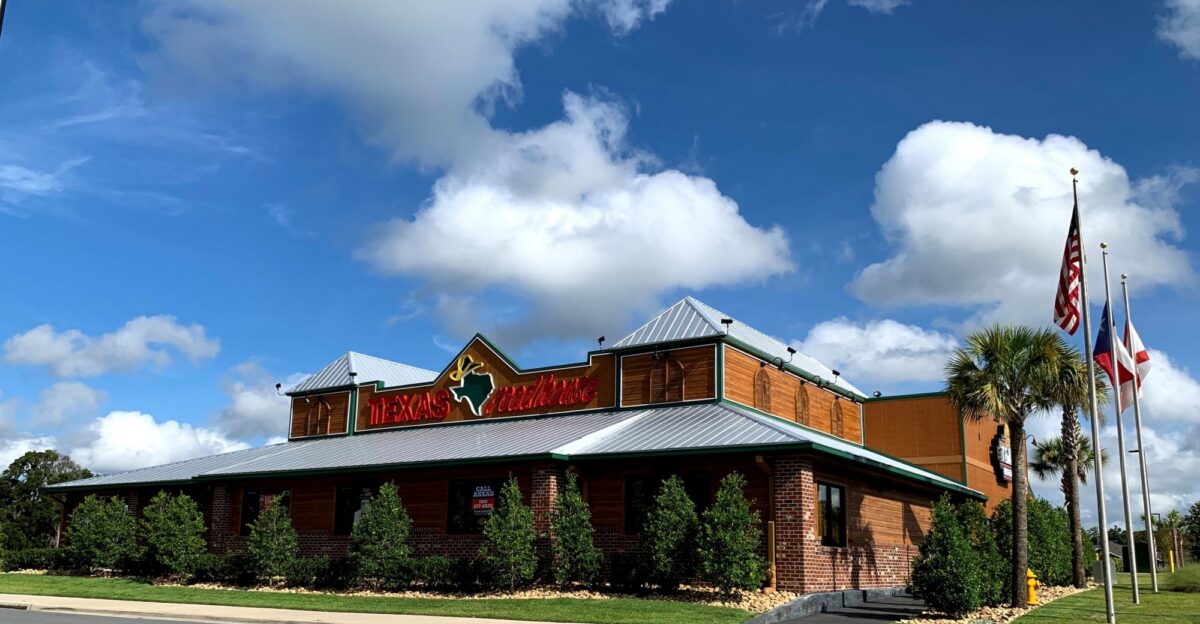
Trendier, experience-focused dining was introduced in the 1990s with the rise of rivals like Texas Roadhouse and Outback Steakhouse. The popularity of Sizzler’s famous buffet started to decline as consumer preferences changed in favor of more varied, sustainable, and healthful options.
Additionally, Sizzler found it difficult to keep up with the growth of fast-casual and delivery apps, which eroded traditional full-service dining. While rivals quickly adjusted with new formats and branded experiences, the company’s slow reaction to these trends contributed to its quick decline and location closures.
Operational and Financial Difficulties

Two Chapter 11 bankruptcies in 1996 and 2000 serve as examples of Sizzler’s financial difficulties, which were recently made worse by the COVID-19 pandemic’s effects on indoor dining regulations and rent disputes. Due to significant revenue losses, the chain closed locations that were unable to turn a profit.
An estimated $350 million to $525 million in lost value results from each closure, with an average real estate loss of between $500,000 and $750,000. Legacy lease agreements, growing labor costs, and operational inefficiencies further reduced margins, requiring ongoing closures and strategic reevaluation.
Impact on the Workforce and Layoffs
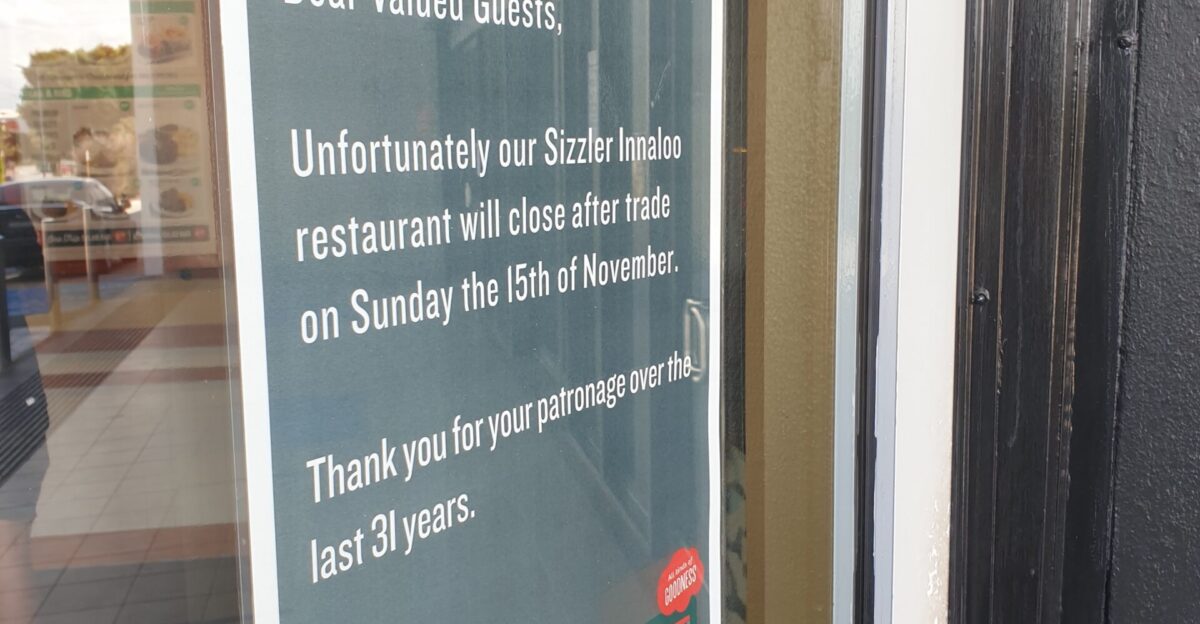
Since each restaurant employs between 24 and 30 people, the closure of more than 625 locations probably resulted in the loss of 15,000 to 18,750 jobs nationwide. In addition to negatively affecting individual livelihoods, this widespread layoff also damages local economies in areas where Sizzler restaurants served as hubs for the community.
Displaced workers struggle with skill transfer and reemployment due to the industry’s historically high turnover and relatively low wages, highlighting the human cost that goes beyond simple financial loss.
Consumer Preferences and Behavior
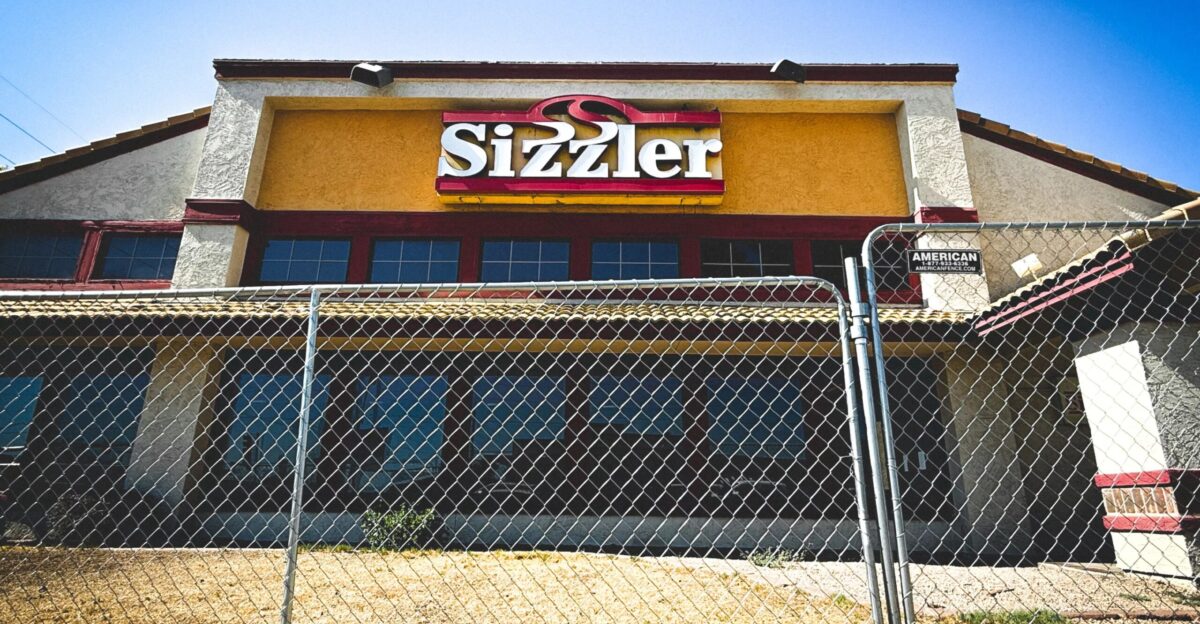
Convenience-focused dining and health-conscious, sustainable menus are becoming more popular among modern diners, who are also becoming more interested in plant-based and vegetarian cuisine. The all-you-can-eat buffet model used by Sizzler in the past deviates from these modern standards.
Legacy steakhouse formats are under tremendous pressure as a result of post-pandemic behavioral changes that have accelerated takeout and delivery trends while decreasing interest in extended dine-in experiences. Sizzler must now rethink its product line or face extinction as a result of the shift.
Strategic Realignments and Brand Revival Initiatives
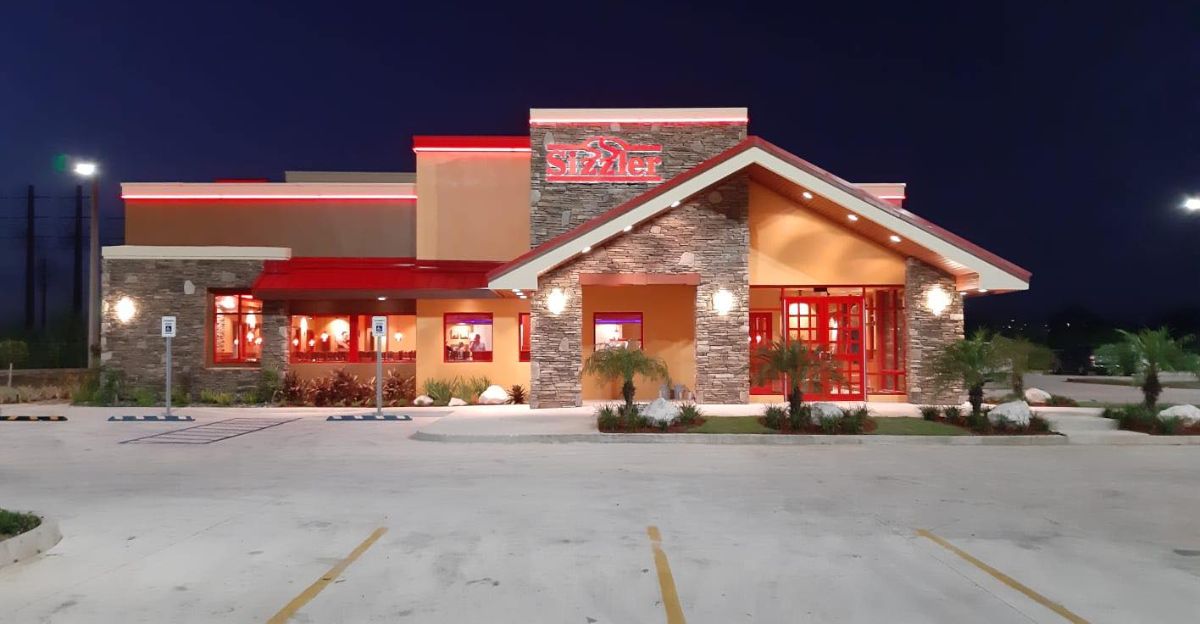
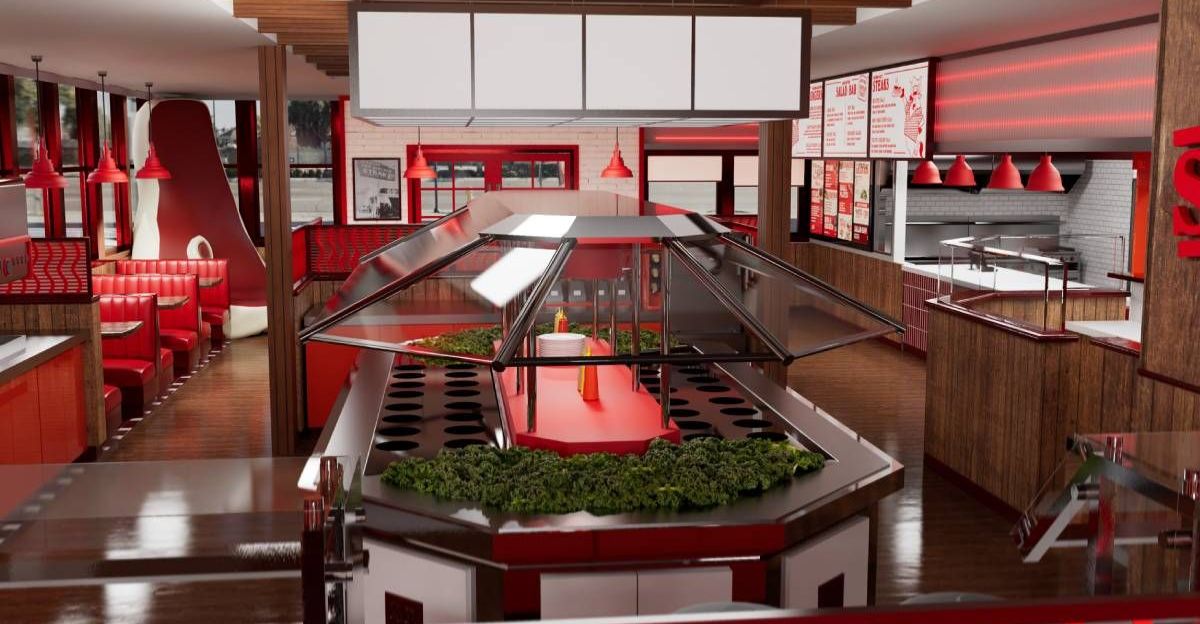
With 41 years of combined experience, CEO Chris Perkins and Chief Growth Officer Robert Clark have been leading Sizzler’s revitalization efforts since 2019. Over the past two years, nine stores that have undergone renovations have seen an average increase in sales of 47%, with one location seeing a 100% increase.
Modernizing ambiance, updating menus, and increasing operational efficiency are the main goals of these remodeling projects. These innovations are being tested in California, where 68% of the remaining stores are located, possibly creating a model for a wider revival.
Wider Industry Consequences
Sizzler’s nearly 90% decline reflects the difficulties encountered by other established casual dining companies that are unable to adapt to shifting consumer demands. In a market dominated by convenience and experience-driven rivals, the closures highlight the growing vulnerability of physical dining models.
Consolidation is encouraged by this trend, but it also indicates opportunities for agile, specialized ideas. The industry must strike a balance between innovation and tradition or face widespread contraction that would negatively impact employment and the vitality of the community.
Historical Similarities and Teachings
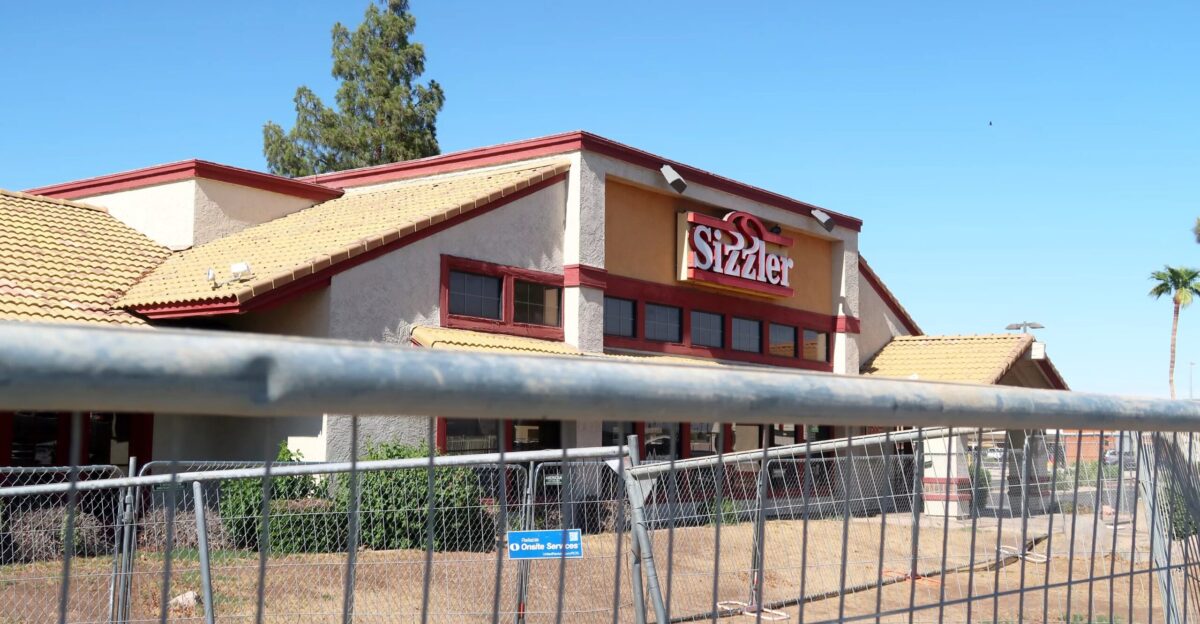
Similar to post-industrial sector declines, where once-dominant firms suffer agonizing contractions, Sizzler’s history reflects broader economic shifts in the United States. However, Sizzler’s ability to persevere in the face of two bankruptcies and the unprecedented pandemic crisis demonstrates resilience.
A deliberate retreat to core markets in order to maximize strength is reflected in the concentration of remaining stores in California. Lessons in utilizing legacy while making decisive adjustments are exemplified by the company’s ongoing transformation initiatives.
Data-Driven Perspectives on Closure Trends
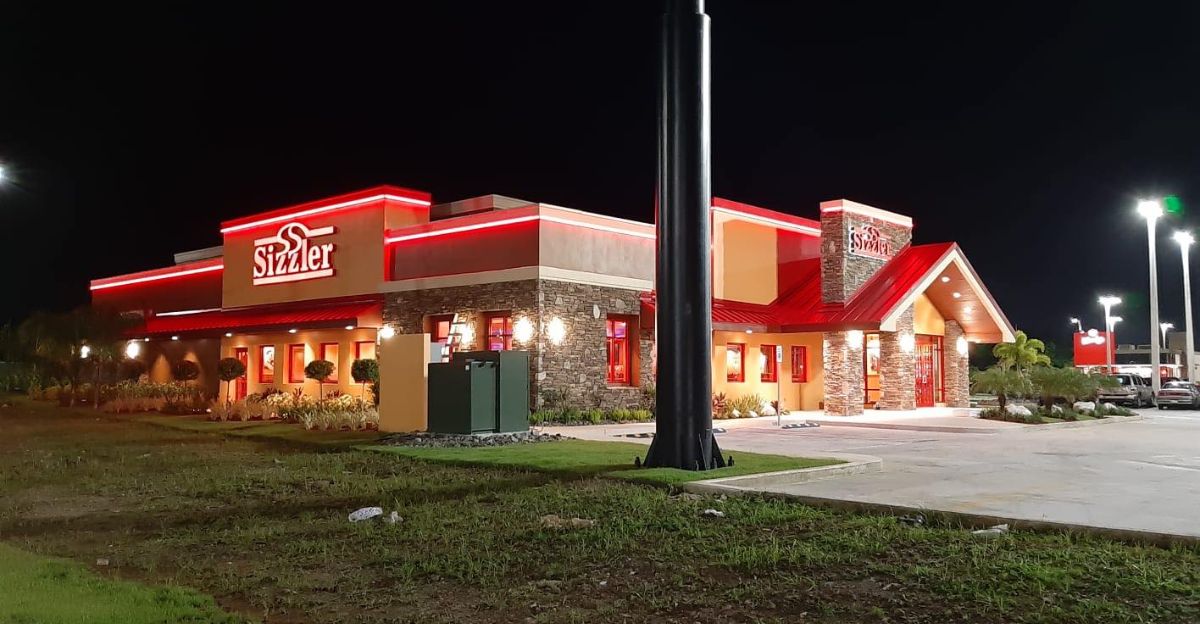
Analysis shows that underperforming locations outside of urban growth corridors were disproportionately affected by closures. The chain’s geographic retrenchment is highlighted by the closing of all Australian stores by 2020 and the closing of the final Florida location close to Disney World.
50 of the 74 remaining stores are concentrated in California, indicating a purposeful focus on market strongholds. A clear sign of the brand’s diminished scale is the estimated $1.25 billion in lost cumulative revenue across the closed locations, according to financial models.
Issues with Employee Retraining and Displacement

Retraining for the hospitality industry is still challenging because of specialized skills and low pay, despite thousands of workers losing their jobs. Long-term unemployment is a risk because economic support programs for displaced restaurant employees are frequently inadequate or dispersed.
Additionally, remaining jobs are at risk due to industry-wide automation trends. In a changing economic environment, workforce transition support initiatives must strike a balance between immediate relief and long-term skill development.
Effects on Communities and Workers’ Mental Health

Beyond financial concerns, restaurant closures cause stress and uncertainty by upsetting personal identity and community cohesion. In the past, sizzler locations were social hubs, particularly for middle-class families. Both displaced employees and customers experience psychological repercussions from the loss.
In order to address these less obvious but crucial effects, effective recovery strategies must incorporate both business revitalization and mental health support.
Future Industry Models and Innovation
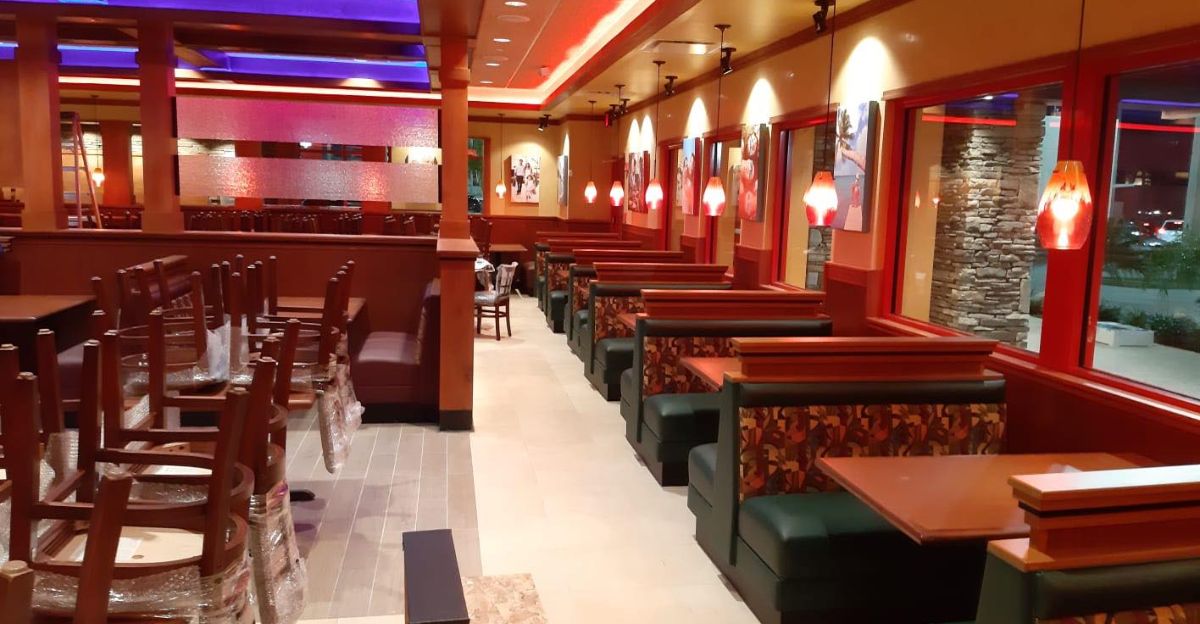
Sizzler’s experience emphasizes how important it is to incorporate hybrid dining models, which combine delivery, takeout, dine-in, and tech-enabled customization. Local sourcing and sustainability can increase relevance to contemporary consumers.
Remodeled locations’ success demonstrates that, with the right investment and strategic commitment, legacy brands can innovate quickly. In the face of growing competition, this could completely change the landscape of casual dining.
The Cultural and Global Context
Global trends emphasizing sustainability and ethical consumption are reflected in the chain’s international retreats, including the closure of its final Australian location in 2020. Sizzler’s strong American heritage now stands in stark contrast to the growing global food culture that demands environmental awareness.
The brand’s shrinkage and concentrated presence in the United States represent the conflict between tradition and modern ideals influencing the future of the food industry.
In Conclusion
In the face of unrelenting industry change, Sizzler’s story is one of ascent, resiliency, and reinvention. The significant difficulties facing American casual dining are highlighted by its 89.4% contraction, 625+ closures, and widespread layoffs. However, the leadership’s dedication to change and the successes of remodeling provide a model for revival. Sizzler’s journey highlights the human, economic, and cultural stakes involved in this transformation and reveals basic truths about legacy business survival in volatile markets: adapt or dwindle.
“Our current leadership is much more focused on hey, let’s take the best of Sizzler and let’s make it even better,” as Chief Growth Officer Robert Clark succinctly puts it. The brand’s position in the American culinary fabric may still be preserved by this harmony of innovation and history.