
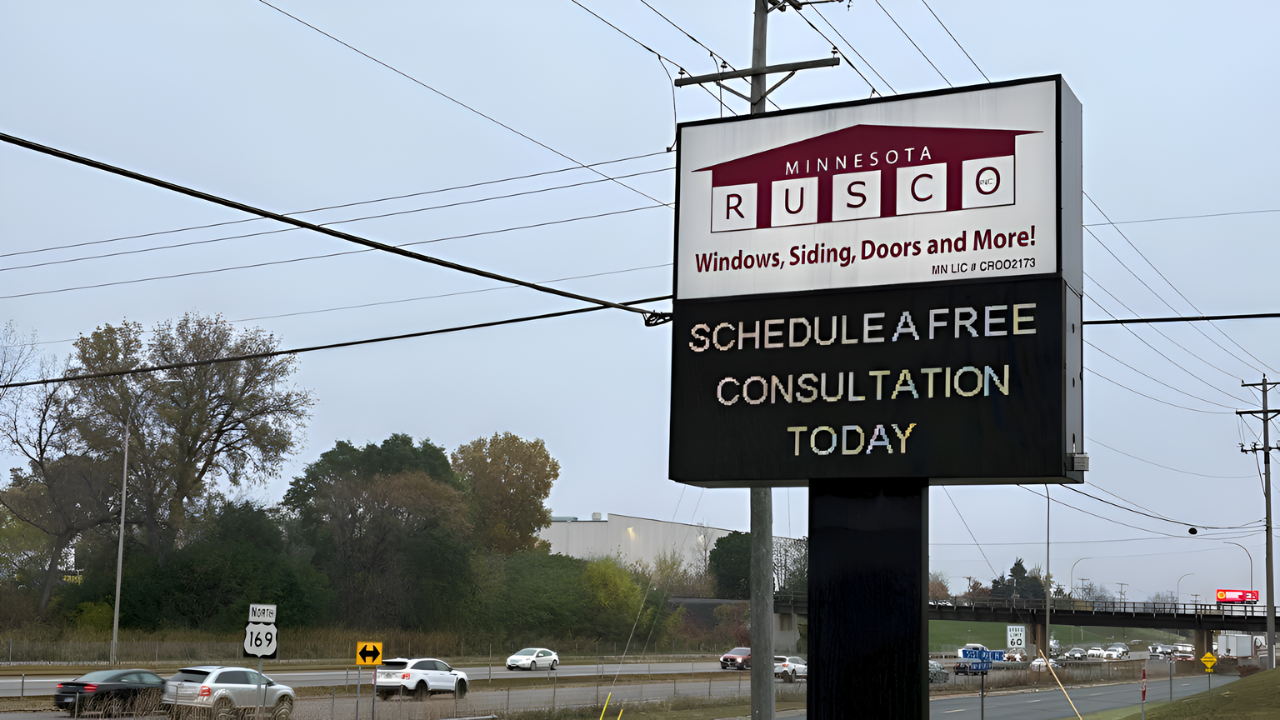
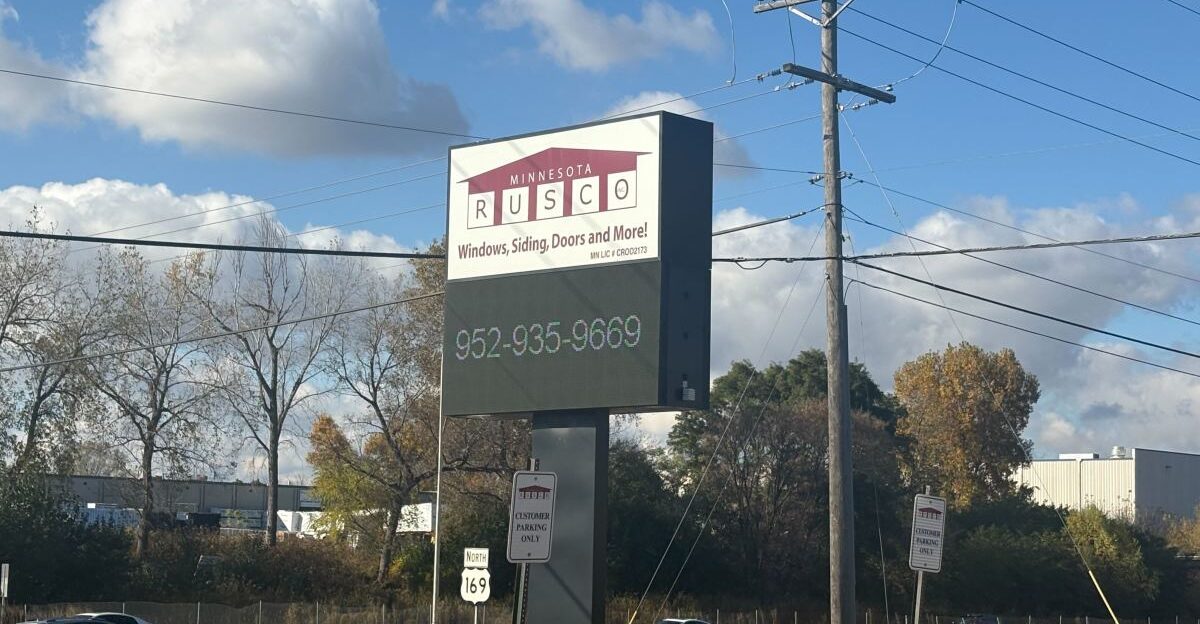
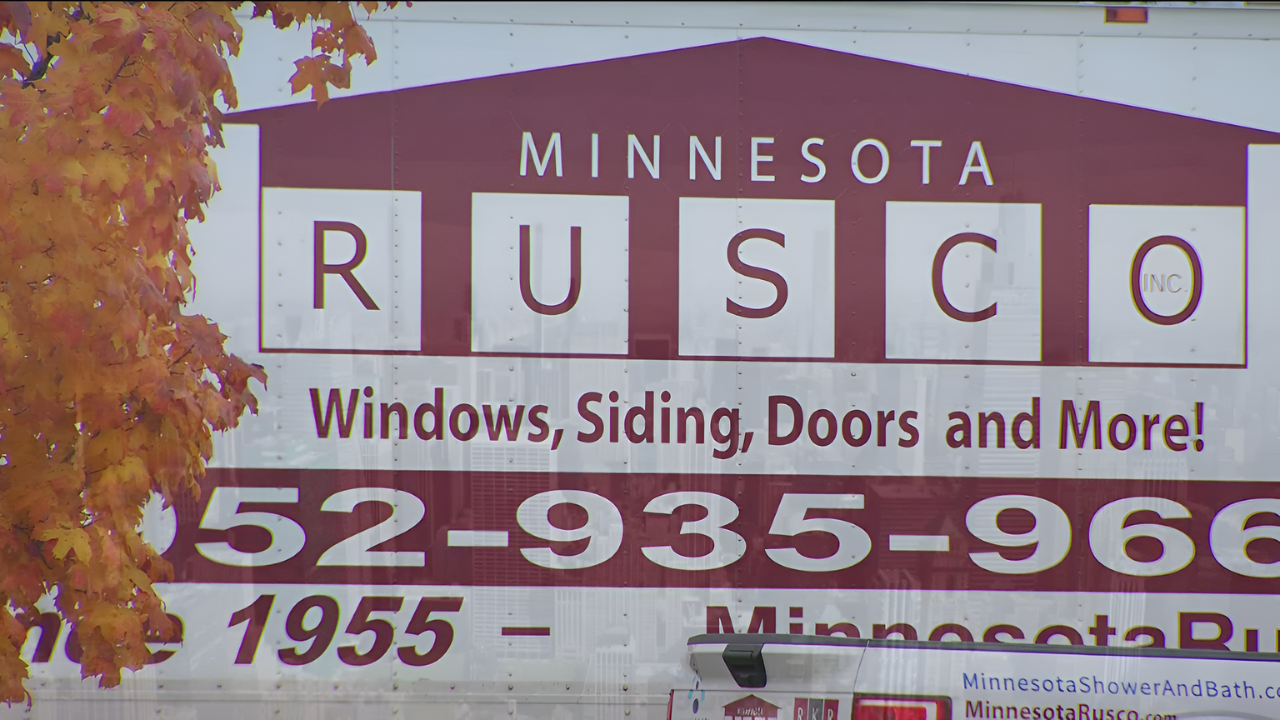
On October 28, 2025, Minnesota Rusco abruptly shuttered its New Hope headquarters, leaving customers mid-project and employees jobless. The 70-year-old home remodeling icon, famous for its “since 1955” jingle, vanished overnight with no bankruptcy filing or advance warning.
Workers arrived at locked doors and deleted social media accounts, while homeowners discovered their contractors had ghosted them.
Customers Left Holding Empty Contracts

Jeremy Frahm of Mora lost nearly $48,000 on window installations that never began. Hundreds of customers across Minnesota found themselves in similar predicaments, with deposits paid and projects abandoned.
As a result, the Better Business Bureau reported a surge in complaints from homeowners who were stranded and seeking recourse. The company’s disappearance left an estimated $15 million in unfinished work.
Workers Sent Home Without Warning
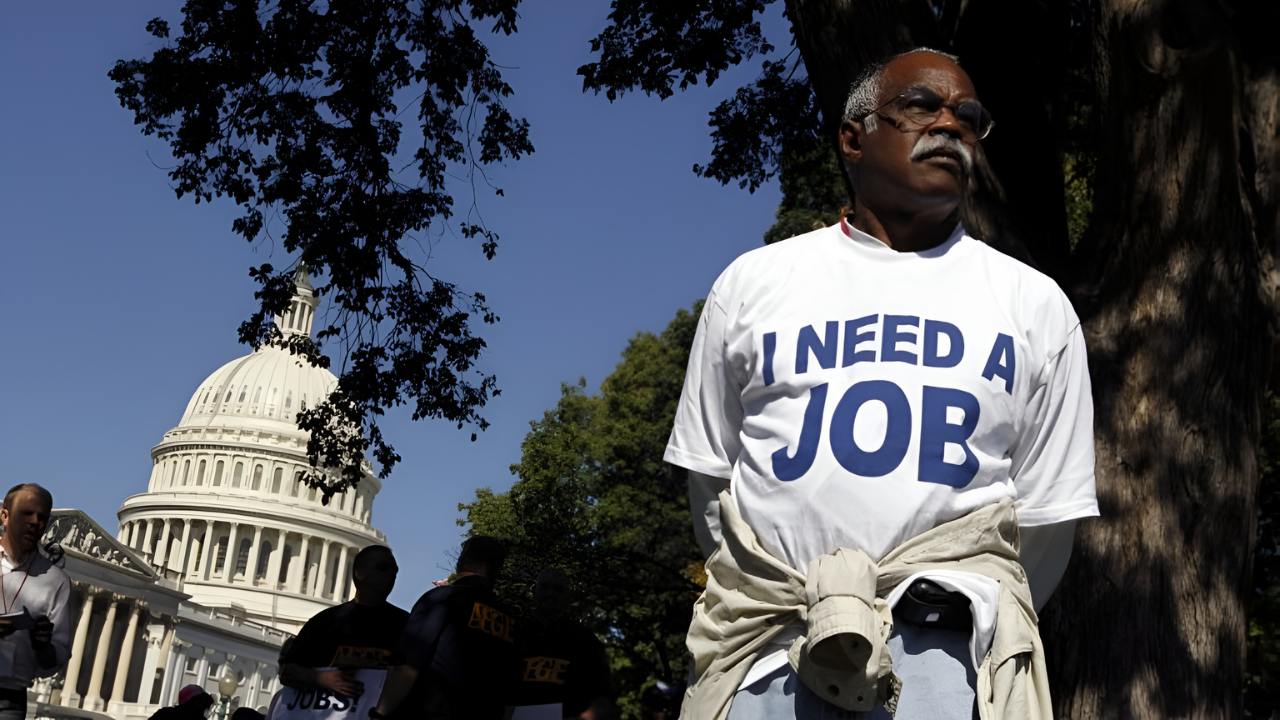
“They said, ‘Clean out your desk. We’re closing our doors,” recalled one blindsided employee. Between 100 and 300 workers received termination notices on October 28, with health insurance set to expire within three days.
This triggered immediate financial hardship for families who had dedicated years to the company. Some sales staff scrambled to contact competitors for guidance and support.
A Legacy Built Since 1955
Minnesota Rusco had operated continuously since its founding in 1955, becoming a household name through persistent television advertising. The company’s catchy jingle—”We’re Minnesota Rusco, since 1955″—embedded itself in Minnesota’s collective memory through decades of commercials and State Fair appearances.
This longevity made the sudden collapse particularly shocking to the community, which had trusted the brand for generations.
The Pivotal Moment
Renovo Home Partners, Minnesota Rusco’s Dallas-based parent company, orchestrated the shutdown across all its subsidiaries on October 28, 2025. As of October 30, no official bankruptcy petition had been filed, and no WARN notice had protected workers.
The closure affected not just Minnesota Rusco but also Dreamstyle Remodeling, Alure Home Improvements, NEWPRO, Reborn Cabinets, Remodel USA, and Woodbridge Home Solutions nationwide. BlackRock TCP Capital Corp., which owned Renovo, had placed the company on “non-accrual” status in late 2024 due to declining performance.
Financial Devastation Spreads Statewide

The human toll mounted rapidly as contractors reported being owed $20,000 or more for completed work. Customers like the Frahms had spent years saving for home improvements, only to watch their investments evaporate.
This triggered a wave of financial panic across Minnesota communities. Vendors and suppliers who had delivered materials to Minnesota Rusco also faced substantial unpaid invoices.
Former Owners Express Outrage
Jay Deems, who owned Minnesota Rusco for nearly 20 years before selling to Renovo in 2022, expressed his disgust publicly. “It sickens me that a firm that manages over $3 trillion in assets would put their employees on the streets without any notice and is cancelling their insurance in three days with no chance for COBRA,” Deems stated.
His family had built the business with care and integrity, values he felt BlackRock completely disregarded.
Competitor Steps Forward

TWS Remodeling’s owner offered to honor Minnesota Rusco contracts at a 50% discount to restore community trust. “If you bring me a contract or you put a down payment down, I’m gonna take 50% off of the contract you did with them. We’re gonna do that as goodwill,” the company representative announced.
They aimed to address the $15 million backlog of abandoned projects across the state of Minnesota. The gesture provided hope to some stranded customers, though thousands remained in limbo.
The Private Equity Roll-Up Unravels
Audax Private Equity created Renovo Home Partners in 2021 by acquiring Dreamstyle Remodeling, Alure Home Improvements, and Remodel USA. The strategy involved consolidating regional brands into a national platform to achieve economies of scale.
However, Audax exited its ownership in 2024, leaving BlackRock TCP Capital Corp. holding a deteriorating asset. The roll-up strategy, common in home services, proved difficult to execute amid rising costs and market softening.
BlackRock’s Investment Collapses

BlackRock TCP Capital Corp. reported in late 2024 that Renovo’s performance had declined significantly, citing integration challenges and deferred homeowner spending due to inflation. By the second quarter of 2025, BlackRock had removed Renovo from non-accrual status, suggesting temporary improvement.
However, the company was re-added to the non-accrual list in August 2025, before the complete shutdown in October. The collapse marked a stark failure of the private equity model in home remodeling.
Voices From the Wreckage
Vince Nardo, former CEO of Reborn Cabinets, mourned the loss of his father’s 42-year legacy. “Reborn Cabinets wasn’t just a business—it was a family. The shutdown of Renovo Home Partners has left thousands of employees, customers, and vendors suddenly affected, and my heart breaks for everyone touched by this,” Nardo wrote.
His company had been family-owned since 1983, before the Renovo acquisition in 2022. The emotional weight of watching generations of work vanish overnight was devastating to former owners.
A Trail of Corporate Ownership
Minnesota Rusco was acquired by Renovo in 2022, becoming the seventh company in the portfolio. Audax Private Equity initially backed Renovo with ambitious expansion plans.
When Audax exited in 2024, BlackRock TCP Capital Corp. inherited a struggling conglomerate. This ownership shuffle left local managers powerless to prevent the eventual shutdown.
Recovery Attempts Begin
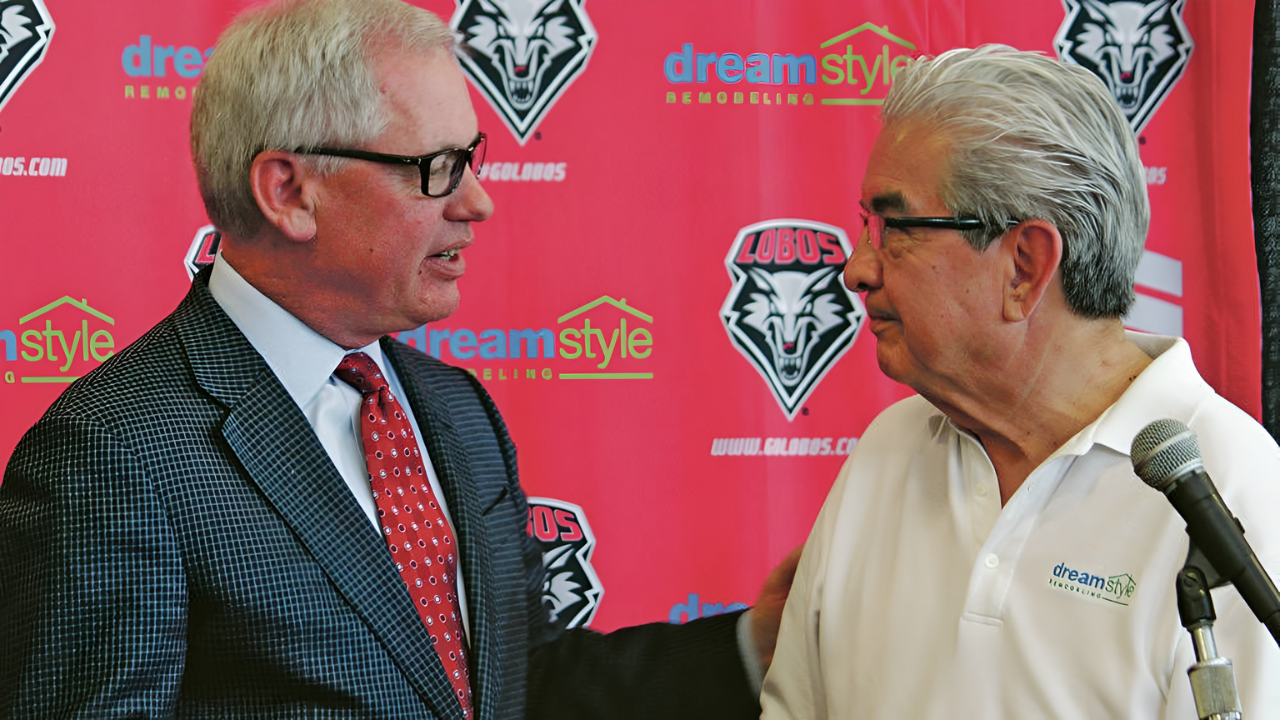
Larry Chavez, founder of Dreamstyle Remodeling, announced intentions to reacquire assets and rebuild the Albuquerque-based operation. Local contractors in Minnesota stepped forward to help complete abandoned projects where possible. These individual efforts, while commendable, could only address a fraction of the widespread damage.
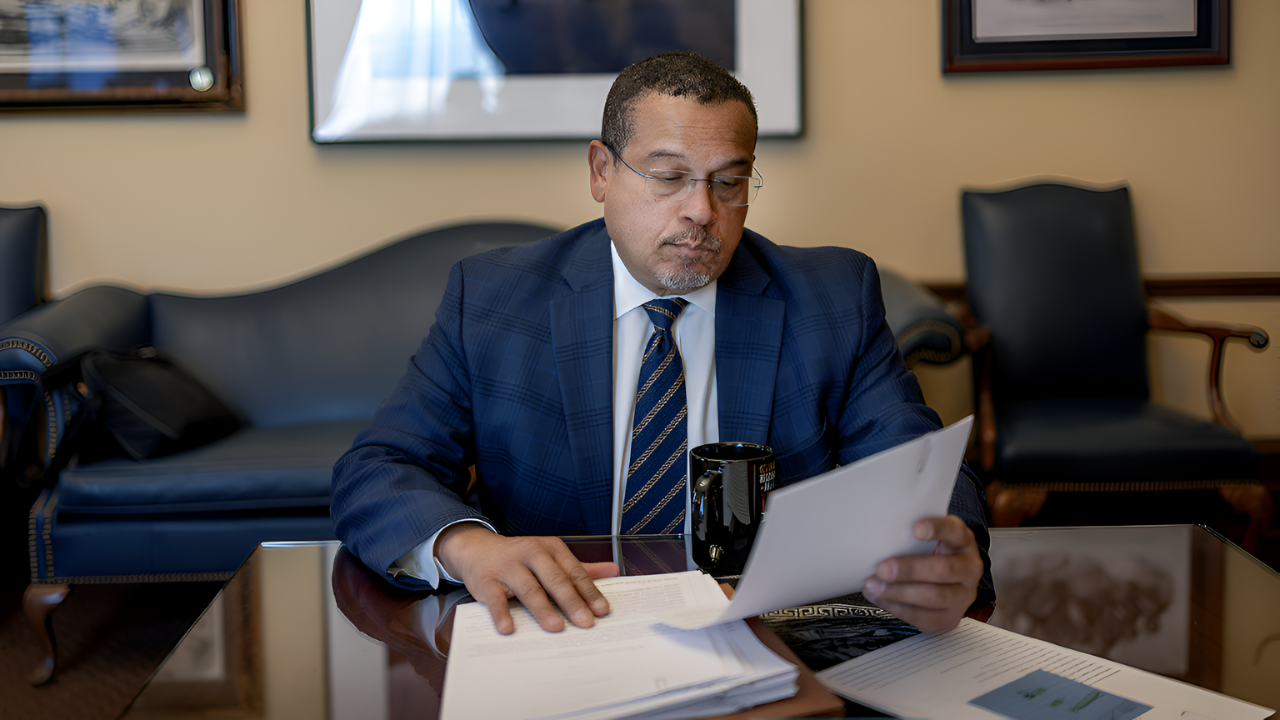
Meanwhile, Attorney General Keith Ellison’s office is prepared to assist affected Minnesotans.
Industry Experts Sound Warnings
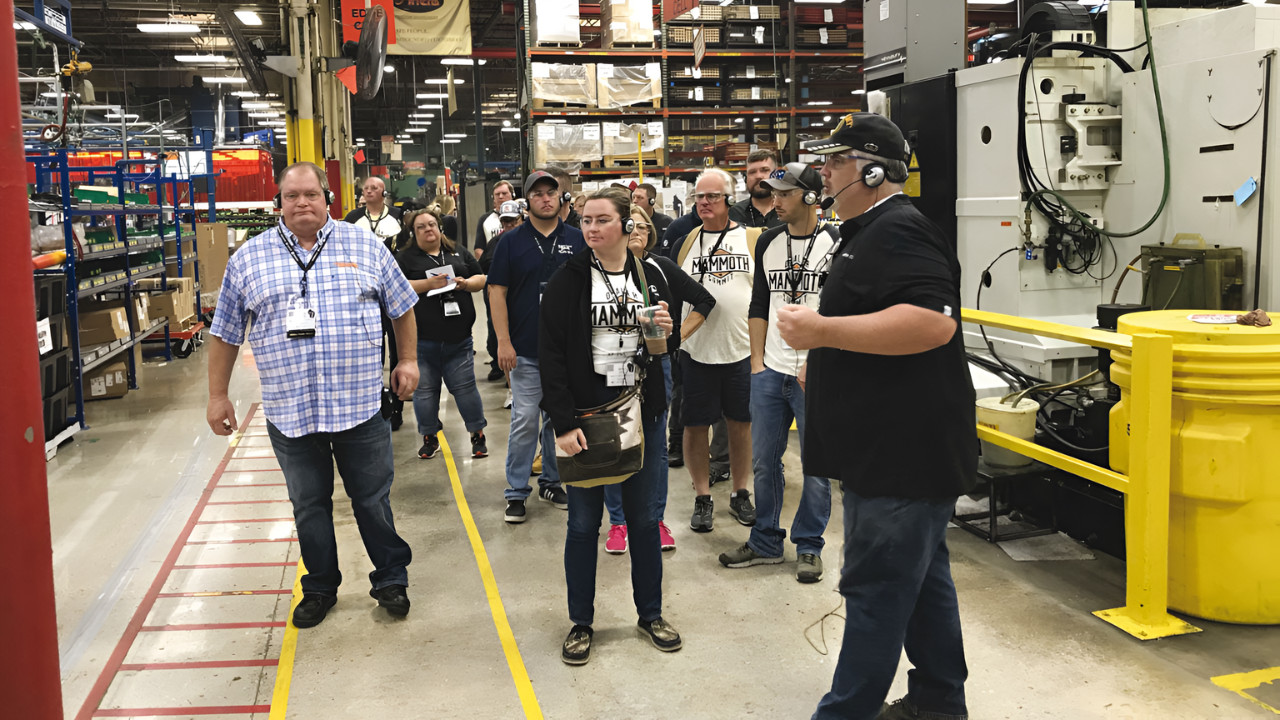
Industry analysts identified the Renovo collapse as a cautionary tale about private-equity-driven consolidation in skilled trades. Integrating diverse regional brands proved to be far more complex than financial models had predicted.
“This is what happens when leadership loses sight of what matters most…and when money and a spreadsheet become the only focus,” Vince Nardo observed. Skepticism grew about whether similar roll-up strategies could succeed in fragmented service industries.
Legal Gray Areas Emerge
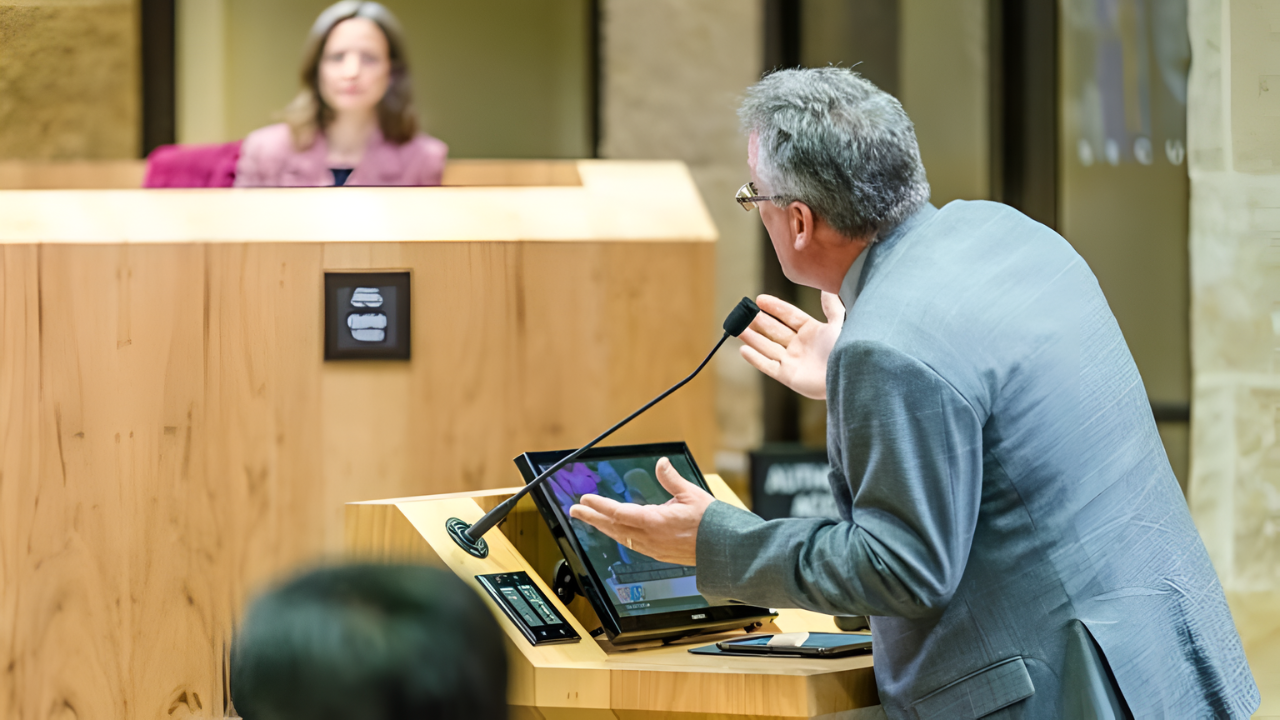
Without a formal bankruptcy filing, customers and vendors faced uncertainty about recovering losses. Minnesota’s Contractor Recovery Fund offered potential compensation of up to $100,000 per claim for licensed contractor misconduct, but required prior civil judgments.
The lack of a WARN notice, typically required for mass layoffs, drew scrutiny from labor advocates. State and federal courts braced for potential litigation waves.
Calls for Stronger Protections

The absence of advance notice prompted demands for enhanced safeguards for workers and consumers. Minnesota Attorney General Keith Ellison encouraged affected parties to dispute credit card charges and preserve documentation.
Department of Labor officials called the situation a “blatant violation” if reports proved accurate. Policymakers began examining gaps in existing regulations that failed to protect stakeholders.
National Effects
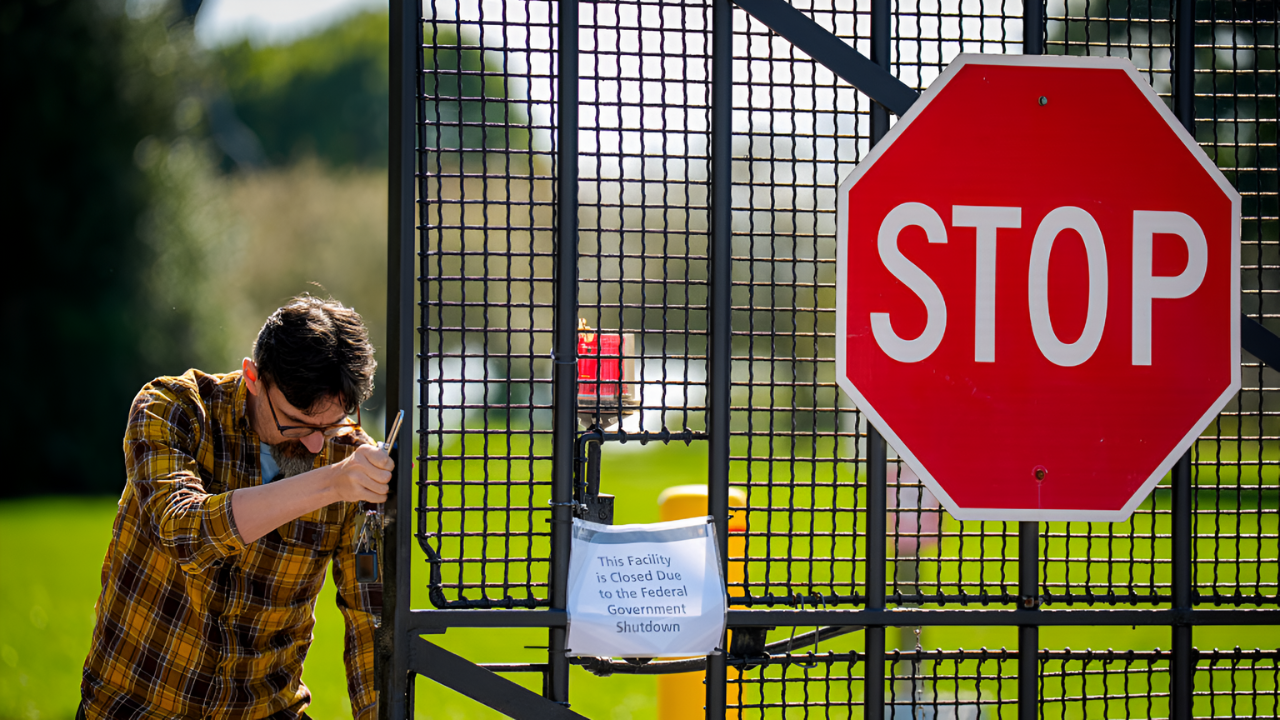
Renovo’s shutdown affected thousands across multiple states, from California’s Reborn Cabinets to New York’s Alure Home Improvements. Massachusetts-based NEWPRO employees discovered their termination when they arrived at empty offices.
The collapse left approximately 2,500-2,695 employees jobless nationwide and countless homes with unfinished projects. This highlighted systemic risks in the national consolidation of local home services.
Customers Gather Evidence

Homeowners began collecting contracts, receipts, and payment records to support potential legal claims. Those who financed projects through credit cards were advised to file disputes immediately.
Banks and lenders faced thousands of loan inquiries from customers seeking relief. The complexity of pursuing claims without a bankruptcy framework frustrated many seeking justice.
The End of a Cultural Icon
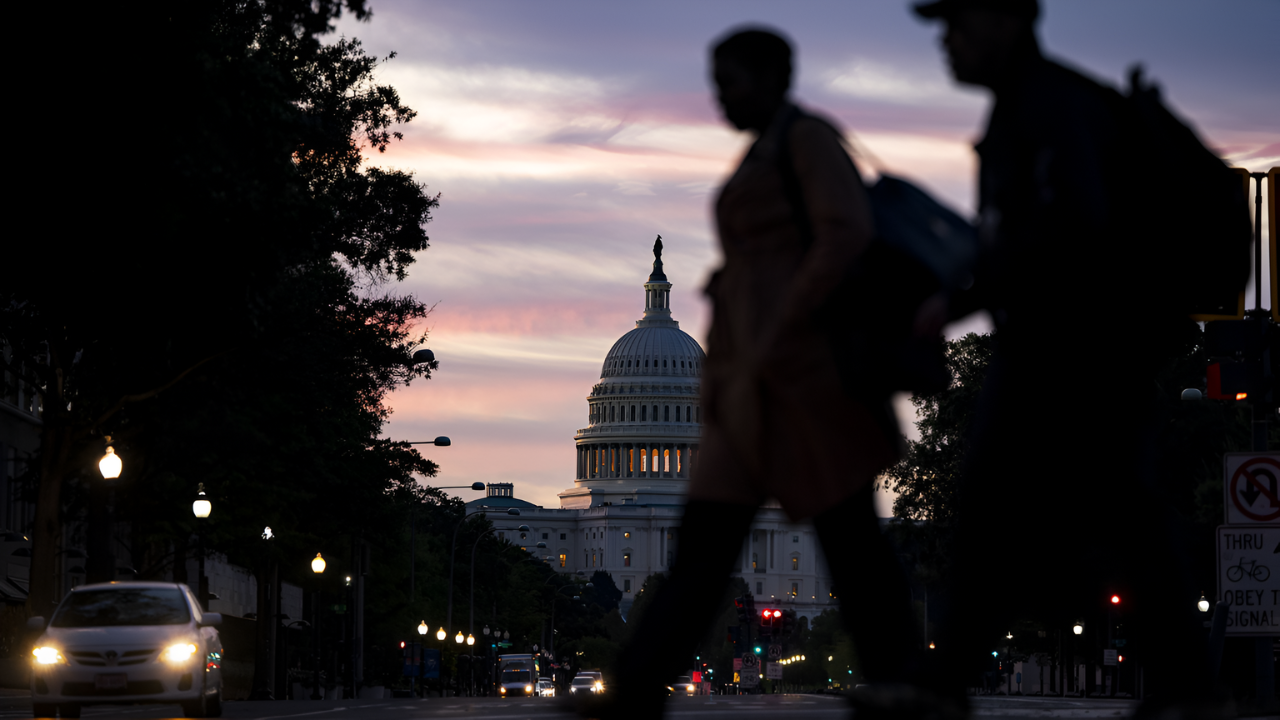
Minnesota Rusco’s jingle and State Fair presence had woven the company into local culture for seven decades. Its sudden disappearance marked the loss of more than a business—it represented the fragility of community institutions.
Generations of Minnesotans had grown up hearing the commercials and trusting the brand. The collapse prompted reflection on how easily established legacies could vanish.
A Cautionary Tale for Our Times
The Minnesota Rusco collapse exposes the vulnerabilities facing legacy businesses in an era of private equity consolidation. As financial engineering reshapes traditional industries, communities bear the consequences when strategies fail.
The story raises urgent questions about oversight, accountability, and the true cost of prioritizing profits over people and craftsmanship. What began as an ambitious growth plan ended with thousands of lives disrupted.