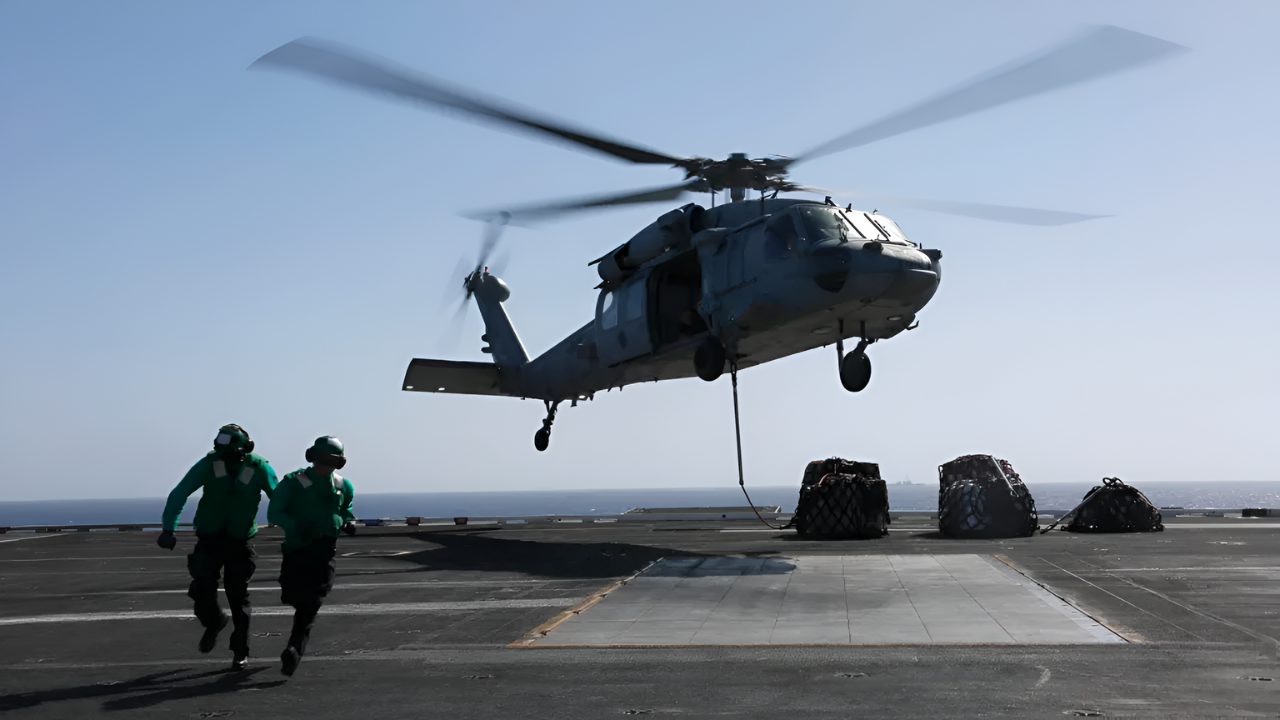
On October 26, 2025, two U.S. Navy aircraft—a Super Hornet fighter jet and a Sea Hawk helicopter—disappeared within half an hour during routine operations from the USS Nimitz in the South China Sea.
The rapid succession of these incidents has intensified scrutiny of U.S. military safety and strategy in one of the world’s most contested maritime regions, raising questions that reach far beyond the decks of a single aircraft carrier.
Tensions in Troubled Waters
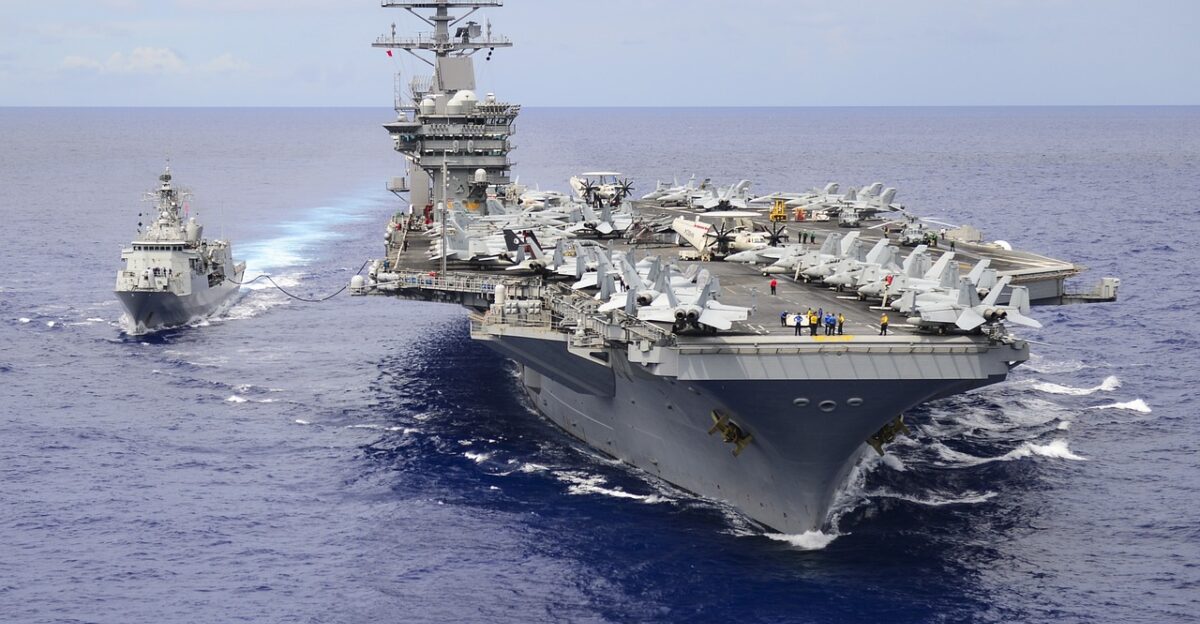
The South China Sea has long been a focal point of geopolitical rivalry, with overlapping territorial claims and frequent military maneuvers by both the United States and China. The loss of two U.S. aircraft in such quick succession underscores the risks inherent in operating in these contested waters.
“Every mission here is a reminder of the stakes,” said Petty Officer Marcus Lee, a crew member aboard the Nimitz. “We train for the unexpected, but this was something else entirely.” The incidents come at a time of heightened U.S.-China tensions, with both nations seeking to assert their influence and reassure allies in the region.
Aging Carrier, Mounting Demands
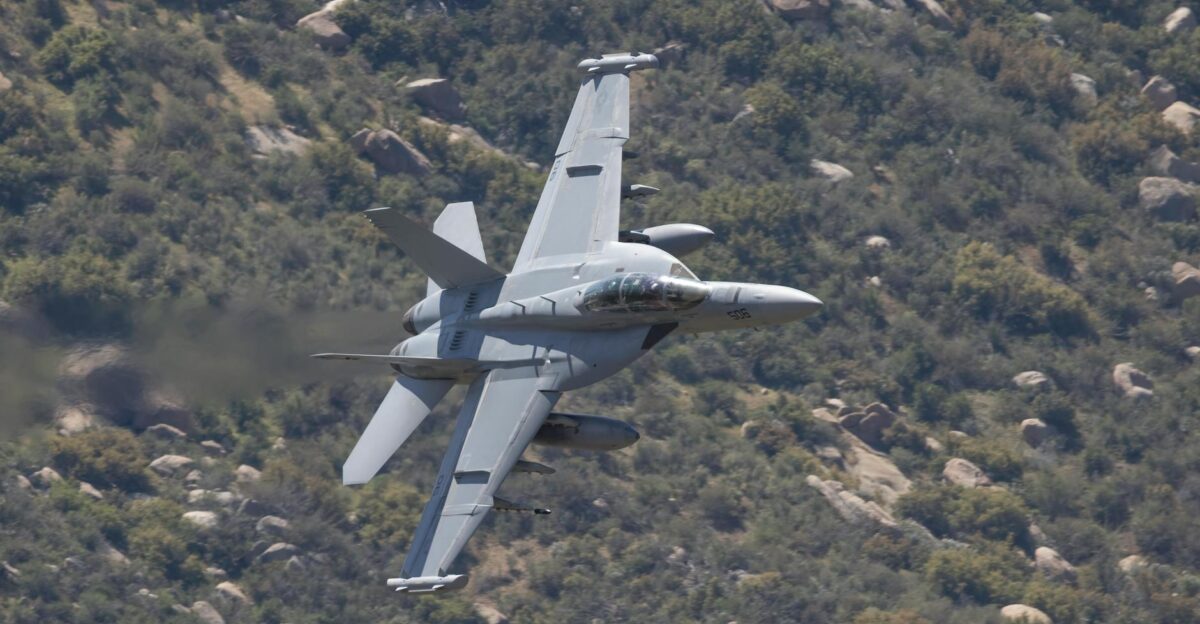
The USS Nimitz, the oldest nuclear-powered carrier in the U.S. fleet, was on its final deployment after decades of service in global hotspots. Its return to the Pacific highlights the Navy’s ongoing reliance on aging platforms even as calls for modernization grow louder. “It’s a wake-up call for the Navy,” said retired Admiral Susan Grant, now a defense analyst.
“We’re asking more of these ships and their crews than ever before, and the risks are only increasing.” Maintenance crews and pilots have voiced frustration over the strain placed on legacy systems, with one technician noting, “We’re pushing these aircraft to their limits, and it’s taking a toll on us and the machines.”
The Day of the Disasters
At 2:45 p.m. local time, an MH-60R Sea Hawk helicopter from the “Battle Cats” squadron crashed during routine operations. Just thirty minutes later, an F/A-18F Super Hornet from the “Fighting Redcocks” squadron was also lost. Both incidents occurred as the Nimitz operated in the South China Sea, raising urgent questions about safety protocols and mechanical reliability.
All five crew members—three from the Sea Hawk and two from the Super Hornet—were rescued and are in stable condition, according to the U.S. Pacific Fleet. “We are grateful for the recovery efforts, but it’s a scary reminder of how dangerous our jobs can be,” said one of the rescued crew members.
Regional and Global Ripples
The dual losses have reverberated throughout the region, with neighboring countries and rival claimants closely monitoring the situation. China has increased its military patrols and surveillance in the area, using the incidents to question the reliability of U.S. operations near disputed territories.
“China will undoubtedly use these failures to bolster its claims and assert its dominance in the region,” said Dr. Lin Wei, a maritime security expert at the National University of Singapore. Globally, the incidents echo similar challenges faced by other navies operating in contested zones, such as the Black Sea and the Eastern Mediterranean, where the risk of accidents and miscalculation remains high.
Investigations and the Road Ahead
In response, Rear Admiral John Smith, commander of Carrier Strike Group 11, has ordered a comprehensive review of safety protocols and maintenance records. The Navy has launched parallel investigations into both crashes, with technical teams analyzing flight data and wreckage. Immediate steps include enhanced inspections of similar aircraft and a temporary pause in certain flight operations from the Nimitz. Aviation safety experts remain cautious, noting that while mechanical failure is a possibility, the coincidence of two crashes in such a short span warrants a broader look at operational pressures and potential external factors.
As the U.S. Navy confronts the aftermath, the stakes are clear: the need for modernization, robust safety measures, and strategic adaptation has never been more urgent. The outcome of these investigations will likely shape future deployments and influence the balance of power in the South China Sea. With regional tensions on the rise and global attention fixed on every move, the Navy faces a pivotal test—one that will define its operational posture in the Pacific for years to come.