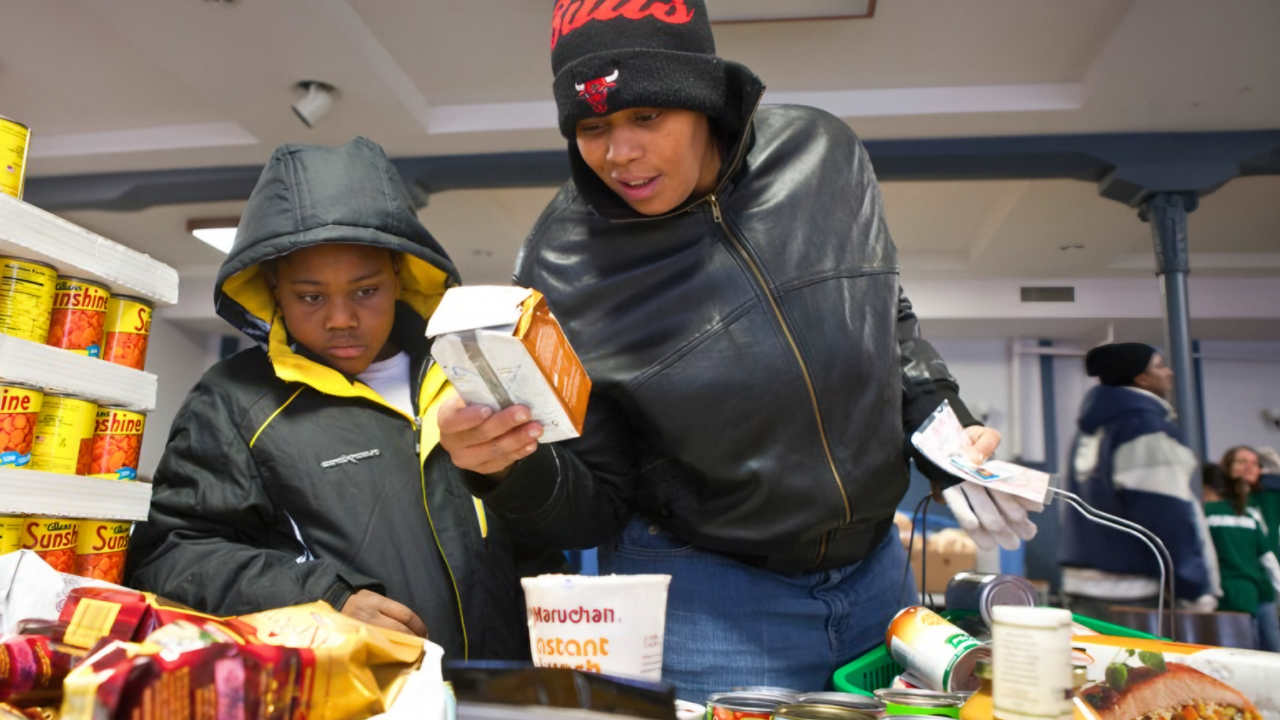
A wave of looting threats has erupted across social media as millions of Americans brace for an unprecedented halt in food assistance. On TikTok, Facebook, and other platforms, users have posted videos threatening to steal groceries if SNAP benefits vanish November 1, prompting law enforcement agencies to increase patrols around Walmart and other retailers. By November 1, 42 million people may lose access to SNAP benefits—a crisis without precedent for the nation’s 60-year-old hunger safety net.
Social Media Erupts with Looting Threats
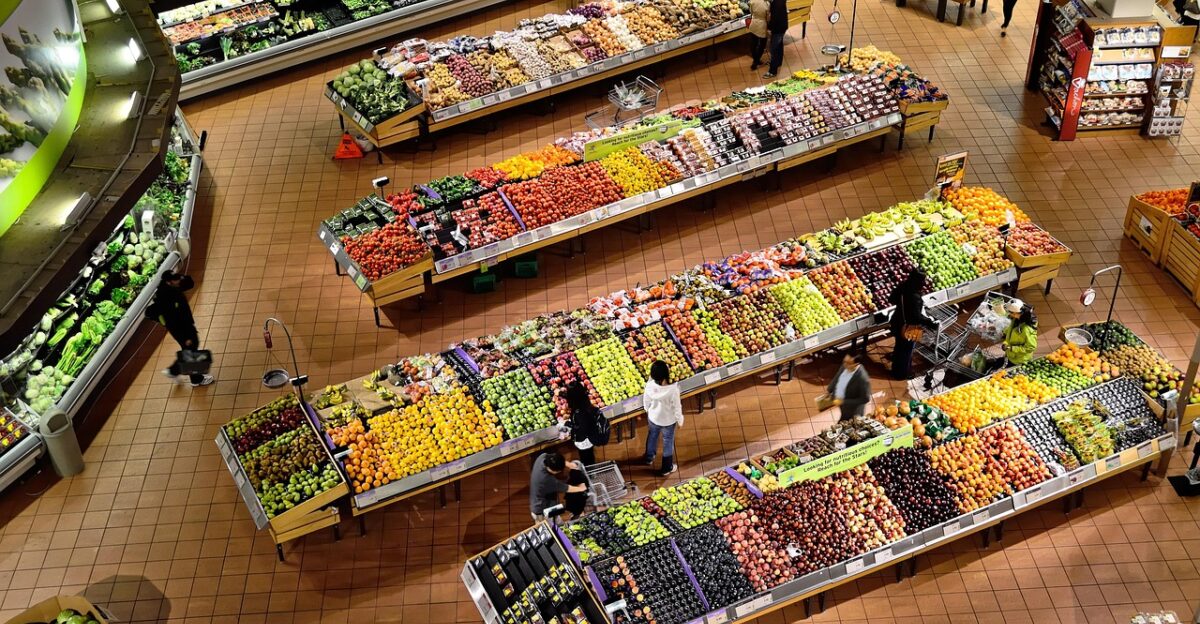
As the November 1 deadline approaches, TikTok and other platforms have become flashpoints for frustration and threats of civil unrest. In viral videos, users have threatened coordinated looting actions, with one TikTok user announcing plans to head to Walmart on “November third at 6:30” and exit “with our buggies” without paying. Other videos show recipients vowing to “grab anything I damn want, put that right in the basket and walk right up out” of stores if benefits stop flowing.
The threats have spread beyond TikTok to Facebook, Instagram, and X, where compilation accounts have aggregated dozens of videos showing users threatening to loot stores. Law enforcement agencies across the country are treating the threats seriously. In New York City, police have been briefed to “stay particularly alert for theft” at Walmart and Food Bazaar grocery stores, which operates 28 locations across the city. The Barstow, California Police Department announced “extra patrols around local grocery stores, convenience stores and shopping centers” as a preventive measure. A Dollar General store in Columbus, Ohio, temporarily boarded up windows over looting fears before removing the barriers after public criticism.
Walmart, the nation’s largest grocer, has been forced to publicly deny viral rumors that it would close all stores nationwide on November 1. Retail security firm TAL Global issued guidance to retailers titled “SNAP Looting Threats: What Retail Leaders Need to Know,” advising store managers to coordinate with local police and prepare security protocols.
Political Deadlock Threatens Food Aid
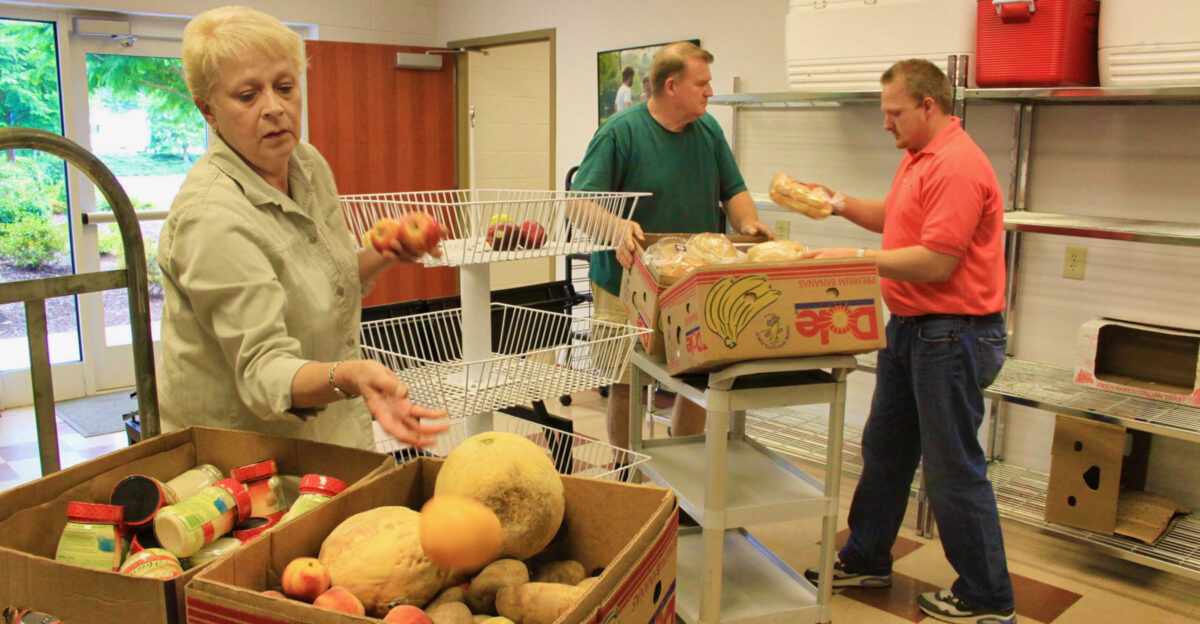
The looming shutdown of SNAP, the Supplemental Nutrition Assistance Program, stems from a bitter political standoff in Washington. By late October, the Senate had rejected government funding bills 13 times, with both parties blaming each other for the impasse. The U.S. Department of Agriculture (USDA) reports that legal restrictions prevent it from tapping into its $5–6 billion contingency fund, making it impossible to issue November’s benefits unless Congress acts.
Families and Retailers Brace for Impact
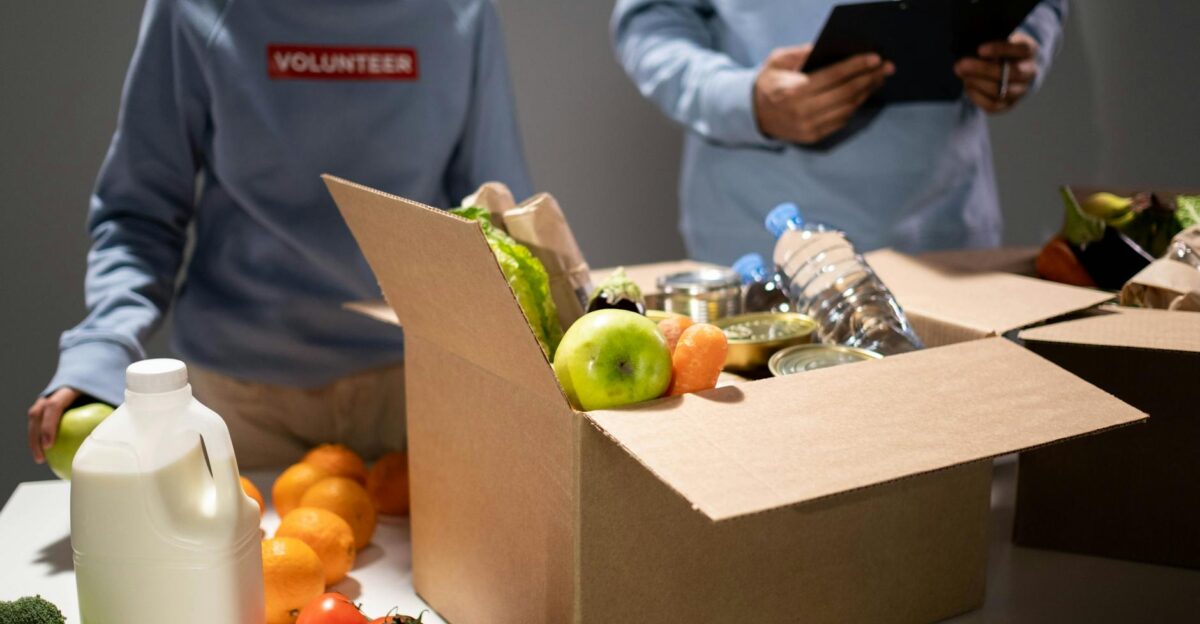
SNAP is a lifeline for 42 million Americans, providing an average $350 monthly benefit that is often the only barrier between stability and hunger. Kasey McBlais of Maine describes the daily struggle of choosing between rent and groceries. “If SNAP stops, I don’t know how we’ll get by,” McBlais said, echoing the fears of countless households.
Retailers are bracing for the fallout. SNAP recipients account for roughly 12% of all grocery sales. Major chains like Walmart, which captures nearly a quarter of SNAP spending, stand to lose billions in sales if benefits vanish. Jose Pajares, a Save A Lot store manager in Springfield, Massachusetts, noted that his store depends heavily on SNAP customers and fears significant losses.
Economic Shockwaves and State Response
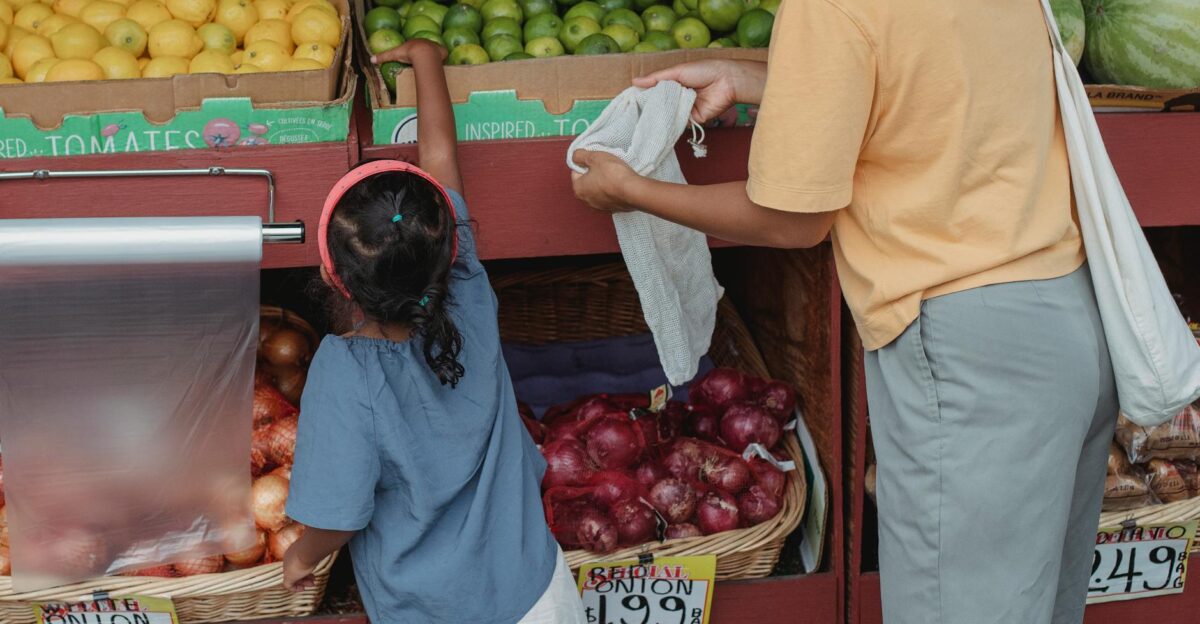
Ending SNAP payments will pull about $8 billion per month from the U.S. economy. The USDA estimates every SNAP dollar generates $1.50–$1.80 in economic activity, meaning the ripple effect could reach $12–14 billion monthly. Small-town grocers, especially in rural areas, could face layoffs or closures. Scott Moses, investment banker at Solomon Partners, warned that even a short disruption could push fragile rural economies past their breaking point.
Twenty-five states and Washington, D.C., have filed lawsuits against the USDA, demanding it use contingency funds to maintain benefits. States are stepping in with emergency measures: New York has pledged emergency food aid, while Virginia, New Mexico, and Louisiana have launched their own relief programs. Yet food banks warn they cannot replace the $8 billion in lost federal aid.
As families, retailers, and states brace for November 1, the stakes are clear: the nation’s trust in its safety net and economic stability hangs in the balance.