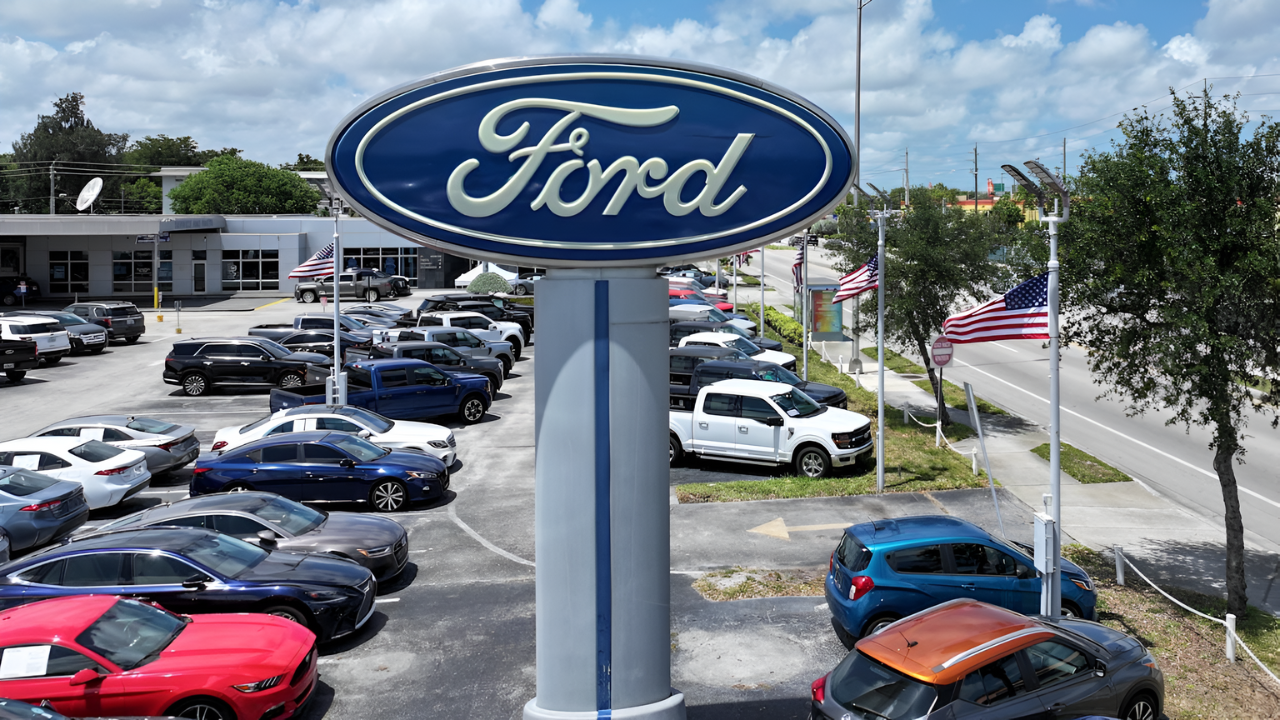
Ford has announced a huge recall, affecting 227,006 vehicles across the United States, its largest single recall of 2025. This major move comes as questions mount over the carmaker’s quality and safety controls. The recall has worried drivers and regulators, who now wonder whether Ford’s manufacturing systems are slipping.
Experts say such large-scale actions hint at deeper problems in design and testing. Drivers across the country are now checking their VIN numbers and waiting for updates. Ford’s leadership says it’s committed to fixing every issue fast, but the announcement still shakes confidence in one of America’s best-known brands.
Recalls Pile Up Fast

Just one day before this, Ford had already issued another recall, bringing the two-day total to more than 400,000 vehicles. The quick back-to-back announcements have increased anxiety among buyers and regulators. Ford’s latest models, once praised for innovation, are now being watched closely for reliability concerns.
Analysts warn that if the trend continues, Ford could face long-term damage to its reputation. With consumer faith shaken, the company must act fast to reassure drivers and investors.
A Pattern of Recalls

Ford has often led the industry in recall numbers, and 2025 looks on track to be a record year. In recent years, it has outpaced major rivals like Chrysler and Toyota when it comes to vehicles being called back for safety fixes. Experts say this pattern is not new but increasingly serious.
Consumer advocates argue that consistent quality control failures point to systemic flaws in how Ford designs and tests vehicles. With mounting recall statistics, Ford faces growing pressure to prove it can put safety first.
Cracks in Quality Control

Criticism of Ford’s quality management has intensified as it faces repeated problems in core systems like steering, brakes, and onboard software. These aren’t one-time glitches but recurring issues occurring across several new and recent models.
As complaints rise, Ford has started reforming its internal quality assurance networks. By overhauling its inspection processes, Ford hopes to identify and eliminate weak points earlier in production.
The 227,000-Vehicle Recall Explained

On October 30, Ford confirmed a recall of 227,006 vehicles across the U.S. due to safety defects involving seats, windshields, and defrost systems. The NHTSA listed multiple risks like loose seat bolts in Bronco SUVs, windshield bubbles in Lincolns and Explorers, and broken defrost units in Econoline vans.
Ford says all affected customers will get free repairs at authorized service centers. The announcement reinforces Ford’s push for transparency, but also highlights how complex modern vehicles have become.
How Drivers Are Affected

The recall stretches across all 50 states, with most affected vehicles found in cities and regions with high Ford ownership. Local dealerships have been told to prioritize repairs, while Ford has promised that all fixes will be covered free of charge.
The company hopes to minimize inconvenience and rebuild driver trust. According to industry data, large-scale recalls like this typically take months to resolve completely. With so many vehicles impacted, Ford’s ability to organize fast, safe, and consistent fixes will determine how swiftly it recovers public confidence.
Stories from the Road

Many Ford owners say the recall is causing stress and uncertainty. Dealerships are reporting full service schedules as anxious customers rush to get repairs.
Some have made multiple visits to fix recurring safety-related issues. For these owners, the recall feels like deja vu. Ford says it understands the frustration and is expanding technician teams to speed up service.
Watchdogs Step In

The NHTSA has intensified its oversight of Ford’s recall procedures, requesting detailed reports and progress timelines. Federal safety regulators aim to ensure every affected vehicle gets fixed promptly and correctly.
While Ford insists it’s being transparent, federal involvement adds pressure to prove reliability through results, not promises.
A Wider Industry Problem

Ford’s troubles reflect a bigger issue across the auto world. More recalls are happening industry-wide as cars become more high-tech and dependent on complex supply chains. Sensors, chips, and software updates have introduced new layers of potential error.
While all major brands face challenges, Ford’s recall frequency has stood out this year. Experts are calling for broader reforms in manufacturing and safety testing standards.
Supplier Strains

Insiders say the recall crisis may also be tied to tension between Ford and its parts suppliers. Cost-cutting has reportedly driven more reliance on cheaper components, raising the chances of quality lapses.
Engineers and executives are debating whether the fault lies with supplier performance or Ford’s management decisions. As global supply chains strain under inflation and material shortages, these internal pressures have only grown, leaving Ford to manage both relationships and reputational risks.
Frustration Inside Ford

Within Ford, some engineers have expressed discontent with how leadership is handling quality problems. They argue that management’s constant drive to cut costs has come at the expense of lasting reliability.
This tension between teams and executives highlights the cultural challenge of balancing innovation, efficiency, and accountability.
Leaders Promise Change

Ford’s COO Kumar Galhotra has publicly committed to fixing what’s broken. The company has strengthened its technical review teams, added new experts in testing, and updated launch procedures for new vehicles.
Several leadership changes across engineering and manufacturing divisions signal a shift in priorities. While critics wonder whether these moves will be enough, even skeptics agree Ford is taking its problems seriously this time.
The Comeback Blueprint

To restore confidence, Ford is rolling out a detailed improvement plan. It includes tougher software validation, more extreme stress testing, and faster over-the-air updates to catch issues before customers notice them.
The automaker is also pouring millions into smarter safety systems and real-time data tracking to spot risks early. If successful, these new processes could set a higher standard for the industry and help Ford turn a crisis into progress.
Experts Still Wary

Despite the sweeping reforms, not everyone is convinced Ford’s turnaround will stick. Many analysts argue that recurring recalls reveal deeper cultural problems.
The next year will be a proving ground for whether Ford’s promises translate into fewer recalls or more of the same, which will determine if the company can rebuild trust permanently.
The Road Ahead

What happens next may define Ford’s decade. Can its latest quality initiatives finally stop the relentless wave of recalls? The stakes are high, and public confidence, regulatory trust, and the company’s position in a competitive market all hang in the balance.
As Reuters noted, “Ford’s next chapter will depend less on what it says and more on what it builds.” The outcome could shape both its 2026 lineup and its global reputation for years to come.
Politics Enters the Picture

The recall surge has sparked attention in Washington, where some lawmakers are calling for tougher oversight of automotive safety. Congressional hearings may soon look into whether existing laws and inspection systems are strong enough to protect consumers.
Regulators are especially concerned about repeated recalls from the same manufacturer. Ford’s situation could end up setting new policy precedents for the entire auto industry.
Global Ripples

Though this recall centers on U.S. vehicles, its effects are echoing overseas. European and Canadian drivers have reported similar concerns, prompting global regulators to review Ford’s quality consistency. Industry watchers note that Ford’s global brand depends on trust across continents, not just in America.
How Ford manages its international reputation now will influence future sales and customer loyalty worldwide.
Legal and Environmental Fallout

Law firms anticipate a wave of lawsuits from affected owners, especially if injuries or property damage link back to the recalled components. Beyond legal costs, environmental experts warn of additional challenges.
Large recalls often create excess waste as defective parts pile up and vehicles are shipped for repairs. These side effects add complexity to Ford’s already expensive recovery effort.
Shifting Consumer Attitudes

The recall storm is changing how consumers, especially younger buyers, view car brands. Many are moving toward companies with stronger reputations for transparency and long-term reliability.
Ford’s situation could spark a generational shift in loyalty, where trust matters more than tradition. For Ford, that means rebuilding relationships one customer at a time.
What It All Means

Ford’s 2025 recall saga is more than a manufacturing hiccup, it’s a wake-up call for the entire automotive world. As cars become more advanced, oversight must become stronger.
The callback shows the importance of quality control, open communication, and genuine commitment to driver safety. How Ford and other automakers respond to this moment could redefine the next generation of vehicle production and customer trust.