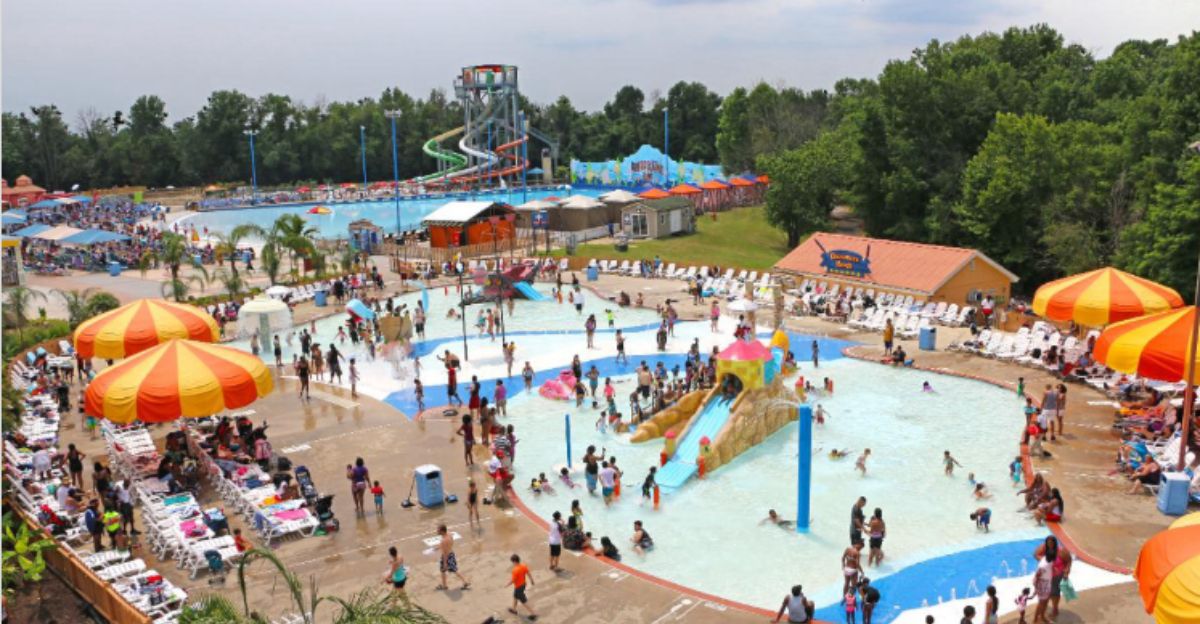
Six Flags America, a beloved Maryland landmark, is closing its gates for good after the 2025 season. The 500-acre park in Bowie, including the popular Hurricane Harbor, will be sold and redeveloped. After decades of thrilling visitors, the rides will go silent, leaving many locals heartbroken.
The closure marks a huge shift for Six Flags Entertainment, North America’s largest amusement park operator, signaling financial tightening and shifting priorities in a changing market. What will happen to the employees, and what’s next for a community that has long relied on this amusement park for its entertainment?
Economic Shockwave
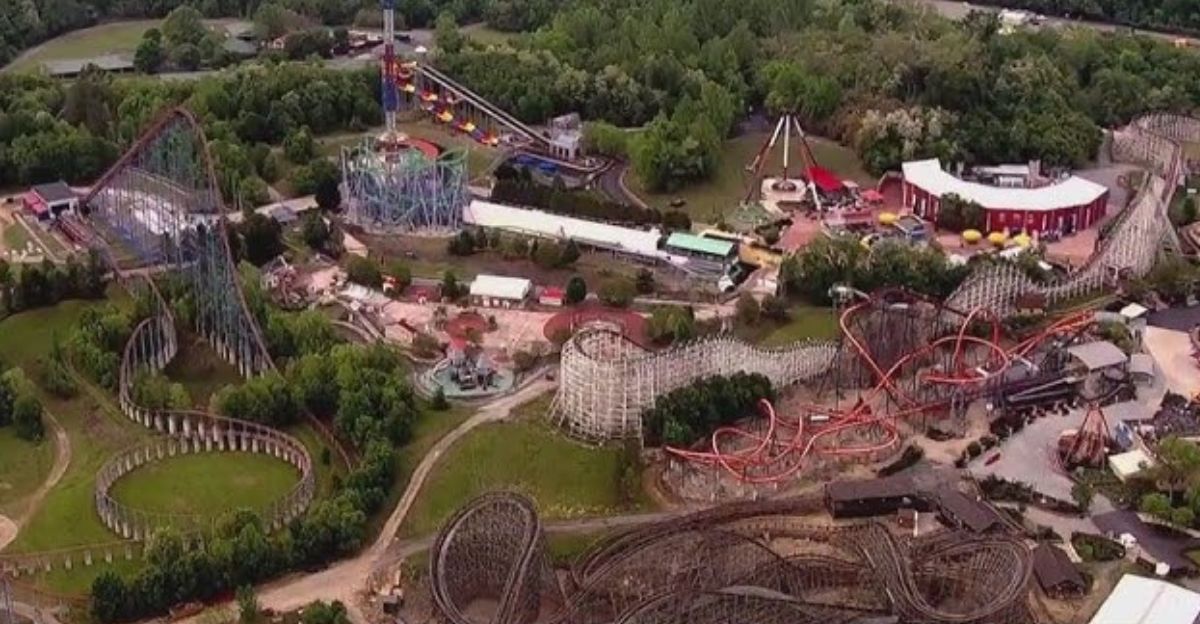
When Six Flags America shuts down, the impact won’t end at its gates. The park employs about 70 full-time workers and hundreds of seasonal staff, people who depend on summer crowds and cotton candy sales to pay bills. Local restaurants, gas stations, and hotels that thrive on tourist traffic will also feel the hit.
Economists estimate that the closure could cost Prince George’s County millions in lost revenue. For the region, the closure isn’t just about losing roller coasters, it’s about losing a major source of energy, money, and pride. Officials are now scrambling to cushion the blow with future development plans, but experts wonder if anything can truly replace the economic pull of Six Flags America.
A Ride Through History
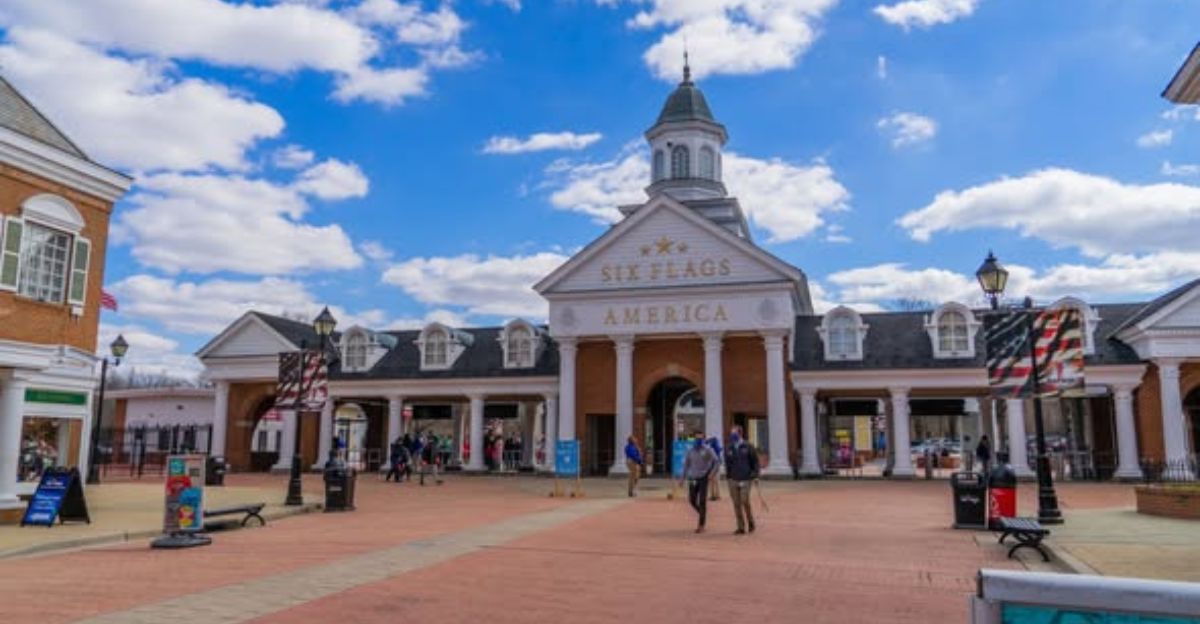
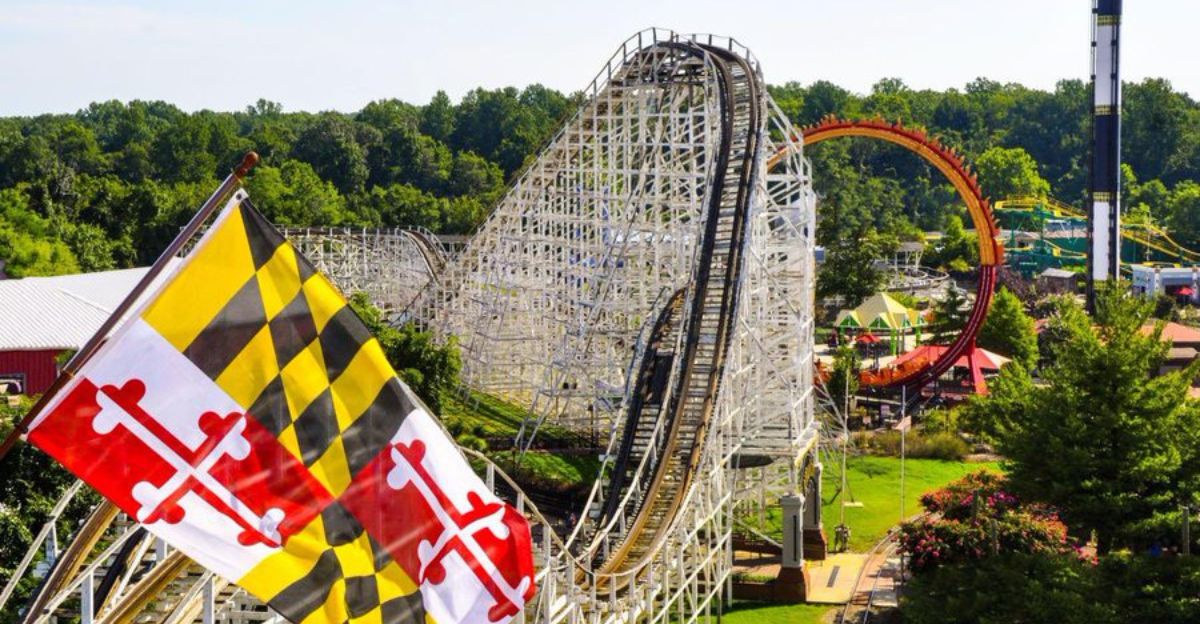
Before it was Six Flags, the land was home to The Largo Wildlife Preserve, which opened in 1974. Over time, the property evolved, becoming Wild World, then Adventure World, and finally Six Flags America in 1999. With more than 40 rides, attractions, and the massive water park, it became a must-visit destination for families across Maryland and D.C.
The park’s timeline mirrors Maryland’s growth itself, from suburban expansion to the rise of family tourism. As Six Flags America prepares to take its last bow, it leaves behind a half-century of laughter, summer memories, and a deep imprint on the region’s cultural landscape.
Too Much Competition
Six Flags America has battled fierce competition for years. With Kings Dominion down in Virginia, Hersheypark in Pennsylvania, and even new digital forms of entertainment, keeping attendance high has become a tall order. Consumers now expect more immersive, high-tech, or themed experiences, leaving traditional parks struggling to keep up.
Analysts note that Six Flags America lagged behind its sister parks in updates and reinvestment. As visitor numbers fell, so did profits. The changing habits of entertainment-hungry consumers only made pressure worse. Despite efforts to upgrade and promote discounts, the park simply couldn’t regain its magic or momentum.
Official Word Falls
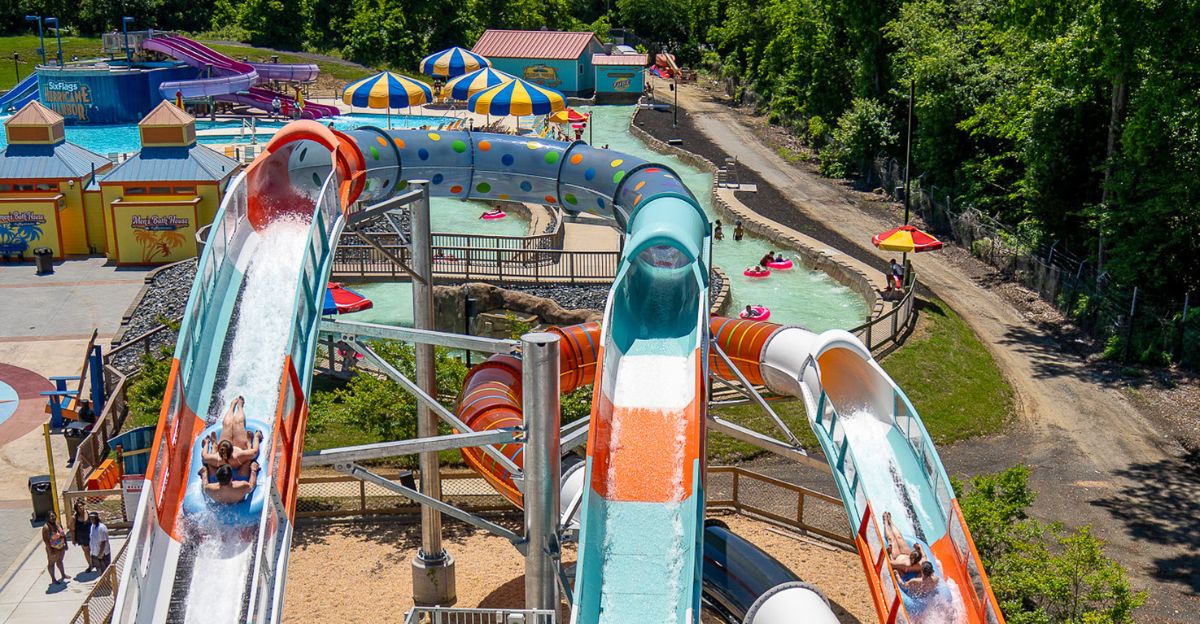
On May 1, 2025, Six Flags Entertainment Corporation confirmed what fans feared, that Six Flags America and Hurricane Harbor would permanently close after the 2025 season. The final day of operation is November 2, 2025. In a carefully worded announcement, the company explained that the decision came after a strategic review and that its 500-acre property will be redeveloped for new uses.
The news hit communities hard, sparking sadness and anger across Maryland. While final plans for the site remain unclear, Six Flags says it’s working with commercial advisers to ensure the land’s highest and best use.
Local Impact Hits Home
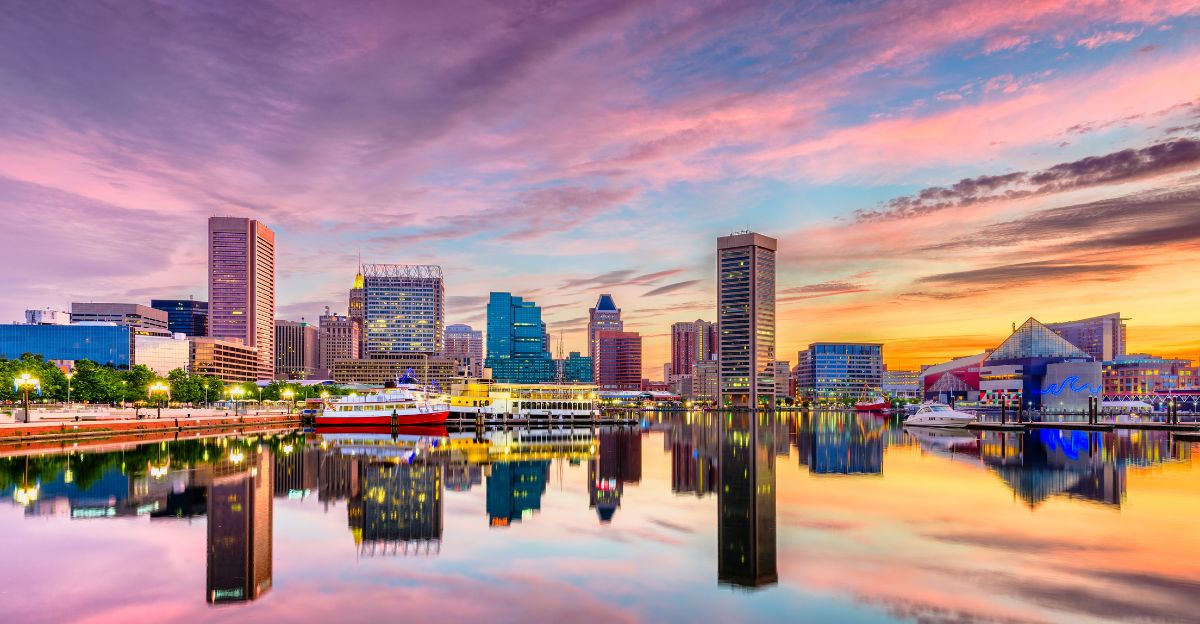
For Marylanders, this decision stings. When the gates close, the state loses its only major amusement park, leaving families to travel to Pennsylvania or Virginia for similar fun. Acting Prince George’s County Executive Tara Jackson voiced deep concern, calling the park a landmark that brought joy and jobs.
Local leaders fear the loss won’t just hurt wallets but also the community’s spirit. Restaurants, hotels, and retail businesses built around seasonal foot traffic could face downturns. Maryland now faces the challenge of reimagining that 500-acre site in a way that restores opportunity while honoring local history.
The Human Cost
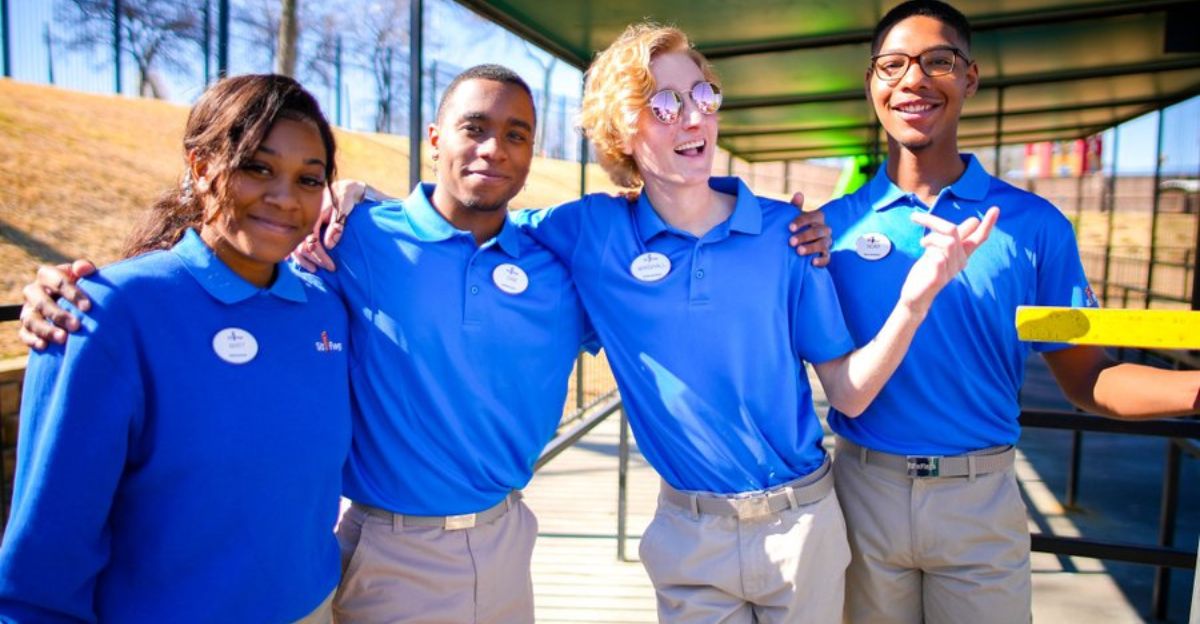
Behind the corporate decision are hundreds of real stories. About 70 full-time employees will receive severance packages, but most of the park’s seasonal workers will lose their jobs.
Generations of workers found their first jobs here, learning teamwork and customer service. The park’s shutdown isn’t just closing gates, it’s closing a chapter of shared memories and life lessons.
A Shifting Industry
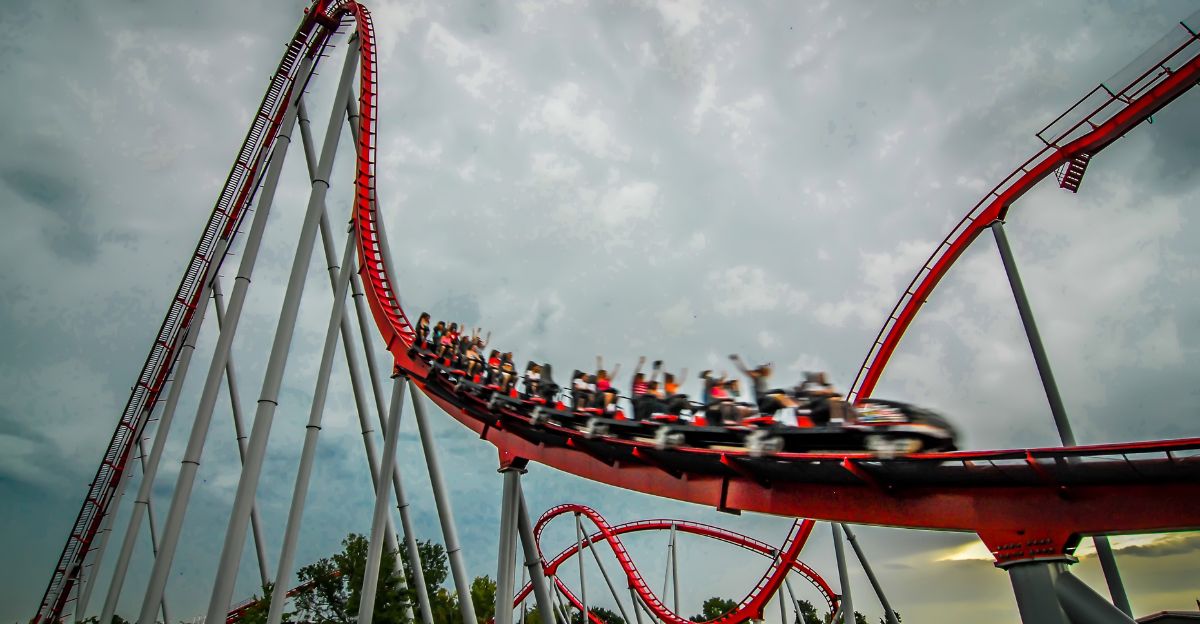
The amusement park world is changing fast. In 2024, Six Flags merged with Cedar Fair, which owns big-name parks like Kings Dominion and Cedar Point. After the merger, company leaders began reevaluating which parks fit the new strategy.
Some smaller or lower-performing locations, like Six Flags America, didn’t make the cut. With competition rising and operating costs soaring, consolidation has become the name of the game.
A Bigger Business Trend
The decision to close Six Flags America aligns with a broader trend in the amusement industry. Companies are merging, streamlining, and selling underperforming sites. Land in areas like Bowie, close to Washington, D.C., is incredibly valuable, adding pressure to cash out while demand is high.
According to analysts, it’s more profitable to sell the land than to keep funding an aging park. As a result, nostalgic memories and community sentiment face off against modern business math.
Investors Step In

Amid the industry shake-up, new money is flowing into Six Flags. NFL star Travis Kelce and JANA Partners bought a 9% stake in the company earlier this year. His investment suggests faith in the brand’s comeback, even as it contracts.
Investors like Kelce may push for innovation and updated attractions in surviving parks, aiming to reignite excitement and loyalty from fans. While Six Flags America closes, the company’s bigger vision could lead to more focused and profitable parks nationwide.
Community Voices Rise
The community isn’t staying quiet. Local leaders and longtime residents have spoken out about their disappointment over the park’s closure. Council Member Wala Blegay called Six Flags America an anchor for families and local youth, emphasizing its importance as both an employer and a gathering place. She has promised to advocate for redevelopment that supports local workers and maintains the site’s legacy.
Residents have flooded community forums asking county leaders to prioritize parks, housing, and new entertainment options in whatever comes next.
Corporate Perspective

While locals mourn, Six Flags’ leadership views the decision as necessary. President and CEO Richard Zimmerman explained that the move was part of a long-term strategic review to strengthen the company’s position. “We have determined that Six Flags America and Hurricane Harbor are not a strategic fit with the company’s long-term growth plan,” Zimmerman said in an October statement.
From the company’s perspective, the choice was about focusing resources where they can deliver more value. Analysts note that amusement parks require constant upgrades, new rides, and marketing investments. If a park draws smaller crowds, it quickly falls behind competitors.
What Comes Next for the Land
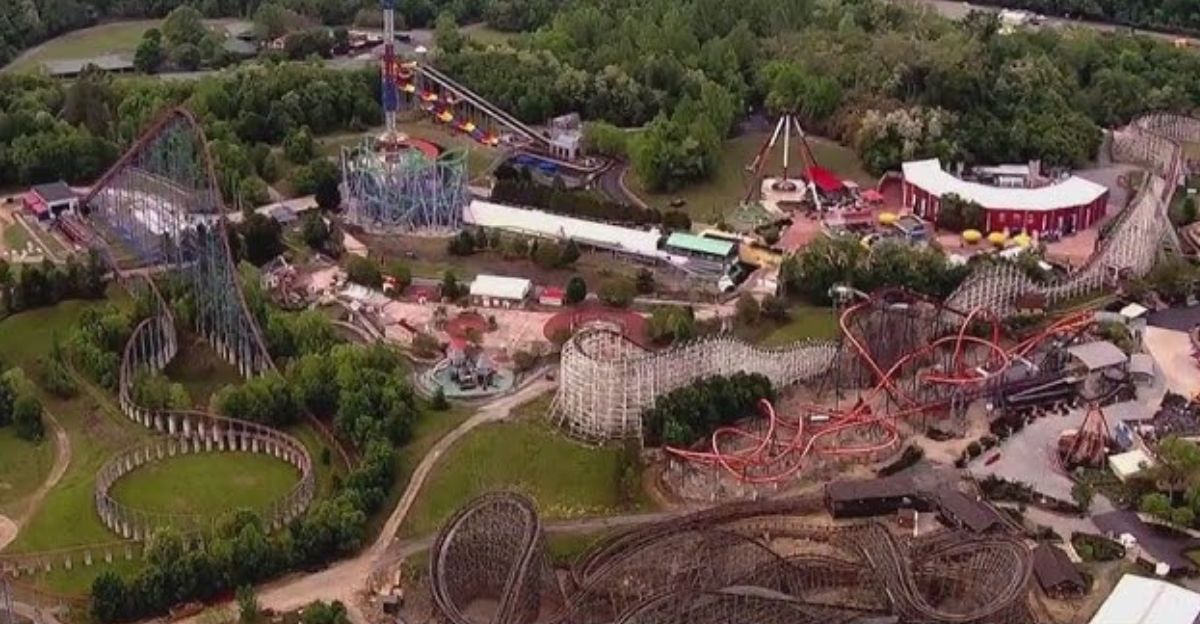
Six Flags has hired CBRE, one of the world’s leading real estate firms, to sell and market the Bowie property. With 500 acres available, developers are already showing interest in turning the land into a mix of homes, retail, and green spaces.
County officials are urging a careful redevelopment plan that keeps local jobs and community needs in mind. Tara Jackson, acting County Executive, said she is committed to a thoughtful and inclusive process that reflects the community’s values.
Experts Weigh In
Industry experts see opportunity behind the loss. Some believe closing Six Flags America gives the company space to invest in flagship parks like Magic Mountain in California or Great Adventure in New Jersey. Still, not everyone agrees that this strategy will succeed.
Critics warn that reducing the number of parks could shrink Six Flags’ national footprint and weaken its connection with families. The amusement industry relies on public excitement, and losing community favorites could hurt long-term brand loyalty.
Maryland Looks Forward
With Six Flags America’s final day approaching, Marylanders wonder what will fill the gap. The state will lose a major entertainment venue just a short drive from Washington, D.C. Local leaders have signaled optimism that redevelopment could spur growth, housing, and new recreation.
Many families say no amount of new construction will replace the laughter, energy, and memories of summers spent on roller coasters and lazy rivers. The future of the 500-acre site remains uncertain, but most agree it deserves a transformation that honors its history while creating something valuable for Maryland’s next generation.
Politics and Policy

Six Flags America’s shutdown has quickly become a political issue. Local lawmakers are under pressure to balance economic development with residents’ needs. Some politicians argue for commercial projects that create jobs quickly, while others call for housing and affordable recreation spaces.
Prince George’s County officials are hosting public meetings to gather ideas and ease fears of displacement. The debate goes beyond roller coasters, it’s about how Maryland manages growth, tackles housing shortages, and preserves spaces that unite people.
National Industry Effects
What’s happening in Maryland could hint at what’s coming nationwide. Six Flags’ decision may lead other amusement park operators to reassess underperforming sites. As the company shifts toward fewer properties and larger flagship parks, smaller U.S. locations might face a similar fate.
The move could also affect international Six Flags projects in places like China and Mexico, where the company is expanding. Global investors are watching closely to see how this closure affects profits and long-term strategy.
Questions of Land and Law

Redeveloping a site as large as Six Flags America will take years of planning and approvals. Environmental experts say converting amusement park land into new uses requires detailed studies. Officials must check for soil contamination from decades of maintenance chemicals and ensure new projects follow zoning and sustainability rules.
The county will likely require environmental impact reports before any construction begins. While these steps may slow progress, they’re vital to protecting local ecosystems and nearby residential areas.
Memories That Last
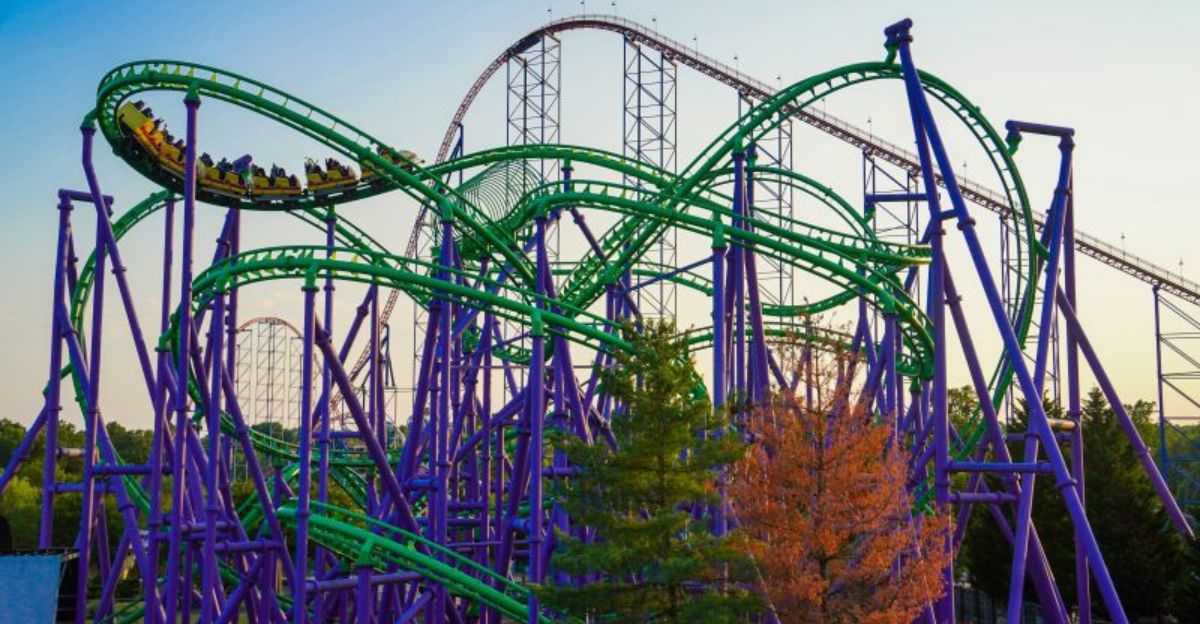
For generations, Six Flags America was more than just rides, it was where families celebrated birthdays, graduates took their last summer trip, and friends screamed through roller coaster loops together.
The closure marks the end of shared memories that stretch across decades. For Maryland, this is not just an economic blow, it’s a cultural moment signifying how entertainment and identity evolve over time.
Big Picture Ahead
The permanent closure of Six Flags America represents more than the end of a famous theme park. For Prince George’s County, the coming years will reveal whether redevelopment can create something lasting from this loss.
For the amusement industry, it’s a reminder that even icons must adapt or disappear. The future of regional entertainment now lies in finding new ways to bring people together, with or without the roar of a coaster in the background.