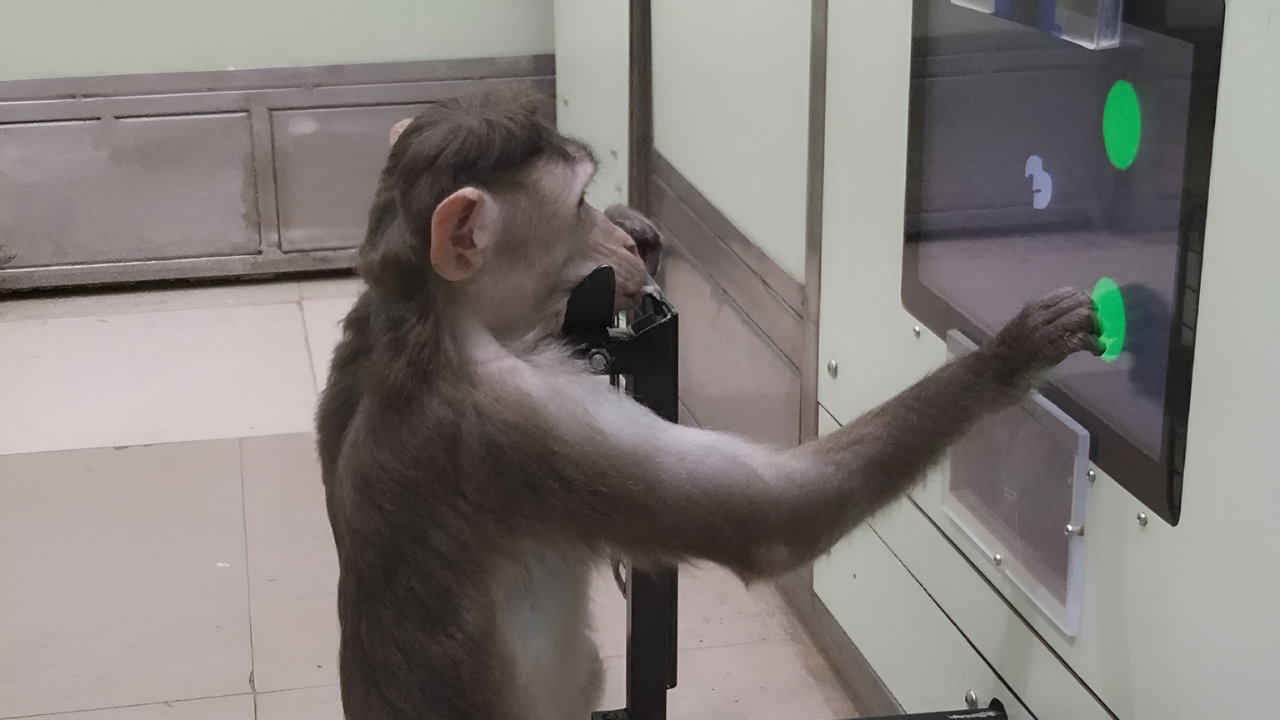
Shock ripples through Jasper County as news spreads: three medical research rhesus monkeys remain at large after a harrowing truck crash.
The vehicle, transporting 21 animals, overturned near Heidelberg on Interstate 59. Initial reports suggested only a minor loss, but the full extent of the situation quickly became apparent. The escape triggered a sweeping, multi-agency hunt across fields, woods, and neighborhoods.
Authorities expressed growing concern for both public safety and animal welfare, heightening local tension. For residents, the prospect of wild lab monkeys roaming at large proved both alarming and surreal. Investigators rushed to assess risks and contain the fallout.
Crash Fallout
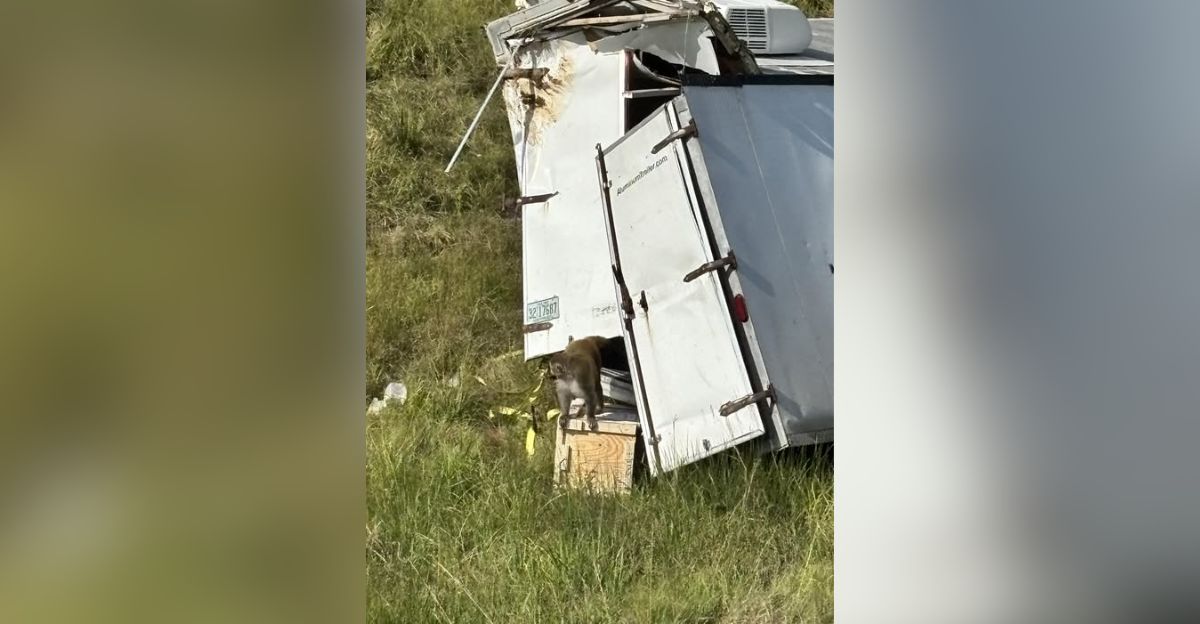
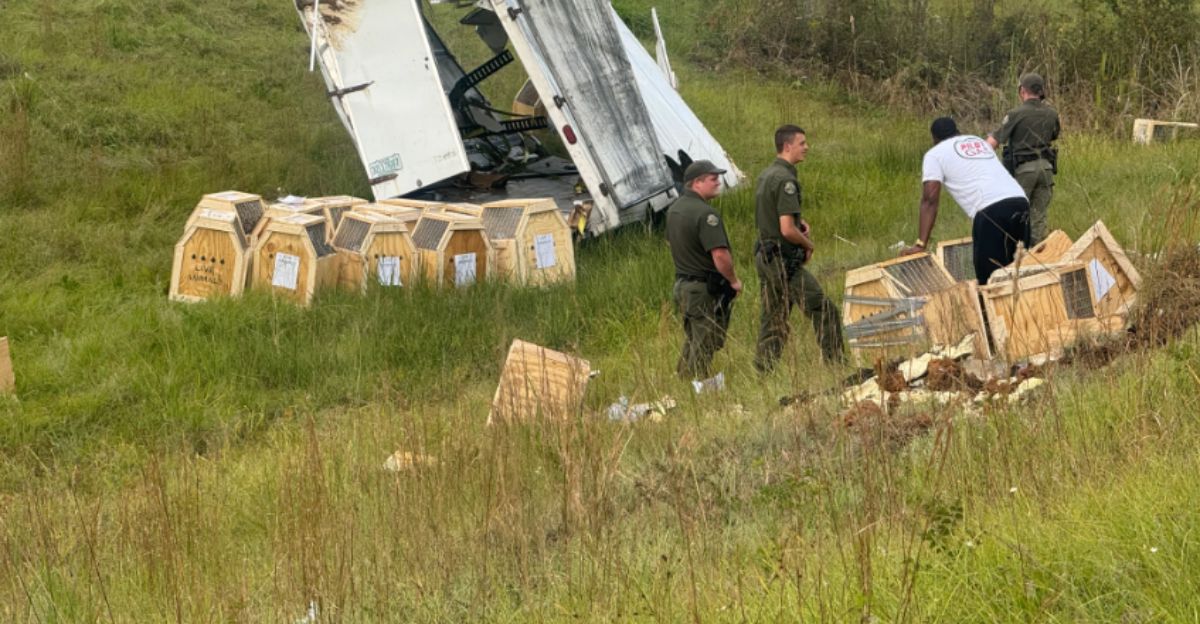
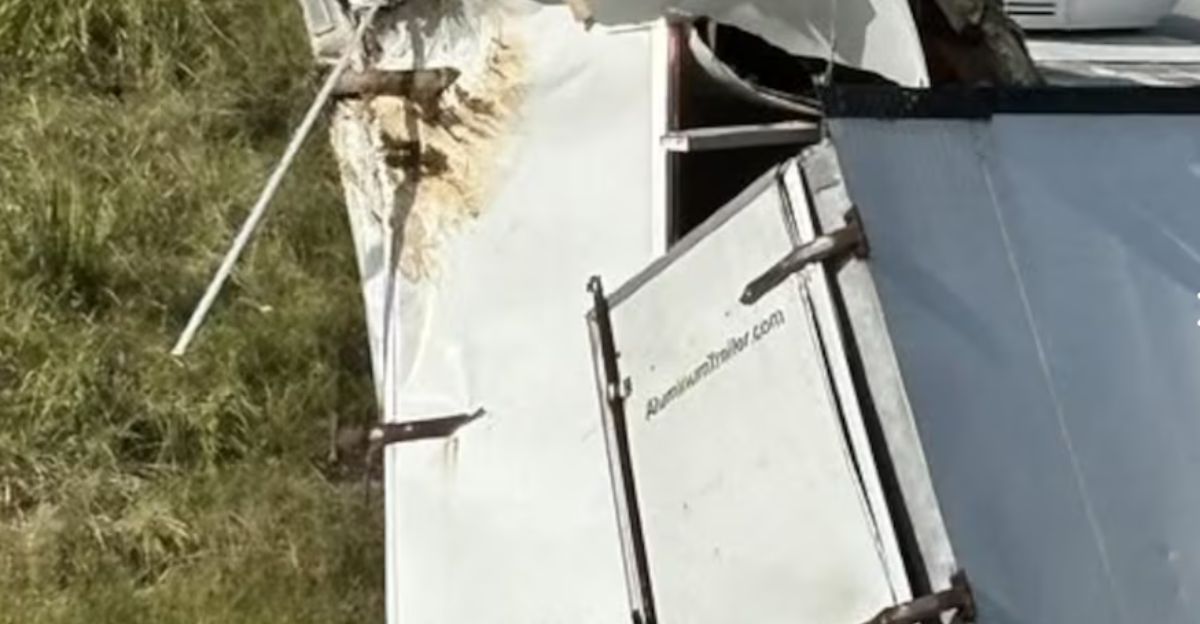
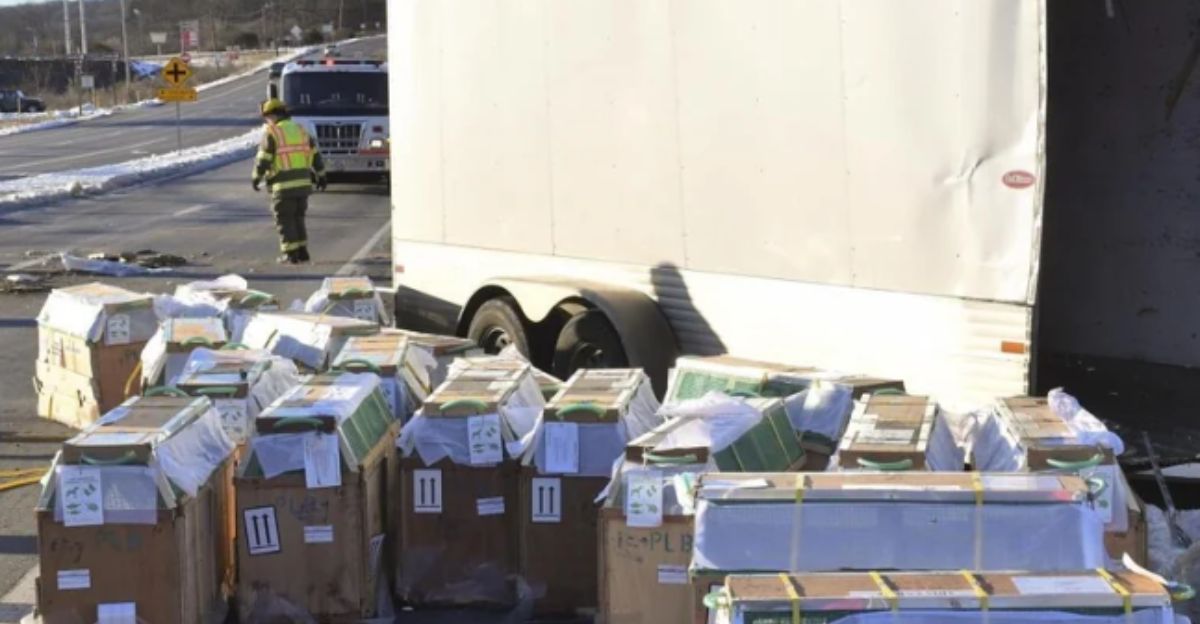
The crash, which occurred on October 28, 2025, swiftly transformed a routine transport into an emergency. First responders arrived at a chaotic scene: overturned cages and frightened animals scrambling for cover.
The impact reignited the debate over the logistics of biomedical research animals and exposed weaknesses in emergency response protocols.
Local law enforcement scrambled to identify how many monkeys had actually escaped, flipping between initial estimates and later corrections. For Jasper County, a quiet stretch of highway became the epicenter of a national news story overnight.
Escalating Search
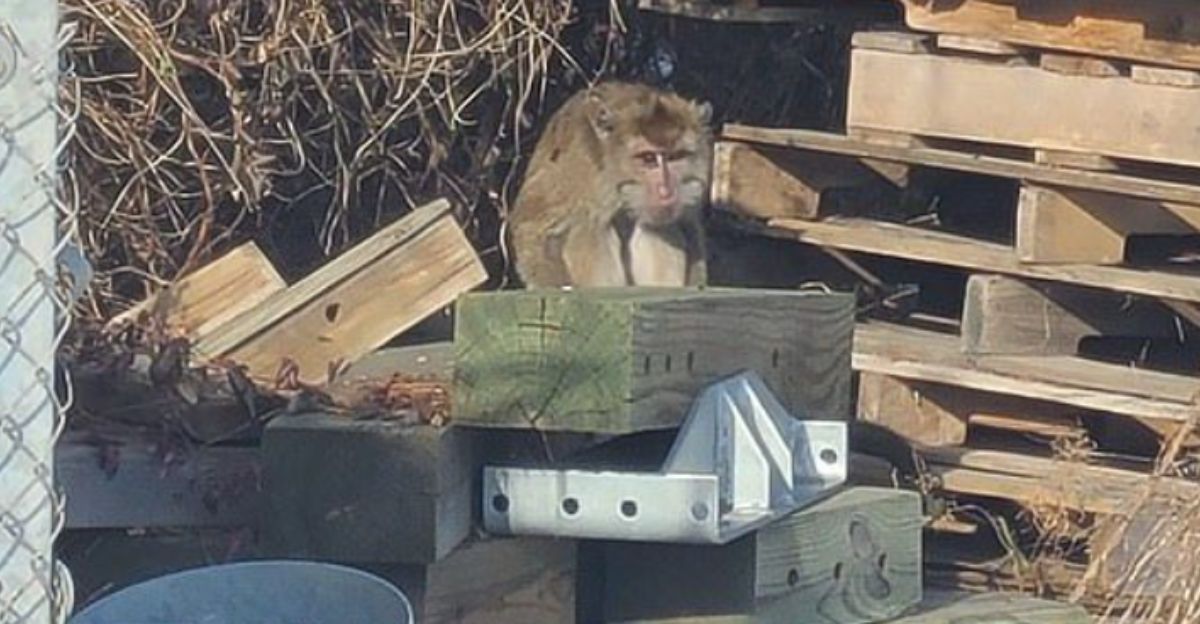
As news of the escape reached broader audiences, teams mobilized into action. Searchers donned protective gear and deployed thermal imaging devices—high-tech tools rarely seen in rural animal hunts.
Accountability was paramount, with experts setting up food-baited traps along the highway corridor, hoping to lure the missing monkeys into safe capture.
Helicopters, drones, and environmental officers joined the effort, revealing the seriousness of the situation. Local volunteers aided the search, marking a rare collaboration between scientists and the public.
Initial Response
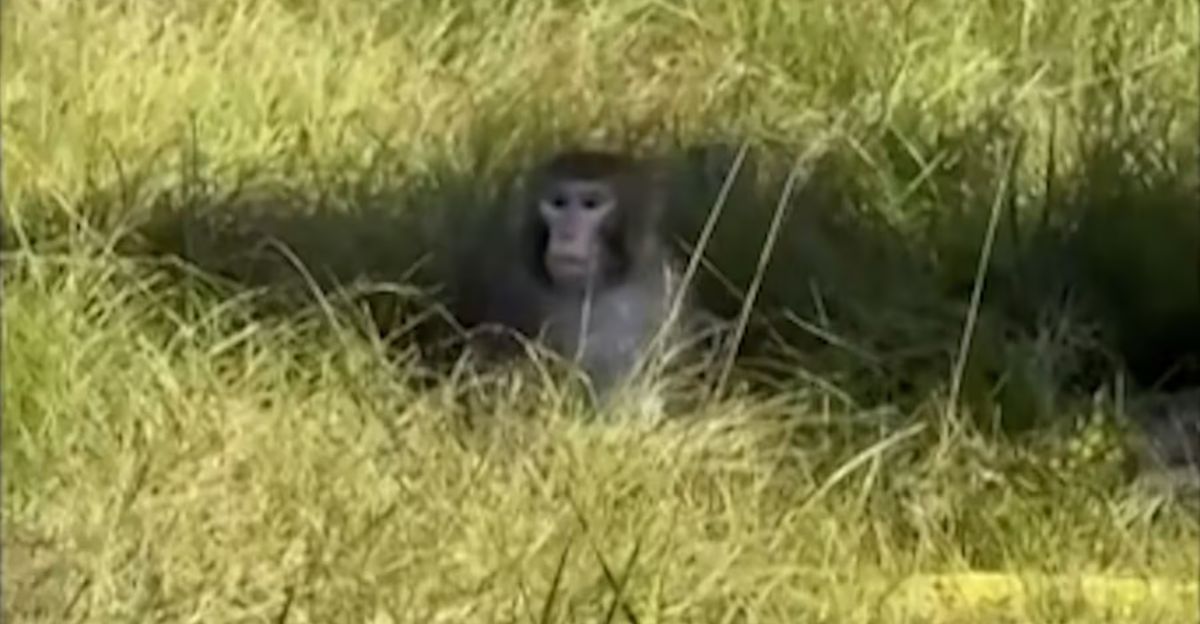
The monkey escape rapidly spiraled into a public health scare after misunderstandings between officials and research staff. Early warnings suggested the animals were infectious, triggering urgent precautions for anyone who spotted one.
Five monkeys were euthanized on-site by law enforcement, acting under mistaken advisement that they posed a virus threat.
Tulane University’s later statement clarified that all primates were pathogen-free, thereby defusing the widespread fear and confusion that had gripped the region for hours.
Monkey Escape Crisis
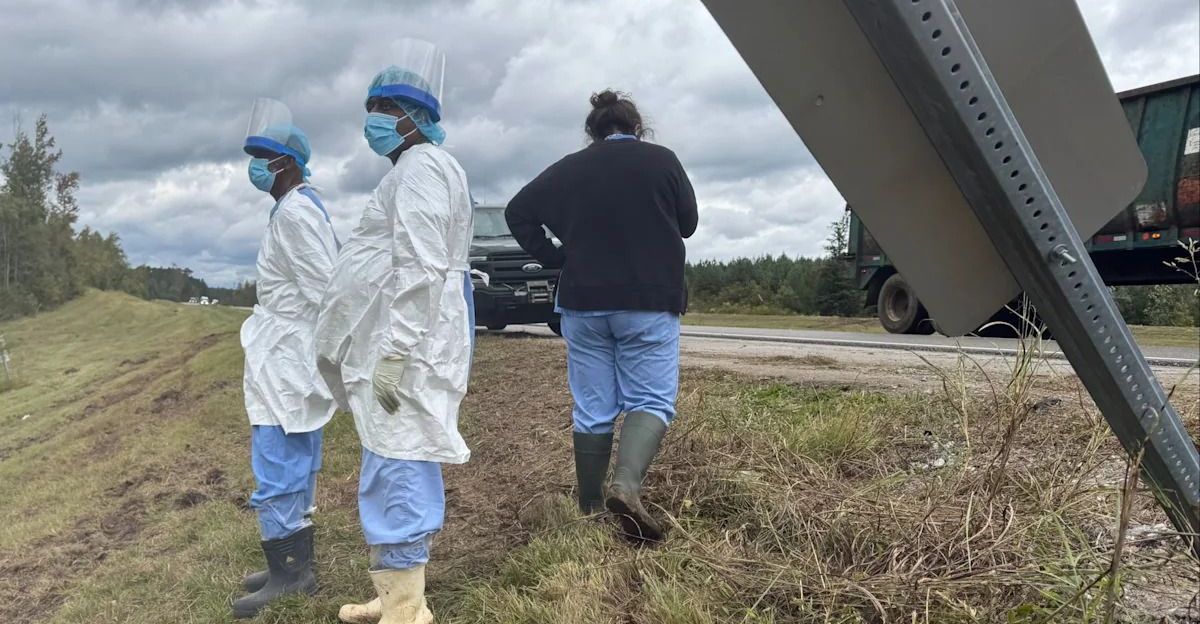
On October 28, 2025, a truck transporting 21 rhesus monkeys used in medical research overturned on Interstate 59 near Heidelberg, Mississippi.
Three monkeys remain missing following the crash, sparking concerns about biomedical transport safety and crisis communication.
Authorities initially reported lower escape numbers and implemented extreme containment measures based on incorrect disease warnings.
The incident highlighted significant gaps in both animal welfare protocols and public risk management, prompting calls for an investigation into the matter.
Local Impact
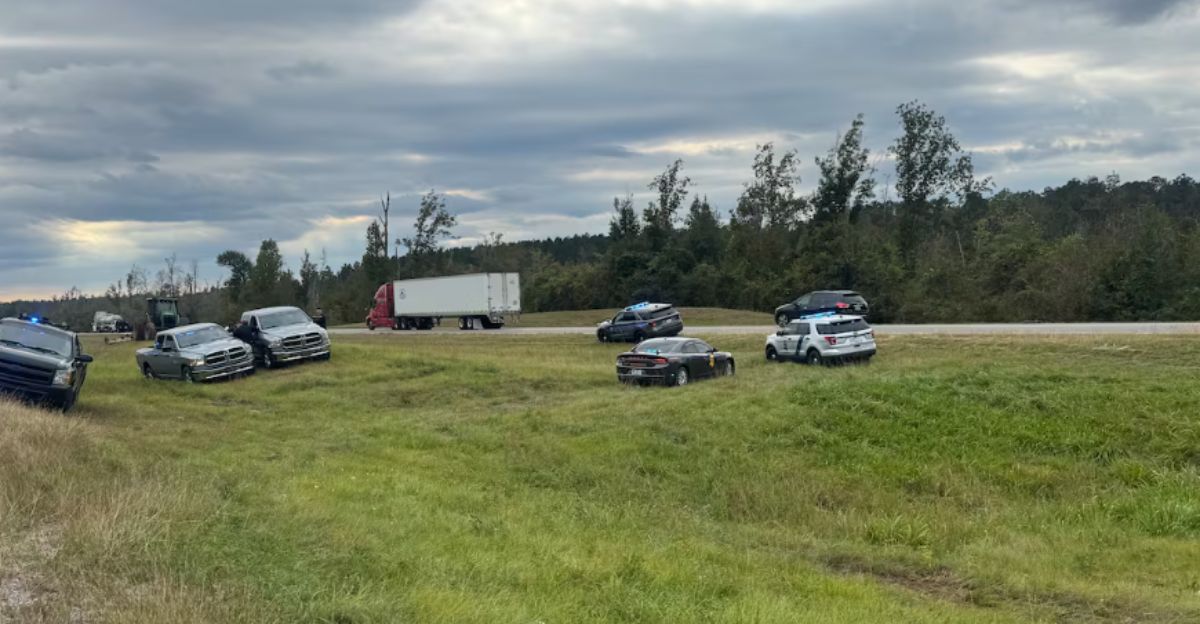
Jasper County residents found themselves unexpectedly entwined in a national laboratory experiment. Authorities instructed some residents to call 911 if they spotted a monkey, while others feared for their pets and children in the vicinity.
Local schools issued safety advisories, and farm owners were concerned about potential interactions between the missing primates and their livestock. While the community responded with resourcefulness, anxiety persisted.
The episode exposed the ripple effects—both logistical and emotional—of biomedical research activities on rural populations.
Volunteer Voices
“I never thought I’d be looking for monkeys in Mississippi,” remarked one volunteer, donned in full protective gear.
Residents described surreal scenes: cages overturned, researchers pacing along highway stretches, and the sharp scent of fear in the air.
County sheriffs expressed regret over the confusion and urgency that led to the euthanization of healthy animals.
The monkey search became a flashpoint for debates about how law enforcement responds to exotic animal emergencies.
Wider Concerns
The crash prompted researchers, advocates, and officials to debate the transportation of research animals in the United States.
PETA denounced the ordeal as “evidence that the monkey-experimentation industry is playing with fire,” spotlighting the risks to both animals and communities.
Critics argued for increased transparency and stricter regulation, pointing to the incident as a clear warning sign.
The biomedical industry faced heightened scrutiny from advocacy groups and the public alike.
Safety in Question

Early media coverage focused on the initial confusion and panic that ensued. False claims that monkeys carried hepatitis, herpes, and COVID-19 prompted extreme measures—later proven unnecessary.
Tulane University clarified that none of the primates had been exposed to pathogens, challenging the foundation of those original warnings.
Five monkeys died, experts nationwide criticized transport protocols, and the incident unsettled residents.
Documentation

Detailed official reports revealed the real numbers: 21 monkeys onboard, five euthanized, thirteen recaptured or contained, three still at large.
Miscommunication led to inflated fears and rapid shifts in emergency response.
Animal transport manifests and law enforcement statements played vital roles in unpacking the episode’s true scope.
The refined numbers changed local actions and national headlines alike—accuracy demanded vigilance.
Ownership Shifts
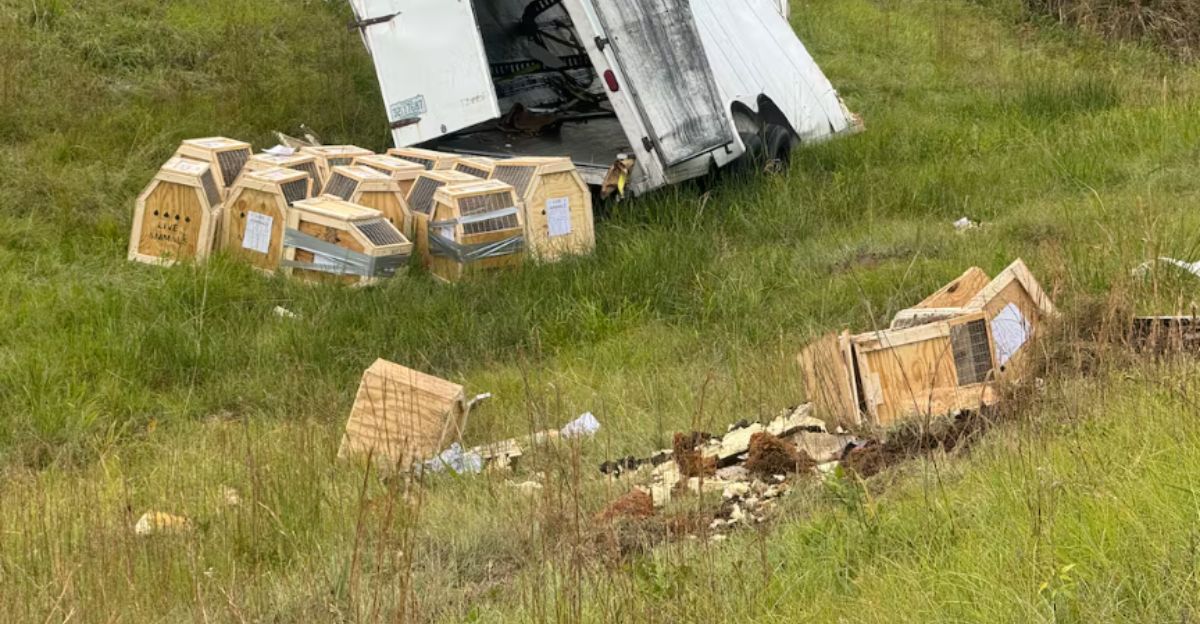
Tulane University quickly responded to accusations by clarifying their role: the monkeys originated from their National Primate Research Center but were not infectious.
This response reset the narrative, countering claims made by the truck driver and initial law enforcement statements.
Responsibility for crisis communication shifted from road authorities to institutional officials, showcasing the stakes in public-facing science.
Internal Tensions
Within government and industry, the event intensified debates about jurisdiction and protocol.
Some officials questioned the criteria used to declare animals dangerous, while others spotlighted the hurdles in rapid containment.
The euthanization decision prompted widespread regret, leading to promises of revised procedures and better training. Many called for independent investigations to clarify how so many errors could converge.
Crisis Response

The emergency response utilized advanced technology, including drones, thermal scanners, and communications systems directly linked to local 911 centers.
Meanwhile, on the ground, search crews set up food traps and conferred with primate behavioral experts.
Such upgraded capabilities signaled evolving preparedness in responding to animal transport emergencies—but also revealed gaps. Residents remained wary about future incidents.
Regional Fallout
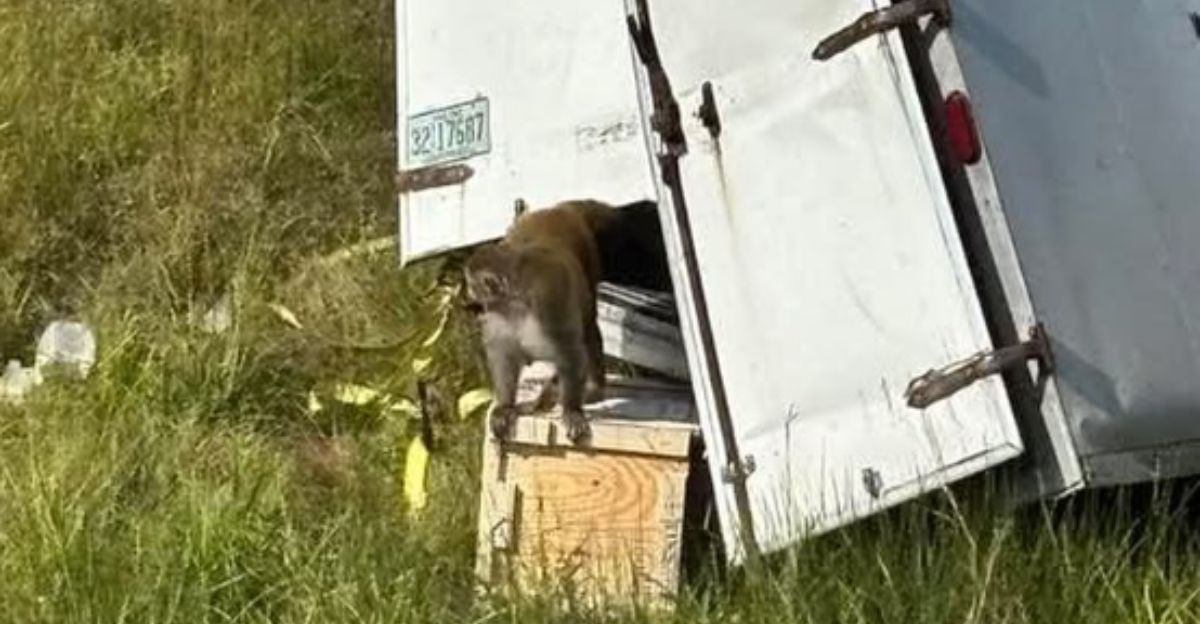
The incident drew attention from Mississippi state officials and prompted discussions about animal transport standards.
The Mississippi Department of Wildlife, Fisheries, and Parks confirmed their conservation workers participated in the search efforts. State veterinarian Dr. James Watson verified that the animals had proper transport documentation.
Nearby counties began discussing reviews of transport routes through their jurisdictions to better prepare for similar emergencies.
Forward Look

Animal welfare advocates warn that the biomedical animal transport sector must address key weaknesses exposed by this incident.
The Mississippi case highlights ongoing concerns about transport safety protocols and crisis communication procedures. Experts anticipate the incident will influence discussions about strengthening oversight and improving emergency response standards.
Policymakers face mounting pressure from constituents and advocacy organizations to address these vulnerabilities.
Historical Context
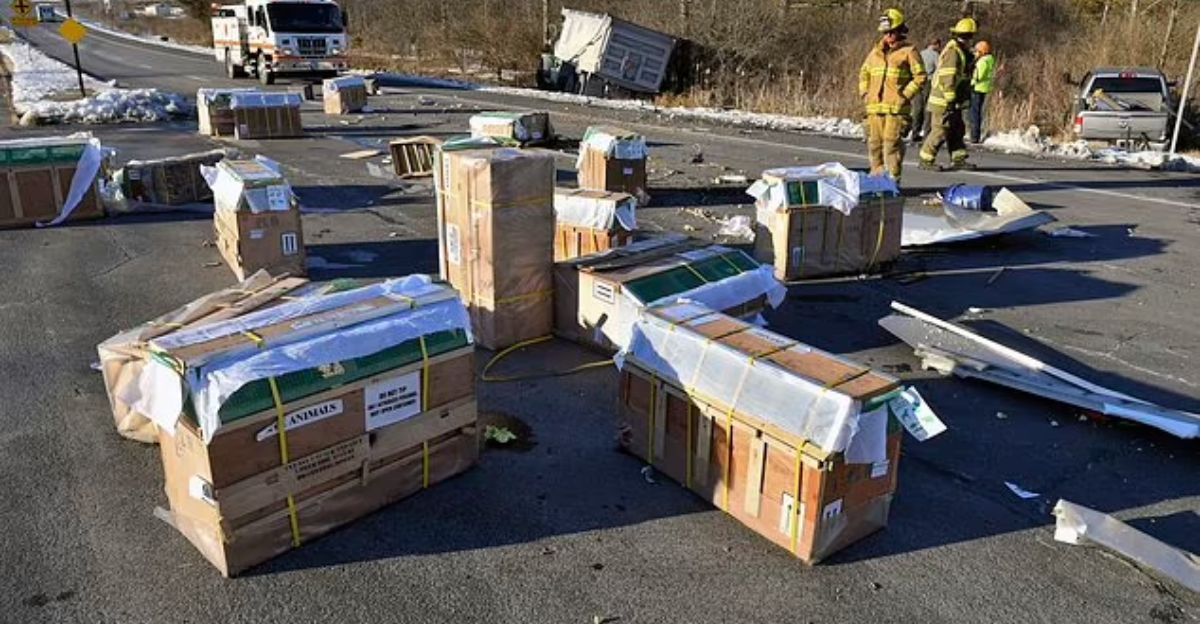
This isn’t the first time escaped research monkeys have made headlines. In January 2022, a truck carrying 100 cynomolgus macaques crashed near Danville, Pennsylvania, en route to a laboratory in Florida.
Several monkeys escaped after the crash, and police used thermal cameras during their hunt before they euthanized three monkeys.
Officers accounted for all 100 monkeys by the next day. That incident also involved confusion about disease risks and prompted similar concerns about transport safety.
Facility History
Approximately ten years ago, staff members at the Tulane National Primate Research Center failed to follow infection control procedures, triggering a biosecurity breach after which the facility euthanized three rhesus macaques.
The facility implemented procedural changes and retrained staff following that 2015 incident, according to federal inspection reports.
Earlier this year, Tulane changed the facility’s name to the National Biomedical Research Center, replacing “Primate” with “Biomedical.”
Viral Reactions

Social media erupted with both empathy and alarm, as viral posts speculated about missing monkeys and biohazards.
Misinformation spread rapidly until official corrections from Tulane and local authorities calmed the panic.
Hashtags like #MonkeyEscape and #Biohazard trended on Twitter, shaping perceptions far beyond the accident site.
Fact-checkers played a crucial role in debunking false claims about monkeys carrying diseases, helping restore accurate information.
Recent recedents

More recently, 43 rhesus macaques escaped from Alpha Genesis research facility in Yemassee, South Carolina, in November 2024 when a caretaker inadvertently failed to secure an enclosure door.
All 43 were eventually recaptured safely by the end of January 2025. That facility had experienced previous escapes: 19 monkeys in 2016 and 26 in 2014.
These recurring incidents demonstrate ongoing challenges in primate facility security and containment protocols nationwide.
Clear Takeaway
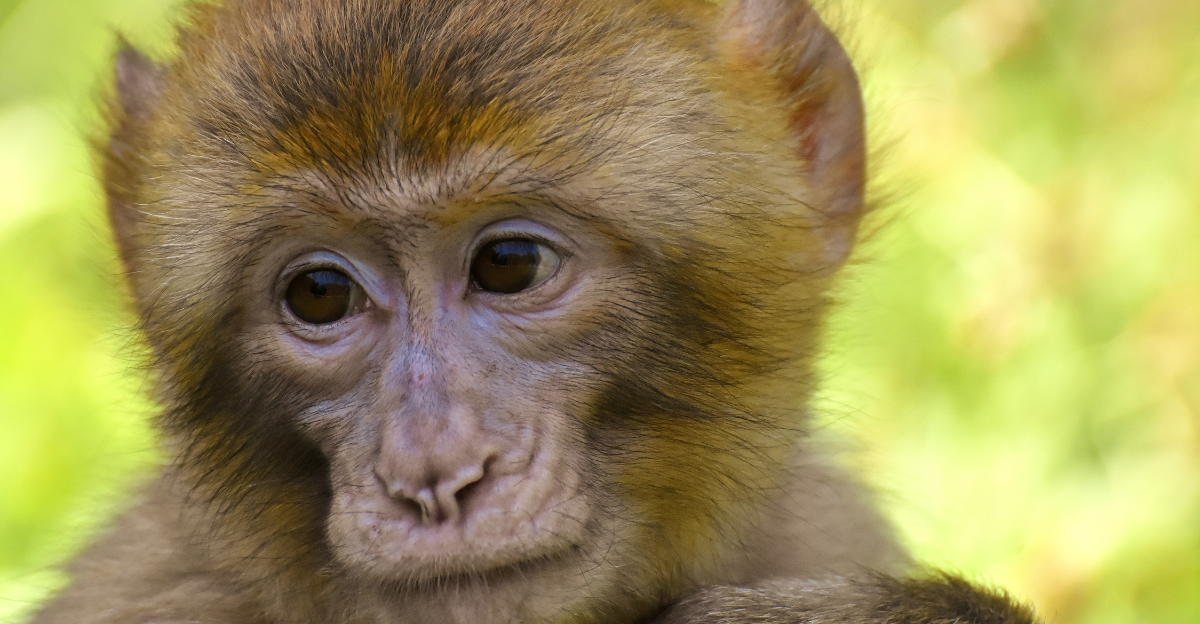
The lost monkeys in Mississippi exposed urgent risks and gaps in animal transport safety, crisis communication, and public understanding.
The incident contributes to a pattern of recent primate escapes, highlighting systemic vulnerabilities in the handling and transportation of research animals.
For residents, the affair served as a lesson in vigilance and the vulnerability of scientific supply chains. Whether change comes from new oversight or continued incidents remains to be seen.