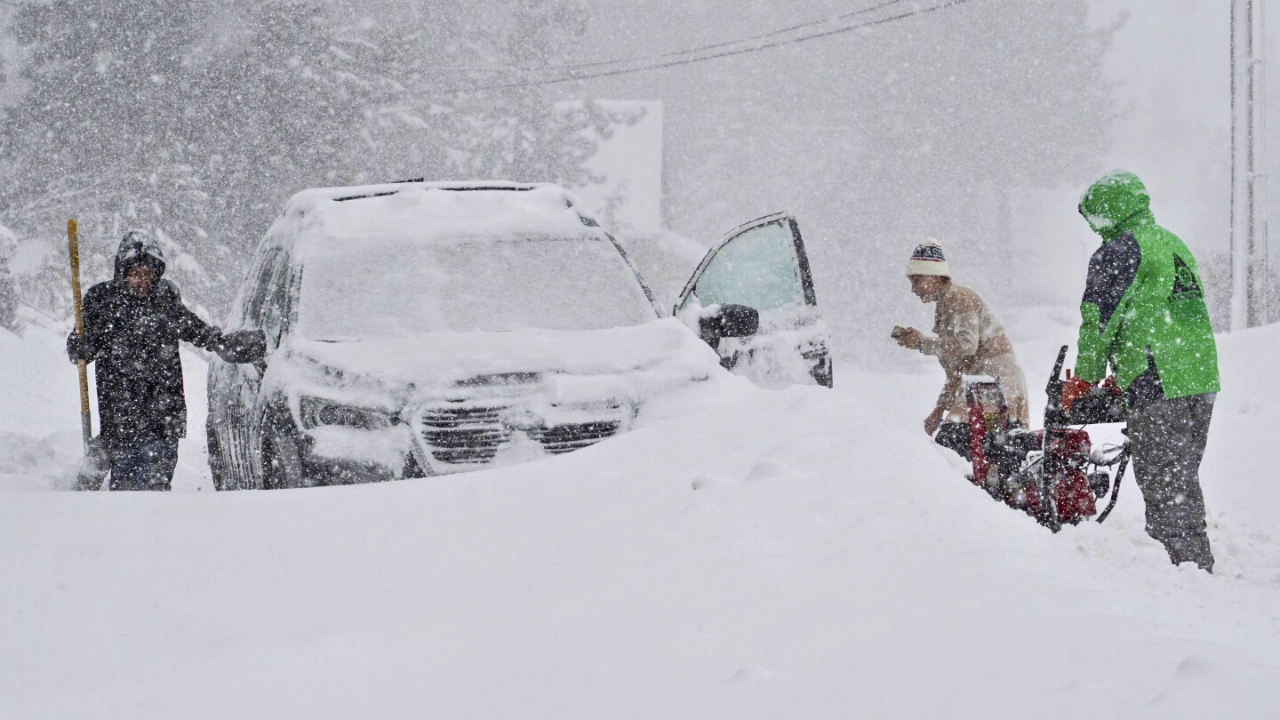
Winter’s fury had arrived early, and it did not hold back. On October 26, 2025, the National Weather Service slammed seven states with Winter Storm Warnings, warning of life-threatening conditions raging across mountain ranges through Monday night. This was not a distant threat or a mild inconvenience—this was a storm demanding attention.
Officials pleaded with residents and travelers to stay off the roads. Across Wyoming, Utah, Montana, Oregon, Washington, Nevada, and Idaho, communities scrambled as forecasters stressed that it was no ordinary October storm—it was a record-shattering, high-risk event that could change lives in hours.
Yellowstone Under Siege: Over 30 Crashes in a Single Day
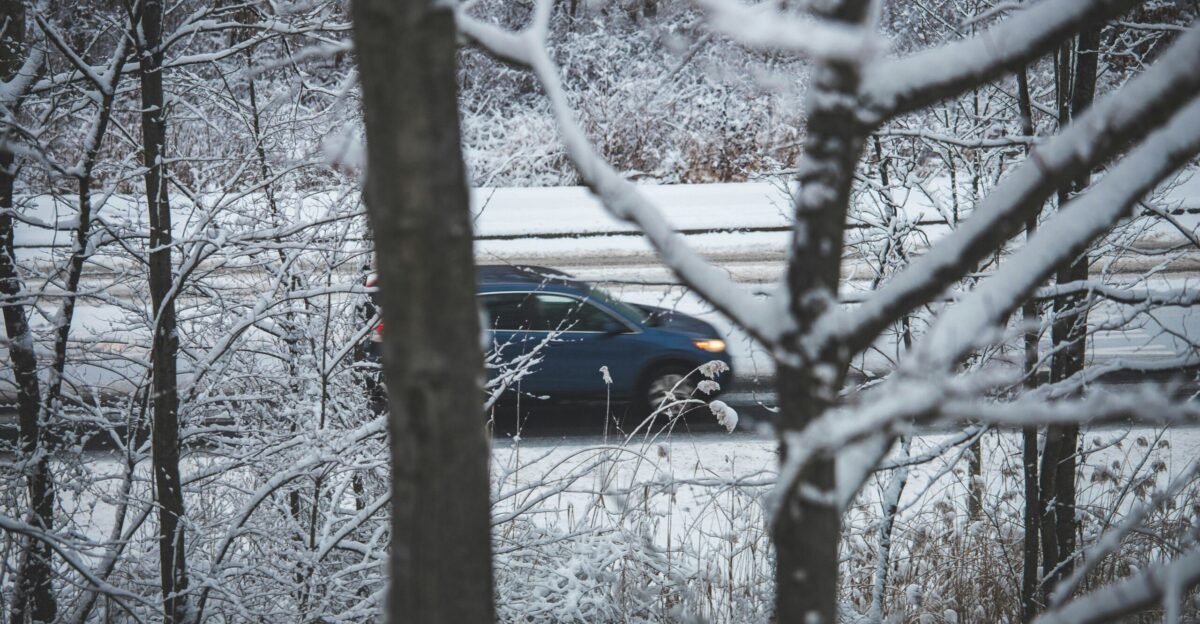
Yellowstone officials responded to more than 30 vehicle accidents and calls from stranded motorists on Sunday, as heavy snow, ice, and treacherous winds transformed scenic drives into survival situations. By 5 p.m., park officials closed all roads south of Mammoth Hot Springs, sealing off the park’s iconic destinations.
Interior access became impossible. Crews worked frantically to clear snow and ice, but conditions deteriorated faster than plows could manage. The road between Gardiner and Cooke City remained the only open route.
The Storm Nobody Expected—Yet Everyone Should Have
Julie Argyle, postmaster at Lake Village on Yellowstone’s edge, captured the shock: “You have to be prepared for anything. The weather can turn on a dime in any month, but it’s worse at this point in time.” Early October had delivered pleasantly mild conditions—Jackson, Wyoming, reached 75 degrees on October 9, well above the normal temperature.
Then winter arrived with vengeance. The abrupt shift from comfortable autumn to life-threatening blizzard shocked residents and challenged emergency response systems already stretched thin by federal government staffing shortages.
A Perfect Storm of Danger
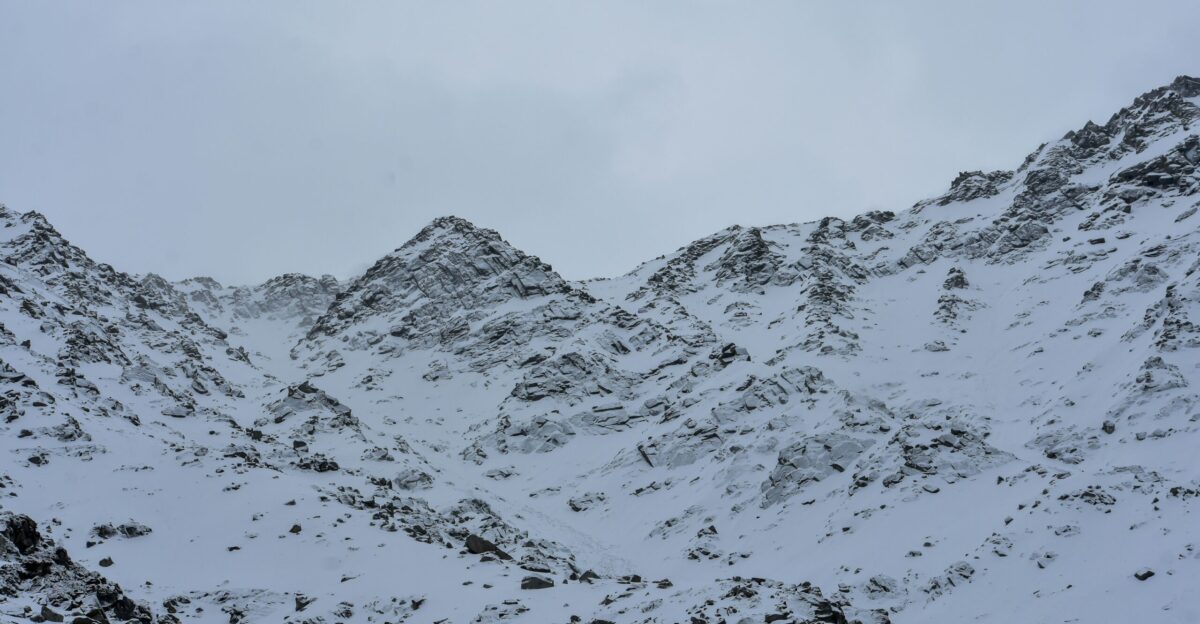
Relentless snow battered the Teton and Gros Ventre Mountains, burying each range under 10 to 18 inches, while 40- to 45-mph winds whipped blizzard conditions into reality. High in the Wind River Mountains, peaks above 10,000 feet braced for 12 to 18 inches and 60 mph gusts—powerful enough to push vehicles or flip light trucks.
Yellowstone’s Southern Entrance expected 15 inches, matching the Absaroka Mountains’ 60 mph winds above 9,000 feet. Snowdrifts blocked vital routes, while black ice quietly formed in shaded corners, turning every curve into a hidden hazard.
The Road Network Fractures
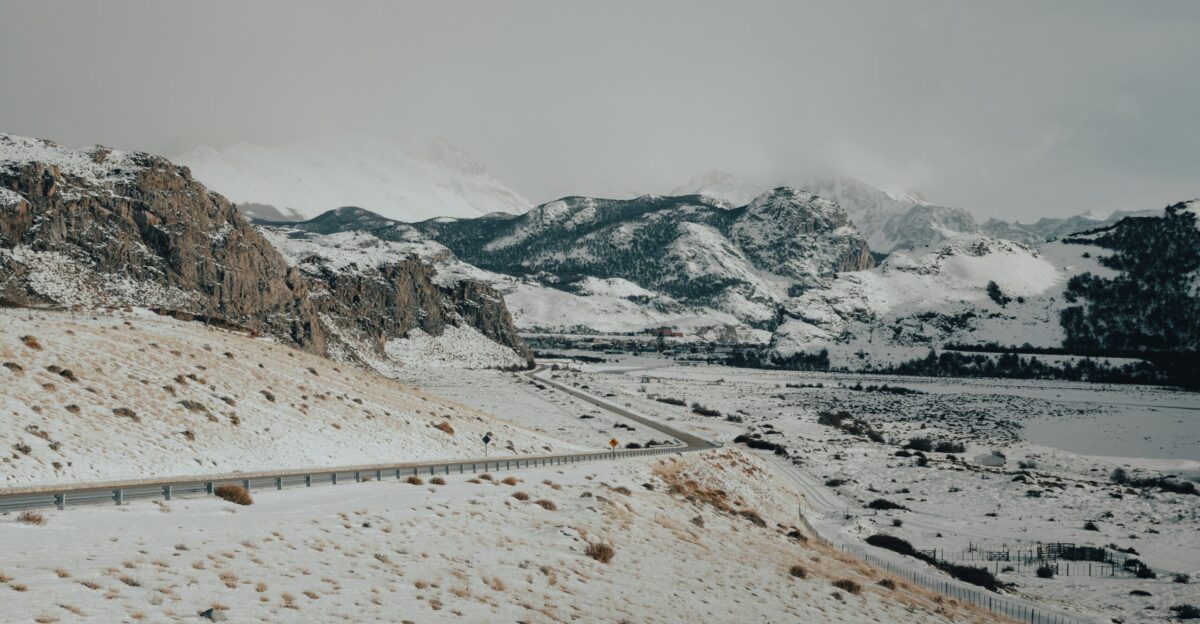
Teton Pass, the main north-south route, teetered on the brink of closure as conditions worsened. Meanwhile, Togwotee, Union, South, and Salt River Passes became impassable barriers. These weren’t just local roads—they were vital lifelines for thousands of residents and seasonal workers.
School districts struggled with closures, supply chains faced delays, and emergency services braced for the possibility of communities being isolated for weeks.
Winter Storms Begin Earlier Than Expected

October 2025 began with mild, almost deceptive warmth that lulled residents into a sense of security. Then, suddenly, the season’s first major mountain snowfall swept in before Halloween—about a week earlier than usual. Ski resorts rejoiced at the early powder, but travelers found themselves scrambling.
Hotel rooms vanished overnight. Store shelves were cleaned out. In a flash, winter delivered notice: autumn was officially over.
The Survival Kit Requirement
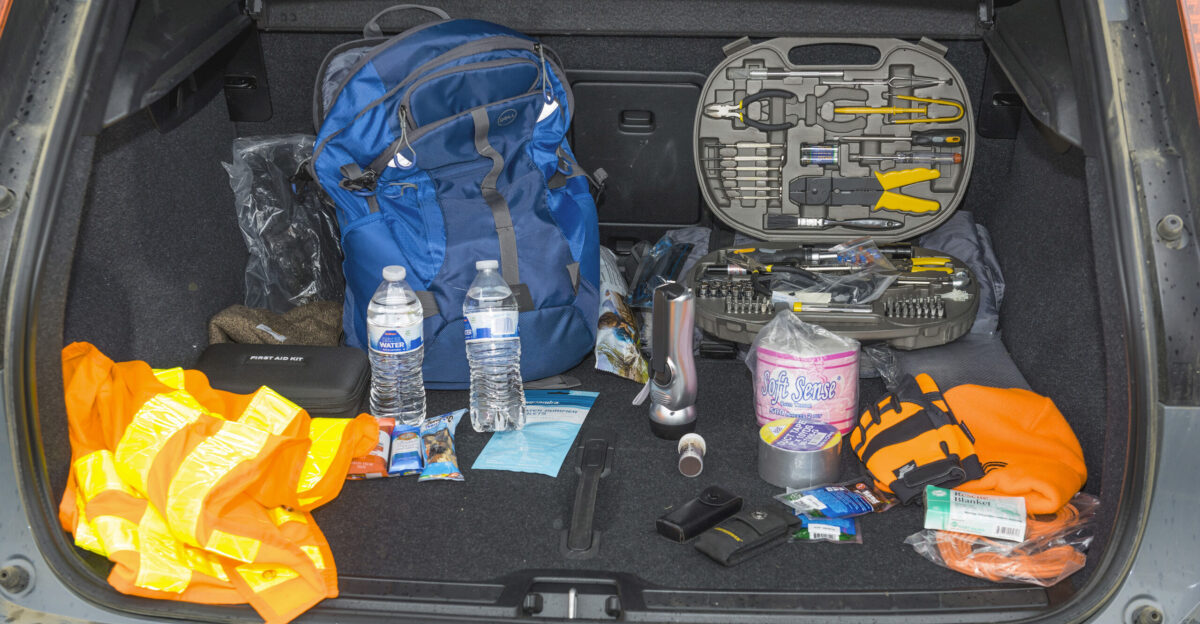
The National Weather Service issued explicit survival guidance for those venturing into the hazardous conditions. Flashlights, extra food, and water weren’t recommendations—they were requirements. Bridges and overpasses froze before regular pavement, creating hidden ice traps.
Reduced visibility from blowing snow made stopping dangerous. Those traveling faced guidance that seemed resigned: “If you must travel, drive slowly.” The implication was clear that staying home might be the only truly safe option.
The 60 MPH Winds Nobody Was Ready For
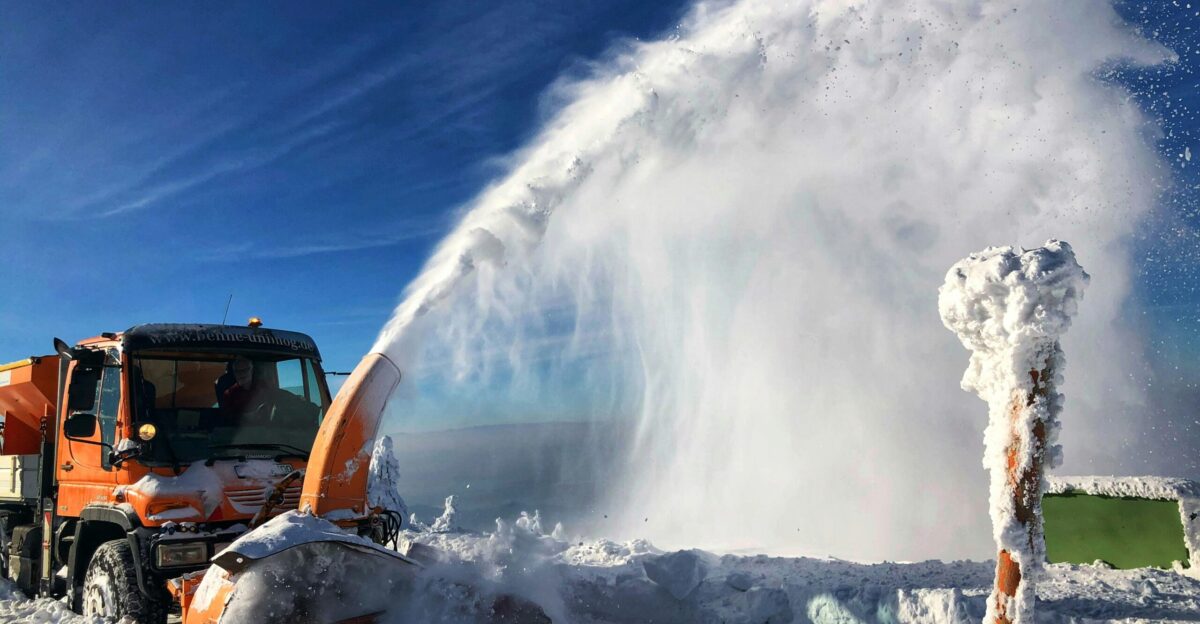
Wind gusts reaching 60 mph transformed mountains into “no-go zones.” Vehicles experienced genuine handling difficulties; high-profile vehicles and trucks faced the danger of being pushed across lanes or rolling over. Snowdrifts accumulated faster than crews could clear them.
Power lines risked damage from heavy, wet snow combined with extreme winds, potentially leaving communities without electricity for heating. Wind chills approached -20 to -30 degrees—frostbite territory within minutes.
When Snow Becomes a Wall
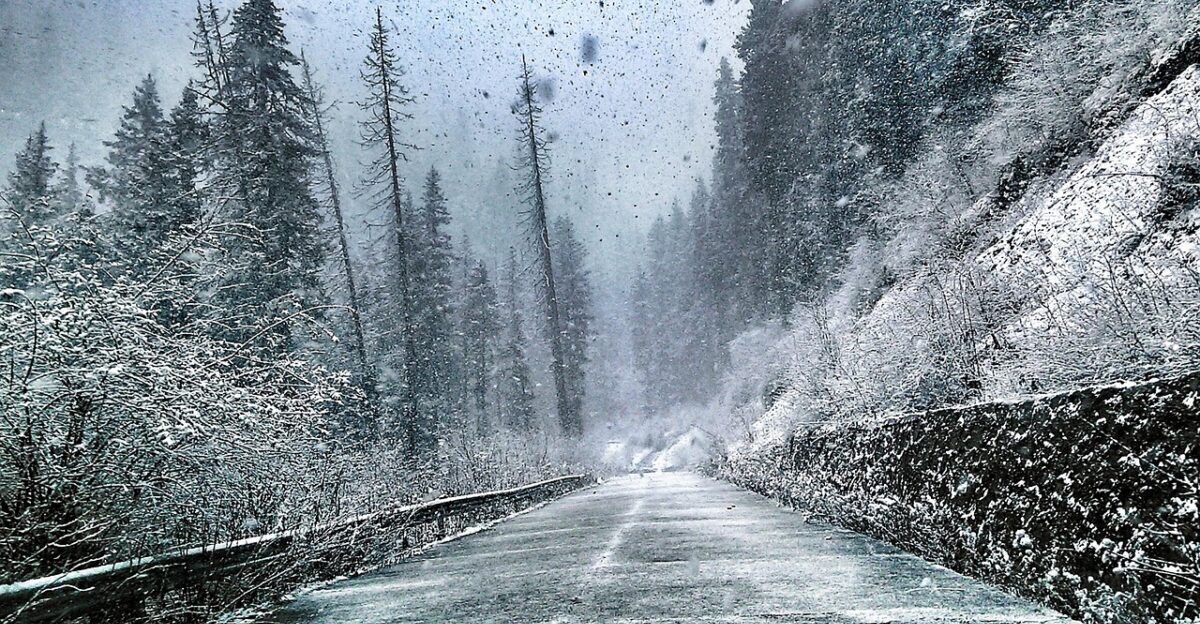
Genuine blizzard-like conditions—sustained winds above 35 mph, heavy snow, and near-zero visibility—were forecast across the highest elevations. Visibility reached conditions where you couldn’t see your hand in front of your face. Snowdrifts would sculpt into barriers 8 to 12 feet high.
Emergency services warned rescue operations might face 24 to 48-hour delays if someone became stranded in remote areas. The public faced a genuine life-or-death calculus.
Seven States, Five Mountain Ranges, Half a Million People
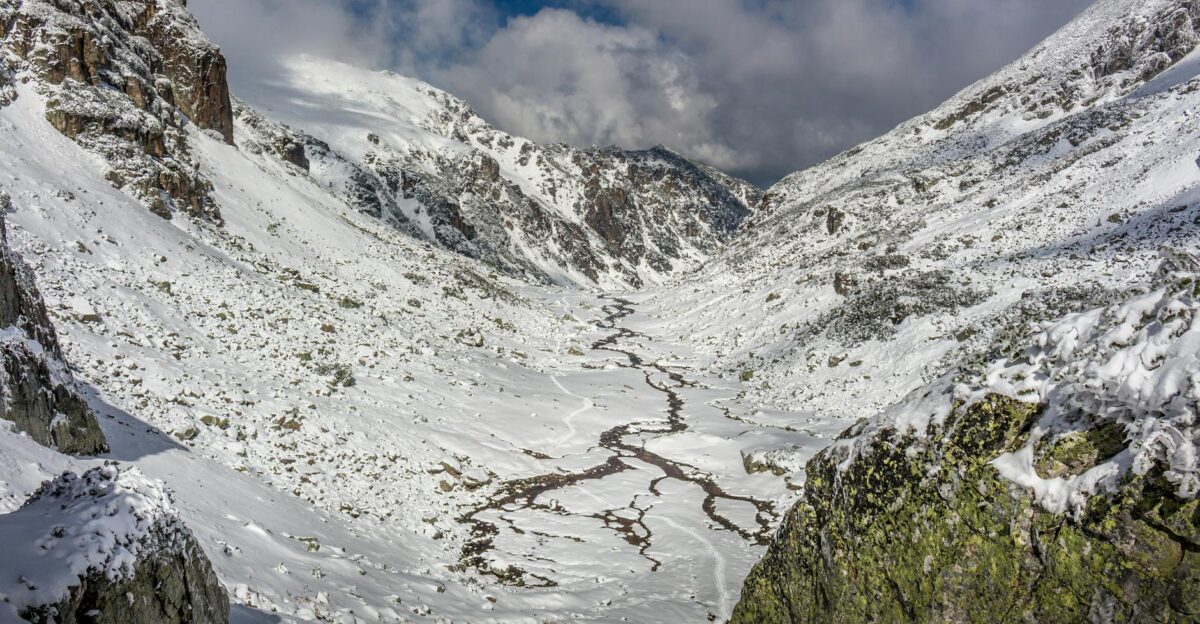
The storm warning enveloped a vast swath of the West—much more than most imagined. Wyoming took the hardest hit, with nearly every mountain range above 8,000 feet in the crosshairs. Alerts also sounded for Salt Range and Uinta Mountains, as well as the peaks of Montana, Oregon, Washington, Nevada, and Idaho.
Wyoming’s population, over 580,000, meant that at least half a million people felt the storm’s direct or ripple effects.
Climate’s Jekyll and Hyde
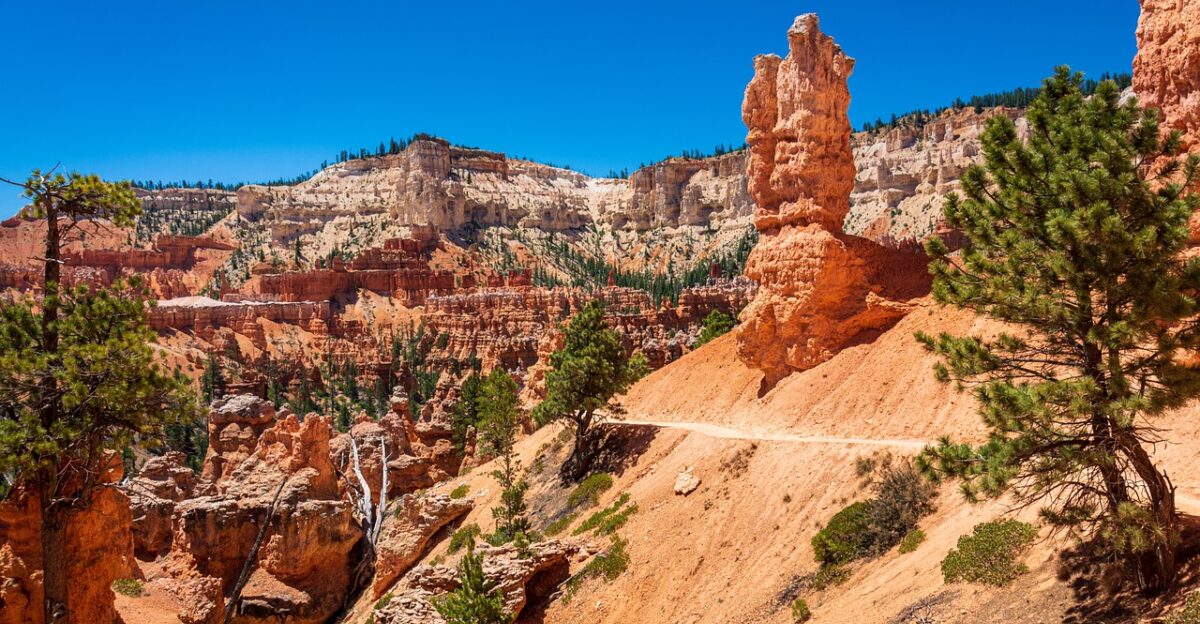
October 2024 had been the second-hottest October on record globally. Yet October 2025 brought extreme early-season blizzards to the same mountains. The oscillation between record warmth and substantial snow illustrated increasing weather volatility.
Scientists attribute such swings to climate change impacts on jet stream behavior and atmospheric circulation patterns. The pattern of extreme opposites is aligned with climate model predictions.
When Emergencies Meet Government Absence
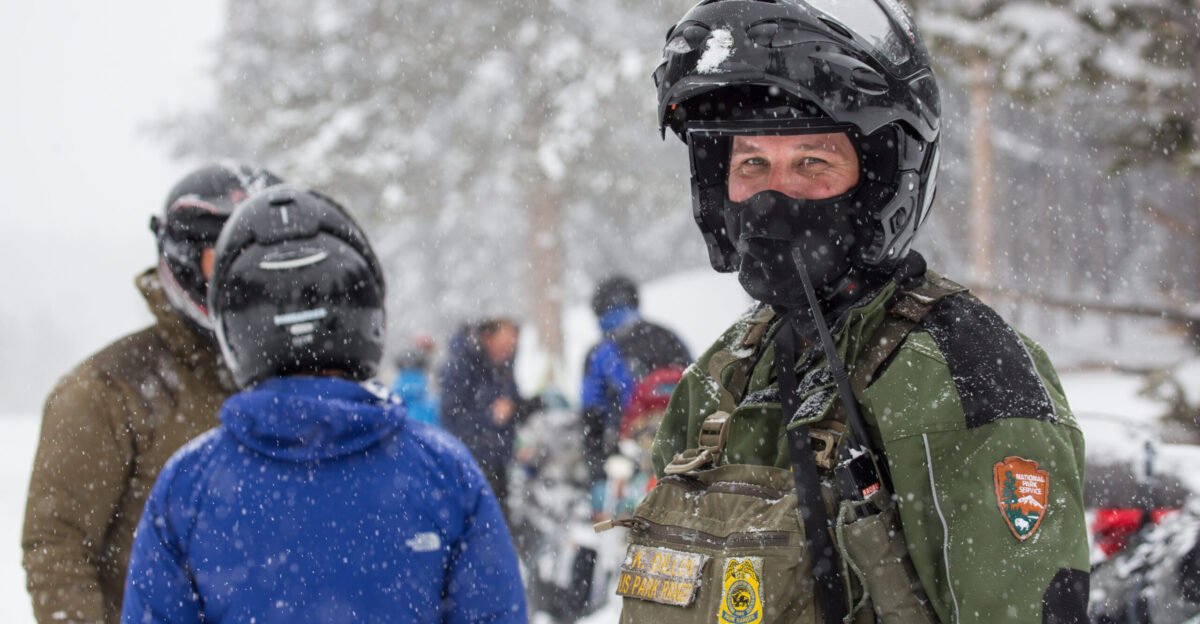
Yellowstone staff were already understaffed due to the federal government shutdown, which began on September 30, leaving only law enforcement rangers. When hundreds of vehicles suddenly needed assistance within hours, the skeleton crew faced impossible situations.
Julie Argyle noted: “We had a pretty significant snowstorm around October 12, and it took them longer than normal to clear the roads because of the people who weren’t there.” Park snowplow crews couldn’t handle simultaneous emergencies.
Preparation and Emergency Response

As ominous skies gathered, the region sprang into action. Road crews piled up salt and sand, while emergency managers sent warnings across communities. The National Guard readied teams for rescues, hospitals prepared supplies, and utility workers braced for outages.
Tourism operators reached out with updates, schools planned for closure, and residents hurried through crowded stores. Search and rescue teams mobilized. Every response drew on years of hard-earned winter wisdom.
The Warning System That Worked—Until It Didn’t
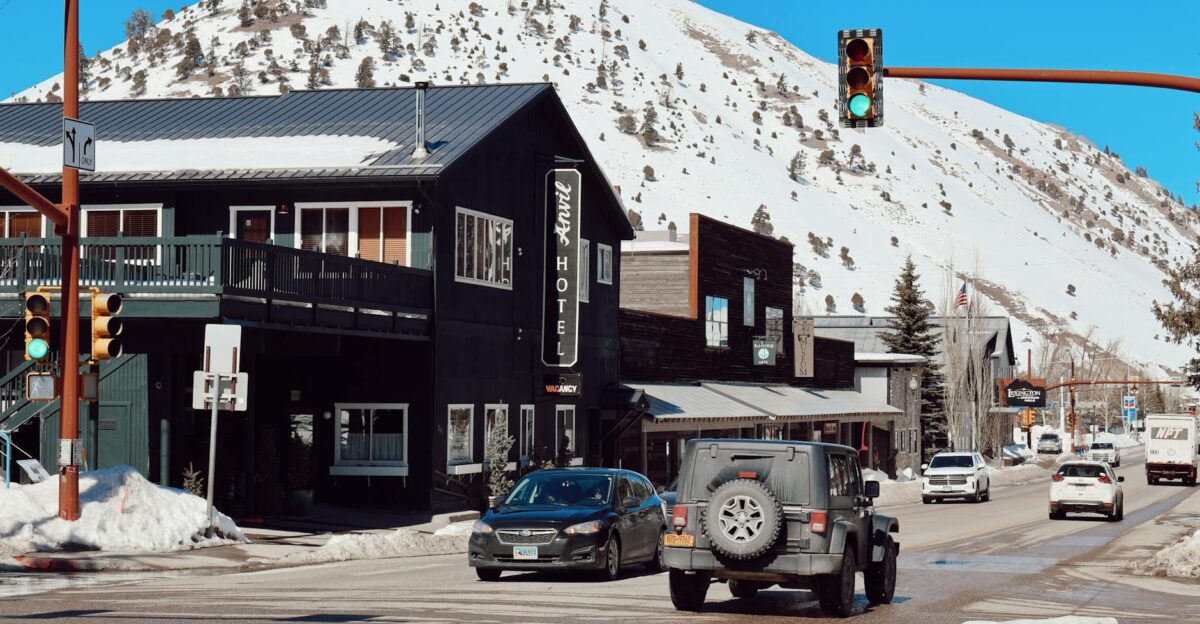
The National Weather Service issued warnings before sunrise on October 26, giving communities vital time to prepare for the storm. Thanks to these early alerts, many motorists steered clear of the more than 30 accidents in Yellowstone.
The power of experience shone through in a Jackson resident’s story from 2021: “We were at the gas station and a lady came in and asked if she could stay in the parking lot because there were no hotel rooms available.” Every voice echoes the value of paying attention when the weather turns.
Wind River Mountains Where the Storm Peaked
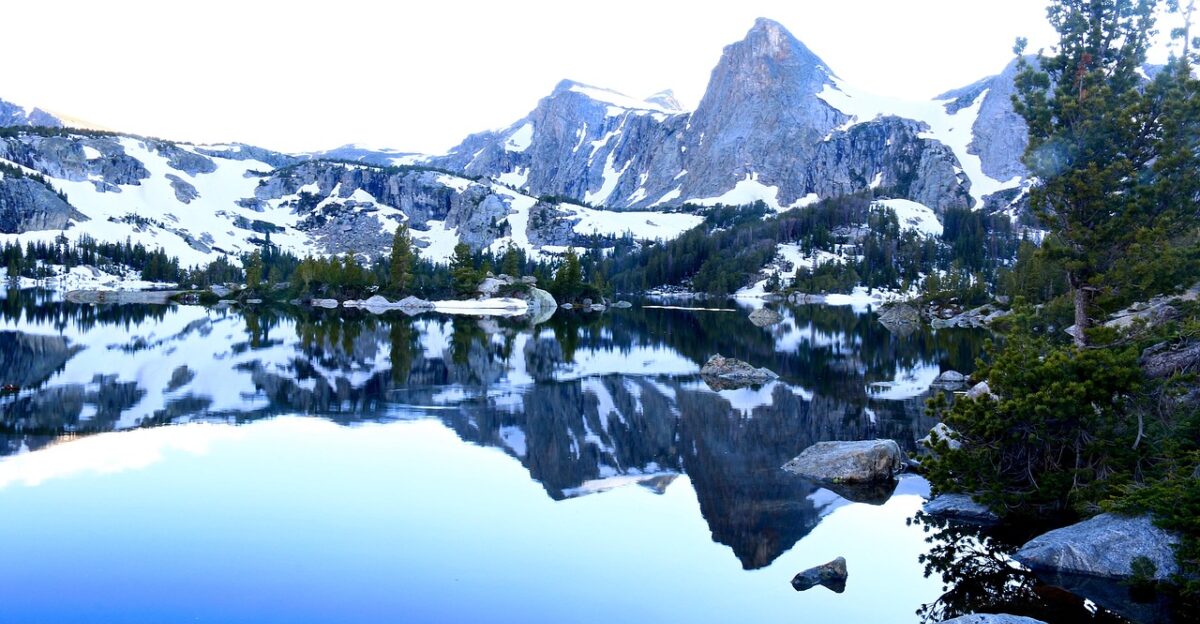
The Wind River Range stood at the heart of the storm’s fury, bearing the zone’s most extreme forecasts. Peaks above 10,000 feet braced for 12 to 18 inches, with 60 mph gusts fueling life-threatening blizzard conditions. Lower, between 9,000 and 10,000 feet, 6 to 12 inches were expected.
Union Pass prepared for 4 to 8 inches, South Pass for 2 to 4. Backcountry adventurers above timberline faced truly perilous conditions.
Highway Closures Ripple Through Supply Chains
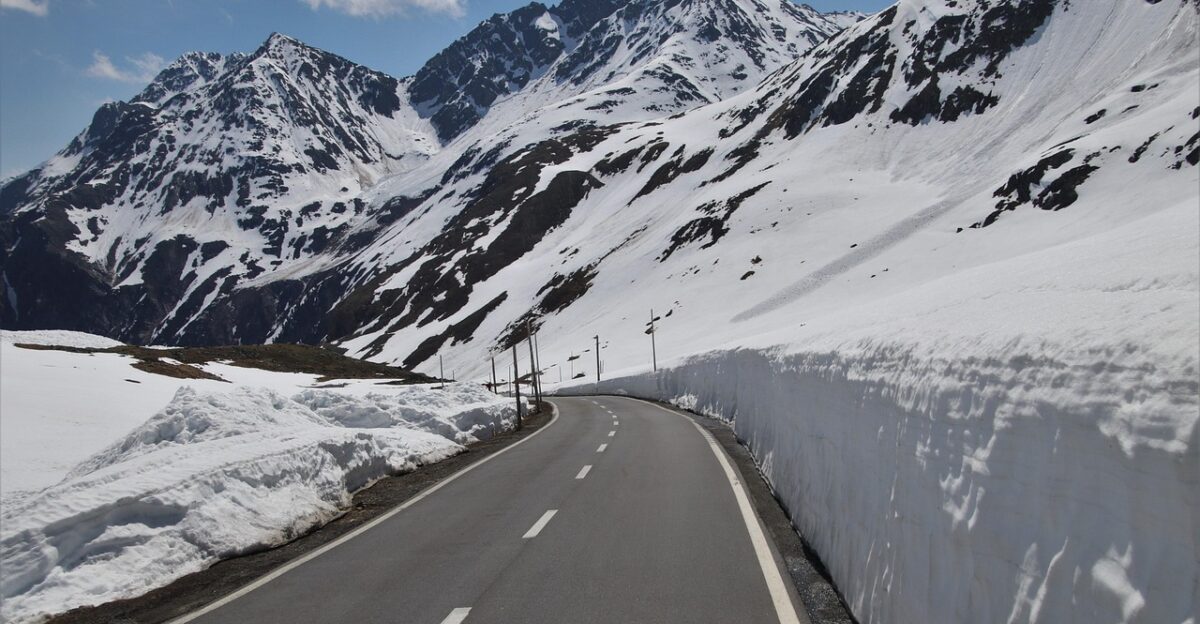
Scenes from this storm echoed a Texas trucker’s frustration years earlier: “Where’s my product? Where’s my stuff? We’re stuck.” This time, Interstate 25 between Buffalo and Casper shut down. Vehicles stalled on I-80 and I-90 as sections across Wyoming became impassable.
These were more than traffic headaches—they rippled through national supply chains, forcing delivery services to scramble, and left businesses and consumers dealing with unexpected shortages.
Early October’s Deceptive Warmth
October 2025’s unusual warmth lulled everyone into a false sense of security. Residents relaxed; travelers planned trips, thinking winter was far off. Even the ground stayed above freezing, and high peaks clung to their last scraps of summer.
Then, without warning, an Arctic front slammed temperatures 40 to 50 degrees below normal in just hours. What felt like a gentle “shoulder season” shifted instantly into a full-blown winter emergency.
Winter Has Decisively Arrived
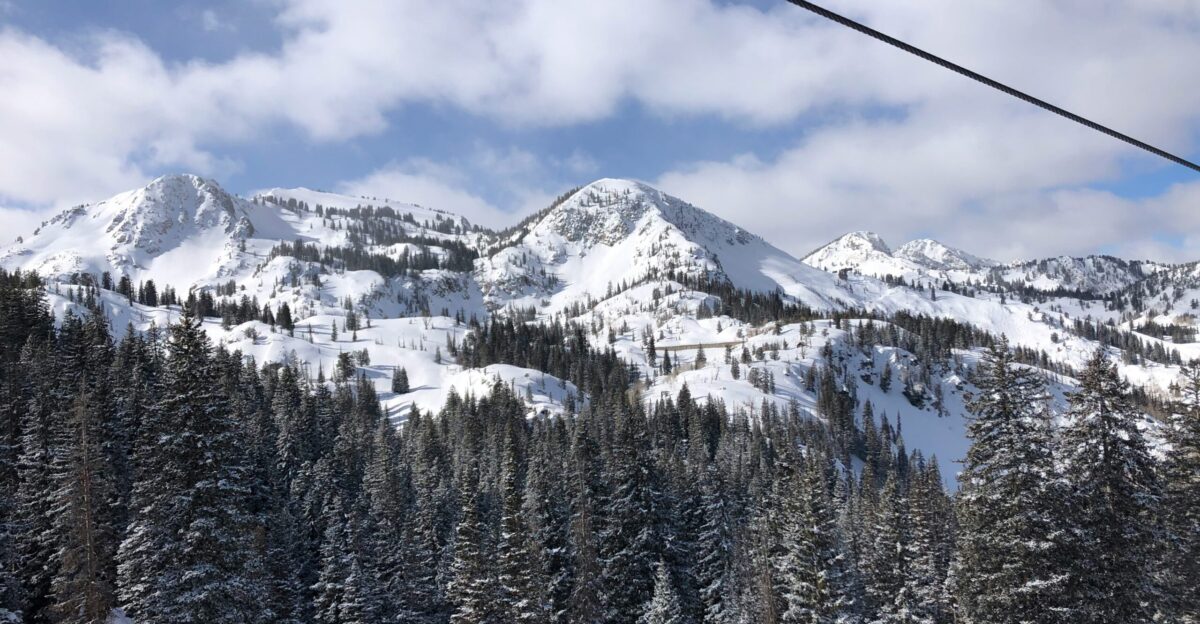
Winter wasted no time staking its claim. Snow continued to blanket the western mountains, with fresh chances lingering into November. By mid-week, a warm spell promised brief relief, yet drifts above 9,000 feet would remain for weeks.
For ski resorts, it’s an early gift; for everyone else, proof that the season’s rhythm is set—active, relentless, unmistakable. This year, winter arrived before the calendar even gave permission.