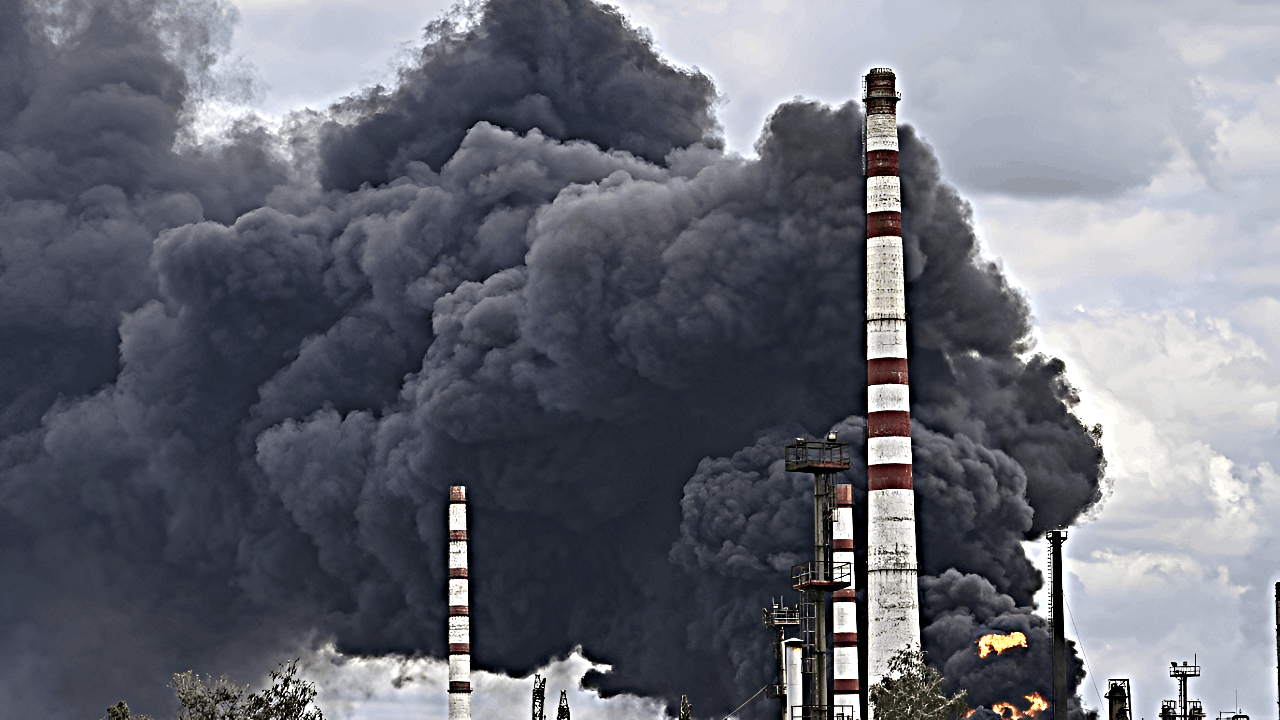
On the night of October 23, 2025, Ukraine launched a major drone offensive, sending 139 unmanned aircraft deep into Russian territory. The operation, targeting ten regions across central and western Russia, marked a significant escalation in the conflict and demonstrated evolving tactics in modern warfare.
Rosneft’s Ryazan Refinery: A Strategic Target
At the heart of the assault was the Rosneft Ryazan Oil Refinery, a critical node in Russia’s energy infrastructure located approximately 200 kilometers southeast of Moscow. The facility is one of Russia’s four largest refineries and a key Rosneft asset supporting Russia’s fuel supply. It processes over 13 million tons of crude oil annually—approximately 5% of the nation’s refining capacity. In 2024, Ryazan produced 2.2 million tons of gasoline, 3.4 million tons of diesel, 4.3 million tons of fuel oil, and 1 million tons of jet fuel, fueling both military and civilian sectors.
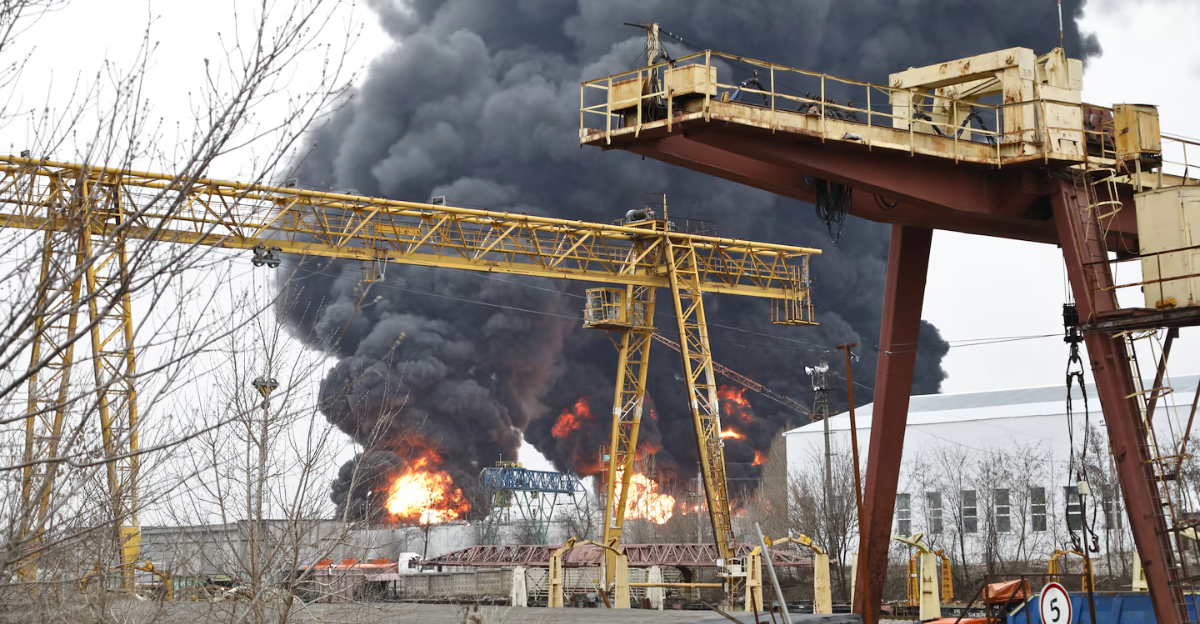
The attack on Ryazan was not random. Local residents said they “heard the explosions and saw flames lighting up the sky.” It was clear something big had happened. Within hours, fires engulfed parts of the refinery, and satellite images later confirmed that the CDU-4 crude distillation unit—responsible for approximately a quarter of the plant’s capacity—had been directly hit and forced to shut down. The loss of this unit alone meant a daily shortfall of roughly 80,000 barrels of processed oil, with cascading effects on Russia’s military logistics and civilian fuel supplies. Secondary shutdowns of reformer, vacuum gasoil hydrotreater, and catalytic cracker units further reduced output, though the plant continued limited operations.
Coordinated Multi-Target Offensive
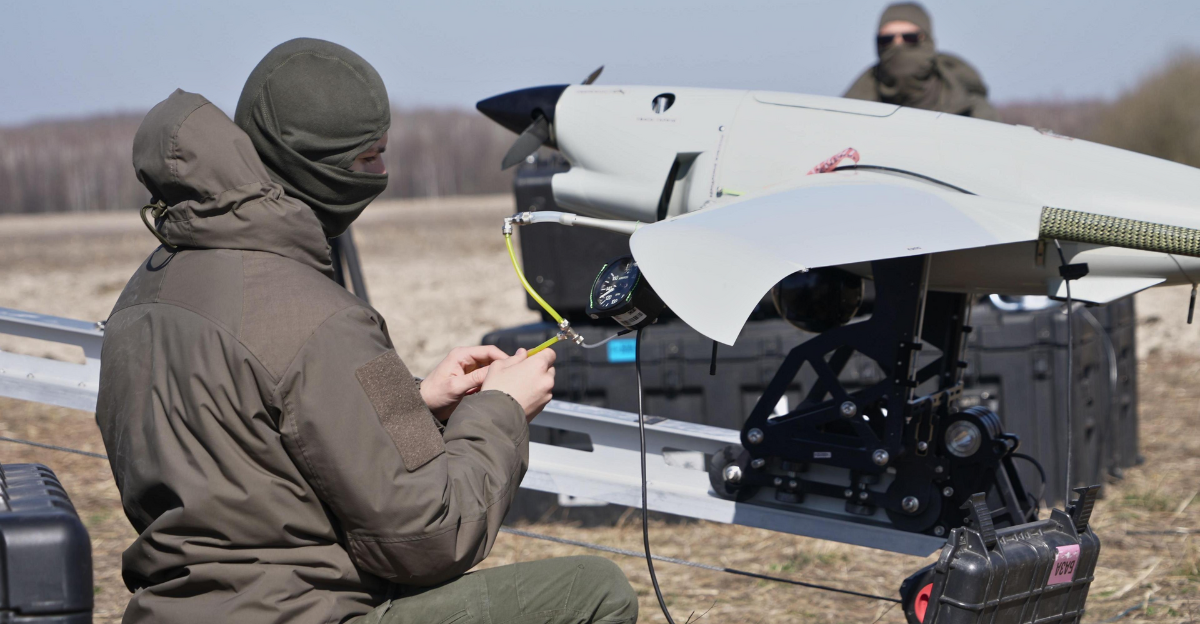
What set this operation apart was not just its scale, but its coordination. Ukraine deployed drones in a coordinated assault across multiple targets, forcing Russian defenses to stretch thin across a vast area. In Belgorod Oblast, 56 drones were detected, while Bryansk and Voronezh each saw more than twenty. Fourteen drones were reported over Ryazan by Russian defense claims.
While Ryazan burned, a second wave of drones struck an ammunition depot near Valuyki in Belgorod Oblast. The resulting explosions triggered a chain reaction, with ammunition stores detonating in rapid succession. Ukraine’s General Staff confirmed direct hits and widespread destruction of the weapons storage facility.
Russia’s Defense Ministry claimed that air defenses had intercepted most of the drones. However, evidence from the ground and satellite imagery contradicted these claims. Videos and geolocated footage confirmed direct hits and fires at the targeted facilities, suggesting at least partial penetration of Russian air defenses.
Global Context: Evolving Warfare Tactics
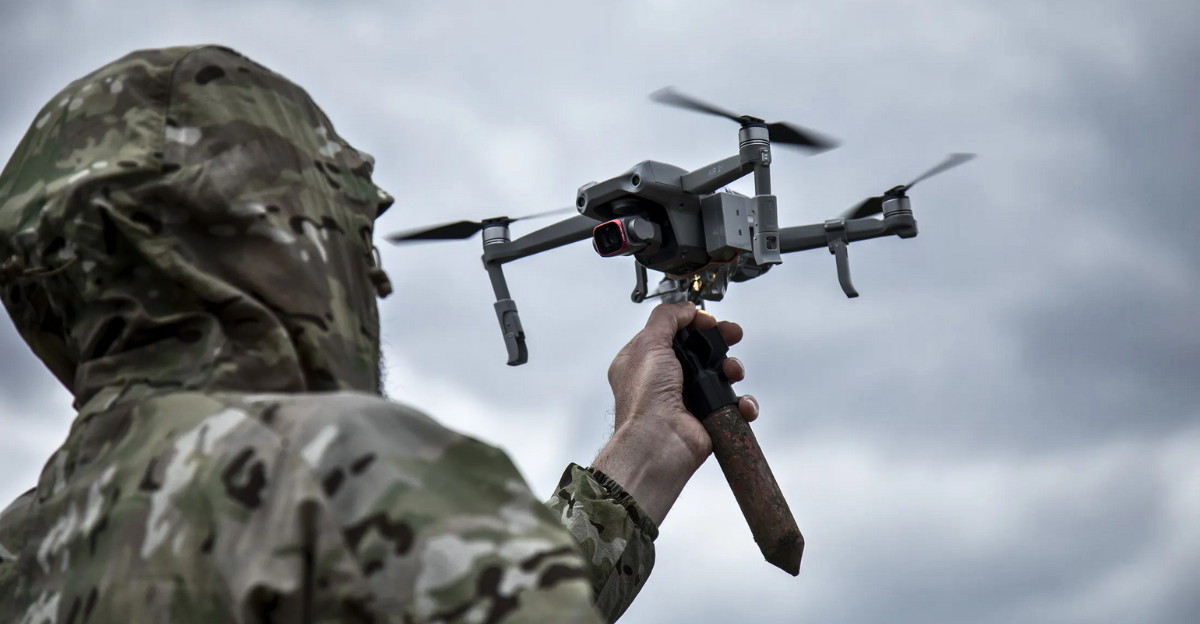
Ukraine’s deep strikes on Russian infrastructure echo similar tactics seen in other recent conflicts, such as Azerbaijan’s use of drones in Nagorno-Karabakh and Houthi attacks on Saudi oil facilities. However, the scale and coordination of the October 23 operation represent significant advances in Ukrainian strike capability.
The Ryazan attack also coincided with a new round of Western sanctions targeting Russia’s energy exports. U.S. President Donald Trump sanctioned Russia’s two largest oil companies—Rosneft and Lukoil—on October 23, 2025. International restrictions have made it difficult for Russia to obtain the specialized parts and technology needed to repair damaged refineries. Russian economist Vladislav Inozemtsev, speaking to Sky News, estimated that repairs at Ryazan could take between two to six months, depending on the extent of damage and the availability of spare parts.
Local and Strategic Impact
For residents in central Russia, the immediate concern is heating and transportation fuel. “We’re worried about how long this will last,” a local resident said. “Winter is coming, and people need to know they can keep their homes warm.” The psychological impact was also significant, as the attack reached closer to Moscow than many previous Ukrainian operations.
According to the International Energy Agency’s October 2025 oil market report, persistent attacks on Russian energy infrastructure have reduced Russian crude processing by an estimated 500,000 barrels per day. Fuel prices at Russian pumps have risen about 11.6% since January 2025, according to Russian Energy Ministry statistics, with trends indicating continued pressure as the war progresses.
Looking Ahead: Persistence and Adaptation
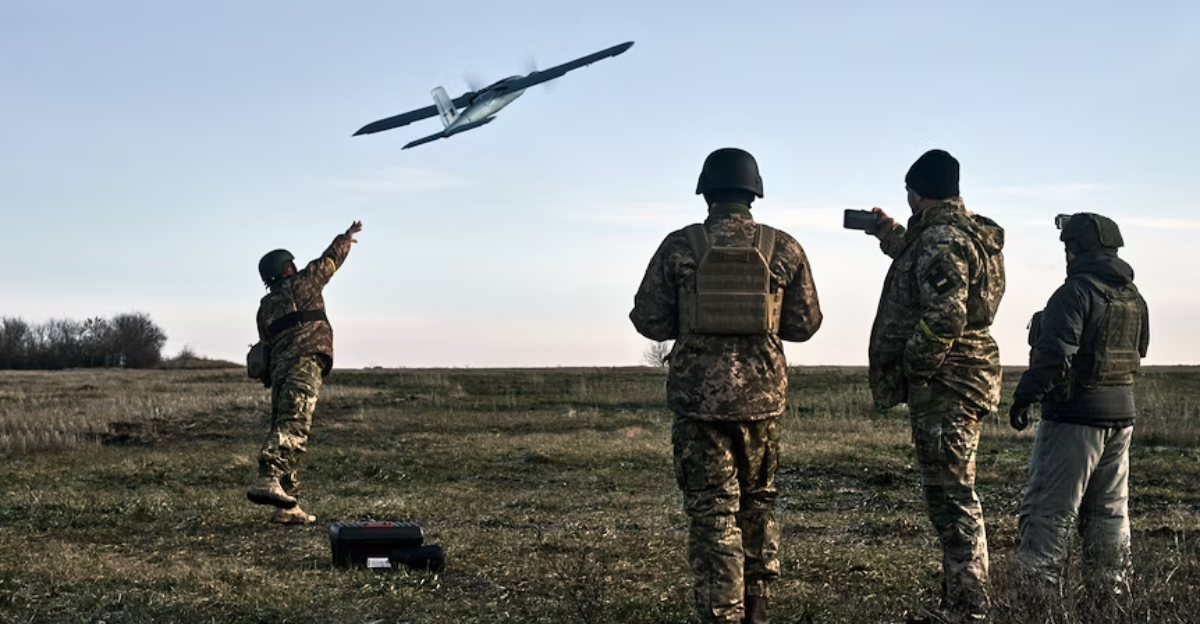
The October 23 drone offensive has altered the tempo of the war, forcing Russia to rethink its defensive strategies and exposing vulnerabilities in its critical infrastructure. As Ukraine continues to develop tactics to sustain pressure on Russia’s energy sector, the conflict is likely to see further shifts away from traditional battle lines toward a contest of resilience, adaptation, and logistical prowess. The world is watching closely, as the lessons from Ryazan and similar strikes may soon shape the future of warfare far beyond Eastern Europe.