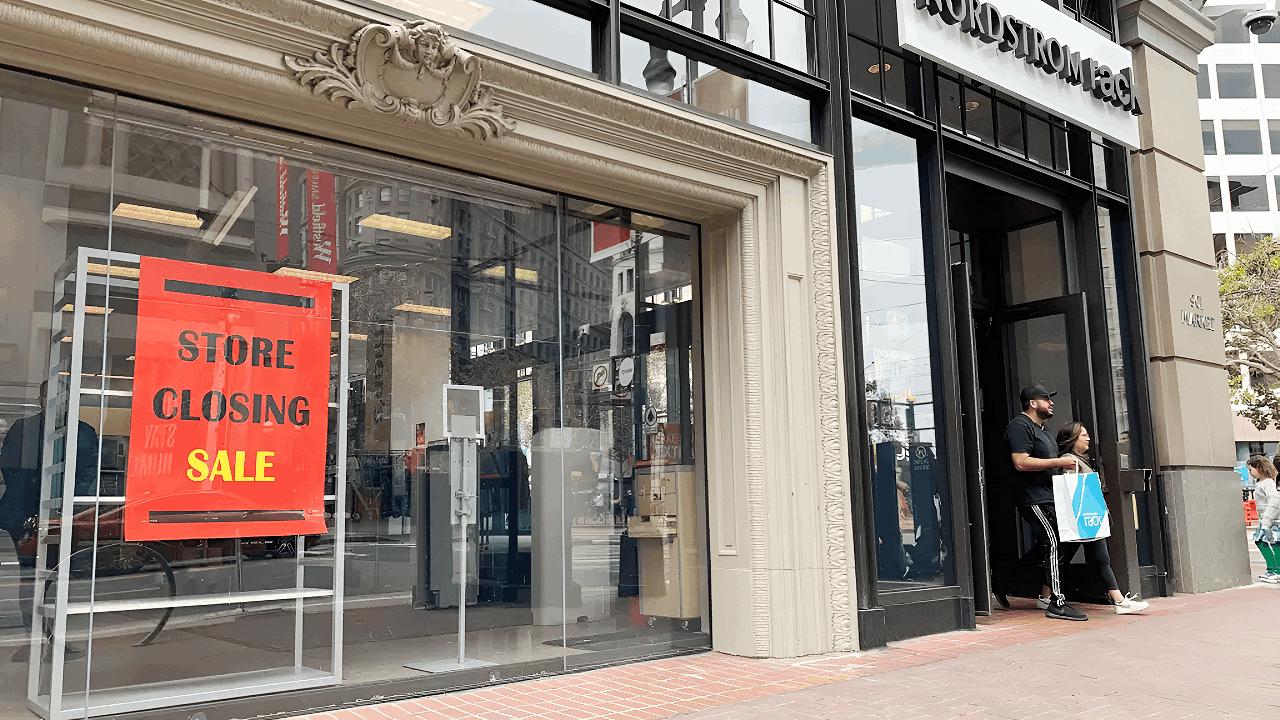
In the heart of San Francisco, boarded-up windows now line streets once packed with shoppers. Whole Foods, Nordstrom, and Macy’s have all walked away, leaving behind dark storefronts and empty sidewalks.
Since 2020, downtown’s retail core has unraveled—20 major chains gone, $40 million in lost tax revenue, and a city struggling to stop the bleeding. How did it all fall apart so fast?
Why Companies Are Leaving San Francisco
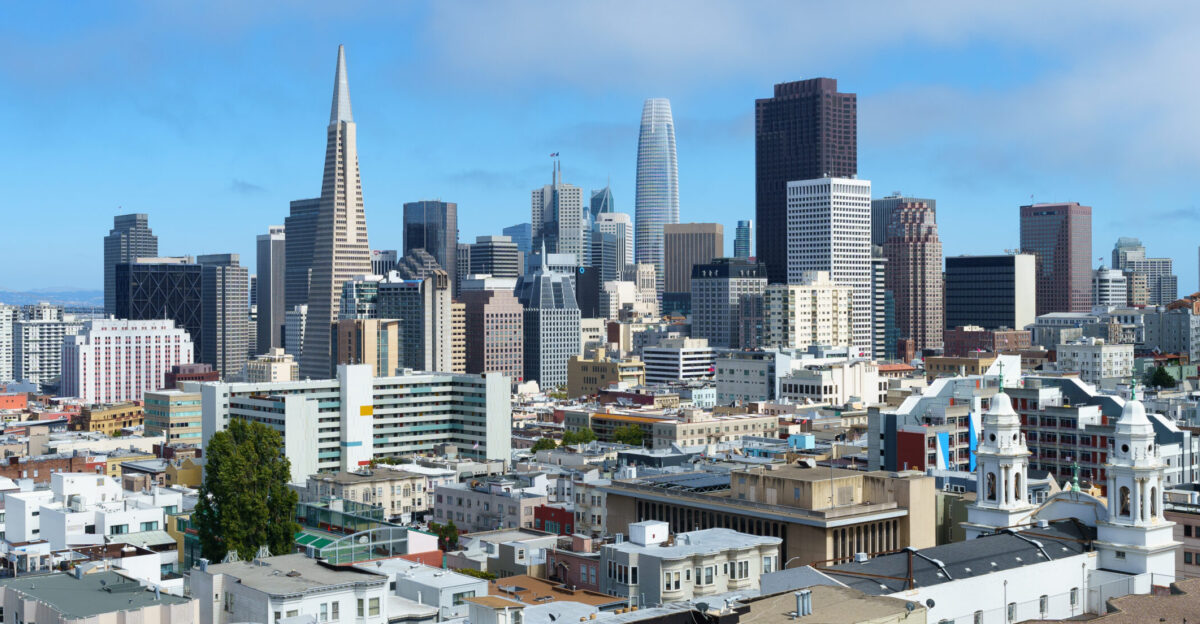
San Francisco’s downtown decline isn’t driven by a single issue—it’s the result of six overlapping crises reshaping the city since 2020. Remote work drained foot traffic, crime and homelessness worsened street conditions, and online shopping permanently changed consumer habits.
High rents, falling revenue, and a “doom loop” of closures compounded the damage, creating a structural crisis that few retailers can survive.
Now, let’s look at which chains have exited San Francisco in the last five year…
#1 – Whole Foods Market (Mid-Market)
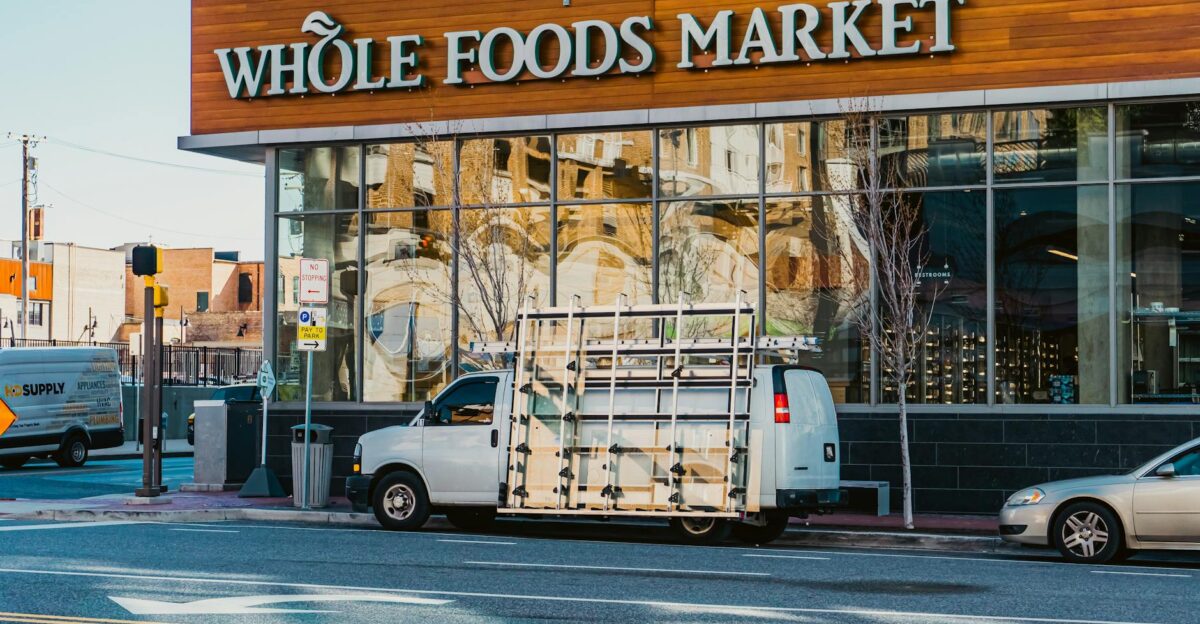
Whole Foods closed its 65,000-square-foot flagship at 1185 Market Street on April 10, 2023, just one year after opening. The company cited “ensuring the safety of our employees”. The closure cut 150 jobs and left Mid-Market without a full-service grocery store, hitting nearby cafes, lunch spots, and local suppliers reliant on its daily traffic.
#2 – Nordstrom (Two Locations)
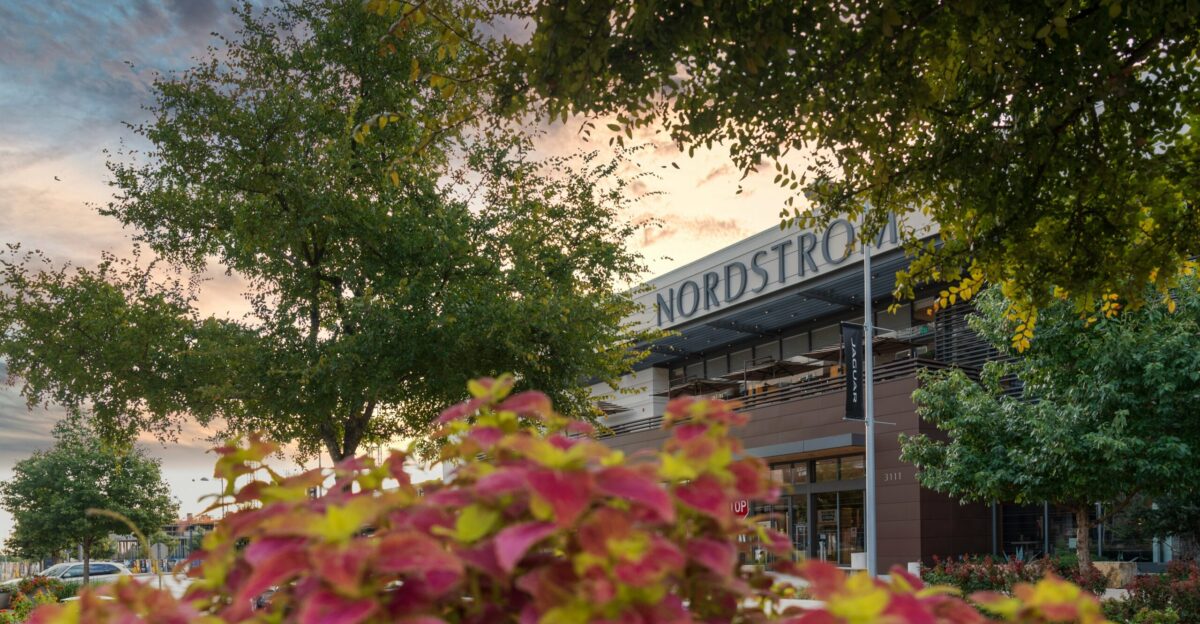
Nordstrom closed both downtown locations in 2023—its flagship at 865 Market Street on August 27 and Nordstrom Rack at 1200 Market on July 1. The company stated, “The dynamics of the downtown San Francisco market have changed dramatically.” Hundreds of jobs vanished as Westfield San Francisco Centre fell to 55% occupancy, defaulting on $558 million in loans.
#3 – Macy’s Union Square
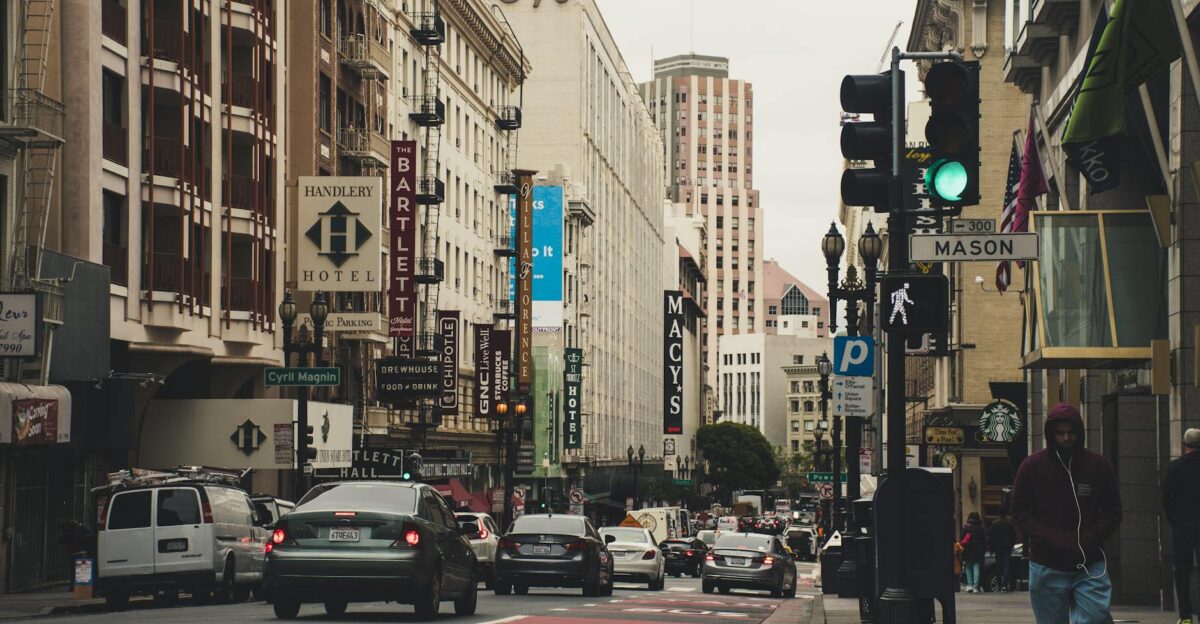
Macy’s announced the closure of its Union Square flagship at 170 O’Farrell Street on February 26, 2024 . Open since 1947, the 700,000-square-foot store was central to Union Square’s economy. The loss threatens hundreds of jobs and worsens the city’s $40 million tax shortfall. Macy’s remains open as of January 2025.
#4 – Old Navy (Market Street Flagship)
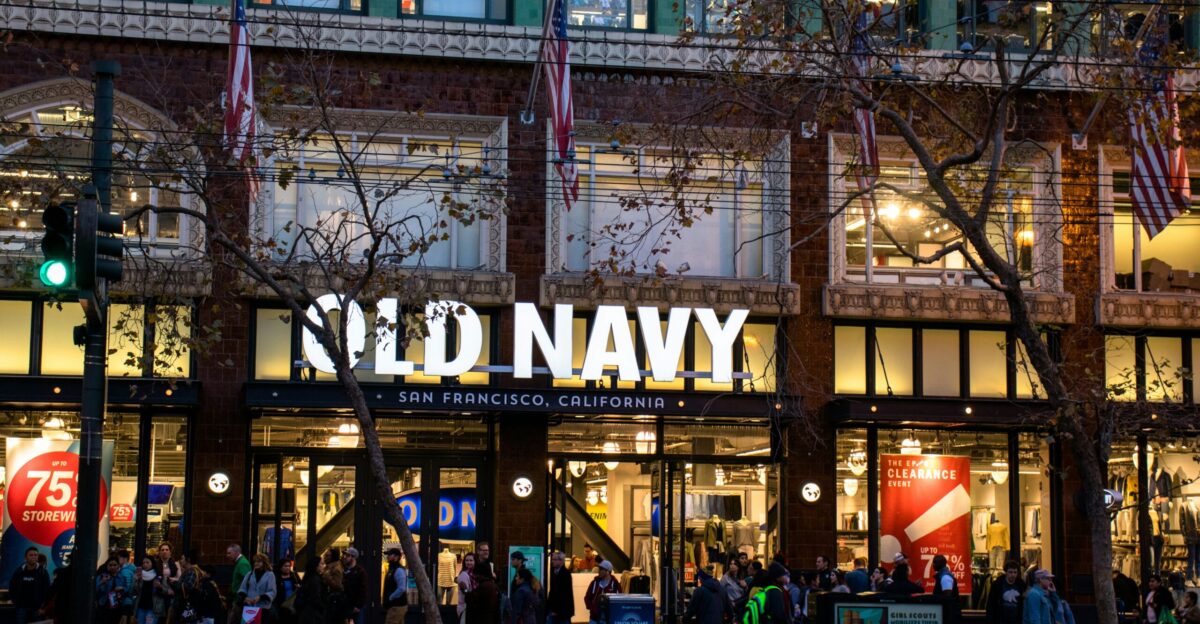
Old Navy closed its 73,000-square-foot flagship at 801 Market Street on July 1, 2023, after repeated shoplifting incidents. Employees reported “out-of-control theft” with losses up to $2,000 per day. The closure erased dozens of jobs and left a prime corner vacant, hurting nearby food trucks, cafes, and security contractors.
#5 – The Gap (Multiple Locations)
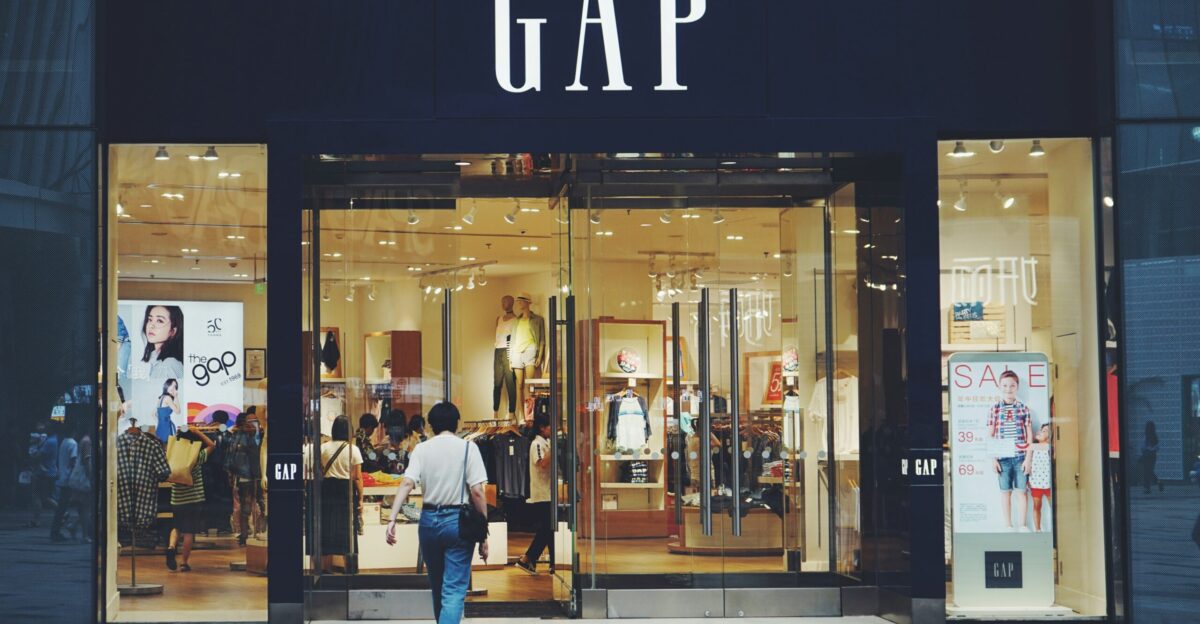
Gap closed three San Francisco stores on August 16, 2020, including its flagship at 890 Market Street. Each site lost 15–25 jobs. The closures marked a turning point for Market Street’s decline as more shoppers shifted online. Local display designers and cleaning contractors lost long-term clients, accelerating the city’s retail erosion.
#6 – Anthropologie (Market Street)
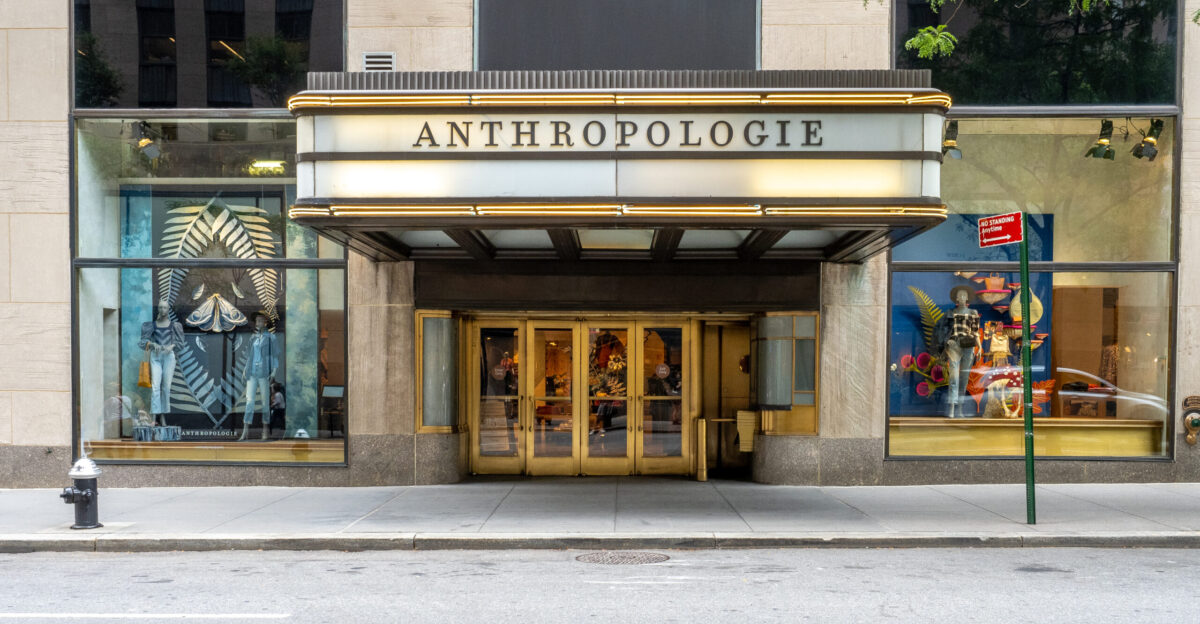
Anthropologie closed its 880 Market Street store on May 13, 2023, after two decades in Union Square. The retailer cited “crime, high rents, and lack of security”. The closure reduced shopping appeal for women 30–50 and left another high-profile vacancy near the Powell Street cable car turnaround.
#7 – Office Depot (Downtown)
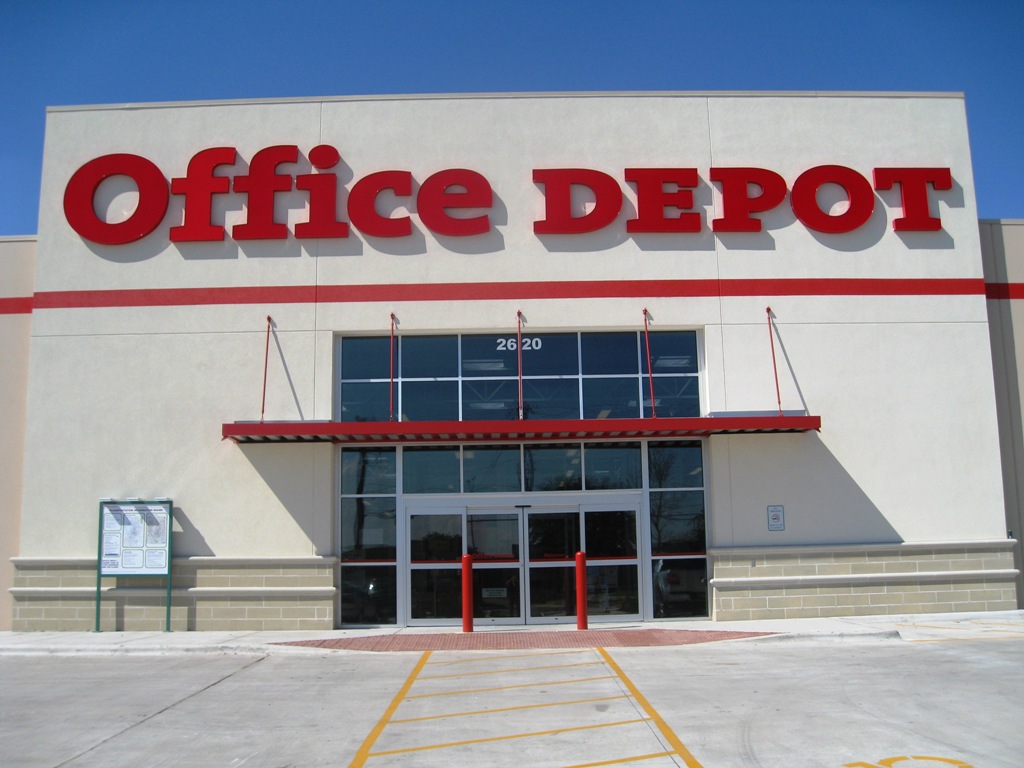
Office Depot shut its 33 Third Street location in Spring 2023, reflecting San Francisco’s one-in-three vacant offices. The closure removed vital office-supply access for downtown firms. Small printing and furniture vendors lost steady business, reinforcing the “doom loop” of fewer workers, fewer services, and more empty storefronts.
#8 – Bed Bath & Beyond (SoMa)
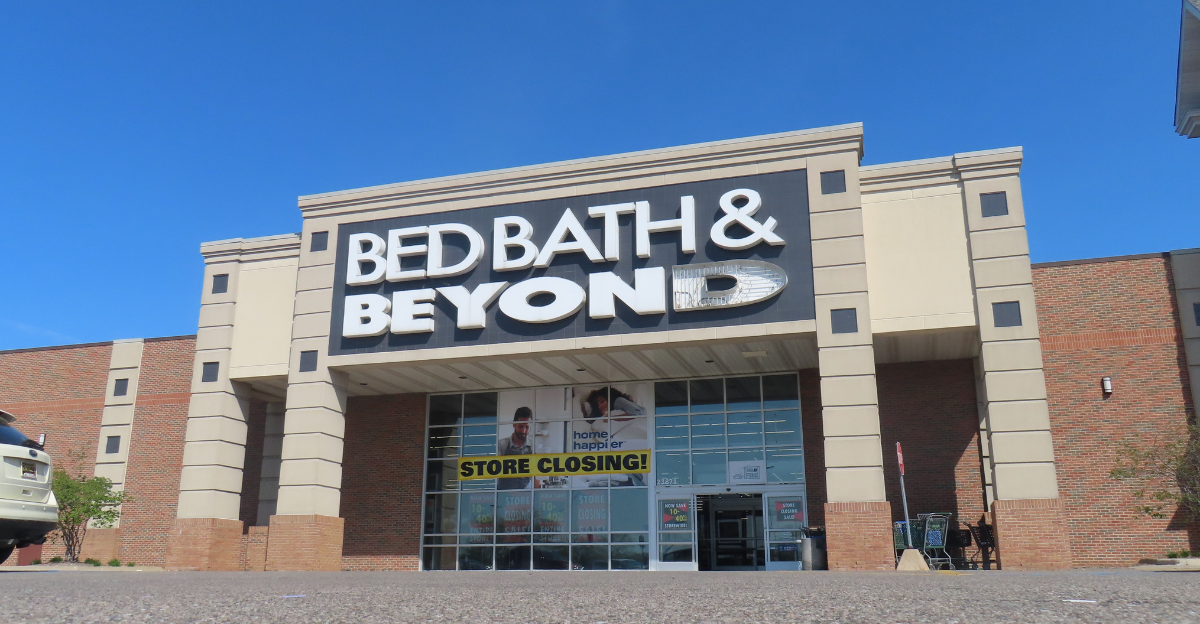
Bed Bath & Beyond closed its 555 Ninth Street store in Spring 2023 amid bankruptcy. The closure erased jobs and left SoMa’s retail plaza half-empty, next to a struggling Trader Joe’s. Wedding registry consultants and home décor suppliers lost a partner, while the empty storefront became a visible symbol of SoMa’s retail decline.
#9 – H&M (Powell Street Flagship)
H&M closed its Powell Street flagship on November 18, 2020, after operating for 15 years. The 35,000-square-foot space had drawn tourists and local shoppers alike. The company cited evolving shopping habits and a pivot to online sales. The loss hit nearby accessory vendors and cafés that depended on H&M’s steady crowds.
#10 – Uniqlo (Powell Street)

Uniqlo closed its three-story flagship at 111 Powell Street on March 21, 2021. The pandemic and the rise of e-commerce drove the exit. The closure removed an affordable fashion hub and resulted in the loss of dozens of jobs. Uniqlo plans a 2026 return at 801 Market Street, signaling potential retail rebound.
#11 – GameStop (Market Street)

GameStop’s Market Street store closed around September 22, 2019, before the pandemic’s downturn. The exit mirrored the global shift in gaming to digital downloads. The closure removed a community hub for gamers and collectors, reducing foot traffic to nearby comic and electronics shops while marking one of downtown’s earliest retail departures.
#12 – Walgreens (Multiple Locations)
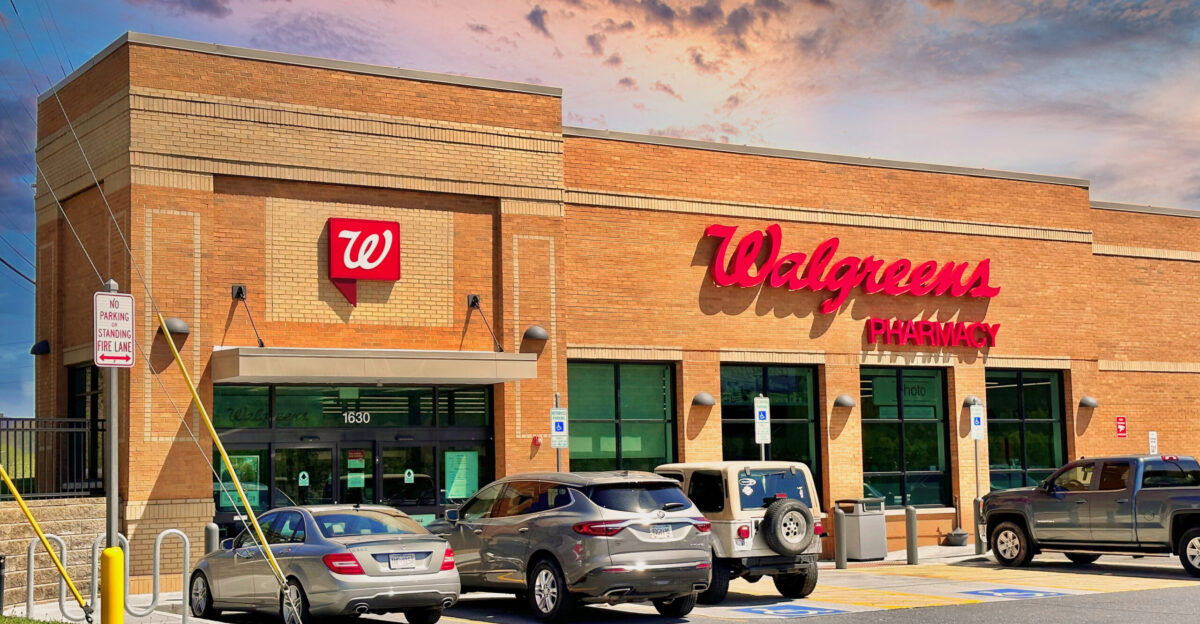
Walgreens closed 12 San Francisco stores between February 24 and 27, 2025, citing “regulatory and reimbursement pressures.” The closures created pharmacy deserts, forcing seniors and residents to travel farther for prescriptions. Front-end product vendors and delivery drivers lost business, deepening concerns about healthcare access and safety in downtown neighborhoods.
#13 – CVS (Multiple Downtown Locations)
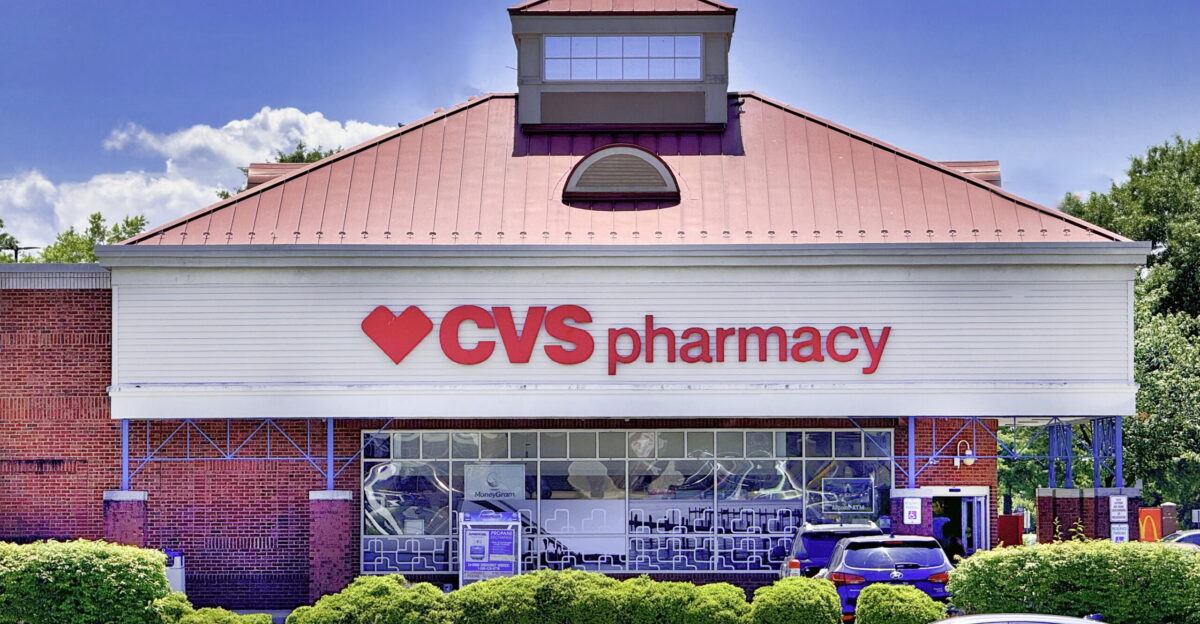
CVS closed its 601 Mission Street store by October 23, 2023, leaving only two downtown locations. The company cited “local market dynamics” and population shifts. Job losses and prescription transfers caused longer pharmacy wait times. Photo-printing vendors and delivery partners also felt the strain as downtown’s retail network continued to shrink.
#14 – Target (Folsom Street)
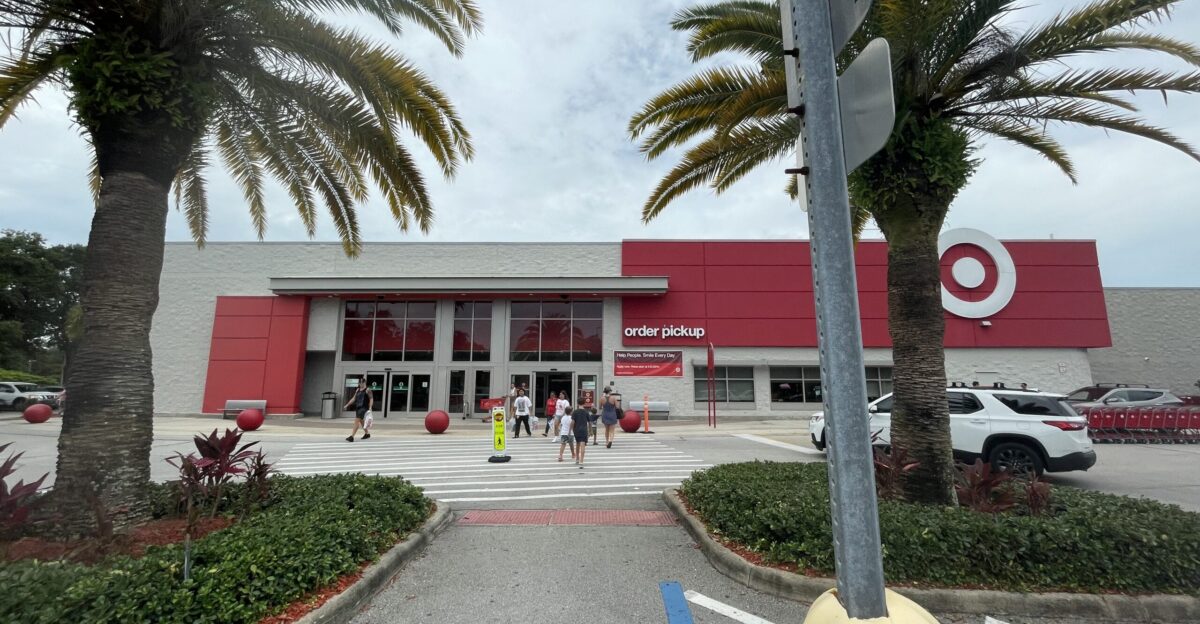
Target shut its 73,000-square-foot Folsom Street store on October 21, 2023, citing “organized retail crime.” Employees reported “around 10 thefts a day.” The closure ended affordable shopping access for SoMa and Mission Bay, erasing jobs and hurting local coffee kiosks, mini-stores, and optical service partners inside the Target complex.
#15 – Crate & Barrel and CB2 (Union Square)

Crate & Barrel closed its 55 Stockton Street store on March 23, 2022, followed by CB2 at 34 Ellis Street in January 2023. Their exits removed mid-range home furnishings downtown. Local designers and delivery companies lost contracts, and Union Square’s retail vacancy rate reached 15.5%.
#16 – Marshalls (Financial District)
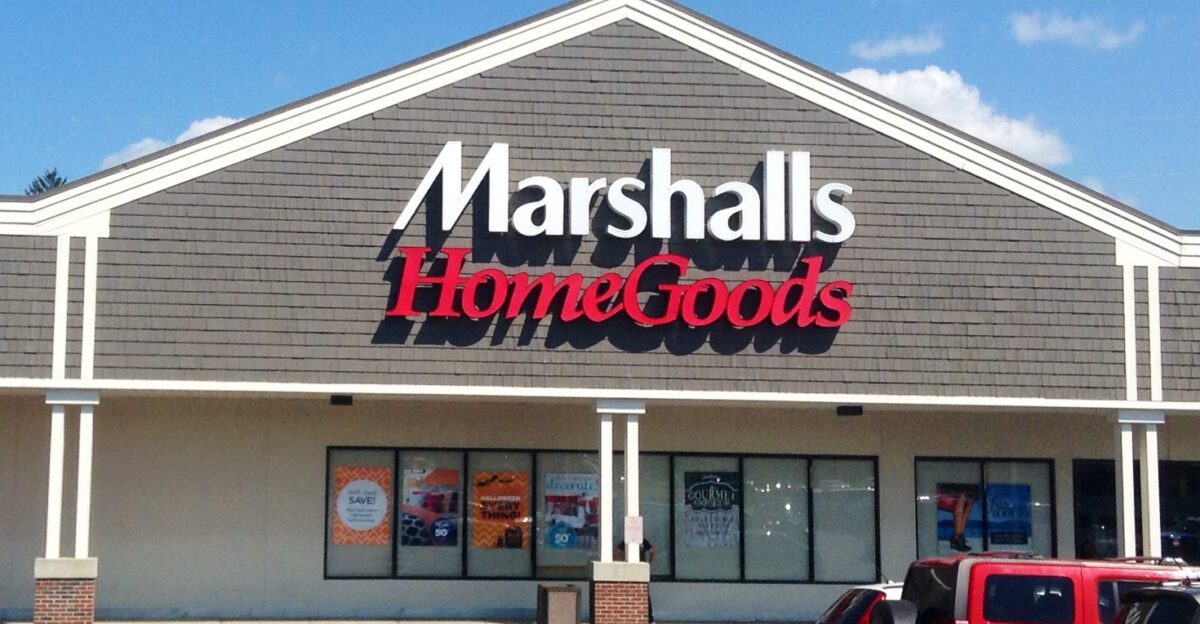
Marshalls closed its only San Francisco location, located at 760 Market Street, on January 30, 2021. The store’s exit, despite parent TJX’s record profits, reflected a decline in foot traffic and tourism. The closure forced budget shoppers to nearby suburbs, cutting business for downtown tailors, repair shops, and discount retailers.
#17 – The RealReal (Union Square)
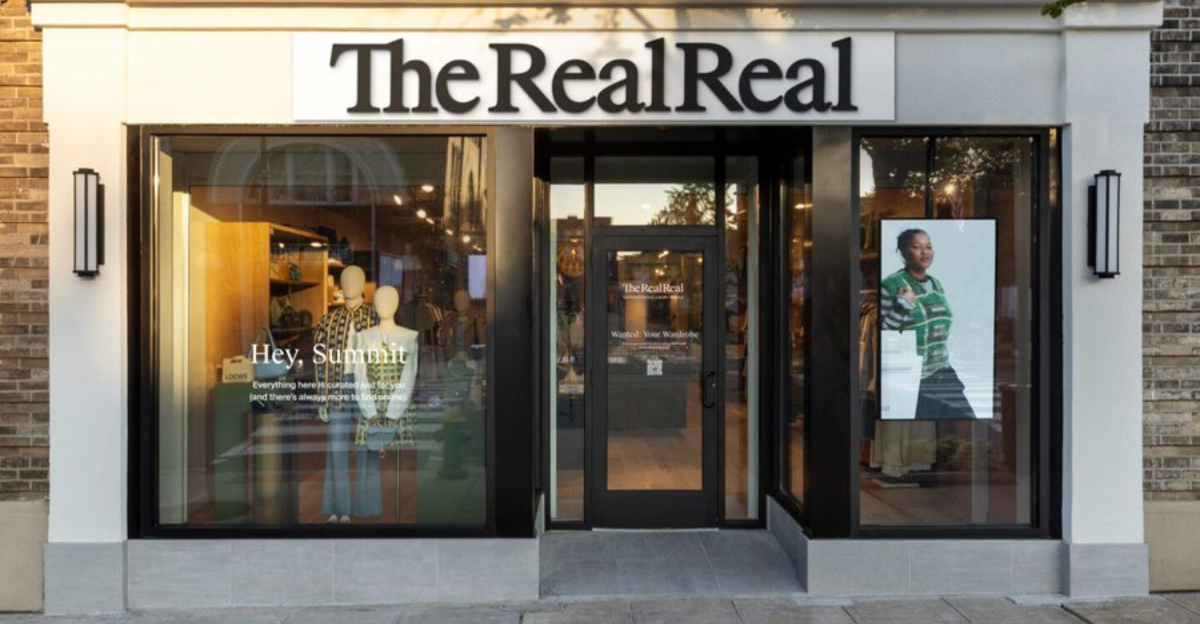
The RealReal closed its 253 Post Street flagship in March 2023, amid layoffs that affected 7% of its workforce. The 8,000-square-foot store opened in 2020 but struggled post-pandemic. The closure ended jobs for retail, authentication, and café staff, and removed a hub for luxury resale in San Francisco’s high-end retail district.
#18 – Abercrombie & Fitch (Westfield Mall)
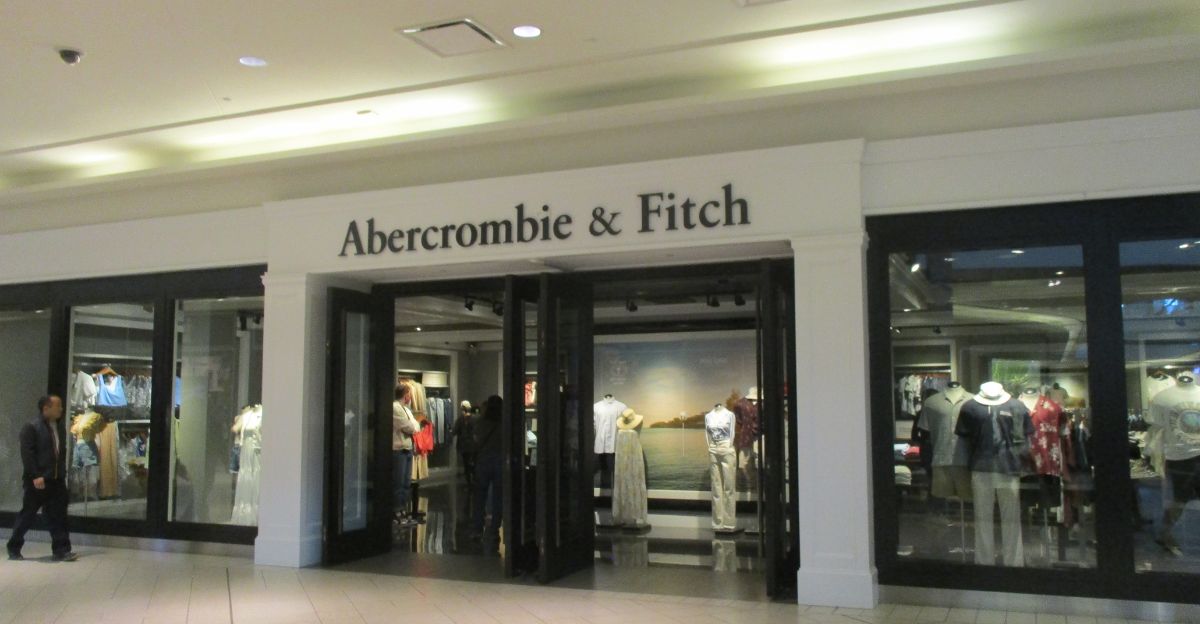
Abercrombie & Fitch closed its Westfield Mall store on January 26, 2022, after years as a teen fashion anchor. The brand’s move to smaller, digital-focused stores left a gap for younger shoppers. Mall food vendors like Wetzel’s Pretzels and Cinnabon lost foot traffic, deepening Westfield’s post-pandemic retail woes.
#19 – Saks Fifth Avenue (Union Square)
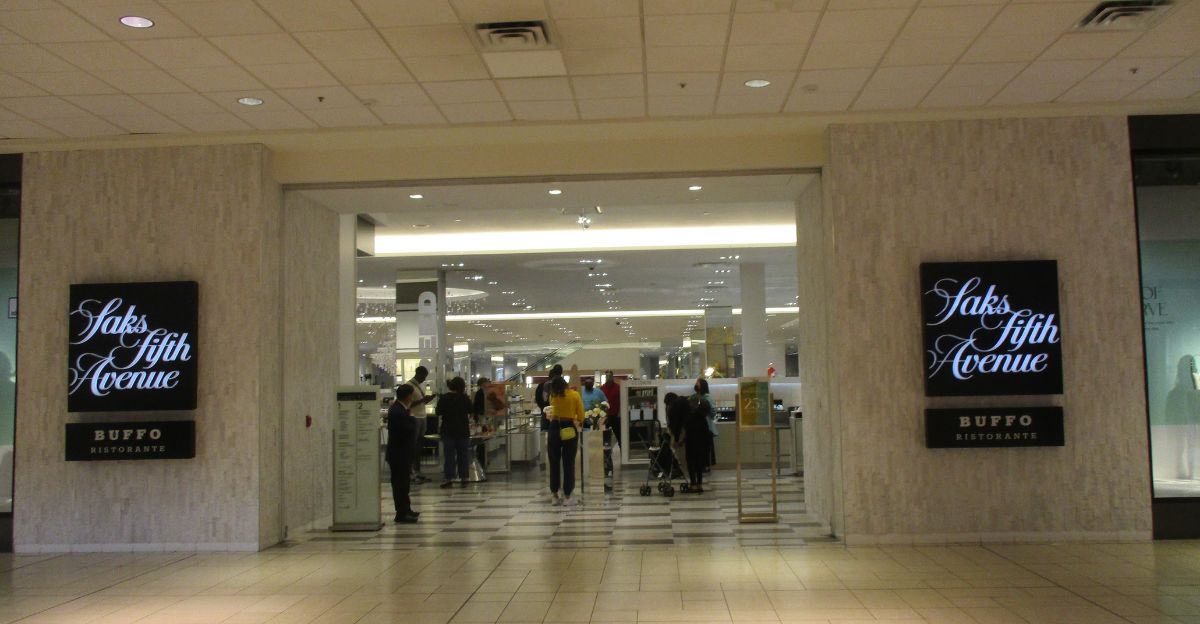
Saks Fifth Avenue closed its Union Square store at Post and Powell on May 10, 2025, after 44 years. The luxury retailer transitioned to an “appointment-only” model in 2024, before its final closure. The exit eliminated high-end retail jobs and harmed nearby boutiques and service businesses that catered to affluent shoppers.
#20 – Williams-Sonoma (Union Square)
Williams-Sonoma announced the closure of its 340 Post Street flagship for early 2025. Open since 1993, the four-story space included a cooking school. Chanel purchased the building in 2021 for $63 million. The closure will end the brand’s San Francisco presence, displacing cooking instructors and artisan food partners.
The Broader Fallout
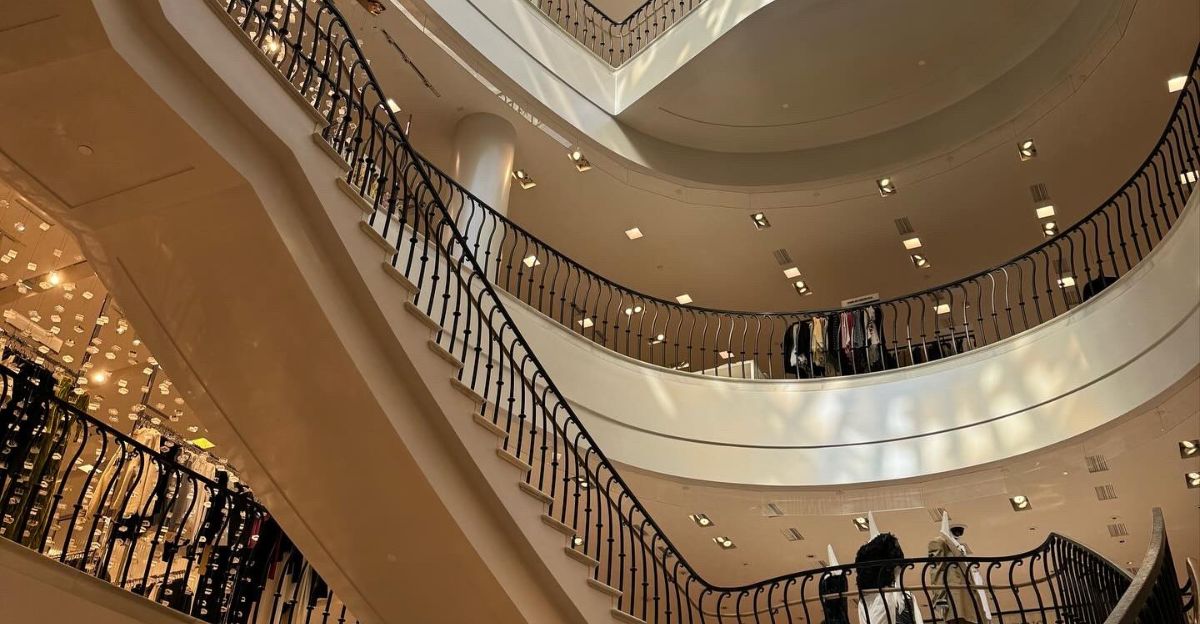
These 20 high-profile closures are just the tip of the iceberg. Since 2020, nearly half of Union Square’s 203 retailers have disappeared—only 107 remain. The district’s $40 million annual tax loss has strained city services, while Westfield Centre lost 46% of its stores and defaulted on $558 million in loans.
Small businesses, suppliers, and service providers have all suffered, as empty storefronts ripple through the local economy, turning once-bustling blocks into cautionary symbols of urban decline.