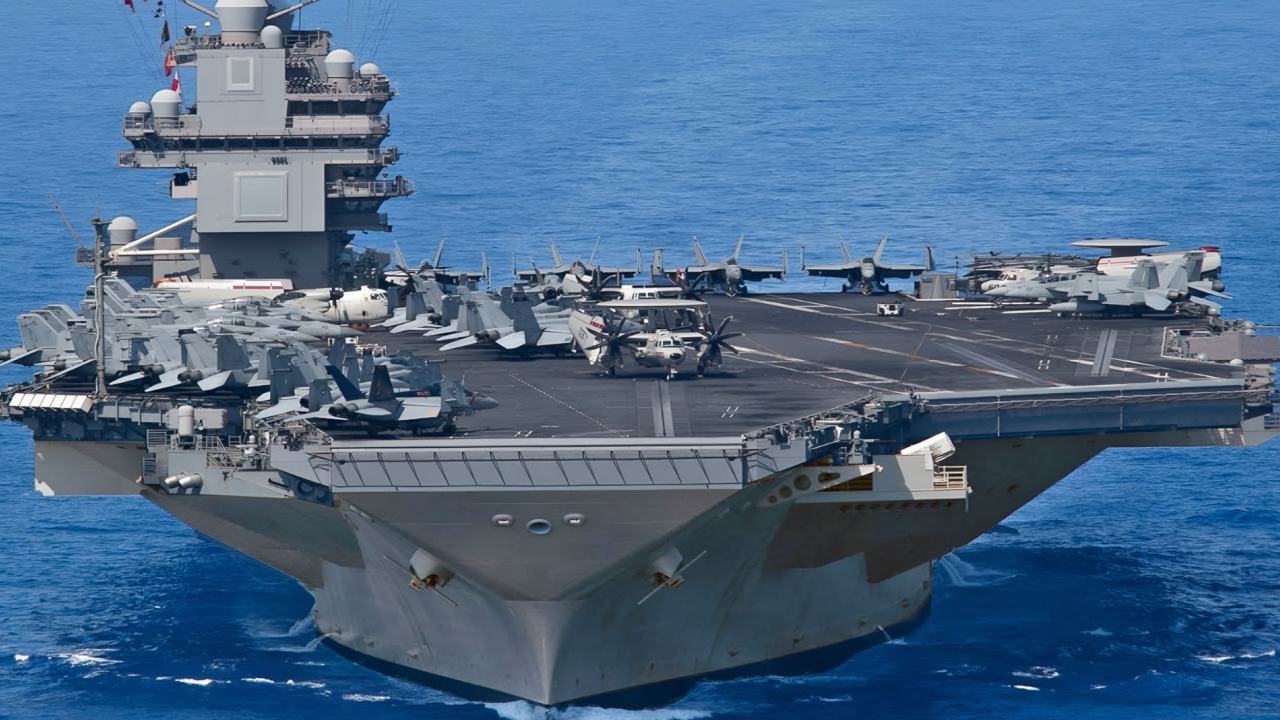
The largest U.S. military deployment in the Caribbean in decades is unfolding just off Venezuela’s coast, drawing intense scrutiny from regional leaders and citizens. The USS Gerald R. Ford, the world’s biggest aircraft carrier, and the missile destroyer USS Gravely have arrived with more than 10,000 sailors, marking a significant show of force and raising questions about the mission’s true intent.
A Show of Strength Near Venezuela
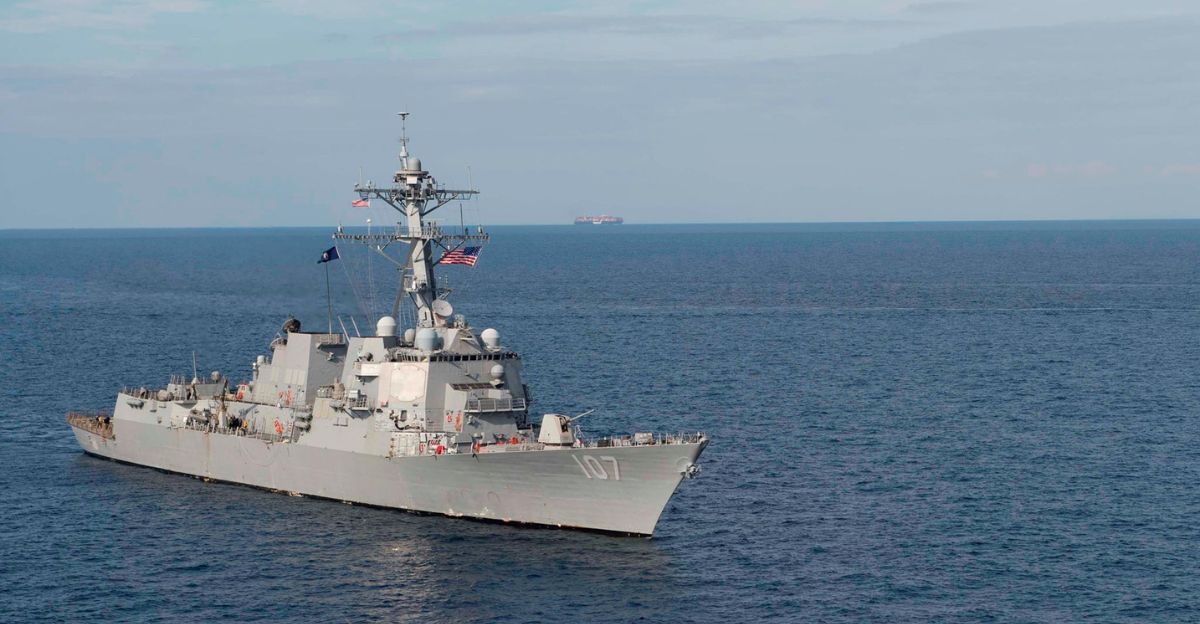
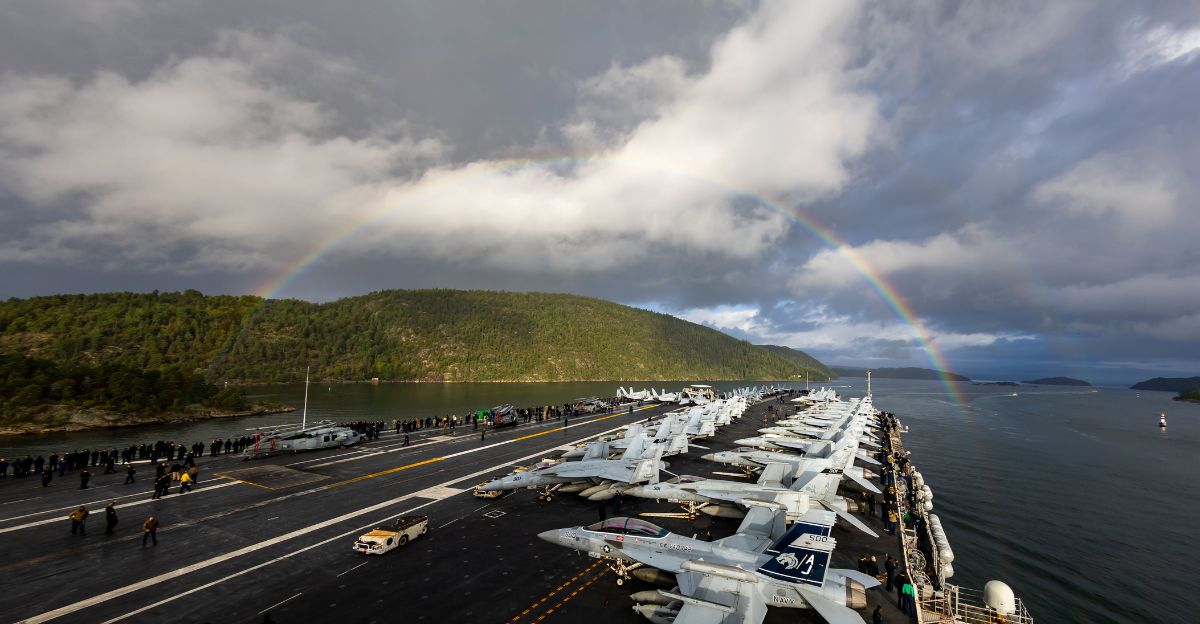
The centerpiece of this operation is the USS Gerald R. Ford, a nuclear-powered carrier launched in 2017. Stretching over 1,100 feet and capable of carrying up to 90 aircraft, the Ford is described by the U.S. Navy as its “most lethal combat platform.” Alongside it, the USS Gravely, a modern destroyer equipped with Tomahawk missiles and advanced radar, is stationed nearby. Together, these ships form a formidable strike group, conducting exercises near Trinidad and Tobago and signaling U.S. military readiness in partnership with Caribbean nations.
The deployment is not limited to these two vessels. The strike group includes additional destroyers, a cruiser, a littoral combat ship, an amphibious assault ship, and transport vessels, creating a versatile force able to launch aircraft, deploy troops, and respond to emergencies at sea.
Mission and Motives
According to U.S. Southern Command, the operation’s stated goal is to combat illegal drug trafficking and enhance security in the Western Hemisphere. Officials emphasize that the deployment targets criminal organizations smuggling narcotics across borders, not ordinary citizens or governments. Since August 2025, the U.S. has ramped up its naval presence in the region, now maintaining at least eight warships and thousands of personnel around Venezuela, with many forces based out of Puerto Rico and Trinidad.
Recent weeks have seen at least ten U.S. airstrikes on boats suspected of drug smuggling near the Caribbean, resulting in over 40 deaths since September. The Pentagon asserts these actions are designed to prevent narcotics from reaching U.S. shores. “We stopped all drugs from coming in by sea. I will stop all drugs from coming in by land very shortly. You’ll see that starting,” former President Donald Trump told reporters at the White House.
Regional Reactions and Rising Tensions
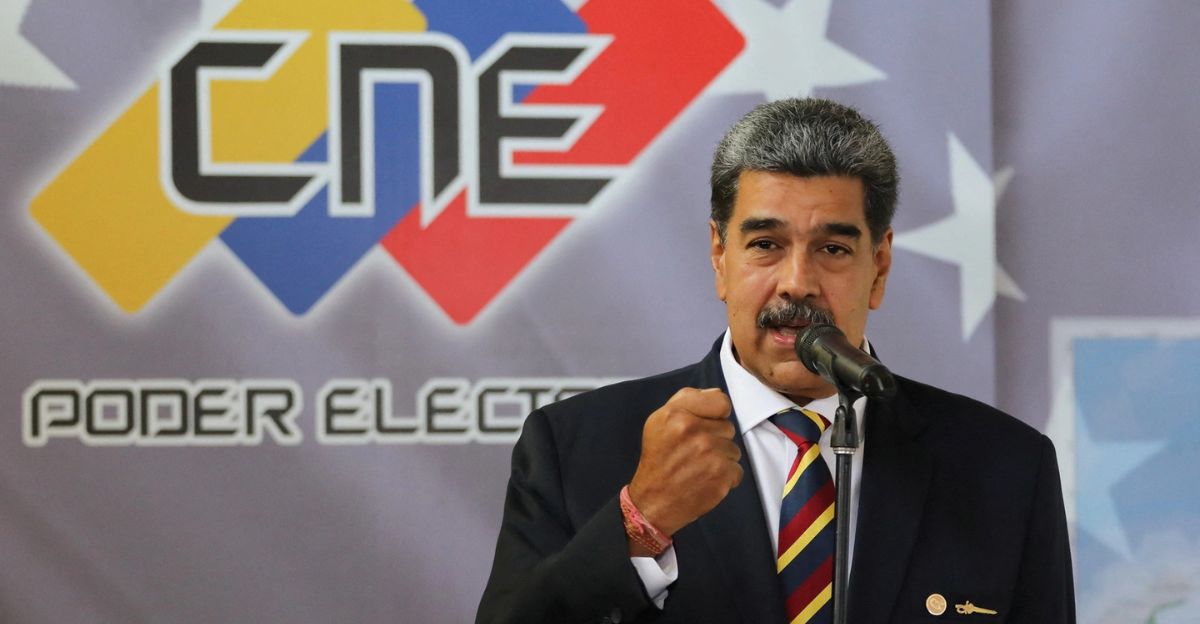
Venezuelan officials have condemned the U.S. military buildup, calling it a provocation that could destabilize the region. President Nicolás Maduro accuses Washington of manufacturing conflict as a pretext for regime change, stating, “They promised they would never again get involved in a war, and they are fabricating a war.” U.S. leaders, meanwhile, allege that Maduro’s government is deeply involved in drug trafficking, a charge Maduro vehemently denies.
Local residents in Venezuela express anxiety over the possibility of deeper U.S. involvement. Venezuelan fishermen and citizens interviewed by international media have voiced fears about their safety, with some expressing concern about becoming caught in the escalating tensions between the U.S. military and alleged drug traffickers. The presence of such a powerful fleet so close to Venezuelan shores has heightened fears of miscalculation or escalation, especially given Venezuela’s alliances with Russia, China, and Iran.
Caribbean Partnerships and Global Context
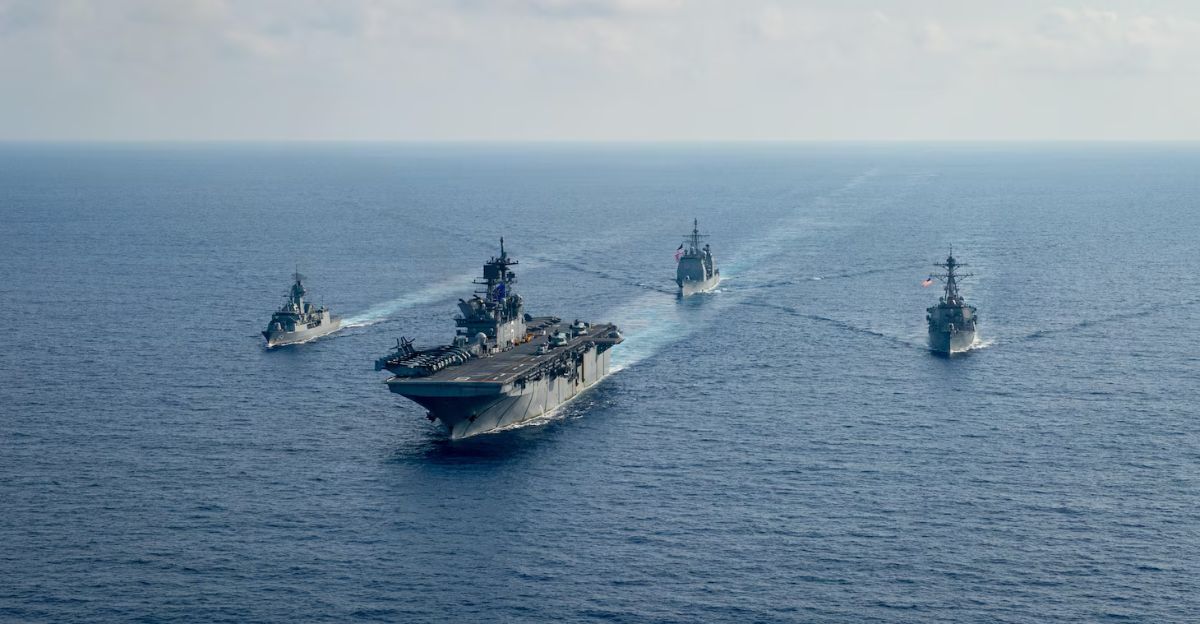
The U.S. Navy is working closely with regional allies, conducting joint exercises with Trinidad and Tobago’s defense forces and others. This cooperation is intended to demonstrate that the U.S. is not acting unilaterally but in concert with Caribbean nations. Trinidad and Tobago’s government insists the drills are routine and not a prelude to conflict. Trinidad officials have emphasized that joint exercises with the U.S. focus on regional security cooperation, disaster response, and countering transnational threats.
Globally, the Caribbean’s strategic importance is underscored by Venezuela’s vast oil reserves and its ties to major powers like Russia and China. Security analysts note that the deployment reflects broader geopolitical competition in a region of increasing strategic importance, with Venezuela’s vast oil reserves and ties to Russia, China, and Iran making the Caribbean a contested space in the global balance of power.
Looking Ahead: Stakes and Implications
As the U.S. Navy plans to keep its ships in the area for several more weeks, diplomats and observers are watching closely. Regional leaders are urging calm and reassuring citizens, while international concern continues to mount. The situation remains fluid, with the potential for either peaceful resolution or further tension. The outcome will likely shape not only the future of U.S.-Venezuela relations but also the broader geopolitical landscape of the Caribbean.