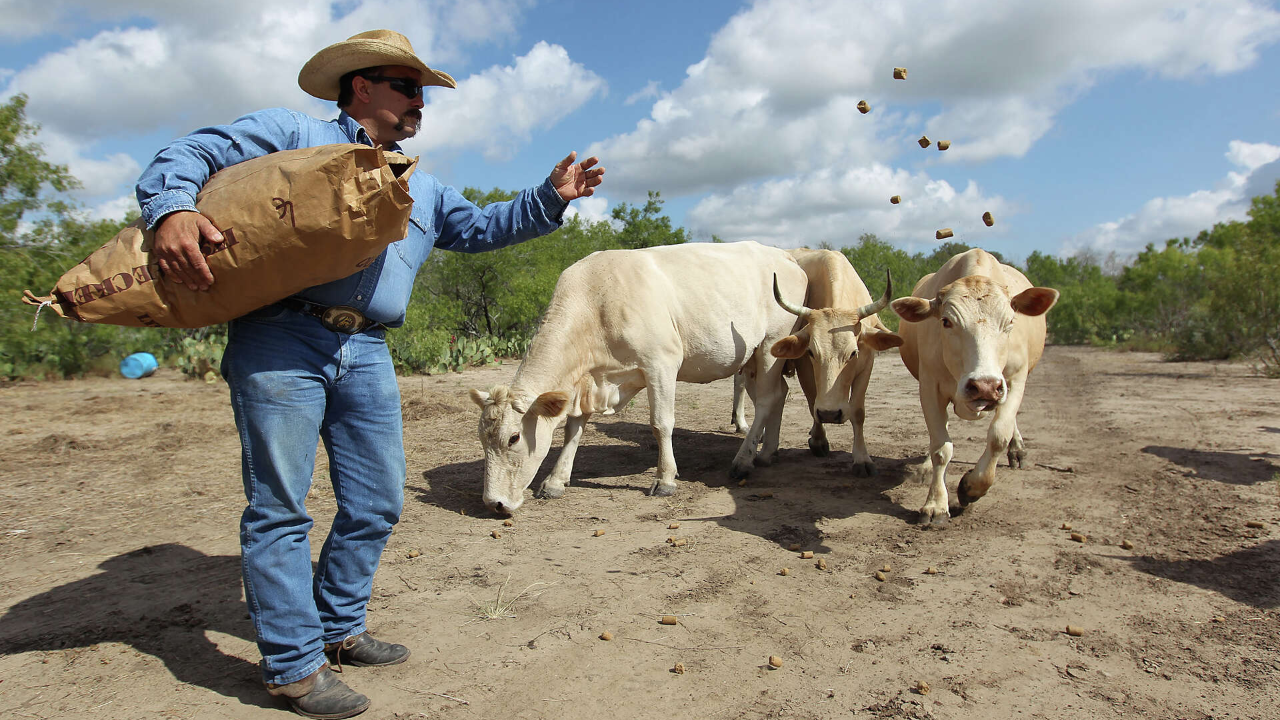
On October 19, 2025, President Trump’s announcement to quadruple Argentina’s beef import quota at lower tariffs sent shockwaves through America’s cattle industry. With U.S. beef prices at historic highs and the national herd at its lowest in 75 years, the move was pitched as a solution to rising grocery bills. Yet, as the dust settled, ranchers, retailers, and consumers found themselves navigating a rapidly shifting landscape—one with consequences reaching far beyond the meat counter.
Supply Strains and Policy Rationale
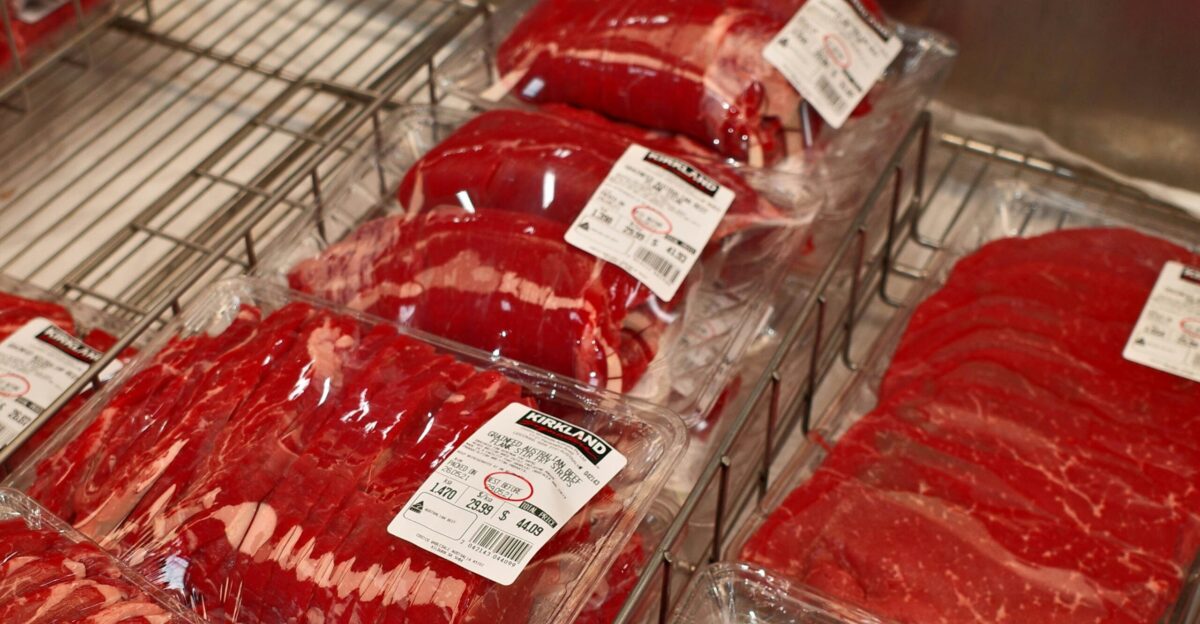
By mid-2025, U.S. beef prices had soared, with ground chuck averaging $6.33 per pound in October. The national cattle herd had dwindled to 94.2 million head, a level not seen since the 1950s. The White House argued that boosting Argentine imports would ease pressure on American families, but industry groups like the U.S. Cattlemen’s Association and National Cattlemen’s Beef Association warned that short-term relief could undermine long-term stability. “We finally got prices that we can make some headway on,” said Craig Bieber, Vice President of the South Dakota Cattlemen’s Association. “Now, it’s ludicrous—we’re back to uncertainty.” Ranchers who had weathered years of hardship felt blindsided, especially those who had supported Trump’s earlier agricultural policies.
Retail Realities and Consumer Impact
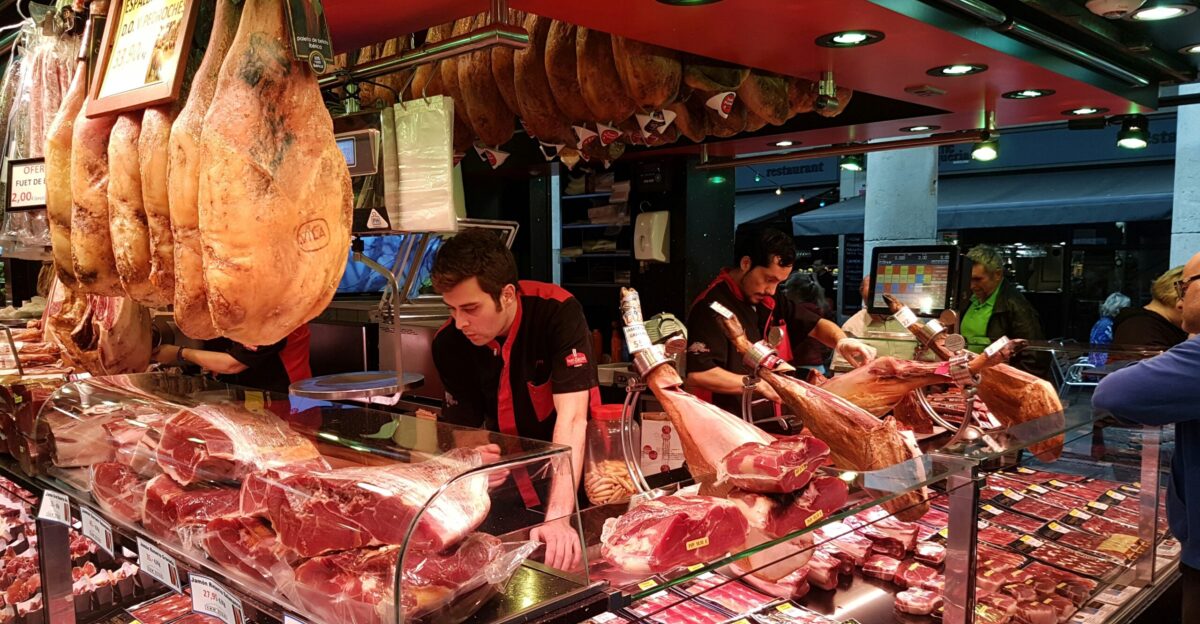
Despite the influx of Argentine beef, retail prices remained stubbornly high. Analysts noted that while imports might lower prices paid to ranchers, grocery store costs for consumers showed little movement. The gap between wholesale import costs and retail pricing left families frustrated, as the promise of cheaper beef failed to materialize at the checkout. Fast food chains and major retailers began exploring imported beef to control costs, raising questions about transparency and the true origin of products. “Consumers want to know their purchases support local ranchers, not just foreign imports,” said Julie Fedorchak, a North Dakota Republican representative leading opposition to the policy.
The uncertainty rippled through adjacent markets. As beef prices stayed elevated, Americans increasingly turned to chicken, pork, and plant-based proteins. Data from the Food Institute showed a marked shift in grocery store offerings, with alternative proteins gaining ground. This trend threatened beef’s traditional dominance in American diets and signaled a broader transformation in consumer habits.
Global Trade and International Tensions
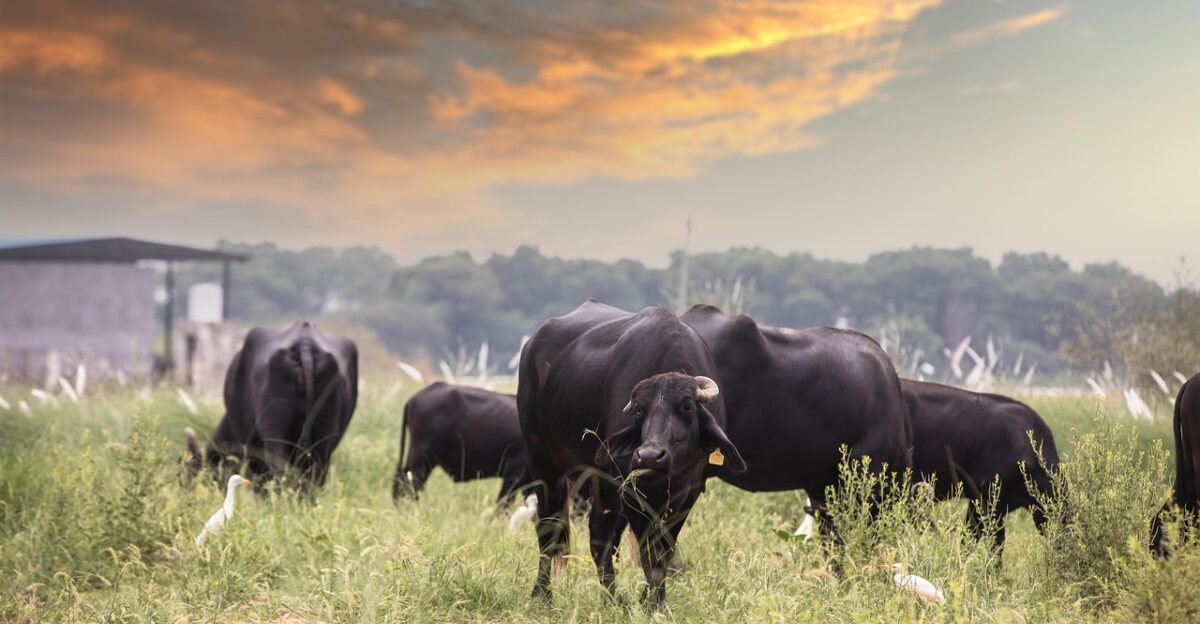
Argentina’s beef exports to the U.S. surged 15% year-to-date through October, reaching nearly 29,000 metric tons. Yet Argentina itself faced a shrinking cattle herd, battered by drought and economic crisis. To meet demand, Argentina imported over 6,200 tons of Brazilian beef in the first half of 2025—up from just 146 tons the previous year. This raised concerns about the true origin of “Argentine” beef entering U.S. markets and complicated efforts to ensure food safety and traceability.
Globally, the U.S. remains the largest beef importer, and its increased demand has ripple effects. Argentine consumers saw domestic prices climb and supplies dwindle, while Chinese demand for South American beef further strained international markets. The result: a complex web of supply chain pressures, price volatility, and questions about food sovereignty.
Political Fallout and Industry Response
The policy sparked fierce debate within Washington. Eight House Republicans, led by Fedorchak, publicly opposed Trump’s plan, exposing divisions within the GOP over agricultural priorities. The U.S. Cattlemen’s Association sent a formal letter to the White House, warning that increased imports could threaten rural communities and national food security. “We’re risking the livelihoods of 583,000 American beef producers,” the letter stated, highlighting the interconnected nature of cattle-dependent industries—from leather and pet food to fertilizer manufacturing.
Retailers and independent butchers faced mounting pressure to compete with large chains able to secure cheaper imports. Many small businesses struggled to maintain price competitiveness, accelerating industry consolidation and threatening local economies. Restaurants, especially steakhouses and burger chains, adjusted menus and portion sizes, with some touting “100% U.S. beef” as a premium feature while others quietly switched to imported products.
Health, Safety, and the Road Ahead
Nutrition advocates and industry experts raised alarms about the safety and quality of imported beef, citing risks such as foot-and-mouth disease—present in South America but not in the U.S. Some consumers responded by seeking local, grass-fed, or organic options, while others reduced beef consumption for health or ethical reasons. The USDA and industry groups emphasized the importance of transparent labeling and disease prevention.
Financial markets reacted swiftly, with beef futures dropping from record highs amid speculation about long-term price stability and further trade disruptions. Multinational meatpackers and large retailers stood to benefit from cheaper imports, while independent ranchers and rural communities faced renewed uncertainty.
Looking Forward: Balancing Affordability and Security
Trump’s decision to expand Argentine beef imports was intended as a quick fix for high consumer prices, but its effects have been far-reaching. The ongoing debate centers on how to build a resilient, transparent food system that balances affordability with support for domestic agriculture and food security. As policymakers weigh the stakes, the future of America’s beef industry—and the livelihoods of hundreds of thousands of workers—hangs in the balance.