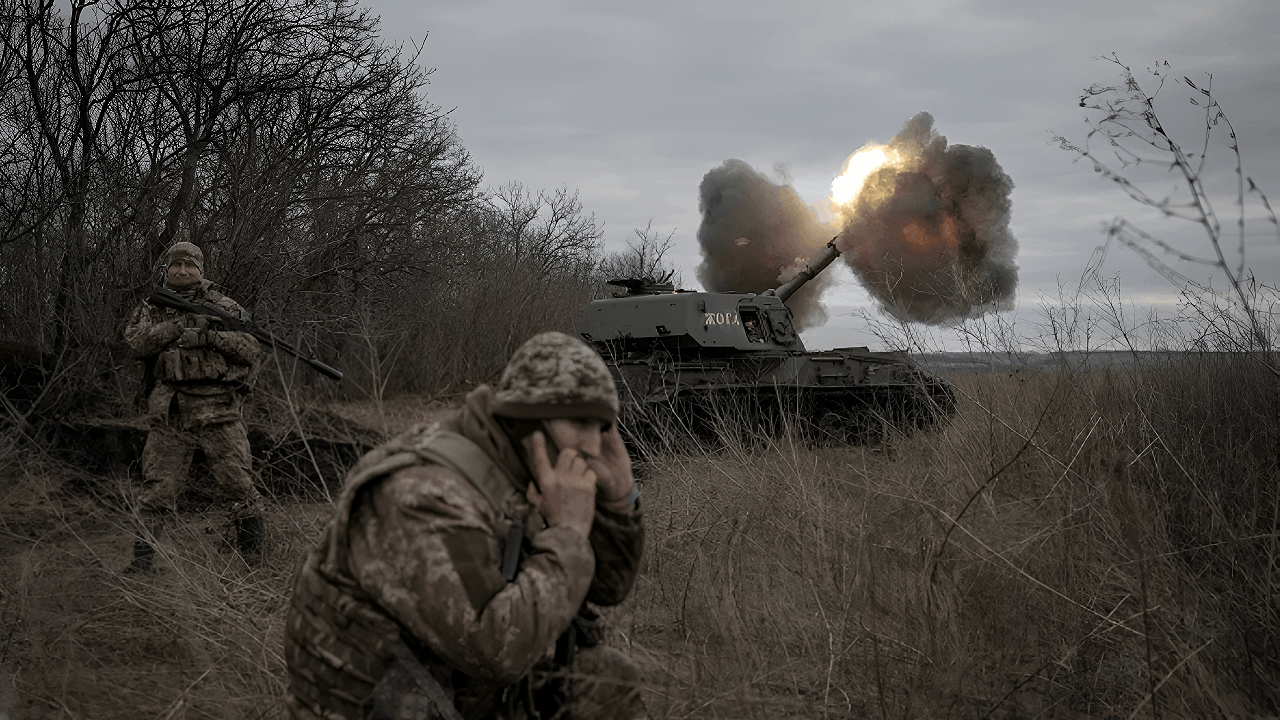
Across the scarred fields near Avdiivka, a medevac truck grinds through mud and smoke, headlights flickering in the gloom. Inside, a medic’s urgent radio call signals another wave of wounded. This scene, repeated along hundreds of miles of front, captures the relentless toll of Russia’s invasion of Ukraine—a toll now measured in over 1.1 million Russian soldiers killed or wounded since February 2022, according to Ukrainian and Western intelligence. Russia, once vocal about its battlefield losses, has long since ceased official reporting.
Escalating Losses and a War Without Precedent
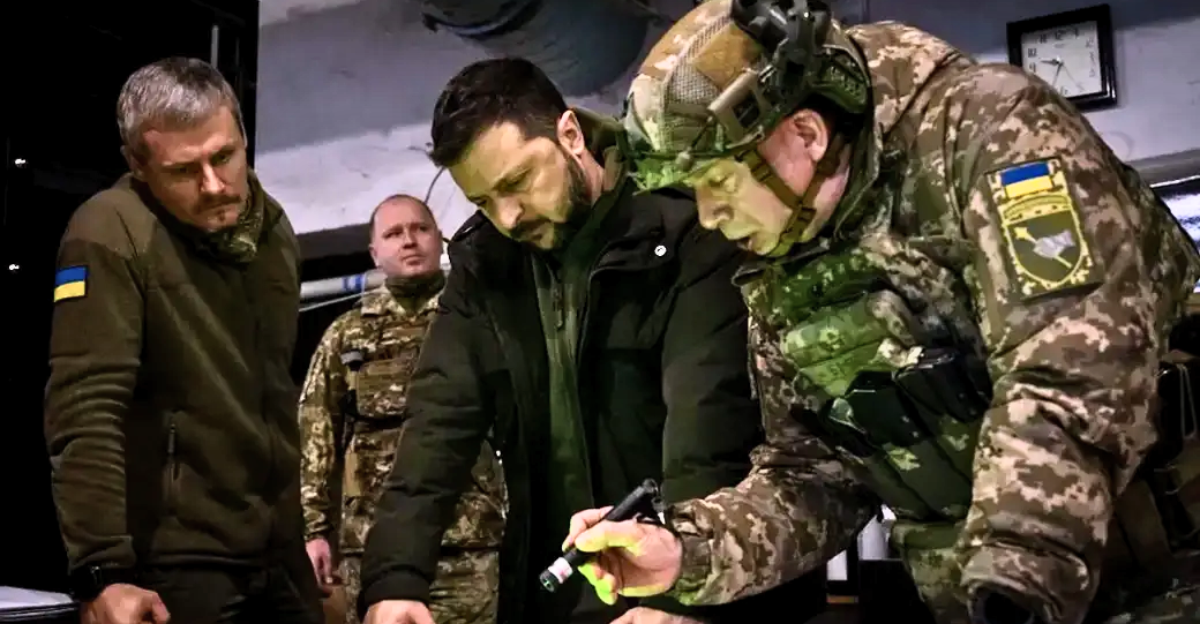
The pace of Russian casualties is accelerating to levels unseen in modern European warfare. Ukrainian General Staff data show daily Russian losses frequently surpassing 1,000, with some days—such as October 21–22, 2025—spiking even higher. Analysts warn that this rate, exceeding 365,000 troops per year, raises fundamental questions about Russia’s ability to sustain its campaign into 2026.
The war’s timeline is marked by cycles of escalation. Initial assaults in 2022 claimed tens of thousands of lives. By 2024, daily Russian casualties sometimes reached 1,570. After a brief lull, losses surged again in late 2025, culminating in October’s catastrophic figures. The cumulative toll—now over 1,133,250 Russian troops—dwarfs the Soviet Union’s losses in Afghanistan by more than seventy-five times.
Battles of Attrition: Verdun Revisited
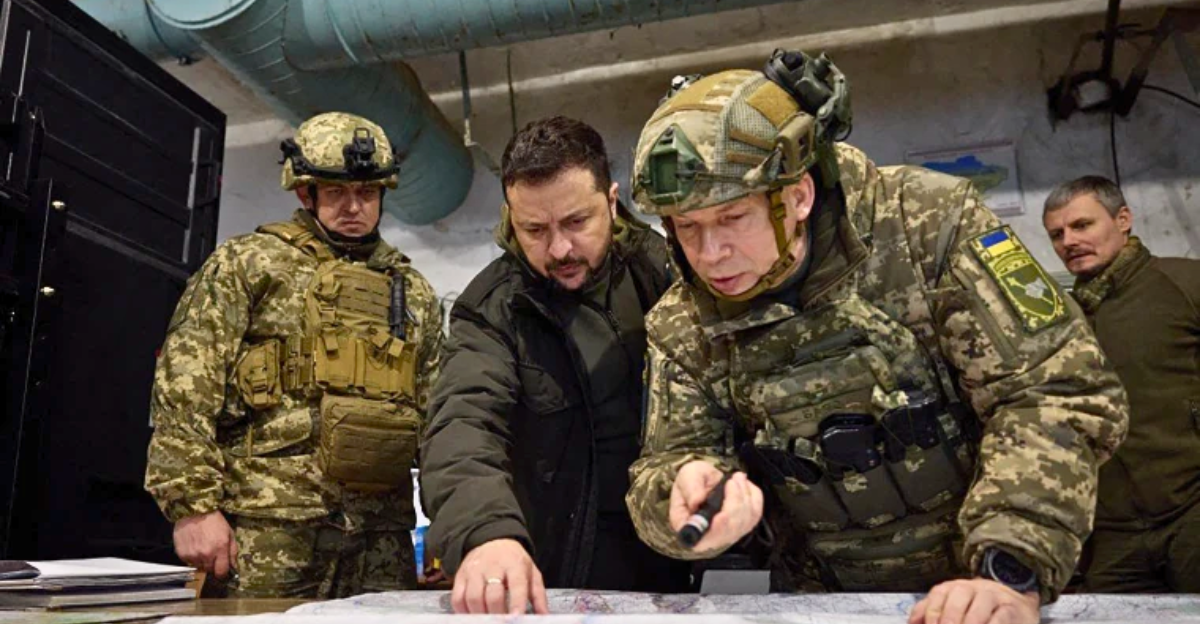
On October 21, Ukrainian forces engaged Russian troops in 108 separate clashes, with 45 concentrated in the Pokrovsk sector. This area, now likened by some to a “21st-century Verdun,” has become a symbol of the war’s grinding intensity. Each kilometer gained by Russian troops near Pokrovsk and Kostiantynivka has come at enormous human cost.
The Donetsk region remains the epicenter of the bloodshed. Artillery duels and drone strikes have transformed the landscape into a wasteland of burned vehicles and shattered towns. “Every day, we see more families grieving—sons, husbands, fathers who will never return,” said Olena, a local volunteer in Pokrovsk. “It’s a pain that touches every street.”
Equipment and Manpower: A War of Exhaustion
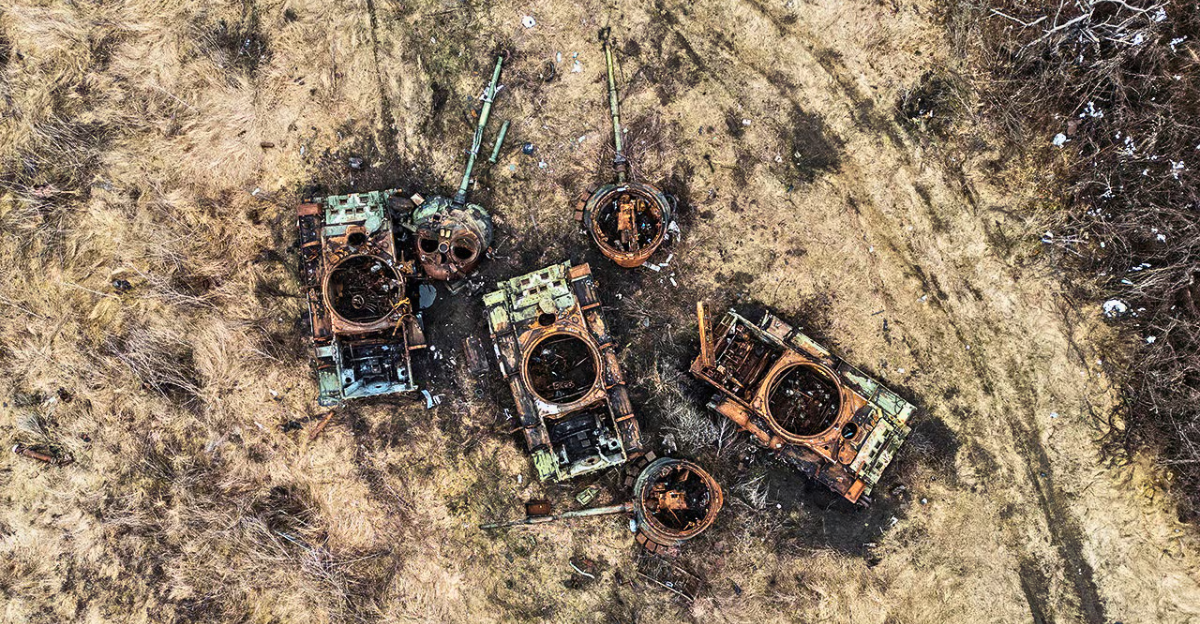
The destruction of Russian military hardware is staggering. Since the invasion began, Russia has lost at least 11,280 tanks, 23,447 armored vehicles, and 72,760 drones, along with nearly 34,000 artillery systems. These losses have forced Moscow to rely on repeated mobilizations and emergency conscription waves, drawing increasingly on older conscripts, prisoners, and untrained recruits.
According to UK Defence Intelligence, Russia’s cumulative casualties surpassed 1.118 million by mid-October 2025, before reaching the confirmed 1.133 million days later. The trend is clear: Russian losses are accelerating, not stabilizing. The toll now exceeds all NATO combat losses since 1945 combined, signaling a war of attrition with no visible endpoint.
Logistical Strain and Internal Frustration
Russia’s logistics are under severe strain. With over 65,000 transport and fuel vehicles destroyed, some Russian units now move supplies using civilian trucks or even livestock. Satellite imagery and field reports reveal increasing improvisation as the Kremlin struggles to maintain front-line supply chains amid constant drone strikes and sabotage.
Inside Russia, frustration and grief are mounting. Independent media and social networks report growing anger among soldiers’ families over withheld casualty information and unpaid benefits. “We just want the truth about our sons,” said Marina, a mother from Tula whose son has been missing since spring. Even before his death, Wagner Group leader Yevgeny Prigozhin accused the Defense Ministry of concealing losses—a charge that continues to resonate among military bloggers and disillusioned troops.
Leadership and the Limits of Endurance
The Kremlin faces mounting internal strain as losses grow. Official casualty statements are rare and widely doubted. Western and Ukrainian intelligence assessments suggest actual figures are three to five times higher than those publicly acknowledged. Each new milestone erodes the government’s credibility, raising doubts about President Putin’s ability to sustain public support for an increasingly costly war.
To offset catastrophic losses, Moscow has intensified mobilization and production. Civilian factories now produce shells and drones, and new tank plants have opened across Russia. Yet experts warn that the country’s usable tank reserves are nearly exhausted. “Moscow is burning through an army a year,” said Michael Kofman, a senior fellow at the Center for Strategic and International Studies. “Hardware depletion and manpower collapse are accelerating. Without outside help or drastic policy shifts, Russia’s offensive capacity is in question.”
A War’s Uncertain Horizon
As Russian casualties surpass 1.13 million, the war enters a perilous phase. Can Moscow endure another winter offensive at this rate, or will exhaustion, public anger, and economic strain force a strategic reckoning? Globally, the scale of loss is drawing comparisons to the bloodiest conflicts of the 20th century. As NATO’s General Christopher Cavoli observed, “The scale of this conflict is awe-inspiring.” The war’s outcome now hinges not just on territory, but on national endurance, leadership legitimacy, and the limits of human cost.