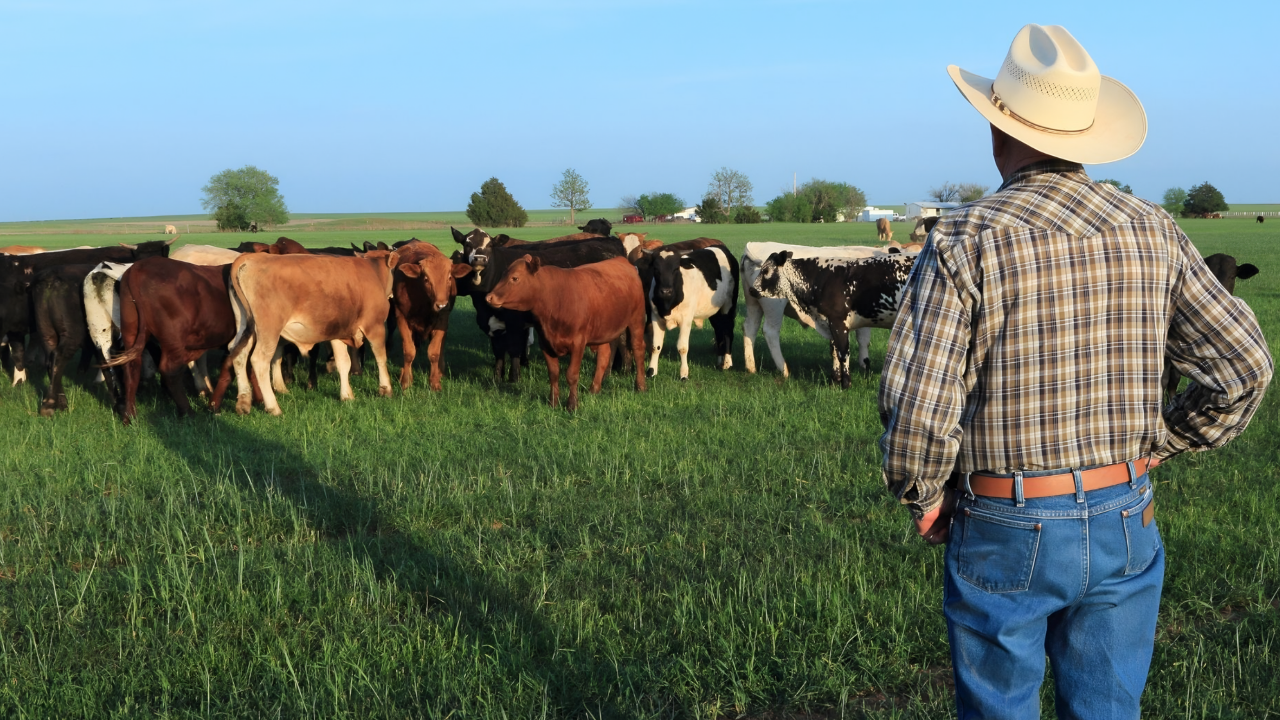
Imagine stepping into your grocery aisle: the price tag on that beef steak spiking upward, your wallet flinching. U.S. live cattle prices hit about $243 per hundredweight in August 2025, reflecting historic pressure in the beef supply chain. Meanwhile, the administration announced plans to expand beef imports from Argentina, a move that stunned the industry.
Ranchers, already facing the smallest cattle herd in 75 years, feel blindsided. This isn’t just a trade headline—it’s a turning point for American agriculture, hitting rural livelihoods and household budgets at the same time.
Why It’s Happening
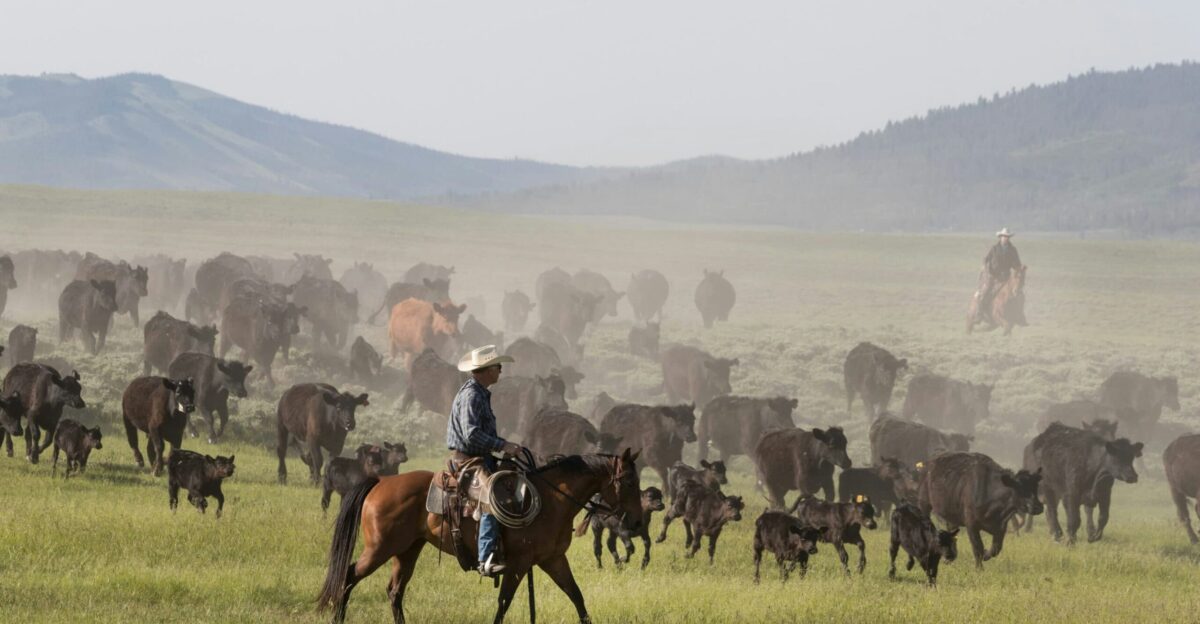
The U.S. cattle inventory dropped to roughly 86.7 million head, the lowest since 1950. Drought, high feed costs, and shrinking profit margins have forced many ranchers to scale back or sell off herds. The USDA projects beef production will fall by nearly 600 million pounds in 2025, tightening supply even more.
The Trump administration argues that importing more Argentine beef could ease pressure and lower consumer prices. But critics warn that Argentina already exports over $200 million in beef annually to the U.S. while importing almost none—a trade gap that’s hard to ignore.
Consumer Impact
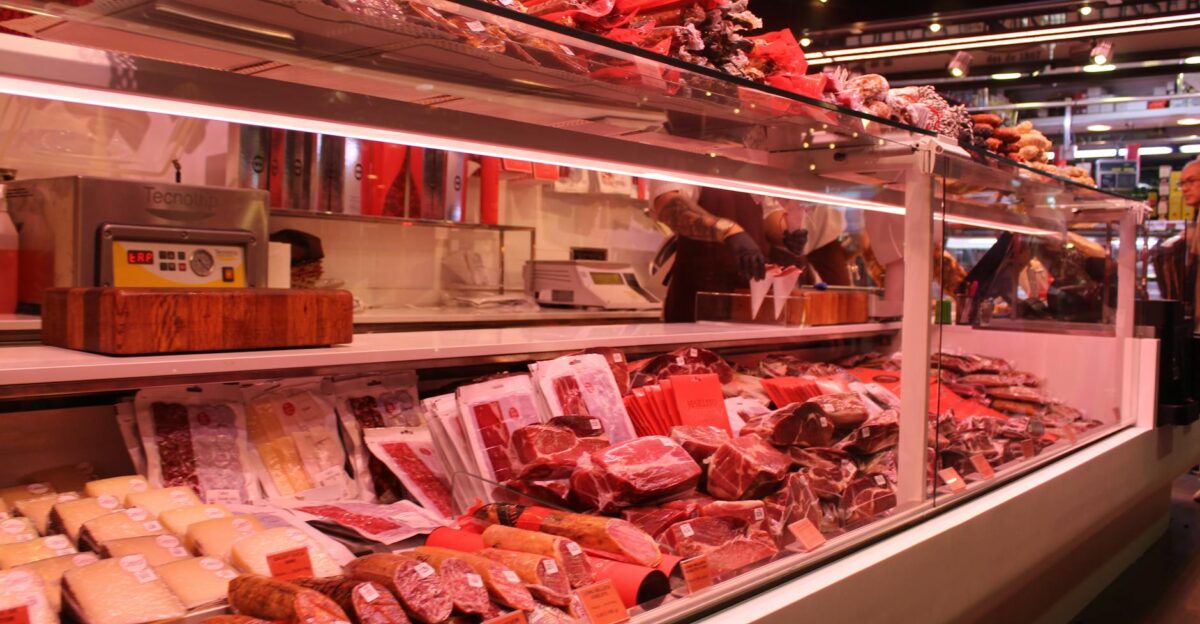
Across the country, fast-food chains and quick-service restaurants are rewriting their menus. Brands are shrinking beef portions, highlighting poultry and pork options, or launching premium beef items to justify higher prices. Quick-service brands are walking a tightrope: raise prices and risk losing customers, or absorb costs and squeeze profits.
Industry analysts note that foodservice demand ended 2024 strong, but the current wave of beef inflation could erode margins across the sector. Even iconic burger chains are quietly testing new menu strategies to survive the surge.
Fast Food & Restaurant Response
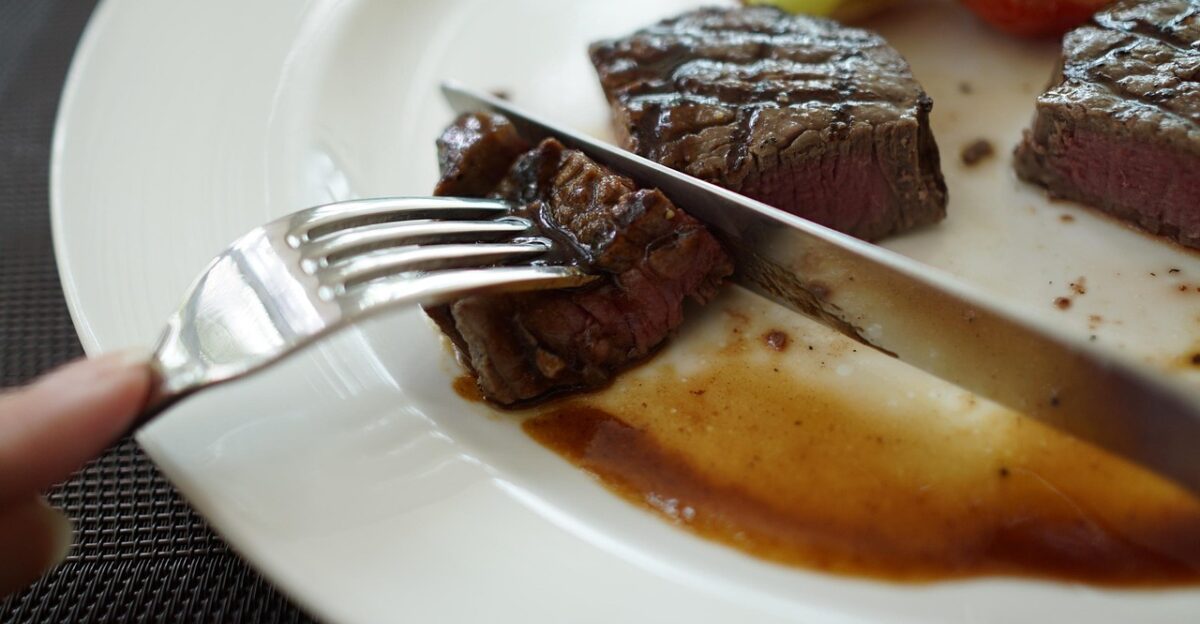
Chains are shrinking beef portions or launching premium beef items to justify higher prices. Quick-service brands are walking a tightrope: raise prices and risk losing customers, or absorb costs and squeeze profits.
Industry analysts note that foodservice demand ended 2024 strong, but the current wave of beef inflation could erode margins across the sector. Even iconic burger chains are quietly testing new menu strategies to survive the surge.
Substitution Effect
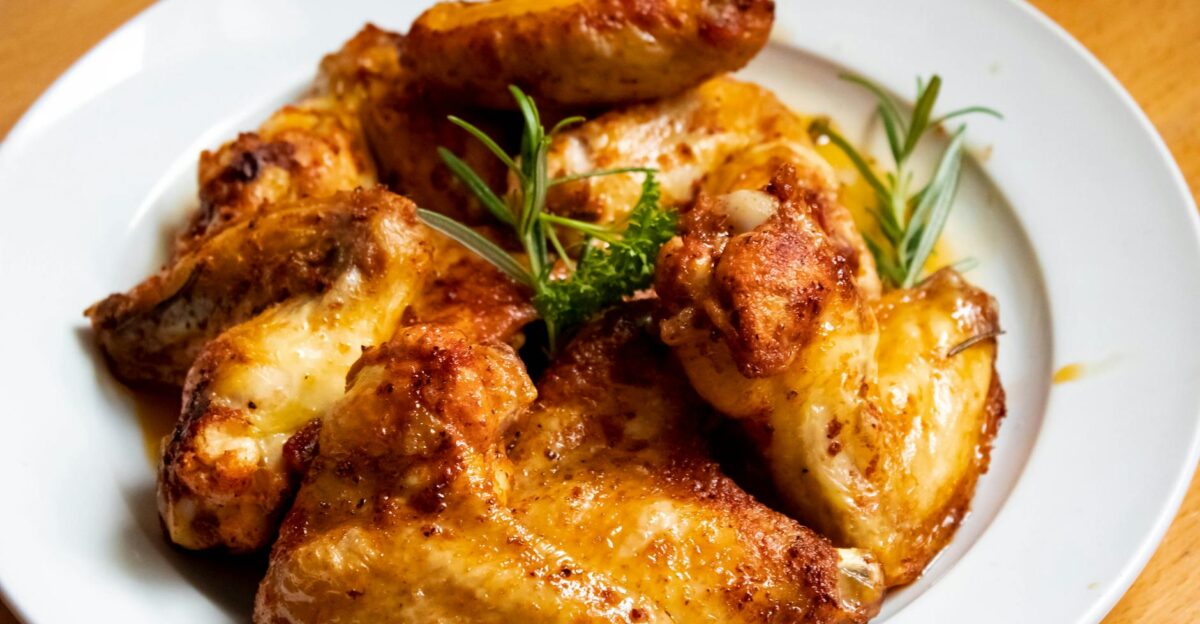
As beef prices skyrocket, consumers are gravitating toward chicken and pork. Poultry producers are reporting rising demand, and pork markets are benefiting as budget-conscious shoppers look for alternatives.
Once consumers adjust to lower-cost proteins, the beef industry risks losing them for good—even after herds rebuild and prices ease. It’s a long-term market share challenge imports alone can’t solve.
International Trade Tensions
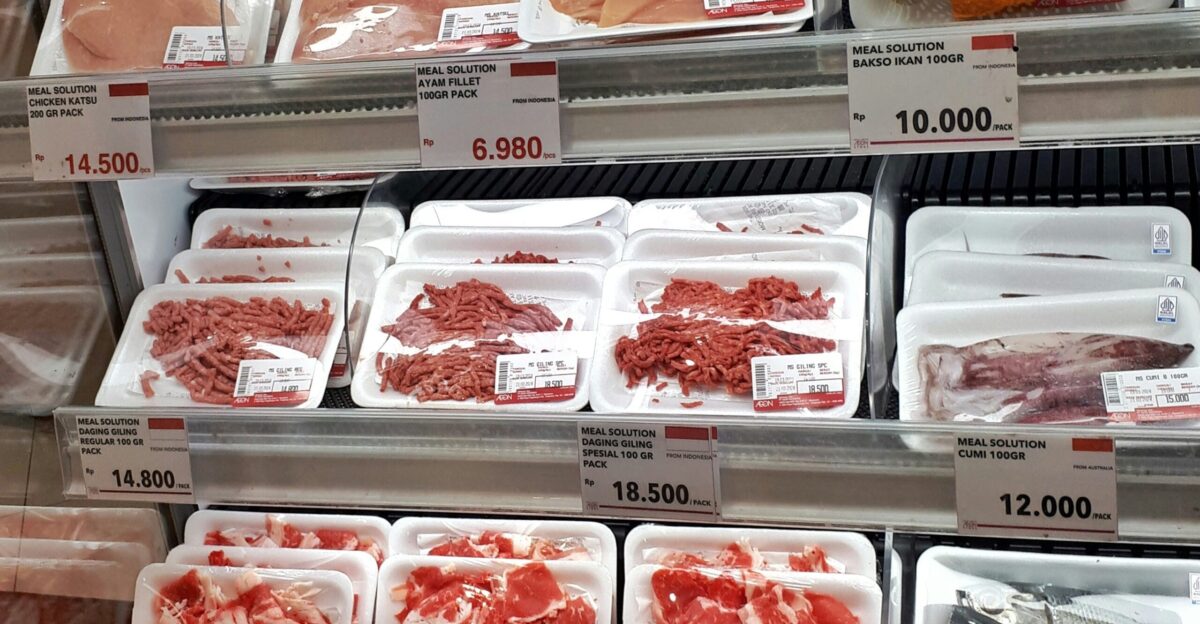
Argentina already dominates U.S. beef imports—and it stands to gain even more. The Trump administration’s proposal would quadruple Argentine beef imports, despite the nation’s past outbreaks of foot-and-mouth disease, a major biosecurity concern for American ranchers.
Argentina maintains high tariffs on U.S. beef while enjoying a largely open U.S. market. Meanwhile, competitors like Australia and Brazil are watching the shift closely, ready to adjust their own export strategies in response to Washington’s changing trade priorities.
Rancher Anger
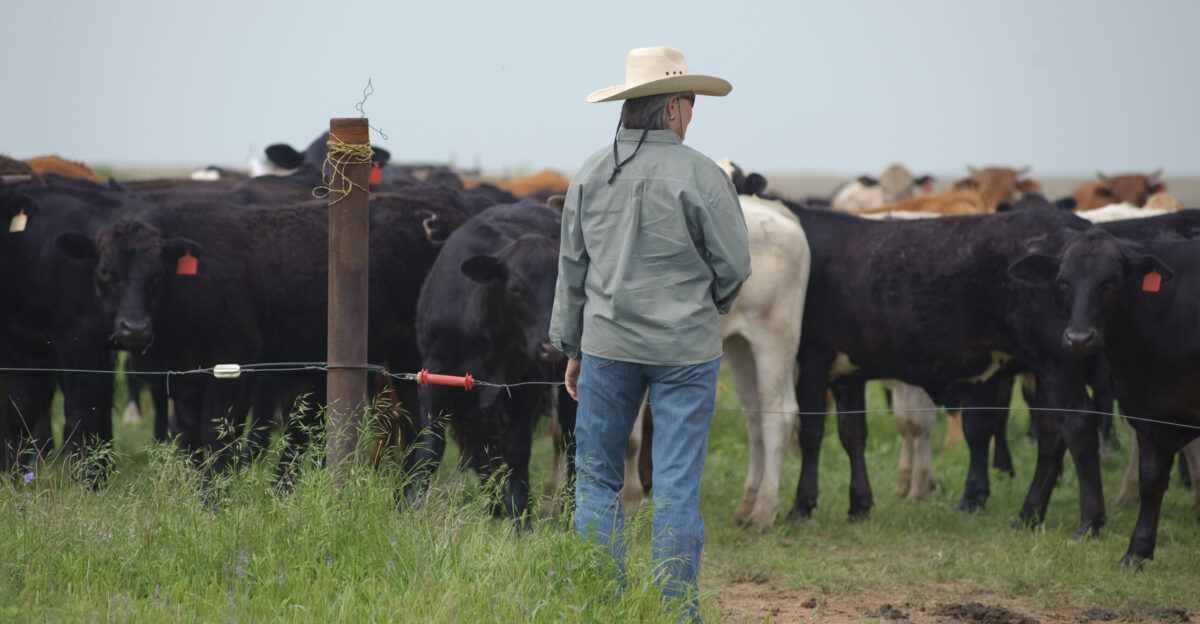
In the heartland, frustration has boiled over. “It’s really just a kick in the nuts. Come on, President Trump, this is ‘America First’ policy? No,” said Kansas rancher Kyle Hemmert in October 2025. His sentiment echoes across Missouri, Kansas, and Texas.
Many ranchers supported Trump and invested heavily in herd expansion after strong 2024 prices. Now they’re facing foreign competition and policy uncertainty at the worst possible moment. For some, it feels like betrayal.
Political Backlash

On Capitol Hill, members of Congress are pushing back hard. Rep. Jason Smith (MO-08), chairman of the House Ways and Means Committee, led a Republican letter urging USDA Secretary Brooke Rollins and Trade Representative Jamieson Greer to reverse the plan.
Lawmakers cited Argentina’s history of livestock disease and its lopsided trade record with the U.S. The National Cattlemen’s Beef Association also condemned the policy, marking a rare moment of bipartisan alignment around rancher interests.
Inflation Fears
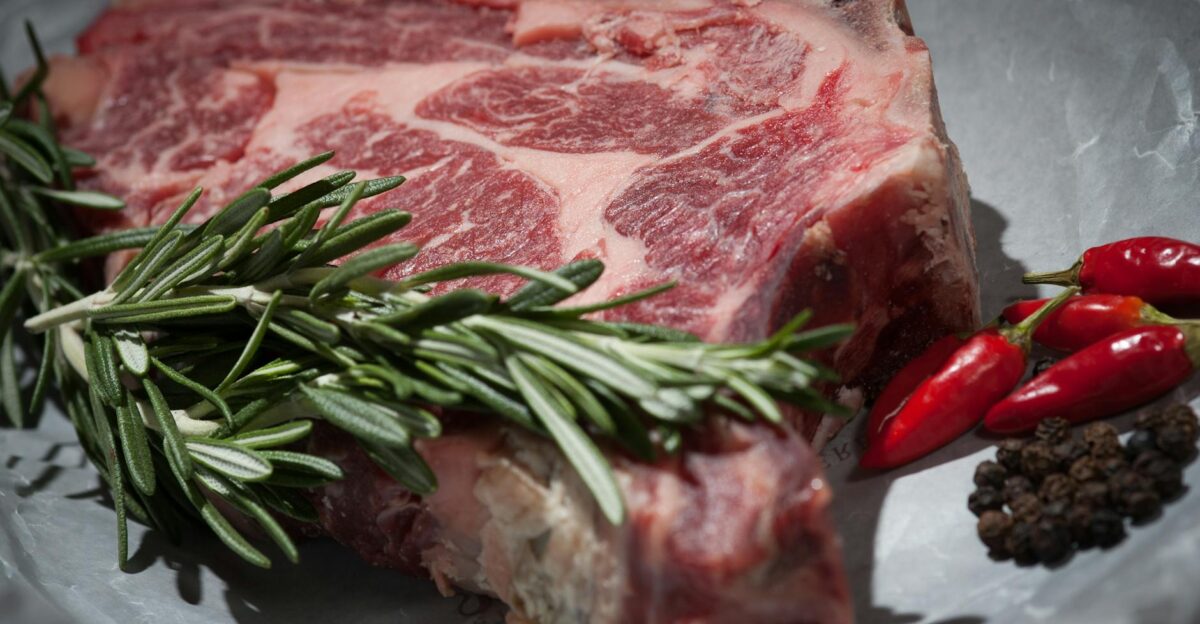
Even with expanded imports, beef prices remain sky-high, feeding into broader food inflation.
Economists warn that persistently expensive beef could suppress spending elsewhere—on restaurants, travel, or retail goods. The paradox is striking: a policy intended to bring prices down appears to be doing the opposite.
Retailer Strategies
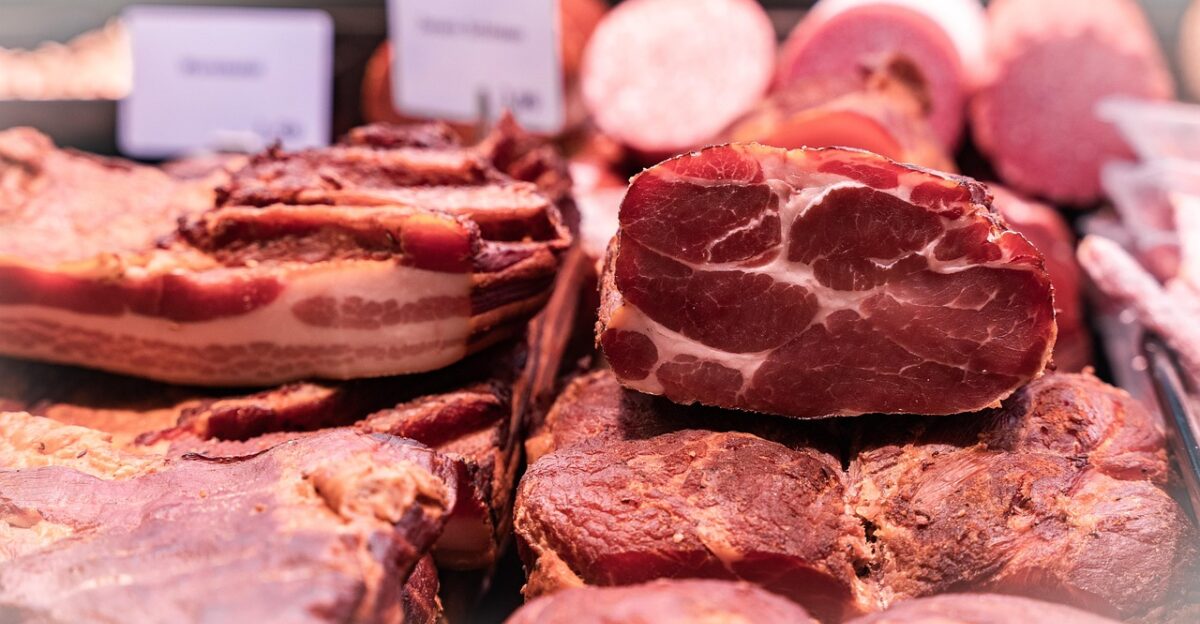
Supermarkets are recalibrating their playbooks. Some are rolling out private-label beef lines at lower prices, while others pair beef cuts with cheaper proteins in “value bundles.” Loyalty programs and limited-time deals aim to soften the blow.
The stakes are high: retailers who fail to manage beef costs risk losing customers to discount chains and warehouse clubs. Meanwhile, premium grocers are leaning into their quality advantage, betting affluent shoppers will pay top dollar for superior cuts.
Restaurant Industry Squeeze
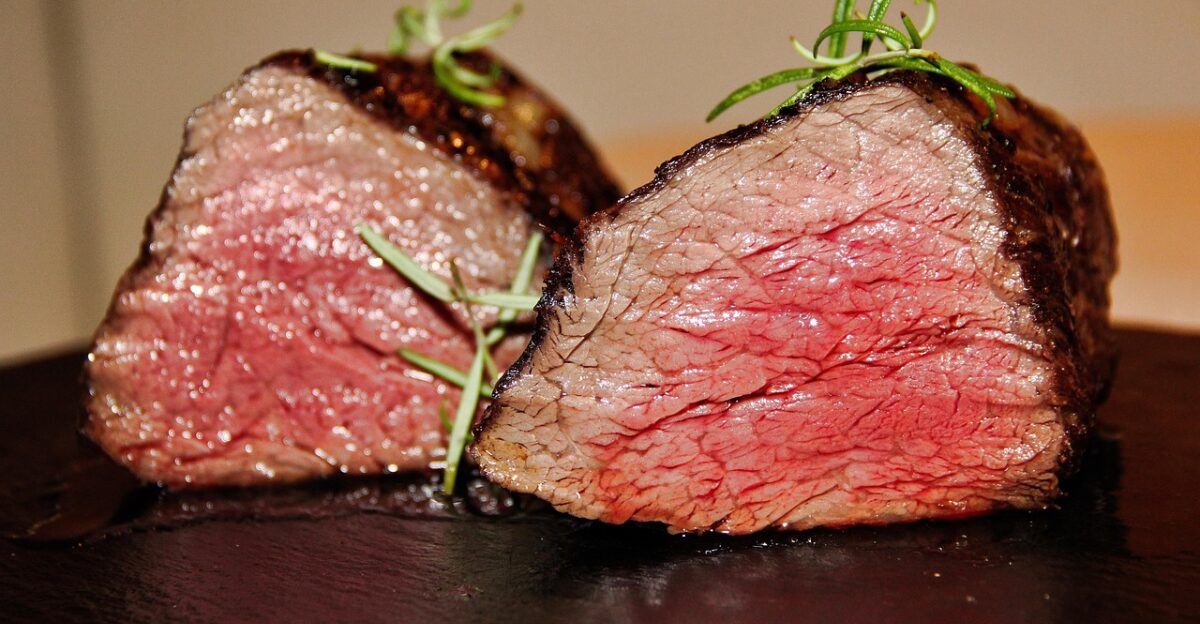
For steakhouses and upscale dining, the math has become brutal. Premium cuts like ribeye and filet mignon have surged in price, forcing operators to choose between shrinking portions or hiking menu prices beyond $75-100 per entrée.
Some are rotating specials weekly to manage inventory, while others highlight seafood and poultry to diversify menus. After surviving the pandemic, high-end restaurateurs now face a new crisis driven by beef inflation and volatile commodity markets.
Knock-On Industries

The cattle shortage is hitting industries most consumers never consider. Leather producers face higher hide costs. Pet-food manufacturers that rely on beef by-products are struggling with tight supply. Even fertilizer producers who depend on feedlot manure are feeling the pinch.
Each link in this chain highlights how interconnected agriculture really is. When the beef sector suffers, the ripple extends far beyond the ranch and the butcher’s counter.
Global Consumer Impact
The U.S. import surge and domestic shortages are reverberating globally. As American buyers compete for limited beef, consumers in Europe, Asia, and Latin America are seeing higher prices too.
Argentina’s expanded exports to the U.S. leave less supply for other nations, turning beef into a luxury item in many regions. Around the world, steak is increasingly a symbol of affluence rather than a staple dinner choice.
Health & Lifestyle Shifts
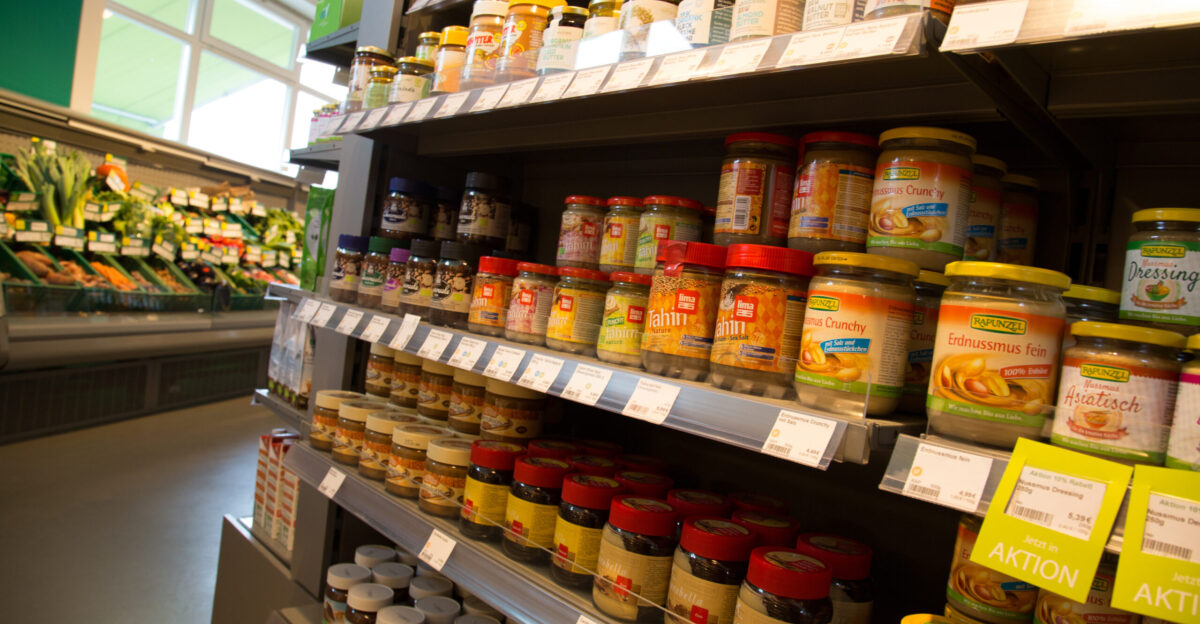
High prices are accelerating a trend already underway. Americans are eating more poultry, seafood, and plant-based meat alternatives. Sales of vegetarian and vegan products have surged in 2025, driven by both health concerns and cost considerations.
Nutritionists say patients are asking more about sustainable protein options and heart-healthy diets. If the shift sticks, U.S. beef consumption could permanently fall—reshaping diets and agricultural demand for years to come.
Environmental & Sustainability Debate

Environmental advocates see opportunity in scarcity. They argue that sky-high beef prices reflect the true ecological cost of cattle production, from methane emissions to land use.
Others push back, warning that importing more beef from abroad could simply shift environmental impacts to less-regulated countries. Either way, the sustainability debate around beef has moved from academic circles to dinner tables.
Winners & Losers
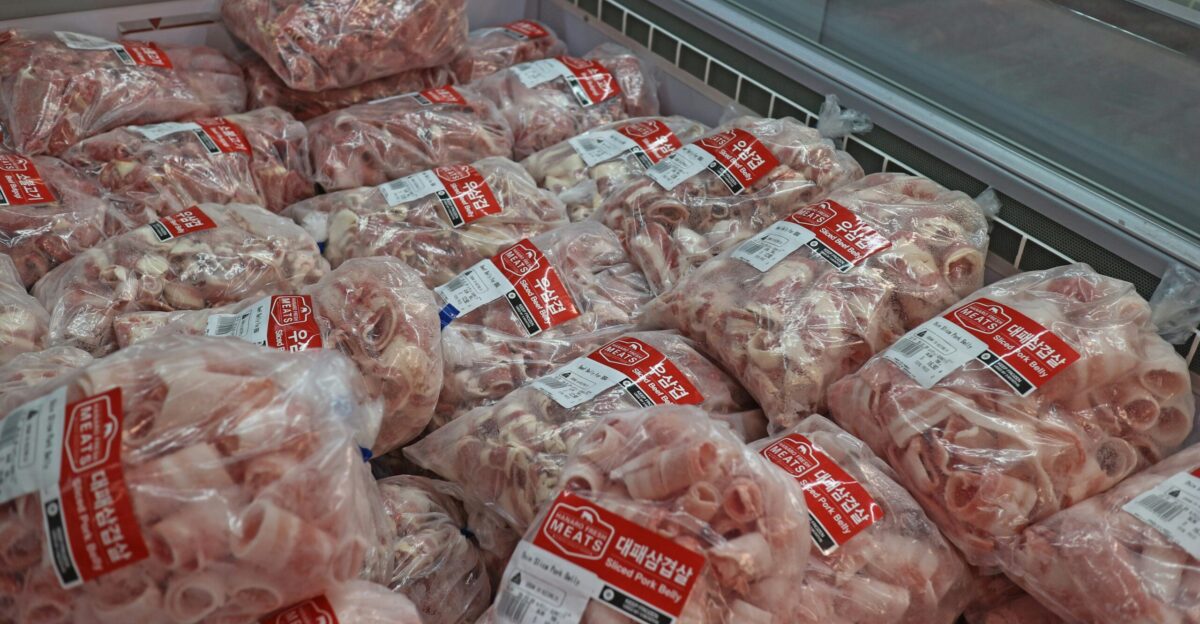
Winners include Argentine beef exporters, big U.S. meatpackers that dominate 80% of the domestic market, poultry and pork producers, and plant-based food companies riding the wave of substitution.
Losers are small and mid-sized ranchers squeezed by high costs and foreign competition, consumers paying record prices, and rural towns losing income. Adjacent sectors—like leather and pet-food manufacturing—are also caught in the crossfire.
Financial Markets React
On Wall Street, traders saw opportunity. Live-cattle futures hit record highs in August 2025, with speculators piling in as volatility spiked.
Hedge funds profited from swings driven by import announcements and production forecasts. But for ranchers, the speculation created whiplash—markets once meant to stabilize prices became another source of uncertainty.
Consumer Advice
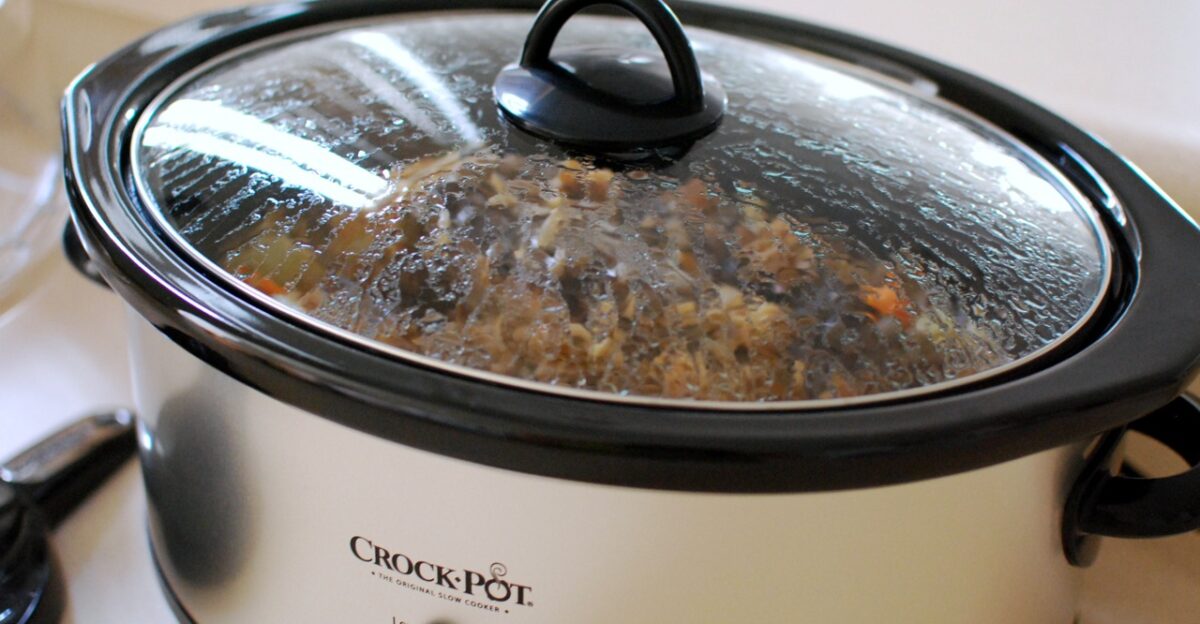
Consumers still have options. Buy cheaper cuts and use slow-cookers, purchase ground beef in bulk and freeze, or substitute with chicken and plant-based proteins. Loyalty programs and direct-from-rancher buying can also save money.
Meal-planning around weekly specials helps stretch budgets. The key is understanding price cycles and making smart substitutions rather than abandoning beef entirely.
Looking Ahead
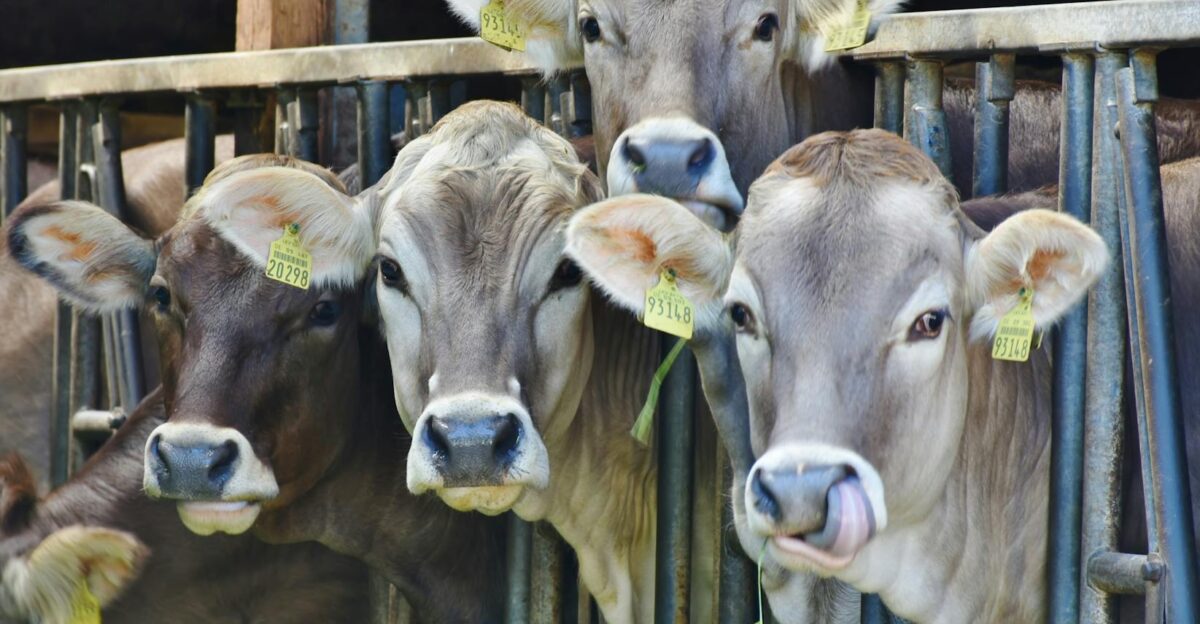
The USDA expects modest herd rebuilding to start in 2026 as ranchers retain more heifers for breeding. But real supply growth won’t appear until 2027 or 2028, given biological limits.
CattleFax projects average steer prices around $196.49 per hundredweight next year—still historically high. It’s a long road back for ranchers and consumers alike.
The Ripple Completes
The beef crisis proves that a single policy move can ripple through an entire economy. Record-high prices, herd contraction, and expanded imports collided to challenge “America First” credibility.
From feedlots to dinner tables, the consequences are clear: agricultural policy isn’t just about farmers—it shapes inflation, food culture, and global trade fairness. The next chapter will test whether America can rebuild both its herds and its trust.