
Imagine reaching for your daily medication, only to learn it could be putting your health at risk. That’s the reality facing thousands of Americans after Teva Pharmaceuticals and Amerisource Health Services issued a nationwide recall of more than 580,000 bottles of Prazosin Hydrochloride, a widely used medication for blood pressure management and post-traumatic stress disorder (PTSD)-related sleep disturbances.
A Lifeline for Many, Now in Question
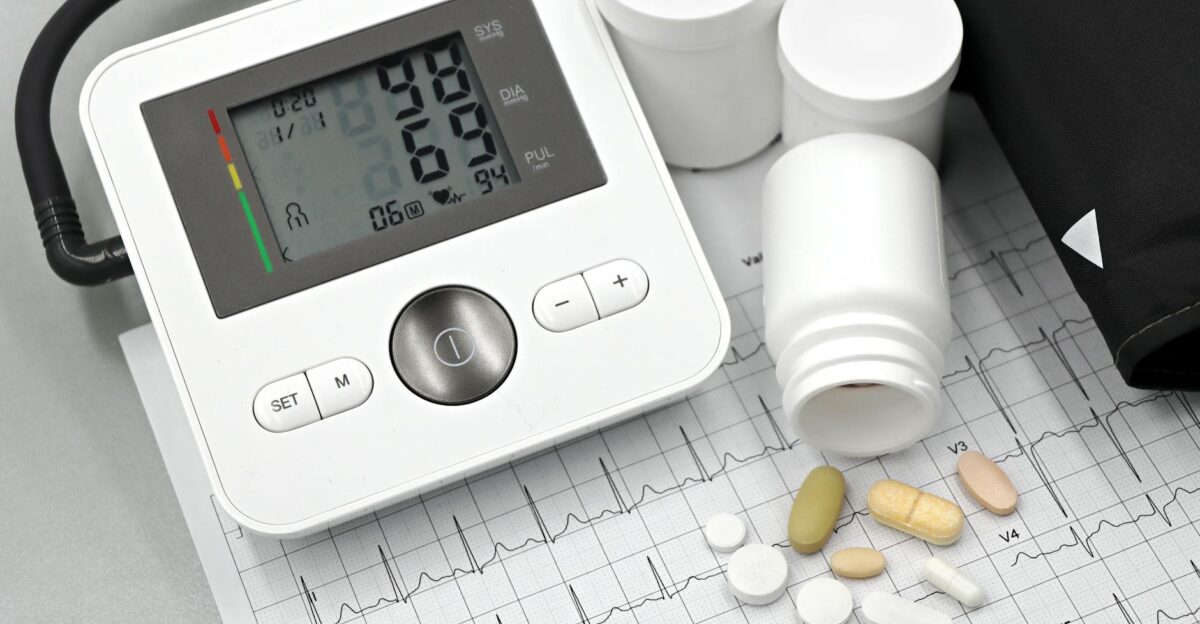
Prazosin has long been a staple in the treatment of high blood pressure, helping millions manage a condition that affects nearly half of all U.S. adults. According to the Centers for Disease Control and Prevention, hypertension prevalence among American adults was 47.7% during August 2021–August 2023. The medication’s reach extends beyond hypertension: doctors have prescribed prazosin off-label to veterans and trauma survivors to ease nightmares and sleep disturbances associated with post-traumatic stress disorder (PTSD). For these individuals, the recall represents a disruption to their treatment regimen and a source of medical concern.
The Hidden Threat Inside the Pill
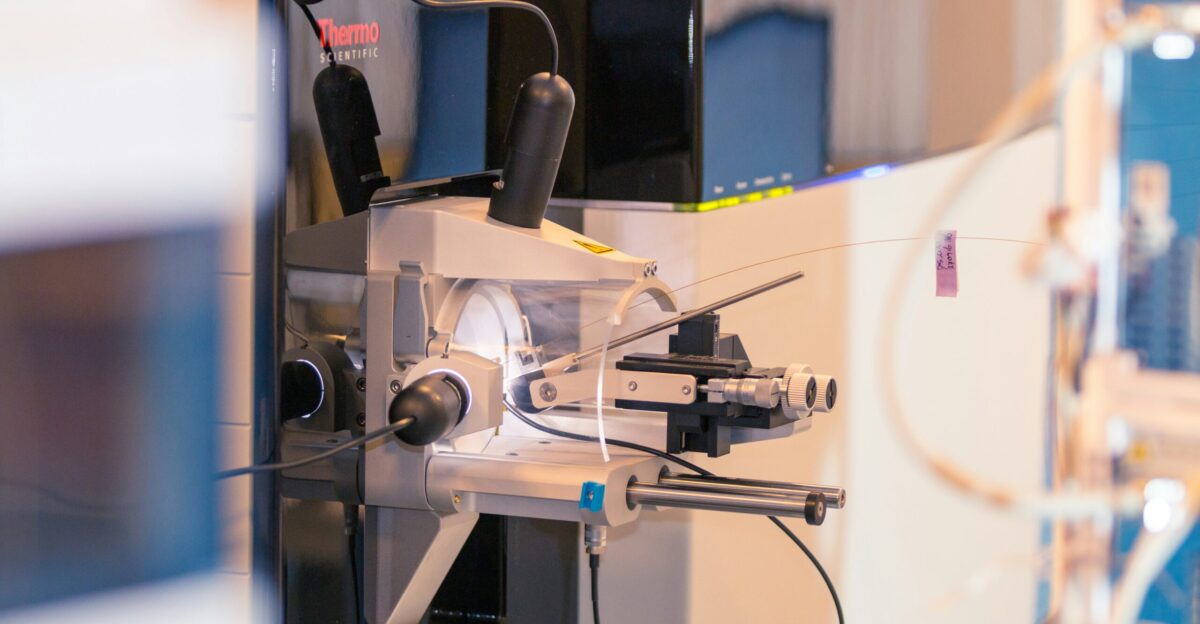
The recall was triggered after routine tests revealed the presence of N-nitroso Prazosin Impurity C, a nitrosamine compound linked to cancer when consumed at levels exceeding certain thresholds. Nitrosamines are not uncommon—they can be found in trace amounts in food and water—but the U.S. Food and Drug Administration (FDA) sets strict limits for their presence in medications. In this case, some prazosin samples exceeded those limits, raising concerns about long-term exposure.
The contamination affected all three strengths of prazosin—1 mg, 2 mg, and 5 mg—with expiration dates ranging from October 2025 through February 2028. The recall included 181,659 bottles of 1 mg capsules, 291,512 bottles of 2 mg capsules, and 107,673 bottles of 5 mg capsules. Each bottle may contain between 100 and 1,000 capsules. The recall was initiated on October 7, 2025, and the FDA classified it as Class II on October 24, 2025. A Class II classification indicates “a situation in which use of or exposure to a violative product may cause temporary or medically reversible adverse health consequences or where the probability of serious adverse health consequences is remote.”
As of late October 2025, Teva reported it has not received any “relevant complaints” related to the recalled medication.
A Pattern of Nitrosamine Concerns in Pharmaceuticals
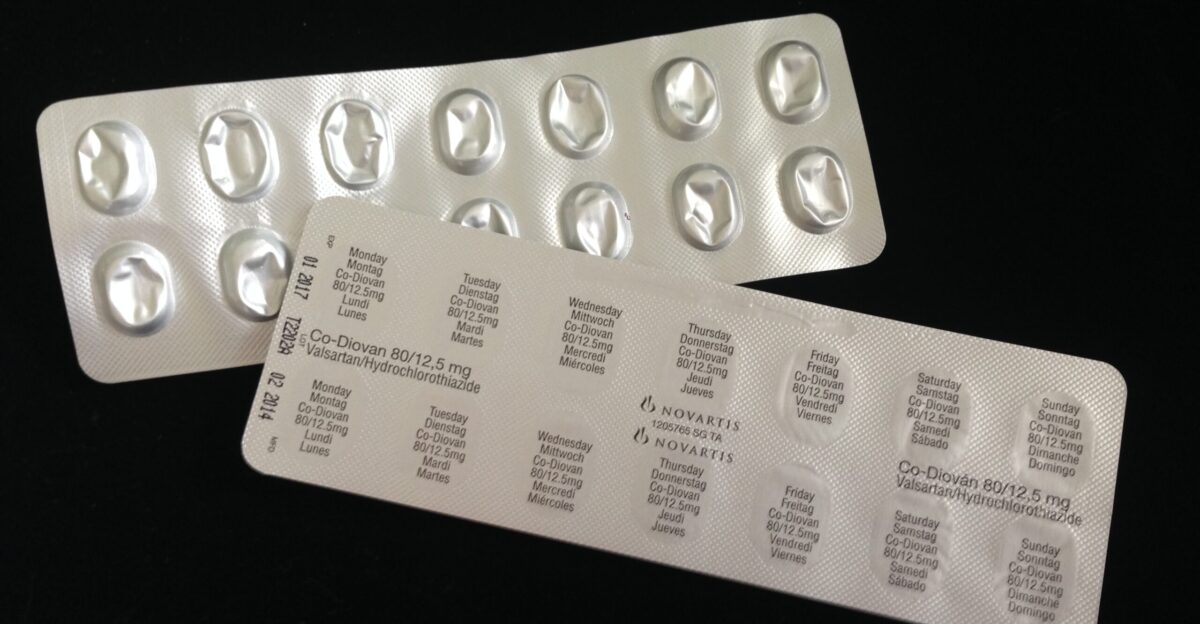
This is not the first time nitrosamine contamination has affected the pharmaceutical industry. In 2018, similar impurities were discovered in valsartan, another blood pressure medication, leading to global recalls. Since then, other medications, including carvedilol, have been subject to recalls for similar nitrosamine contamination. In August 2025, Glenmark Pharmaceuticals recalled carvedilol 3.125 mg and 6.25 mg due to N-nitroso-carvedilol impurity levels exceeding acceptable limits. These recurring incidents underscore the global nature of pharmaceutical safety challenges and the need for continued vigilance in drug manufacturing and monitoring.
Veterans and Pharmacies Navigate the Recall

The recall’s impact is particularly significant for U.S. veterans. A 2018 clinical trial published in the New England Journal of Medicine tested prazosin in over 300 combat veterans and found that the drug did not statistically outperform placebo for PTSD-related nightmares. In response, the VA/Department of Defense updated its clinical practice guidelines in June 2017 to recommend against universal prazosin prescription for PTSD, instead suggesting individualized decision-making with patients regarding whether to continue the medication. Despite these findings, prazosin continues to be prescribed off-label for some veterans who report symptomatic benefit.
According to a 2020 analysis of the Veterans Health Administration, approximately 104,349 veterans with PTSD-related sleep disturbances received prazosin prescriptions between 2015, though adherence rates were low, with only 19% achieving consistent medication compliance.
Pharmacies nationwide have mobilized in response to the recall. The FDA advises patients not to stop their medication abruptly, as sudden discontinuation can cause dangerous spikes in blood pressure. Patients should contact their pharmacy or prescribing healthcare provider to check if their specific lot is affected and to discuss safe alternatives.
Navigating Shortages and Seeking Solutions
As Teva works to pull affected stock from shelves, pharmacies may experience brief shortages and delays in refilling prescriptions. For hypertension treatment, doctors are turning to alternative medications, such as other alpha-blockers or different classes of blood pressure drugs. For PTSD-related nightmares, alternative treatment options exist, including other medications and evidence-based psychotherapies.
Insurance providers are reviewing coverage to ensure that patients switching medications are not hit with unexpected costs. Some pharmacies have introduced assistance programs to help patients during the transition.
Looking Ahead: Restoring Trust and Safety
The prazosin recall serves as a reminder of the ongoing challenges in pharmaceutical manufacturing and the delicate balance between pharmaceutical innovation and patient safety. As the FDA continues to investigate how the impurity entered the supply chain, drugmakers are investing in advanced detection technologies and stricter oversight. The hope is that lessons learned from this episode—and similar recent recalls—will lead to more robust safeguards and renewed public confidence.
The recall affects 181,659 bottles of 1 mg capsules, 291,512 bottles of 2 mg capsules, and 107,673 bottles of 5 mg capsules. Patients can check the complete list of affected lot numbers and expiration dates on the FDA’s official enforcement reports website or by contacting their pharmacy directly.
For now, patients, providers, and regulators are united by a common goal: ensuring that the medicines people rely on are as safe as they are effective. Anyone with affected medication should contact their healthcare provider for guidance, return the medication to their pharmacy for proper disposal, and report any side effects or issues to the FDA’s MedWatch program.