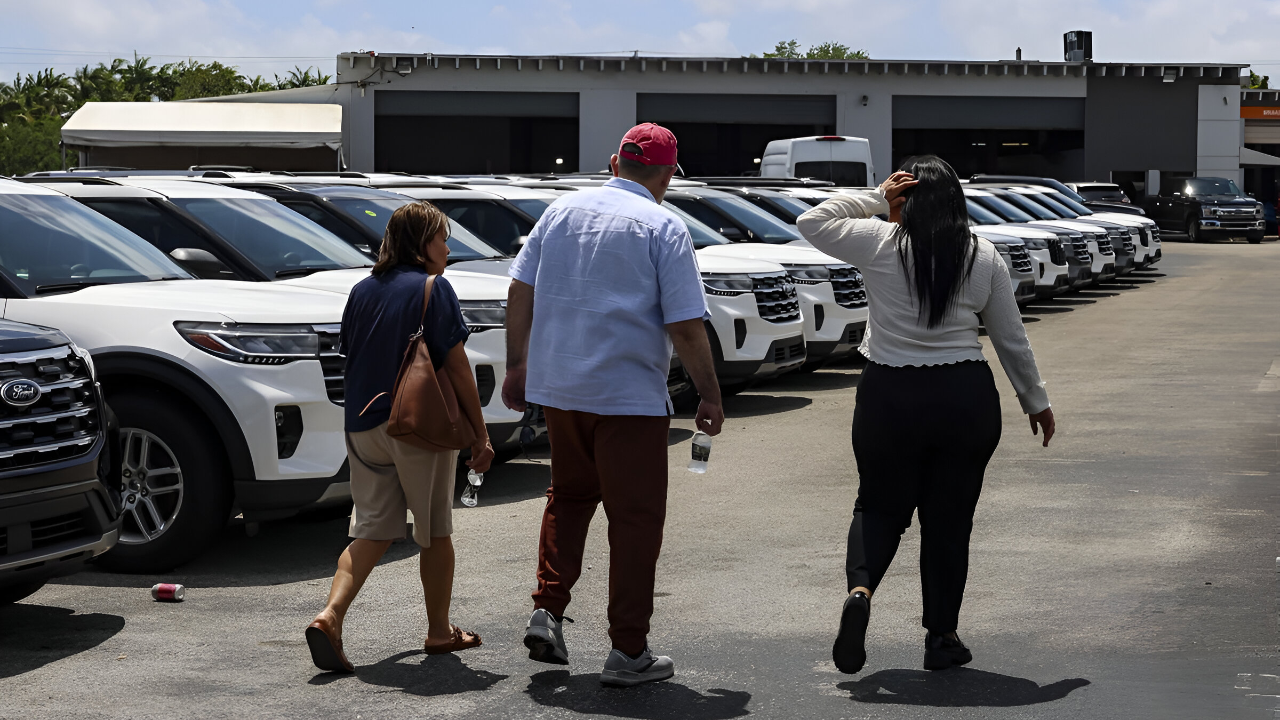
In October 2025, the financial world was rocked as PrimaLend Capital Partners, a leading subprime auto lender, filed for bankruptcy—becoming the third major subprime lender to collapse this year. In August, Automotive Credit Corporation abruptly halted all new loan originations indefinitely, citing financial strain. Just weeks later, Tricolor, another major player in the sector, filed for bankruptcy, followed now by PrimaLend.
The news sent tremors through Wall Street and raised urgent questions about the stability of the $1.66 trillion U.S. car loan market. As missed payments mount and lenders falter, the risk of a broader financial crisis looms, echoing the turmoil of the 2008 housing collapse but with cars at the center.
Subprime Lenders Buckle Under Pressure

The recent bankruptcies of Tricolor and PrimaLend have exposed deep vulnerabilities in the subprime auto lending market. Borrowers with poor credit, already stretched thin by rising interest rates and soaring car prices, are finding it increasingly difficult to keep up with payments. According to Fitch Ratings, the delinquency rate for subprime auto loans hit 6.43% in August 2025—the highest in decades and double the rate seen just four years ago. Financial counselors report seeing families forced to choose between making their car payment and putting food on the table, with many facing the reality that losing a car means losing a job.
This surge in missed payments has triggered a wave of repossessions and put immense strain on lenders. As credit standards tighten, fewer Americans can qualify for loans, leading to a slowdown in car sales and mounting pressure on dealerships and automakers. Industry analysts have noted parallels to the mortgage crisis, though this time, the collateral is parked in driveways, not on suburban lots.
Shifting Consumer Habits and Industry Fallout

With the average price of a new car now exceeding $50,000, many consumers are turning to used vehicles, leasing, or even public transit to cope with affordability challenges. This shift is reshaping the auto market and altering the traditional American view of car ownership. Dealerships across the country have reported increased interest in used car inquiries as buyers seek more affordable options.
The tightening of credit and rising repossession rates have also forced automakers and parts suppliers to adjust. Production slowdowns and reduced orders are rippling through the supply chain, affecting jobs and investment both in the U.S. and abroad. Countries that rely on exporting auto parts to the American market are watching nervously, wary of economic contagion. International auto industry analysts have drawn comparisons to previous global automotive downturns, warning that a prolonged slump in U.S. demand could have global consequences.
The Human Toll and Calls for Reform

Beyond the balance sheets, the crisis is taking a heavy toll on American families. For many, a car is not a luxury but a lifeline—essential for commuting, accessing healthcare, and daily life. The loss of a vehicle can quickly spiral into job loss and financial distress. Consumer advocates report that when cars are repossessed, borrowers often miss work and face cascading financial consequences affecting housing and employment stability.
As the crisis deepens, policymakers are under increasing pressure to respond. Lawmakers and consumer advocates are calling for stricter regulations and greater transparency in auto lending practices. Some experts argue that, unlike the 2008 housing crash, the fallout is so far contained within the auto sector. However, others warn that rising defaults could spill over into other parts of the economy, tightening credit and slowing growth in consumer-driven industries like retail and housing.
Winners, Losers, and the Road Ahead

While lenders and borrowers struggle, some used car dealers and repossession firms are seeing profits rise amid the turmoil. Meanwhile, automakers and suppliers face mounting losses and uncertainty. The crisis is also prompting a national conversation about America’s car-centric culture and the need for more sustainable transportation options. Experts suggest that public transit and urban redesign could be part of the solution, with emphasis on ensuring these changes don’t leave vulnerable communities behind.
Globally, the surge in U.S. auto loan defaults has drawn scrutiny from investors and policymakers, raising questions about the stability of American consumer debt. As the situation evolves, experts urge consumers to review their auto loans carefully and seek financial counseling if needed. Investors are advised to proceed with caution, given the volatility in the sector.
With two major subprime lender bankruptcies in rapid succession and delinquencies still climbing, the future of the U.S. auto loan market remains uncertain. The decisions made by lenders, policymakers, and consumers in the coming months will determine whether this crisis can be contained—or whether it will trigger broader economic challenges for years to come.