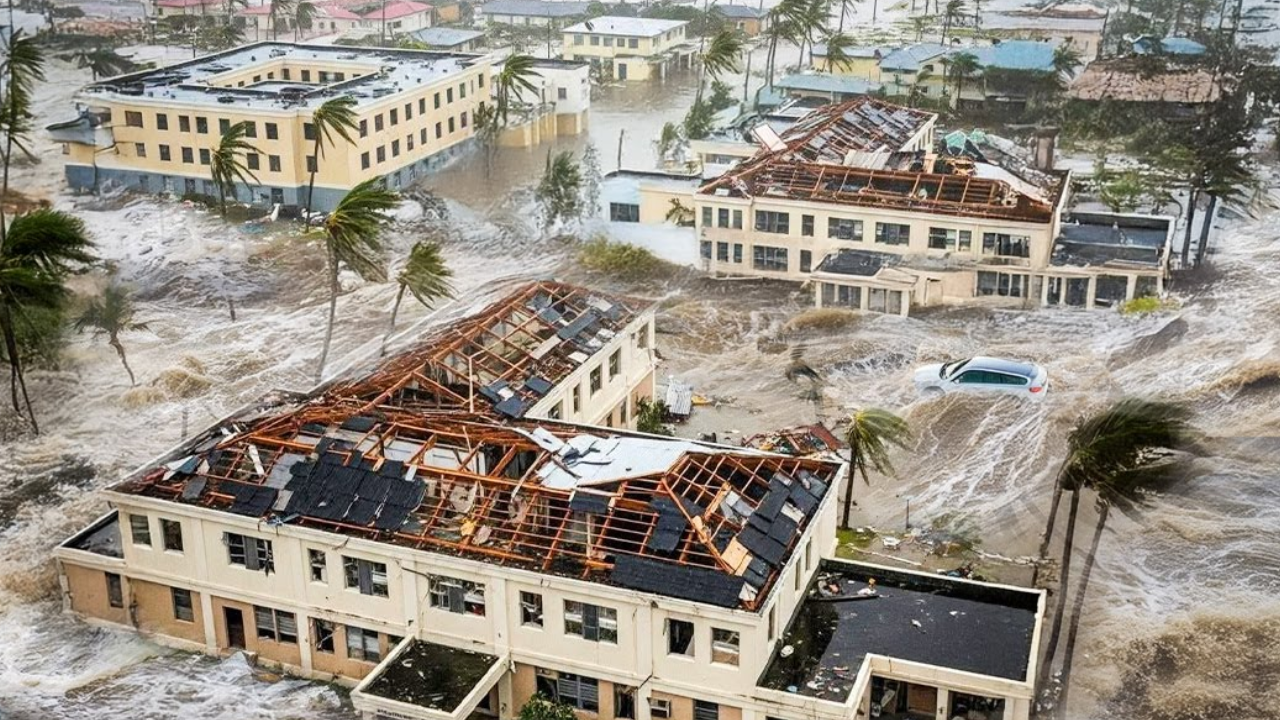
Hurricane Melissa has unleashed unprecedented destruction on Jamaica, marking one of the most powerful storms ever recorded in the Atlantic. With sustained winds reaching 185 mph and a central pressure of 892 millibars—tied for the third lowest in Atlantic hurricane history—the storm has forced the nation into a state of emergency and left millions scrambling for safety.
Triple Threat: Wind, Rain, and Landslides
Meteorologists warn that Melissa’s slow movement poses a triple threat: catastrophic winds, relentless rainfall, and deadly landslides. The storm is expected to dump up to 700 millimeters of rain, nearly three times Jamaica’s monthly average. The island’s steep, saturated hillsides are primed for flash floods and mudslides, endangering both urban and rural communities.
“It’s a catastrophic situation expected in Jamaica,” World Meteorological Organization tropical cyclone specialist Anne-Claire Fontan said at a Geneva press briefing. “For Jamaica, it will be the storm of the century for sure.”
Melissa’s rapid intensification has stunned experts. In less than 36 hours, the system exploded from a minor disturbance to a Category 5 hurricane. Anne-Claire Fontan explained that the system will bring three times the normal amount of precipitation for a rainy month in Jamaica. “It means that there will be catastrophic flash floodings and numerous landslides,” she said. The storm’s strength rivals the infamous 1935 Labor Day Hurricane and surpasses Hurricane Katrina’s peak winds, highlighting a worrying trend of more intense storms in a warming climate.
Jamaica Under Siege
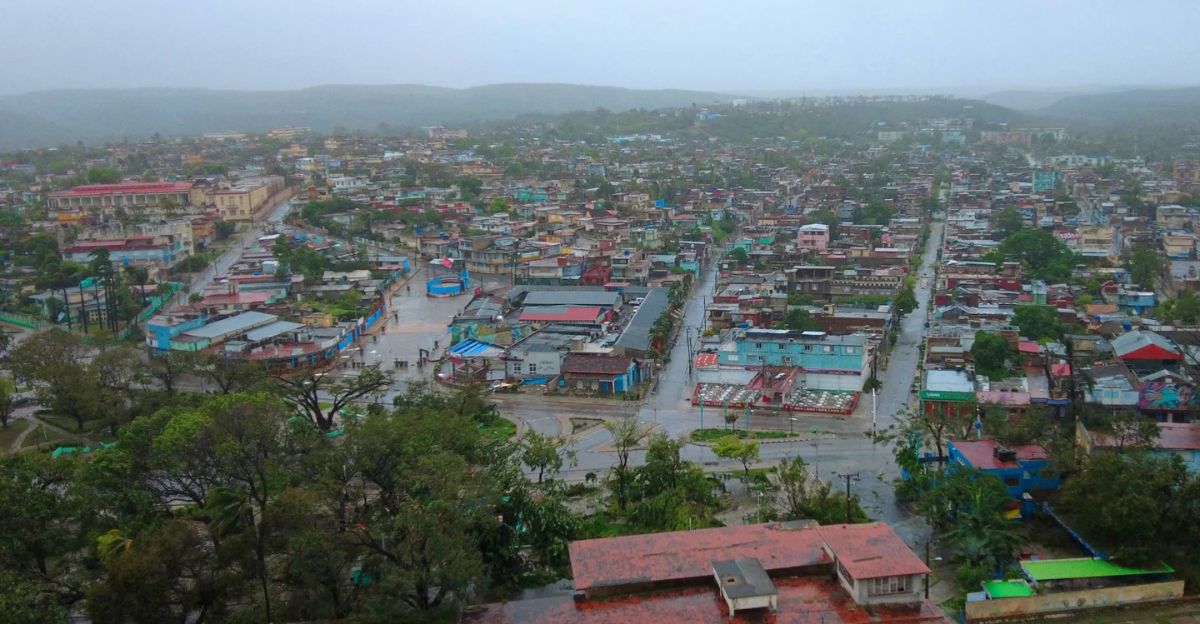
As Hurricane Melissa approached, Jamaica’s government moved swiftly. Prime Minister Andrew Holness declared a national disaster, closed schools and airports, and activated nearly 800 emergency shelters. In a national address on October 26, Holness urged citizens to prepare for extended isolation and comply with evacuation orders. Supermarkets and gas stations saw long lines as residents stocked up on essentials, bracing for extended isolation.
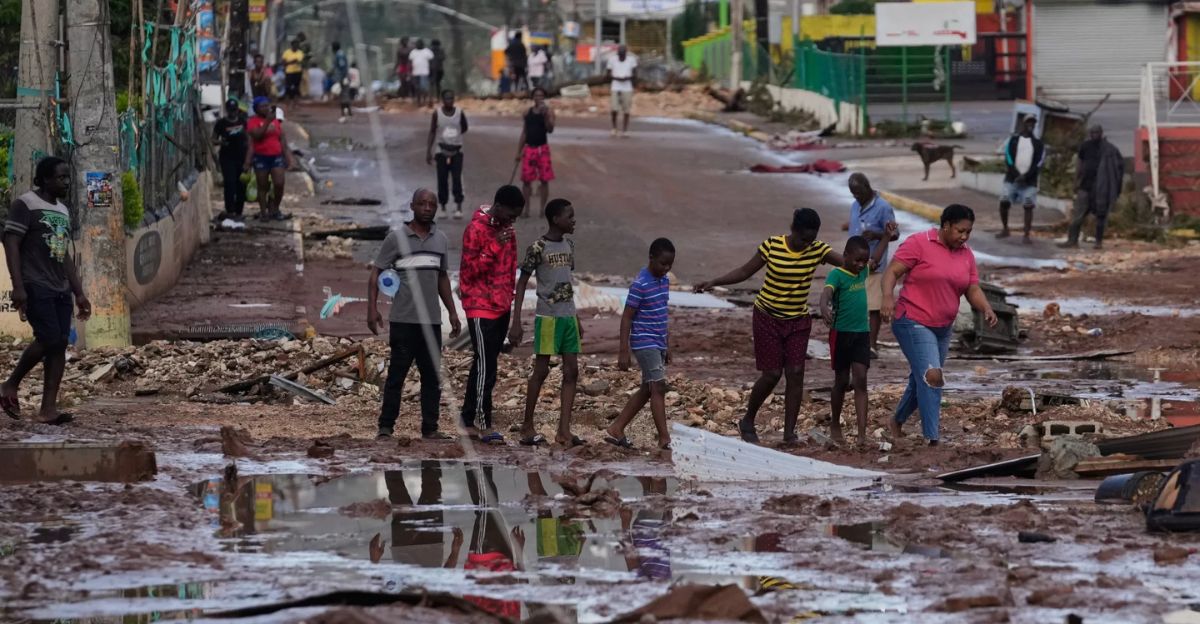
On October 28, Melissa made landfall on Jamaica’s western coast. The U.S. National Hurricane Center warned of “total structural failure” near the storm’s center. In Kingston, entire neighborhoods vanished beneath floodwaters. Rural areas were cut off as landslides and fallen trees blocked roads. Emergency teams struggled to reach families trapped by rising water and debris, while storm surges up to four meters high destroyed coastal homes.
Local Voices Amid the Chaos
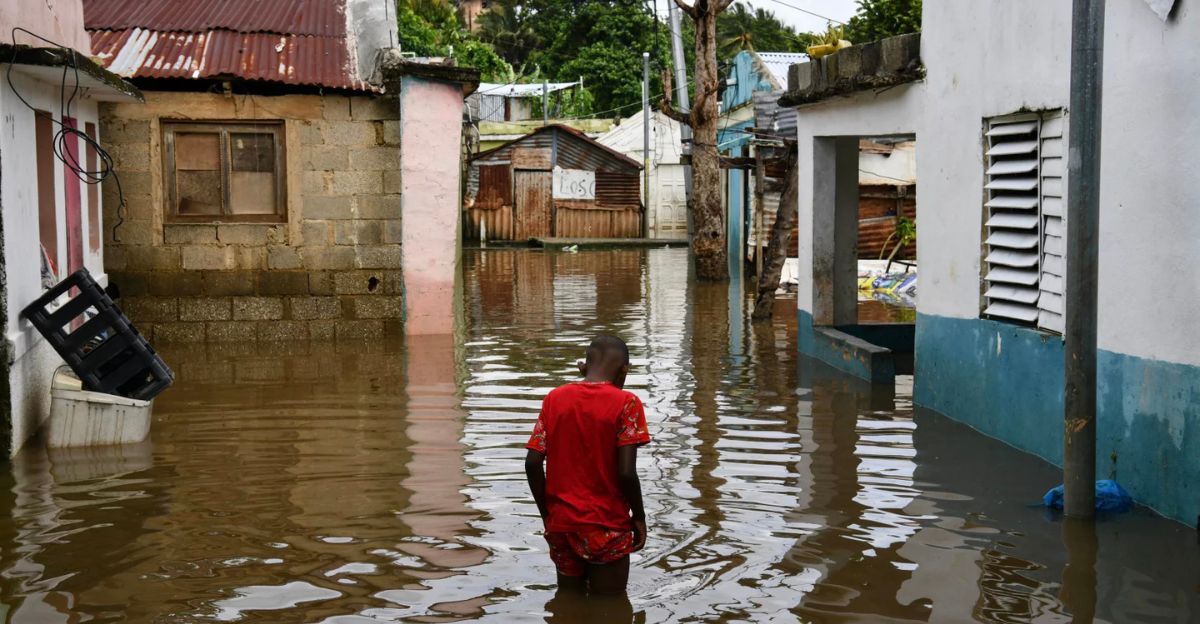
Inside emergency shelters, fear and uncertainty are palpable. Colin Bogle, a Mercy Corps adviser in Portmore near Kingston, sheltered with his grandmother as the storm hit. “The noise is relentless,” he said. “People are anxious and just trying to hold on until the storm passes.”
Communication with several parishes has been lost, and authorities describe the damage as the worst in decades. Aid workers and volunteers are working around the clock to provide food, water, and medical care. Local government minister Desmond McKenzie reported that the southwestern parish of St. Elizabeth was “under water” with extensive damage. “Roofs were flying off,” he said. “We are hoping and praying that the situation will ease so that some attempt can be made to get to those persons.”
Regional and Global Response
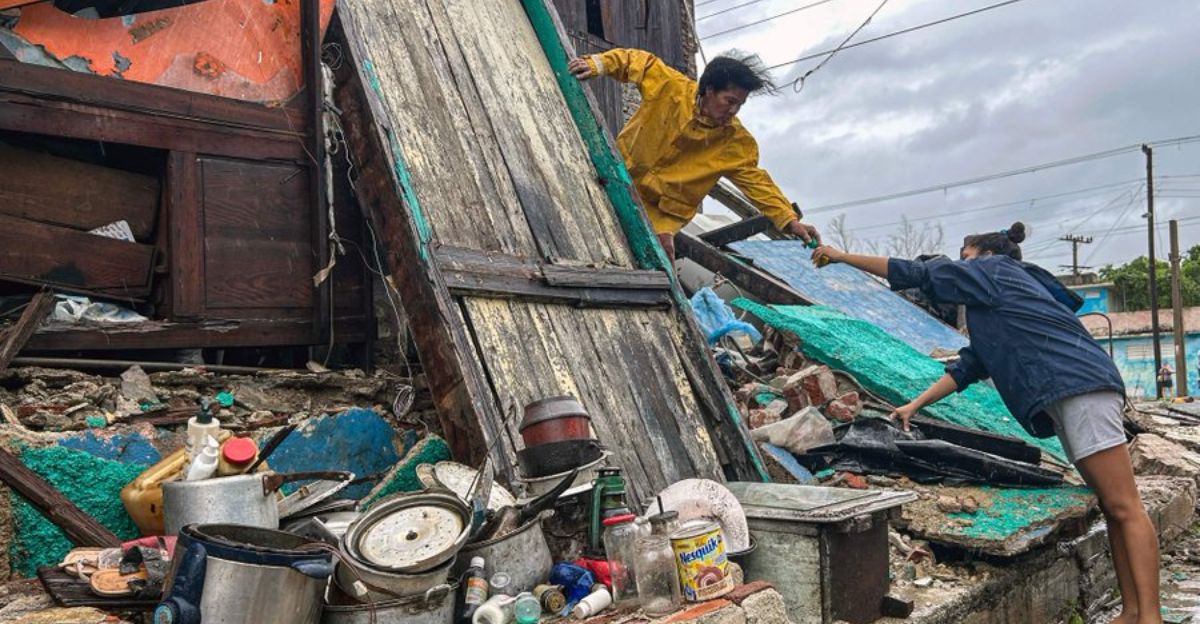
Melissa’s impact extends beyond Jamaica. The storm’s vast reach has threatened Cuba, Haiti, and the Bahamas. The United Nations has released $4 million each to Haiti and Cuba for emergency preparations. Aid agencies are mobilizing across the region, rushing to protect vulnerable communities before Melissa moves northward.
Globally, experts are drawing comparisons to other recent superstorms. Hurricane Ian and Hurricane Idalia, both fueled by record sea temperatures, also underwent rapid intensification before landfall. Kerry Emanuel, a meteorologist and climate scientist at MIT, noted the unusual proportion of Atlantic hurricanes this season that intensified rapidly. “This may very well be collectively a signature of climate change,” he said.
Aftermath and the Road to Recovery
In the days following landfall, frustration and anxiety are mounting. Many families remain stranded without power or clean water, especially in remote areas where roads are impassable. Landslides in parishes like St. Mary and St. Andrew have isolated entire villages. The WMO warns of potential outbreaks of waterborne diseases if clean water supplies are not restored quickly.
Prime Minister Holness has called for international assistance, activating air and naval rescue teams and opening all available shelters. Critics argue that stronger infrastructure and faster disaster planning could have reduced losses, but the sheer scale of Melissa’s destruction has overwhelmed response efforts.
Recovery is underway, but progress is slow. More than 800 shelters are providing refuge, and teams are working to clear roads and restore power. The Red Cross, United Nations, and local volunteers are distributing critical supplies, but many neighborhoods remain devastated. Experts estimate that full recovery could take months or even years.
Looking Forward: Lessons and Warnings
Scientists warn that storms like Melissa may become the new norm as ocean temperatures continue to rise. Caribbean nations face mounting pressure to invest in resilient infrastructure and early warning systems. Climate change has made elevated Caribbean temperatures more probable, and warmer oceans mean wetter storms with extra rainfall.
As Jamaica begins the long process of recovery, the lessons from this disaster—about preparation, community resilience, and climate adaptation—will shape how the Caribbean faces future storms. The stakes are high, and the world is watching how the region responds to the age of superstorms.