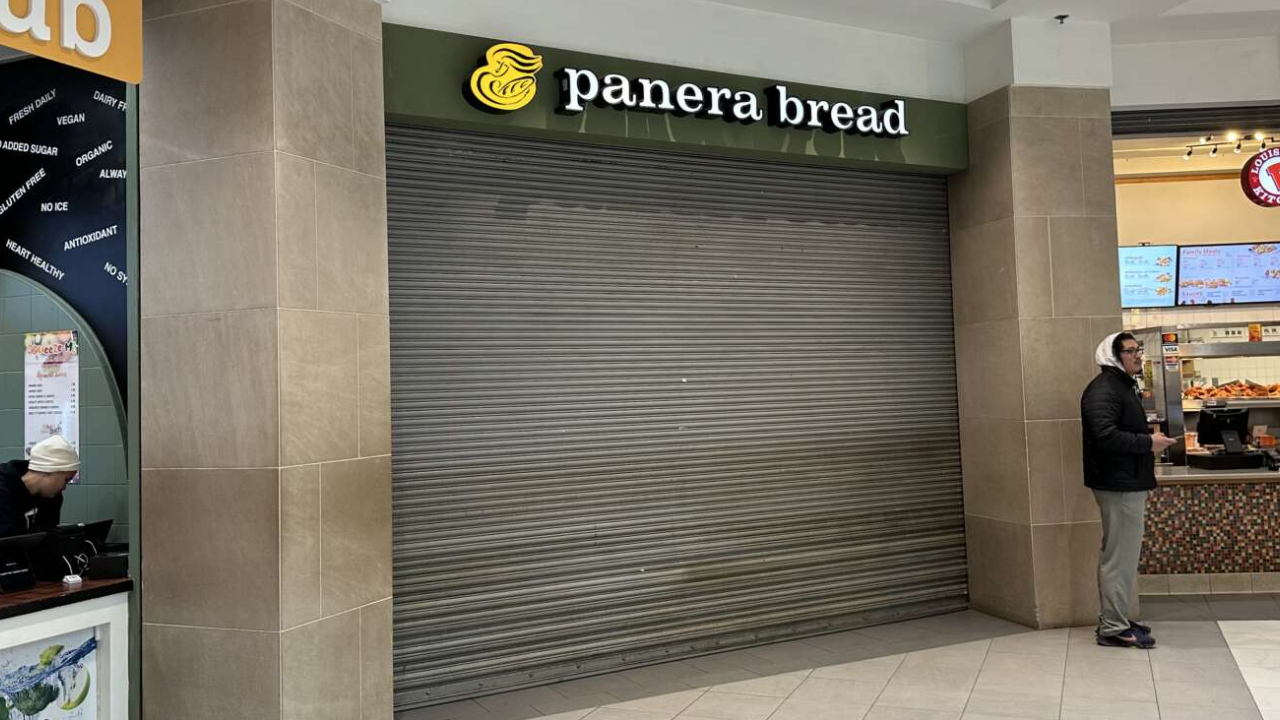
Panera Bread, one of North America’s largest fast-casual chains, has announced it will close all remaining fresh-dough manufacturing facilities across 48 U.S. states within the next 18 to 24 months. This move marks the final step in a transition that began last year, as the company shifts from in-store scratch baking to a par-baked dough model. The change is part of a three-year growth plan aimed at improving consistency and product availability for customers.
A New Era for Panera’s Bread Production
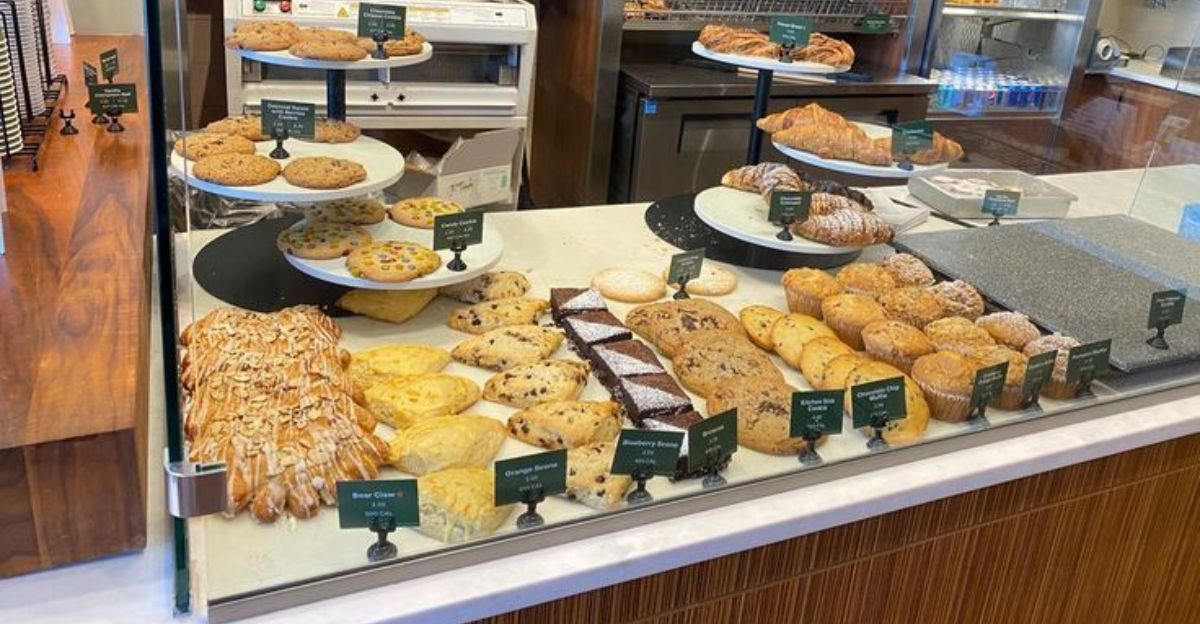
Under Panera’s new system, cafés will receive par-baked dough—bread and pastries that are partially baked at off-site facilities and then finished in ovens at each location. This replaces the previous model, where central bakeries mixed and delivered raw dough to stores every morning. Panera says the switch will ensure a steady supply of popular items and support its nationwide expansion.
Brooke Buchanan, Panera’s chief corporate affairs officer, emphasized the importance of bread quality: “Our bread is our superstar and the homage to our brand,” she said. Buchanan added that the new model will help eliminate out-of-stock issues, noting, “If you walk into a bakery-cafe at 4 pm and you want an Asiago bagel, you should be able to have that.”
To maintain quality, Panera will partner with artisan bakeries across the country. These third-party producers will follow Panera’s recipes to craft and par-bake breads and pastries, which are then distributed to cafés for final baking.
Local Impact
The closure of fresh-dough facilities will have immediate effects on bakery workers and local economies. Panera has begun offering severance packages, including severance pay and outplacement assistance, to help affected employees. At least eight facilities had already shut down by mid-2025, with additional closures continuing through fall, compared to 24 facilities in 2016.
Local communities are feeling the impact. In Romulus, Michigan, 66 employees will lose their jobs, while Orlando, Florida faces 114 layoffs when its dough site closes. Similar closures are planned in Greensboro, North Carolina (80 employees affected), and Lenexa, Kansas (59 employees affected). Additional closures have been announced in Ontario and Stockton, California, and Brentwood, Missouri.
Supply Chain Transformation and Quality Assurance
Panera’s supply chain is undergoing a major overhaul. Previously, fresh dough was mixed locally and delivered daily by Panera trucks. Now, frozen par-baked breads will be shipped from artisan bakeries, relying on national cold-chain logistics. This shift reduces the number of regional factories and introduces new distribution challenges.
Despite concerns about quality, Panera leadership insists that customers will not notice a difference. Buchanan reassured that the bread would maintain top quality using the best ingredients based on Panera’s recipes. The new approach will allow cafés to bake throughout the day rather than only in the morning, ensuring fresher products are available at all hours.
Leadership Changes and Strategic Direction
Panera’s transformation comes alongside significant leadership changes. In January 2025, longtime CFO Paul Carbone was appointed as interim CEO, and by March 2025, he was named permanent CEO of Panera Brands, owned by JAB Holdings. In June 2025, Nikka Copeland joined as Senior Vice President of the newly created Transformation & Strategy office, tasked with executing the turnaround plan.
The company also restructured its board, naming Jose Cil, former CEO of Restaurant Brands International, as chairman in May 2025. These moves align management and governance with Panera’s ambitious supply-chain overhaul and growth strategy.
Panera’s scale amplifies the impact of these changes. As of mid-2025, Panera Brands operates over 3,700 outlets (including Panera, Caribou, and Einstein Bros.) and employs around 120,000 people worldwide. Panera Bread alone runs approximately 2,200 cafés in 48 states and Canada.
Looking Ahead: Stakes and Implications
Panera’s shift to par-baked dough is part of a broader strategy to reverse declining sales and strengthen its market position. The company reported a 12% drop in consumer spending in 2024 and faced a costly data breach in March 2024 that resulted in a $2.5 million settlement. CEO Carbone has indicated that an IPO is on hold while Panera focuses on fundamentals.
With nearly 60% of sales now coming through digital channels and a loyalty program boasting over 64 million members as of March 2025, Panera is positioned to monitor customer feedback closely. As the company navigates this transition, communities, employees, and investors will be watching to see if the new model delivers on promises of quality, consistency, and growth.