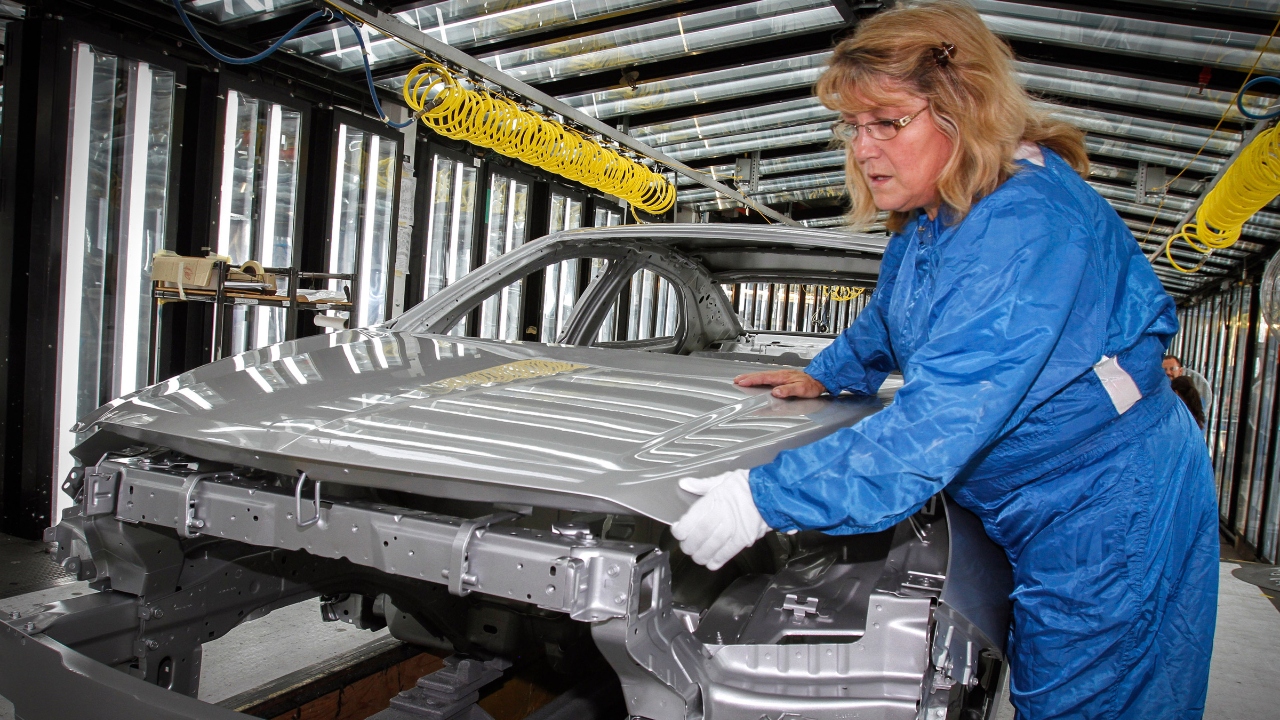
On October 24, 2025, General Motors (GM) announced the layoff of over 200 salaried engineers at its Warren, Michigan, plant—a move that stunned the industry just days after GM reported record earnings and a 15% surge in stock prices. This decision marks a pivotal moment for Detroit’s automotive sector, raising questions about the future of electric vehicles (EVs), local economies, and the broader U.S. auto market.
Restructuring Amid Shifting Priorities

GM’s layoffs are rooted in a $1.6 billion reduction in its EV investment plan and mounting tariff pressures. The company cited the need to streamline design engineering teams and cut operating costs, emphasizing a strategy to adapt to changing market demands and challenges. The company’s pivot comes as it faces volatile business conditions, including a $1.1 billion hit from tariff-related profit cuts. These changes have sparked debate about GM’s commitment to EV development and the future trajectory of American auto manufacturing.
The impact of these layoffs extends beyond GM’s walls. Suppliers and adjacent industries—such as software and component manufacturers—are bracing for reduced demand and fewer contracts. Dana Thermal Products recently announced the closure of its Auburn Hills facility with approximately 200 job cuts, reflecting the ripple effect on the region’s economy.
Consumer Uncertainty and Market Shifts
For consumers, GM’s strategic shift raises concerns about the availability and timing of new electric vehicle models. With scaled-back investments, buyers may face fewer choices and delayed launches of sustainable vehicles. This uncertainty could slow the nationwide adoption of eco-friendly transportation and alter consumer sentiment.
Dealerships and auto retailers are responding by adjusting inventories and marketing strategies, shifting focus toward gasoline vehicles and used cars. The industry’s flexibility will be tested as it navigates fluctuating vehicle offerings and evolving consumer preferences.
Industry-Wide Reverberations and Global Comparisons

GM’s announcement quickly reverberated across the automotive sector. Rivian, another major EV manufacturer, responded with its own layoffs—cutting approximately 600 jobs, or 4.5% of its workforce. The expiration of federal EV tax credits on September 30, 2025, has compounded these difficulties, prompting industry-wide reassessment of investment and growth strategies.
Globally, automakers are grappling with similar pressures. European and Asian manufacturers have also faced production slowdowns and supply chain disruptions due to tariffs and shifting consumer demand.
Human and Community Impact

The layoffs at GM’s Warren Tech Center were communicated via Microsoft Teams. The cuts were not performance-related, highlighting the vulnerability of skilled workers during corporate restructuring.
Local businesses, especially restaurants and service providers near GM’s campus, are preparing for decreased foot traffic and potential revenue declines. Community organizations are mobilizing to support displaced workers with job placement and retraining programs.
Political Scrutiny and Environmental Stakes
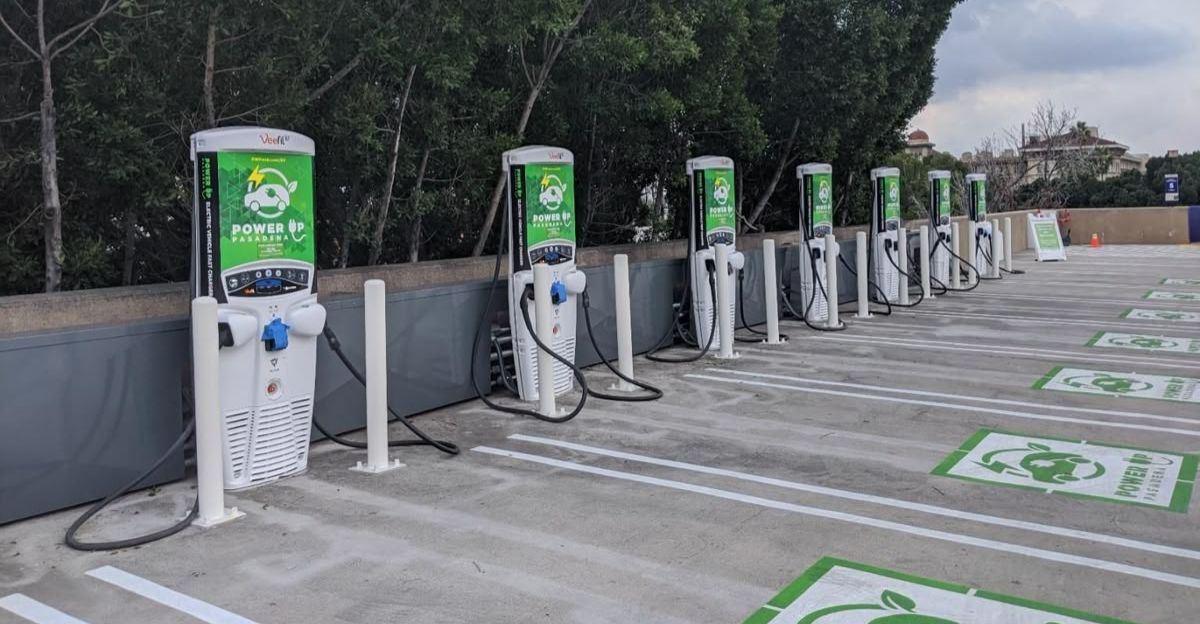
GM’s layoffs and reduced EV investments have drawn attention from lawmakers and policy influencers, who are reexamining incentives and regulations for the electric vehicle sector. The expiration of federal tax credits has already slowed industry momentum, prompting calls for renewed financial support.
Environmental advocates warn that reduced EV production could delay progress on air quality and public health goals, with potential long-term consequences for national and global sustainability efforts.
Looking Forward: Uncertainty and Opportunity
GM’s restructuring has triggered a wave of speculation and adaptation across the auto industry. Investors responded with enthusiasm, driving GM’s stock up 29% year-to-date, while competitors in the gasoline vehicle market see new opportunities.
As Detroit faces critical questions about its identity and future, workforce retraining and community resilience will be essential. The outcome of GM’s decisions may redefine American auto manufacturing, supply chains, and labor markets for years to come, defining not just GM’s future, but the legacy of American manufacturing in the evolving automotive landscape.