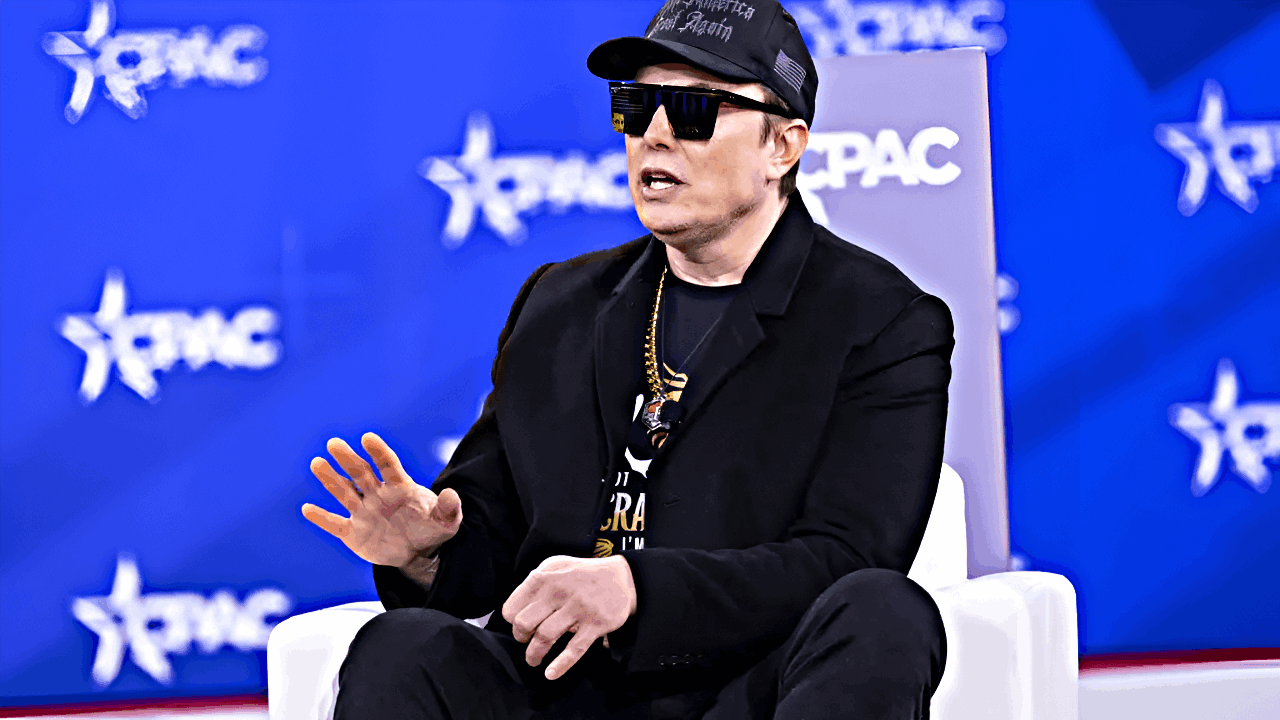
As investors get ready for a crucial vote that could change the company’s future and leadership, Tesla finds itself at a crossroads with over $1 trillion in market capitalization under scrutiny. Net income fell 37% to $1.37 billion in Q3 2025 despite record-breaking revenue of $28.1 billion, exposing a sharp decline in margin amid skyrocketing expenses.
With robotaxis, the Optimus humanoid robot, and large AI chip deals, Elon Musk’s AI-driven vision is staking Tesla’s future on a bold shift from pure EV manufacturing to a tech-robotics hybrid. Is this bold risk that supports a $1.44 trillion valuation sustainable or is it an overly leveraged bubble that could cause enormous losses for investors? This vote has the potential to either remove Musk from office or support his risky approach, which could have significant financial and strategic ramifications.
Margin Squeeze Is Hidden by Tesla’s Revenue Boom
Energy storage deployments increased by 81%, and Tesla delivered 497,099 vehicles in Q3 2025, a 7.4% year-over-year increase. However, operating margins dropped by almost half from 10.8% to 5.8%, and gross margins dropped to 18% from 19.8% the previous year. For the first time in years, Tesla’s operating margin fell below 6%, a dramatic decline that indicates operational strain.
The company faces intense pricing pressure, supply chain inflation, and growing R&D investments despite its historic revenue growth, which is driven by EV demand and battery technology leadership. Even Tesla’s devoted investors are unable to overlook the fundamental market issues revealed by the disparity between the company’s soaring topline numbers and its collapsing profit margins.
Musk’s Vision
A $16.5 billion AI chip deal with Samsung, the biggest chip contract in Tesla’s history, demonstrates Elon Musk’s increased dedication to robotics and artificial intelligence. The chip will power Tesla’s autonomous robotaxi fleet and Optimus humanoid robots.
By the end of 2025, the robotaxi pilot project intends to extend into eight to ten U.S. metropolitan areas, introducing Tesla’s FSD (Full Self Driving) technology to more than fifty million urban dwellers. By 2026, production of the Optimus V3 humanoid robot is expected to reach a record-breaking 1 million units. Tesla’s identity is blurred by this change, which turns it from an automaker into a vast AI platform company.
Record Cash Despite Operating Expense Increase and Margin Collapse
Tesla’s cash reserves reached a record $41.6 billion, the biggest war chest ever for Musk’s ambitious AI and robotics vision, and the company’s Q3 free cash flow increased to $4.8 billion.
However, R&D, AI development, and stock-based compensation drove a 50% increase in operating expenses, which reduced profits. The cash hoard conceals the fundamental profitability issues caused by declining car business margins, but it provides a buffer and runway for innovation.
Tesla’s Autonomous Advantage: FSD Data Dominance and Subscription Model
With more than 6 billion miles recorded on its FSD system, Tesla currently has the most autonomous driving data of any automaker. The FSD service is subscribed to by about 12% of Tesla’s eligible fleet, which could bring in about $2 billion a year if it continues to grow.
Tesla’s best defense of its AI advantage in autonomy is this data moat. Regulatory ambiguities, safety issues, and competition from Waymo, Cruise, and Chinese behemoths, however, pose a threat to this advantage. An unanswered question at the heart of the investor vote is whether Tesla can profit from its FSD lead enough to counteract margin pressure. The autonomy narrative increases speculation about timeline risks and profitability while simultaneously bolstering trust in Musk.
The Wall Street Mysteries of Tesla’s P/E at 263
With a price-to-earnings ratio of 263, Tesla is 14.6 times more expensive than its rivals, dwarfing the sector median of 18. This exorbitant valuation suggests extraordinary future growth expectations ingrained in current prices, reflecting both speculative bubble concerns and faith in Musk’s transformative vision. With 14 Strong Buys, 17 Holds, and 9 Strong Sells averaging a 12-month price target of $376, which suggests a 17% downside risk, analyst consensus is divided.
The market must decide whether to price Tesla as a high-tech AI/robotics disruptor or as a slow-growing automaker, each with significantly different risks. The impending investor vote is centered on this enormous valuation gap, which directly affects Musk’s reputation and Tesla’s strategic clarity.
Supply Chains, Competition, and Regulatory Obstacles
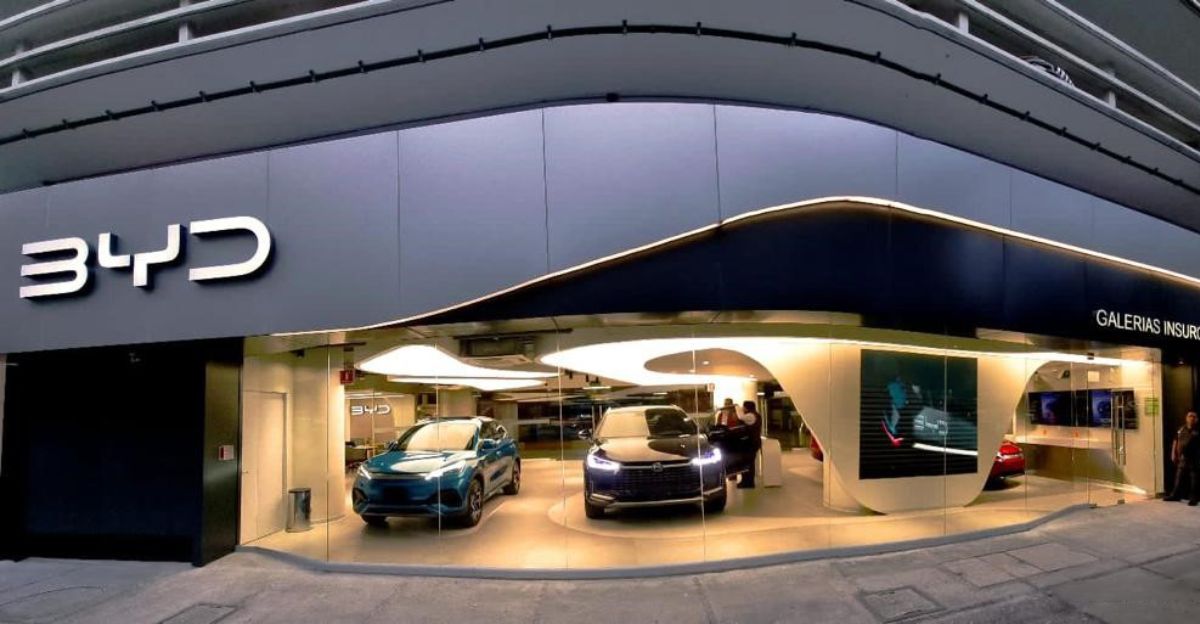
Growing competition from established automakers increasing EV production and newcomers like BYD controlling Chinese markets exacerbate Tesla’s margin pressures. Execution is further complicated by growing tariffs, shortages of chips, inflation in raw material costs, and increased regulatory scrutiny of autonomous driving. If robotaxi deployment is delayed or unsuccessful, more wealthy competitors could win the autonomy war.
Musk’s approach necessitates perfect execution throughout a vast tech ecosystem, from hardware integration to AI software and manufacturing. Investor skepticism is heightened by these industry challenges prior to the vote, necessitating clarification on the viability of Tesla’s bold roadmap.
Tesla is a Technology Company Rather than an Automaker
Tesla is becoming less of an automaker and more of an emerging AI platform company with automotive hardware as a distribution channel as a result of its move toward AI, robotaxis, and Optimus units. This reframing clarifies why Tesla invests billions in AI chips and robots while putting up with margin collapses in its automotive business.
The anticipated “inflection point” depends on these AI-powered platforms scaling successfully, which could open up new revenue streams that surpass auto sales. The Musk leadership vote is being called as a referendum on this drastic change because this vision is unproven and investors used to auto-sector norms find it frustratingly opaque.
Tesla’s Past Sturdiness Compared to Present Volatility
In the past, Tesla has proven its ability to innovate quickly, achieve production scale leaps, and dramatically increase its market share. However, despite record revenue, Q3’s steep 37% profit decline highlights unheard-of volatility. In the face of AI gambling and margin erosion, past resilience might not ensure future success.
The stakes of the shareholder vote are highlighted by this contrast: whether to demand a course correction to stabilize profitability or to continue believing in Musk’s long-term visionary bets. Tesla’s future depends on striking a balance between innovation speed and financial restraint; failure could cost the company billions of dollars in market capitalization and investor confidence.
The Frontier of Multibillion-Dollar Urban Mobility
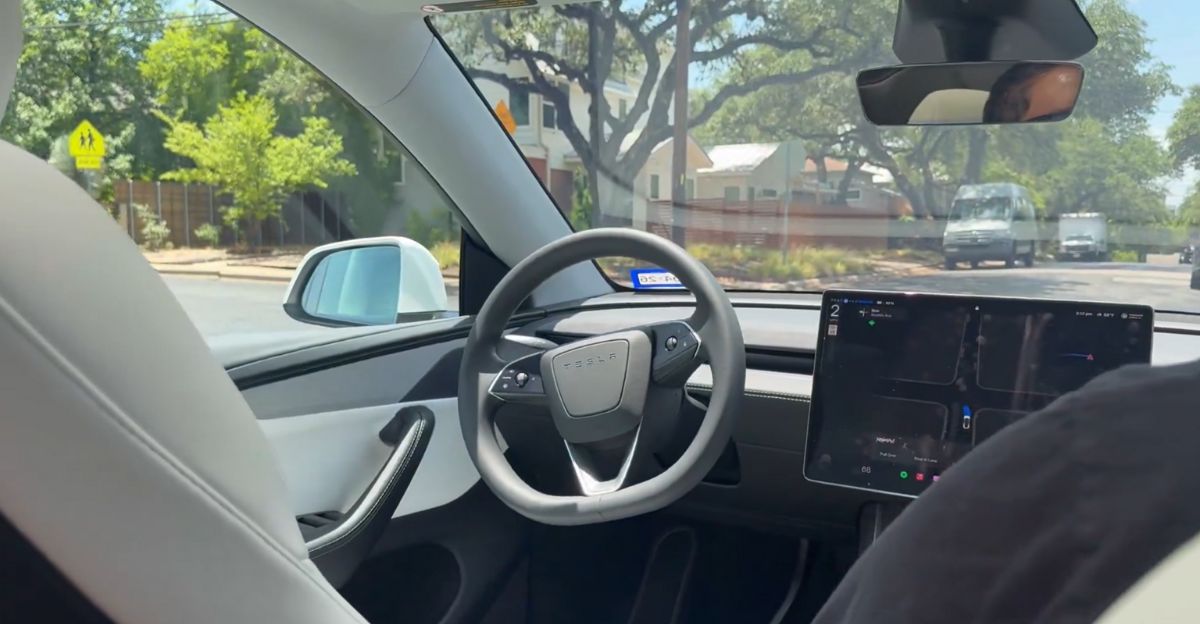
By 2026, eight to ten U.S. metro areas with an addressable population of more than fifty million will be served by Tesla’s robotaxi pilot. Autonomous ride-hailing has the potential to upend the economics of urban transportation and generate new revenue streams that go well beyond car sales. Although early deployment without safety drivers demonstrates Tesla’s audacious technological leadership, it also raises concerns about public safety and regulations that could postpone commercialization.
If successful, Tesla might change the dynamics of its valuation by gaining a sizable portion of the estimated $800 billion global ride-hailing market by 2030. On the other hand, failure might indicate a lost chance and erode investor confidence.
Another Bold Initiative
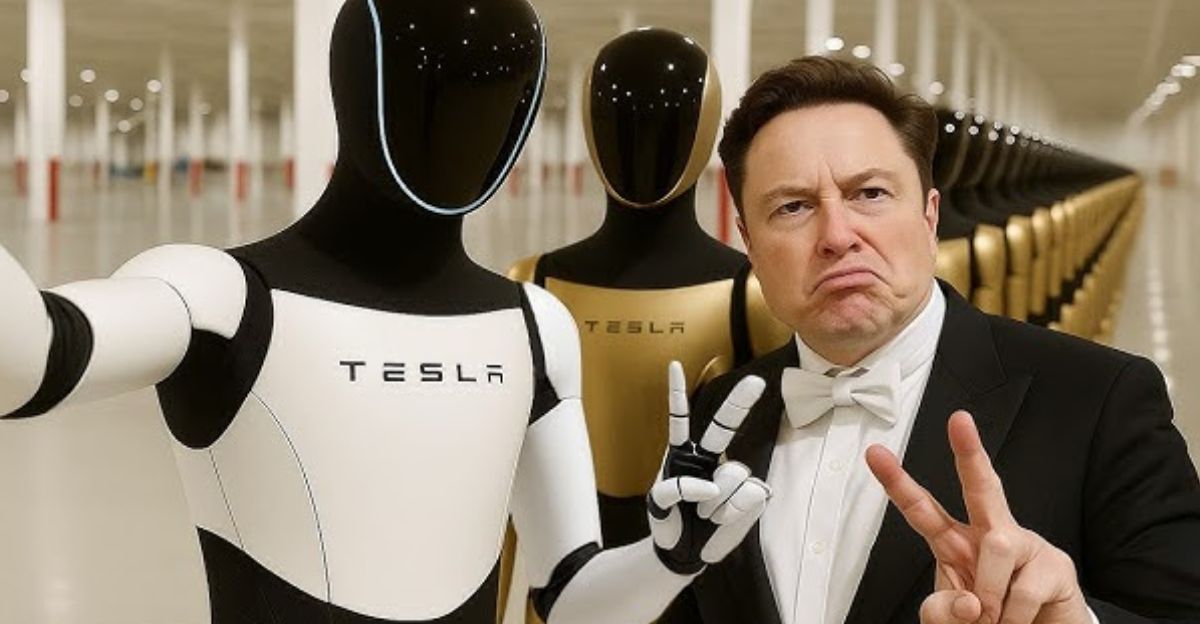
By early 2026, the Optimus V3 prototype hopes to produce one million units, an unprecedented amount of humanoid robotics. With a production scale that far surpasses that of its rivals, Tesla may be able to expand its business beyond the automotive industry into industrial automation, logistics, and service robotics, potentially a multibillion-dollar addressable market.
However, humanoid robots are still unproven on a large scale due to significant technical and financial obstacles. If Optimus is successful, Tesla might revolutionize several industries at once; if not, the $16.5 billion investment in AI chips and related operating costs run the risk of becoming sunk costs that will negatively impact short-term profitability.
Investor Division and Analyst Sentiment

The opinions of analysts regarding Tesla are divided. Investor uncertainty is reflected in the “Hold” consensus and significant “Strong Buy” and “Strong Sell” ratings. Despite optimism about future growth in robotics and artificial intelligence, the average price target of $376 represents a 17% downside.
During the vote, investors have two options: either demand a change in leadership to put financial discipline first, or double down on Musk’s vision in the hopes that the AI/robotics pivot pays off. The conflict between innovation risk and conventional valuation metrics is highlighted in this section, which is exemplified by Tesla’s high P/E ratio and erratic earnings. Therefore, the upcoming vote is more of a market-clearing moment than a typical governance event.
Effects Outside of Tesla’s Stockholders
The larger EV and AI industries are impacted by Tesla’s strategic direction. The battery and semiconductor industries, autonomous vehicle software startups, and suppliers to Tesla could all be impacted by a stock market contagion caused by Musk’s dismissal.
On the other hand, a Musk endorsement might encourage additional capital allocation focused on AI, accelerating the automotive industry’s transition to robotics and autonomy. In addition to influencing governance standards and investor activism in high-growth tech companies worldwide, Tesla’s decision may establish a precedent for handling mega-cap innovation risk in public markets.
The “Valuation Tipping Point Model” for Tesla
A “Valuation Tipping Point” framework, which divides market capitalization between legacy automotive cash flow value and speculative AI/robotics future value, can help investors understand Tesla’s current predicament. In the absence of verified new revenue streams from AI platforms, traditional valuation collapses when operating margins fall below a critical threshold (~5%).
This turning point is reflected in the $1 trillion+ stake up for vote, which calls for investor agreement on risk tolerance and faith in Musk’s innovation timeline. Tesla’s pricing anomalies and governance urgency are explained by this relationship; the outcome will make it clear whether Tesla’s valuation can continue or needs to be drastically corrected.
A Risky Decision Determining Market Confidence and Tesla’s Future
Elon Musk’s tenure is only one aspect of Tesla’s impending investor vote; another is a $1 trillion bet on the company’s ability to withstand margin compression and achieve its goal of becoming a massive robotics company driven by artificial intelligence. A financial and strategic paradox is created by the record revenues and enormous cash reserves contrasting with the historic profit collapse and operating cost explosion.
Tesla needs to deliver robotaxi and Optimus breakthroughs quickly or risk a valuation meltdown if investors continue to support Musk. On the other hand, a change in leadership may slow innovation while stabilizing returns. This vote will have a big impact on global equity markets, the trajectory of the EV industry, and the larger AI race. It will either solidify Tesla’s position as a transformative tech leader or cause a recalibration.