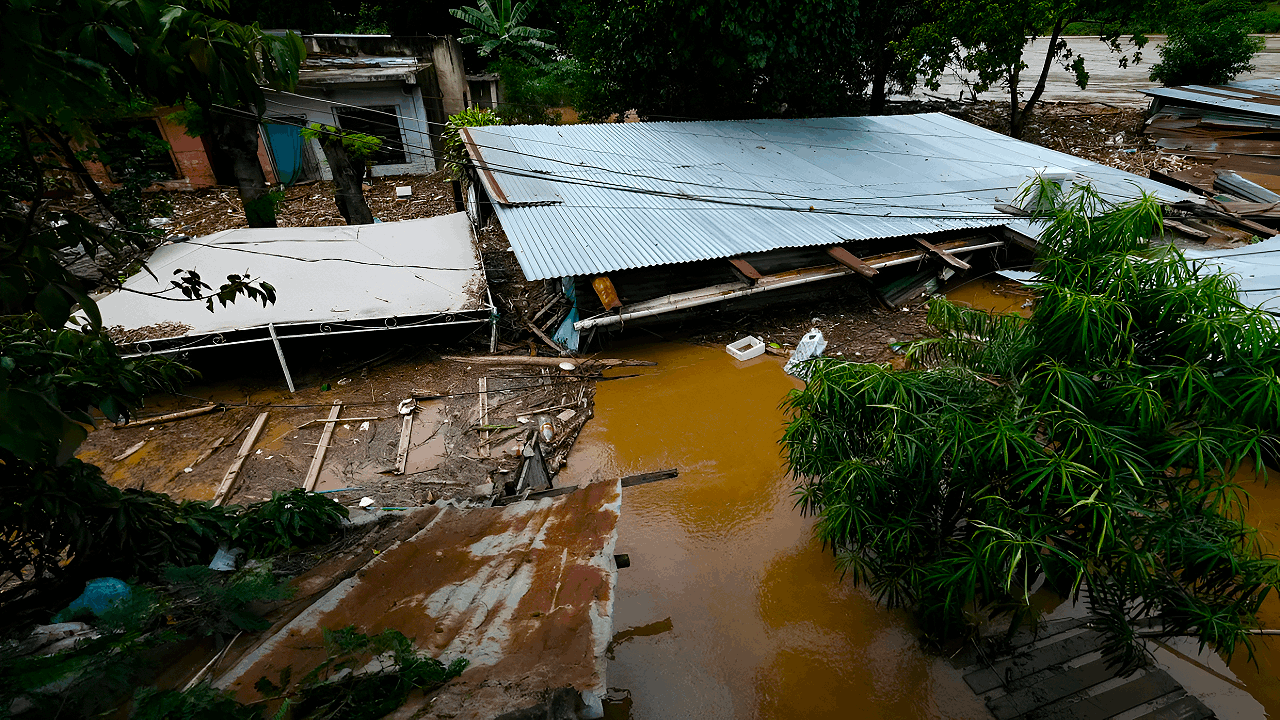
Hurricane Melissa slammed into Jamaica with record-breaking force, becoming the most intense hurricane the island has ever seen in 174 years of record-keeping. The arrival of this storm was so powerful that authorities declared a national emergency, and experts said not even the strongest buildings could withstand its winds.
Even scientists, who usually expect the unexpected in hurricane season, admitted that Melissa’s strength went beyond anything seen in living memory.
The Hurricane’s Trail of Destruction
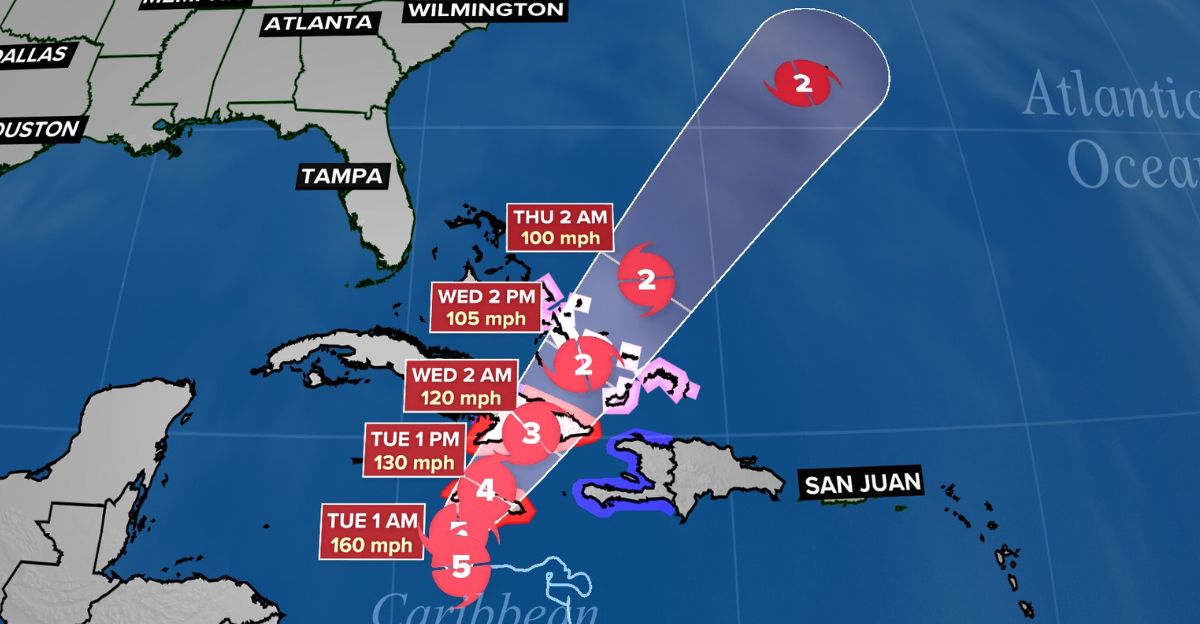
Melissa’s rampage wasn’t limited to Jamaica, it swept a fierce path across the Caribbean, striking Cuba and heading toward the Bahamas. The storm battered each island with howling winds, sheets of rain, and devastating floods. Thousands of homes were leveled, with some communities completely cut off from the outside world as power, roads, and communication lines failed.
Melissa’s wide reach meant that millions of lives were affected, from tourists stranded at airports to local residents forced to flee for safety.
Winds Stronger Than Ever Seen
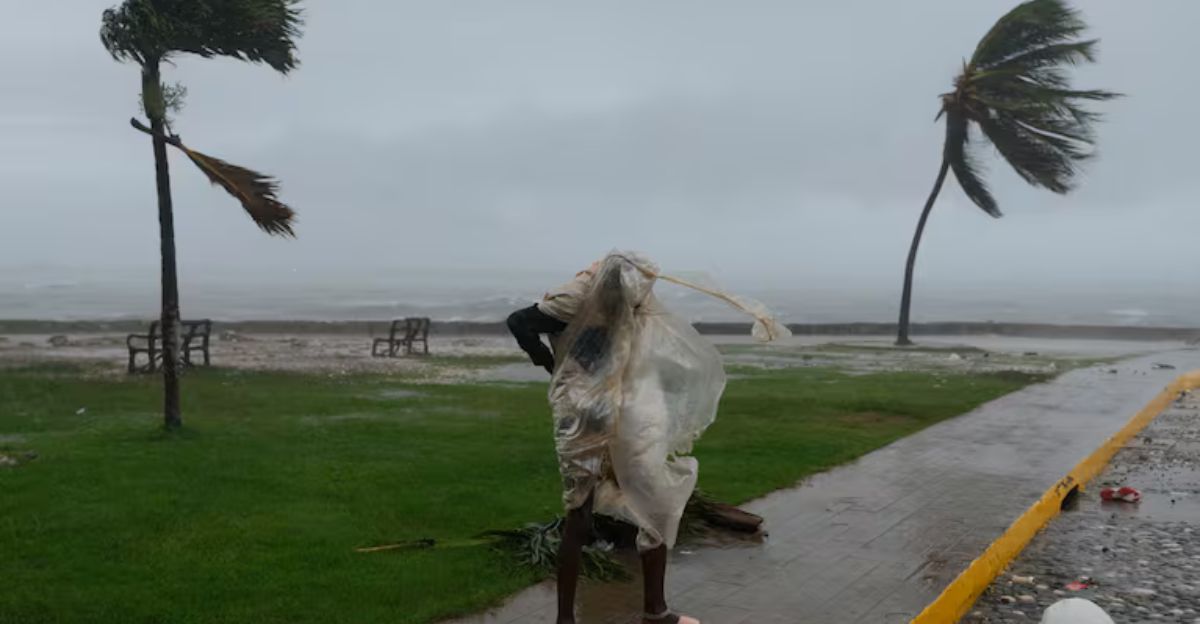
Melissa’s winds weren’t just strong, they were the fastest ever measured for a hurricane in this part of the Atlantic. When the storm hit Jamaica, its wind speeds soared to 185 miles per hour, a level so intense that meteorologists said it would flatten nearly anything in its path.
These winds tore roofs off buildings, ripped trees from the ground, and sent debris flying like missiles. Even longtime hurricane survivors said they had never felt winds like these, describing them as nature’s rage, unfiltered.
New Meteorological Records Set
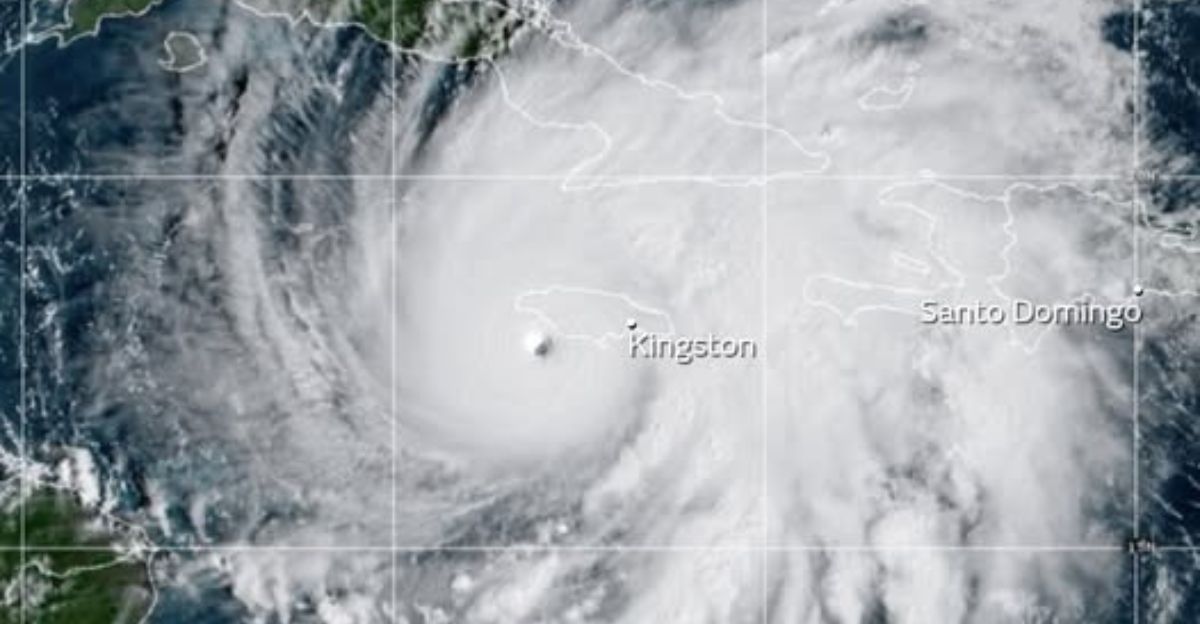
Melissa didn’t just break one record, it set or tied several, making meteorological history in dramatic fashion. It tied the record for the lowest central pressure seen at landfall in the Atlantic, and the highest wind speeds ever measured for a landfalling storm in this region.
This puts it alongside the infamous Labor Day hurricane of 1935 and Hurricane Dorian in 2019, both bywords for catastrophic storms.
Torrential Rain and Dangerous Flooding
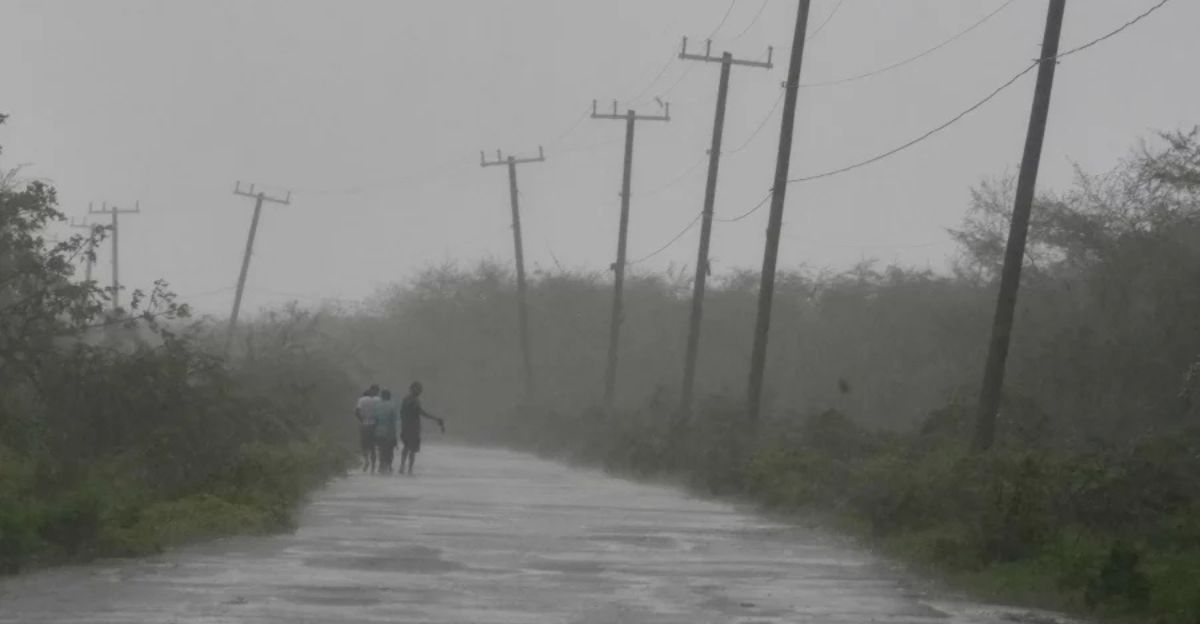
While the winds were shocking, it was the rain that brought truly catastrophic effects. Some parts of Jamaica and neighboring islands saw more than 40 inches of rain in just a few days. This led to flash floods that swallowed homes, roads, and crops, turning entire towns into lakes.
Mudslides swept through hilly regions, and the overflow of rivers drowned out entire neighborhoods. Crews scrambled to reach trapped residents as floodwaters rose higher each hour.
Monster Storm Surge and Vanishing Coastlines
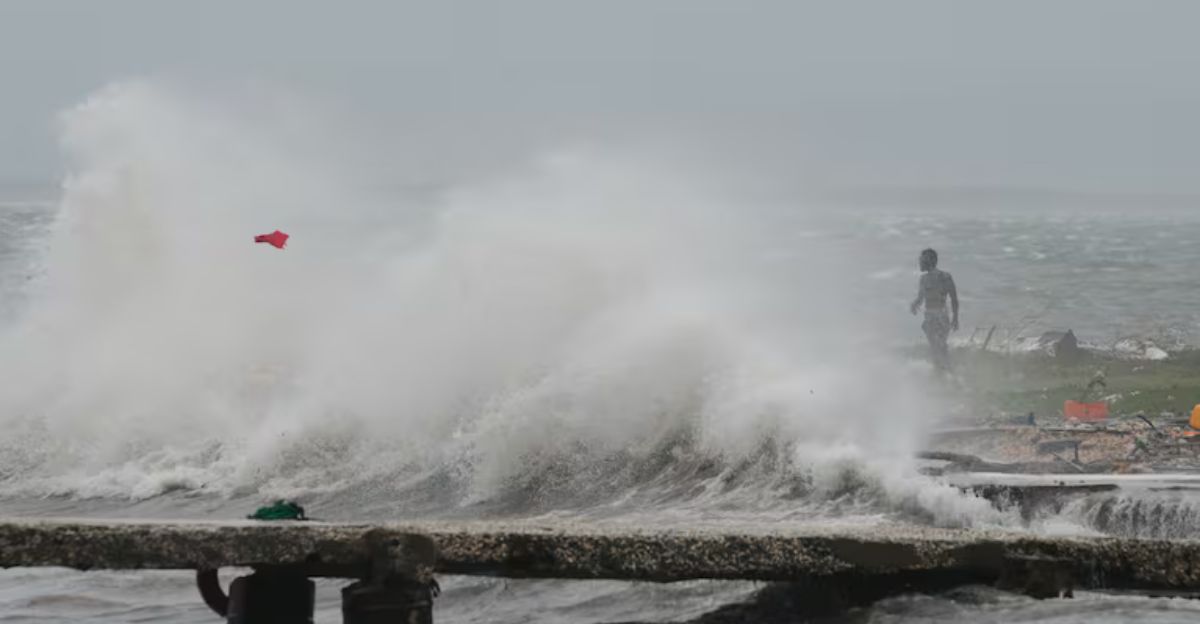
Hurricane Melissa didn’t just flood the land, its storm surge sent giant walls of water crashing over the shore. Coastal towns faced a life-threatening surge that reached up to 13 feet above normal levels.
This deluge destroyed roads, washed away beaches, and left communities underwater for days. Beaches where tourists once relaxed were erased, and old landmarks were swept out to sea. “Roofs were flying off,” said Desmond McKenzie, deputy chairman of Jamaica’s Disaster Risk Management Council. “We are hoping and praying that the situation will ease so that some attempt can be made to get to those persons.”
The Human Cost
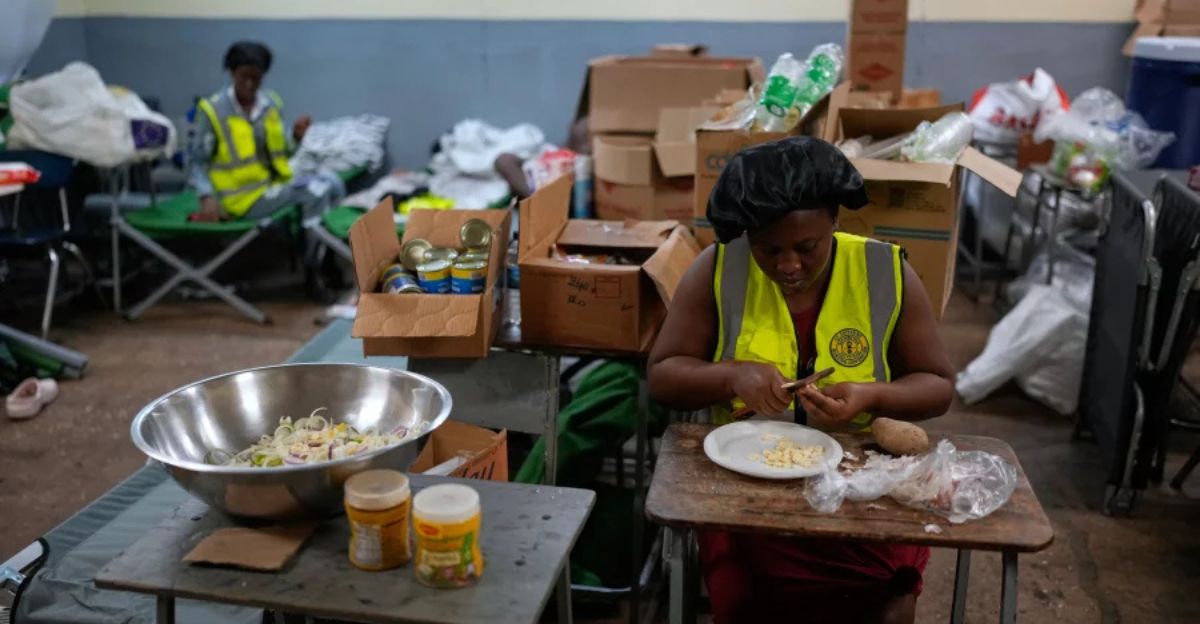
The toll on people was immense. Melissa caused at least 25 deaths in Haiti, while more fatalities were confirmed in Jamaica and the Dominican Republic. Many of the victims drowned in sudden floods when rivers burst their banks, while others were lost when buildings collapsed.
Thousands of families lost their homes and took whatever they could carry to rescue shelters, some sleeping in crowded classrooms or community centers.
Governments Spring Into Action
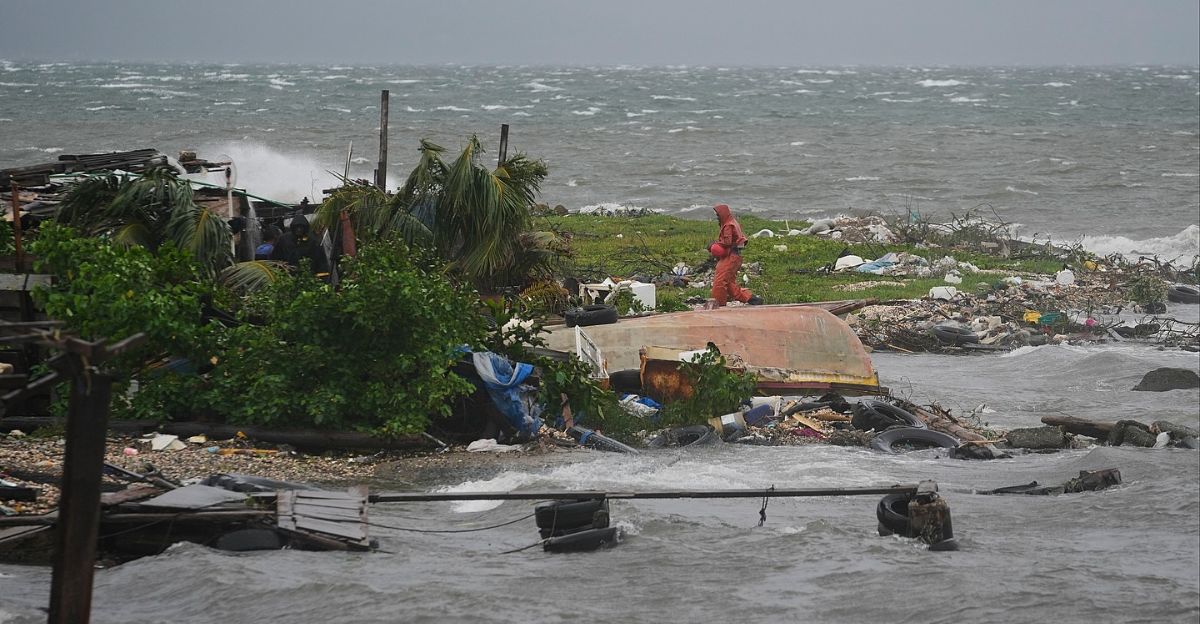
National and local governments rushed into crisis mode as soon as Melissa struck. Jamaica’s leaders declared the entire country a disaster zone, opening more than 880 shelters for people forced from their homes.
In Cuba, over 700,000 people were evacuated before the worst arrived, and emergency teams began rescue operations even in hazardous conditions. International help was called in, with government leaders sharing daily televised updates on safety and the need for patience.
Economic Devastation for the Caribbean
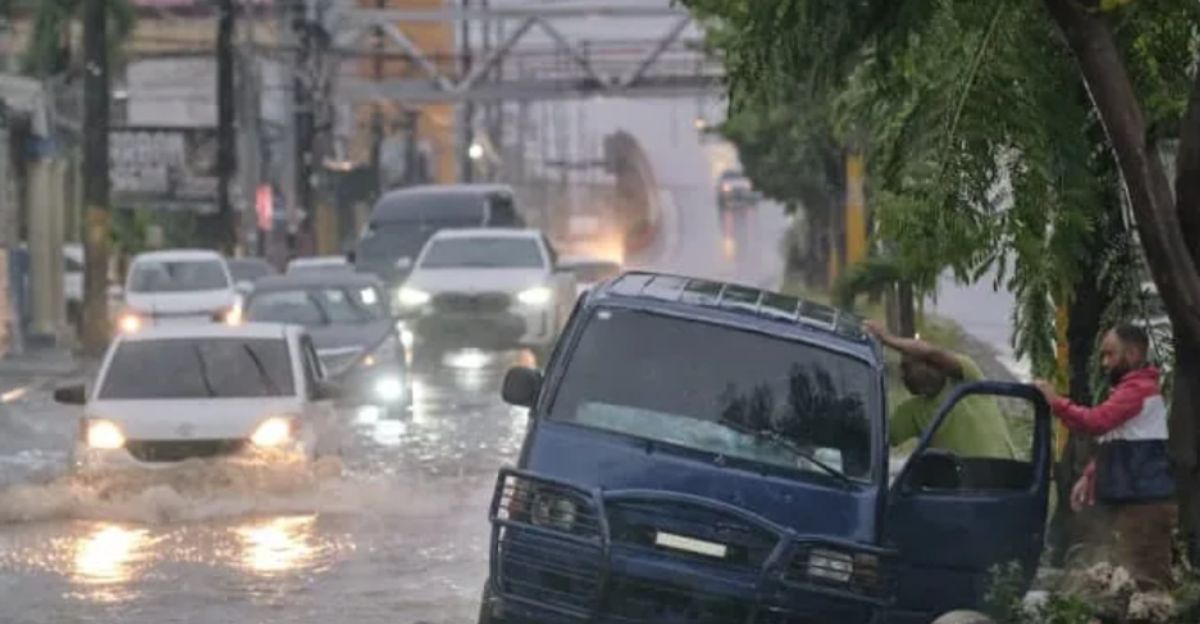
Melissa’s fury did more than physical damage, it struck hard at the economies of Jamaica, Cuba, and the Bahamas, places already struggling with fragile finances. Billions of dollars in losses are expected, with homes, businesses, agriculture, and vital tourism infrastructure all damaged or destroyed.
With airports flooded, tourists stranded, and hotels closed, experts say the path to full recovery will be long and uncertain.
Power and Communication Loss
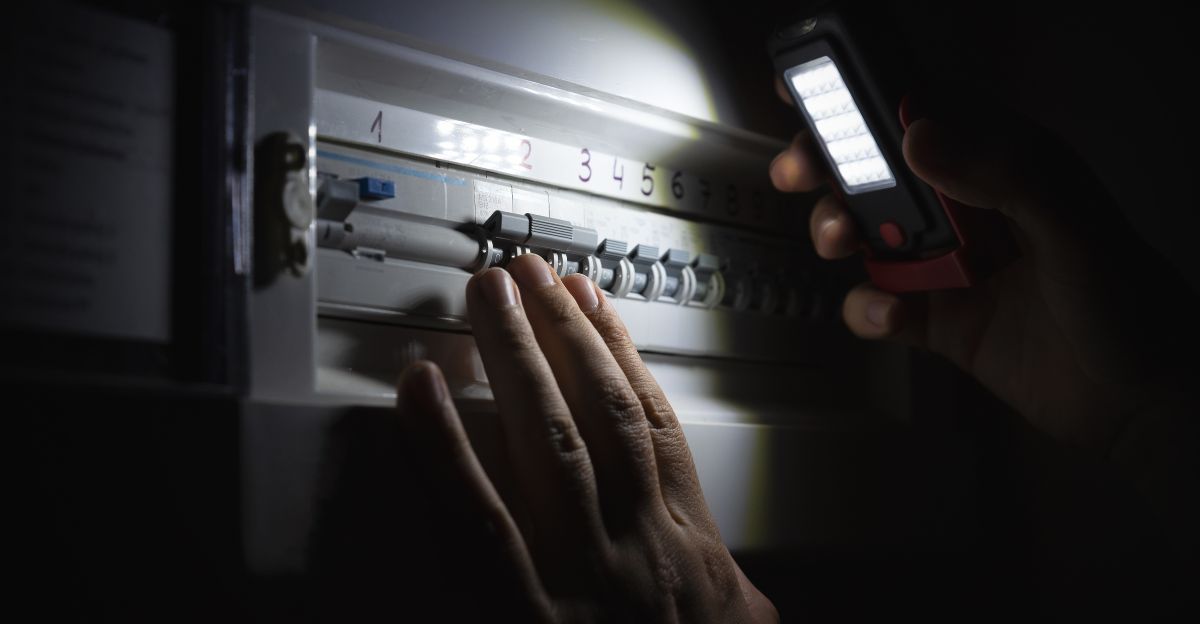
As Melissa tore across the islands, it knocked down power lines and snapped communications towers, leaving the majority of Jamaica and parts of Cuba and the Bahamas in total darkness.
Hospitals struggled to keep running on limited generators, and families went days without word from loved ones. Rescue teams found it difficult to coordinate in the dark and confusion. For many, the lights will not come back on for weeks, and getting information to those cut off remains a major challenge.
Buildings Collapse Under Unbearable Stress
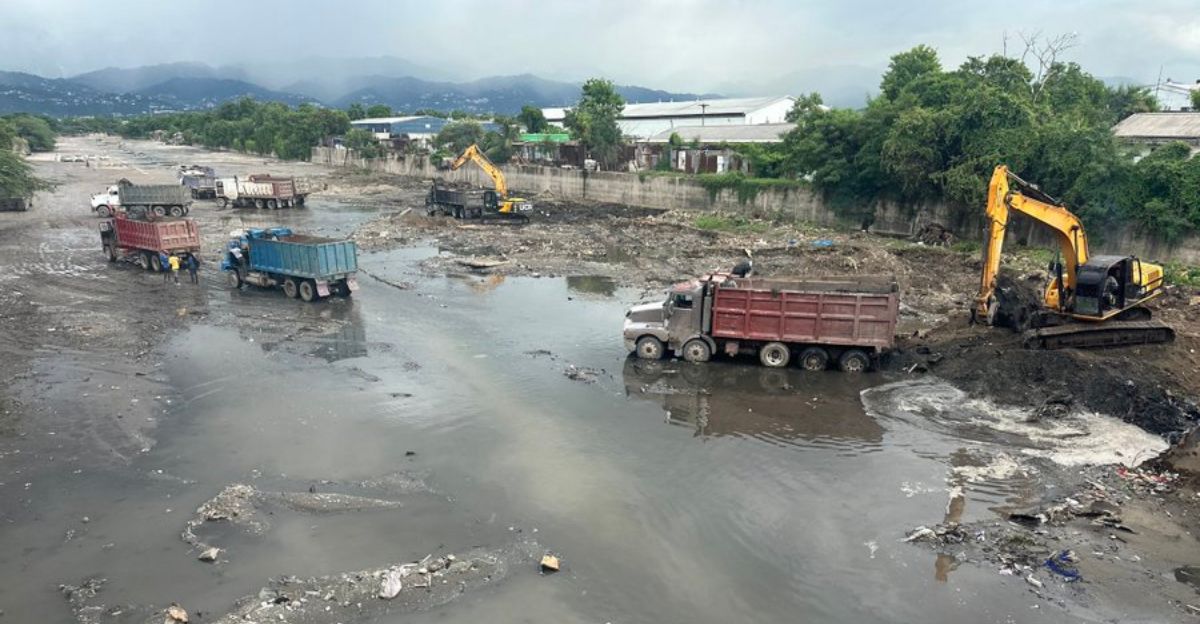
Roofs were peeled from homes and hospitals; entire neighborhoods appeared flattened, especially where building codes were not followed.
Old wooden buildings and weak bridges crumpled under the stress, and rebuilding them will require new materials and better planning. The lesson is clear: hurricanes of this strength are a test for every structure, old and new.
Is Climate Change Supercharging Hurricanes?
After Melissa, many scientists warned that warming oceans are making storms stronger and more dangerous. Researchers are studying how climate change is creating bigger, faster hurricanes by providing more energy for them to intensify.
While single storms can’t be blamed solely on climate change, patterns are clear.
Forecasting the Unthinkable
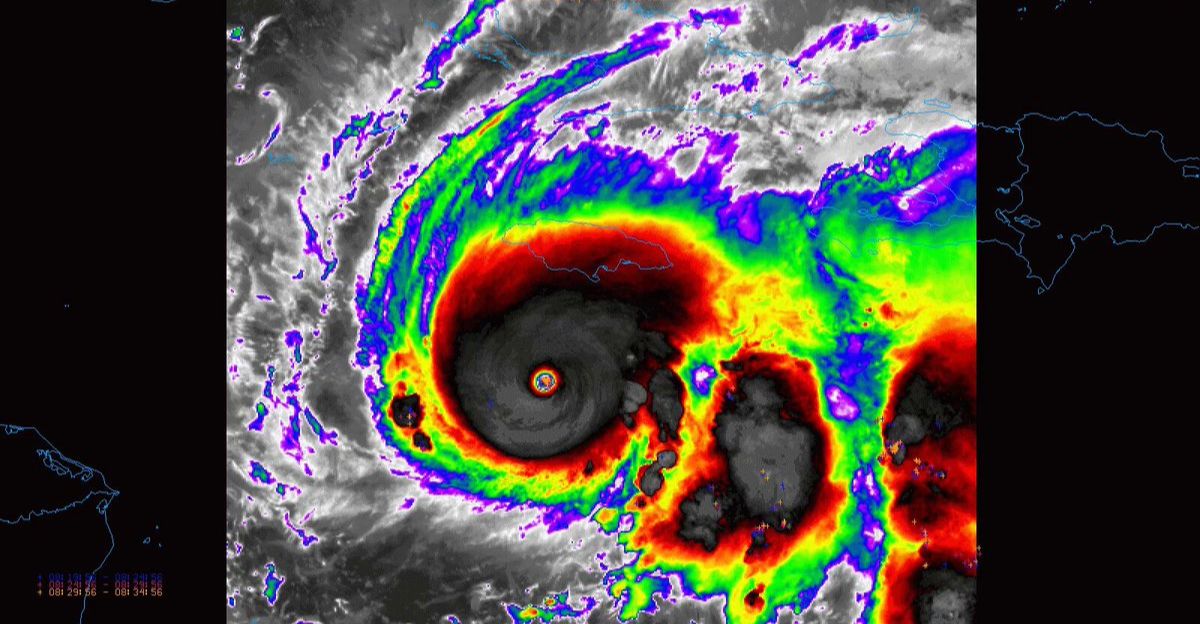
The World Meteorological Organization and U.S. National Hurricane Center gave early warnings and clear guidance days before landfall, urging residents to take shelter and prepare. Evan Thompson, head of Jamaica’s weather service, appeared on television nearly every hour, warning people of what was to come.
This advance notice saved thousands of lives, and emergency planners credit these warnings as essential for survival.
Communities and the World Respond Together
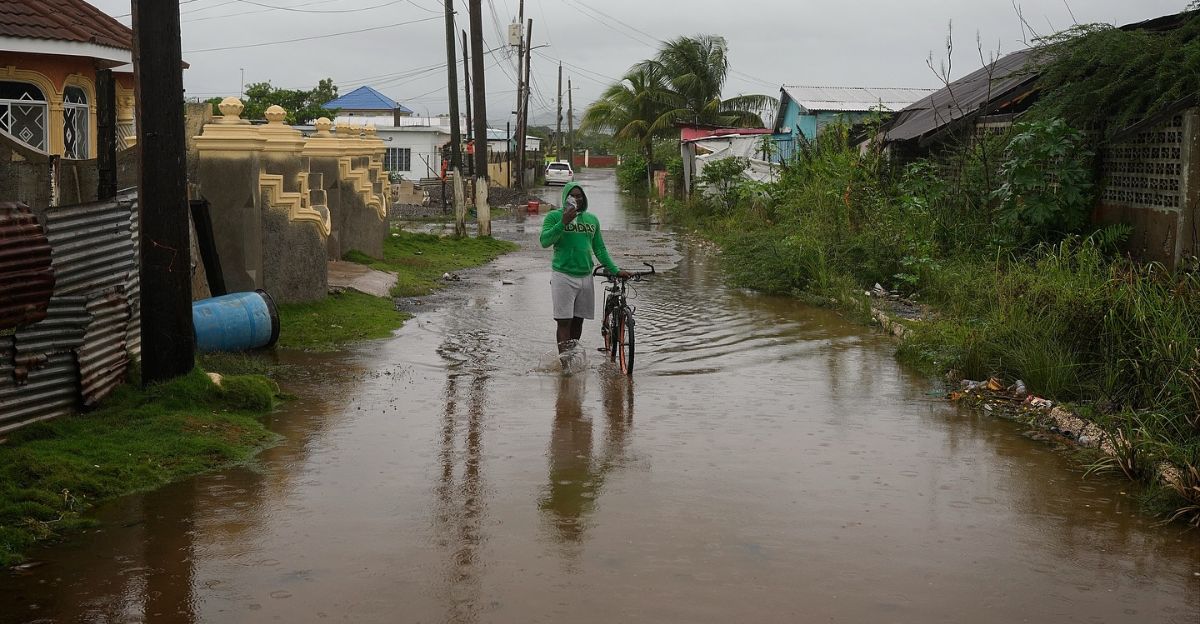
Groups like the Red Cross and international aid agencies worked side by side with local leaders to set up food kitchens, collect supplies, and clear debris from roads and neighborhoods.
Aid organizations stressed the importance of donations and volunteers, noting these first days after a disaster are the hardest, but they are also when hope is rebuilt.
The Long Road Back Begins
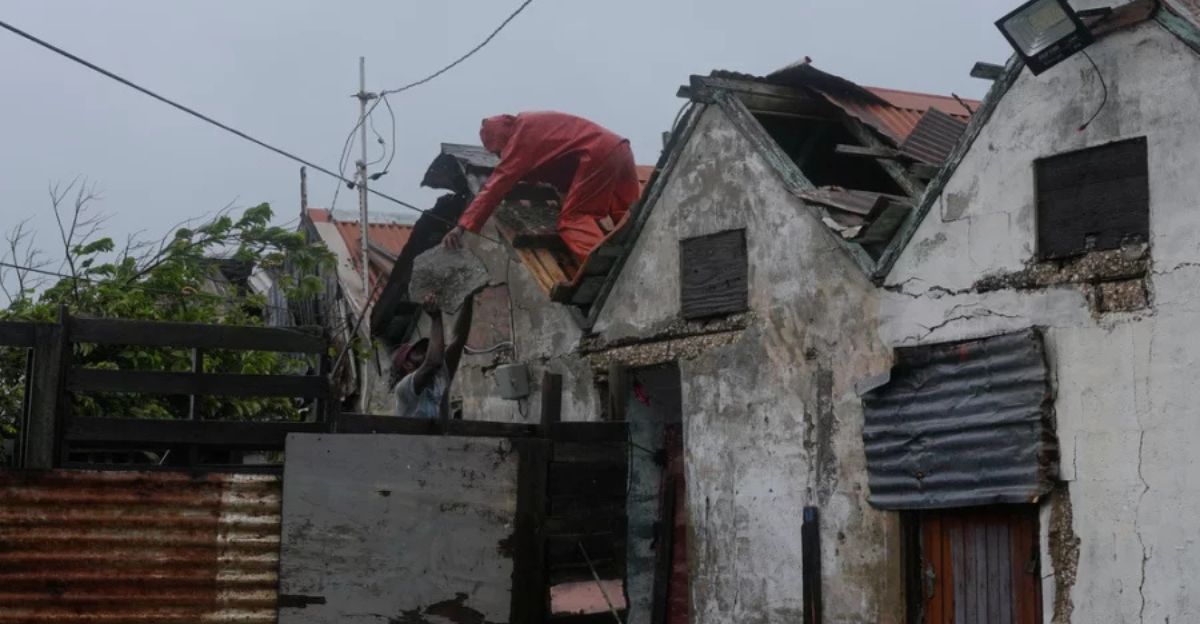
Even as the rain clouds cleared, the work was just starting. Rebuilding homes, repairing power lines, and restoring livelihoods will take years. Thousands remain in crowded shelters, and the memories of fear and loss will linger.
Experts believe that the story of Hurricane Melissa will be studied for generations as a lesson in both the destructive power of nature and the courage of the Caribbean’s communities to overcome and rebuild together.