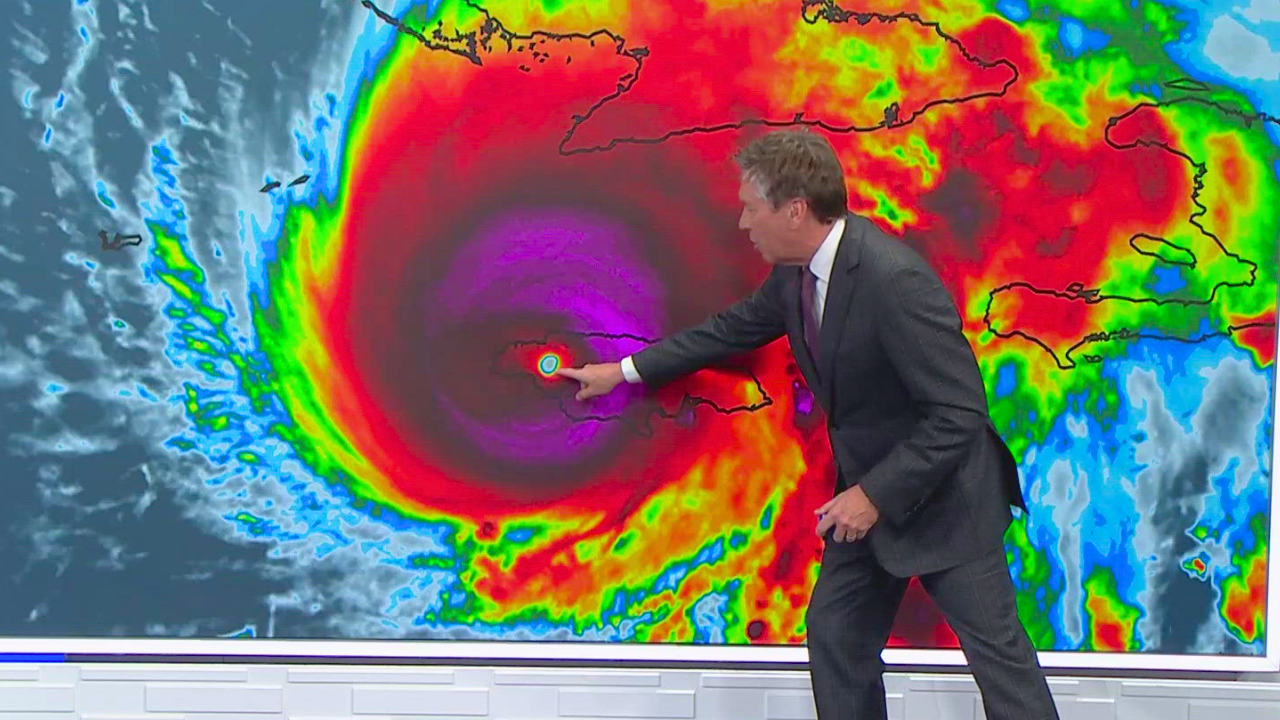
Hurricane Melissa slammed into southwest Jamaica near New Hope with winds of 185 mph on October 28, 2025, making it one of the strongest storms ever to hit anywhere in the Atlantic.
The pressure inside the storm was extremely low, a sign of its incredible power.
Torrential rain, surging ocean water up to 13 feet high, and fierce winds destroyed homes and blew off hospital roofs.
More than three-quarters of Jamaica lost electricity as the storm cut through the country.
Jamaica’s leader, Prime Minister Andrew Holness, quickly called it a disaster and made it clear: no building can truly survive a storm this powerful.
Historic Intensity
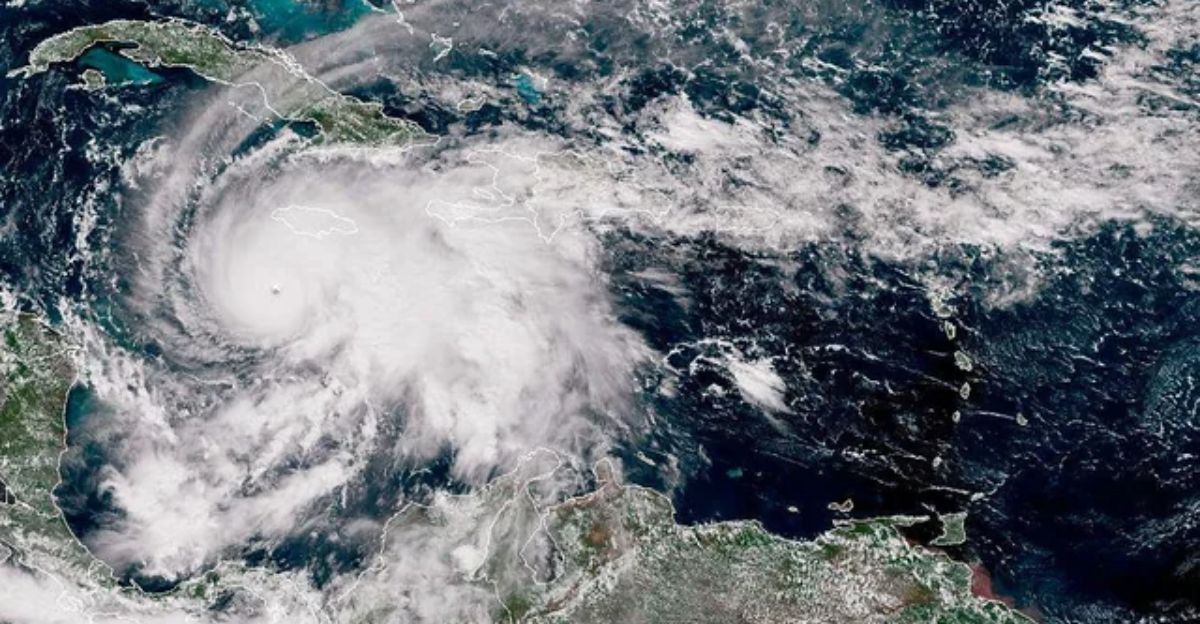
Meteorologists were shocked by the strength of Melissa. The hurricane went from a typical storm to gigantic in just one day, with wind speeds rising by 113 mph—far more than usual.
Scientists agreed it tied the record for the third-strongest Atlantic storm ever by pressure, and it was the strongest hurricane on Earth in 2025.
Warm waters under the storm, caused mainly by human-driven climate change, made this rapid growth far more likely.
Experts say ocean conditions like these are hundreds of times more common now due to climate change.
Caribbean Under Siege
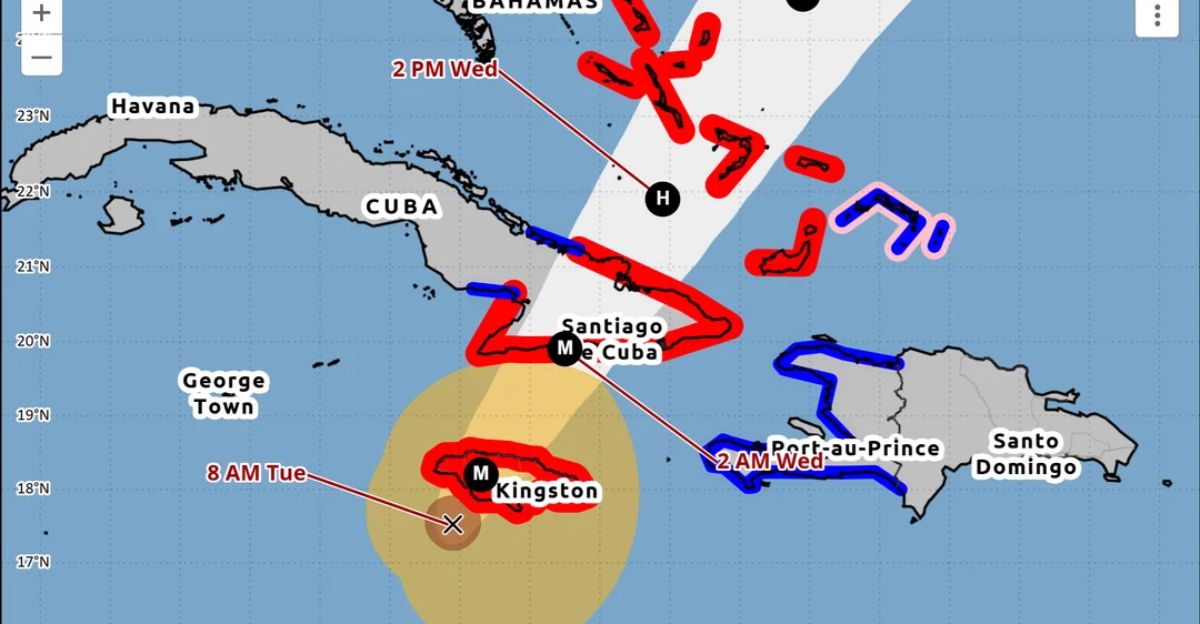
Melissa started as a small tropical storm east of the Caribbean, then grew quickly over very warm water.
From October 25 to 28, winds rose to Category 5—the top level—and it matched the deadly strength of earlier record hurricanes like Dorian, Wilma, and the 1935 Labor Day storm.
Scientists said Melissa was the kind of “storm of the century” that Jamaica had only seen in history books, with rainfall in some places double the usual amount for the rainy season.
Evacuation Scramble
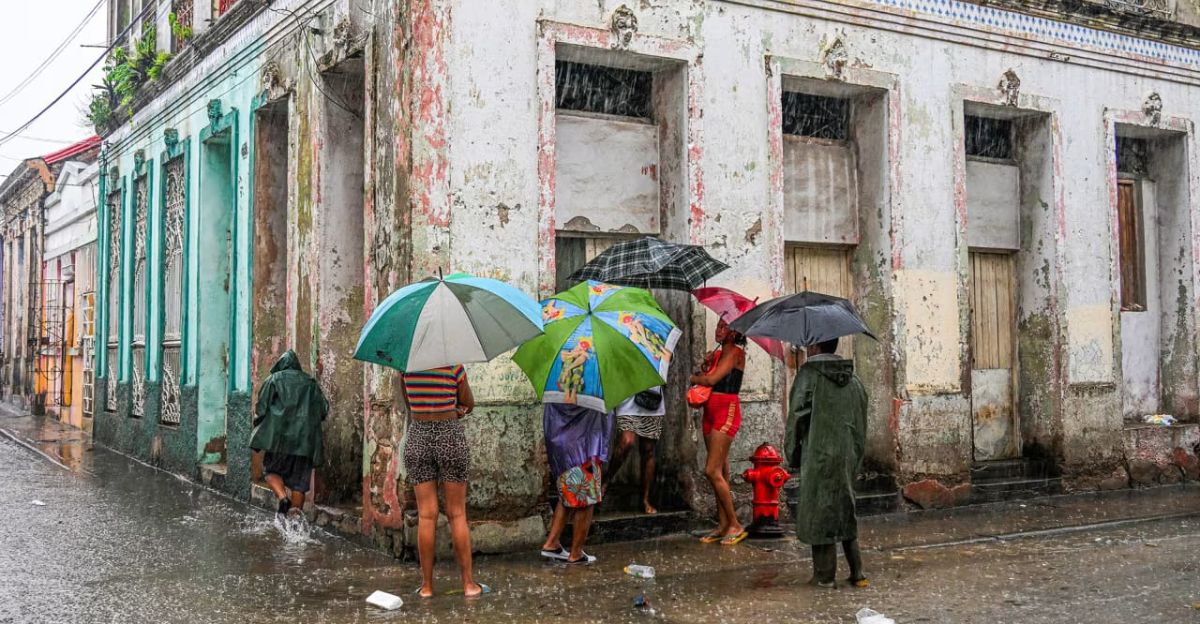
Cuba prepared for the worst, moving more than 700,000 people out of harm’s way. This was one of the largest evacuations in the island’s history.
In Jamaica, officials ordered about 28,000 people to leave their homes, but only around 6,000 actually made it to shelters, far fewer than expected.
The Bahamas prepared for the storm’s next impact, while local leaders in Jamaica urged their people not to gamble with their lives by staying put. While Melissa’s center stayed offshore, the storm’s outer bands brought dangerous conditions to the U.S. East Coast, with life-threatening rip currents and 6-8 foot waves battering Florida beaches throughout the weekend.
Cuba’s Mass Exodus
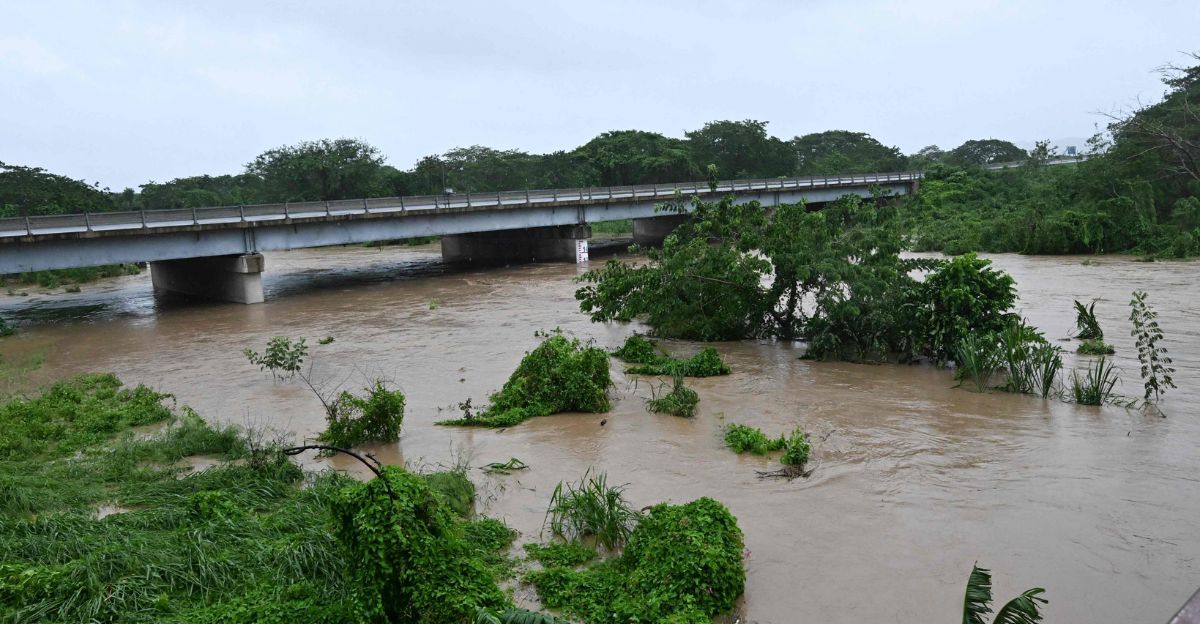
Cuba’s major cities and eastern provinces emptied as the storm threatened a second landfall.
At least half a million to three-quarters of a million Cubans were moved to safe places—a record effort.
Melissa then hit Cuba as an intense Category 3 hurricane, dumping rain and water onto vulnerable towns, flattening weak houses, and creating dangerous conditions for days to come.
Jamaica’s Devastation
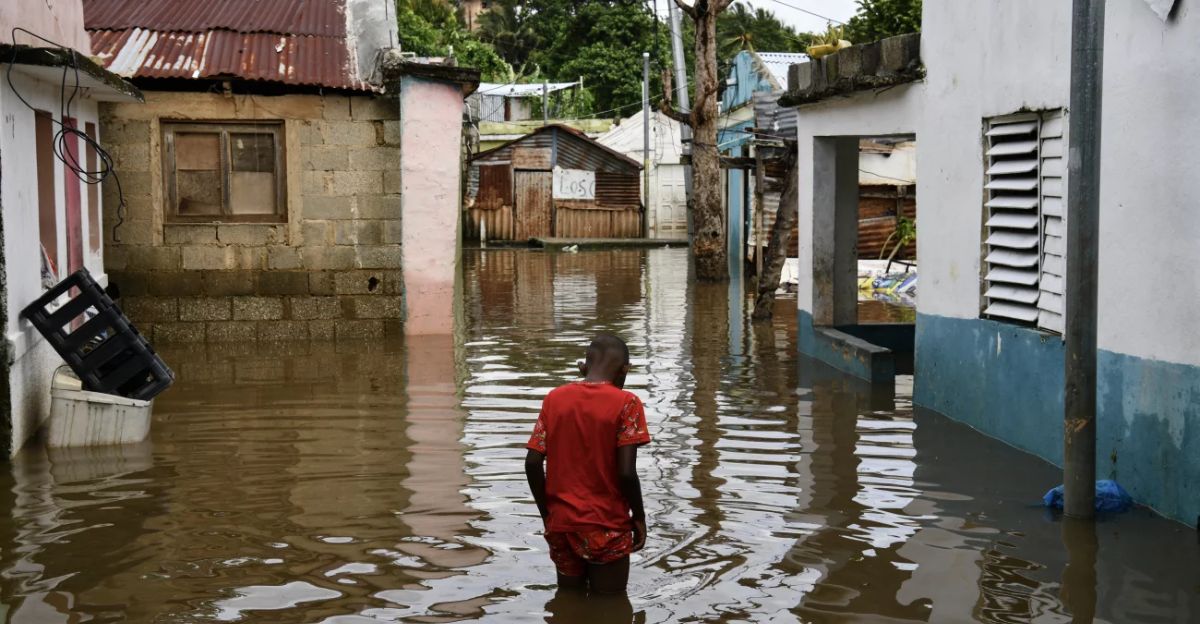
Jamaica’s southwest, especially the St. Elizabeth region, suffered terrible flooding.
Fields and towns were underwater, and key hospitals lost power or had their roofs ripped off. Hurricane Melissa destroyed some schools and shelters.
Many families got trapped in their homes by high water or damage, making rescue attempts too dangerous or impossible until the storm weakened.
Officials feared that the actual situation might be even worse than the early reports indicated.
Human Toll
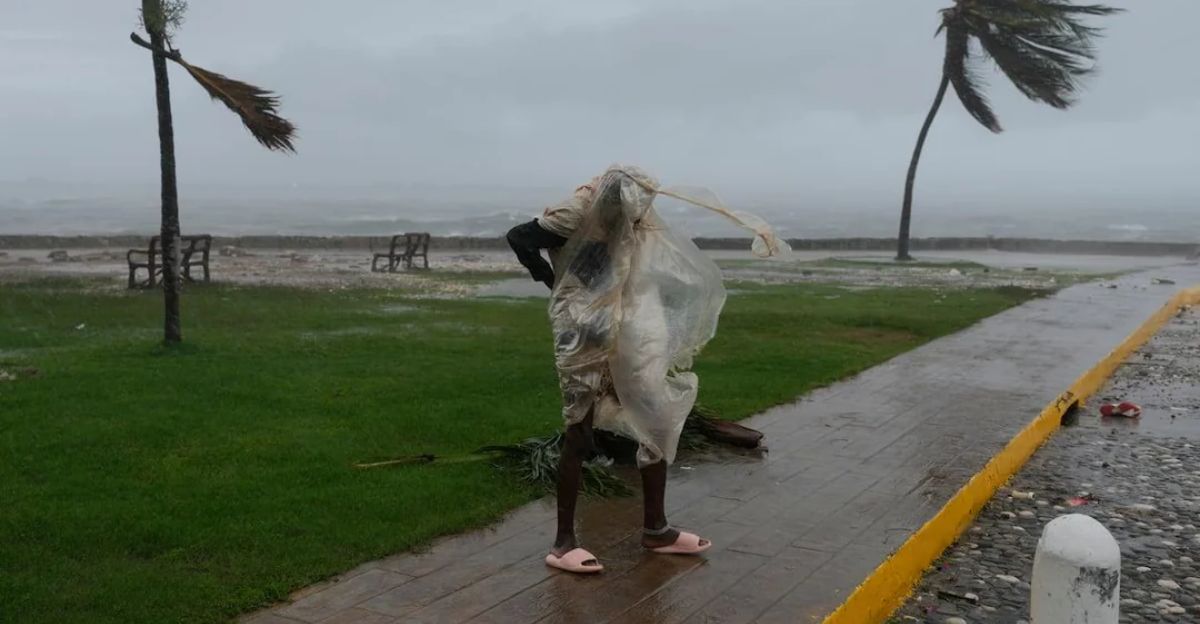
Early numbers show at least seven people died in different islands—three in Jamaica, three in Haiti, and one in the Dominican Republic. Teams may find more as they survey the damage.
Residents described feelings of fear and uncertainty; many had never experienced anything so powerful.
In some cases, emergency help was provided over the radio as people pleaded for medical advice while cut off by floods and high winds.
Regional Ripple Effects
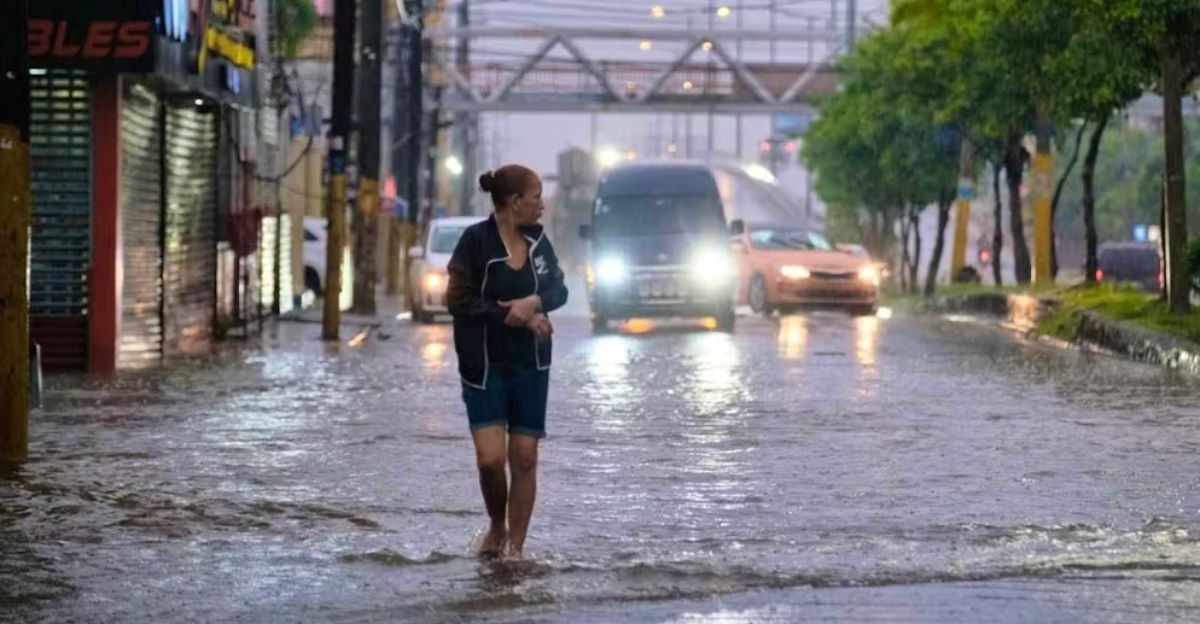
Melissa’s reach was massive. Haiti and the Dominican Republic got days of dangerous rain, causing floods before the center even arrived.
The Bahamas and Turks and Caicos closed schools, set up shelters, and warned people about rising tides and strong winds.
Bermuda watched closely as the hurricane tracked north into the Atlantic, while the U.S. East Coast monitored the storm’s outer bands.
Outer Band Effects Along the U.S. East Coast
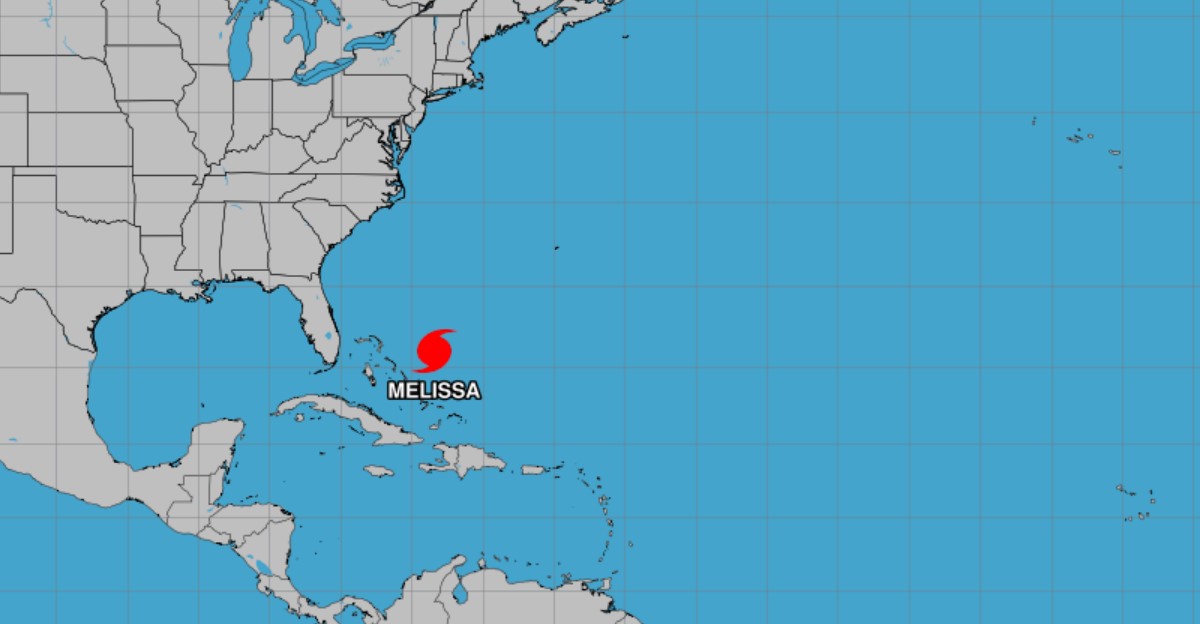
While the hurricane’s center remained hundreds of miles offshore, Melissa’s powerful outer bands extended their reach to the U.S. East Coast.
Fort Lauderdale Ocean Rescue attributed dangerous surf conditions to the distant storm, posting red flag warnings and urging swimmers to stay out of the water. Waves reached 6-8 feet along Southeast Florida beaches, with strong northeast winds gusting up to 35 mph.
The National Weather Service issued a coastal flood statement for the Florida Keys through late Wednesday, warning of minor saltwater flooding from overflowing storm drains. Swells generated by Melissa spread northward along the Atlantic coast, creating hazardous rip current conditions from Florida to the Carolinas.
Experts noted that while coastal effects were brief due to Melissa’s speed moving into the Atlantic, the storm’s size and intensity produced dangerous surf conditions spanning hundreds of miles from its center.
Climate Fingerprints
Scientists say the heat in the waters under Melissa—up to 3°C above normal—was likely caused by global warming.
These hot waters supercharged the storm. Researchers have stated that events like this are 500–700 times more likely to occur due to climate change.
There have also been 13 Category 5 Atlantic hurricanes since 2016, nearly 30% of all such storms in the last 125 years—showing an apparent recent increase.
Economic Catastrophe
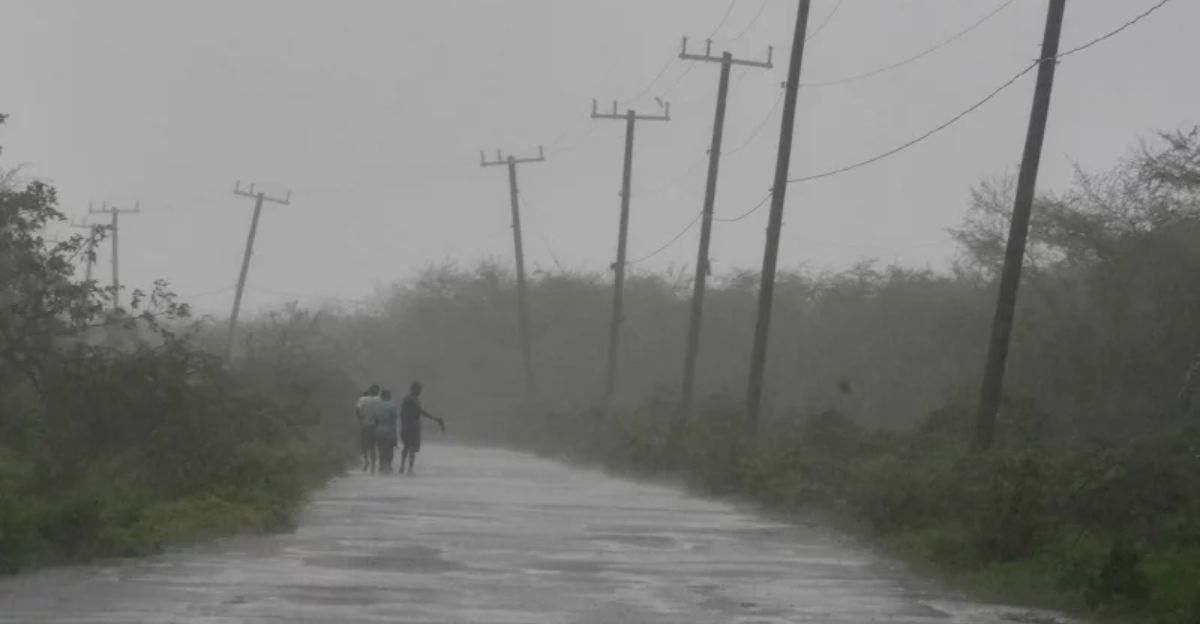
Jamaica may have lost $5 billion to $10 billion, or up to half of its entire economic output, due to Hurricane Melissa.
This could plunge the country into a deep recession, leaving it burdened with more debt for years to come. The disaster strikes hardest at tourism and farming, jobs for many.
Even Jamaica’s special insurance plan might not cover all these losses, so the country faces a tough recovery.
Infrastructure Collapse
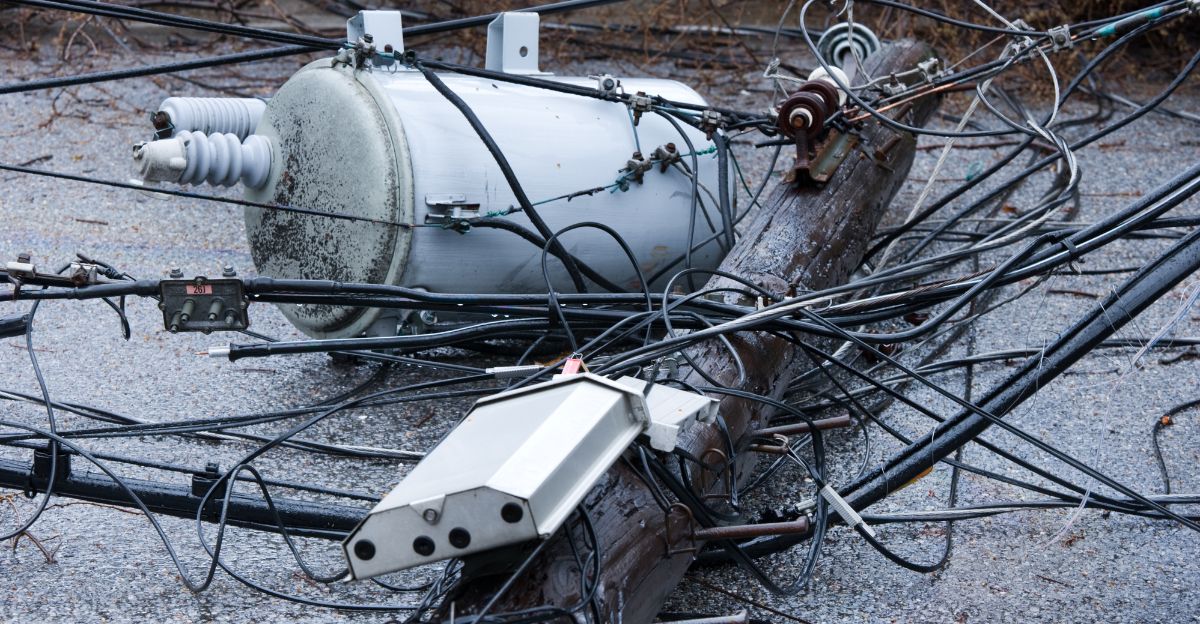
About 77% of Jamaica’s people lost electricity. Roads, airports, and bridges were damaged or washed away.
Some neighborhoods flooded so severely that even rescue boats struggled to get in.
The main oil and gas center was at risk, which could slow emergency help.
Crocodiles entered flooded streets after floodwaters swept them away from their usual homes.
International Response
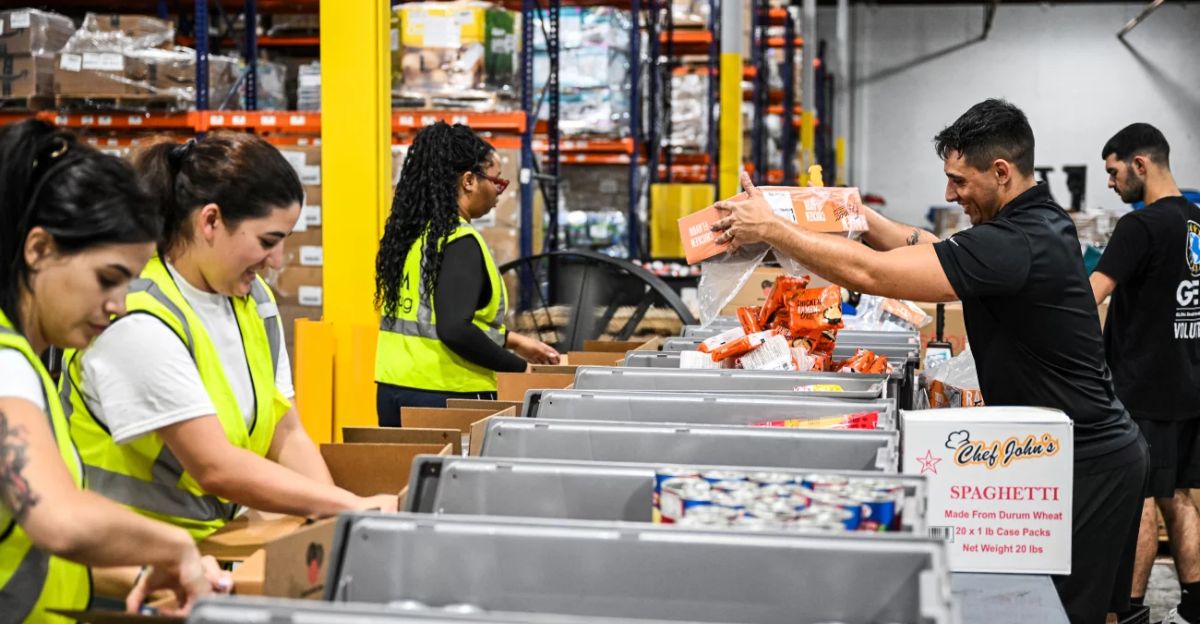
After witnessing the destruction, the United Nations dispatched millions in emergency aid.
At the same time, groups like the Red Cross and the World Food Programme established shelters, provided food, and initiated cleanup operations.
Jamaican groups asked people to send money to official relief funds instead of goods, as transporting supplies over damaged roads is challenging.
Many around the world donated to help get Jamaica and Cuba back on their feet.
Path Forward
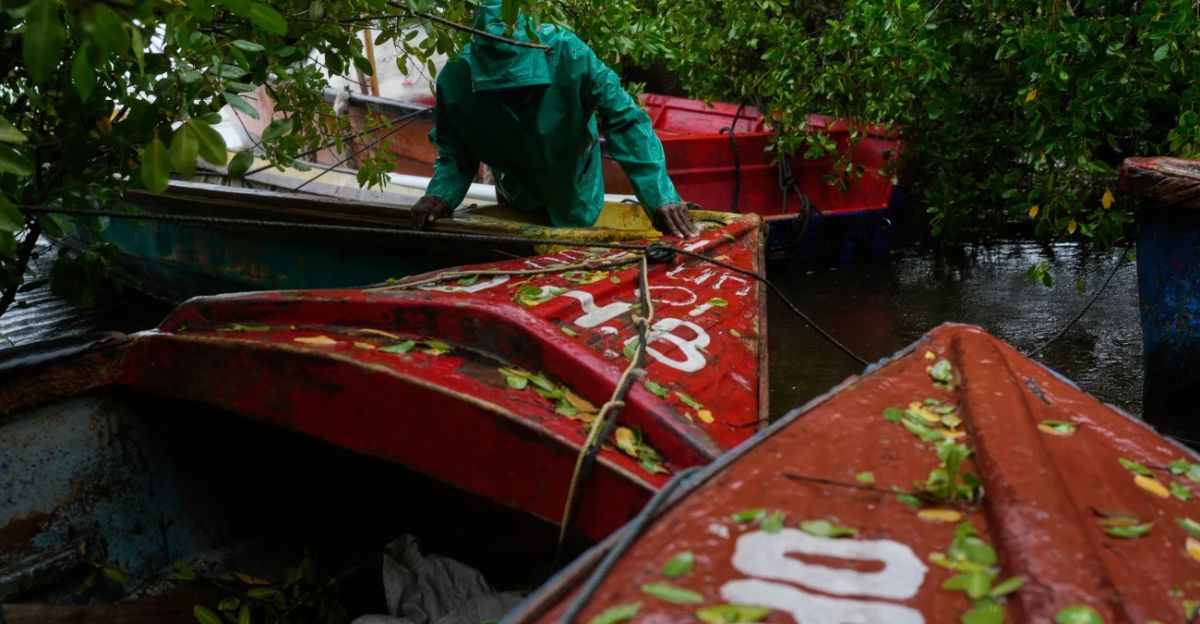
Jamaica’s government said the road back will be a long one.
They prepared with emergency supplies, but warned that it would take time to repair roads and get crops growing again.
International and local charities planned to rebuild houses, restore farming, and help communities get children back in school.
Everyone agreed that years of work would be required, and every bit of help would be appreciated.
Debt Trap
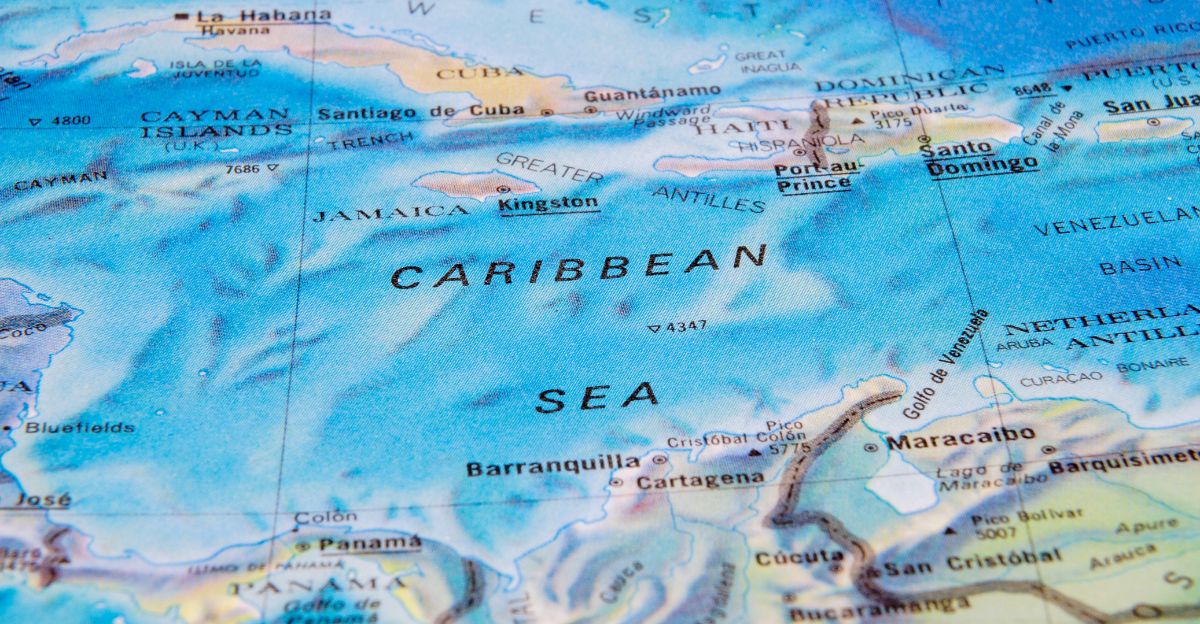
Caribbean countries face a significant challenge: hurricanes like Melissa cause substantial damage and incur deeper debt.
After storms hit, debt rises fast as countries borrow to rebuild, making it harder to prepare for the next storm.
Regional leaders urge the world’s wealthiest nations to assist by reforming debt rules and establishing loans that temporarily suspend payments after a disaster, allowing countries time to recover.
Future Storms
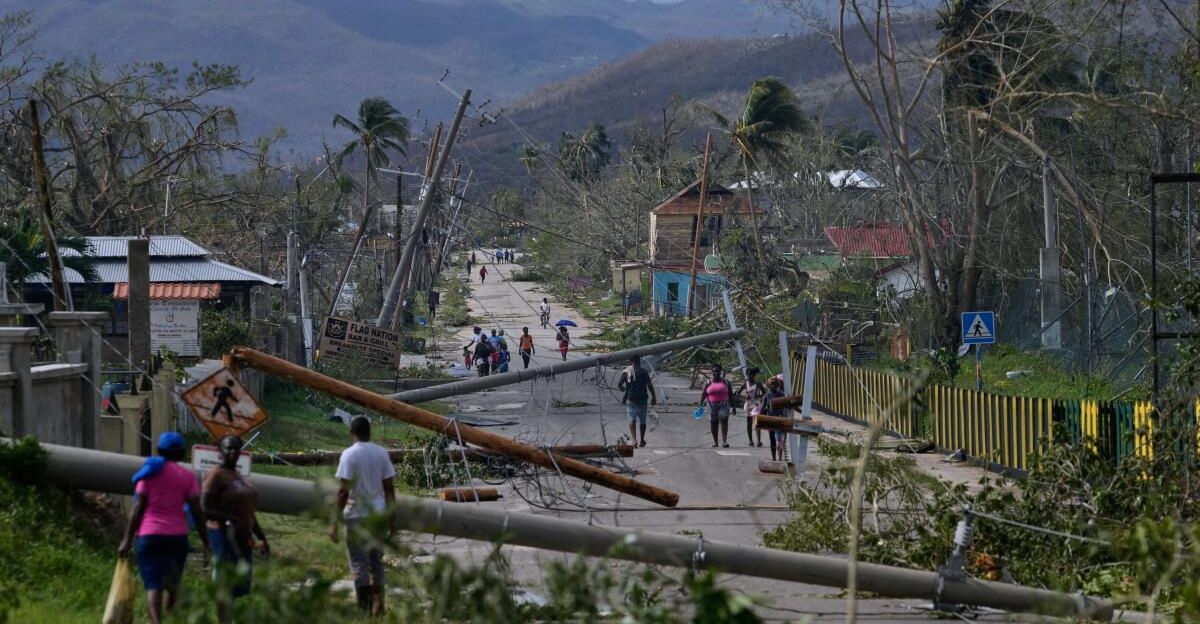
As Hurricane Melissa moves away, experts worry that powerful storms like this one will become more common as the ocean continues to warm.
Jamaica’s recent experience demonstrates that even a single massive hurricane can erase years of progress in a matter of hours.
Stronger, faster-growing storms are poised to become a new normal for the Caribbean, and countries must learn—and receive support—to prepare for the next major storm.