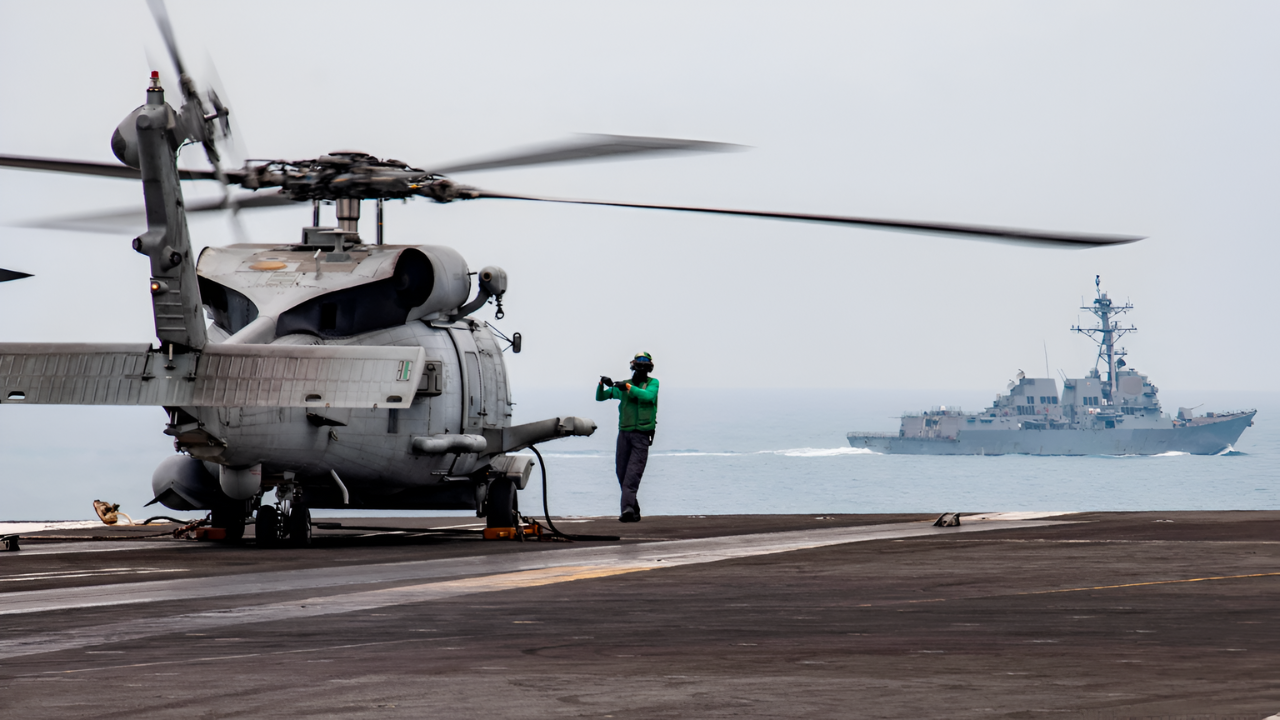
On October 26, 2025, a shocking incident unfolded in the South China Sea as two U.S. Navy aircraft, an F/A-18F Super Hornet and an MH-60R Sea Hawk helicopter, vanished within a mere 30 minutes during routine operations from the USS Nimitz.
This dual disaster not only raises urgent safety concerns about U.S. military operations in one of the world’s most contested maritime areas but also invites scrutiny from international observers. As details emerge, this article explores the complexities surrounding the incidents, the historical context, and the implications for military operations in this critical region. The stakes have never been higher.
Context of U.S.-China Relations

The incidents occurred amid escalating tensions between the U.S. and China in the South China Sea, a region marked by territorial disputes and frequent military maneuvers. According to Republic TV, the dual losses highlight the risks associated with conducting military operations in these contested waters.
The South China Sea has long been a flashpoint for geopolitical rivalry, where even routine missions can influence broader strategic calculations. As the U.S. maintains its presence in the region, the loss of two aircraft amplifies the scrutiny and dangers faced by military personnel navigating these precarious waters, an issue that lawmakers and military leaders must now confront.
Legacy of the USS Nimitz
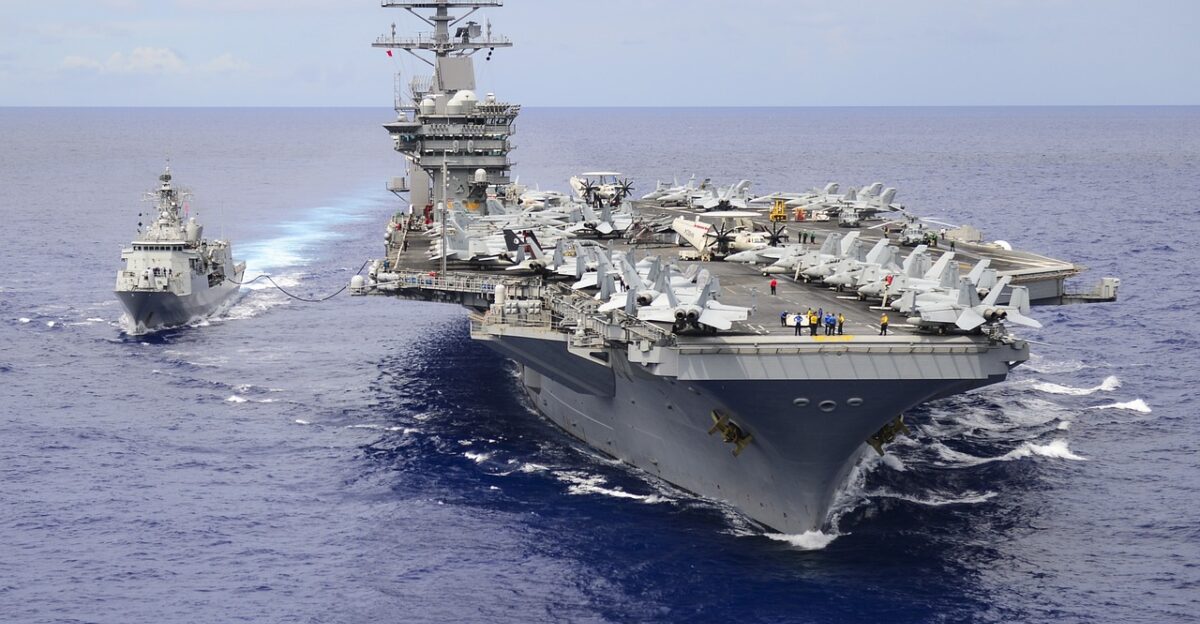
The USS Nimitz, the oldest nuclear-powered aircraft carrier in the U.S. Navy, was on its final deployment after decades of service. The airline has played a pivotal role in various global operations, supporting missions in hotspots such as the Middle East, and is now returning to the Pacific theater.
This transition highlights the Navy’s reliance on aging platforms in an era where modernization is increasingly necessary. Navy Times points out that the Nimitz’s storied legacy is now entangled with the recent crashes, casting a shadow over its historic contributions and raising questions about the future of naval aviation.
Increasing Operational Demands
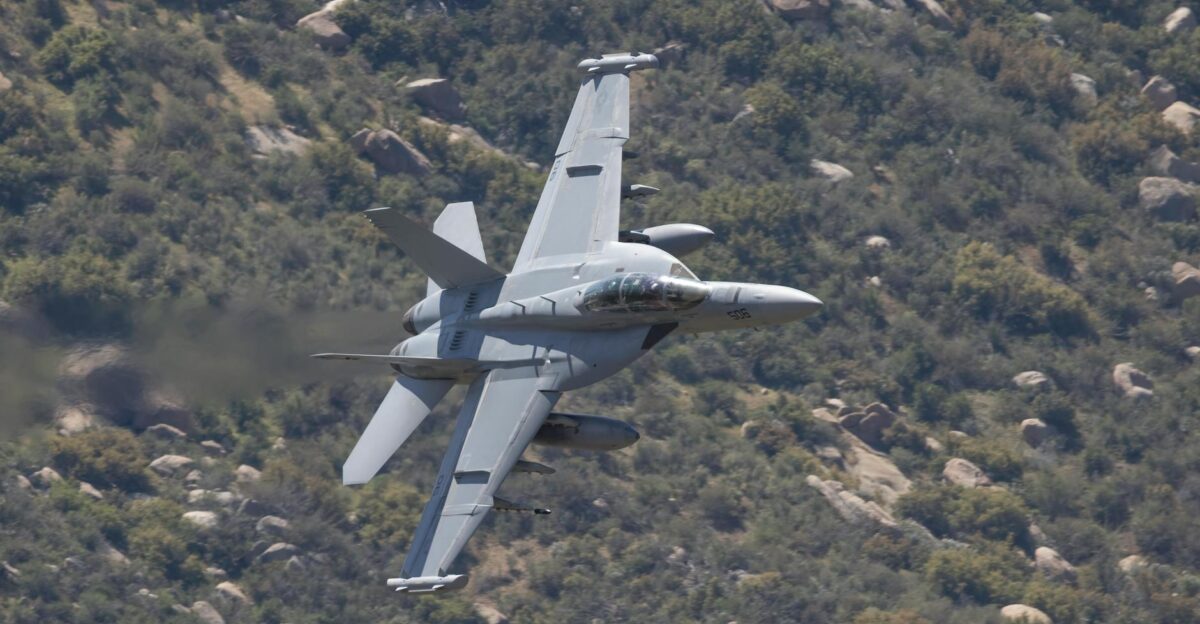
The dual aircraft losses also reflect the mounting pressures on U.S. Navy assets. Aging platforms like the USS Nimitz and its air wing are under constant operational demand. Reports from USNI News indicate that maintaining a high operational tempo amid mechanical strain is a growing concern.
The needs of modern warfare require not just readiness but also the ability to sustain operations without compromising safety. As the U.S. Navy grapples with these challenges, ensuring operational integrity becomes essential for both personnel morale and mission effectiveness. The Navy must strike a balance between its legacy and the need for modernization and adaptability.
Two Aircraft Lost
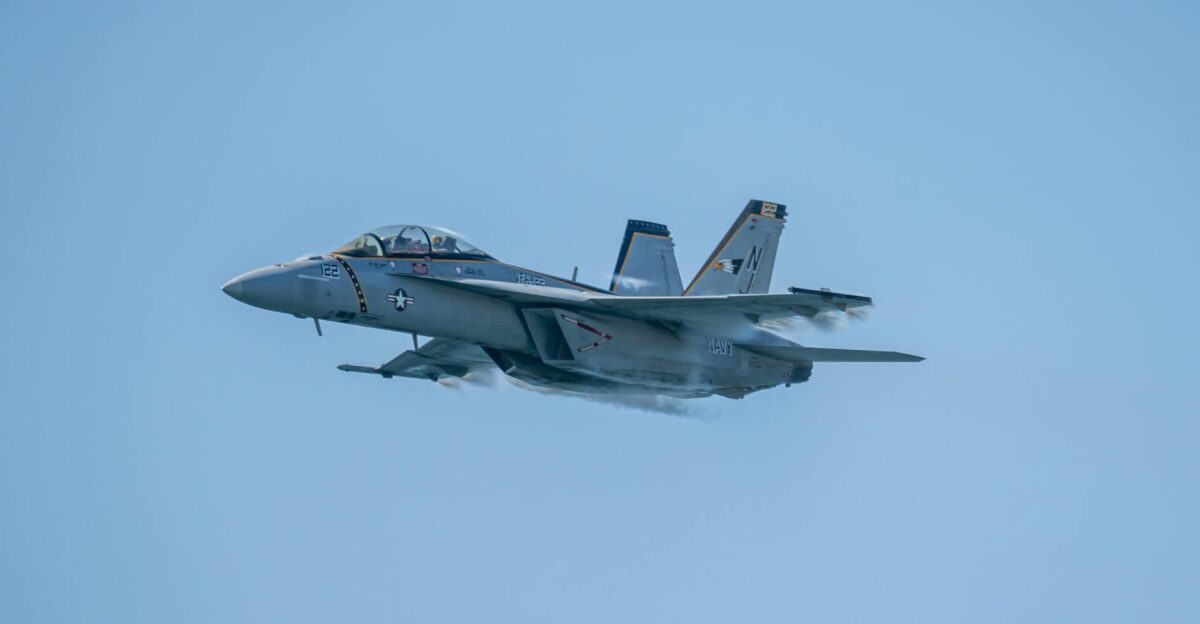
On the fateful day of October 26, 2025, tragedy struck in rapid succession. At 2:45 p.m. local time, an MH-60R Sea Hawk helicopter from the “Battle Cats” squadron crashed, followed by the downing of an F/A-18F Super Hornet from the “Fighting Redcocks” squadron just 30 minutes later.
Both incidents occurred during routine operations from the USS Nimitz in the South China Sea, raising urgent safety questions. While both aircraft were lost, the focus remains on what led to these simultaneous mishaps. Investigators must analyze every angle to ensure the safety of future operations. The world watches closely.
Regional Repercussions
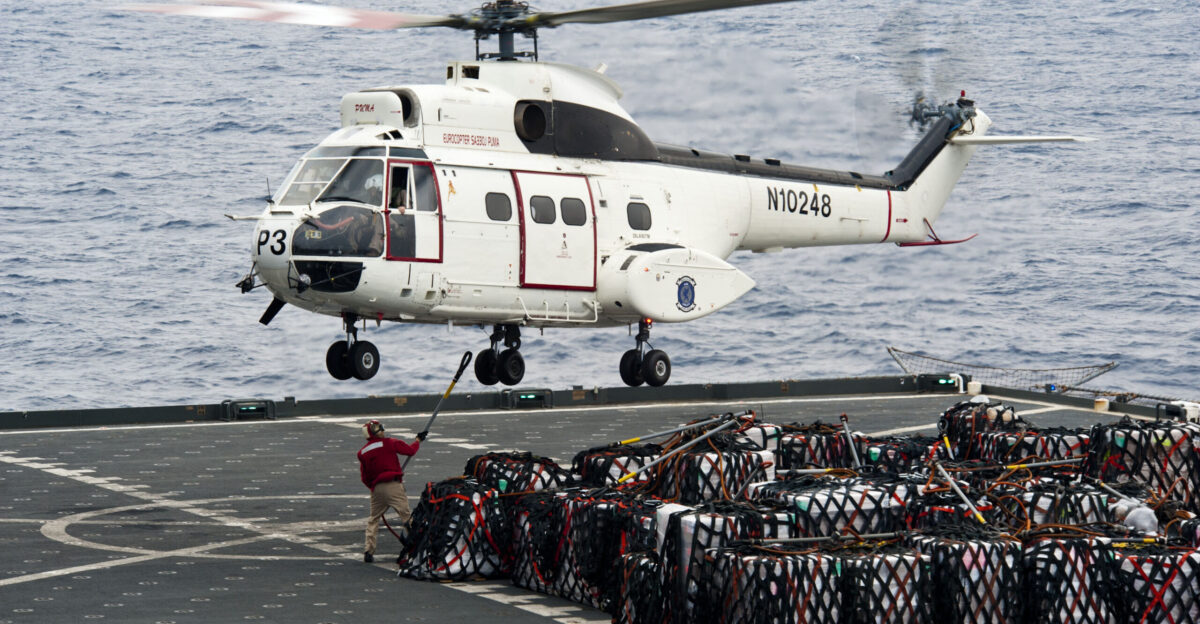
The aftermath of these incidents is reverberating throughout the geopolitical landscape. The dual loss of U.S. aircraft has intensified scrutiny of American military presence in the South China Sea. Neighboring countries and other rival claimants are closely monitoring the situation, fully aware that such events can alter the balance of power or even embolden adversaries.
Analysts suggest that these incidents could provide an opportunity for rival nations to challenge U.S. operations further. The regional dynamics are shifting, and the U.S. must respond strategically to maintain its influence in this vital area.
Human Element: Crew Recovery
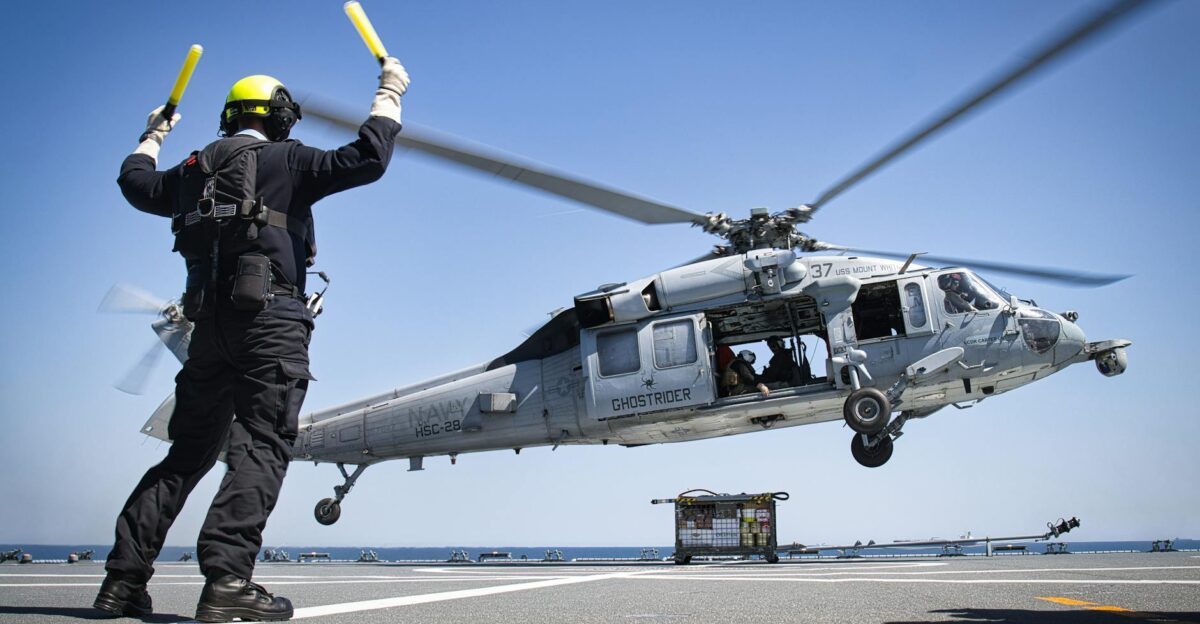
Fortunately, all five crew members, a combination of three from the Sea Hawk and two from the Super Hornet, were safely recovered. U.S. Pacific Fleet confirmed that “All personnel involved are safe and in stable condition,” which avoided what could have been a tragic loss of life.
The swift action by Carrier Strike Group 11 assets relieved an already tense situation. Yet, the emotional toll on the crews is significant. “We are grateful for the recovery efforts, but it’s a scary reminder of how dangerous our jobs can be,” reflected one crew member involved in the rescue.
Competitor Response and Increased Surveillance
In response to the double incident, China has ramped up its military patrols and surveillance operations in the South China Sea. Beijing is closely observing developments, seizing upon the U.S. mishaps to question the reliability and safety of American operations near disputed territories.
Analysts note that such events give China leverage to amplify its narrative regarding U.S. military presence. “China will undoubtedly use these failures to bolster its claims and assert its dominance in the region,” remarked an analyst on the shifting power dynamics. The U.S. faces increasing scrutiny from all sides.
Macro Trend: A Rise in Military Incidents
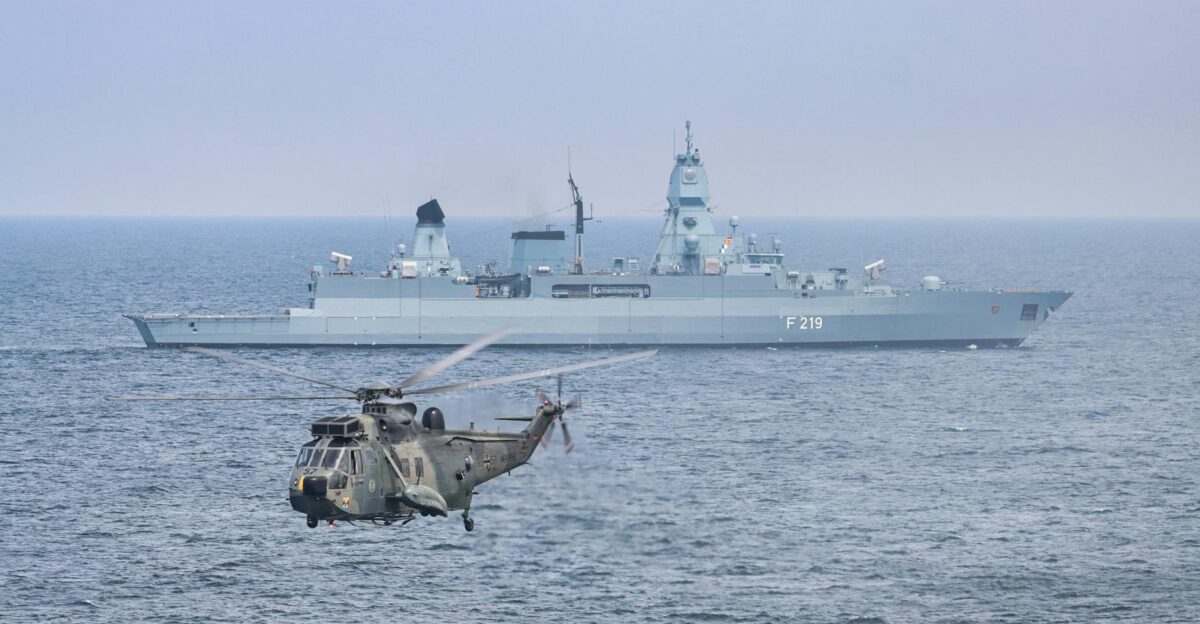
The South China Sea has become a flashpoint for military accidents, with forces from both the U.S. and China operating in proximity. Experts warn that the frequency of such incidents is becoming concerning, reflecting broader strategic competition and the inherent risks of miscalculation.
According to reports from USNI News, the dual aircraft losses exemplify a worrying trend of increasing operational accidents. As tensions mount, the potential for further incidents looms large, and military planners must strategize on preventing mishaps while managing operational exigencies.
Carrier’s Final Tour
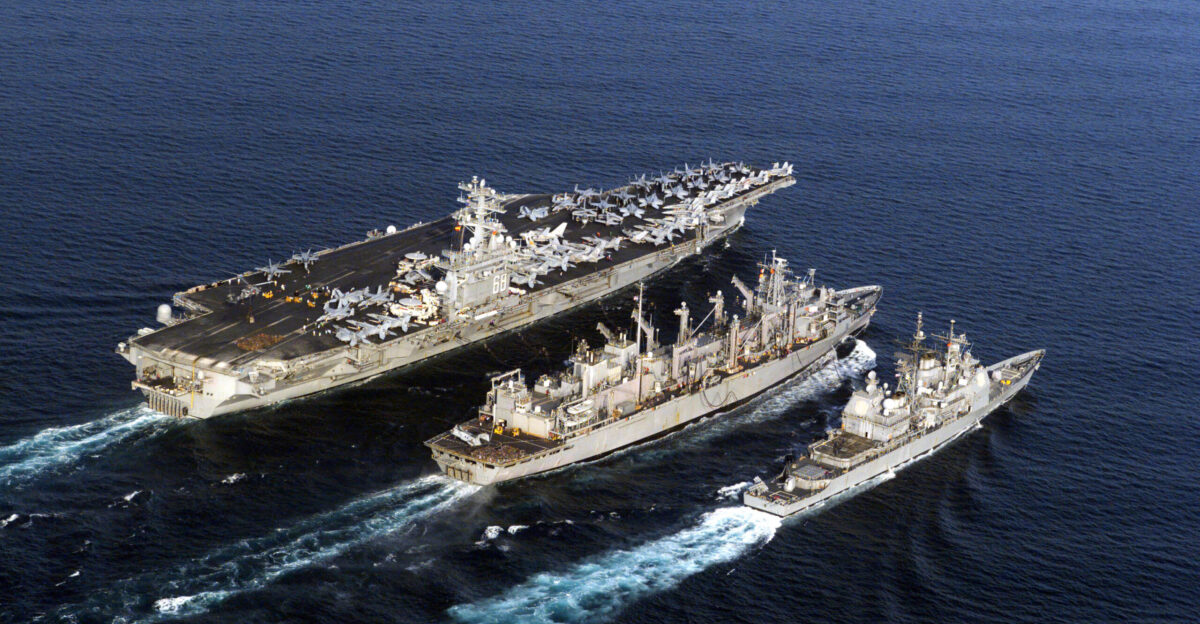
Interestingly, the USS Nimitz was undertaking its final deployment, having transitioned from the Middle East back to its home port. The back-to-back crashes occurred as the carrier was concluding decades of high-tempo operations, illustrating the challenges faced while maintaining older platforms in demanding environments.
The symbolic weight of the Nimitz’s legacy is now intertwined with the urgency to modernize the fleet. “It’s a wake-up call for the Navy,” stated a retired admiral, emphasizing the need for ongoing innovation in military readiness.
Internal Frustration: Strains on Legacy Systems
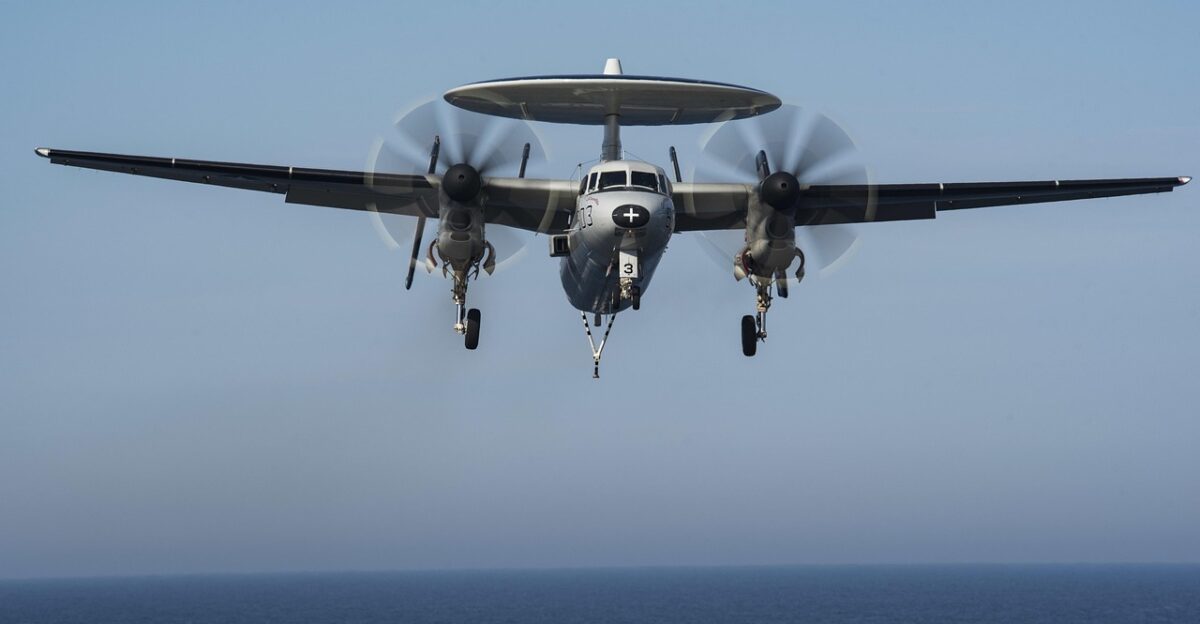
Within the Navy, there are rising concerns over the strain placed on aging aircraft and ships. Maintenance crews and pilots have expressed frustration over the challenges of keeping legacy systems mission-ready under constant operational pressure. Numerous reports from CBS News highlight the growing challenge of balancing operational demands with the risk of equipment failure.
One maintenance technician emphasized, “We’re pushing these aircraft to their limits, and it’s taking a toll on us and the machines.” These sentiments resonate throughout the Navy, highlighting systemic issues that warrant immediate attention.
Leadership Response and Accountability
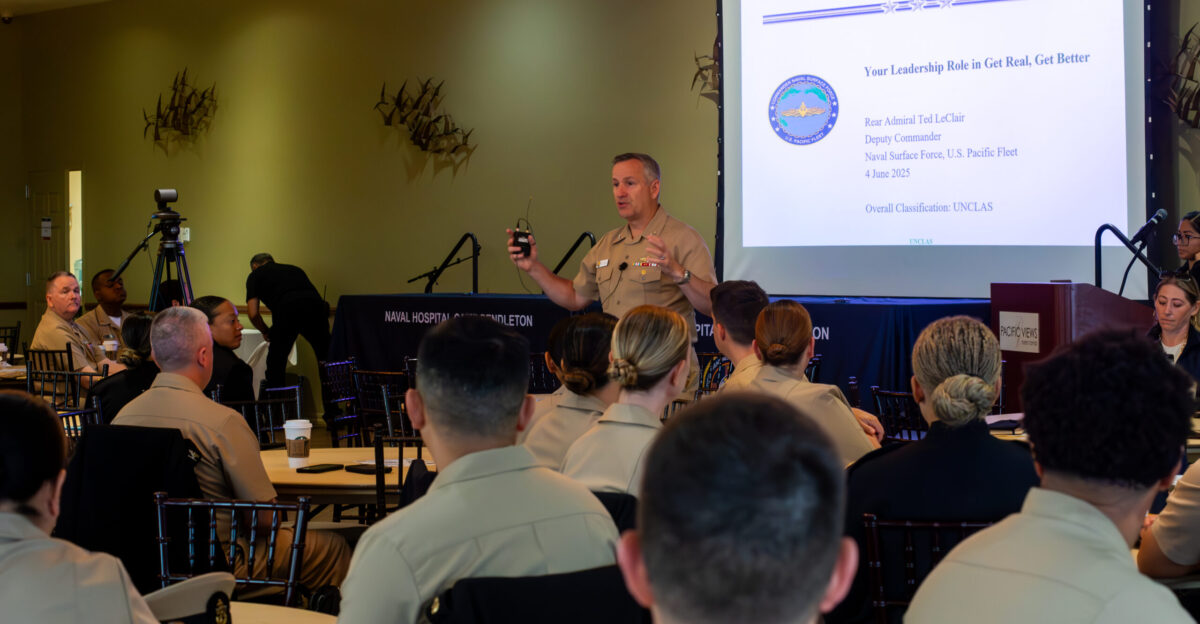
In light of the incidents, Rear Admiral John Smith, the commander of Carrier Strike Group 11, has initiated a comprehensive review of safety protocols and maintenance records. Navy leadership is under immense pressure to display accountability while reassuring both crews and the public about operational integrity.
“We must ensure this does not happen again,” Smith stated during a press briefing. As the investigation unfolds, military leaders face the challenge of balancing operational needs with safety, striving for improvements without undermining morale.
Investigative Measures: Recovery Efforts
The Navy has launched parallel investigations into both crashes, mobilizing technical teams to analyze flight data and wreckage. Immediate steps taken include enhanced inspections of similar aircraft and a temporary pause in specific flight operations from the USS Nimitz.
Reports from USNI News confirm that these actions reflect a proactive approach to prevent similar incidents from recurring. The Navy is committed to transparency as it delves deeper into understanding the root causes of the crashes. The impending findings will likely have broader implications for Navy operations going forward.
Expert Skepticism: Mechanical Failures and Beyond
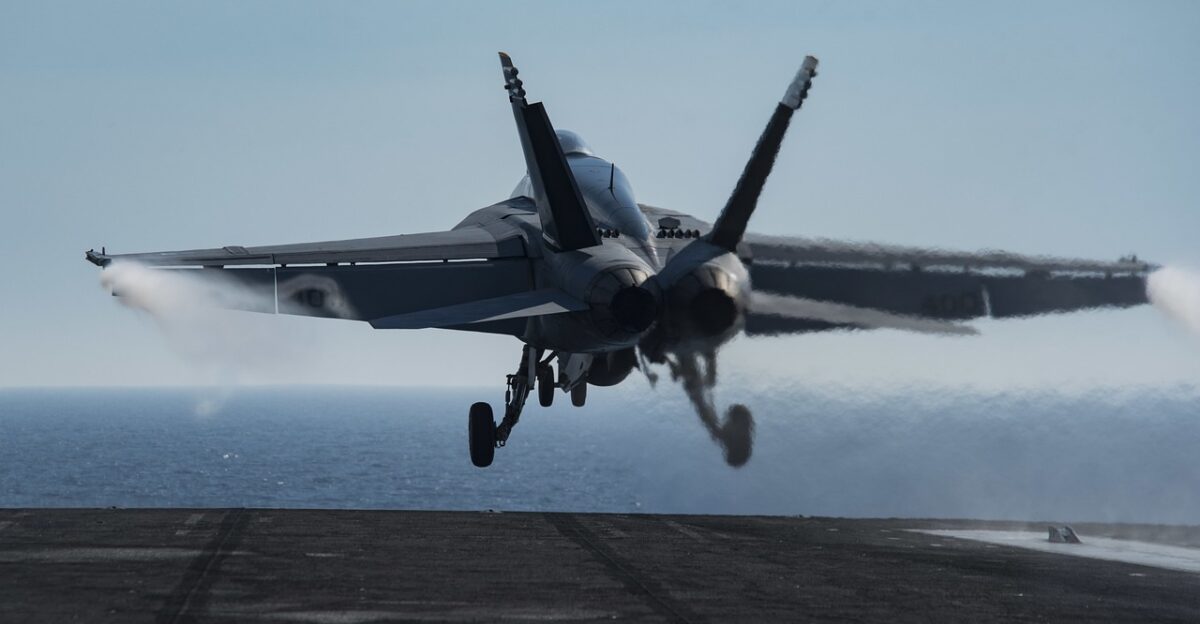
Aviation safety experts express skepticism regarding the nature of the dual incidents. While mechanical failure cannot be ruled out, the coincidence of two crashes in such quick succession raises eyebrows. Some analysts suggest that external factors such as electronic interference or environmental hazards should not be dismissed.
“This is the first time I’ve seen two major incidents happen so close together,” noted an aviation safety expert. As the investigations proceed, clarity around the contributing factors becomes crucial to prevent future occurrences and ensure the safety of flight operations.
Strategic Implications: Future of Naval Operations
As the inquiry progresses, the Navy faces pressing questions regarding the future of its carrier-based aviation and the risks of operating in contested regions. Will this incident trigger accelerated modernization or alterations in the deployment strategy for U.S. forces in the Pacific? Navy Times discusses the broader implications for military strategy in the region amidst increasing tensions.
Navigating these complexities requires a careful recalibration of mission capabilities, resource allocation, and diplomatic outreach to stabilize the contentious environment.
Political Fallout: National Security Concerns
The dual losses could also generate significant political fallout, heightening national security concerns among U.S. lawmakers. With geopolitical stakes at play, there is increasing pressure for transparent communications regarding operational risks.
As Congress and defense committees closely monitor actions taken in response to the crashes, the ramifications could shape legislative approaches toward defense funding and military investments. Hyperawareness surrounding these incidents adds weight to discussions of public safety versus national interest.
Public Discussion: Safety vs. War Preparedness
In the court of public opinion, these incidents spark debates around military preparedness and safety. With social media amplifying discussions, citizens are questioning the extent to which operational goals should be prioritized over safety measures.
One concerned citizen remarked, “We want our service members to be safe, but we also rely on them to protect us.” This sentiment is echoed across communities, reflecting the complex relationship between public expectations and military demands.
International Reactions: Allies Monitoring Events
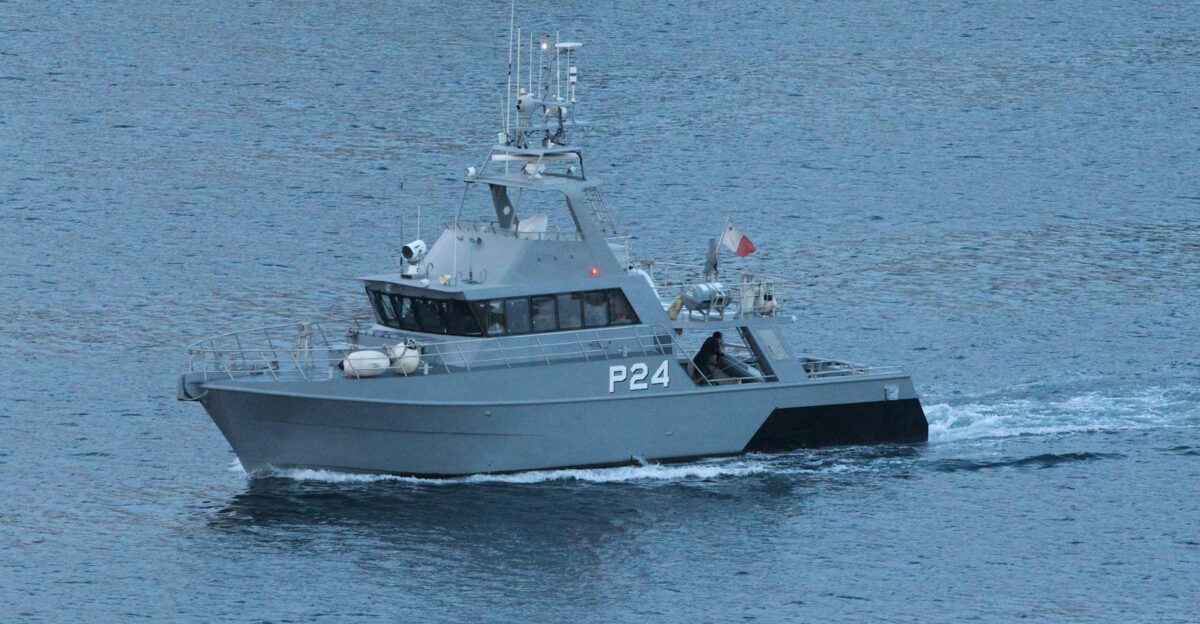
The international community is closely watching developments in the South China Sea, with allies expressing both concern and readiness to respond to emerging situations. Reports indicate increased diplomatic outreach from regional players as they adapt to changes in military dynamics.
Analysts are eager to see how these events influence multilateral engagements, particularly through frameworks involving ASEAN nations and their evolving positions on security arrangements. The balance of power is in flux, and these aircraft losses may signal a shifting loyalty for the U.S. in the region.
Conclusion and Ongoing Developments
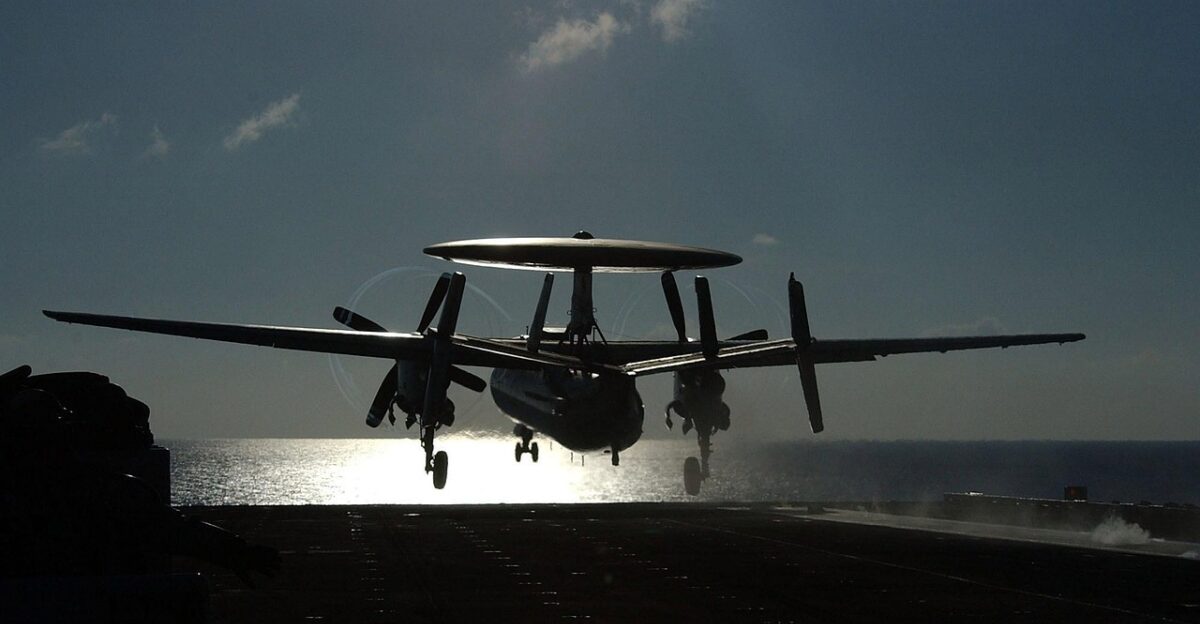
As the investigations into the dual aircraft crashes continue, the U.S. Navy faces a pivotal juncture. The need for modernization, robust safety protocols, and strategic adaptations has never been more apparent. Future deployments must reflect the lessons learned from these incidents, highlighting the delicate balance between maintaining operational readiness and ensuring personnel safety.
With regional tensions on the rise and scrutiny from both national and international stakeholders, the Navy is poised for significant change. The unfolding narrative will shape the United States’ military posture in the South China Sea for years to come.
Looking Ahead: Future Pathways for Naval Aviation
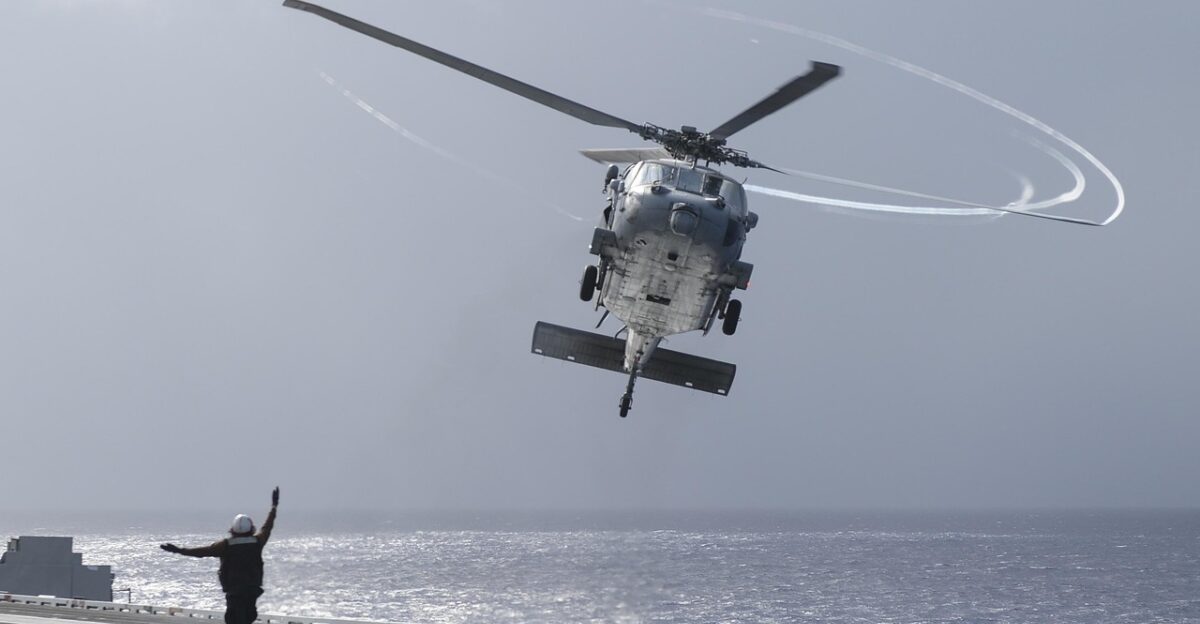
As we reflect on the events of October 26, 2025, the future of U.S. naval aviation remains in focus. Will the Navy heed the lessons from these crashes and enhance safety protocols as it modernizes its fleet? Or will the drive for operational tempo overshadow necessary reforms? The complexities of navigating geopolitical tensions alongside military necessities create an uncertain but critical future for the Navy in the Pacific region.
Stakeholders across the board, from military officials to policymakers, must rise to the challenge of securing a safe and effective operational environment moving forward. The journey ahead is fraught with challenges and opportunities.