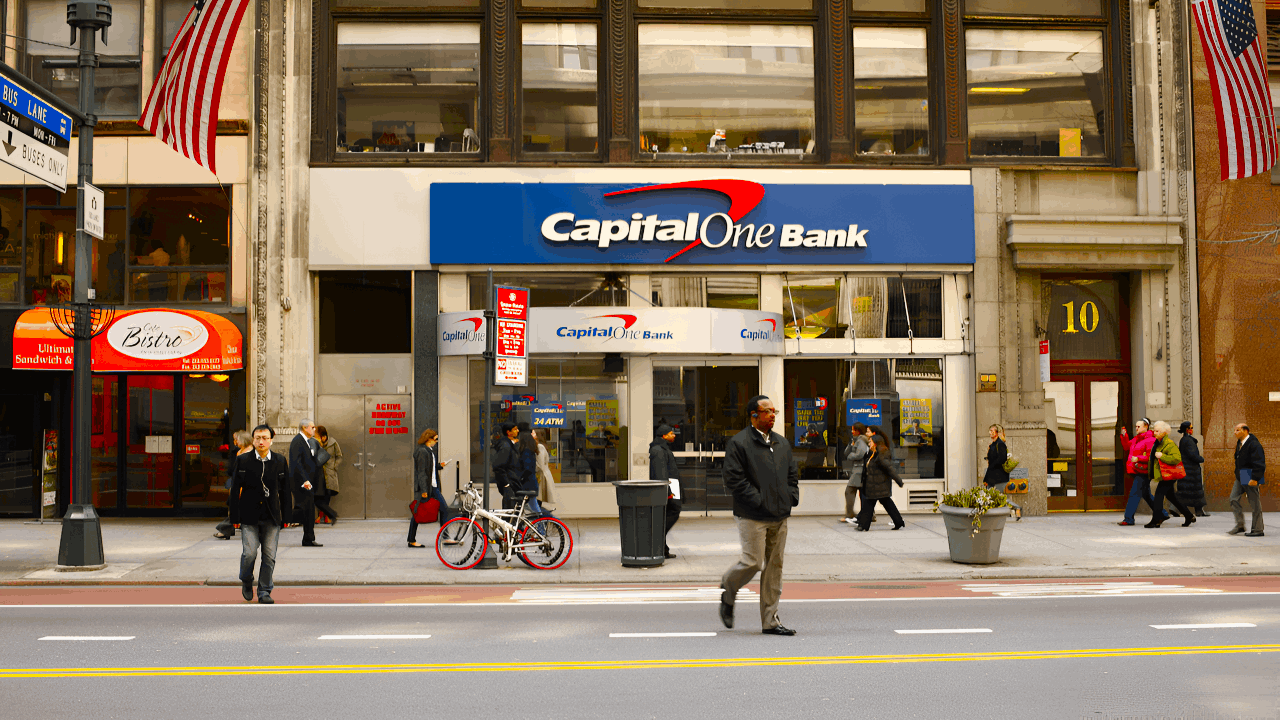
Capital One agreed to pay $425 million to settle claims that it underpaid loyal savers, revealing a widespread “loyalty penalty.” Existing customers earned far less than newcomers on nearly identical accounts from 2019 to 2025. The case highlights banking fairness and consumer awareness, raising questions about other banks.
How did one of America’s biggest banks let this happen—and what comes next for those left shortchanged?
What Happened?
Capital One’s 360 Savings accounts earned only 0.3% interest from late 2019 to mid-2024, while new customers on 360 Performance Savings earned up to 4.35%. Existing customers were not notified of higher rates. The gap led to billions in lost interest, prompting a class-action lawsuit. But how many savers were affected?
Millions of Savers Impacted

The settlement affects 360 Savings account holders between September 18, 2019, and June 16, 2025. At its peak, existing customers earned 14 times less than newcomers on the same products. The CFPB estimated collective losses of over $2 billion. This gap shocked many long-term customers, revealing the scale of the “loyalty penalty.”
Capital One’s Response
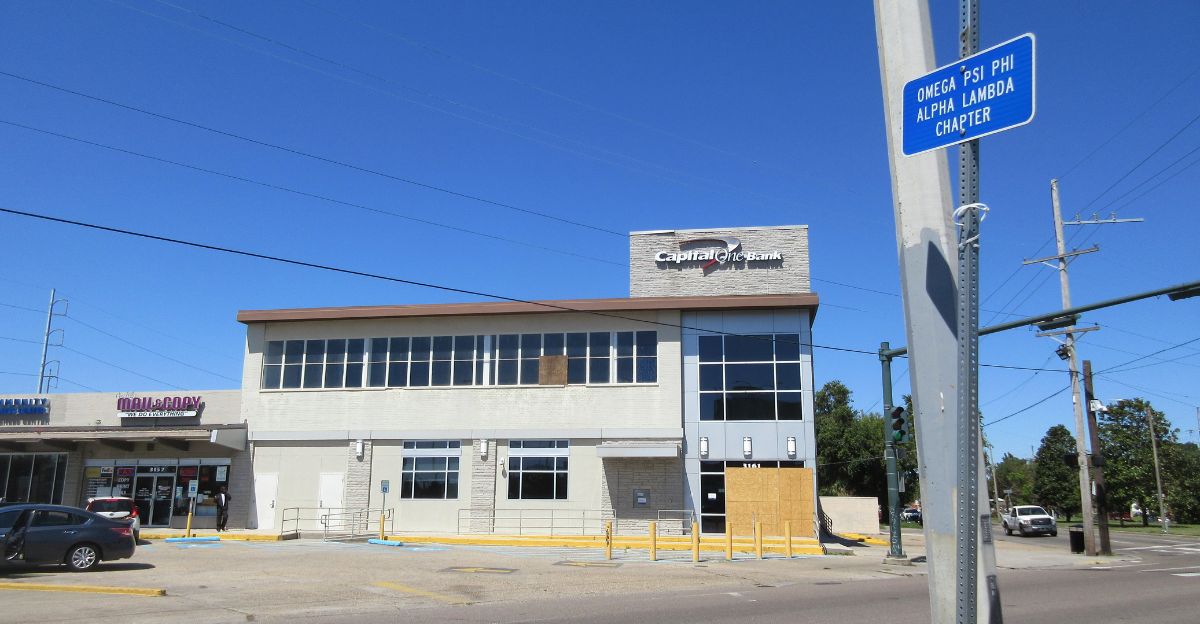
Capital One denied wrongdoing but agreed to settle. It will pay $300 million to compensate affected customers and $125 million in additional interest for active accounts. Going forward, 360 Savings accounts must earn at least twice the FDIC national average. Yet questions remain about whether the bank’s practices truly change.
CFPB Lawsuit Filed and Dropped

On January 13, 2025, the CFPB accused Capital One of engaging in “false or misleading” marketing practices and cheating customers out of billions. After administration changes, the agency dropped the lawsuit on February 27, 2025. The class action settlement continued independently, highlighting tensions between federal oversight and private litigation. Did this leave room for state action?
States Object to Settlement
Eighteen state attorneys general, led by NY AG Letitia James, opposed the settlement in September 2025. They argued it allowed Capital One to keep $2.5 billion while paying customers an average of only $54. States claimed the bank escaped meaningful reform.
Loyal Customers Speak Out
Long-time savers, some from the ING Direct era, expressed frustration. Many trusted the bank’s “high interest” claims but discovered new customers earned far more. Reddit forums and testimonials show anger and disappointment. For many, loyalty felt punished. Their experiences underscore the importance of transparency in banking.
The Loyalty Penalty Explained
This case highlights a standard banking practice: long-term customers receive worse rates than new ones. Major banks, such as Chase and Wells Fargo, offer as little as 0.01% on standard savings, while online competitors typically pay 4% or more. The practice, known as “price walking,” has come under global scrutiny.
Billions in Lost Interest
CFPB calculations show $2 billion in lost interest from 2019 to 2025. A $10,000 saver earned roughly $180 at 0.3%, versus $1,300–$2,600 at Performance Savings rates. Individual losses ranged from $1,100 to $2,400 per $10,000. These figures highlight the tangible cost of loyalty penalties, prompting consumers to question whether traditional banks can be trusted.
Fintechs Respond
Digital banks and fintechs capitalized on the trust gap. Ally, Marcus, and American Express Savings promoted transparent rates for all customers. They gained market share as savers sought fairness and consistency. The Capital One case signals a shift in customer preferences. Will legacy banks adapt or lose more business to online competitors?
Consumers Start Switching Accounts

The settlement has increased awareness about rate monitoring. Consumers now compare institutions and move funds to maximize returns. Trust in traditional banks declines as loyalty is no longer rewarded. Savers are more cautious about “high-yield” marketing.
Tools Help Customers Track Rates
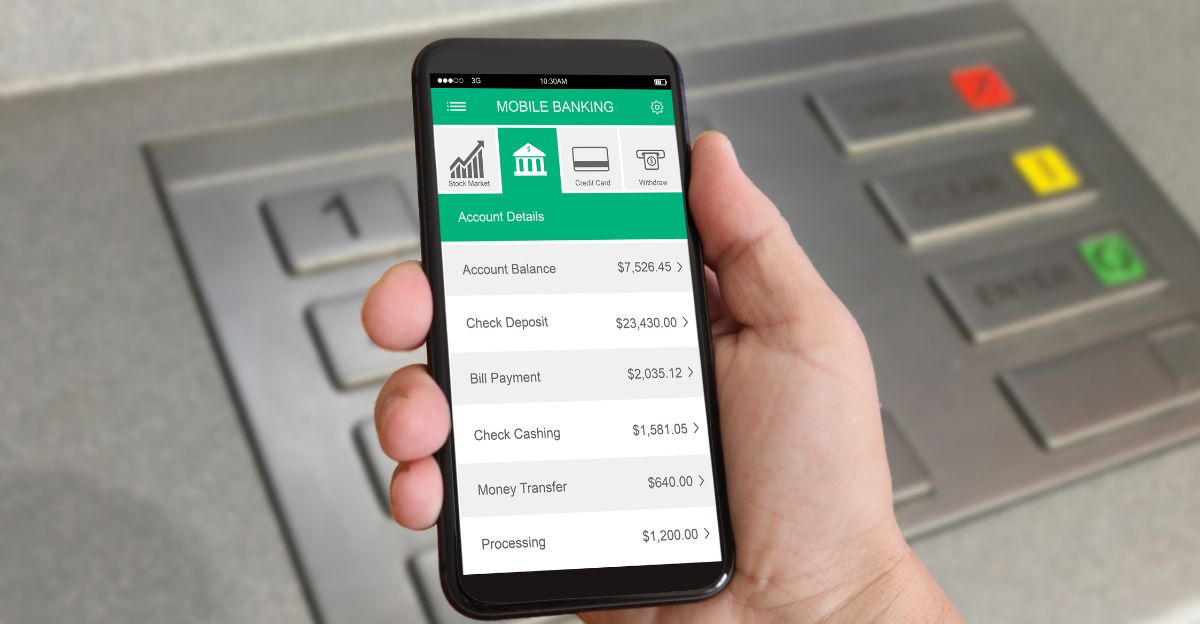
Financial apps now track savings rates and alert customers to better options. These tools simplify switching accounts and protect against loyalty penalties. Consumers can make data-driven decisions and maximize returns. As technology empowers savers, traditional banks face pressure to improve transparency.
Similar Issues Globally

UK and Australian banks have faced similar “loyalty taxes.” The UK required banks to close rate gaps in 2020. Australian customers report excessive charges on savings and mortgages. Capital One’s case has drawn international attention, highlighting a global pattern.
Impact on Households

Retirees and fixed-income savers were hit hardest. Between 2019 and 2025, missed interest significantly reduced expected income. Experts emphasize financial literacy and proactive monitoring, especially for vulnerable populations. The settlement raises awareness of household financial vulnerability.
Ethical Debate in Banking
The case sparked debate: should banks notify customers about better internal options? Advocates demand fairness and transparency, while banks argue products are offered at market discretion. The settlement may influence industry norms, shaping future practices.
Digital Banks Gain Advantage

Challenger banks and online-only institutions gained customers seeking fairer rates. Traditional banks face reputational challenges and potential attrition. Capital One’s settlement accelerated the digital banking trend, rewarding transparency.
Key Settlement Timeline
The eligible period began on September 18, 2019. The CFPB filed a lawsuit on January 13, 2025, which was dropped February 27. The $425 million settlement was announced May 16, and preliminary approval came June 16. The claims deadline closed on October 2. The final hearing is scheduled for November 6.
How to Protect Your Savings

Experts advise monitoring rates quarterly, reading account terms carefully, considering online banks, using rate tracking apps, and auditing holdings annually. Loyalty alone is not enough to guarantee competitive returns. Proactive action now can prevent future losses. Are savers ready to take control of their financial futures?
Post-Settlement Requirements
Capital One must pay at least 0.80% interest on 360 Savings accounts, twice the FDIC national average. However, Performance Savings pays 3.40%, allowing disparities to continue. Critics argue the settlement fails to mandate meaningful change.
What This Means for Banking
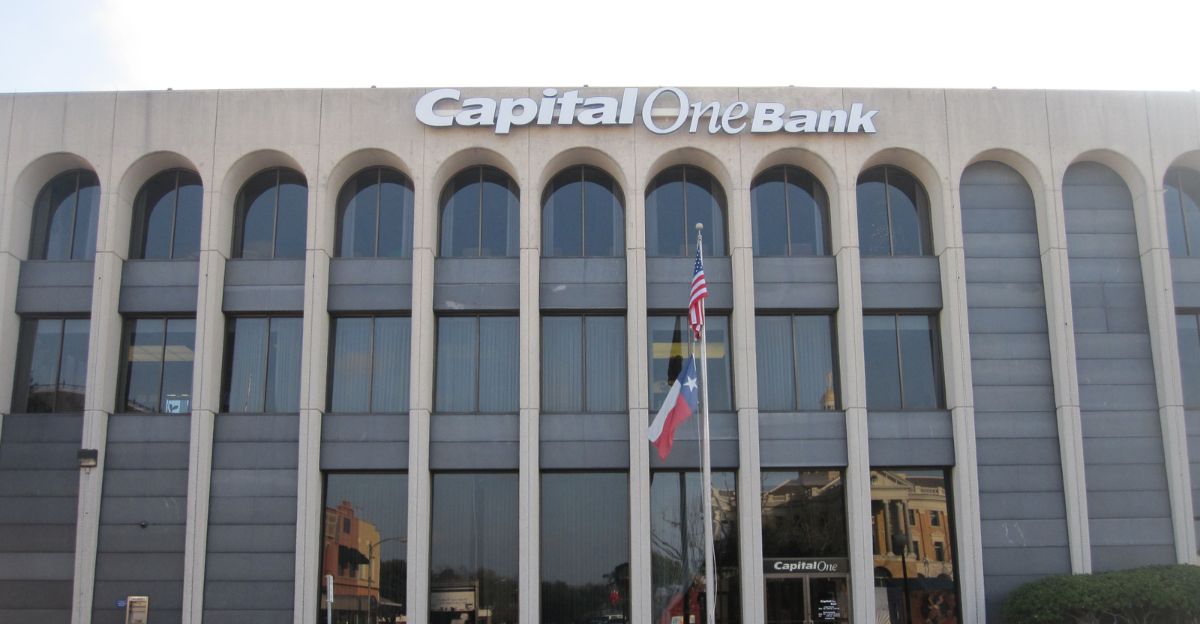
The $425 million settlement exposes systemic issues in customer treatment. Questions remain: will banks reform rate transparency? Will regulatory oversight strengthen? Can fintech pressure reshape practices? The answers will depend on consumer vigilance, competitive forces, and regulators. Capital One’s case may mark a turning point—but how far-reaching will the change be?