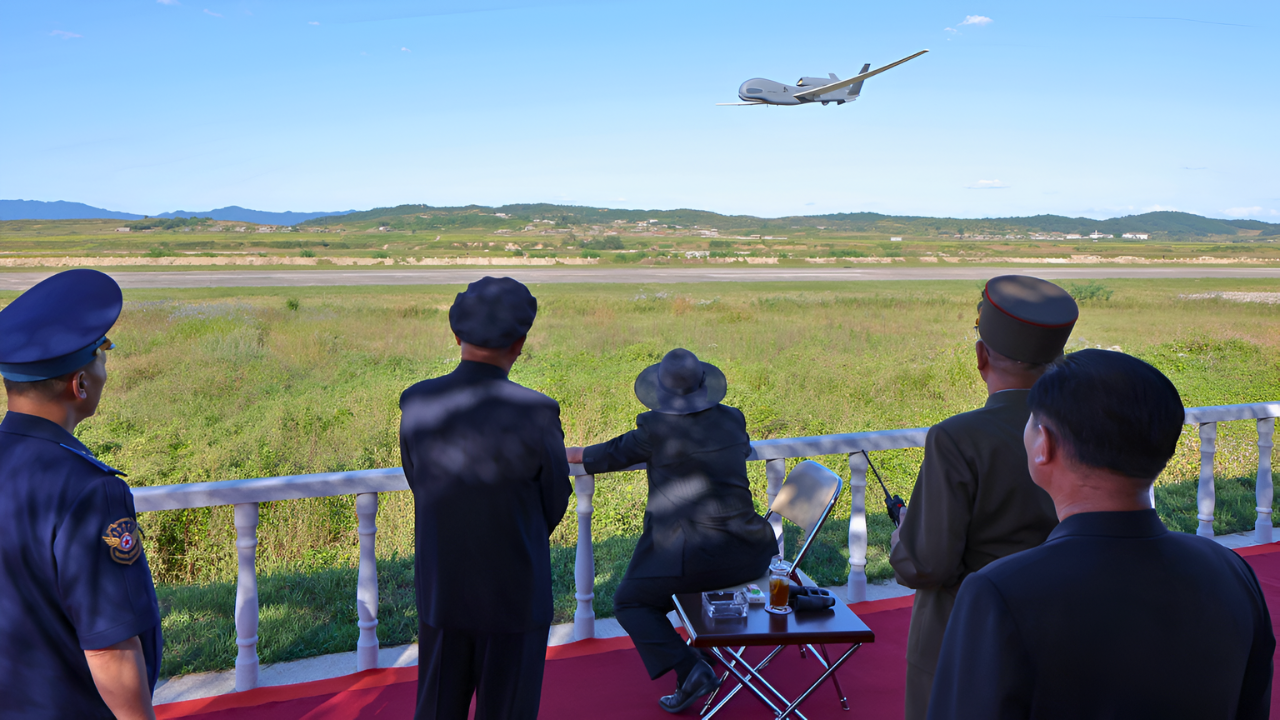
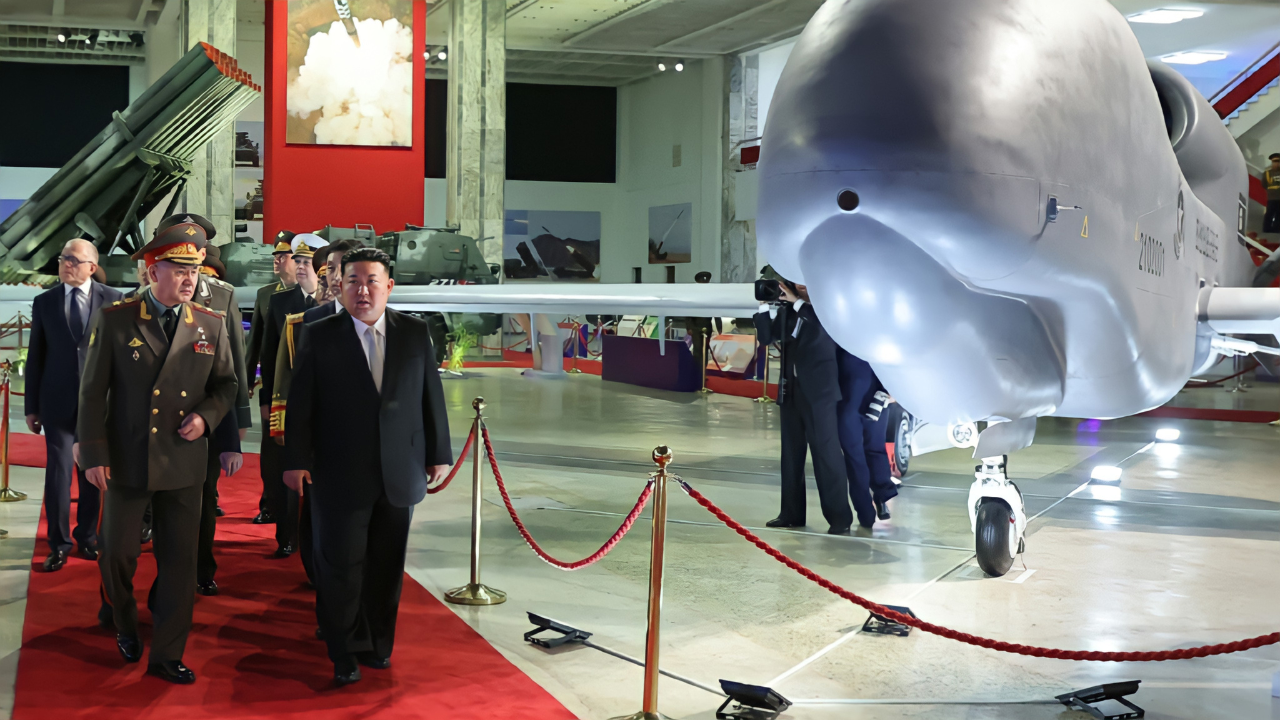
In 2023, North Korea publicly revealed an unmanned aerial vehicle (UAV) strikingly similar to the U.S. RQ-4 Global Hawk, marking a pivotal moment in Pyongyang’s military modernization. By 2025, the drone had completed flight testing under the direct supervision of leader Kim Jong Un, signaling the regime’s intent to expand its surveillance reach and strategic capabilities across the Indo-Pacific. This development, set against a backdrop of escalating regional tensions, has prompted renewed scrutiny from military analysts and policymakers worldwide.
Roots of North Korea’s Drone Program
North Korea’s journey toward advanced UAV technology is rooted in decades of covert acquisition and reverse engineering. The regime began experimenting with basic drones in the early 2000s, gradually integrating salvaged foreign components and adapting designs from Chinese jet clones. Defense analysts note that North Korea’s approach has focused on leveraging asymmetric tactics to offset U.S. technological superiority, with the regime using cyber warfare and unmanned systems as cost-efficient means to challenge superior military forces. The unveiling of the Global Hawk lookalike reflects years of incremental progress, with Pyongyang prioritizing innovation that maximizes strategic impact without matching Western military budgets.
South Korean military officials have reported steady increases in North Korean drone activity near the border, with multiple incursions documented in recent years, including five North Korean drones that crossed into South Korean airspace in December 2022. These incidents underscore North Korea’s investments in unmanned systems to challenge allied surveillance and response capabilities.
Technical Features and Limitations
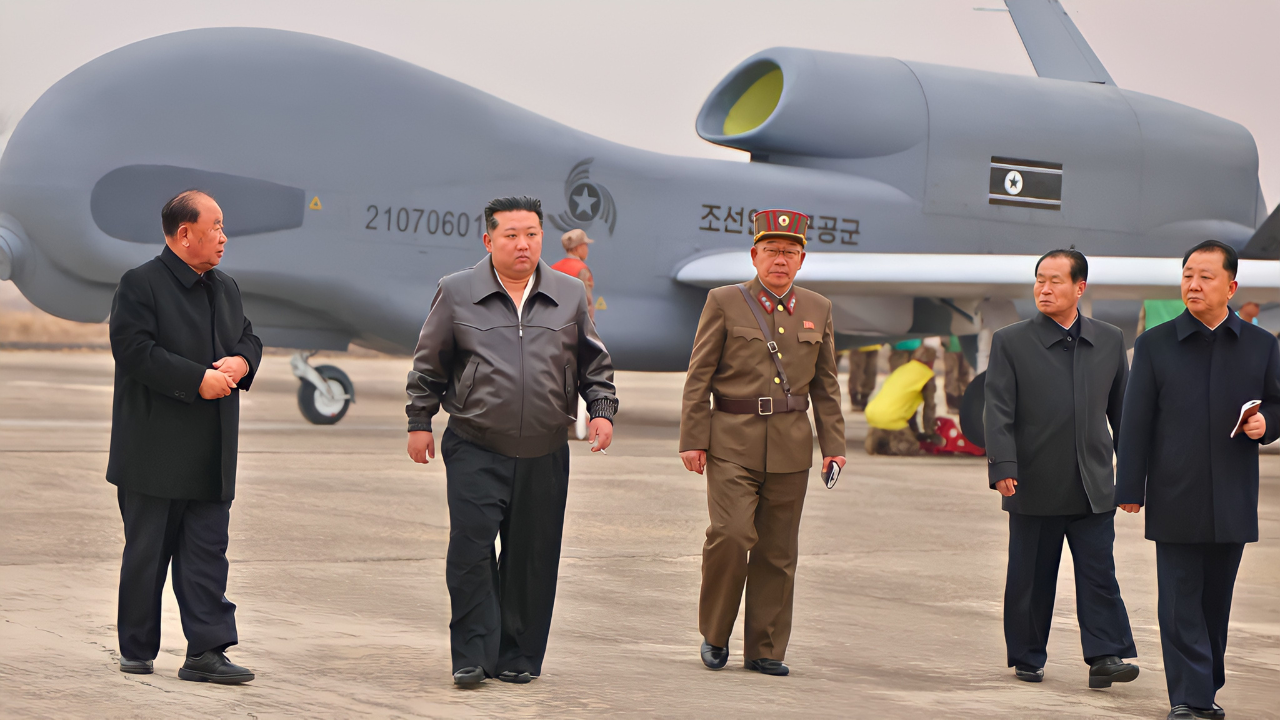
The North Korean drone features a distinctive V-tail and dorsal air intake, closely mirroring the U.S. Global Hawk’s design. While its appearance suggests potential for wide-area surveillance, military analysts caution that its operational endurance and sensor suite likely fall short of the original’s 30-plus hour capability and advanced synthetic aperture radar, electro-optical, and infrared sensors. The real Global Hawk relies on satellite communications and sophisticated intelligence collection systems that North Korea likely cannot fully replicate. Reports indicate the drone’s construction blends domestic manufacturing with imported parts, but its payload and true performance remain unverified.
Despite these limitations, the drone’s existence alone alters the strategic calculus. Even if the system is less capable than its American counterpart, its psychological impact on U.S. and allied forces remains significant, as the uncertainty surrounding its capabilities forces adversaries to reassess counterintelligence and readiness measures.
Strategic Implications for U.S. and Regional Security
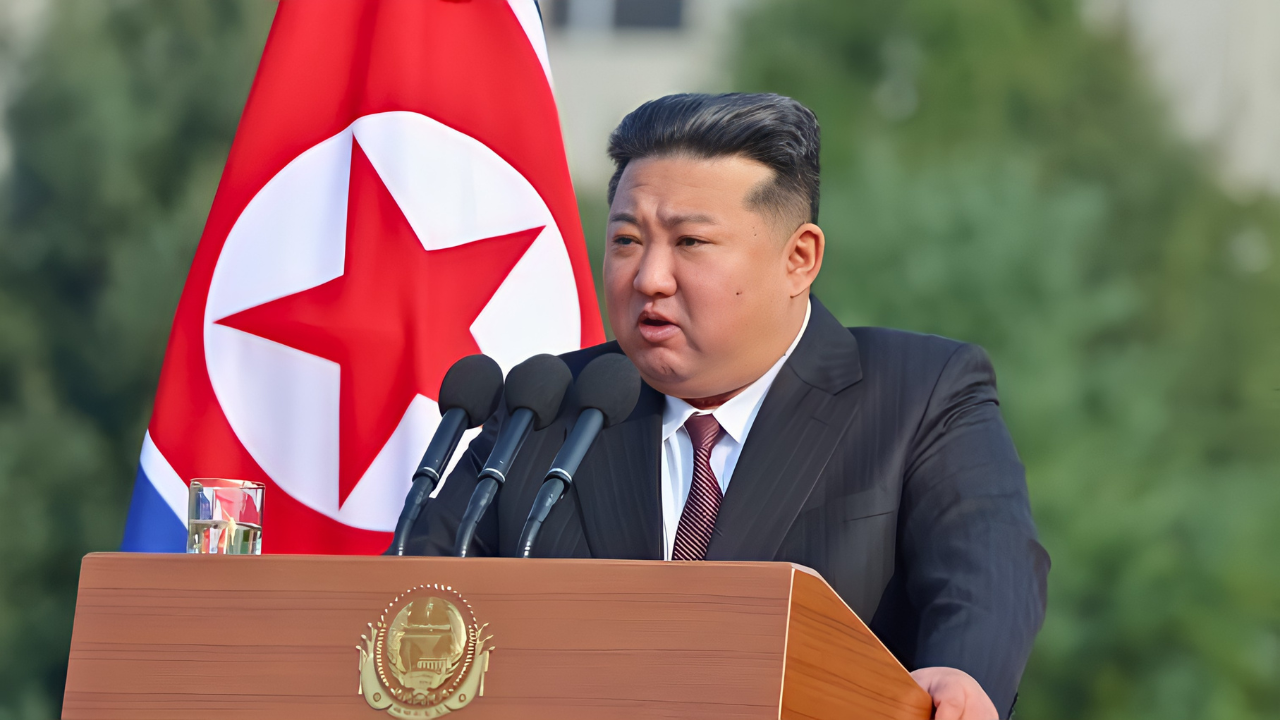
The introduction of the Global Hawk clone heightens the threat to American bases in South Korea and Japan, with North Korea aiming to extend its surveillance range further afield. Enhanced drone capabilities could compromise operational secrecy and force protection, prompting the U.S. military to bolster its own drone squadrons and intelligence, surveillance, and reconnaissance (ISR) missions in Northeast Asia, including activating new MQ-9 Reaper drone squadrons. The U.S. and its allies have adapted tactics to counter new threats, including enhanced electronic warfare capabilities and anti-drone defense systems.
This technological leap also pressures regional alliances. Joint defense initiatives between the U.S., Japan, and South Korea have accelerated in response, focusing on electronic warfare and counter-drone operations. The drone’s debut at an arms show attended by Russian officials hints at deepening military-technological cooperation between Pyongyang and Moscow, potentially reshaping geopolitical alignments and complicating Indo-Pacific security.
Global Comparisons and Historical Parallels
North Korea’s strategy of cloning advanced Western drones echoes Cold War-era espionage, when U.S. aerial reconnaissance operations over the Soviet Union and the development of high-altitude spy planes like the U-2 intensified superpower rivalry. Today, the proliferation of UAVs is transforming intelligence and deterrence roles worldwide, with unmanned systems increasingly replacing manned aircraft in critical reconnaissance missions. The public unveiling of the drone serves as both a deterrent and a statement of regime legitimacy, projecting an image of technological parity with the U.S..
Globally, North Korea’s actions may inspire other state and non-state actors to pursue UAV cloning and hybridization, complicating international export controls and raising proliferation risks. Recent reports confirm that North Korean-aligned cyber actors from the Lazarus Group have actively targeted European drone manufacturers, using sophisticated social engineering attacks to steal proprietary information and manufacturing know-how about unmanned aerial vehicles, underscoring the transnational impact of Pyongyang’s ambitions.
AI Integration and the Future of Asymmetric Warfare
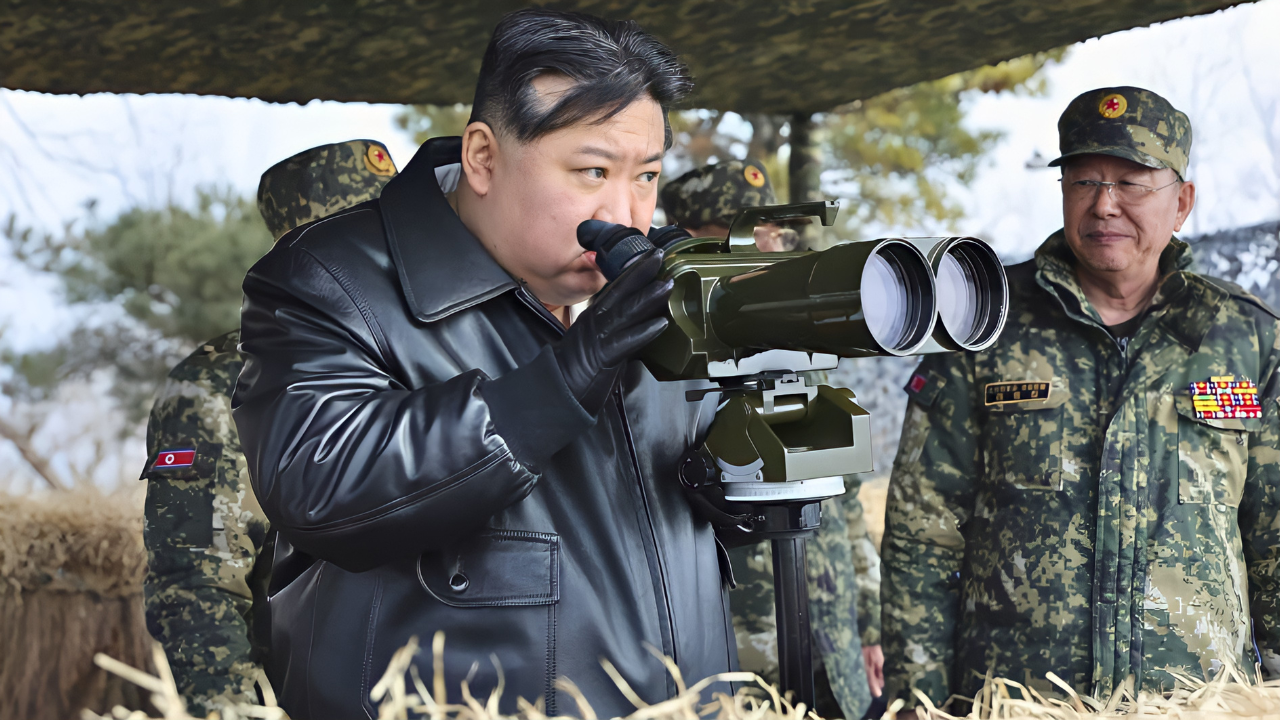
Kim Jong Un’s 2025 directives emphasize the integration of artificial intelligence (AI) into military hardware, aiming to enhance drone autonomy and targeting accuracy. The unveiling of the “Kumsong” series, equipped with basic AI for autonomous targeting, demonstrates North Korea’s rapid modernization beyond mere imitation.
Defense analysts warn that AI-enabled drones could fundamentally change the dynamics of conflict on the Korean Peninsula. Fully autonomous long-range reconnaissance and strike missions would intensify the threat posed by the Global Hawk clone, forcing adversaries to invest in cyber and electronic countermeasures.
Looking Ahead: Stakes and Implications
North Korea’s deliberate investment in UAV technology and AI-driven autonomy is reshaping the military landscape of Northeast Asia. While the true capabilities of the Global Hawk clone remain uncertain, its strategic and psychological effects are undeniable. The United States and its allies must continually adapt their diplomacy and defense strategies to address evolving threats. As Captain Lee observes, “The game is changing—not just in terms of firepower, but in how technology and asymmetric tactics redefine the balance of power.”
The emergence of North Korea’s advanced drone program serves as a stark reminder that modern warfare increasingly hinges on technological innovation, intelligence dominance, and the ability to exploit vulnerabilities—challenging traditional notions of military superiority and demanding constant vigilance from regional and global actors.