
With funding from the Bill & Melinda Gates Foundation, MIT engineers created a novel microneedle patch in 2019 that uses invisible near-infrared quantum-dot dye to store vaccine data beneath the skin. Vaccination record-keeping could be revolutionized by this dye, which creates tiny, invisible patterns that can only be read by specific smartphone setups. Rat experiments revealed that the patch produced immune responses comparable to conventional injections when used in conjunction with an inactivated polio vaccine.
The quantum-dot marks highlight longevity and durability because they can be seen for at least five years under simulated sun exposure. Importantly, this approach does not focus on current human vaccines or required biometric tracking systems, but rather on improving vaccination record accuracy in low-resource settings. Funders and MIT stress that the strategy is experimental, with the goal of preventing avoidable deaths associated with inadequate vaccine recordkeeping globally.
Context and Historical Development
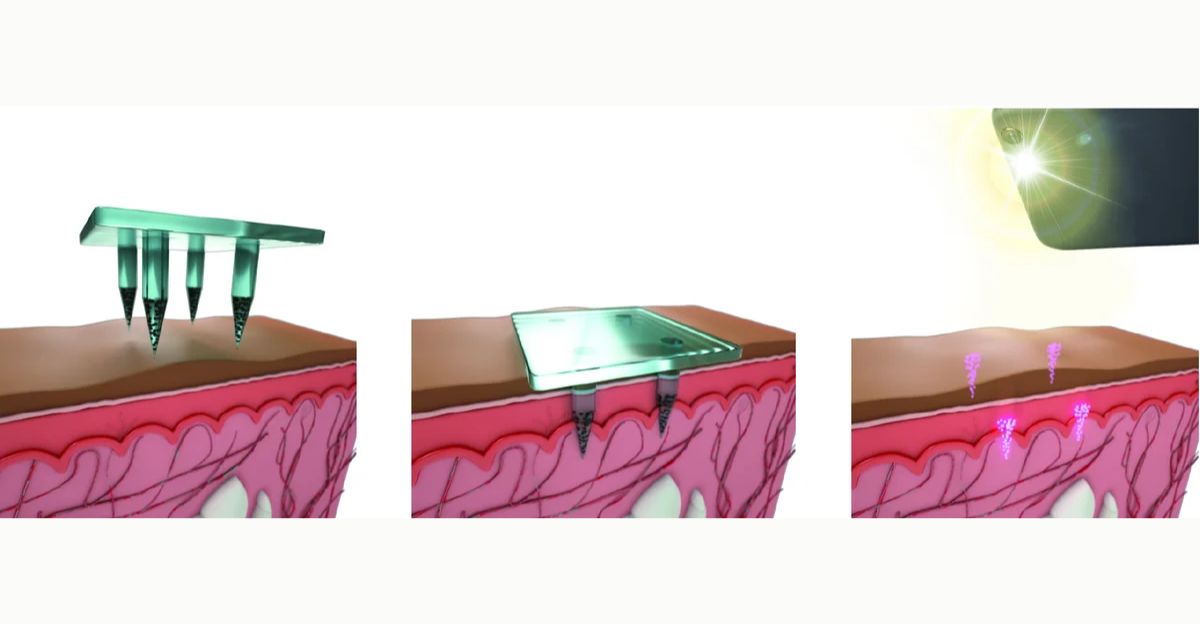
Funded by Gates since 2016, the quantum-dot microneedle patch project is the first peer-reviewed demonstration of an invisible, on-body vaccination record. It tackles an important issue: each year, recordkeeping errors cause about 1.5 million vaccine-preventable deaths, particularly in low-resource nations. Health professionals frequently carry out large-scale immunization campaigns without trustworthy patient data, which results in missed or unnecessary doses.
The urgent need to develop a low-cost, simple-to-administer, anonymous, and permanent vaccination record is the driving force behind this innovation, which is essential for global health systems in developing nations without electronic infrastructure. Fears that the technology is a kind of required tracking or surveillance are allayed by this historical framing.
Mechanics and Quantum Dot Technology
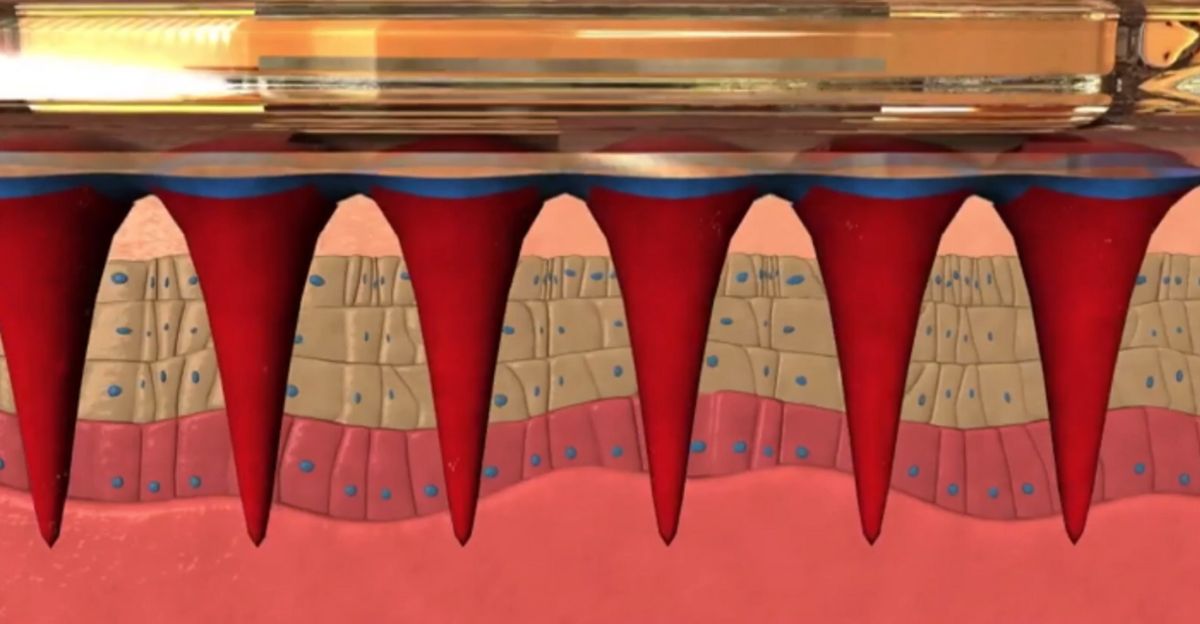
The patch uses dissolving microneedles containing quantum dots, which, after about two minutes, deposit an invisible fluorescent pattern under the skin.
Compared to conventional organic dyes, the quantum dots’ signal is much more photostable, exhibiting roughly 13% retention after five years of simulated sun exposure. Because patterns can be classified by machine learning with almost perfect accuracy, vaccine data can be precisely stored as discrete invisible “tattoos.”
Immune Response and the Effectiveness of Vaccines
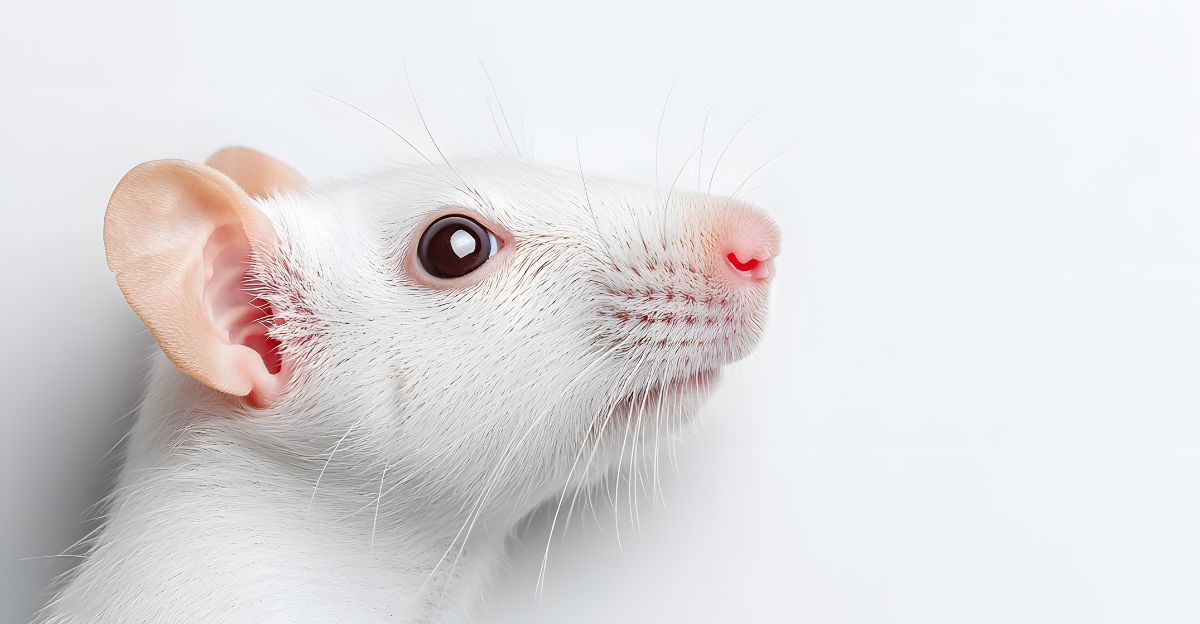
Co-delivering vaccines with quantum dots does not reduce immune efficacy, according to animal testing. Rats that received both the polio vaccine and quantum-dot patches developed neutralizing antibody titers that were comparable to traditional injections and much higher than protective thresholds.
Immune protection is still strong despite some vaccine conformation loss (~25%) during patch fabrication, demonstrating the technology’s practicality for both data storage and vaccine delivery. For public health logistics, this dual role of administering vaccines and maintaining records is essential.
Resolving Privacy and Misinformation Issues
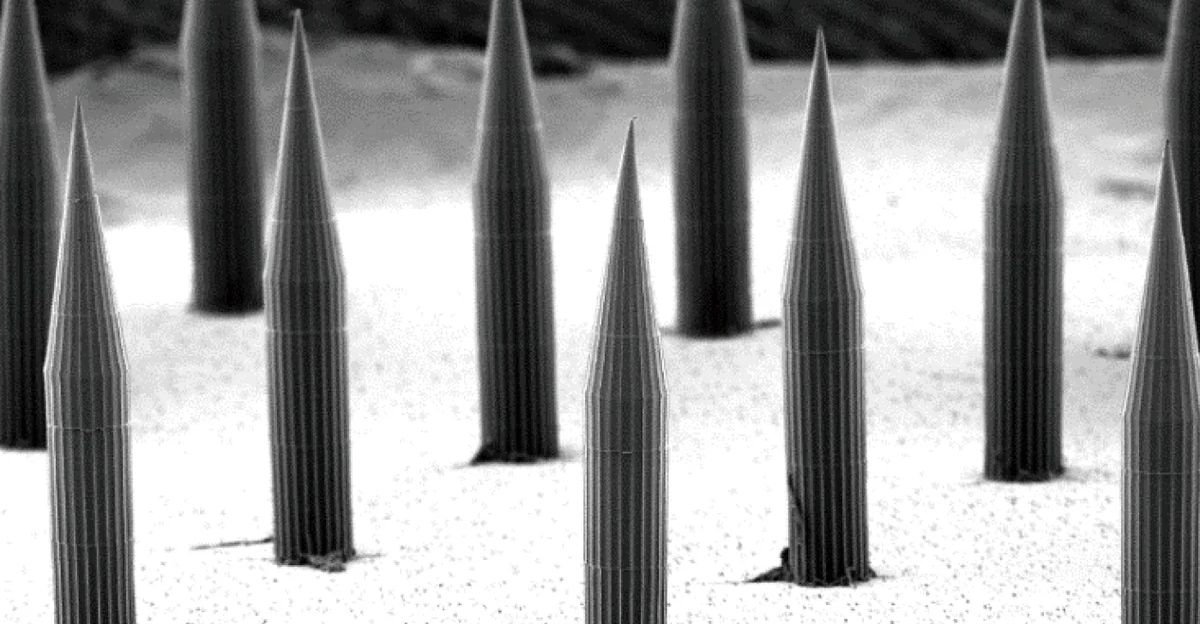
The invisible quantum-dot tags are not intended for personal tracking or surveillance; rather, they are purely experimental and intended to improve medical records.
Numerous disinformation campaigns overstated the idea and made unsupported claims about “biological vaccine passports” that required implants or mRNA markers. The patches are not utilized in current vaccinations such as COVID-19, nor do they include digital chips, GPS, or tracking technologies. MIT and the Gates Foundation warn against conspiratorial interpretations that erode confidence in immunization programs that can save lives.
Possible Effect on International Vaccination Initiatives

This kind of innovation is desperately needed, as there are about 1.5 million deaths annually associated with inaccurate vaccination records. Paper vaccination cards are often lost in low-income areas, and electronic databases are hard to come by. Healthcare professionals may be able to quickly confirm vaccination history with the help of this quantum-dot patch, which could offer trustworthy, tamper-resistant on-patient records.
This guarantees that vaccinations are given correctly, which lowers undervaccination or overvaccination and may increase the effectiveness and coverage of the healthcare system in places with inadequate infrastructure.
Scalability and Realistic Implementation

A small team could vaccinate thousands of people every day thanks to the patch’s two-minute wear time, which enables a vaccinator to inoculate about thirty people per hour. It is easy to use and practical for large-scale campaigns because its microneedles are painless, safe, and completely dissolve.
Quantum-dot patterns can store metadata like vaccine type. MIT collects feedback from healthcare workers for practical improvements.
Divergent Opinions and Ethical Disparities
The quantum-dot patch purposefully avoids tracking or storing personal identifiers other than vaccination data, despite some fears that “marking” technologies portend dystopian surveillance. It provides a straightforward, private solution to the pressing issue of vaccine record loss.
In order to avoid mission creep into surveillance, ethical discussions place a strong emphasis on informed consent, openness, and voluntary use. Drawing attention to this contradiction contributes to the development of a framework that permits technological advancement without compromising civil liberties or vaccination confidence.
Prospects for Future Trends and Cross-Industry Opportunities

In the future, medical data may be secretly stored beneath the skin thanks to quantum-dot technology. This could go beyond vaccinations to include biometric health markers, drug compliance monitoring, and diagnostics.
Personalized medicine could be revolutionized by combining this with smartphone imaging and AI, especially in settings with limited resources and no electronic health records. With wearable technology, biosensing, or secure data management, cross-industry synergies may arise, supporting a larger digital health ecosystem based on tangible, biocompatible interfaces.
Validation of Durability and Data Longevity
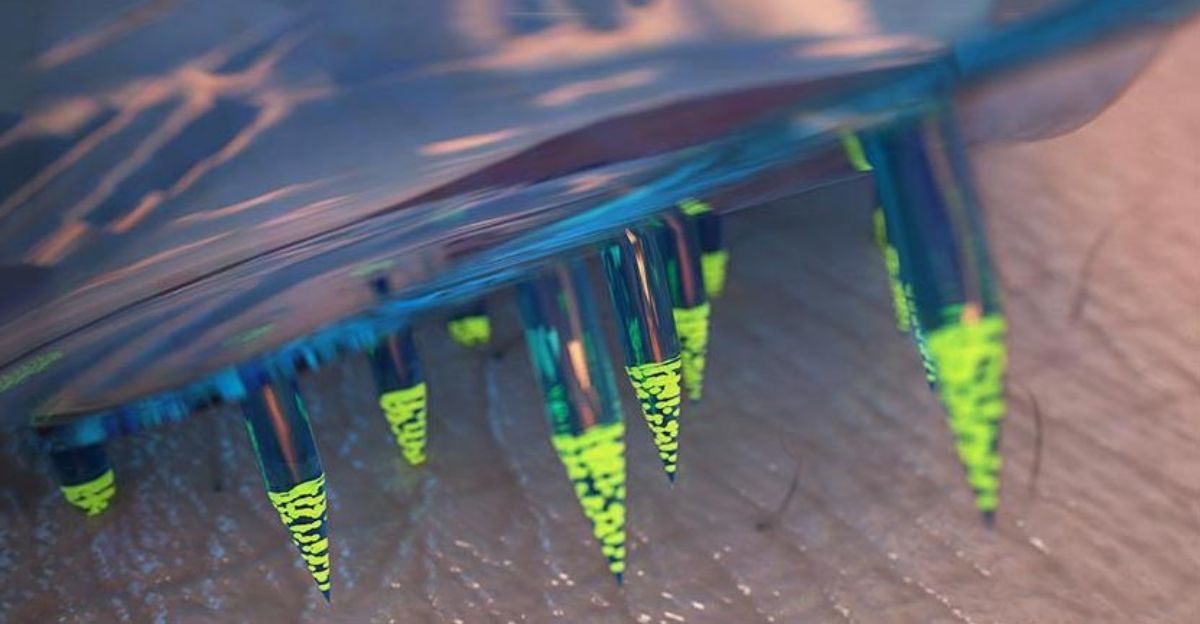
Because quantum-dot patterns are roughly 50 times more photostable than organic dyes, tests using human cadaver skin confirmed that they can still be seen after five years of sun exposure. 92% of the marks were visible at 24 weeks with stable high contrast, according to in vivo rat studies.
These results validate the patch’s promise of long-term, dependable vaccine record storage, which is a major benefit over digital or paper records that are susceptible to corruption, loss, or damage.
Technical Difficulties and Development Obstacles

Despite encouraging outcomes, there are still issues with perfecting readout devices for different skin types and guaranteeing uniform vaccine conformation during patch fabrication. In order to read patches, current technology requires smartphones to be modified with near-infrared filters, which may restrict accessibility.
Furthermore, extensive human safety and biocompatibility studies are still pending. These obstacles are gradually being overcome, offering chances for innovation in smartphone integration and biomedical engineering.
Quantitative Effect on Immunization Coverage

The nearly 1.5 million annual deaths caused by vaccination gaps may be directly reduced by the technology’s capacity to decrease missed doses by verifying vaccination status.
Healthcare systems can better manage supplies, cut waste, and more successfully target booster campaigns by increasing data accuracy. The patch’s quick application rate and multi-year data retention could significantly boost the effectiveness of immunization programs, particularly in underserved or remote areas of the world.
Machine Learning’s Function
In tests involving hundreds of photos taken up to 30 weeks after application, machine learning models successfully classify quantum-dot patterns with 100% accuracy.
This feature reduces human error in medical records and allows for scalable deployment worldwide by enabling automated, error-free vaccine data retrieval. This kind of bioengineering and AI synergy is a prime example of cutting-edge medical technology innovation.
“Digital Ledger for Biology”
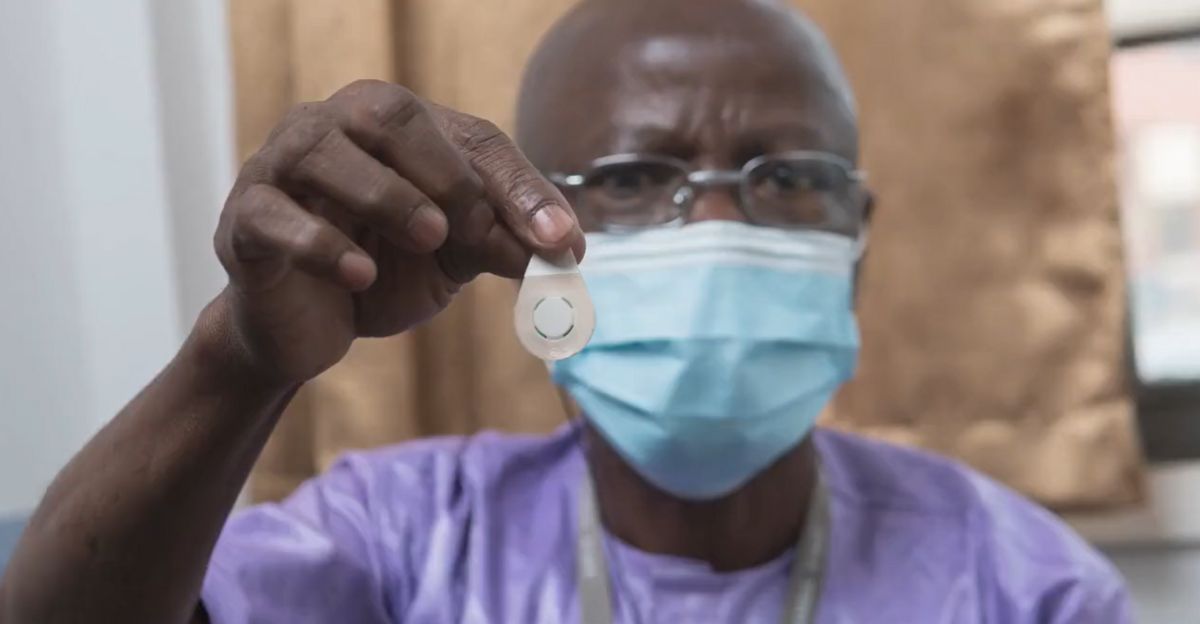
Similar to a safe, offline blockchain record, this invention can be thought of as a “biological digital ledger,” encoding immutable vaccine data directly onto the body that is invisible to the unaided eye but accessible with specialized devices.
This paradigm, which is particularly important in areas with inadequate healthcare infrastructure and unreliable paper or electronic records, replaces traditional vaccine data storage from susceptible external documents with a more tamper-proof, patient-centric solution.
In Conclusion
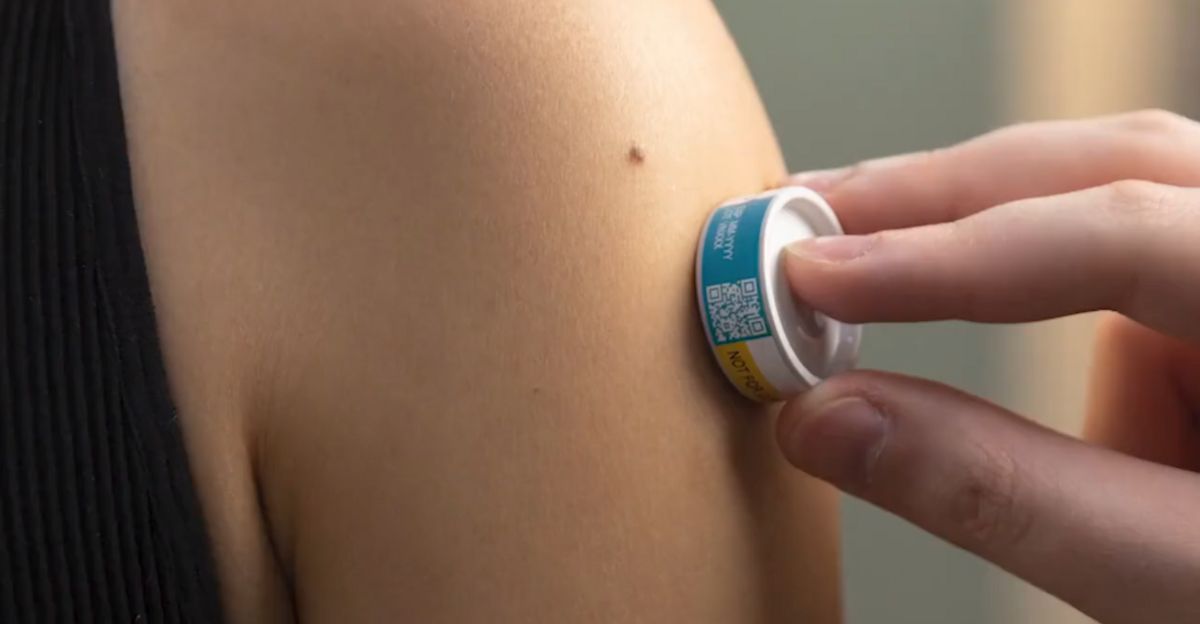
The Gates-funded MIT quantum-dot microneedle patch is at the intersection of global public health strategy, digital health, and bioengineering. It provides a workable, privacy-conscious solution to the urgent global health issue of vaccine record loss.
It is far from dystopian surveillance; rather, it is an example of how new technologies can improve immunization accuracy in low-resource environments, saving millions of lives. Realizing its transformative potential while preserving privacy and trust will require ongoing development, ethical deployment, and community involvement.