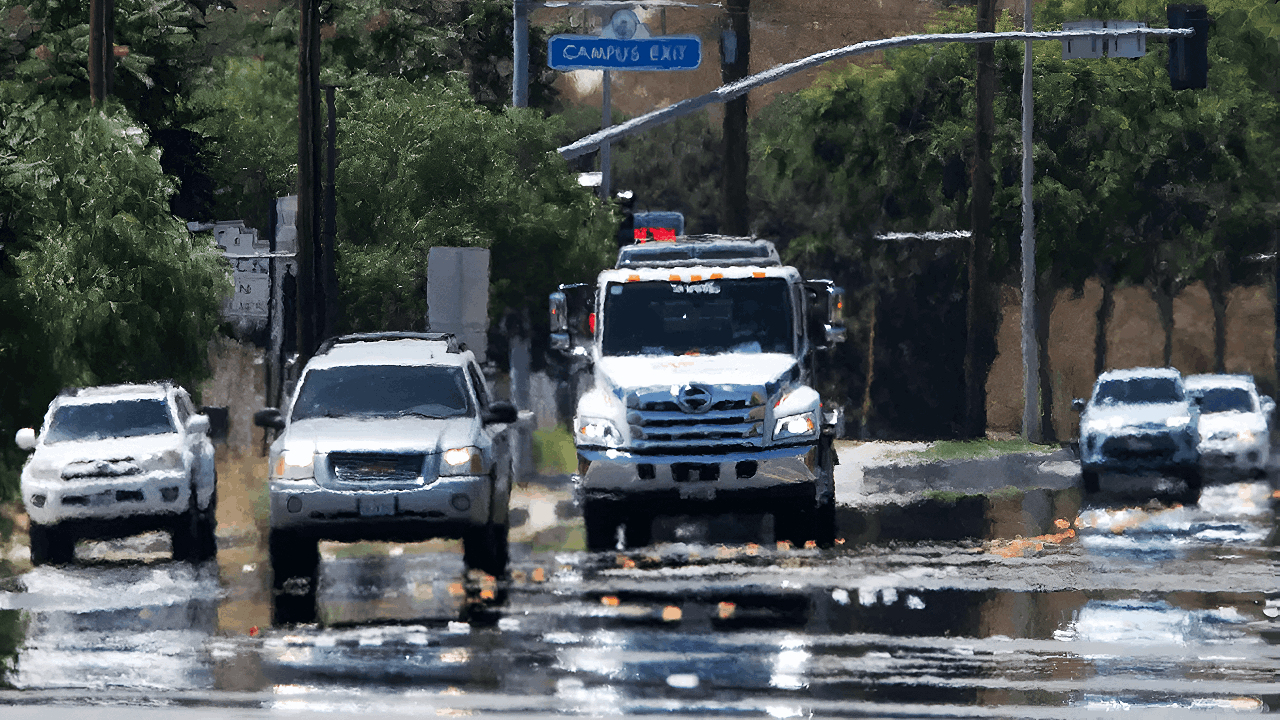
This late-October heat wave sent SoCal temperatures to the upper 90s°F, far above normal for fall. Inland valleys in San Diego, Orange, Riverside, and San Bernardino counties hit around 97°F on Oct 29.
Heat advisories cover millions of residents (these four counties total ~11.2M people), warning of elevated heat-illness risk. The National Weather Service notes this surge was “about 10 degrees above normal” for the season.
Santa Ana Winds and High Pressure Fuel the Warm Spell
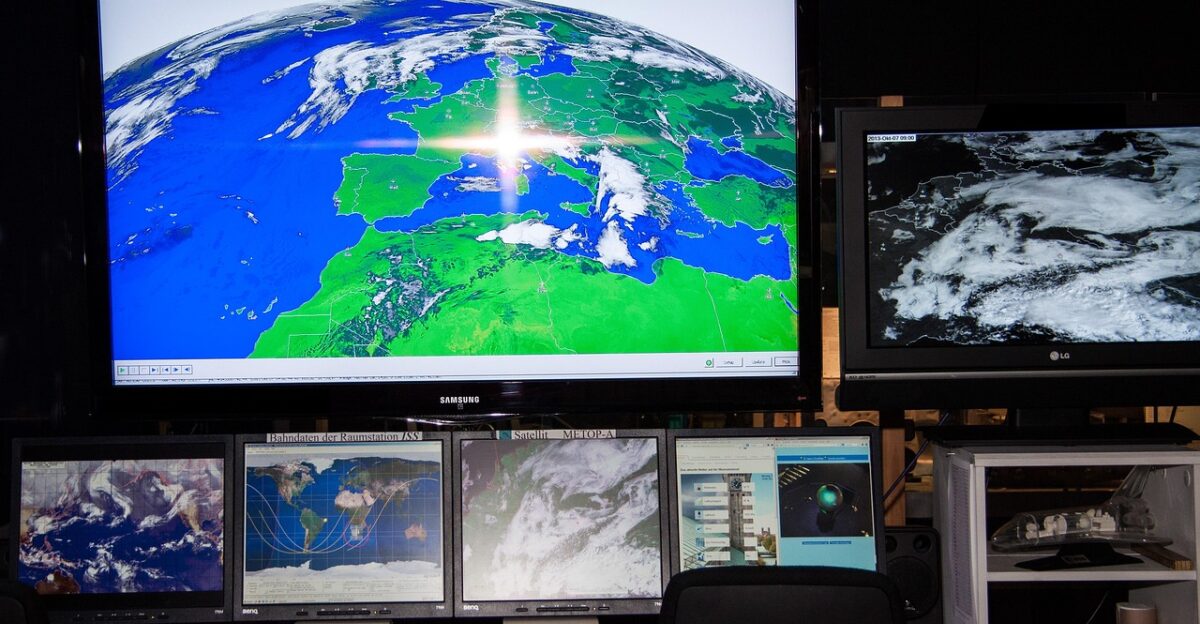
Meteorologists blame a persistent high-pressure ridge and early Santa Ana winds for the heat. Offshore gusts of 30–50 mph funneled dry desert air inland. Los Angeles meteorologist Belen De Leon warned, “We’re going to have some gusty Santa Ana winds” that boost temperatures.
These combined patterns have driven daytime highs 12–17°F above typical October levels.
Residents’ Health and Routines Disrupted

The sudden heat has forced people to change plans. Health officials urge hydration and caution. The NWS warns “there is a high risk for heat illness for sensitive populations” – including “the very young, the very old… and those active outdoors”.
In response, families are limiting afternoon activities and checking on vulnerable neighbors.
Businesses Ramp Up Cooling Efforts
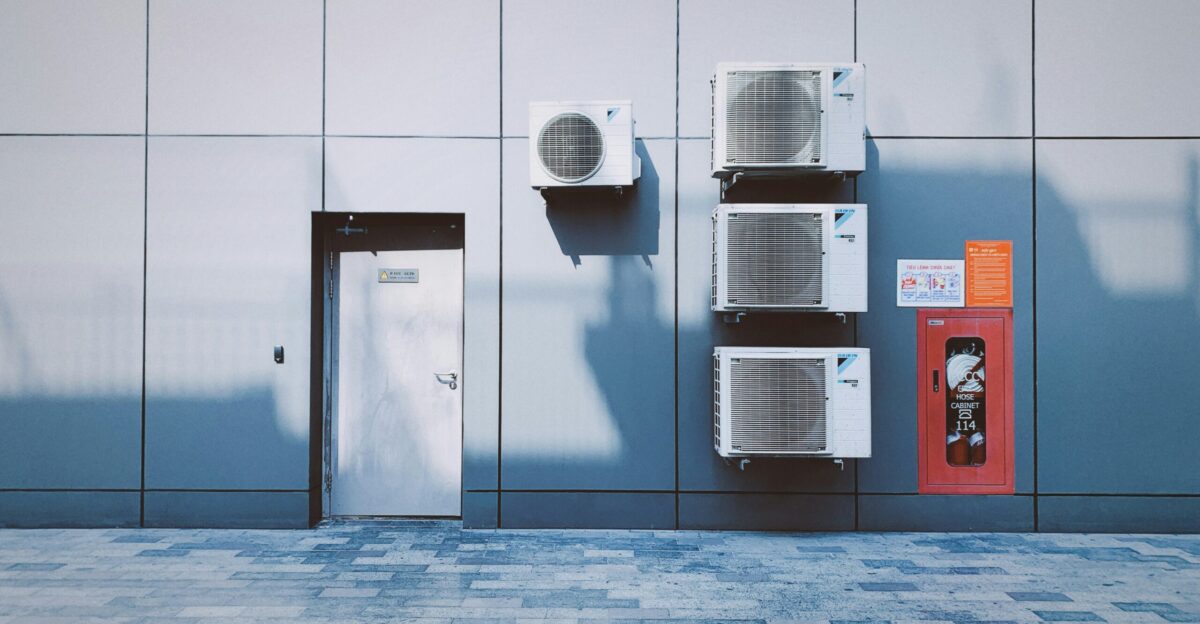
Local businesses are adapting to protect employees and customers. In California, most indoor workplaces (like restaurants and shops) must follow heat-safety rules once indoor temperatures exceed 82°F. Many restaurants and outlets are boosting air conditioning, offering cold beverages, and arranging earlier or split shifts.
Outdoor events are curtailed or moved indoors.
Consumer Run on Cooling Products
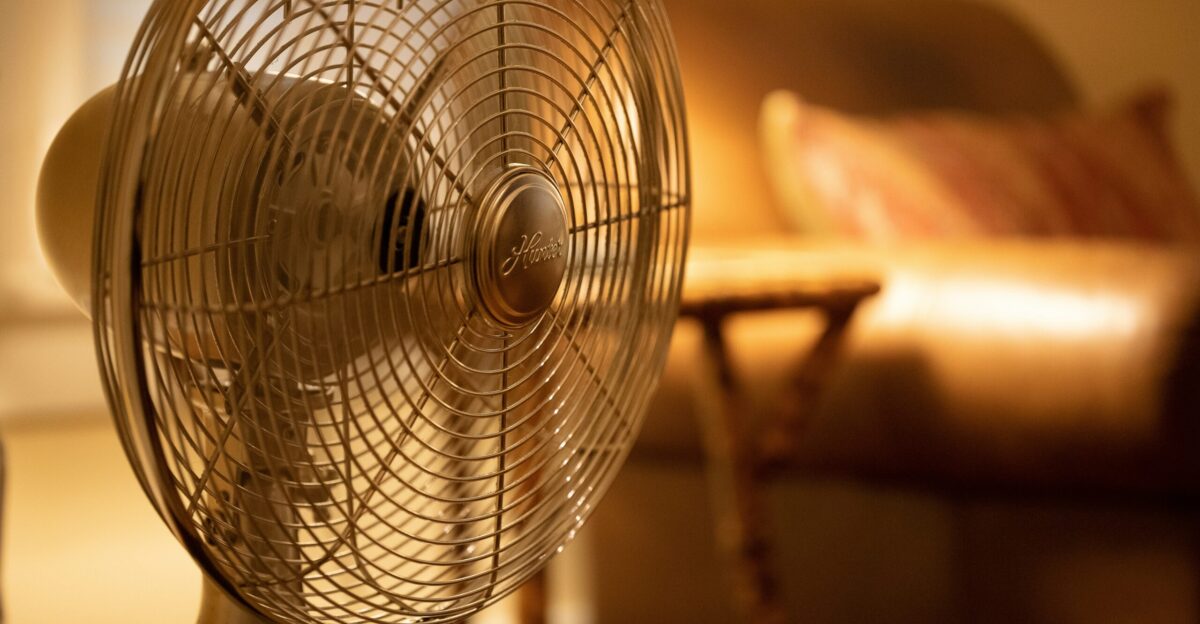
As a result of the heat shock, sales of cooling goods have surged. Hardware and appliance stores report fans, portable AC units, and ice “selling out” during the high temperatures.
Retailers are stacking shelves with extra bottled water, ice bags, and cold beverages. One industry observer noted robust fan and air conditioner sales that quickly deplete stock. This spike in demand underscores how consumers raced to stay cool, from box stores to corner markets.
Power Grid Strains as Demand Soars
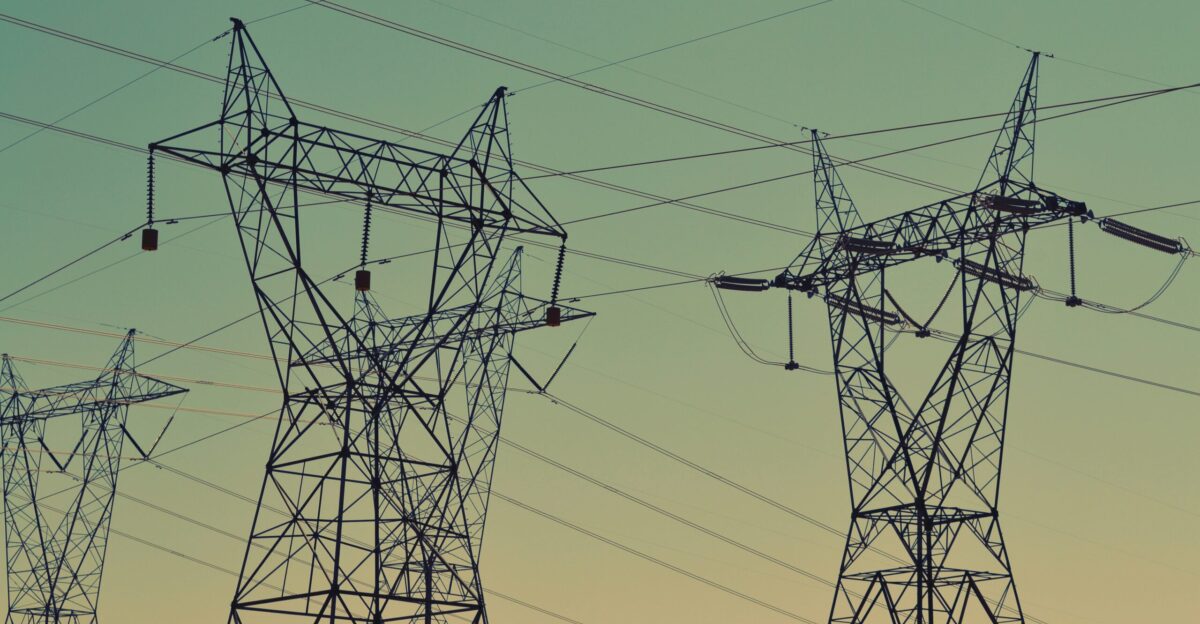
The heat wave is pushing Southern California’s electric grid to its limits. SoCal Edison preemptively cut power to thousands of customers in high-fire-risk zones to ease the load.
Utilities expect to import more electricity from other states as air conditioner use spikes. Analysts warn that “extreme heat… impac[ts] the power grid, bringing increased demand for electricity”.
Farmers and Outdoor Workers at Risk
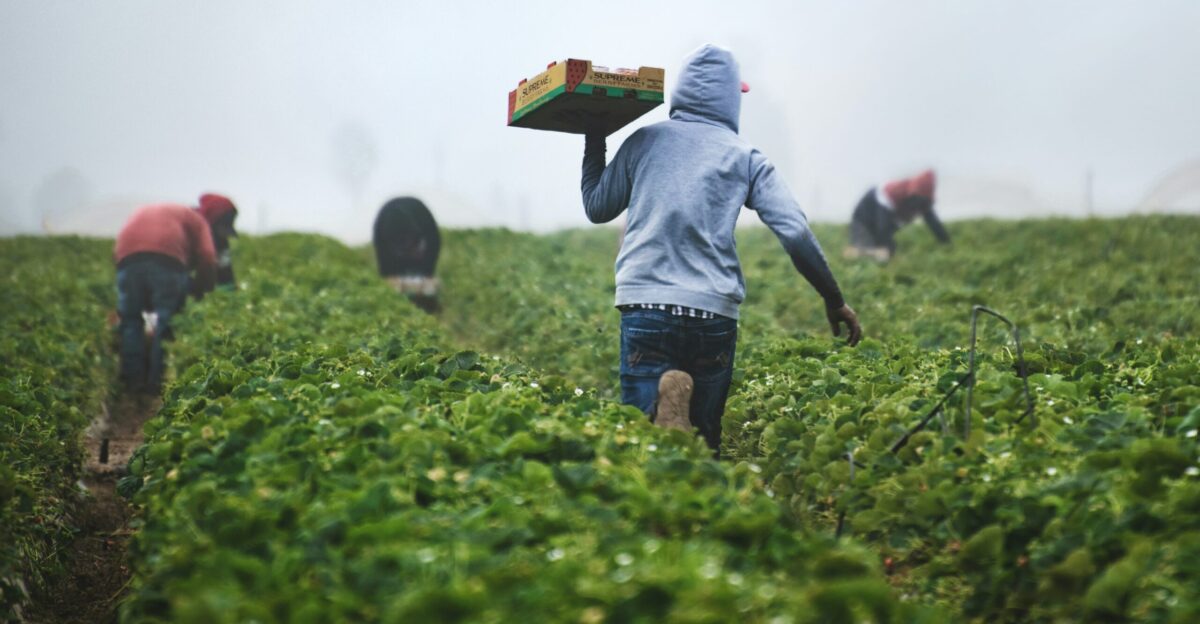
The heat has disrupted agriculture and outdoor labor. Farmers in the Central Valley and desert valleys are adjusting irrigation and harvest schedules to avoid peak heat. California’s outdoor heat-safety rules kick in at 95°F: when fields reach that mark, “high-heat procedures” are required (such as shaded rest areas and emergency plans).
Construction crews and landscapers, for example, are limiting work to early mornings or evenings.
Authorities Deploy Firefighting and Cooling Resources
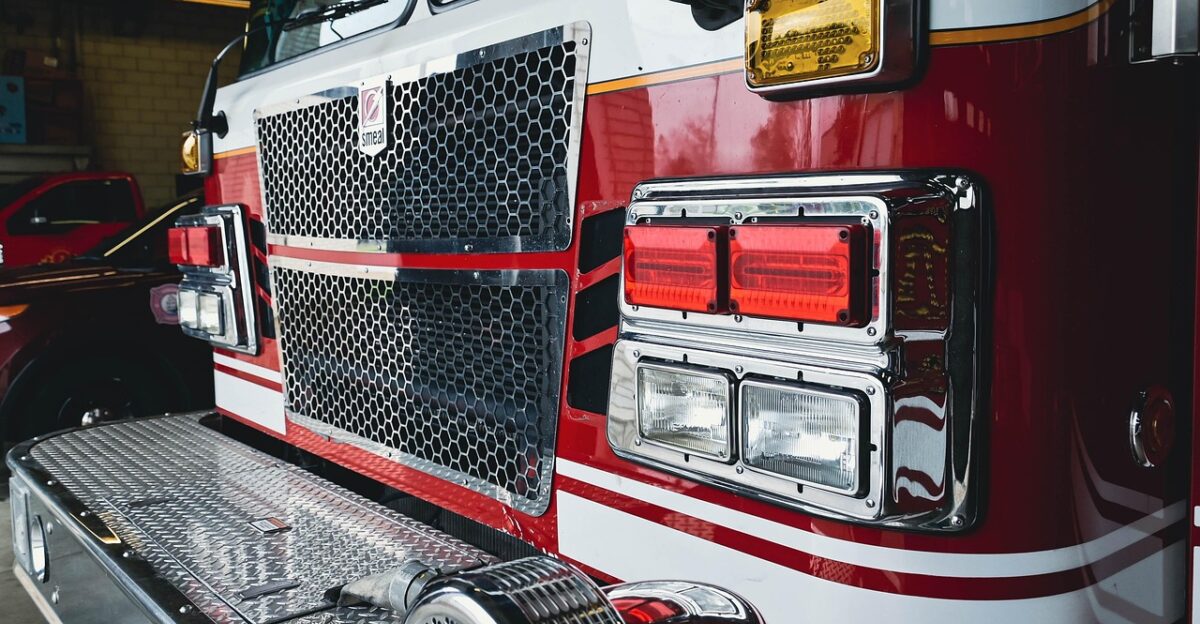
State and local officials have mobilized swiftly. Governor Newsom’s Office of Emergency Services ordered pre-deployment of fire engines, water-dropping aircraft, and firefighting crews across SoCal. Local governments opened dozens of “cool zones” – air-conditioned public spaces – for residents without home AC.
Public health agencies emphasize care: San Diego County’s alert urged residents to “drink plenty of fluids” and advised on heatstroke prevention.
Rising Energy Bills and Food Prices

Heat-driven demand is pushing up costs. Utilities warn that surging AC use could raise electricity rates. Experts note that higher temperatures often “persistently increase food inflation”, as crop heat stress reduces yields. Early reports indicate produce prices may climb, especially for heat-sensitive fruits and vegetables.
In combination, higher power bills and pricier groceries will pinch household budgets beyond California – illustrating the wider economic ripple of this weather event.
Retailers Pivot with Heat-Relief Deals
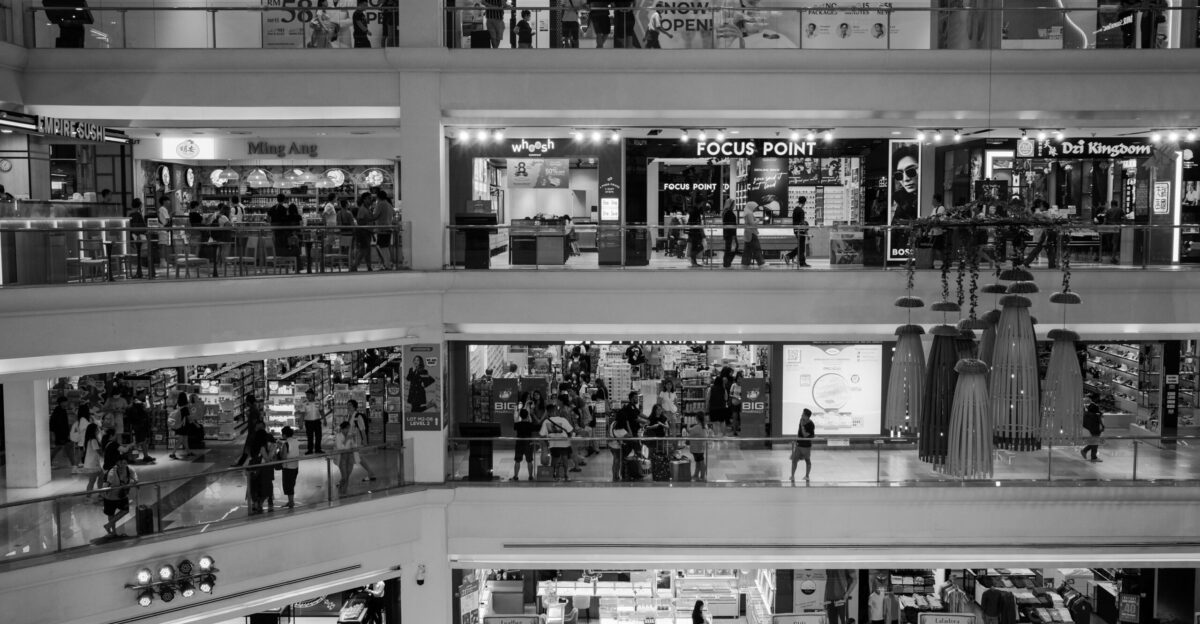
Even retail giants are tweaking operations as a. Major stores have extended hours and rolled out “heat relief” promotions. For example, chains are offering specials on bottled water and fans, and some set up in-store cooling stations. Hardware outlets noted fans and AC units “selling out” on shelves.
These rapid retail pivots – longer hours, restock of coolers, promo displays – show how businesses quickly respond to unexpected consumer needs.
Restaurants and Hotels Adjust Menus and Services
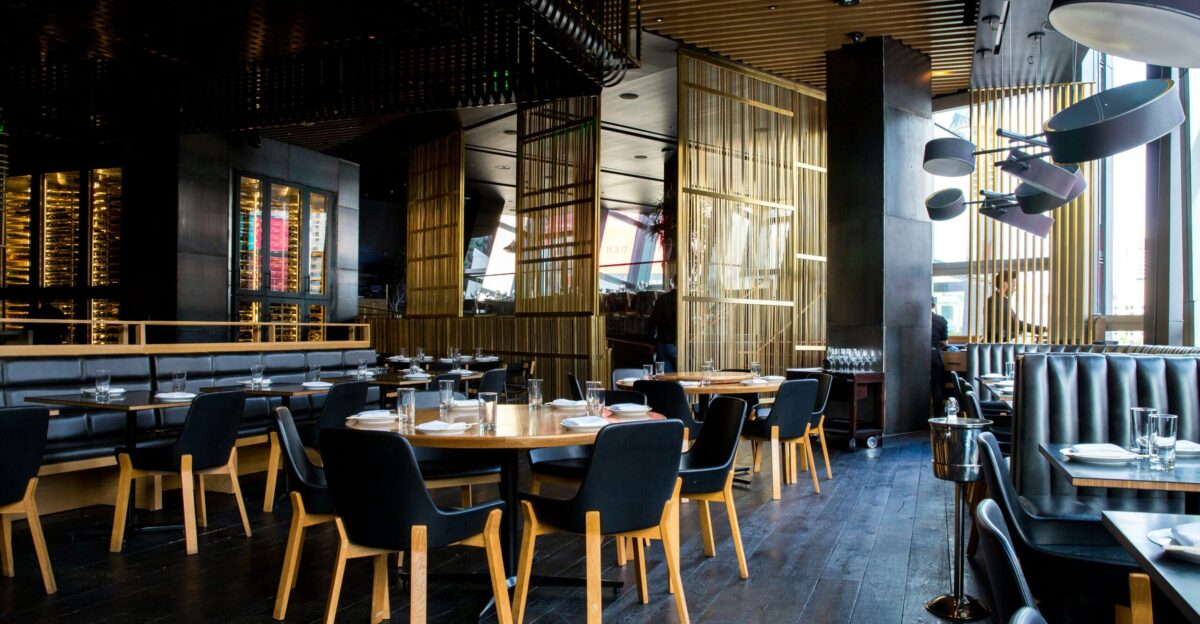
Food and hospitality venues are also changing course. Many restaurants are shifting to cold seasonal menus (salads, smoothie promotions) and suspending outdoor dining. In fact, during a recent heat wave, “some restaurants closed… and shut down their outside dining areas” while providing extra water to customers.
Hotels and motels are warning guests of high overnight lows and offering complimentary water and snacks.
Supply Chains Stressed by Extreme Heat
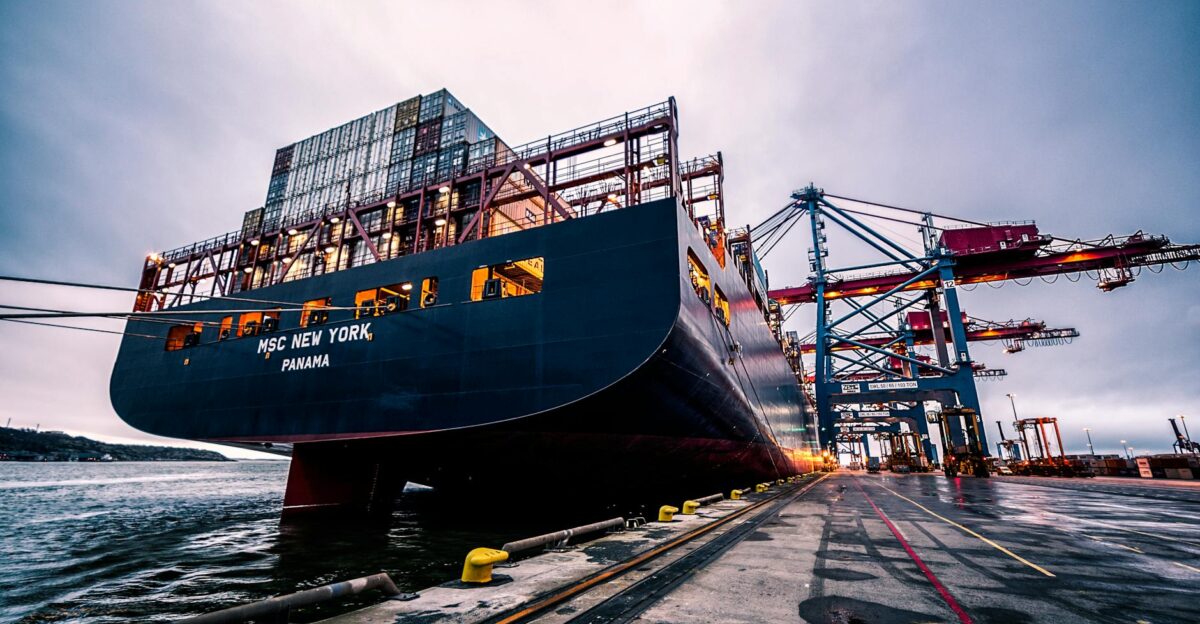
The ripple extends through supply networks. Cold-chain operators report tighter windows for perishable goods: urban heat spots force faster, more frequent deliveries to prevent spoilage.
Logistics firms warn that “extreme heat waves” create unsafe conditions for transport crews, raising spoilage and insurance costs. For example, pet food and frozen meal producers are rerouting trucks to avoid midday heat, and delivery couriers start routes earlier.
Global Markets and Climate Discourse
The unusual heat has drawn international attention. Global energy and HVAC companies note higher demand: as the IEA reports, worldwide “demand for cooling is increasing quickly as temperatures…rise”.
Exporters of air conditioners and refrigeration equipment are watching the SoCal markets. Meanwhile, international media juxtapose this SoCal heat wave with record warmth abroad – underscoring climate resilience themes. The event feeds into a broader conversation on extreme weather, urban heat adaptation, and the global trend toward hotter falls.
Public Health Precautions and Lifestyle Changes

Health officials continue pounding the warning: this is an emergency. The CDC reminds that extreme heat contributes to over 700 U.S. deaths each year. In line with this, agencies repeat the mantra: “Drink plenty of fluids, stay in an air-conditioned room… and check up on relatives and neighbors”.
Families are adjusting traditions – for instance, planning earlier or indoor Halloween activities – to beat the heat.
Climate Change and Urban Planning Debates

The heat wave has reignited discussions on long-term solutions. Community leaders and planners are calling for more urban green space and cooling infrastructure. As one advocate puts it, creating “more trees, parks and green roofs” is key to beating urban heat.
Policymakers are debating stricter building codes (white roofs, shaded bus stops) and expanded heat-mitigation funding.
Winners and Losers of the Heat Wave
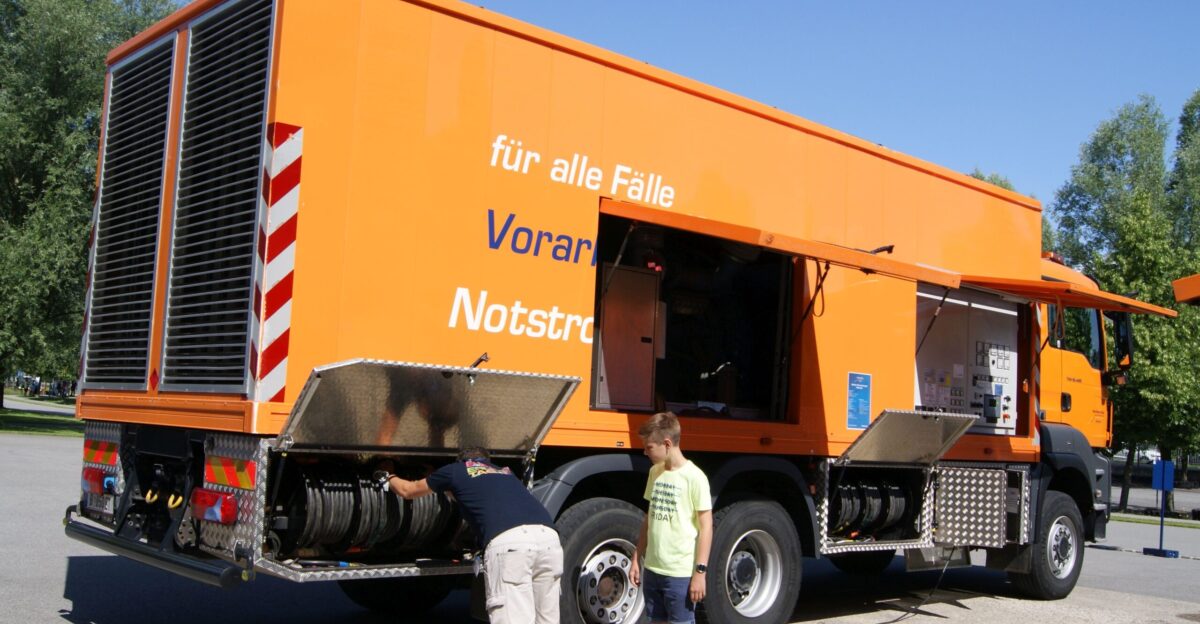
The economic divide shows starkly. Manufacturers of cooling gear and electricity generators are clear winners, as sales and loads surge. By contrast, farmers, outdoor contractors, and event organizers are losing money from disruptions.
Vulnerable communities bear the brunt: studies confirm heat mortality “kills along socioeconomic lines,” impacting lower-income and minority neighborhoods hardest.
Financial Markets Price Heat Risk

Investors and insurers are taking note. Utility and energy stocks may tick up on higher demand forecasts, while insurers are bracing for claim surges. Industry analyses warn that extreme heat “can increase medical, life, and workers’ compensation claims”. Agricultural and crop insurers are eyeing potential losses from stressed harvests.
In financial markets, companies making air conditioners, ice-makers and bottled water see short-term gains.
Staying Safe in the Heat

Experts urge personal preparation and caution. Dr. John Rodarte of Huntington Hospital advises planning outdoor tasks for cool times of day. He says to “plan activities for early morning or early evening… avoiding midday when the sun is strongest” and to “take plenty of water and a wide-brimmed hat”.
Sports drinks or electrolyte supplements are recommended for strenuous work. In practice, neighbors should share cold water, set timers for breaks, and watch for heat-cramp or heatstroke symptoms..
Preparing for More Autumn Heat Waves
Scientists warn that late-season heat like this could become more common. A UCLA climate study finds heat waves are lengthening: “even relatively modest warming can significantly boost the risk of powerful, enduring heat waves,” says researcher David Neelin.
In other words, each fraction of a degree of warming has an outsized effect on extremes. State agencies are using this event as a wake-up call: plans now include more resilient power grids, expanded cooling centers, and updated emergency response.
A Broader Reflection
California’s late-October heat wave shows how one weather event can cascade across society. From health and housing to markets and policy, the impacts have been interconnected. As UCLA scientists note, “each fraction of a degree” of warming dramatically amplifies heat waves.
This shock will inform future preparations – spurring investments in resilience and reminders that communities and industries are tightly linked.