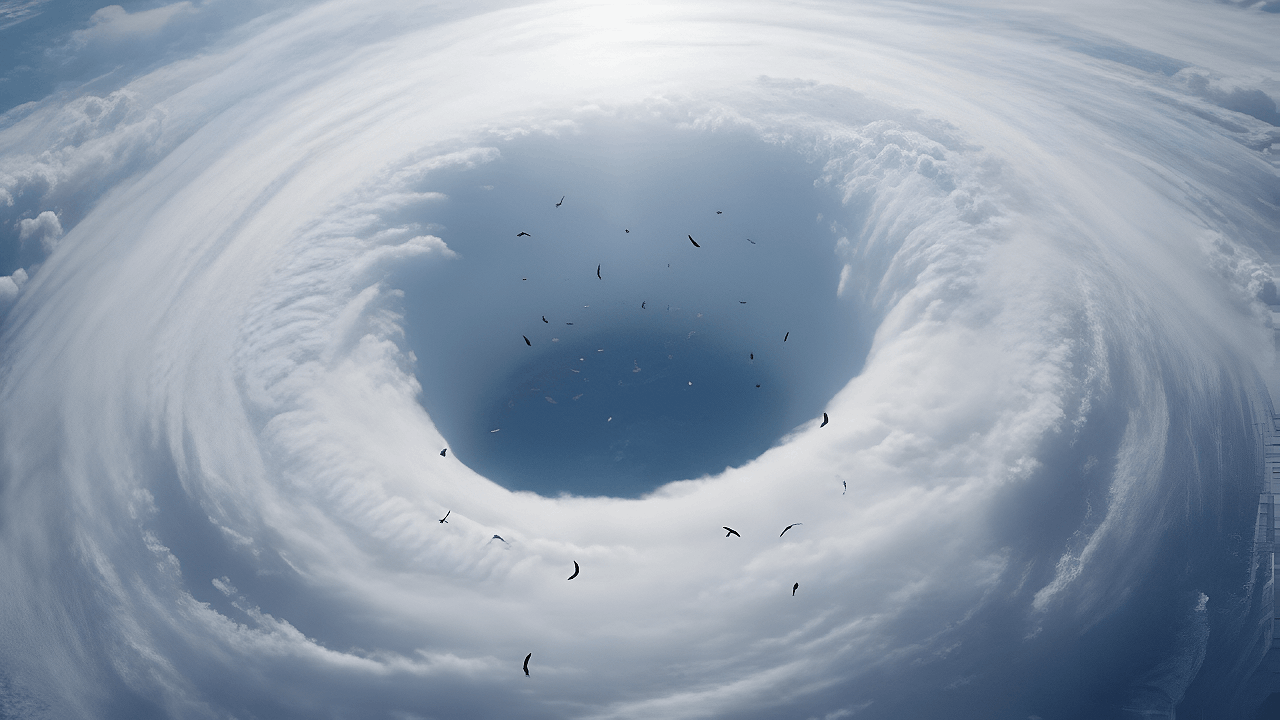
Winds whip across Jamaica’s southern coast as Hurricane Melissa closes in — a Category 5 monster packing sustained winds of about 175 mph. The National Hurricane Center warns of “catastrophic damage” and possible “total structural failure” once it hits.
Officials say it’s Jamaica’s strongest storm in modern history and the most dangerous anywhere this year. Still, many residents, like Marlene on the coast, refuse to leave, quietly saying, “I’m staying where I belong.”
An Ocean That’s Too Warm to Sleep
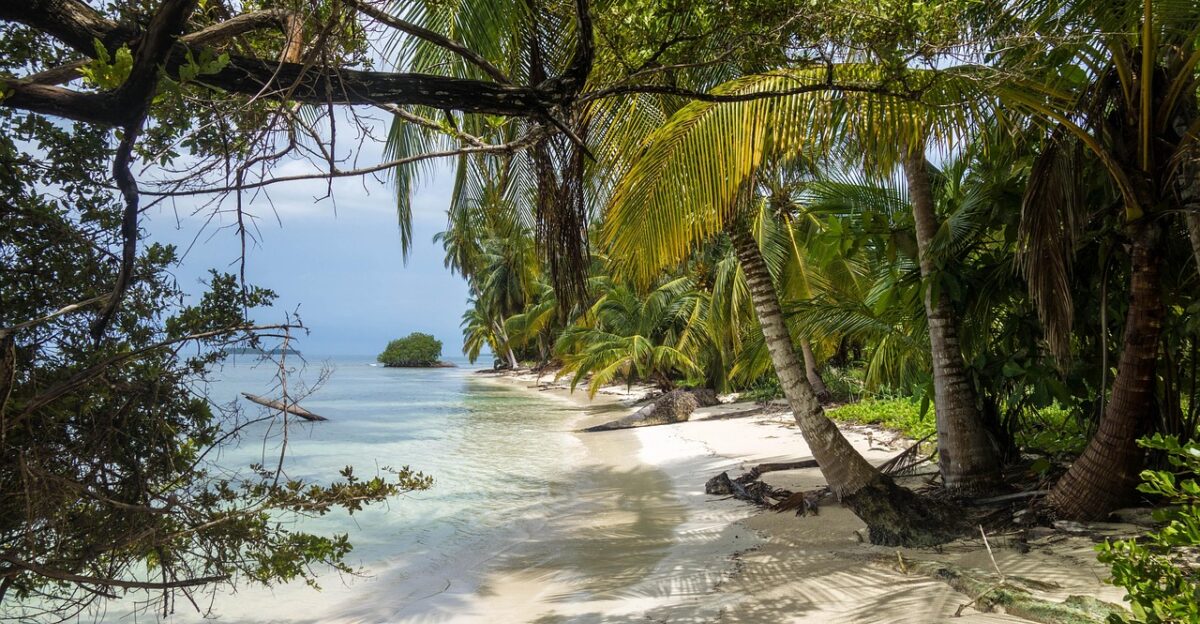
Meteorologists say Melissa’s explosive growth has been powered by Caribbean waters warmer than scientists have ever recorded this late in the season. “It’s like fuel on a fire,” one forecaster explained, noting sea temperatures well into the upper 80s Fahrenheit.
According to the National Hurricane Center, those deep layers of heat energy are why the storm not only intensified so quickly but is now sustaining its Category 5 strength even as it nears land.
The Storm That Won’t Move
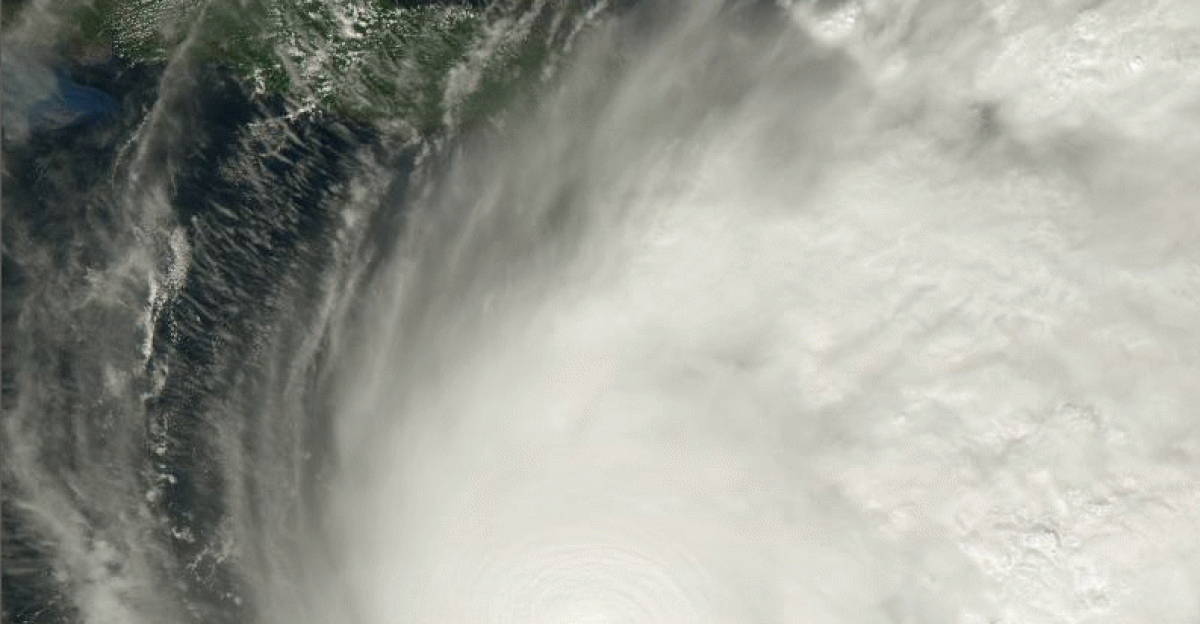
Melissa isn’t racing across the map like most hurricanes — it’s barely crawling. At just two miles per hour, the system is essentially hovering, dragging its destructive core over the same ground for hours.
Meteorologists warn this could dump up to 30 inches of rain in parts of eastern Jamaica. “A storm that moves this slowly is often the deadliest kind,” a weather analyst told ABC News, “because the water has nowhere left to go.”
The Nation That Stayed
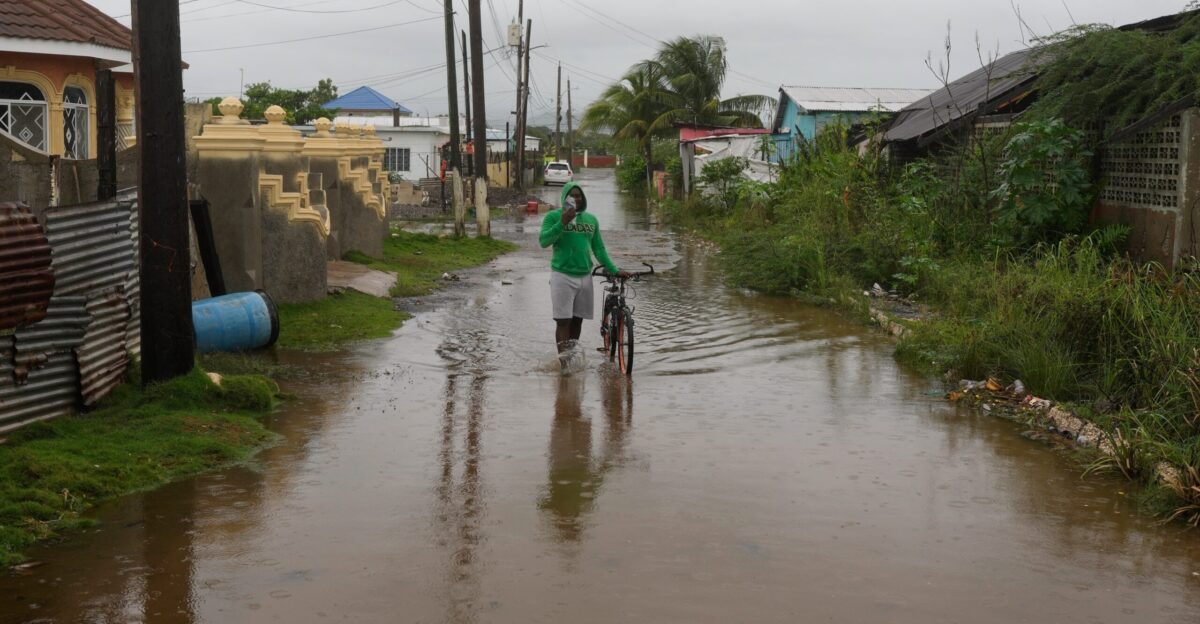
Despite every warning, nearly all of Jamaica’s 2.8 million residents remain in place. There are 850 shelters across the island with a capacity of more than 20,000 people, but according to government officials, only about 1,000 have checked in.
Prime Minister Andrew Holness has pleaded for evacuation, saying “No structure in the region can withstand a Category 5.” But many Jamaicans are choosing faith and familiarity over flight as some distrust public shelters and others refuse to abandon the homes they’ve built.
Already Counting the Lost
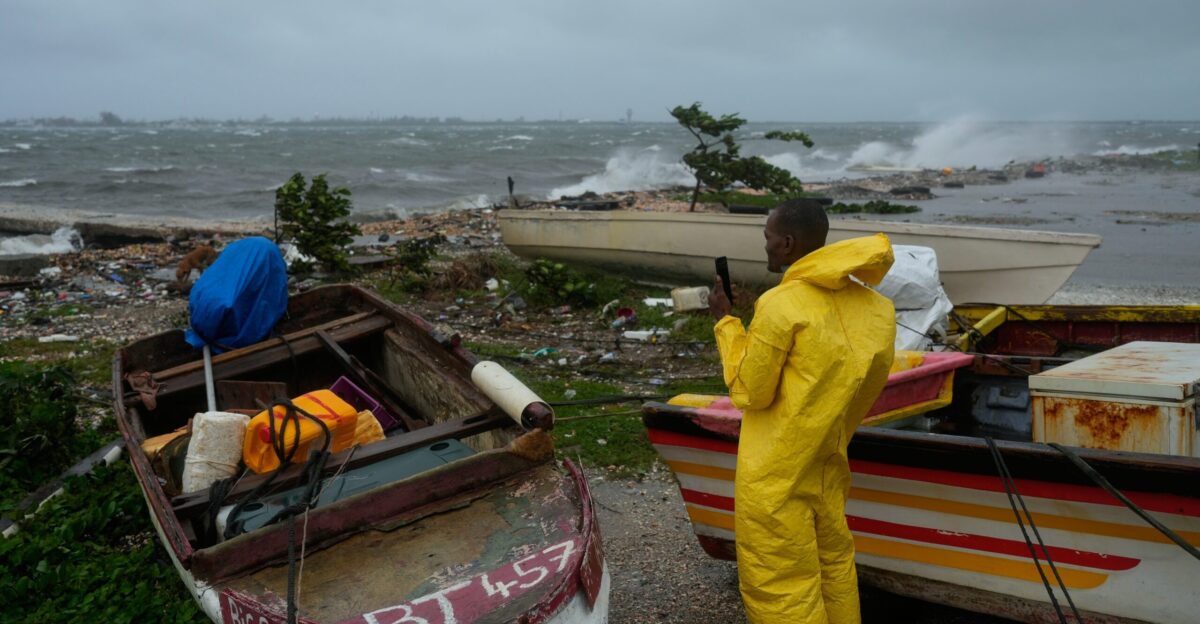
Before Melissa’s eyewall even arrives, officials confirm at least seven deaths across the northern Caribbean — three in Jamaica, four in Haiti, and the Dominican Republic. Floodwaters have washed out bridges, and fallen trees block key highways.
Emergency teams say they can’t reach some communities. As the storm’s outer bands roar through the night, one Jamaican disaster-response official told Reuters, “We are bracing for more casualties once communications are restored. “
Power Flickers, Then Darkness Falls
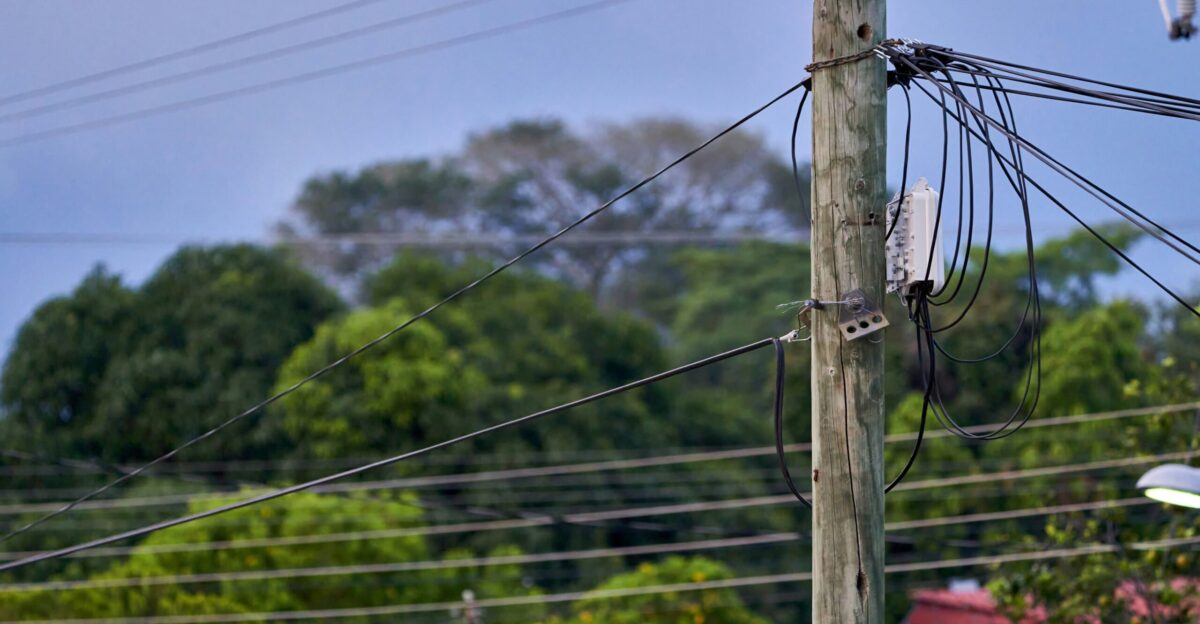
Across Jamaica, lights are blinking out one district at a time. Utility crews report tens of thousands without power, with repairs already hampered by gale-force winds. “We’re losing lines faster than we can fix them,” a spokesperson said.
Engineers are trying to protect substations before the eyewall arrives. Still, officials acknowledge that much of the island could be without electricity for days — maybe weeks — once the storm’s full force hits.
“No Infrastructure Can Withstand This”
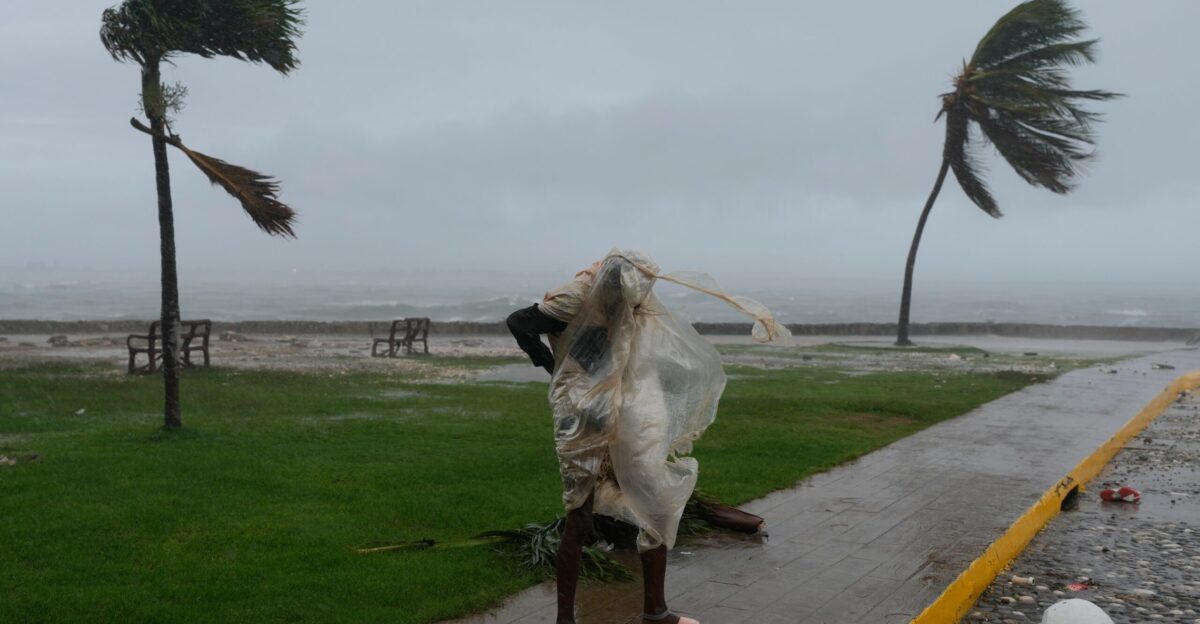
Prime Minister Holness’s voice carried a rare gravity on Monday night in a televised address. “There is no infrastructure in the region that can withstand a Category 5,” he said, urging everyone to move inland or seek shelter.
According to Reuters, the government has pre-positioned emergency crews and supplies. Officials privately admit that Jamaica’s roads, hospitals, and power grid were never built for winds that were this strong or rainfall that was relentless.
Cuba’s Massive Evacuation
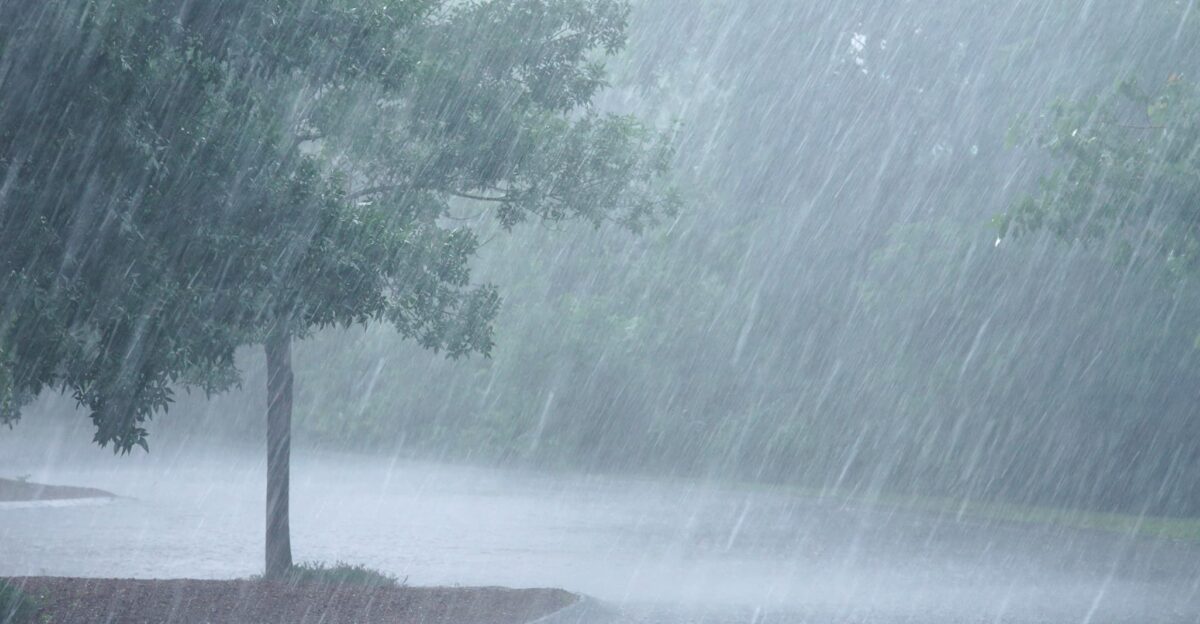
Across the Caribbean Sea, Cuba is not taking chances. State media reports more than 600,000 residents are being moved from eastern provinces — one of the largest evacuations in recent memory. Buses, trucks, and tractors are ferrying families to higher ground as Melissa’s outer rainbands lash the coast.
Forecasters say parts of Cuba could receive 20 inches of rain by early Wednesday, and dangerous flooding is likely in low-lying areas.
Airports Silent, Roads Empty
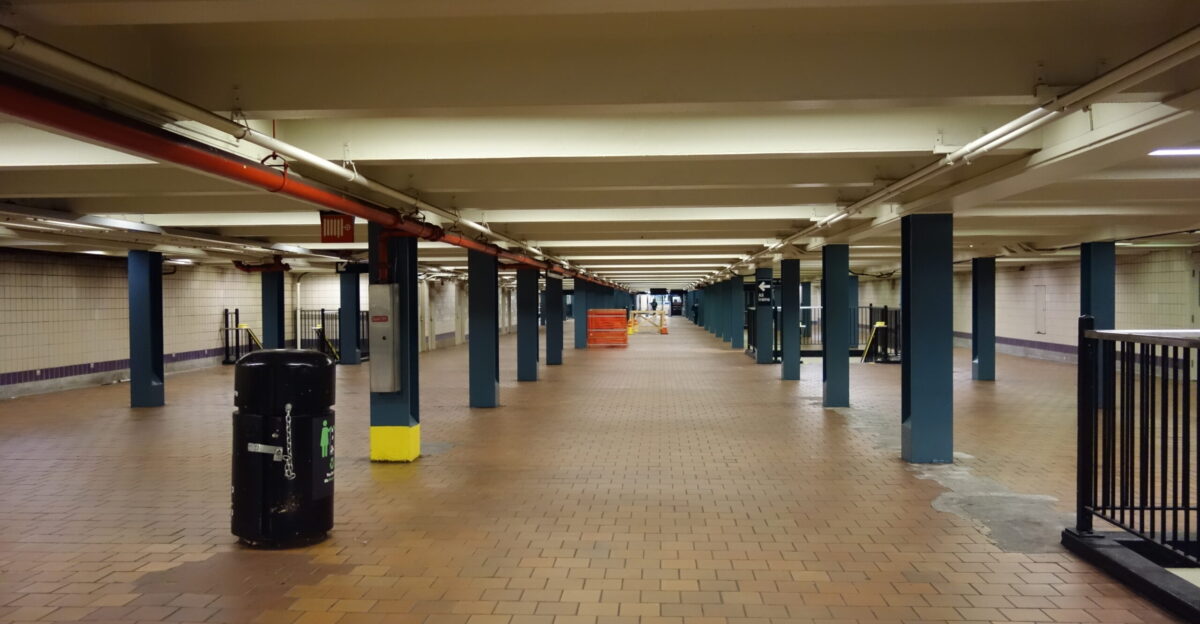
Jamaica’s international airports in Kingston and Montego Bay have both closed, leaving terminals dark and runways flooded with seawater. The once-busy roads are now deserted as residents hunker down.
Food and fuel deliveries have stopped, and officials warn that supplies could tighten quickly. “No one is on the move anymore,” said a traffic officer in Mandeville. “The island feels like it’s holding its breath.”
Tourism’s Sudden Halt
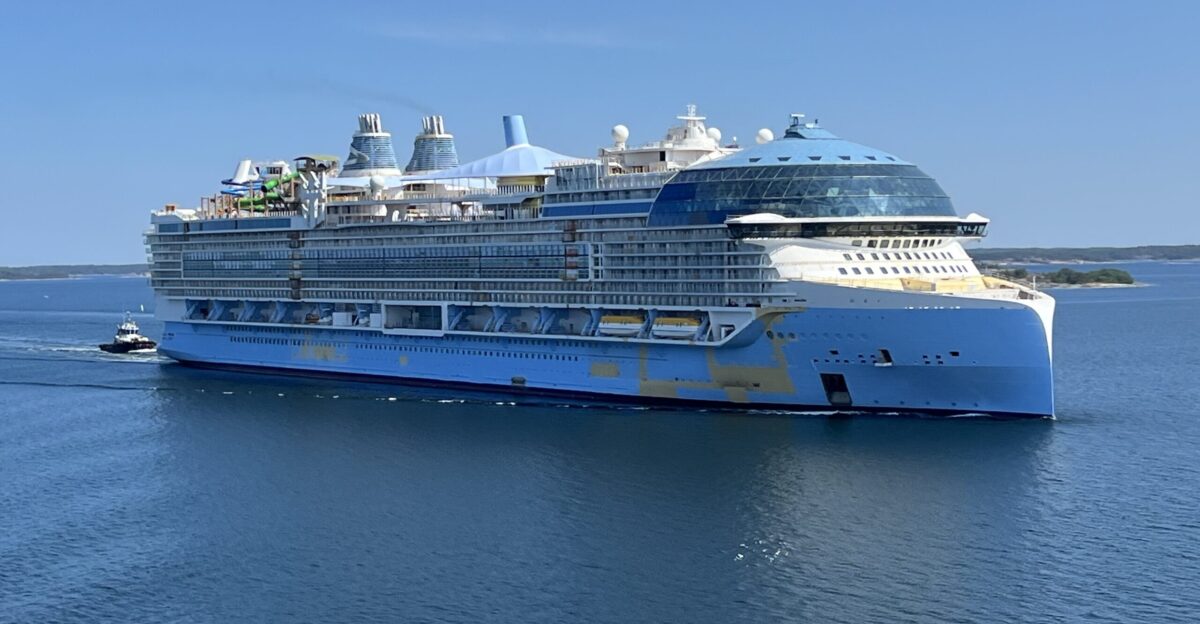
Melissa’s impact reaches far beyond Jamaica’s shores. Cruise lines have diverted ships, and travel agencies are canceling trips across the region. “The entire tourism chain is on pause,” said a Caribbean hospitality analyst.
As travelers postpone plans, the Bahamas, Cayman Islands, and parts of eastern Cuba are bracing for ripple effects. It’s a devastating blow for economies still recovering from pandemic losses and now facing nature’s fury again.
Race to Reach the Vulnerable
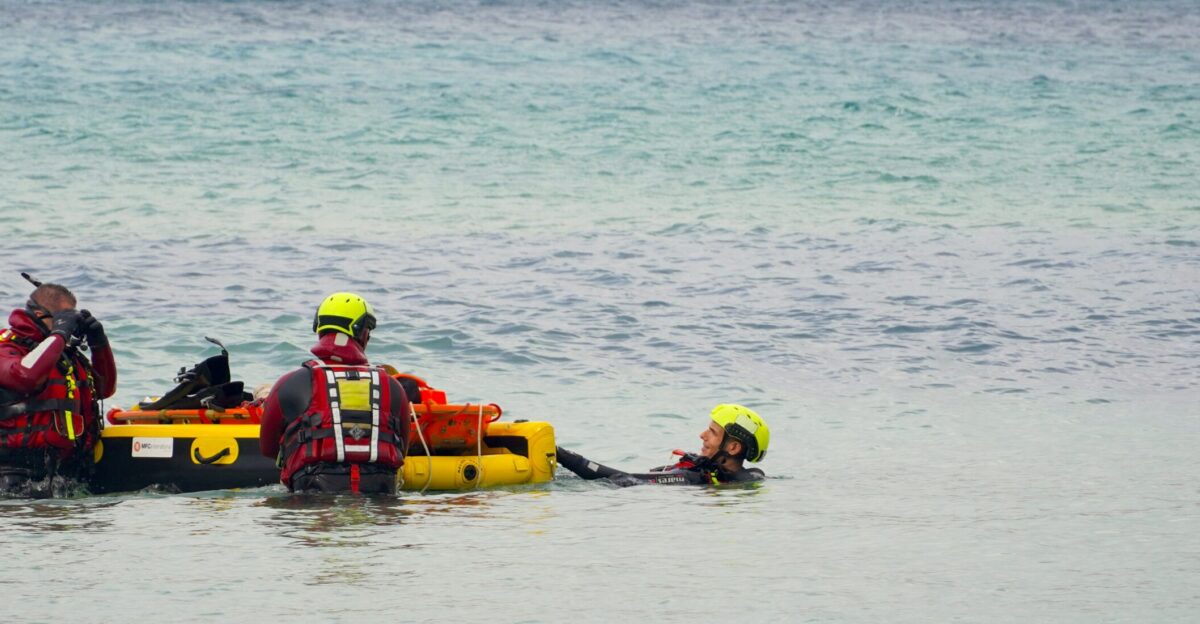
Rescue teams and aid groups are on standby across the Caribbean, waiting for conditions to improve before moving. The Red Cross and regional disaster agencies say flooded roads and debris make it nearly impossible to access communities in need.
“The biggest threat isn’t just the wind,” one coordinator explained, “it’s isolation.” Every hour that passes with the storm stalled overhead raises the risk for those trapped without power or clean water.
Economy Under Strain
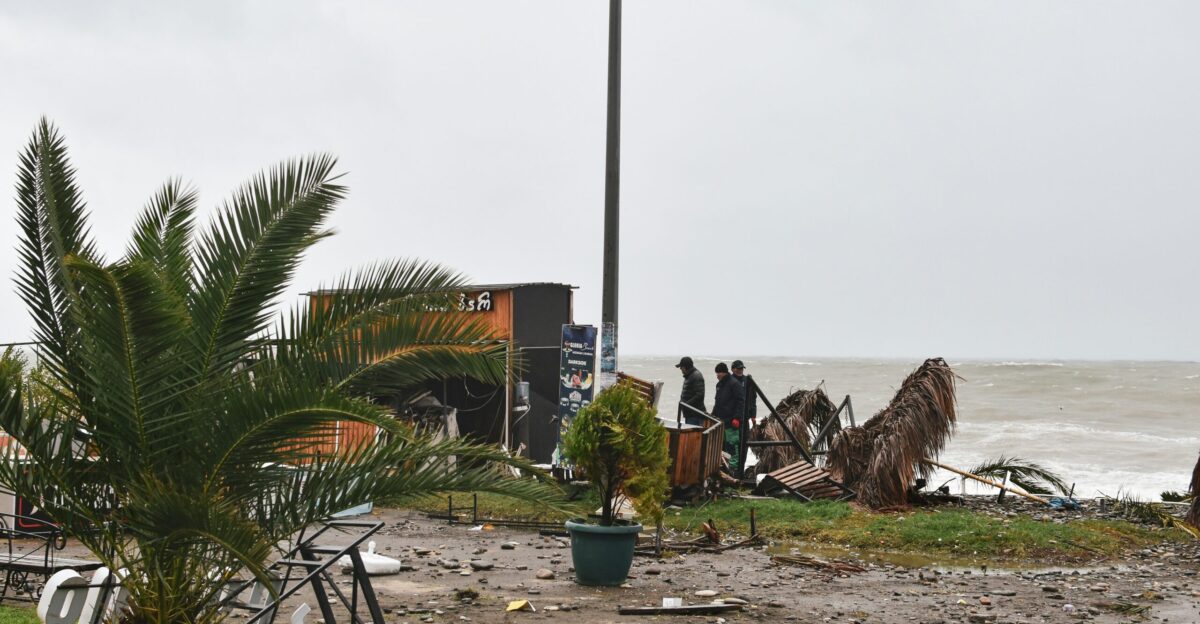
Economists say Melissa’s destruction could ripple through the region for months. Crops, factories, and small businesses already struggling with inflation now face costly recovery efforts. Insurance firms warn of record claims, while shipping delays may drive up prices for food and fuel.
“This storm will have a deep economic scar,” said a Reuters analyst, noting that rebuilding materials are already in short supply across Caribbean ports.
Health and Heartbreak
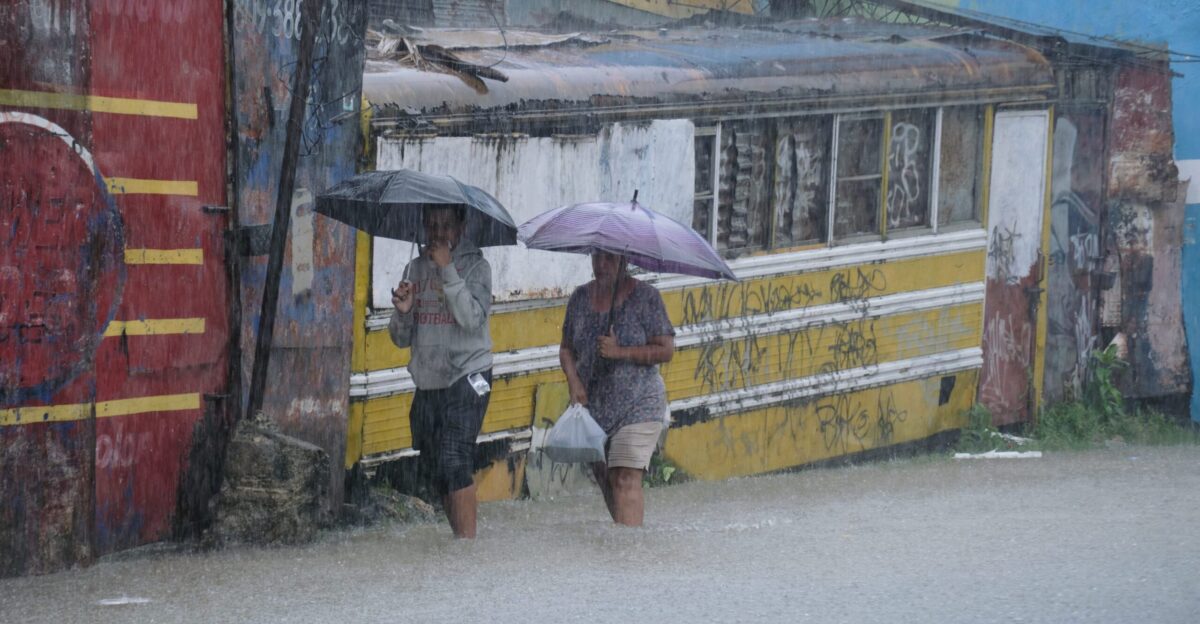
Beyond the immediate damage, public health officials fear what comes next. Flooded water systems could spread disease, hospitals may lose power, and mental-health hotlines are bracing for calls. “The trauma from a storm like this doesn’t end when the wind stops,” a Jamaican Red Cross volunteer said.
Communities are checking on elderly neighbors and gathering supplies as best they can, even while the rain continues to pound on rooftops.
Climate Wake-Up Call
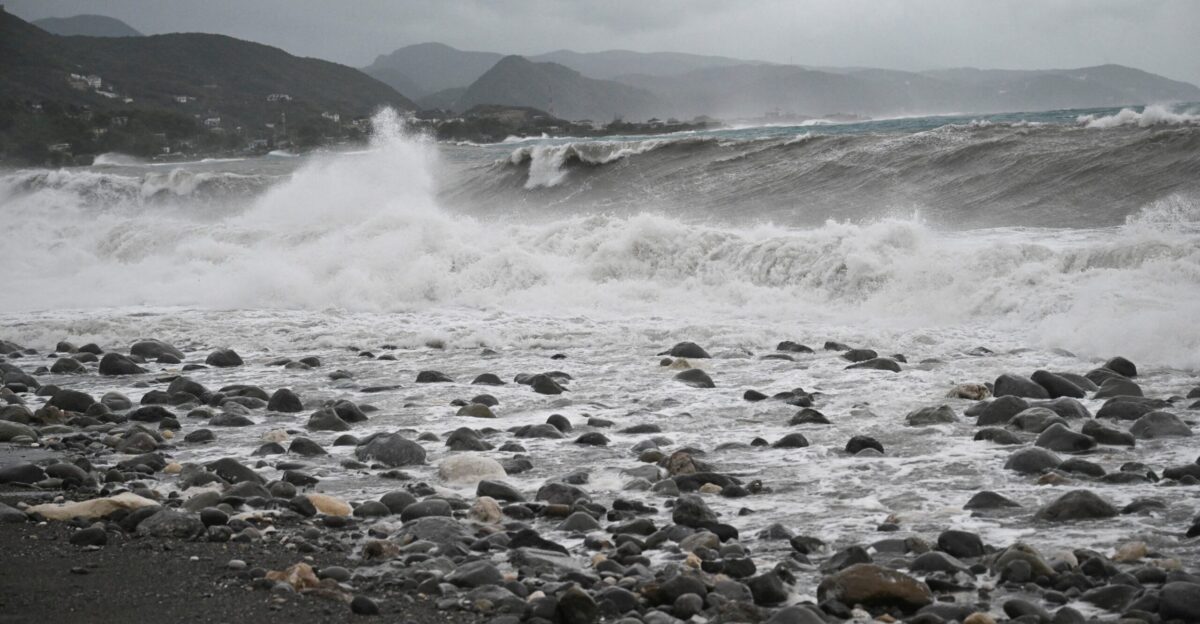
Melissa’s strength has reignited a global conversation about climate resilience. Scientists say warming oceans and slower-moving systems like Melissa are becoming more common. “This is a symptom of a hotter planet,” one climatologist explained.
The Caribbean, dependent on tourism, agriculture, and fragile coastlines, now faces a stark question: how do you rebuild for a future where storms like this may no longer be rare?
When the Sky Finally Clears
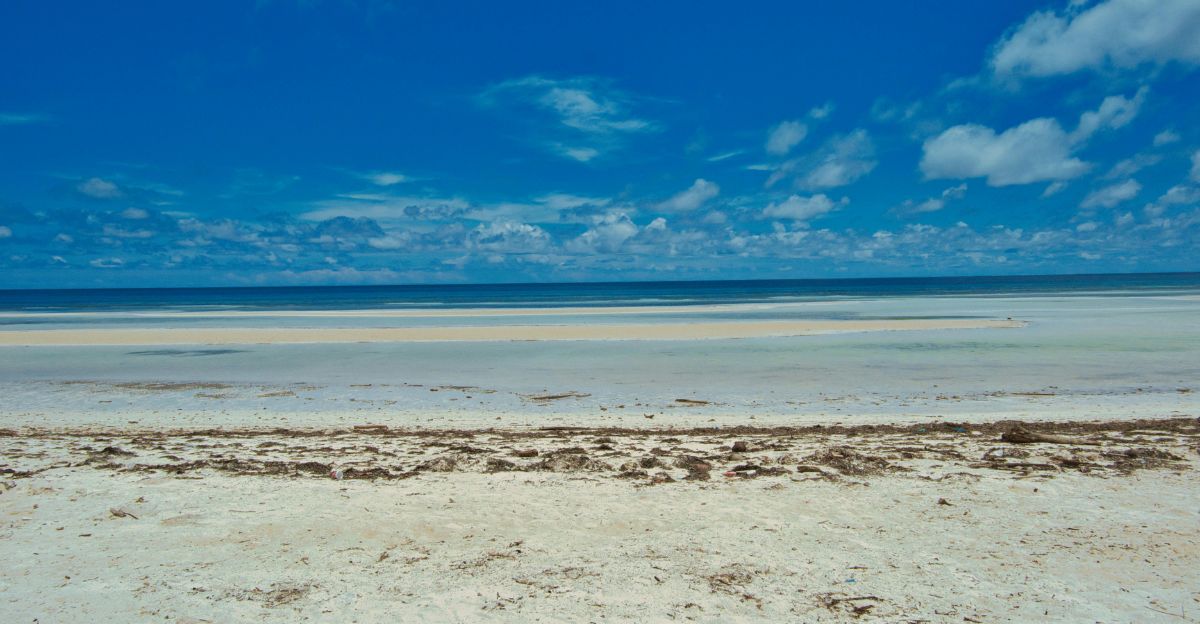
As dawn breaks, Hurricane Melissa still crawls across Jamaica. Prime Minister Holness wrote, “We will weather this storm and rebuild stronger.” The island stands bruised but unbowed — waiting for silence between gusts, knowing recovery will stretch far beyond the storm’s final winds.
From Kingston to Montego Bay, Jamaicans face the sunrise with the same resolve that has carried them through countless tempests: endurance, unity, and faith in tomorrow.